
Philosophy in the Boudoir
1795 · 173 pages
Two libertines take a girl of fifteen through atheism, pleasure and cruelty, pausing for a pamphlet urging the Republic to abolish God with the king. Sade takes reason to its worst conclusion.
★ 4.2
 skopia
Two libertines take a girl of fifteen through atheism, pleasure and cruelty, pausing for a pamphlet urging the Republic to abolish God with the king. Sade takes reason to its worst conclusion.
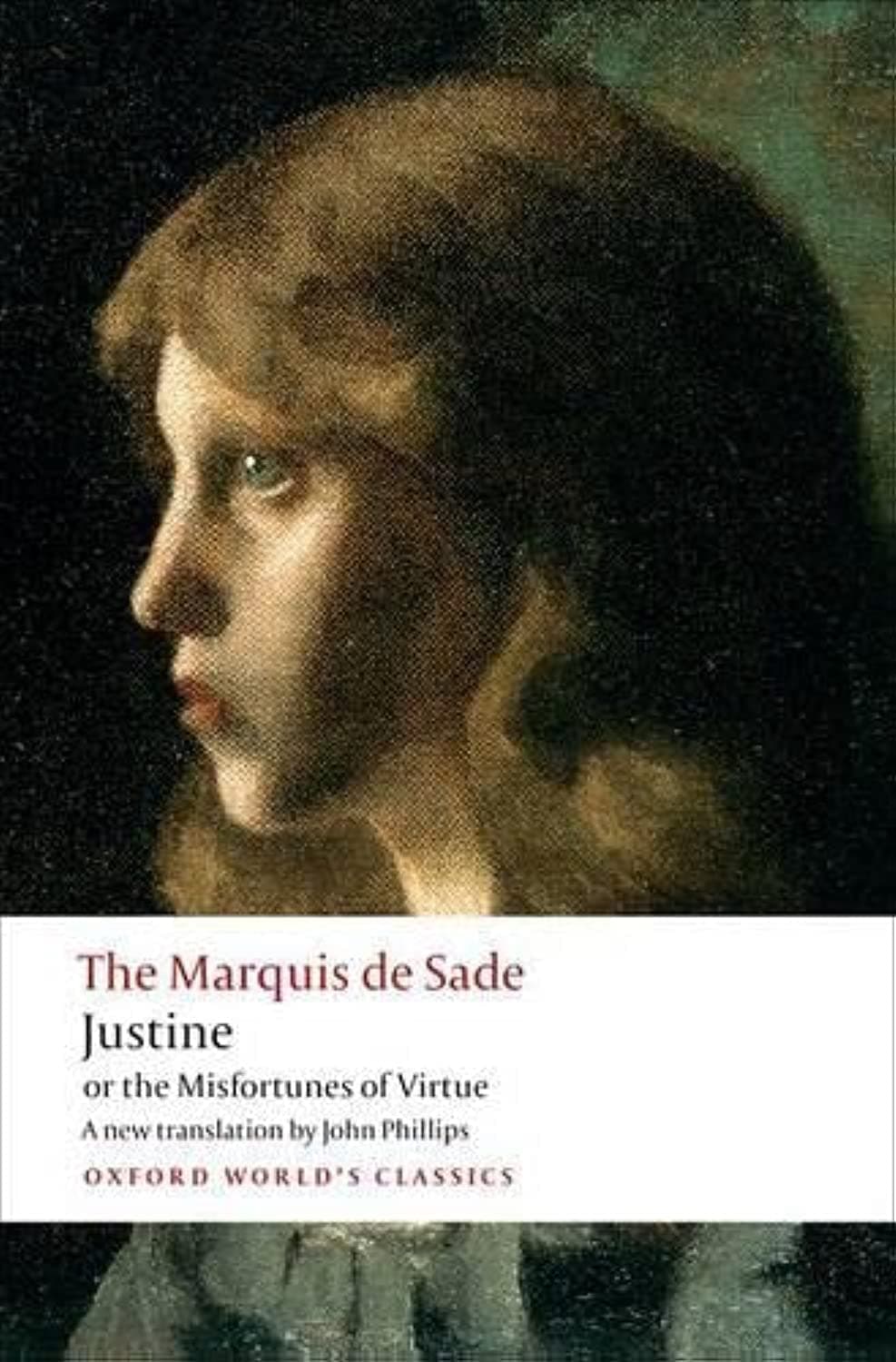
Twelve years old and orphaned, Justine chooses virtue and is punished for it by monks, surgeons, and noblemen who argue at length that nature rewards cruelty. Napoleon had Sade arrested for writing it.

A boy called Africa stares into the wolf's cage and will not leave. The one-eyed wolf gives in, and each reads a whole life in the other's eye: Alaska's snow, then the deserts.

Two bodies lie on a Kyushu beach, arranged as lovers who died together, and the case turns on four minutes at Tokyo Station. Matsumoto pointed Japanese crime fiction straight at government corruption.

A war widow receives photographs of the husband she buried. The trail runs into a London fog where the killer Jack Havoc is loose, and Allingham makes the thriller an argument about evil.

Inspector Maigret arrives fully formed in his first case, following a con man off the Paris express to a Normandy fishing port. He solves people rather than puzzles, and Simenon wrote seventy-four more.

A husband hires Lew Archer to find the bride who fled their honeymoon, and the trail runs back decades into two families' history. In Macdonald's California, crimes are inherited rather than committed.

Le Carré called Ambler the source on which we all draw. An English novelist is shown a body from the Bosphorus and traces the dead man through Balkan assassination and Paris drug trafficking.

Bored in a hospital bed, a Scotland Yard inspector studies a portrait of Richard III and reopens the murder of the two princes, working entirely from chronicles and documents fetched to his bedside.
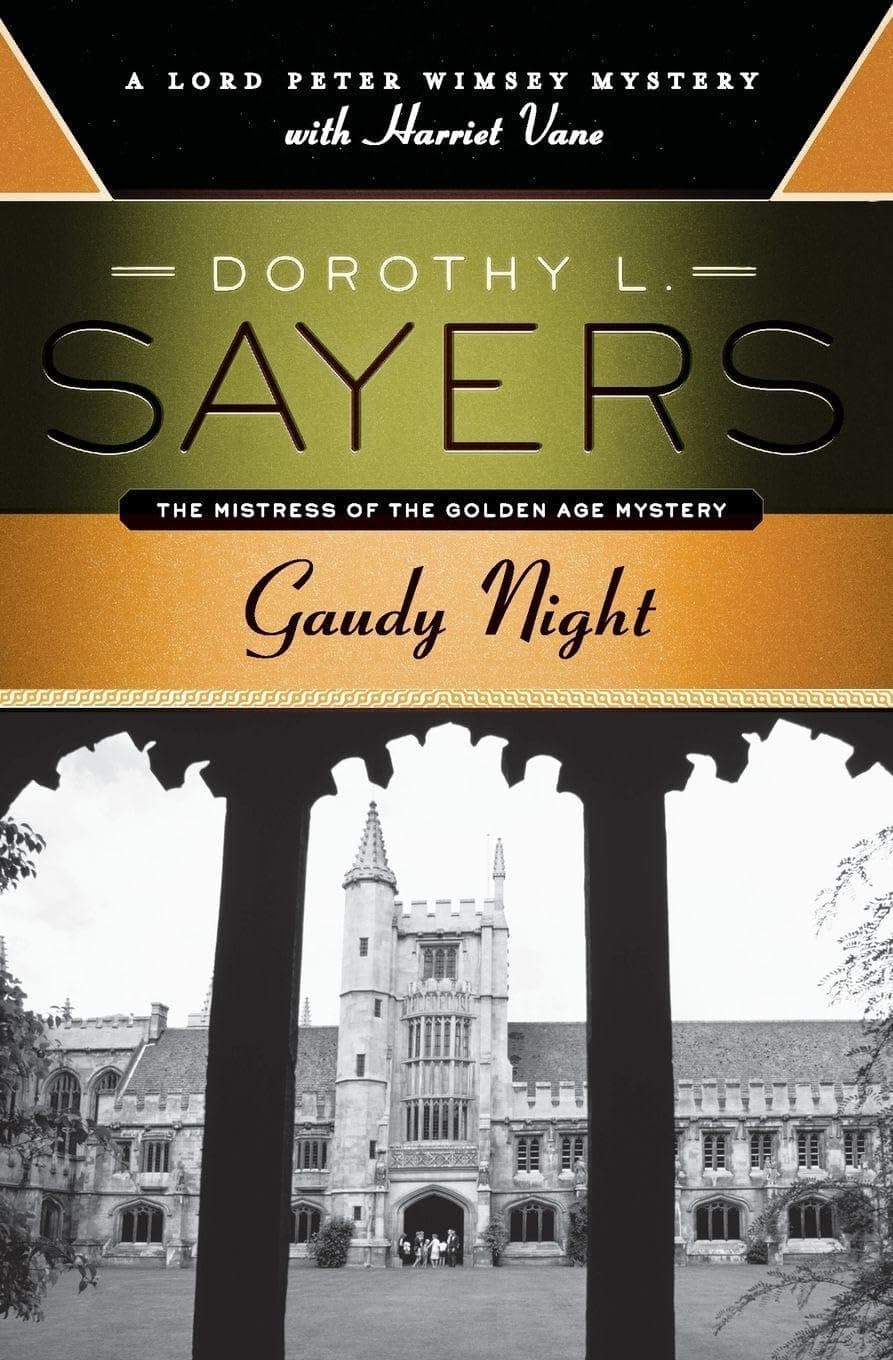
Harriet Vane, mystery novelist, returns to her Oxford women's college, where someone is sending obscene letters and destroying scholarship. Nobody dies. The question is whether a woman can have both work and love.

Morgan Leafy, a British diplomat in a fictional West African state, must bribe an incorruptible Scottish doctor, conceal a venereal infection, and remove the maid lightning killed before the Duchess arrives.

Tradition forbids the youngest daughter to marry, so Tita cooks, and everything she feels enters the food. Her quail in rose petal sauce sends a sister off naked with a Mexican revolutionary.

Lorelei Lee, a blonde from Arkansas, keeps a diary about the men who buy her diamonds and gives away far more than she knows. Edith Wharton called it the great American novel.

Nigeria's political and religious elite trade in body parts stolen from a hospital, a business one surgeon uncovers. Soyinka returned to the novel after nearly fifty years to write this unforgiving satire.

Heinlein's teenage recruit drops from orbit in powered armor and sits through the case that only veterans should vote. His politics still start fights, and his suit outfits half of science fiction.
Men beat each other in basements because nothing else in their lives is real. Palahniuk's narrator fakes illness for the support groups, meets the soap salesman Tyler Durden, and builds an army.

Soldiers killed Sepha Stephanos's father in Ethiopia, and seventeen years on he keeps a failing store in a Washington neighborhood gentrifying around him. With two African friends he plays at naming dictators.

In the summer of 1942, at a New Hampshire boarding school, Gene envies his fearless friend Finny enough to jounce the branch they are standing on. Knowles found the war inside a friendship.
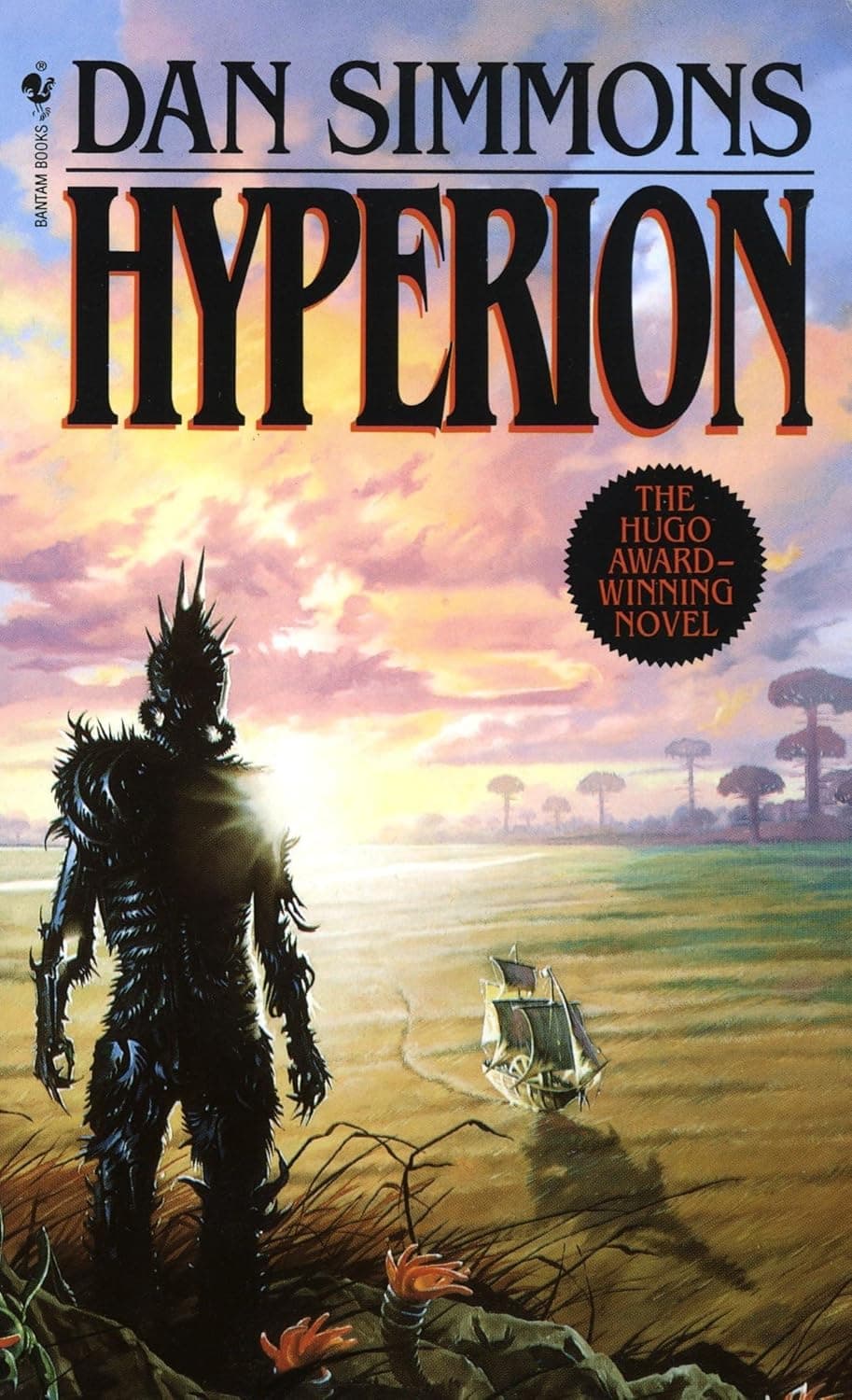
The Canterbury Tales in deep space: seven pilgrims travel to the Time Tombs and the blade-covered creature guarding them, each telling the story that brought them. Simmons switches genre with every tale.
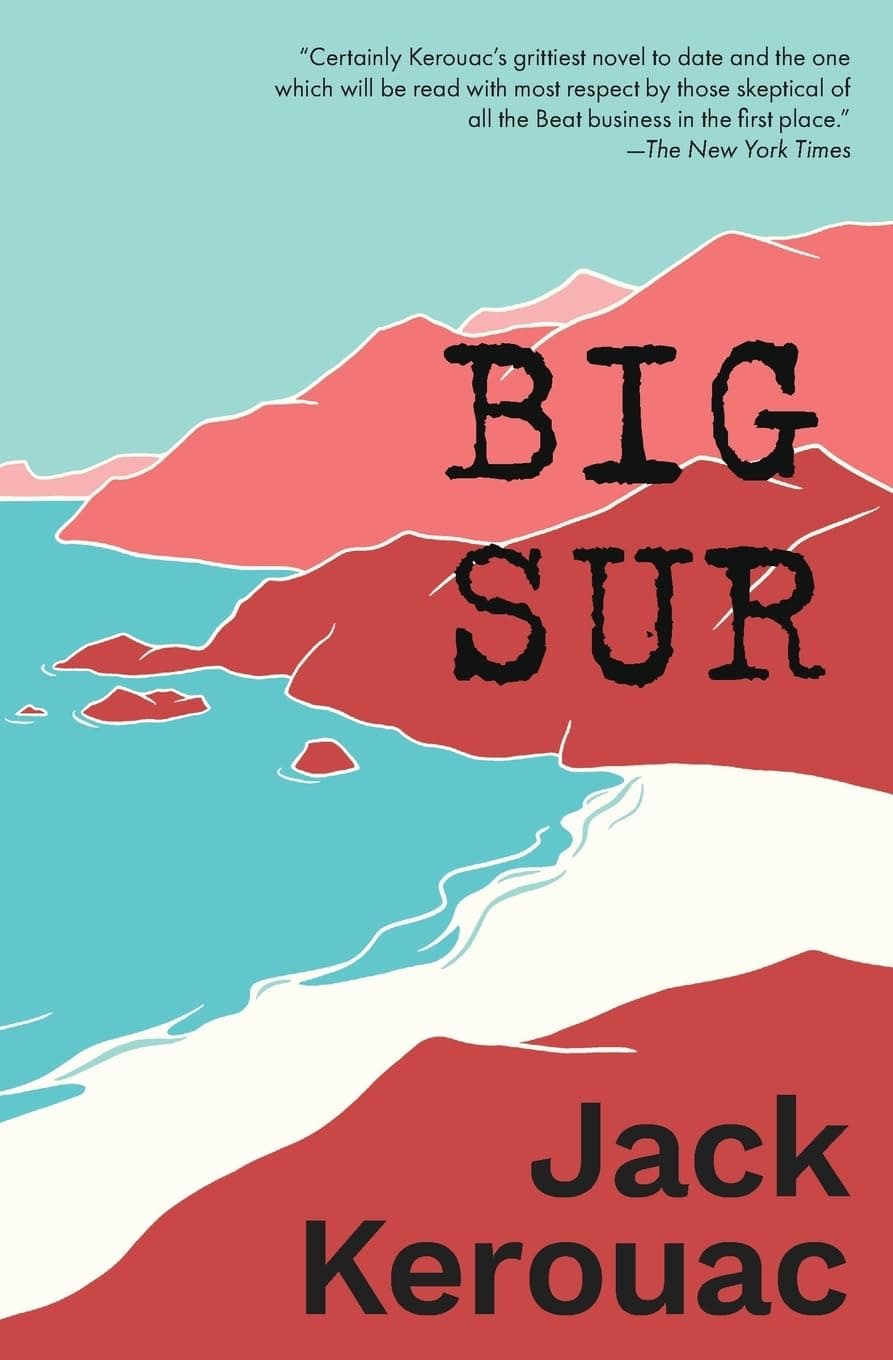
Fame arrived and Kerouac could not survive it. His narrator retreats to a friend's cabin above the Pacific to dry out, drinks instead, and comes apart in a night of delirium.

Stephenson coined the word Metaverse in these pages, and Facebook renamed itself after the idea. His sword-carrying hacker delivers pizza for the Mafia and fights a virus that infects minds through language.

Wanted for a murder in his own flat, Richard Hannay bolts across the Scottish moors with a dead spy's coded notebook. Hitchcock filmed it, and the innocent fugitive became the thriller's engine.

Charles Pooter, a London clerk of vast unearned dignity, records every slight from tradesmen and every dinner-party triumph. He paints his bath red with enamel and mistakes the dissolving water for blood.

Jess can outrun everyone in fifth grade until Leslie moves in next door. They swing over a creek into Terabithia, the kingdom they rule together, and Paterson refuses to protect them from grief.

Three Victorians and a fox terrier row up the Thames, and Jerome turns the holiday into English comedy: a tin of pineapple nobody can open, a Hampton Court maze that traps everyone.

Burroughs reports his heroin years like a chemist writing up an experiment, from New York hustles to Mexico City rooms and cures that never take. There is no remorse and no lyricism.
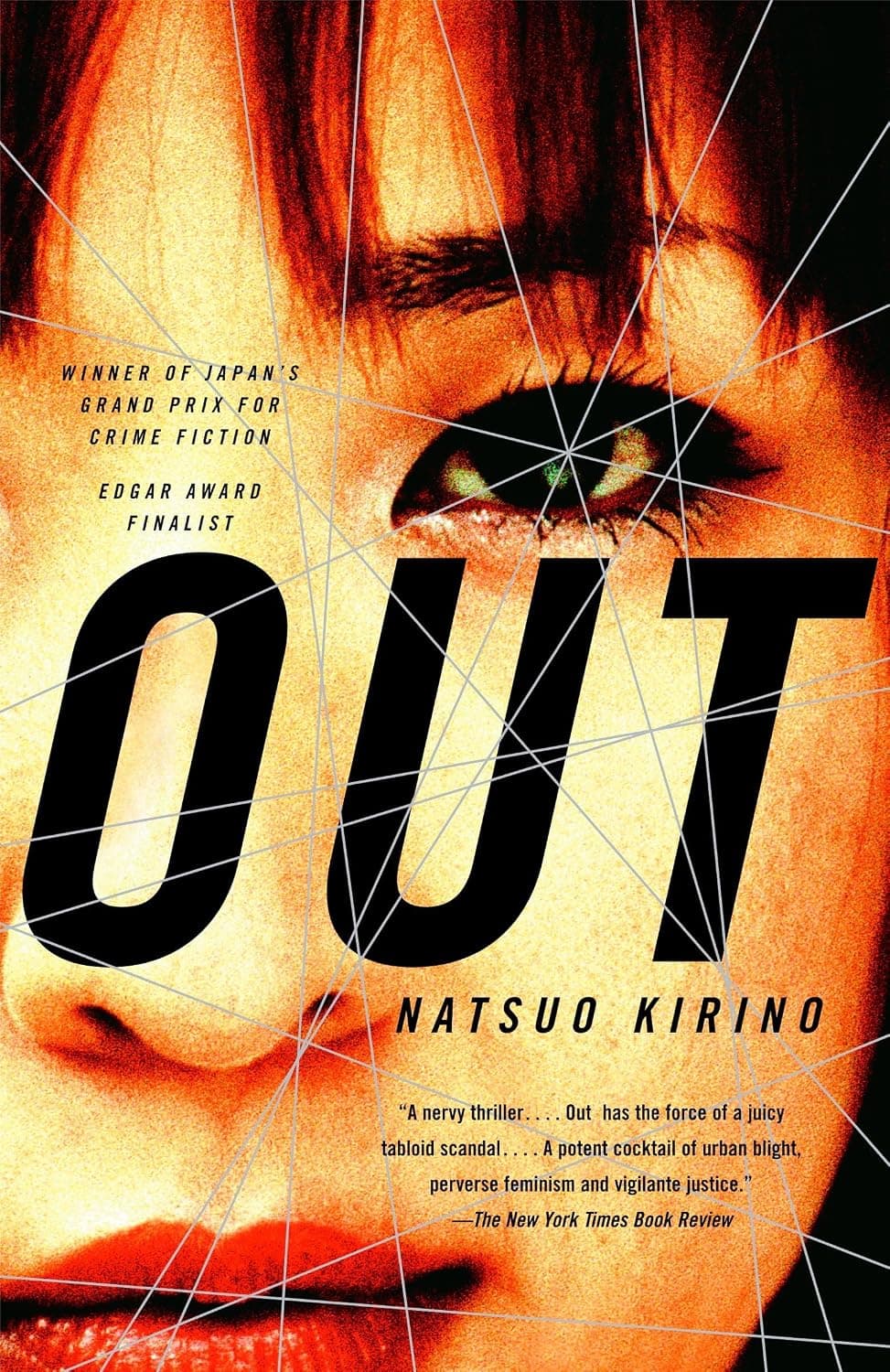
Four women pack boxed lunches on a Tokyo night shift. One strangles her husband, the others take the body apart, and the invisibility that shrank their lives turns out to protect them.

On a rainy Stockholm night a gunman empties a submachine gun into a bus, killing a detective from Martin Beck's own squad. Sjöwall and Wahlöö make Swedish social democracy the real suspect.

Jackson, a pious Harlem hearse driver, loses his savings to a con man promising to turn tens into hundreds. Himes wrote the funniest and most violent Harlem in American crime fiction.
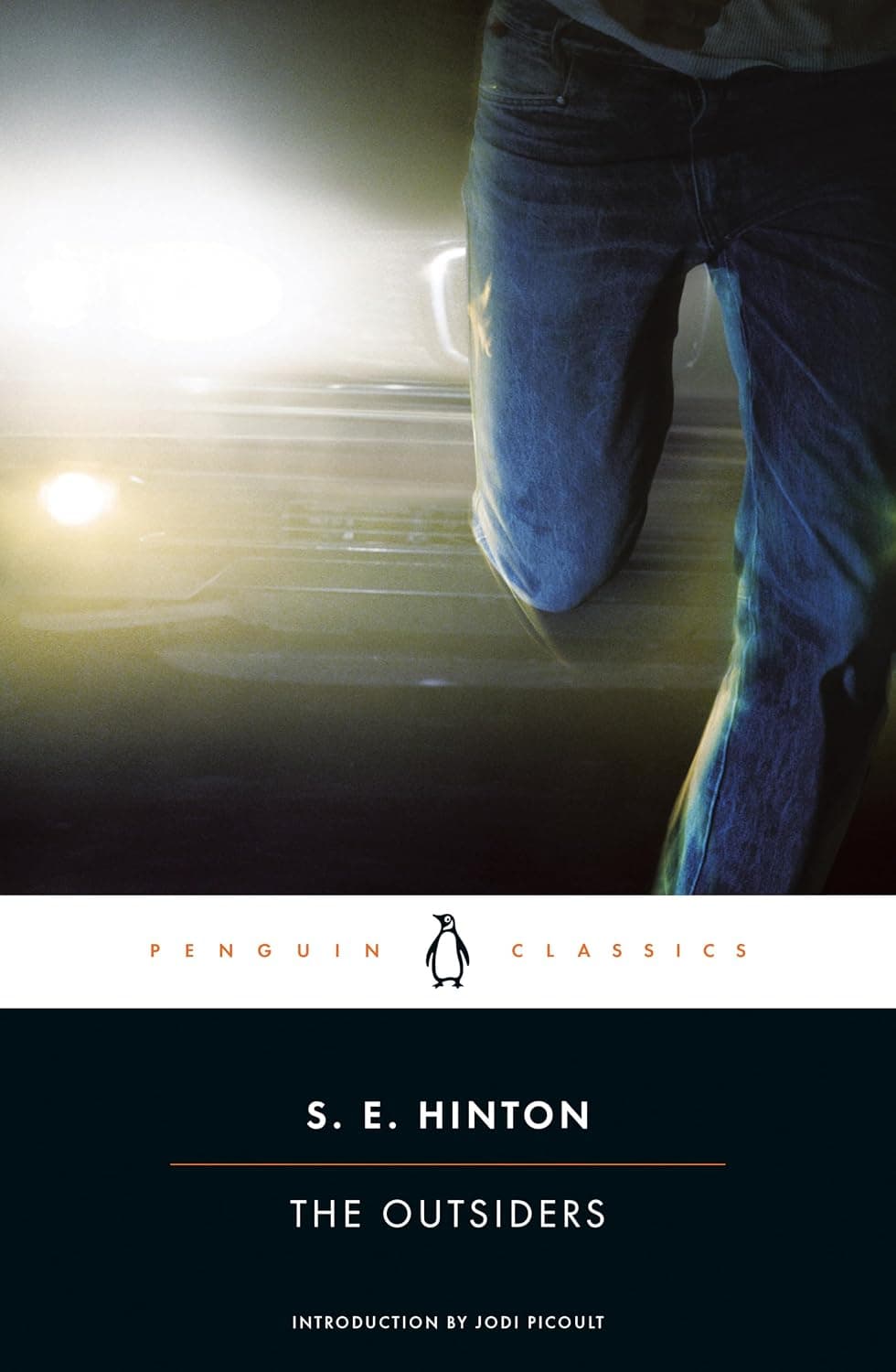
Greasers and Socs settle their hatred with fists and knives in Tulsa, narrated by fourteen-year-old Ponyboy Curtis. Hinton wrote it at sixteen, and it is still the novel American schools hand to thirteen-year-olds.
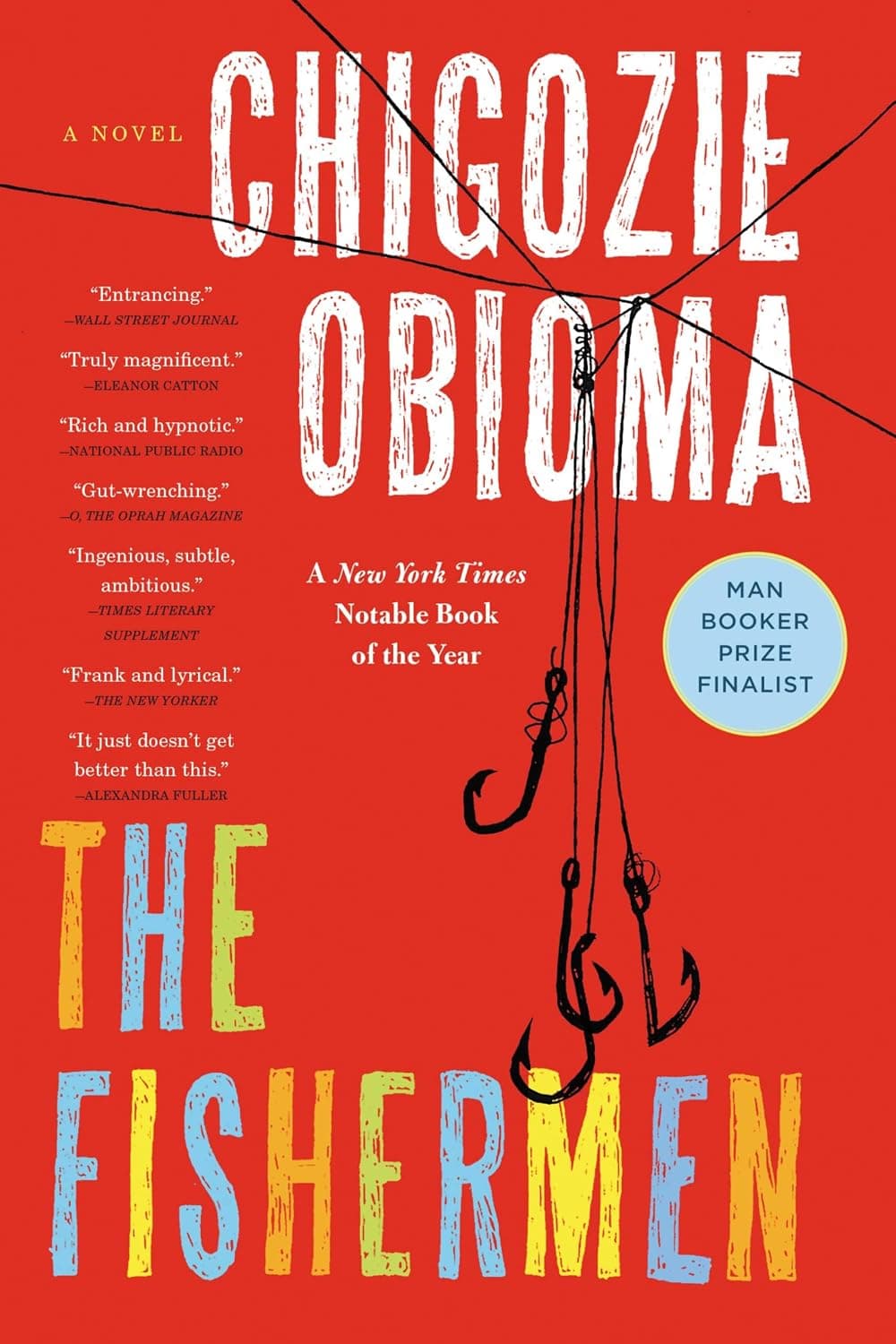
Four brothers fish a forbidden Nigerian river, and a madman tells the eldest he will die at a fisherman's hand. Obioma takes the family apart with the inevitability of Greek tragedy.
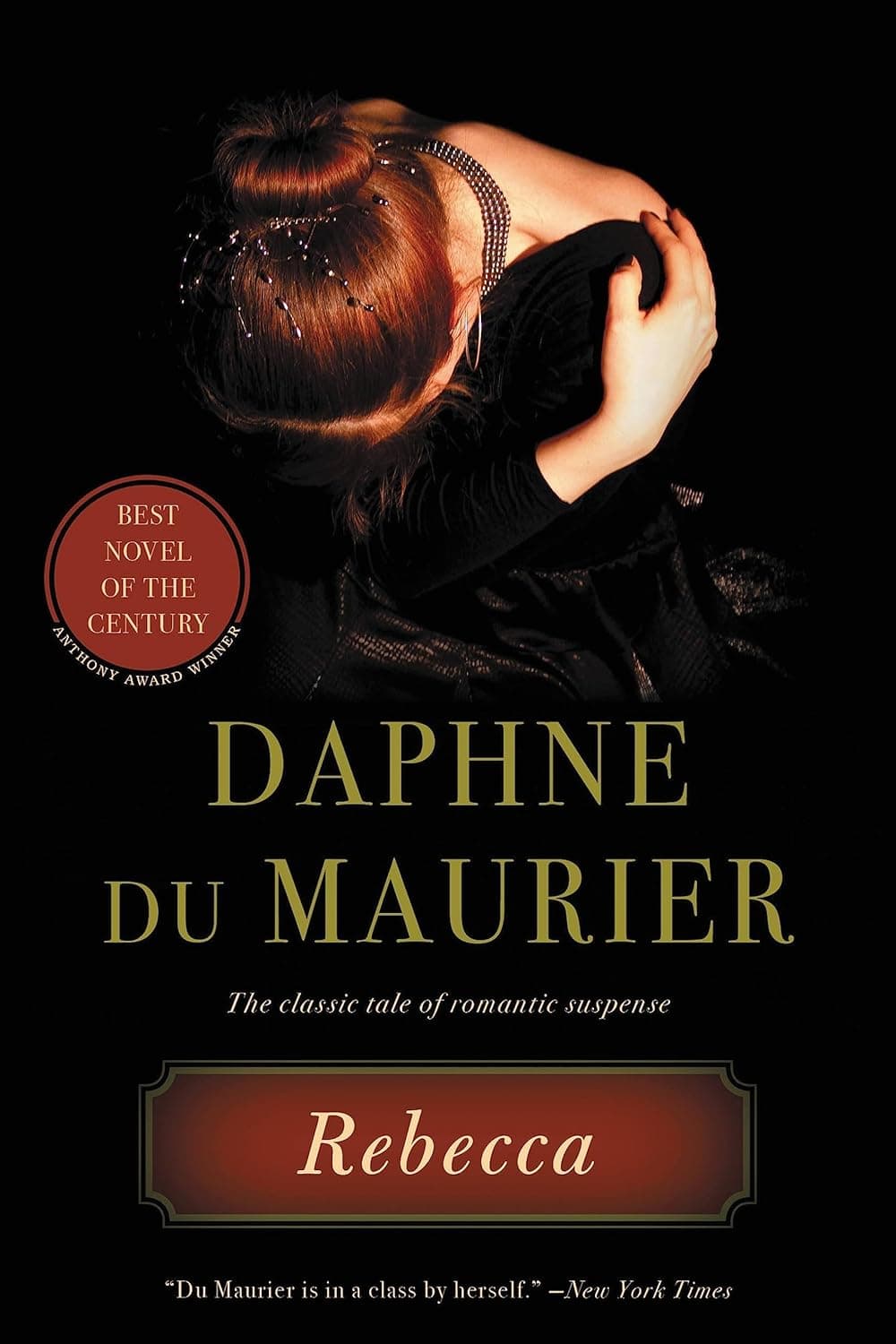
The second Mrs. de Winter is never given a name, which is the point. She marries a widower, arrives at his Cornish estate, Manderley, and finds the drowned first wife occupying every room.

On the Riviera, seventeen-year-old Cécile sets out to break up her widowed father's engagement to an elegant, exacting woman, and finds she is good at it. Sagan wrote it at eighteen.

At Auschwitz a Nazi officer courts the commandant's wife while the commandant, a preening drunk, complains about his workload. The third narrator is a Jewish prisoner made to burn the bodies.

A hurricane wrecks their Jamaican home, so the Bas-Thornton children are shipped to England and captured by pirates. Hughes strips childhood of its innocence, and the pirates prove no match for them.

The comic cycle that became Italian folklore sets a hot-tempered priest against the Communist mayor of a Po Valley village, with the crucifix above the altar talking Don Camillo down from revenge.

Jed Martin, an artist, makes his name photographing Michelin road maps and painting people at their trades. Houellebecq writes himself into the novel, has himself murdered, and gives Jed a dying father.

Nothing in horror is more frightening, and Jackson never shows you the thing doing it. Eleanor, who nursed her mother for years, joins a study at Hill House, and the house wants her.
Abandoned in Depression-era Glendale, Mildred bakes pies and builds a restaurant chain, spending every dollar on the gifted, glacial daughter who despises her for working. Cain needs no corpse to write noir.
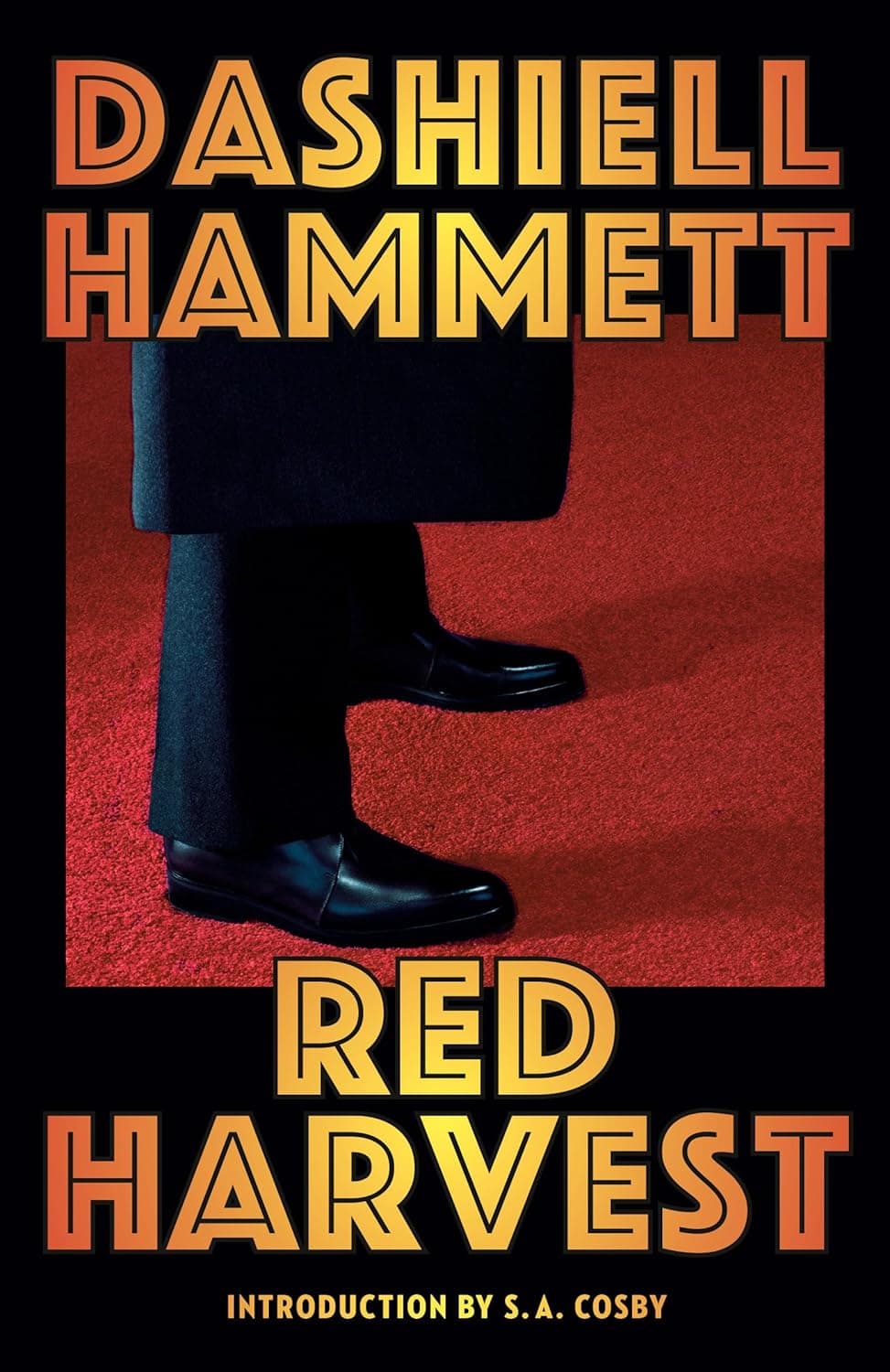
Hired to clean up a Montana mining town, a nameless detective turns its gangs on each other until the streets fill with bodies. Hammett was a Pinkerton, and the coldness is not invented.