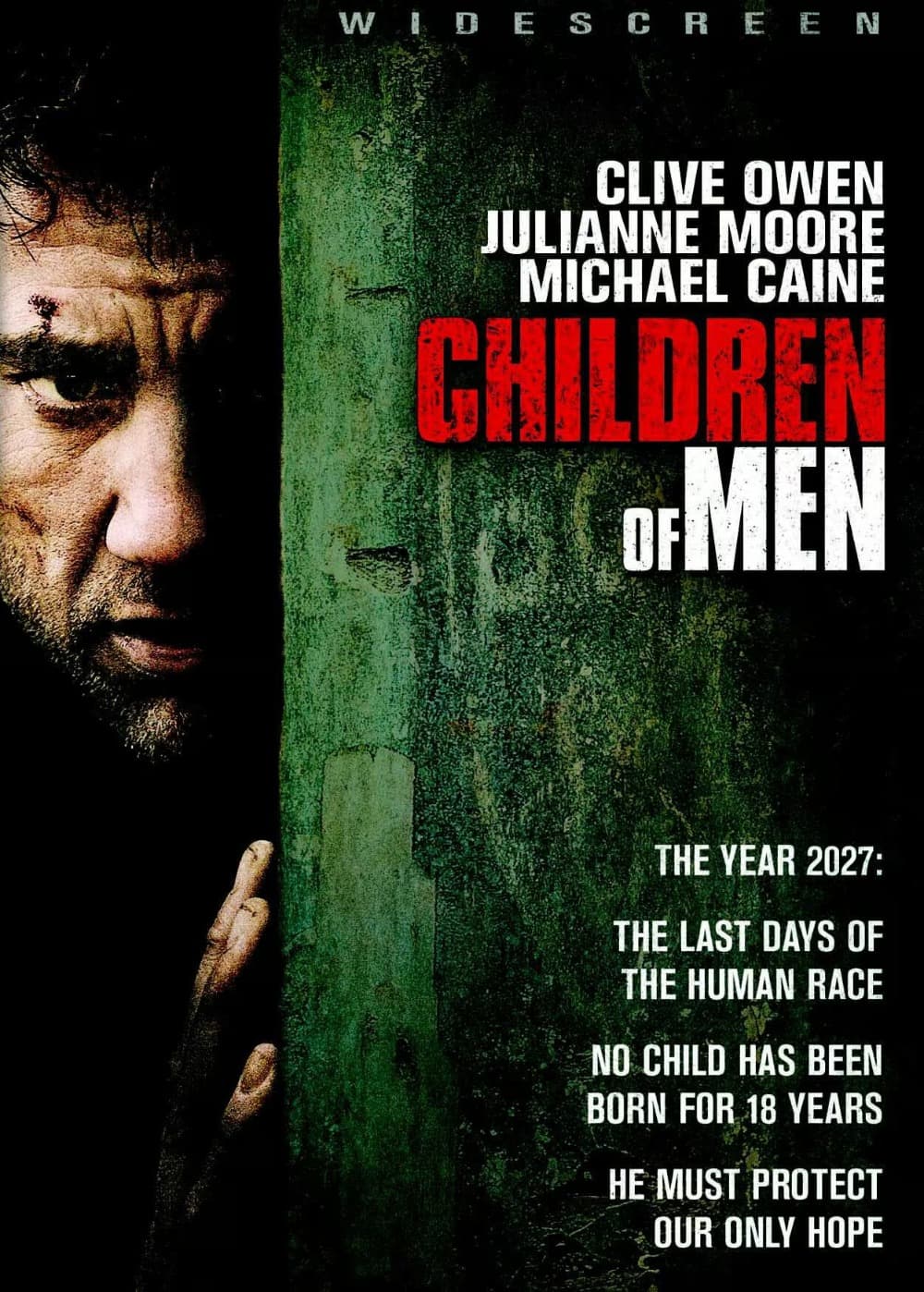
Children of Men
Directed by Alfonso Cuaron
2006
It looked like science fiction in 2006 and looks like the news now: Cuaron's roaming takes put you inside a collapsing Britain, and the ambush in the car is astonishing.
★ 8.7
 skopia
It looked like science fiction in 2006 and looks like the news now: Cuaron's roaming takes put you inside a collapsing Britain, and the ambush in the car is astonishing.
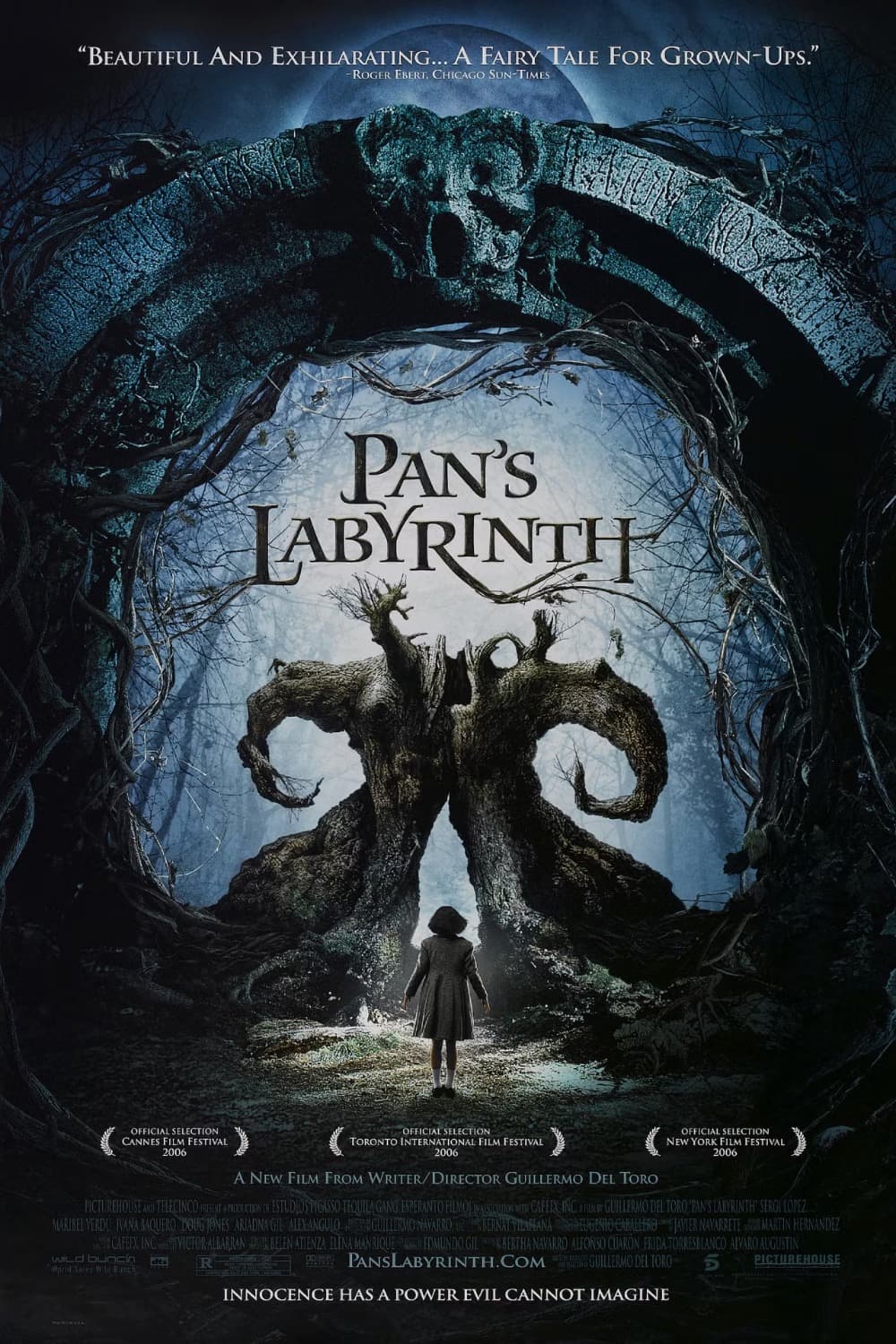
Del Toro put a child's fairy tale and Franco's Spain in the same film and refused to make either one safer: the creature with eyes in its hands follows people home.
It made an entire country look at its own surveillance state: a Stasi officer listens in on a playwright's apartment, and the last line of the film lands like a blow.
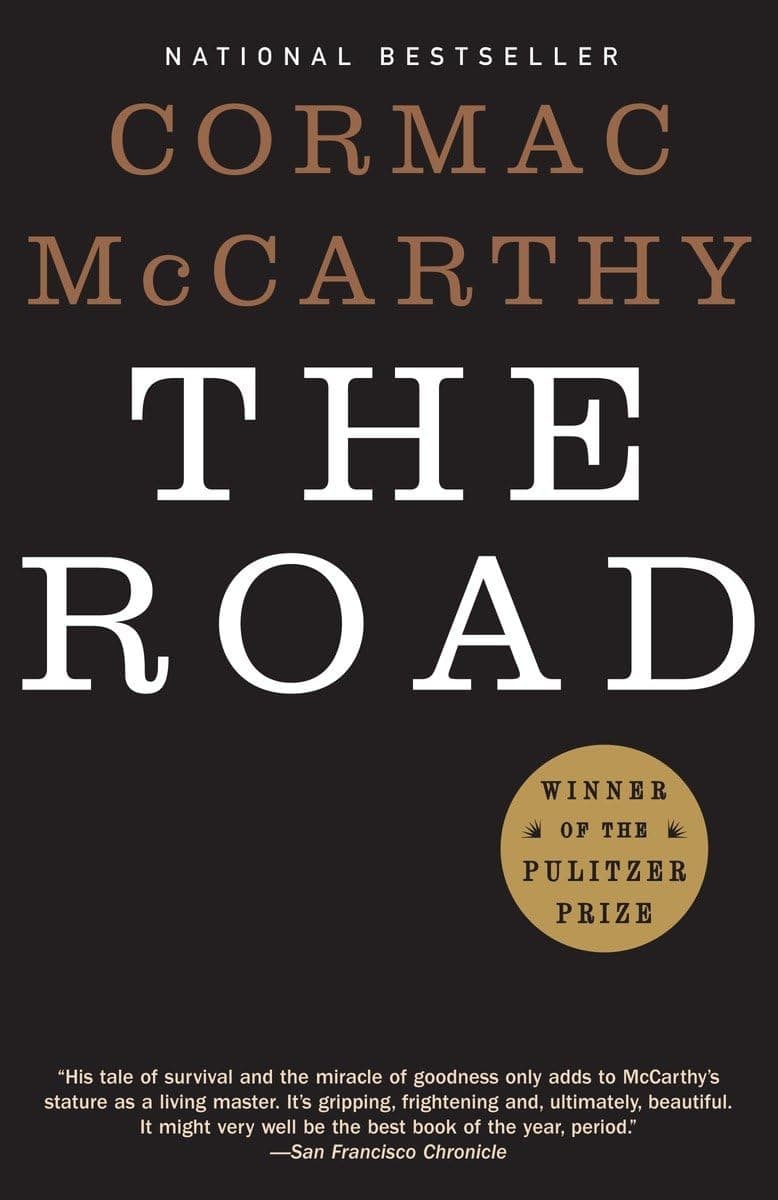
Pushing a shopping cart south through a burned gray America, a man and his boy hide from people who eat other people. The talk between them is the tenderest thing McCarthy ever wrote.
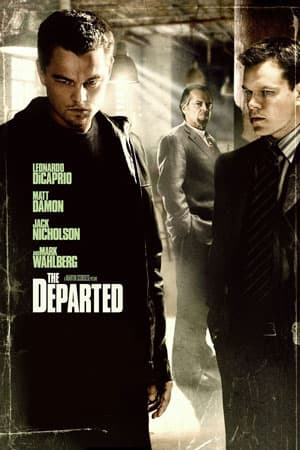
Scorsese remade a Hong Kong thriller and made it entirely his own: a cop inside the mob, a mobster inside the police, and a pitch that never once relaxes.

Ronson cut it at Daptone with the Dap-Kings, sixties girl-group machinery rebuilt around a voice in ruins.

Cut live to tape at Daptone in Brooklyn with the Dap-Kings, and it took Record and Song of the Year.

A Willie Hutch loop left alone at the top, and Andre 3000's verse reportedly returned with the drums stripped off.
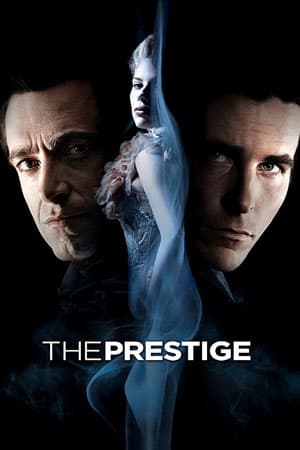
Nolan built a film about magicians the way a magician builds a trick, and tells you so in the first minute: two rivals destroy each other over one illusion.
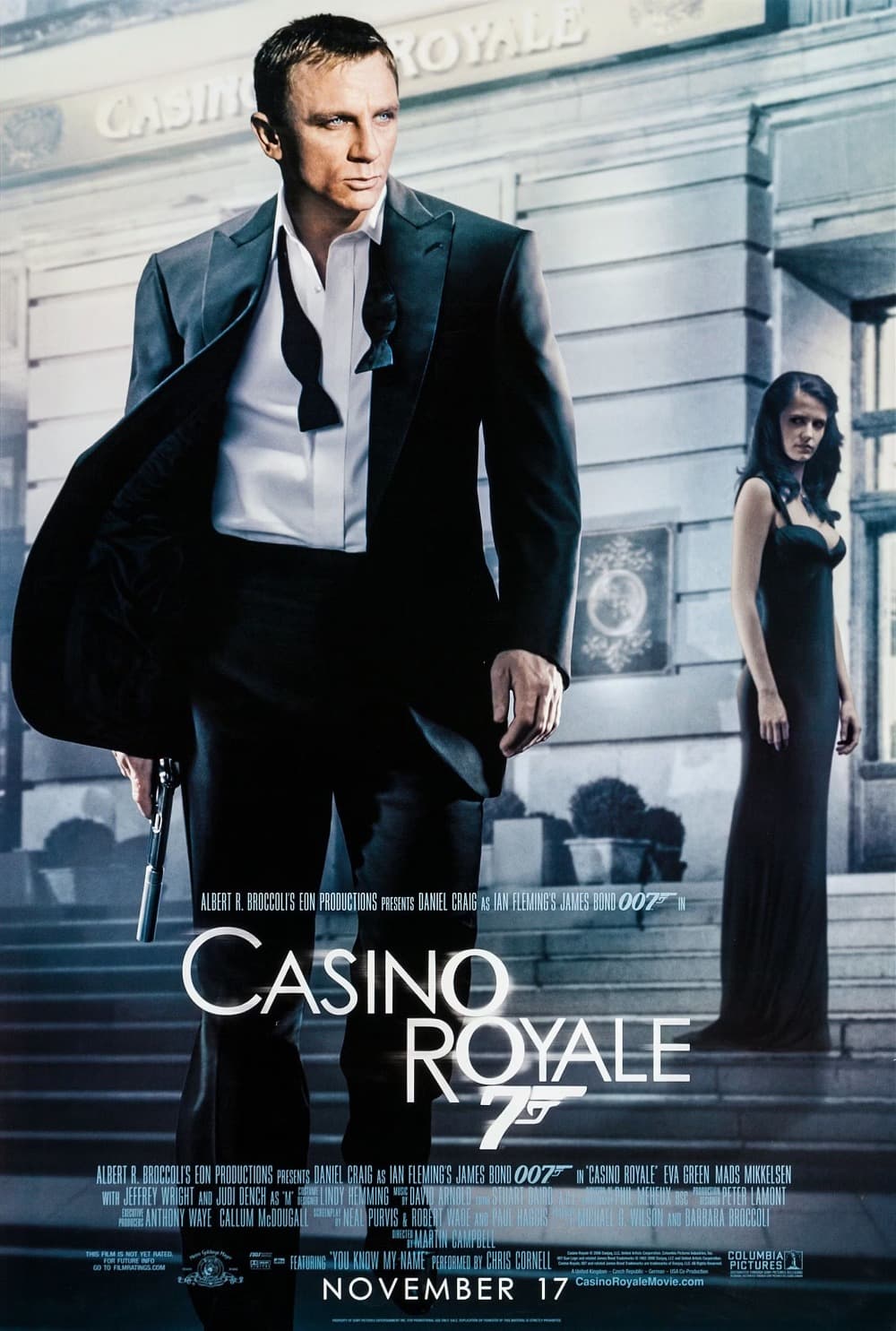
It stripped Bond back to a man who bleeds: the parkour chase in the opening twenty minutes told audiences immediately that the gadgets and the winking were gone.
Timberlake sang it in a distorted low register borrowed from Prince, and it held number one for seven weeks.
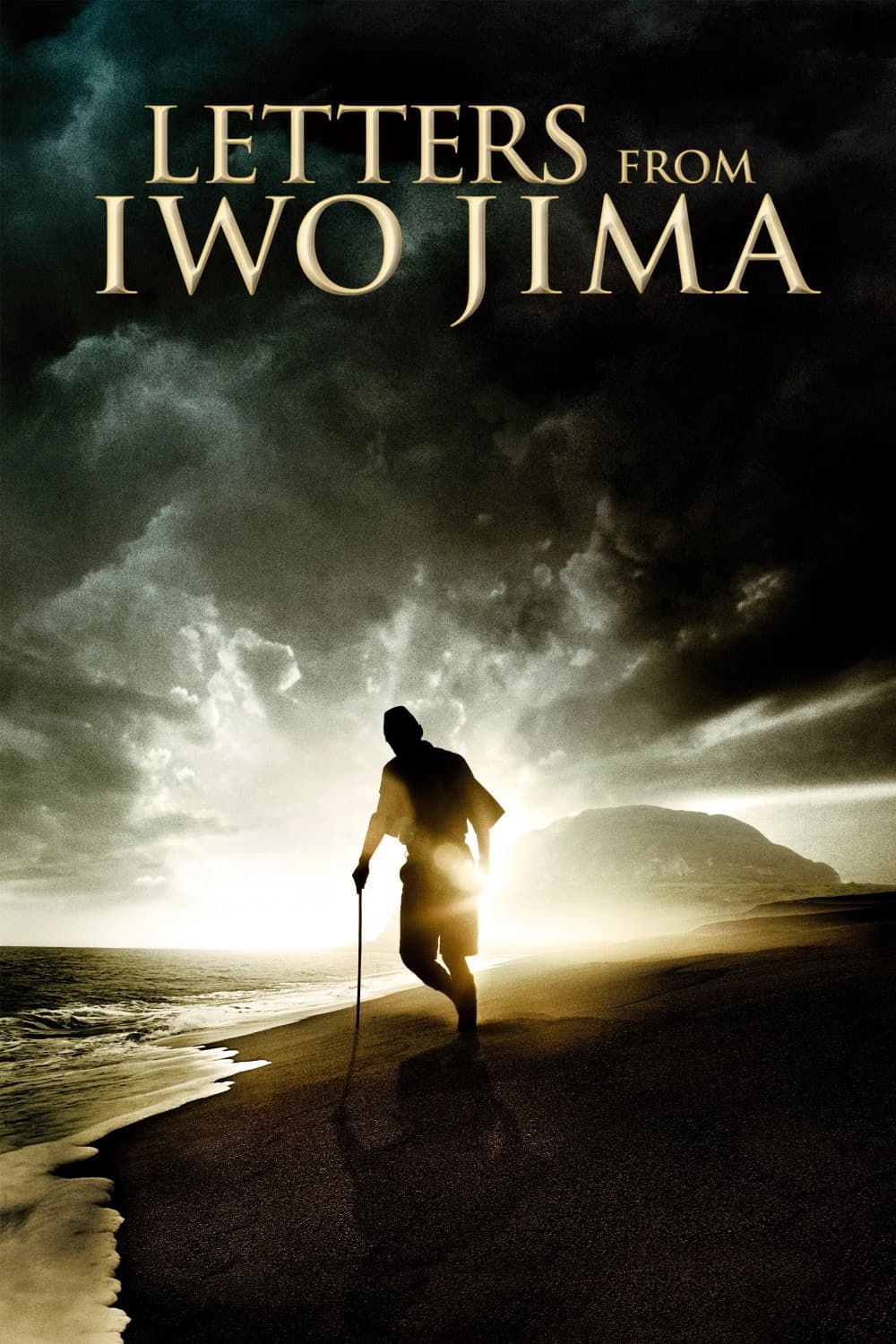
Eastwood made two films about the same battle, and the Japanese one is the better: shot almost entirely in Japanese, with a general nobody in America had heard of.

Ne-Yo pitched it as country, written with Shania Twain in mind; Beyoncé turned it into ten weeks at number one.

Twenty minutes for melody and title, by Flowers' account, and Flood and Moulder gave it Born to Run scale.
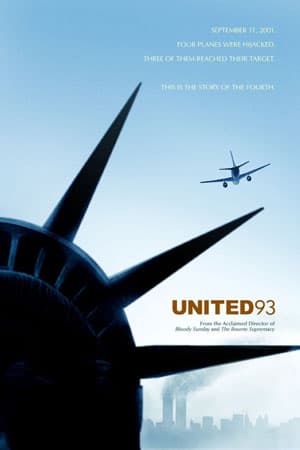
Greengrass cast real air-traffic controllers and military officers as themselves, and shot in real time: the least exploitative film about September 11 because it refuses every note of uplift.

Ronson cut it at Daptone in Brooklyn with the Dap-Kings, Winehouse writing about infidelity and offering no apology.
DJ Toomp turned a Roberta Flack interpolation into a synth fanfare, and T.I. won a Grammy for the performance.

Pollan traces four meals backward: a drive-through, Whole Foods, Joel Salatin's farm, and a pig he shoots himself. Carbon isotopes reveal Americans are built of corn. He made provenance a mass preoccupation.