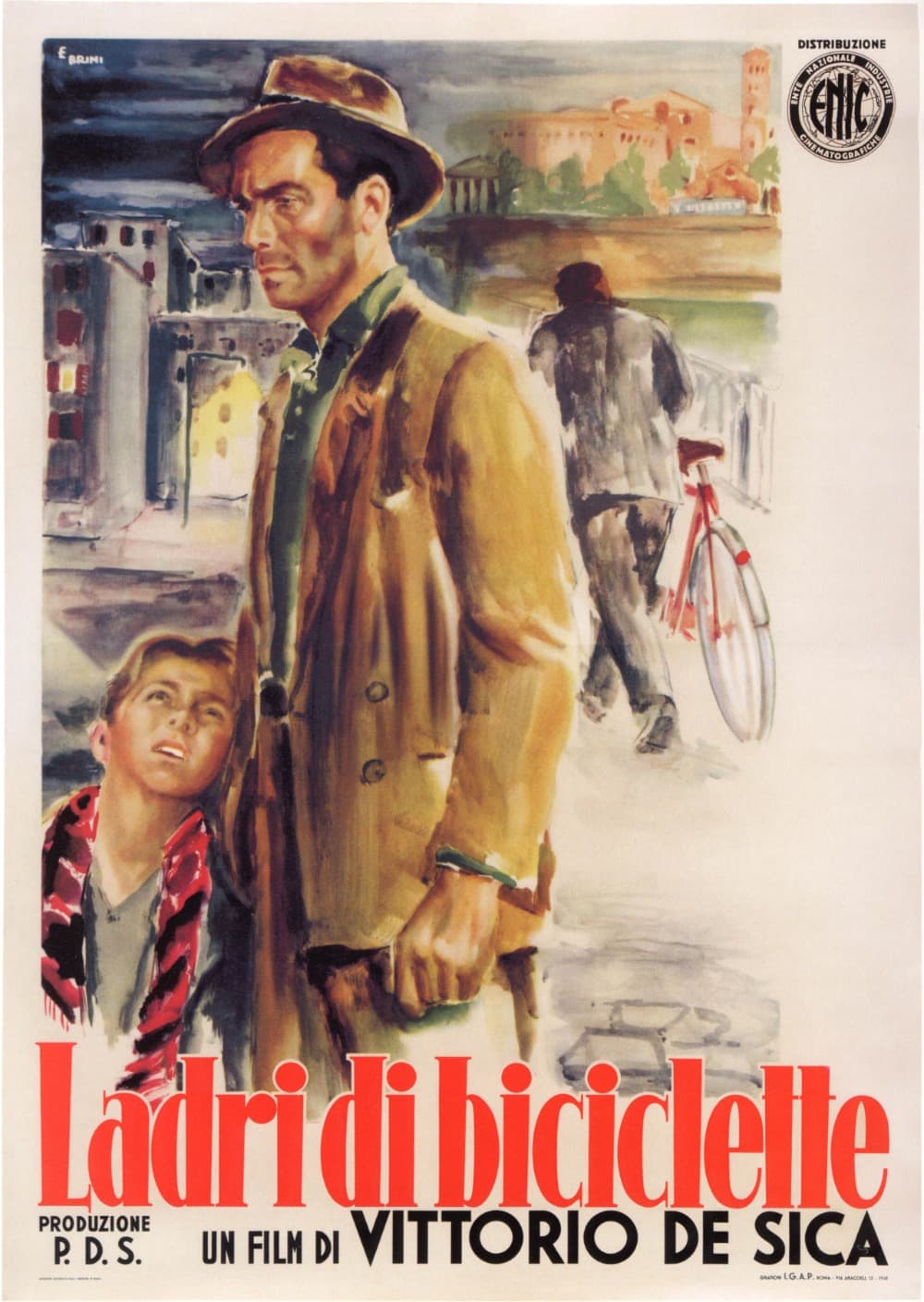
Bicycle Thieves
Directed by Vittorio De Sica
1948 · Italy
Italian neorealism starts with this, and it still guts people: De Sica cast a factory worker as his lead and found a whole society inside one stolen bicycle.
★ 9.1
 skopia
Italian neorealism starts with this, and it still guts people: De Sica cast a factory worker as his lead and found a whole society inside one stolen bicycle.

Huston won two Oscars for it and directed his own father to a third: three men look for gold in Mexico and the heat does the rest.
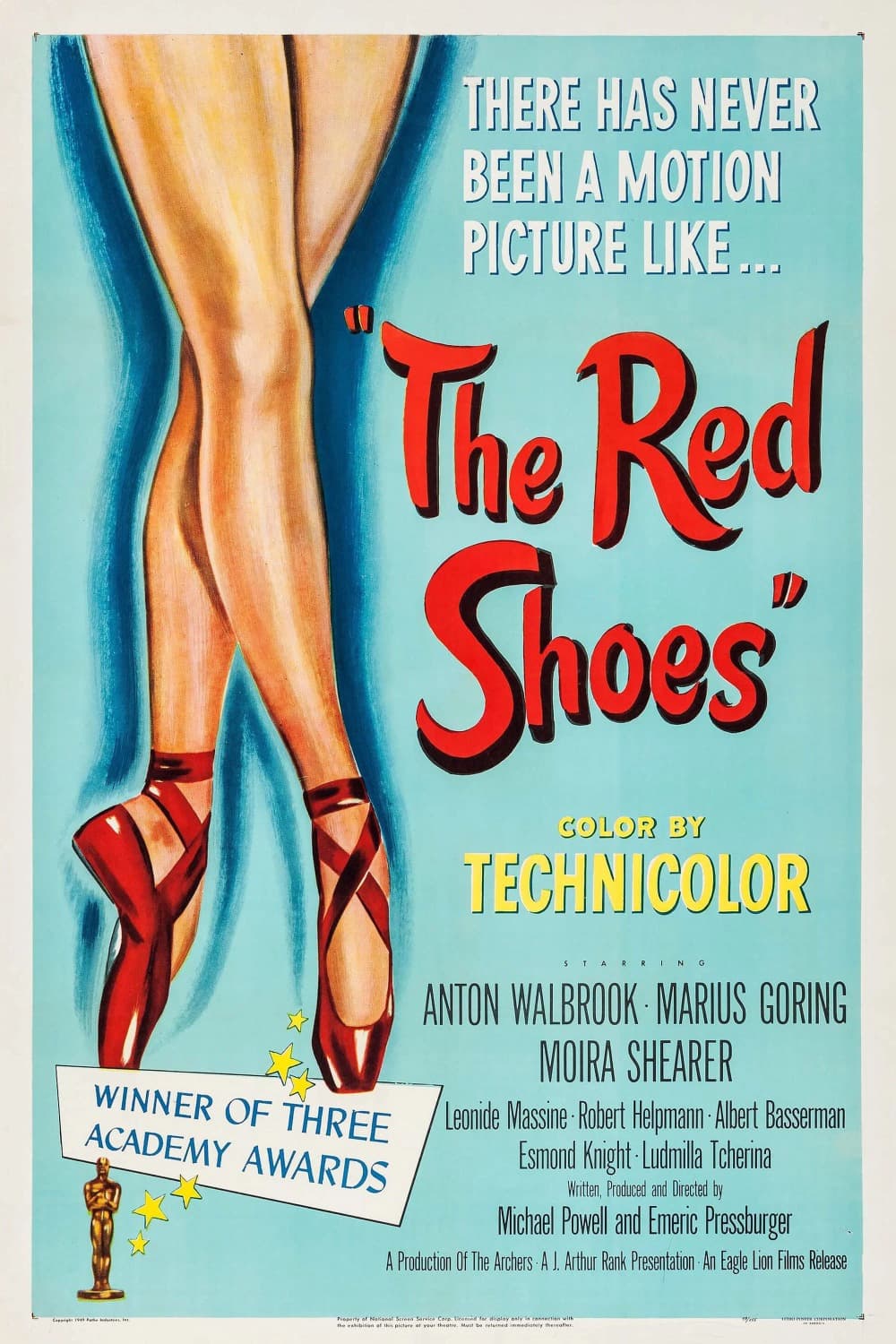
Scorsese has been watching it since childhood and has never stopped: Powell and Pressburger put a ballet on screen in Technicolor so saturated that it plays like a fever.
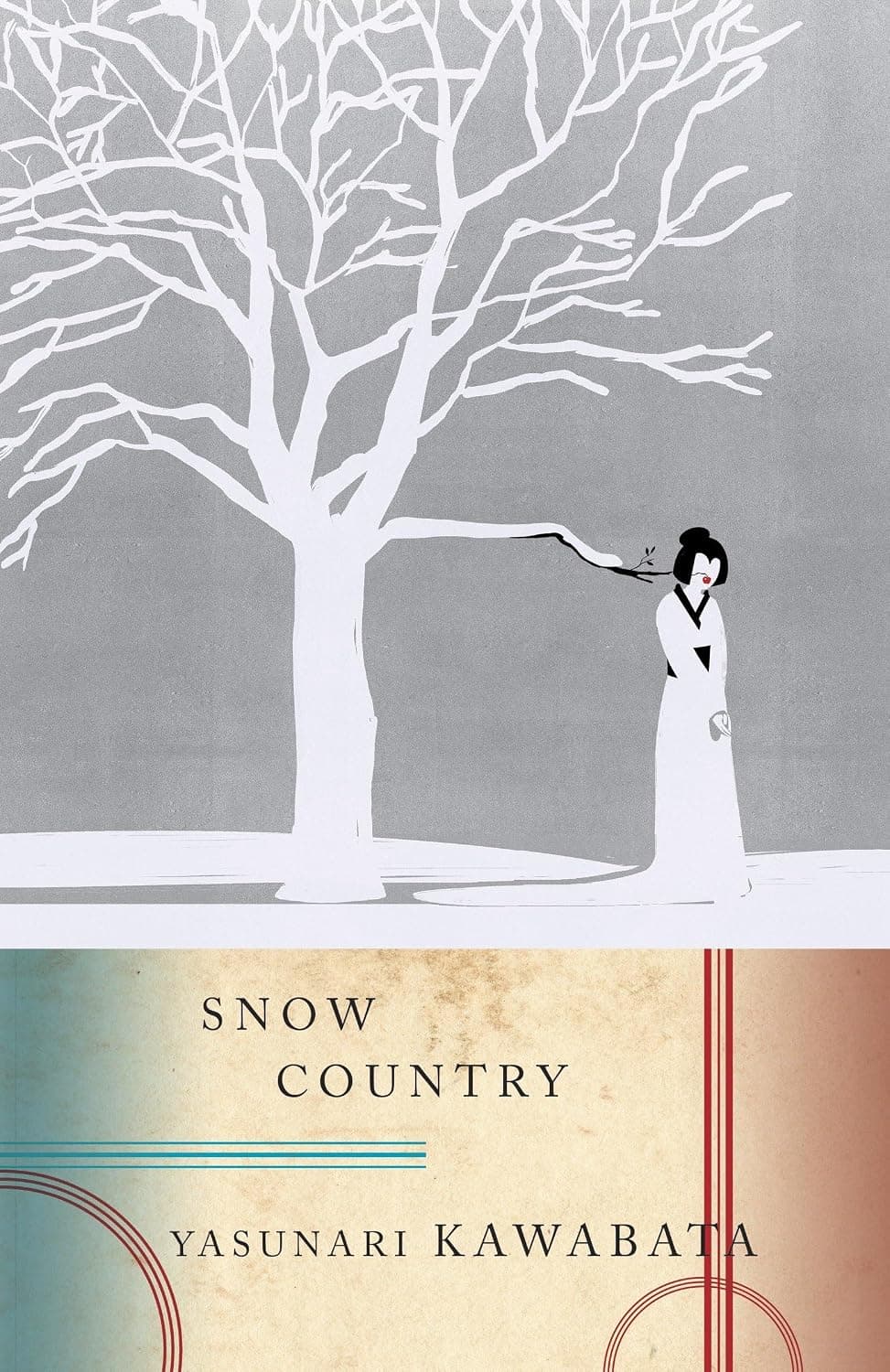
At a hot spring in Japan's snow country, a wealthy Tokyo idler keeps visiting a geisha who loves him past anything he can give. Kawabata states almost nothing and it lands anyway.
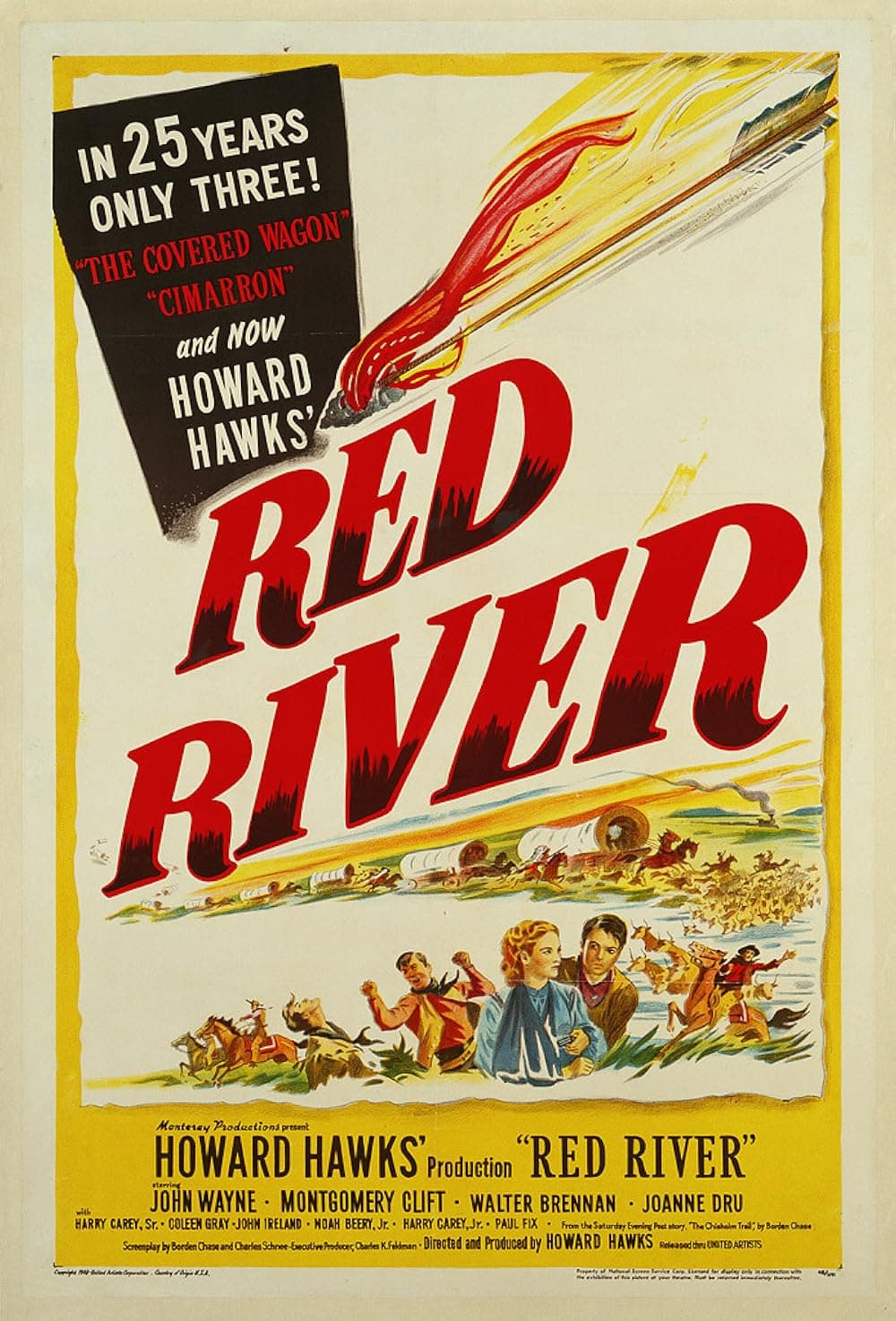
Ford said he never knew Wayne could act until he saw this: a cattle drive turns into a mutiny, and the man in charge becomes the thing to escape.

A Zulu parson goes to Johannesburg to find his son and learns the boy killed a white man who fought for black South Africans. Paton's fifteen million readers made apartheid a world scandal.

Hofstadter strips the myths off American statesmen from Jefferson to Franklin Roosevelt and finds one propertied creed underneath. The Emancipation Proclamation, he writes, had all the moral grandeur of a bill of lading.

America's novel of the Second World War, published when Mailer was twenty-five and just back from the Philippines. A reconnaissance platoon crosses a Japanese-held island while he tracks every man's fear.
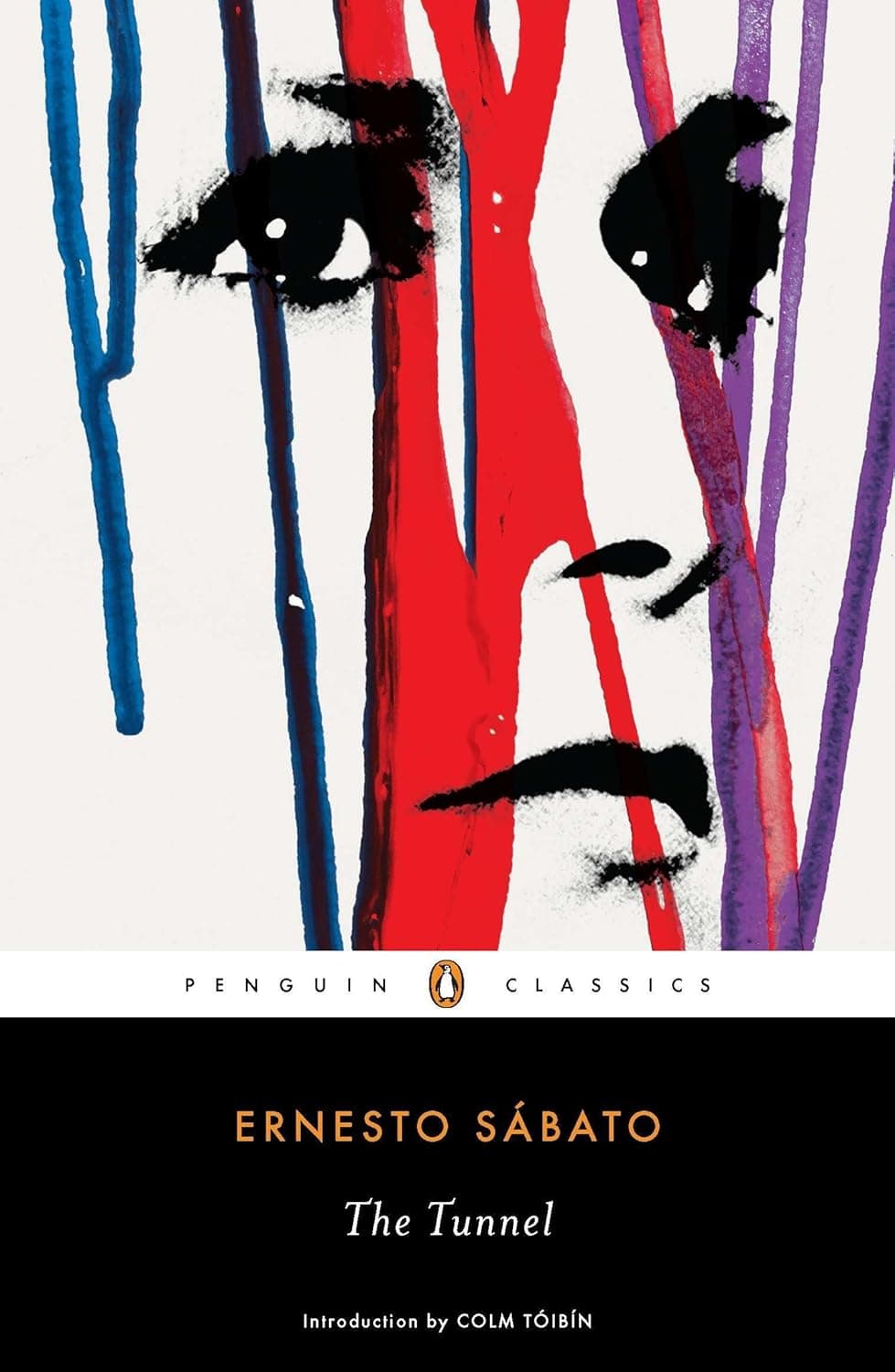
Writing from a prison cell, the painter Juan Pablo Castel explains why he killed the woman who understood his work. Sabato follows a jealous mind step by step until its logic feels ordinary.

The comic cycle that became Italian folklore sets a hot-tempered priest against the Communist mayor of a Po Valley village, with the crucifix above the altar talking Don Camillo down from revenge.
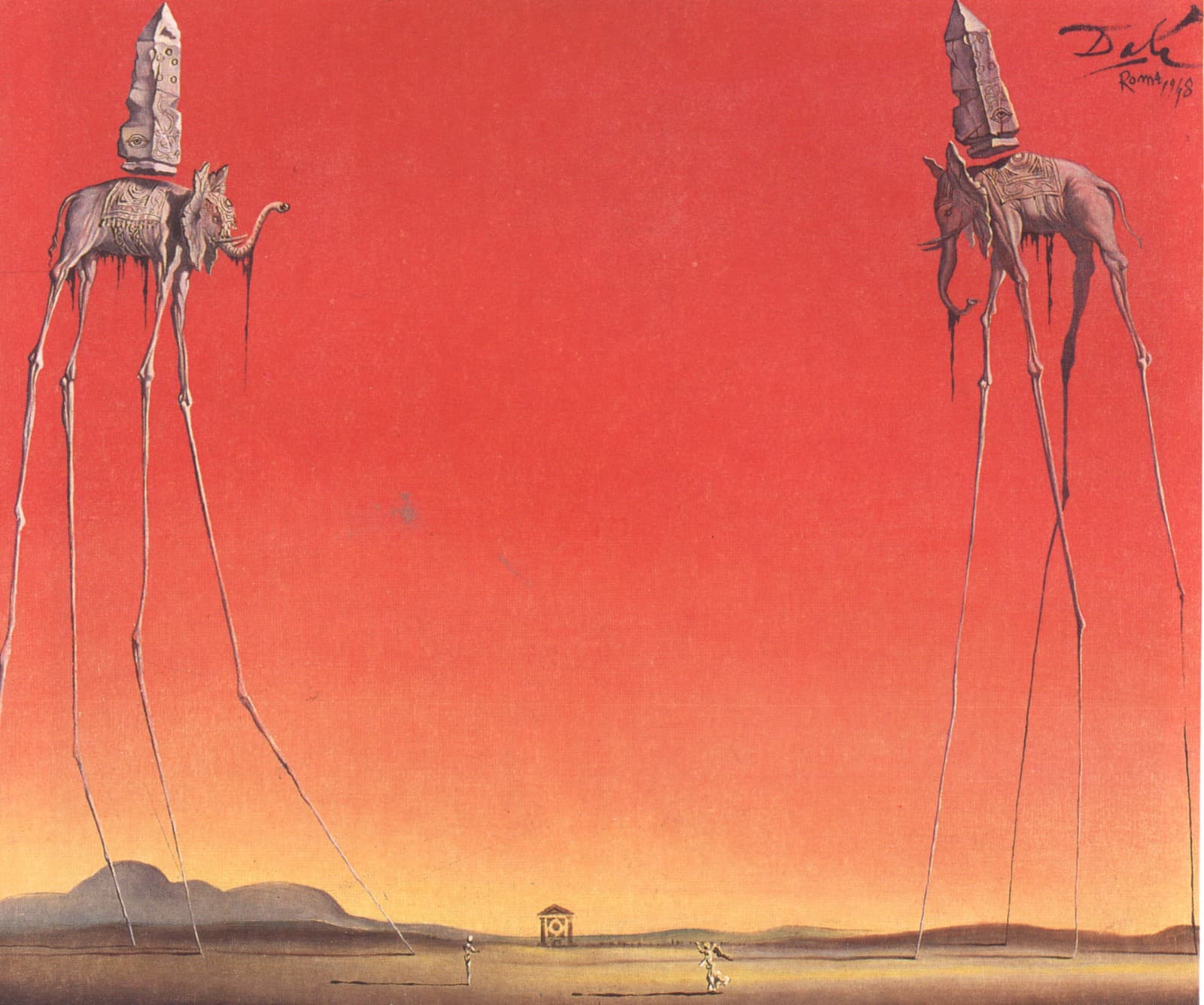
Two elephants carrying obelisks on legs far too spindly to hold them, which is the entire effect and it works.
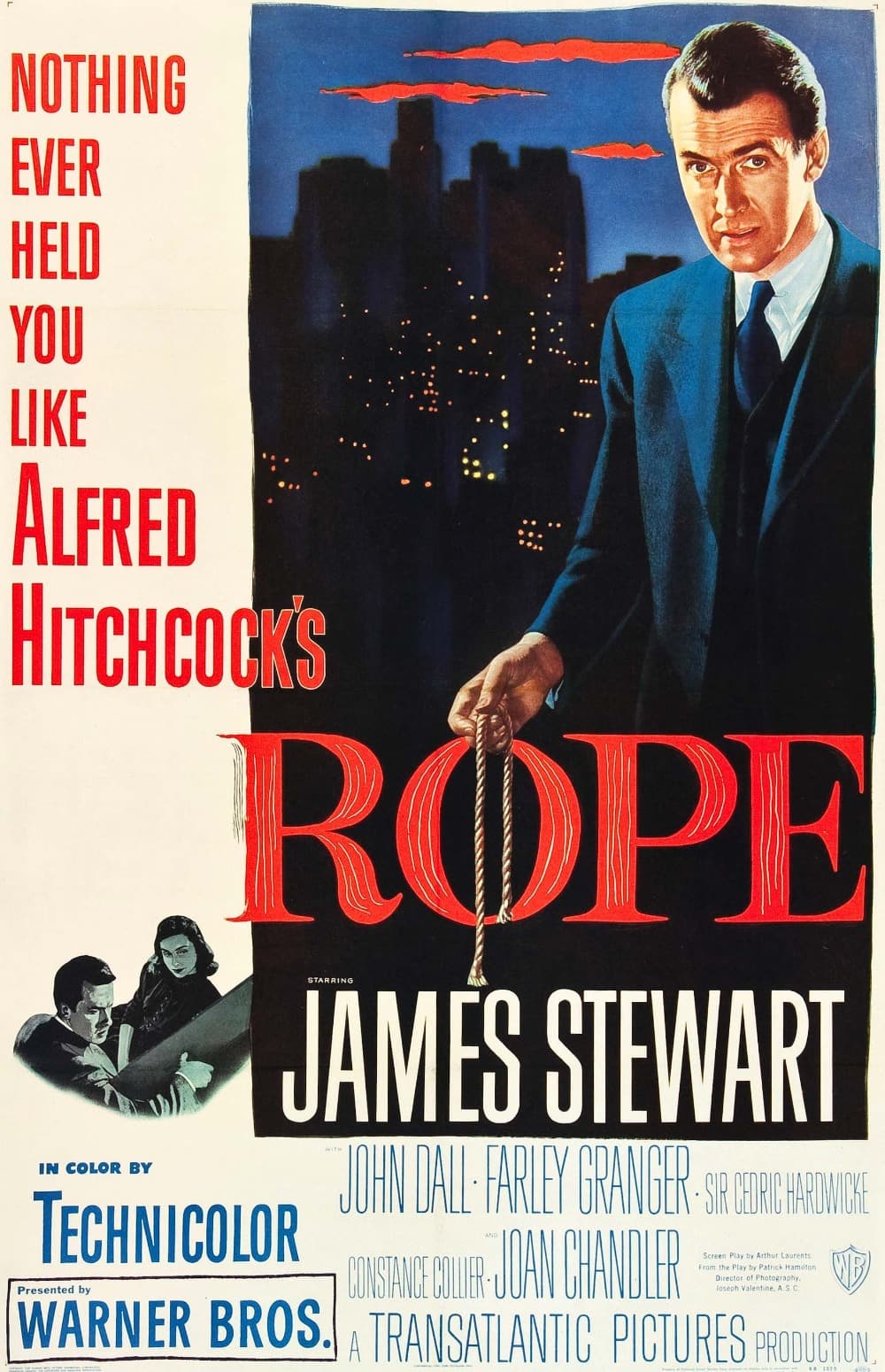
Alfred Hitchcock disguised half the cuts so the film plays like one unbroken take: two students host a dinner party in the apartment where they have done something, and the camera never leaves.
He felt the loyalty we all feel to unhappiness—the sense that that is where we really belong.