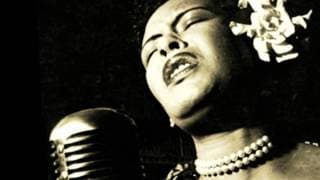
Strange Fruit
1939
A Bronx schoolteacher's poem about lynching, sung in a single spotlight, still the bravest three minutes on record.
★ 9.6
 skopia
A Bronx schoolteacher's poem about lynching, sung in a single spotlight, still the bravest three minutes on record.
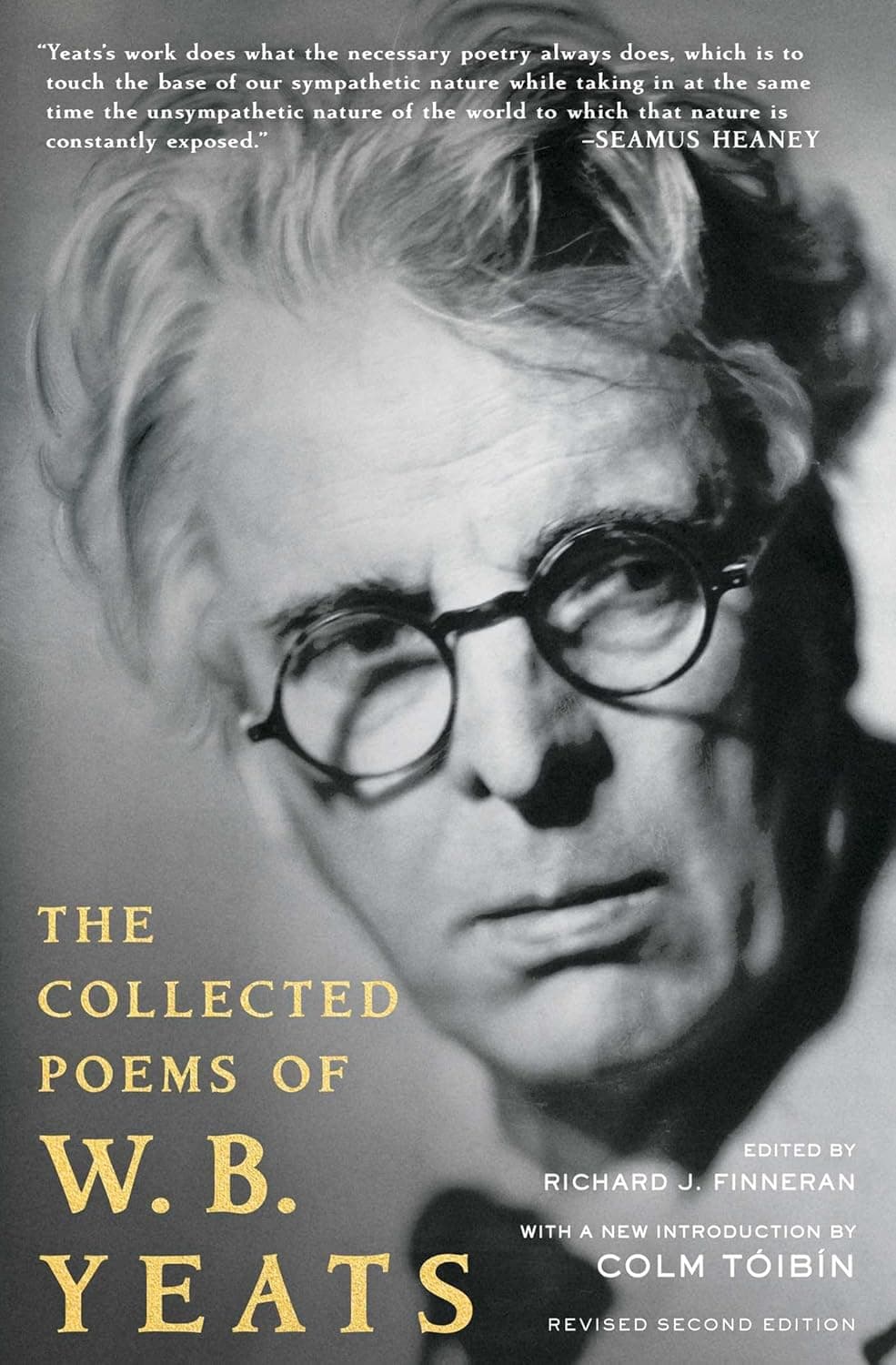
Irish myth and fairy tale at the start, then old age, politics, and desire handled with frightening force. Yeats wrote things fall apart, the centre cannot hold, and a terrible beauty is born.
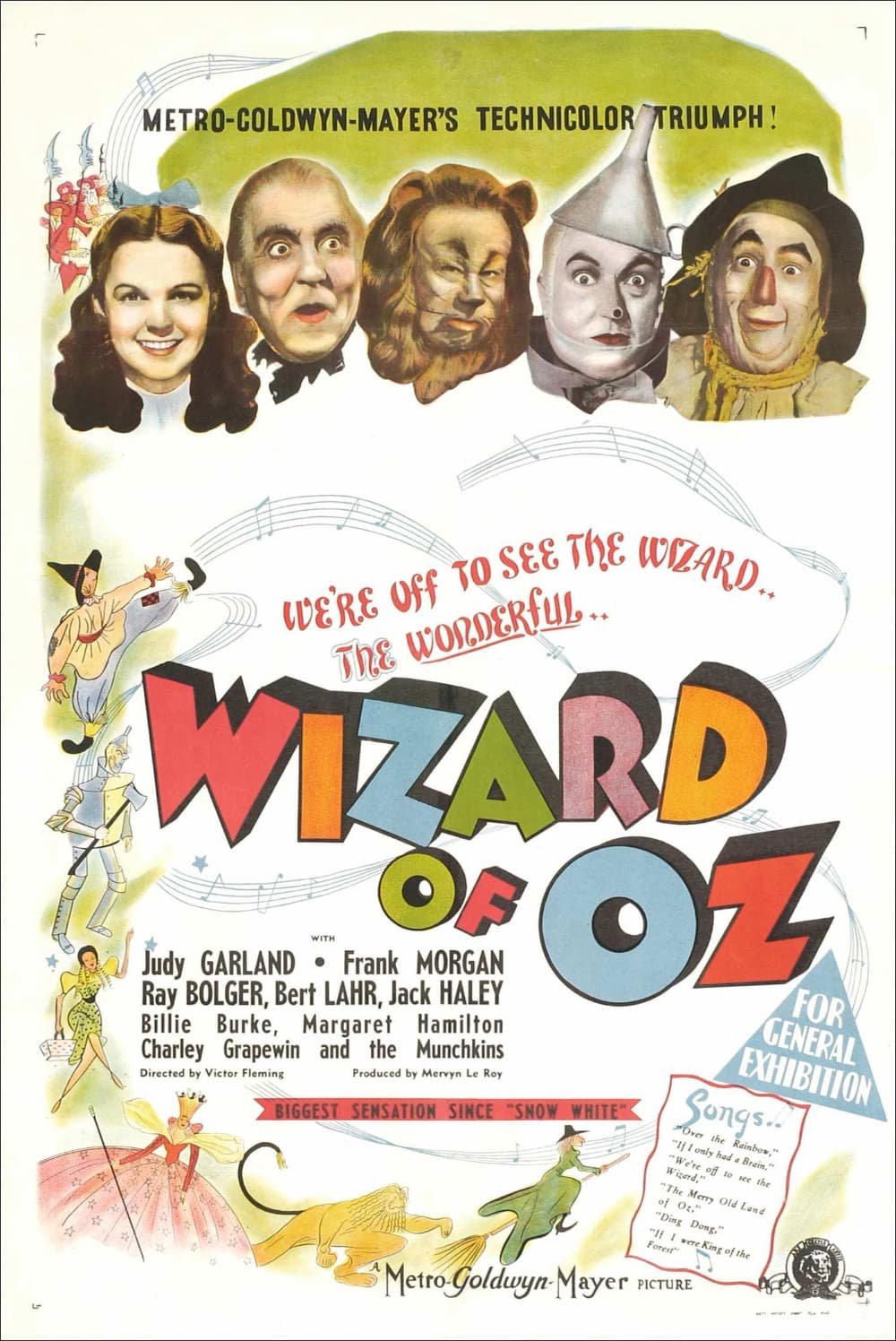
Decades of television broadcasts made it what the Library of Congress calls the most-seen film in history: the switch from sepia Kansas into Technicolor Oz still lands like a door opening.
MGM cut it from the film twice until Arthur Freed threatened to quit; Garland was sixteen.
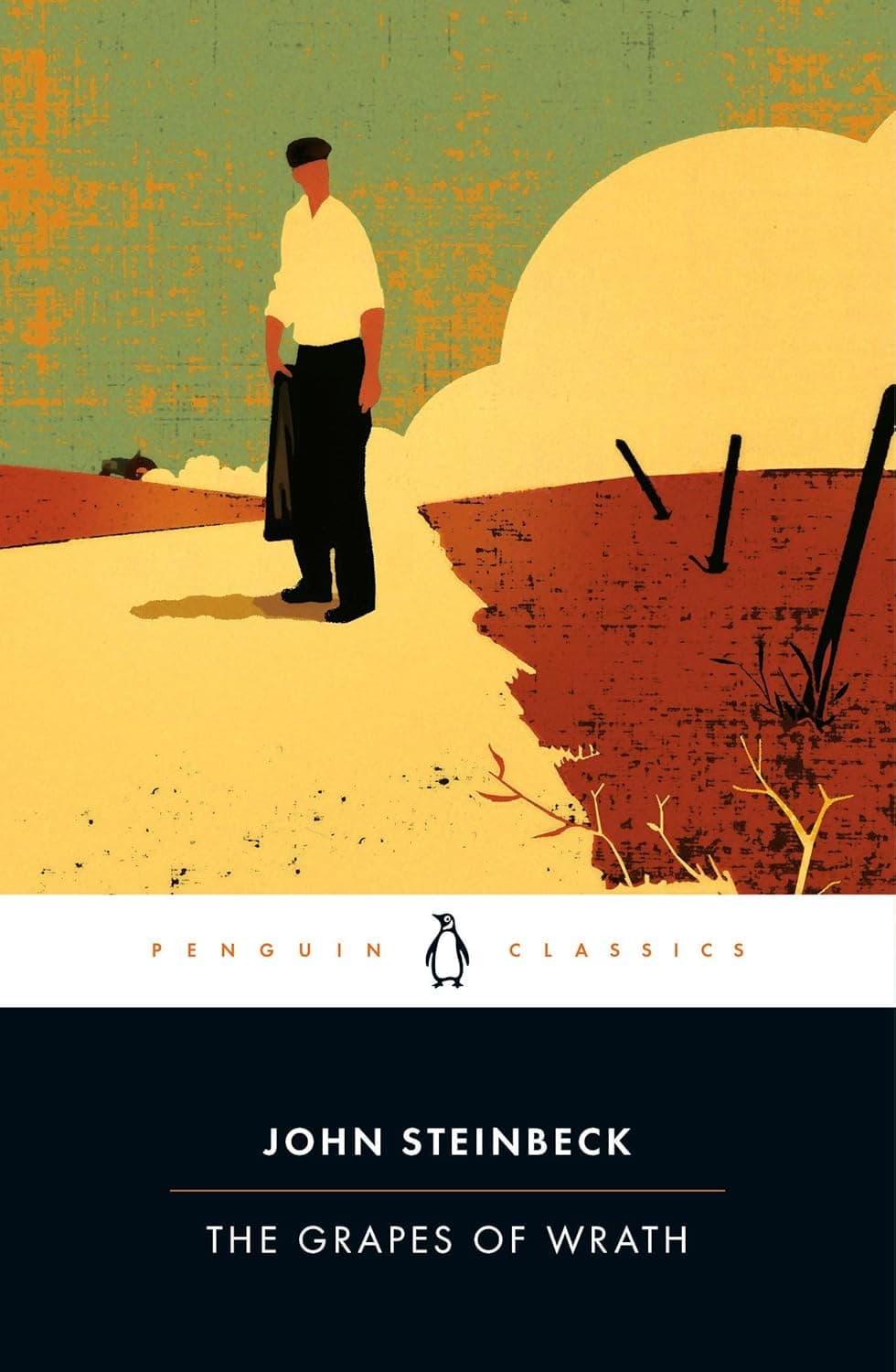
The Joads lose their Oklahoma farm and drive west to California, where the promised work is a lie. Steinbeck's fury at what was done to them still comes off the page.
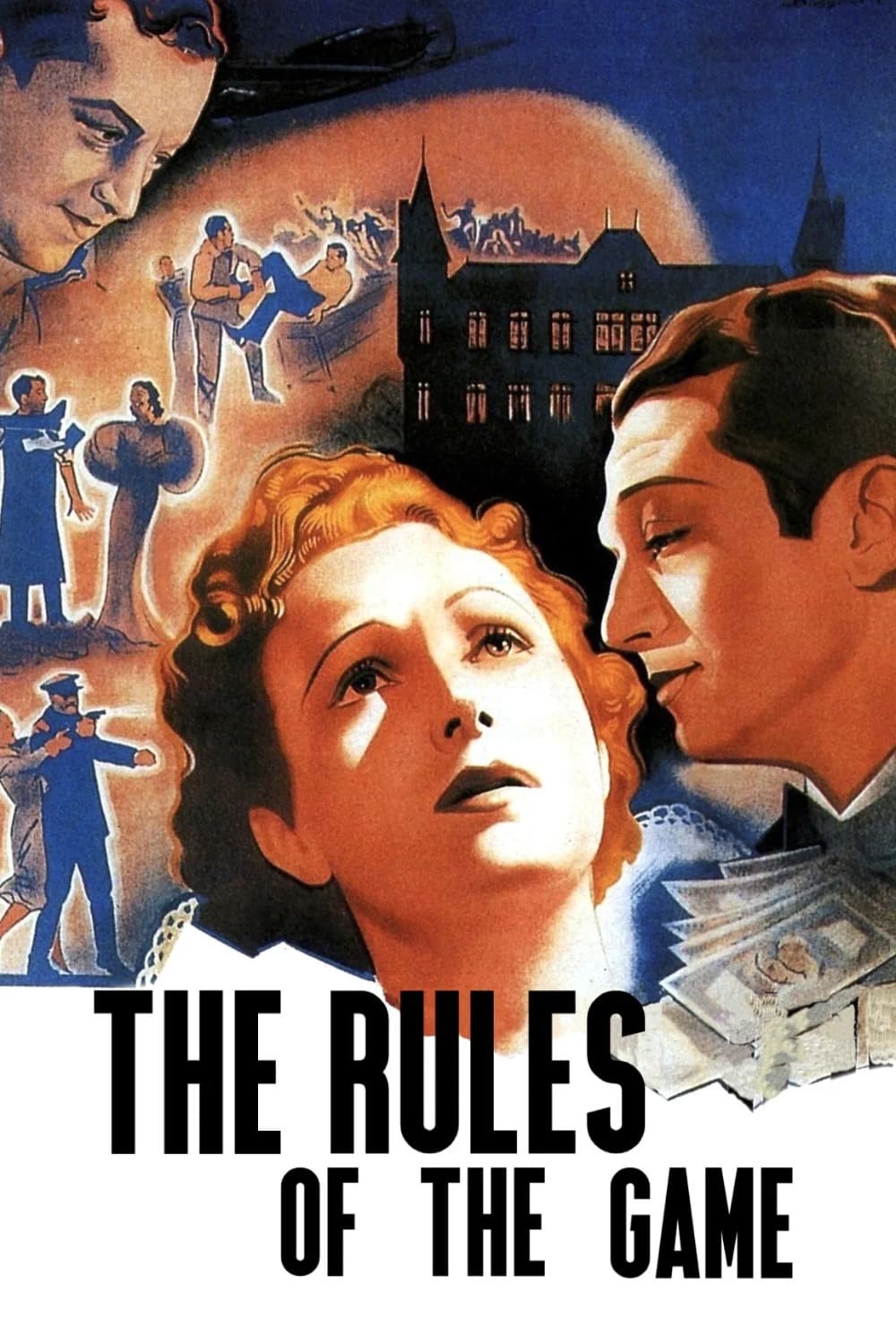
Banned in 1939, booed at its premiere, then in the top ten of every Sight and Sound poll for sixty years: Renoir turned a hunting party into a diagnosis of a doomed society.
Hawkins barely states the melody, improvises two choruses instead, and the 1939 Bluebird side pointed jazz toward bebop.
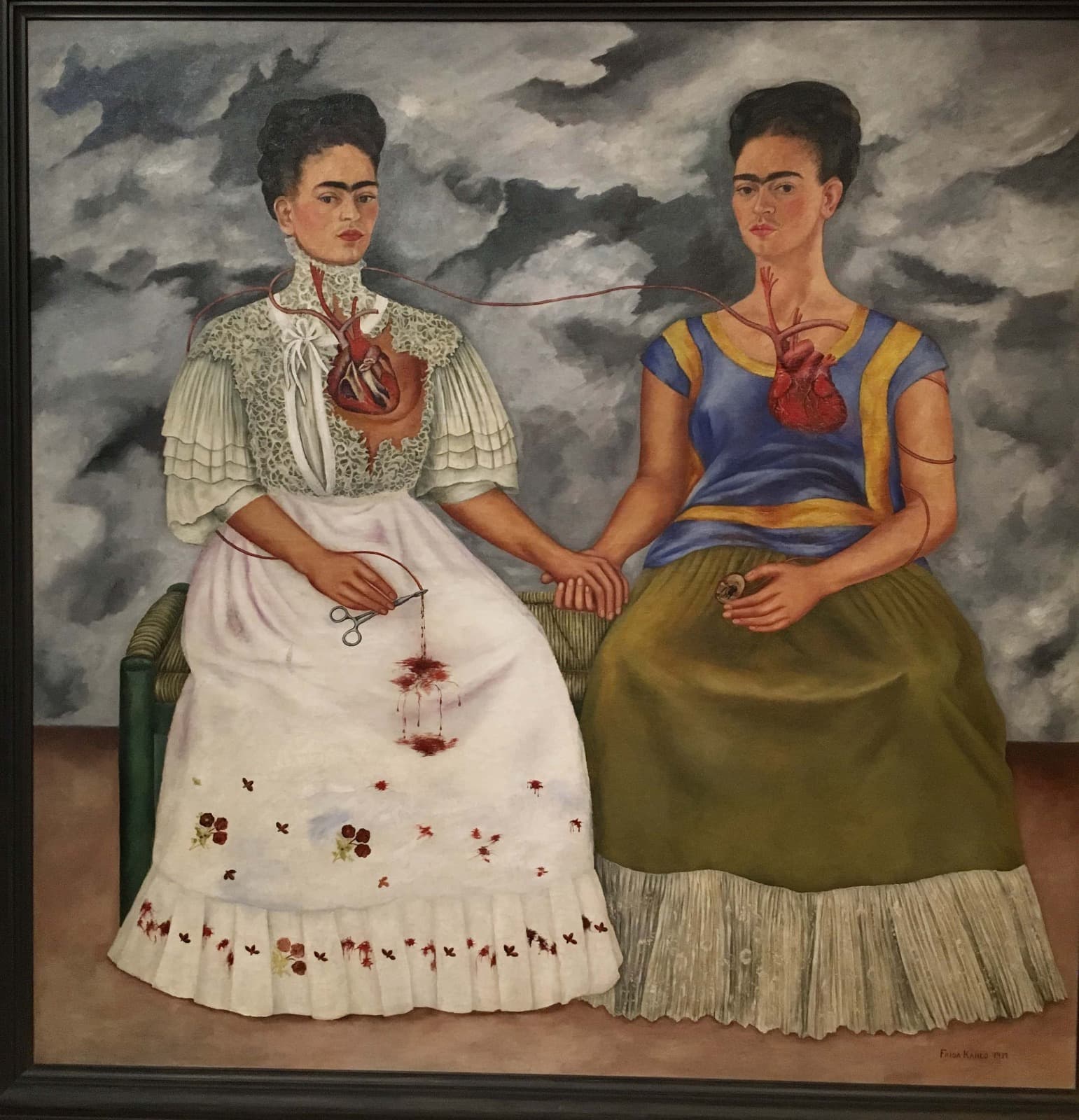
Two versions of herself hold hands with one artery running between them, clamped shut. She painted it as her marriage to Rivera fell apart.
Joe Garland's tune cut to three minutes to fit a 78, and those false endings that never quite stop.
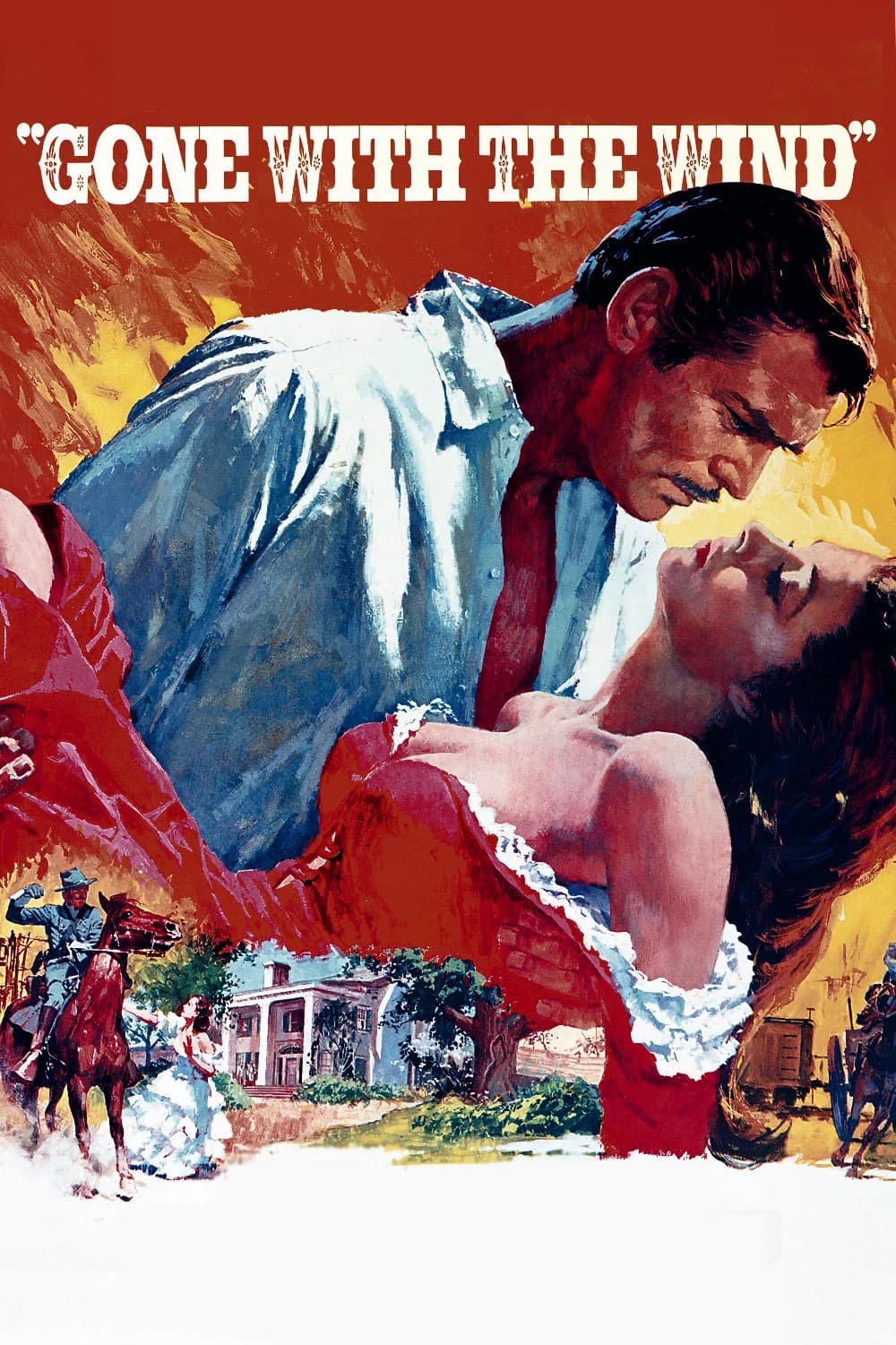
Adjusted for inflation no film has ever earned more, and it is still telling the old South's version of itself: enormous, ravishing, and not to be trusted.
Somewhere over the rainbow Way up high, There's a land that I heard of Once in a lullaby.

It made John Wayne a star, invented Monument Valley as a place in the American mind, and put nine strangers in one coach: every road movie descends from it.
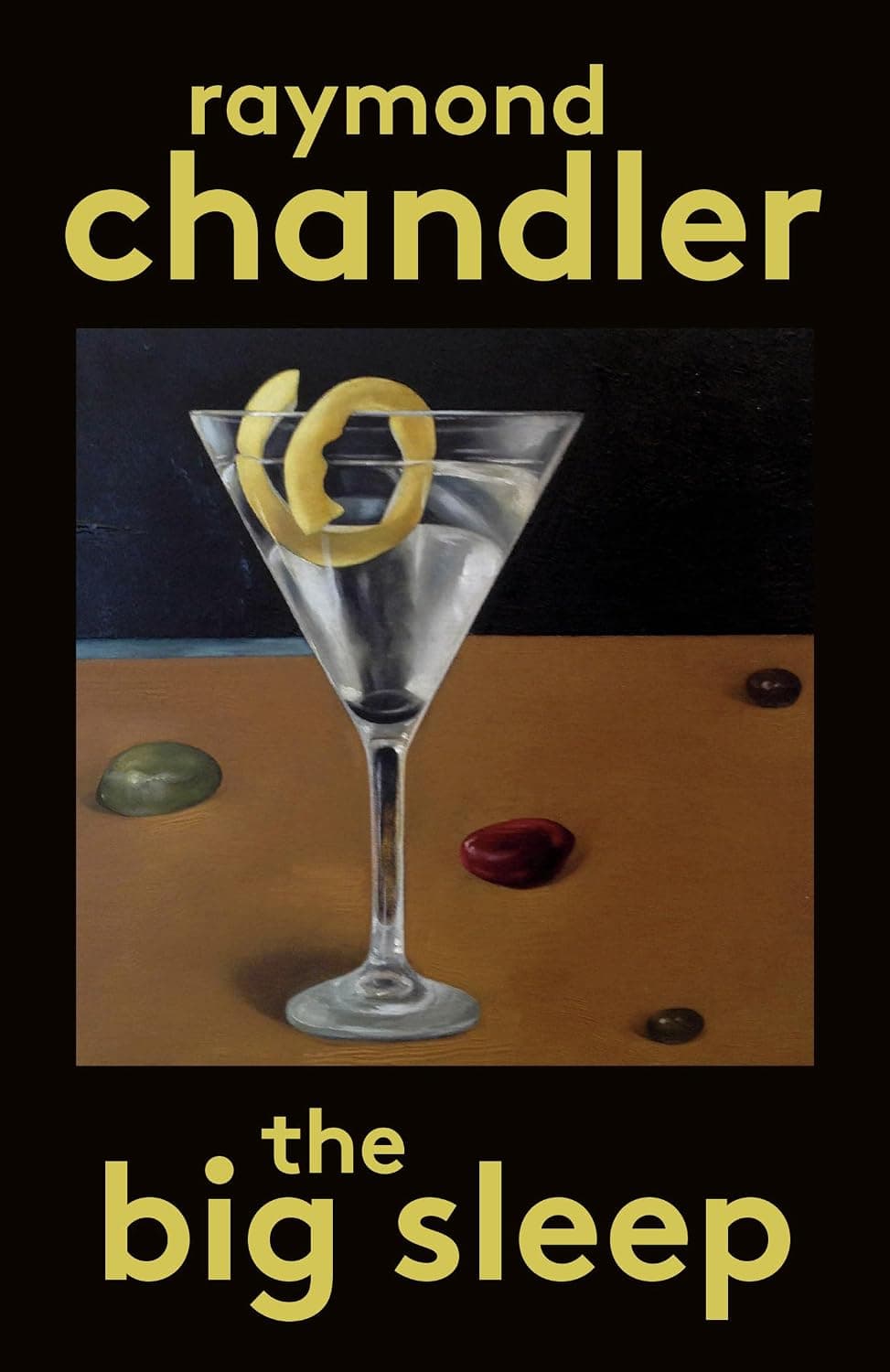
A dying general among his orchids hires Philip Marlowe to settle a blackmail debt, and the job opens into pornography, missing husbands, and Los Angeles money. Chandler's sentences became an American standard.

The greatest of the epic-theater plays follows Anna Fierling, a canteen woman hauling her wagon through the Thirty Years' War, selling to whichever army is winning and losing all three children to it.
Kenny's tenor floats, Jones talks the lyric back in bass, and doo-wop inherited that top-and-bottom trick wholesale.
Composed under Joseph Schillinger's tuition, and the band was playing it as a theme before it had a title.
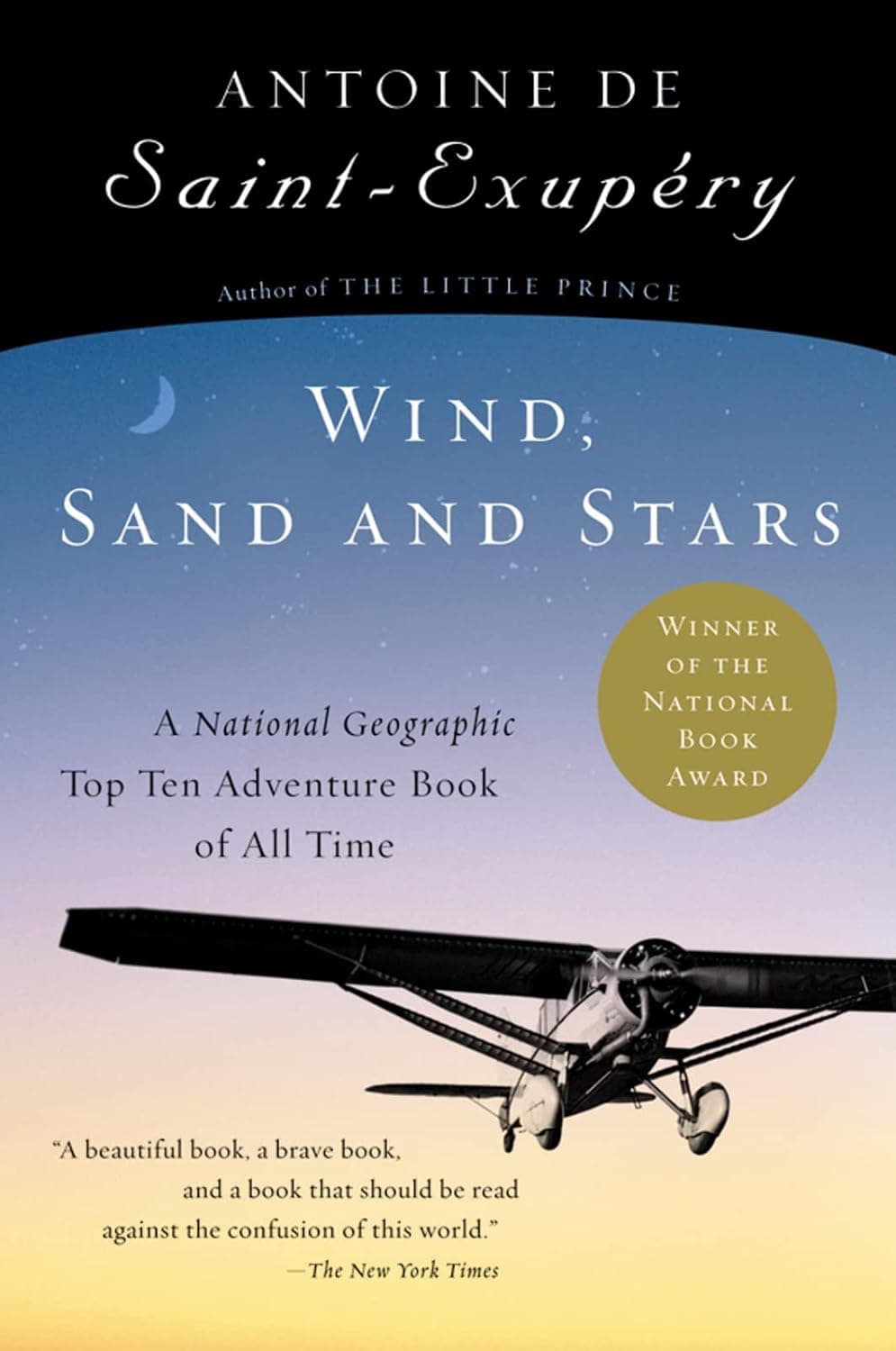
Flying mail over the Sahara and Patagonia, Saint-Exupery writes about what the work did to the men who flew it. The pilot Guillaumet crashed in the Andes and walked out through the snow.
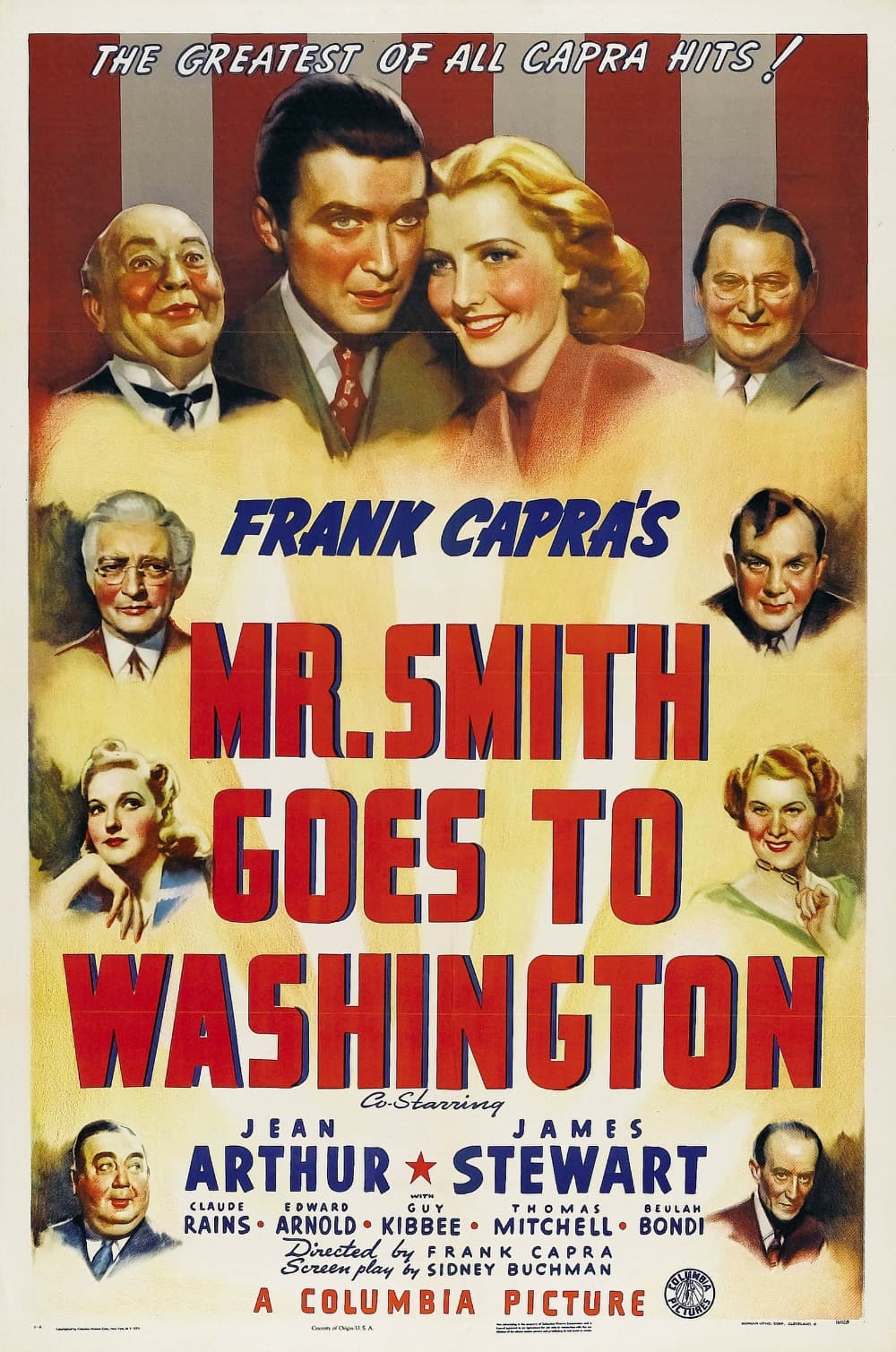
Capra built the most stirring film ever made out of parliamentary procedure: an amateur senator holds the floor with nothing but his voice and the rulebook, and Washington's press corps hated it.
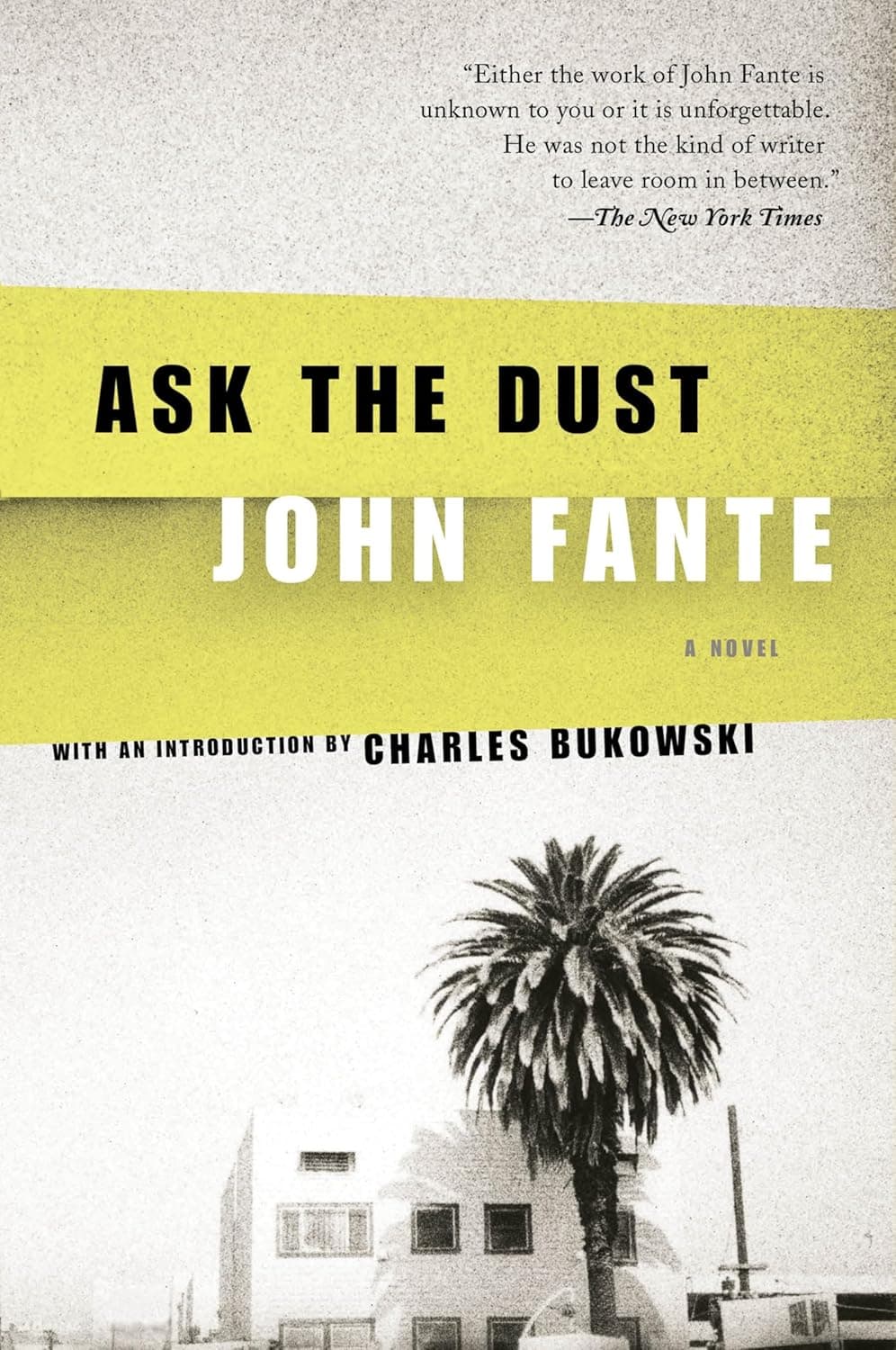
Arturo Bandini starves in a Bunker Hill hotel in Depression Los Angeles, wanting to be a great writer and loving a Mexican waitress he cannot stop insulting. Bukowski called Fante his god.

Wave after wave of horsemen out of the grasslands, breaking settled empires from China to Hungary. Grousset made Attila, Genghis Khan, and Tamerlane one continuous history running from the Scythians to 1757.

1789 was four revolutions at once, Lefebvre shows: nobles against the king, the bourgeoisie against nobles, Paris crowds against bread prices, and peasants burning the records of what they owed.

The best-selling mystery ever written: eight guests and two servants on an island off Devon, accused by a gramophone of murders the law could not touch, then killed to a nursery rhyme.

Le Carré called Ambler the source on which we all draw. An English novelist is shown a body from the Bosphorus and traces the dead man through Balkan assassination and Paris drug trafficking.
And when they played they really played. And when they worked they really worked.
A heart is not judged by how much you love; but by how much you are loved by others.
I don't know, but some people without brains do an awful lot of talking, don't they?
Dad always used to say the only causes worth fighting for were the lost causes.
Well, I guess you can't break out of prison and into society in the same week.