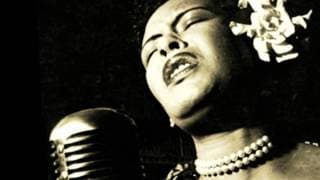
Strange Fruit
1939
A Bronx schoolteacher's poem about lynching, sung in a single spotlight, still the bravest three minutes on record.
★ 9.6
 skopia
A Bronx schoolteacher's poem about lynching, sung in a single spotlight, still the bravest three minutes on record.
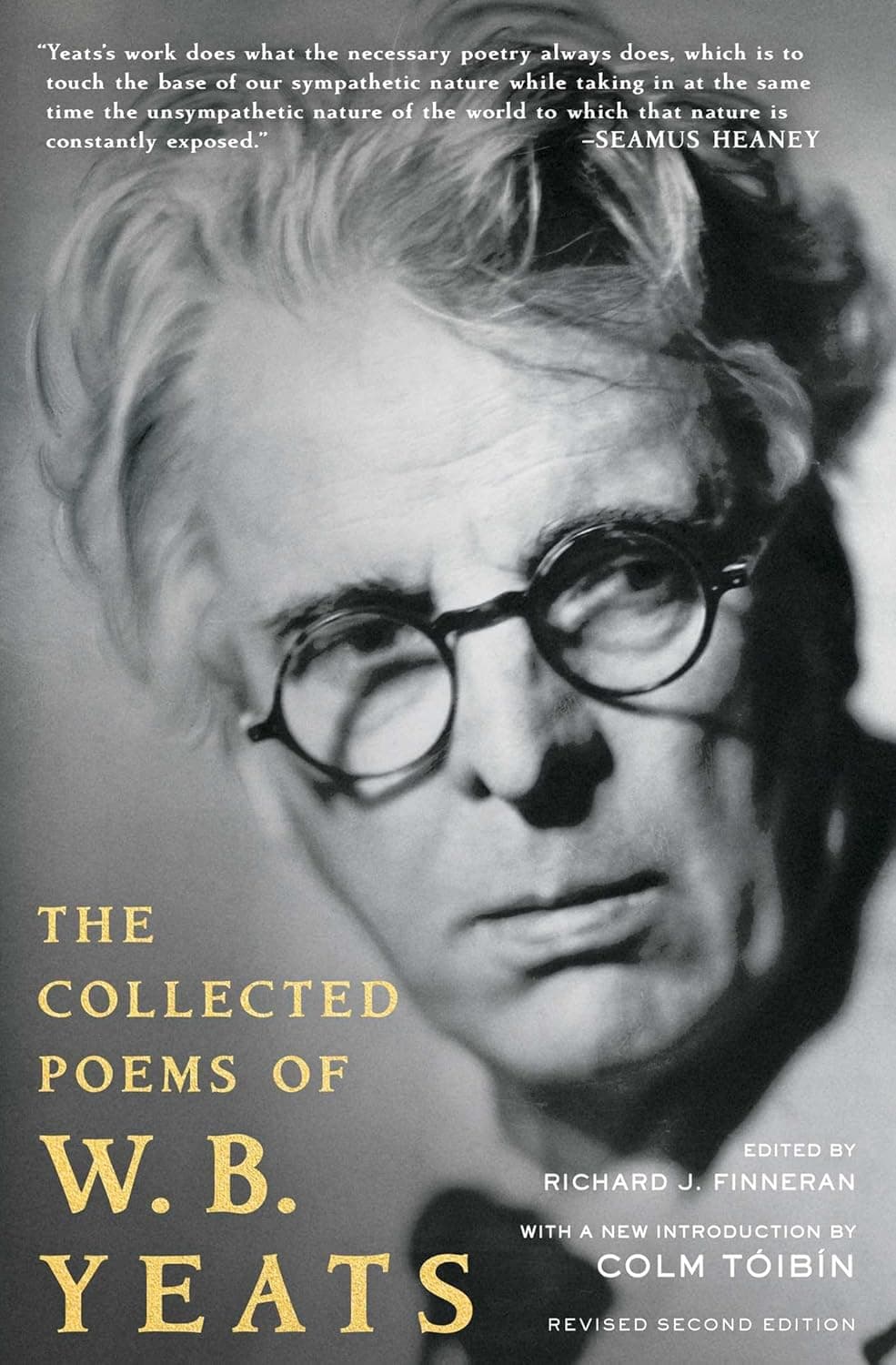
Irish myth and fairy tale at the start, then old age, politics, and desire handled with frightening force. Yeats wrote things fall apart, the centre cannot hold, and a terrible beauty is born.
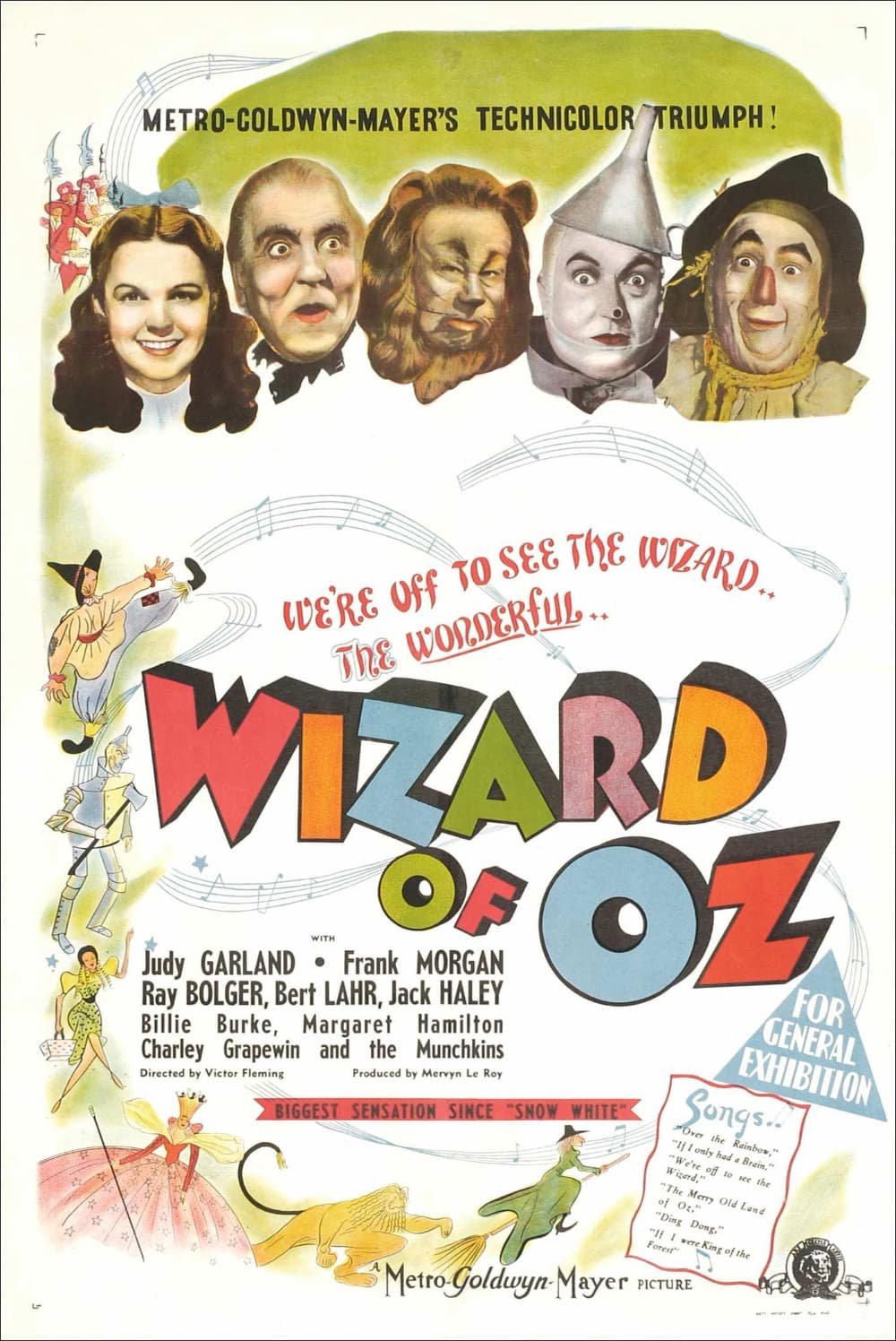
Decades of television broadcasts made it what the Library of Congress calls the most-seen film in history: the switch from sepia Kansas into Technicolor Oz still lands like a door opening.
MGM cut it from the film twice until Arthur Freed threatened to quit; Garland was sixteen.
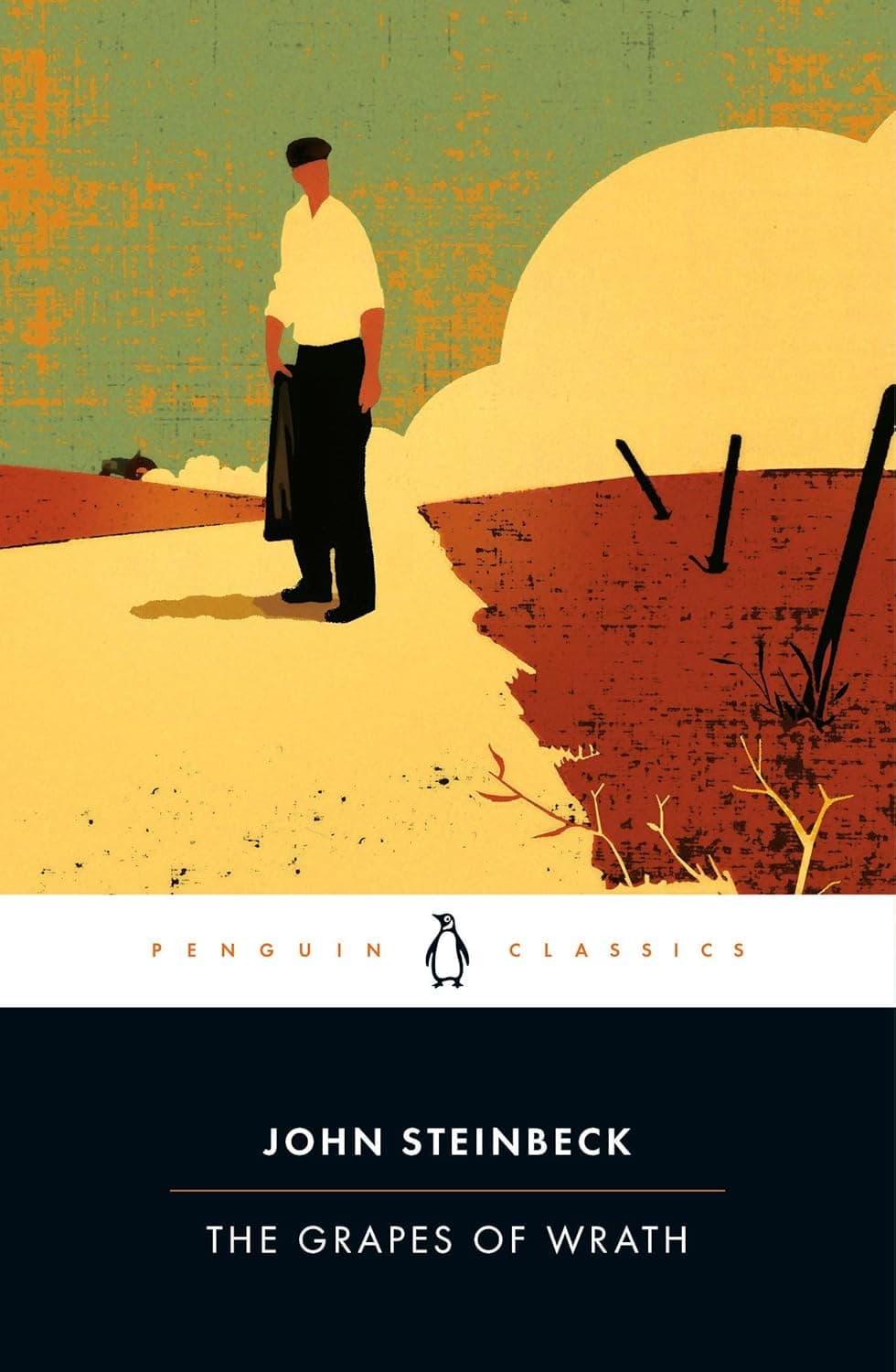
The Joads lose their Oklahoma farm and drive west to California, where the promised work is a lie. Steinbeck's fury at what was done to them still comes off the page.
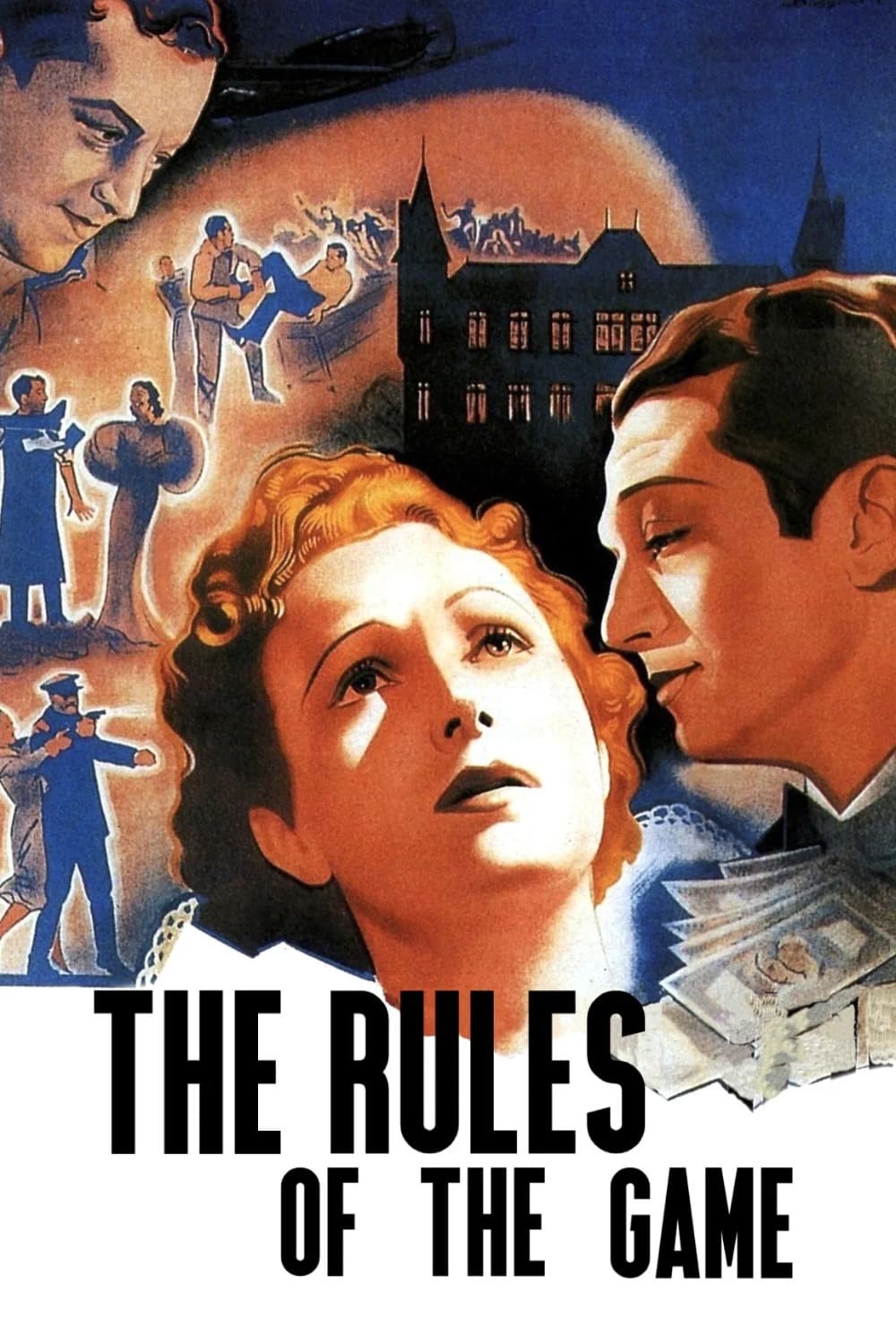
Banned in 1939, booed at its premiere, then in the top ten of every Sight and Sound poll for sixty years: Renoir turned a hunting party into a diagnosis of a doomed society.
Hawkins barely states the melody, improvises two choruses instead, and the 1939 Bluebird side pointed jazz toward bebop.
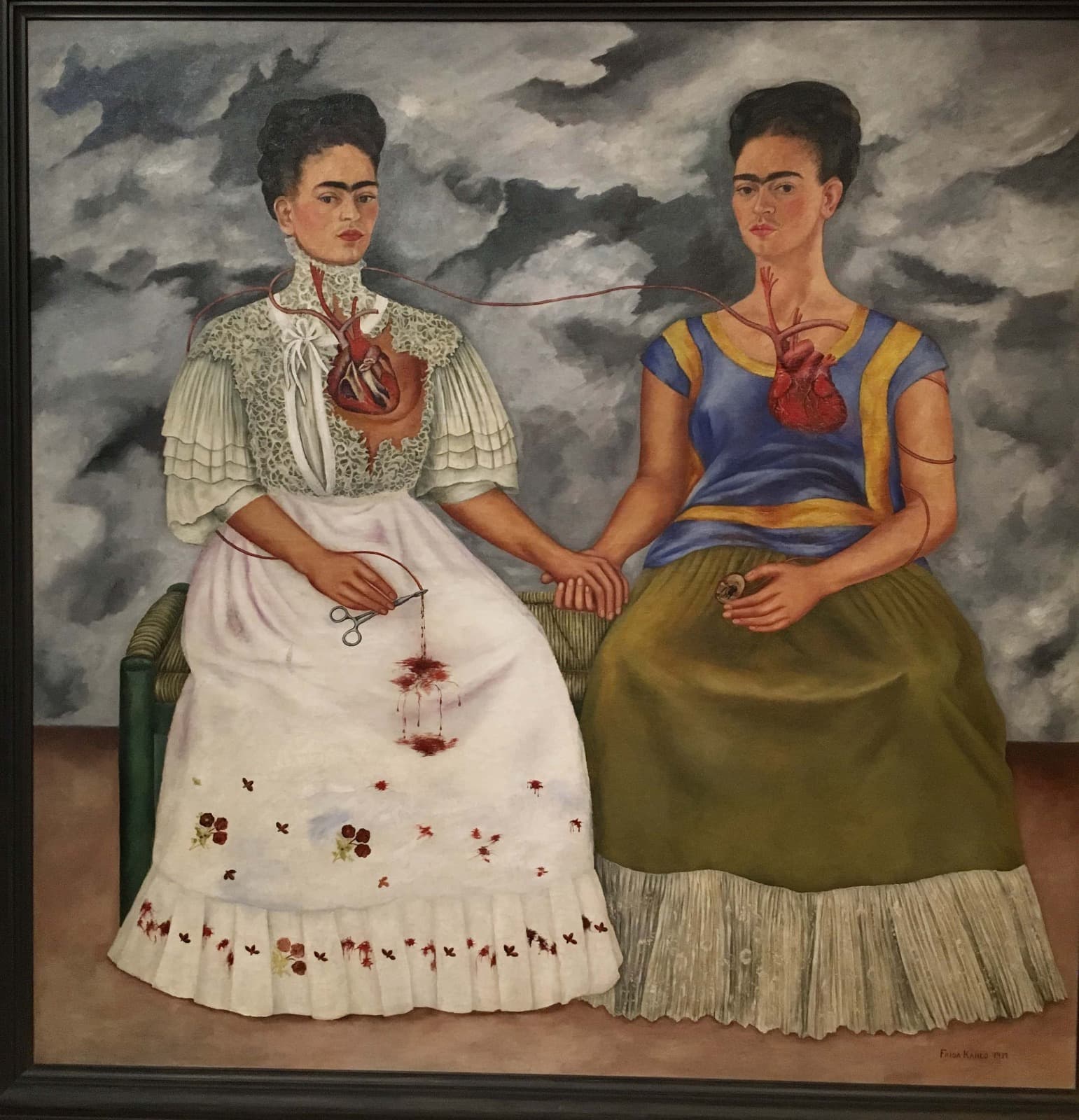
Two versions of herself hold hands with one artery running between them, clamped shut. She painted it as her marriage to Rivera fell apart.
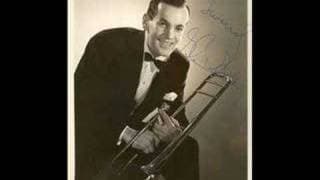
Joe Garland's tune cut to three minutes to fit a 78, and those false endings that never quite stop.
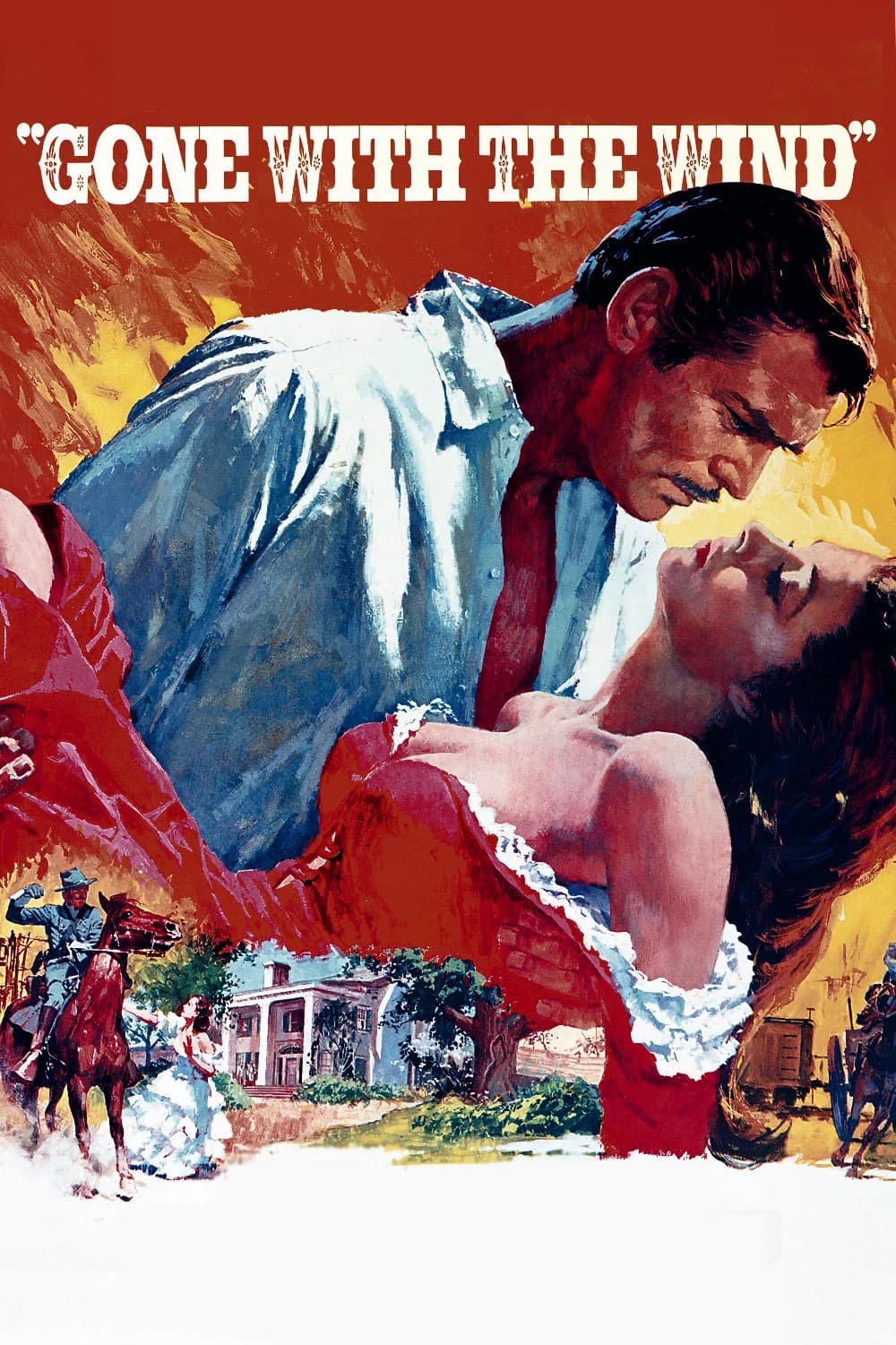
Adjusted for inflation no film has ever earned more, and it is still telling the old South's version of itself: enormous, ravishing, and not to be trusted.
Somewhere over the rainbow Way up high, There's a land that I heard of Once in a lullaby.

It made John Wayne a star, invented Monument Valley as a place in the American mind, and put nine strangers in one coach: every road movie descends from it.