
Can the Circle Be Unbroken (By and By)
1935
A 1907 hymn rewritten into a mother's funeral, with A.P. Carter tightening the grief and Maybelle's guitar holding it.
★ 7.5
 skopia
A 1907 hymn rewritten into a mother's funeral, with A.P. Carter tightening the grief and Maybelle's guitar holding it.

O'Keeffe collected sun-bleached bones off the desert and hung this one in the sky over the hills, with a single white hollyhock beside it.

Enslaved people freed themselves, Du Bois argues, walking off plantations in a general strike that broke the Confederacy. He then shows what Black voters built during Reconstruction and who tore it down.
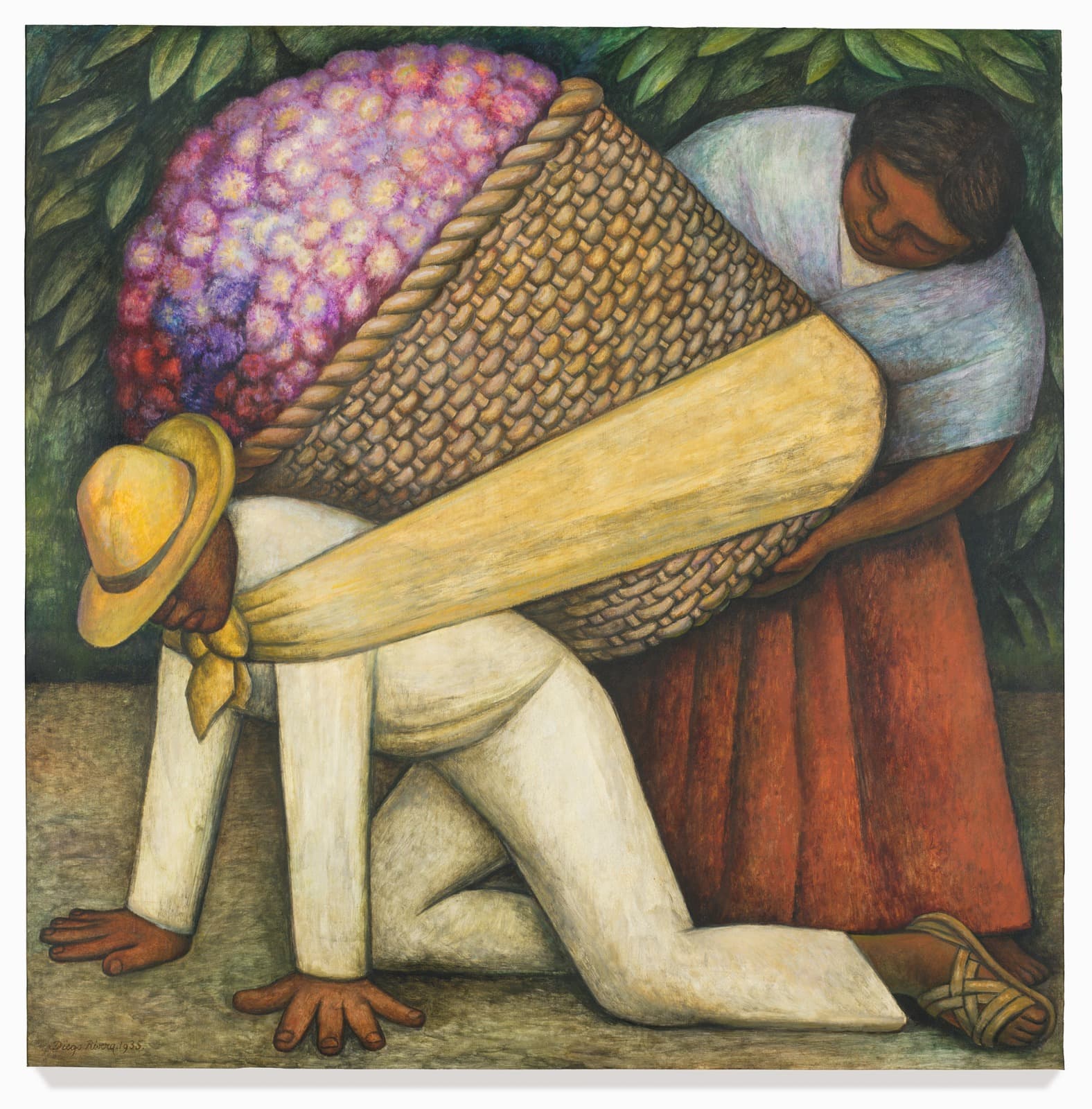
An enormous basket of flowers forces the man down onto his hands and knees, and a woman steadies the load from behind.

Sentenced to twenty years by Mussolini's courts, Gramsci filled thirty-odd notebooks explaining why revolutions fail: the powerful rule by consent, through schools, churches, and newspapers that make their order feel like common sense.
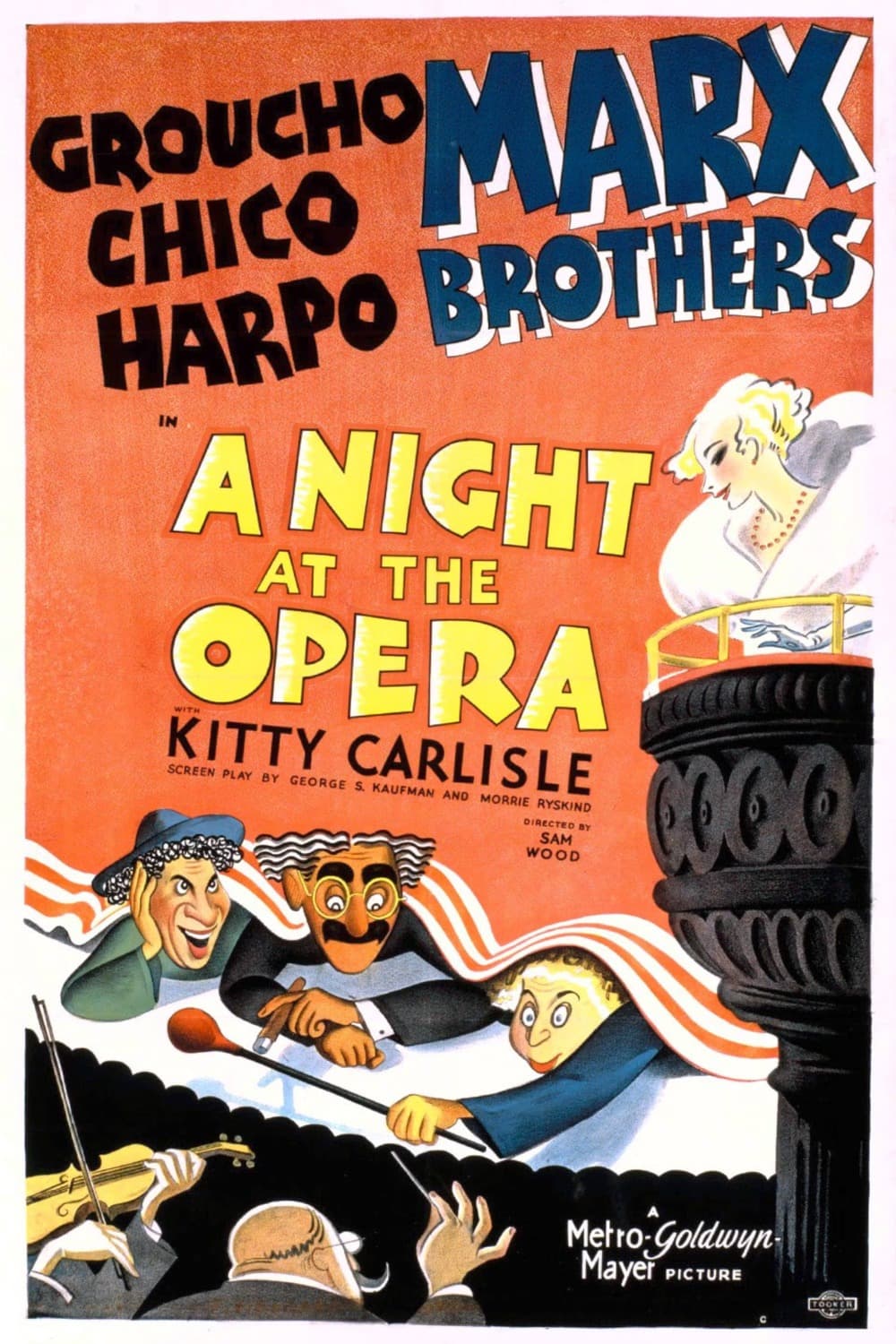
The stateroom scene is the most crowded two minutes in comedy: MGM insisted the Marx Brothers carry a love plot, and they demolished it from the inside anyway.
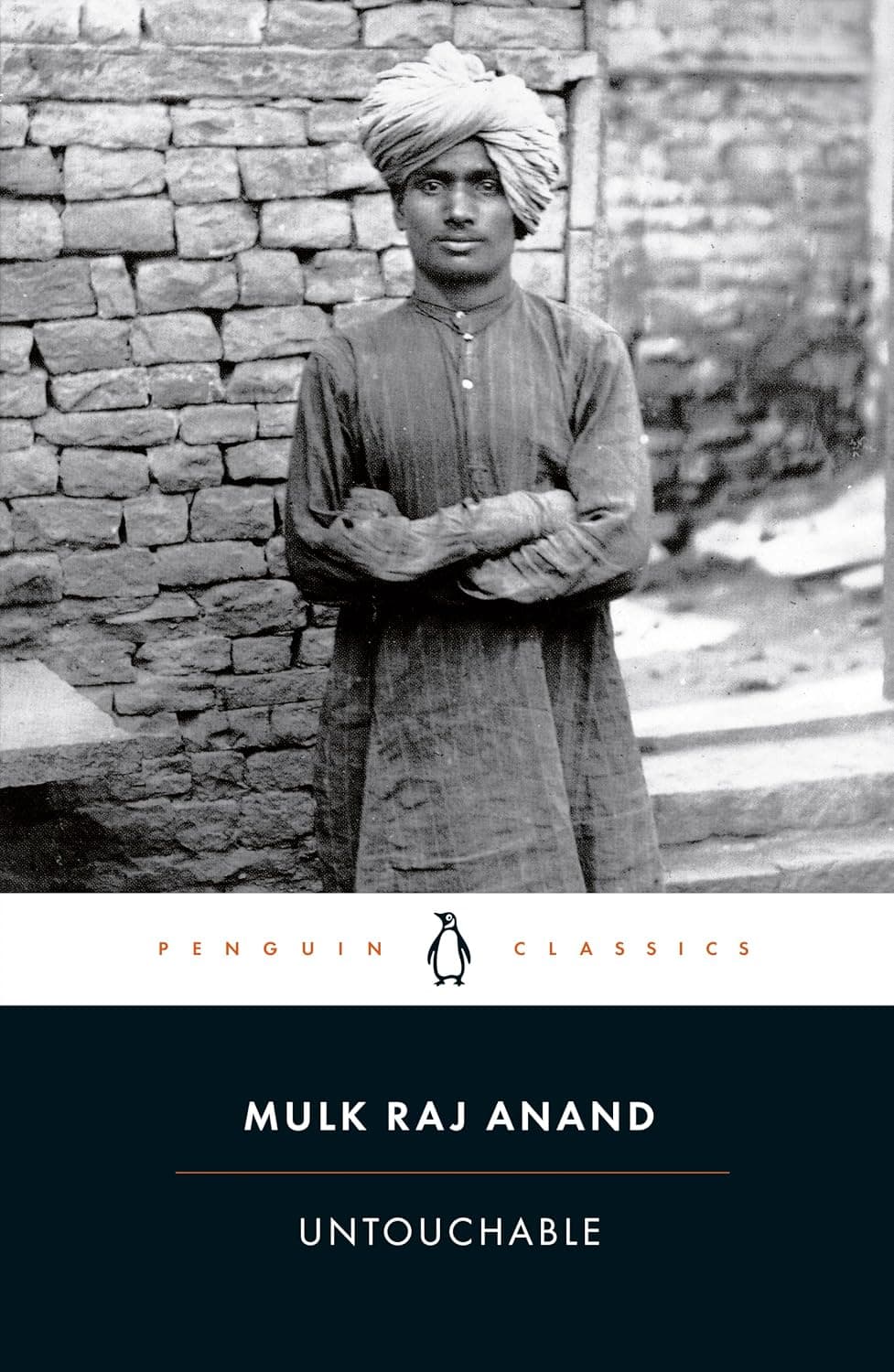
One day in the life of Bakha, who cleans latrines in a small Indian town and is slapped for brushing against a high-caste man. Anand renders caste from its lowest rung.

On the Irish Catholic South Side of Chicago, a boy leaves eighth grade certain he is somebody. Farrell tracks Studs through poolrooms, gangs, and drink into the Depression, withholding every consolation.
Cut in New York on October 3, 1935, among Armstrong's first Decca sides, trumpet and voice doing identical work.
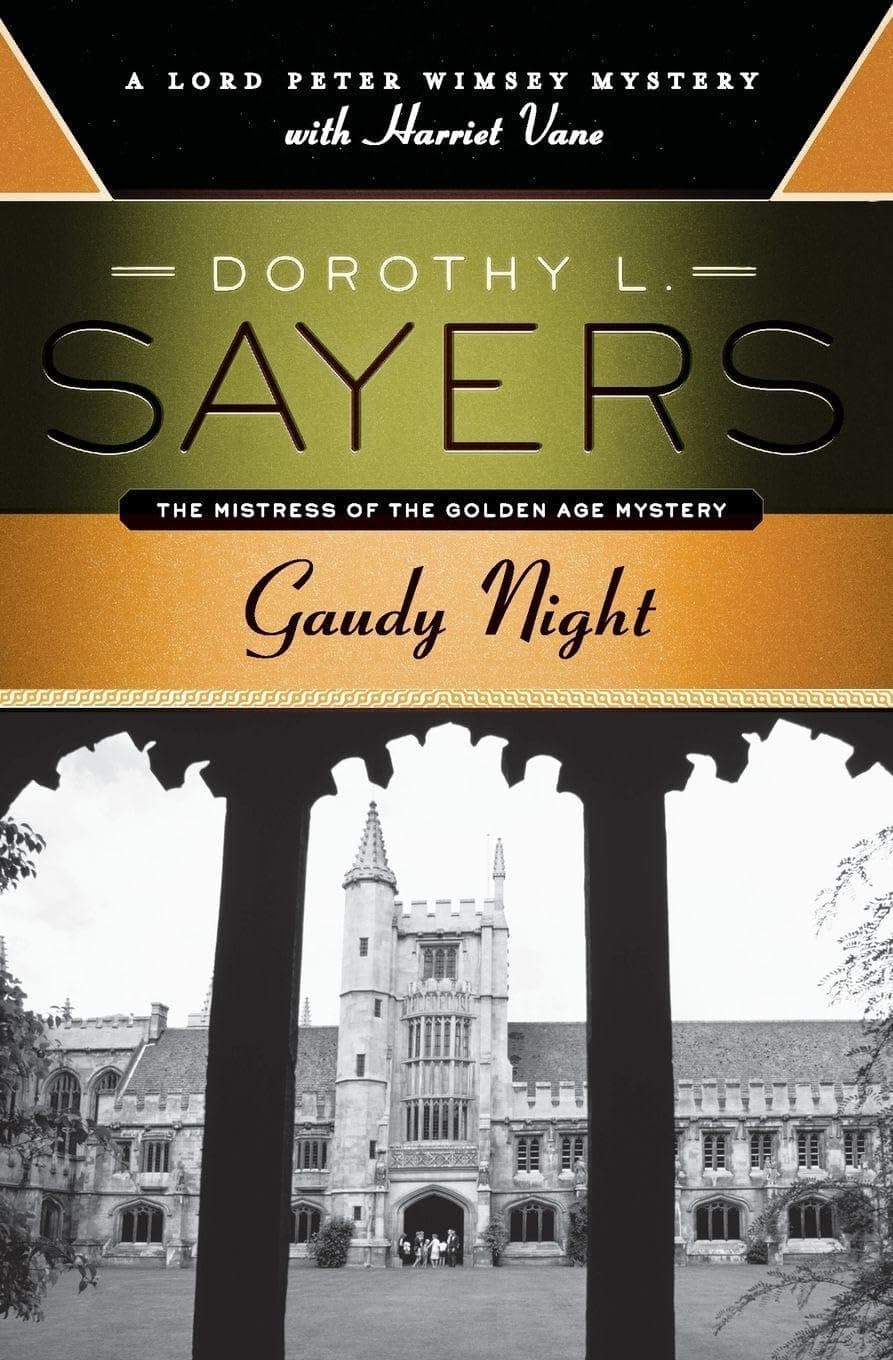
Harriet Vane, mystery novelist, returns to her Oxford women's college, where someone is sending obscene letters and destroying scholarship. Nobody dies. The question is whether a woman can have both work and love.