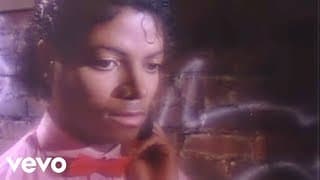
Billie Jean
1982 · From Thriller
That bassline, mixed and remixed until it gleamed, and the four minutes that integrated MTV.
★ 9.8
 skopia
That bassline, mixed and remixed until it gleamed, and the four minutes that integrated MTV.
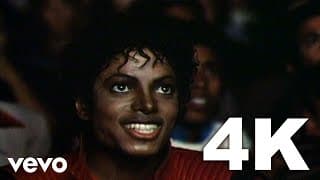
Vincent Price cackling over a disco-funk groove, and a fourteen-minute video that turned pop into event television.
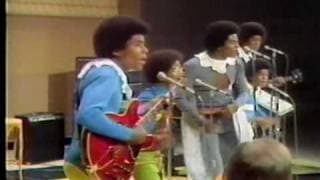
A child singing about regret over the springiest bassline Motown ever cut, and selling it completely.
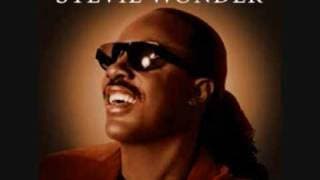
Wonder wrote that clavinet riff for Jeff Beck, heard it back, and sensibly kept it for himself.
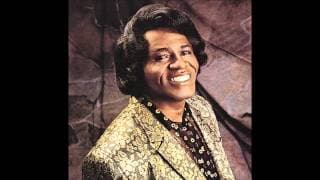
The record where the beat moved to the one and funk quietly began. James Brown never looked back.
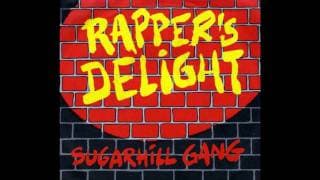
Big Bank Hank auditioned outside the pizzeria where he worked, rapping lines borrowed from Grandmaster Caz's notebook.
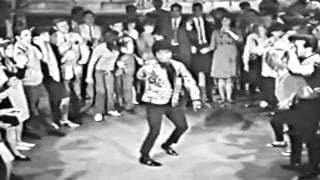
Brown recycled a flop he'd cut on Yvonne Fair, added Maceo Parker's alto, and landed his highest-charting single.
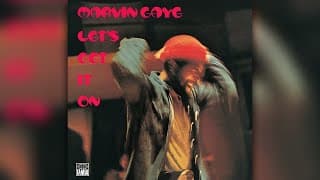
Ed Townsend conceived it as a spiritual; Gaye kept the backing track, rewrote the lyric, and Billboard number one followed.
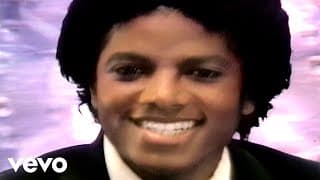
Jackson wrote it himself and steered the session; a whisper, a water-bottle rattle, then Louis Johnson's bass takes over.
One of Brown's first dates with the new J.B.s, Bootsy Collins on bass at eighteen, Bobby Byrd answering every line.
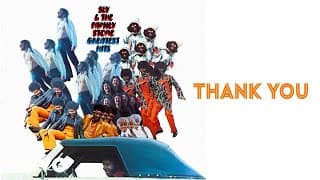
Larry Graham slapping and popping the bass line credited with inventing the technique, and a verse quoting their own hits.
Skip Pitts on wah-wah, Willie Hall riding sixteenths on hi-hat, and the first Academy Award won by a Black composer.
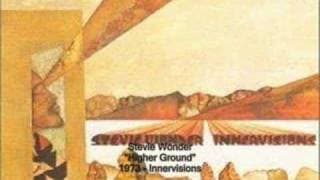
Written and taped in a three-hour burst, Wonder on clavinet and drums, the keyboard snarling through a Mu-Tron filter.
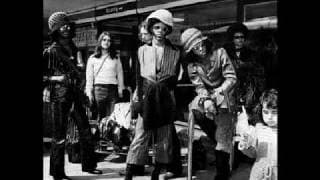
A rhythm box edited into a heartbeat, Billy Preston on Pianet, and three weeks at number one.
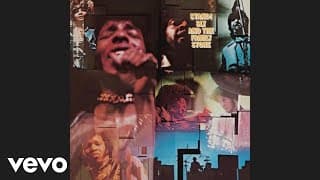
A band mixed in race and gender, four weeks at number one, and "different strokes for different folks" ever since.
Bootsy Collins on bass, Fred Wesley and Maceo Parker newly arrived from James Brown, and Parliament's first gold single.
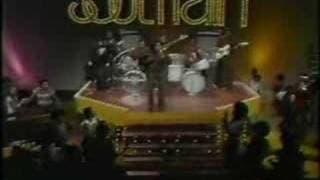
Brown cut it in Los Angeles with thirty-odd young people from Watts and Compton shouting the answer back.
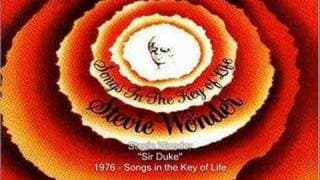
Wonder built it for Ellington after his death in 1974, then handed the melody to horns playing in unison.
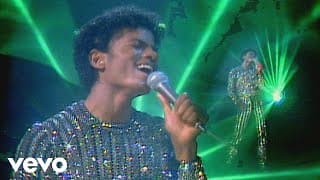
Rod Temperton offered it to Karen Carpenter first; Quincy Jones and Jackson took it to number one.

Rodgers' guitar, Pharrell's vocal, Nathan East on bass, and disco walked back onto the radio wearing robot helmets.
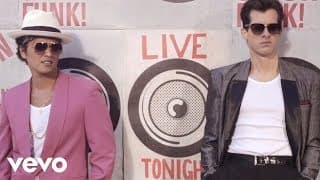
Six studios, eighty-two takes at the guitar part, Ronson collapsing in the studio, and fourteen weeks at number one.
Al Bell lifted the bassline from a Jamaican instrumental, and Mavis Staples turned Muscle Shoals into a pulpit.
Bootsy passed on the bass part, so Worrell chained three Minimoogs together and gave Parliament its first R&B number one.
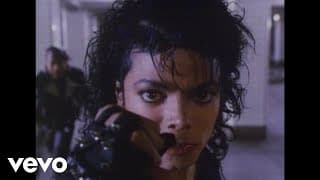
Scorsese shot eighteen minutes in a Brooklyn subway station, and the brass hits point straight back at James Brown.
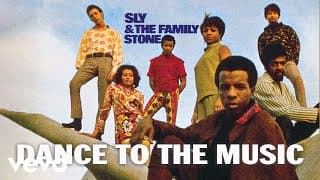
Clive Davis wanted a hit, so Sly wrote a roll call: each player steps forward, Cynthia Robinson shouting the title.
Michael refused to appear, so Fincher had five supermodels lip-sync while his Faith leather jacket burned onscreen.
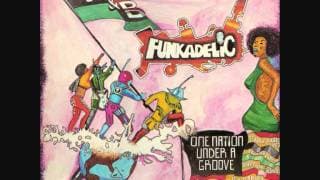
Clinton, Shider and Junie Morrison cut it at United Sound; six weeks at R&B number one, 1978's longest run.
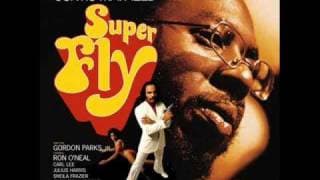
The soundtrack took three days at RCA Chicago; Johnny Pate arranged, Henry Gibson's rototoms set the strut.
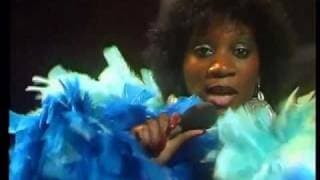
The Meters on rhythm at Sea-Saint, Toussaint producing, and Patti LaBelle singing a French hook she did not understand.
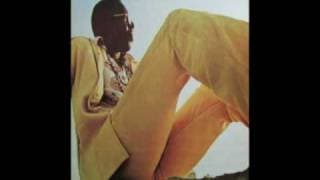
Master Henry Gibson's congas drive it, the horns arrive like good news, and Britain sent it top twelve.
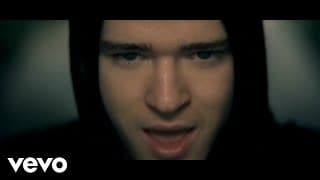
Storch's clavinet, Timbaland's beat, and a breakup Timberlake spent years declining to explain; the Grammy arrived anyway.
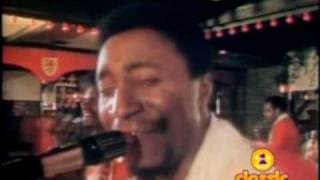
Jimmy Ellis over eleven minutes of Philadelphia rhythm, a flop in 1976 until Saturday Night Fever made it a hit.
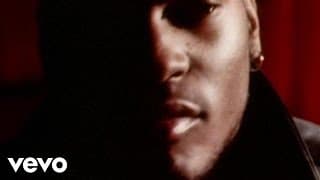
Every instrument on it is D'Angelo's, cut at Battery Studios, and the groove barely bothers to move.
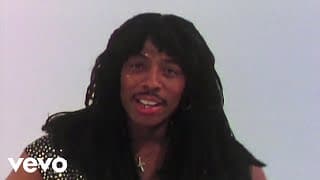
The Temptations sang backup, and the bass line James dismissed as silly later won him a Grammy through Hammer's sample.
Freddie Stone's bluesy riff, the band trading vocal lines, and a B-side that Woodstock turned into a Top 40 A-side.
Wolinski's synth loop, his threat to hand the song to Quincy Jones instead, and Khan sailing clean over it.
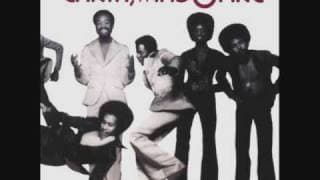
A night walk at Caribou Ranch gave White the title, and the band their only Hot 100 number one.
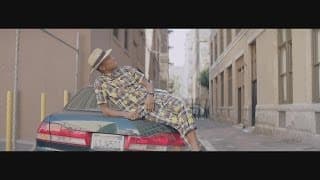
Written first for CeeLo Green, whose label passed, cut in Miami, and given pop's first 24-hour video.