Like a Rolling Stone
1965 · From Highway 61 Revisited
A snare crack, a sneer, and Kooper's uninvited organ swirling through the song that split rock open.
★ 10.0
 skopia
A snare crack, a sneer, and Kooper's uninvited organ swirling through the song that split rock open.
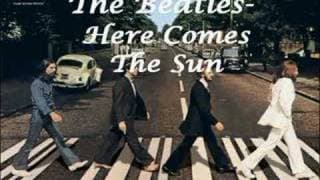
Harrison wrote it in Clapton's garden while skipping a business meeting, and it sounds exactly like that relief.
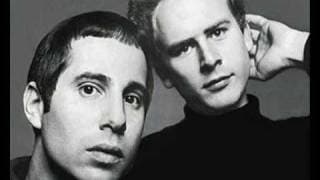
Garfunkel's voice climbing a gospel staircase, the last verse arriving like the cavalry.
A folk flop until a producer secretly overdubbed electric guitars, and the duo heard their number one on the radio.
Eight minutes that climb from recorders to Page's solo, never released as a single and never needing to be.
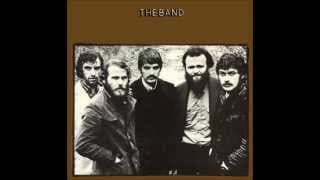
Robertson saw Nazareth stamped inside his 1951 Martin, and Helm sang the burden every verse hands over.
A single voice and acoustic guitar close Uprising, with a line lifted from Marcus Garvey and Marley already ill.
Hilton Valentine's arpeggio, one take at De Lane Lea, and four and a half minutes when singles ran two.
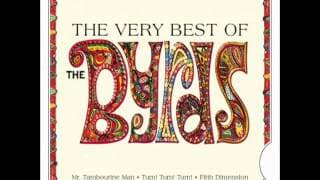
Session men cut the track and McGuinn's twelve-string Rickenbacker rang over one Dylan verse; folk rock started there.
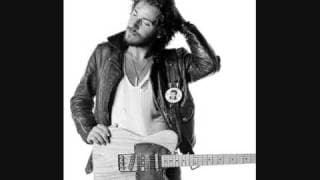
Bittan's piano, a harmonica, and a screen door slamming; Springsteen lifted the title from a Robert Mitchum film poster.
Dylan recut it in Minneapolis with his brother producing, then spent decades rewriting a story already told out of order.
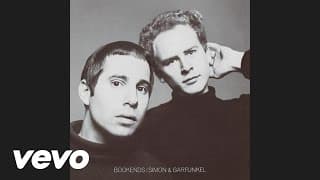
Simon had it as Mrs. Roosevelt with nonsense syllables for a verse, and it won Record of the Year.
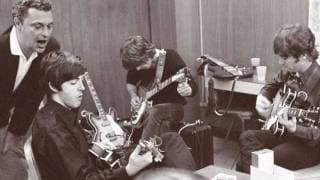
Harrison's sitar, widely reckoned the first on a rock record, and Lennon smuggling an affair past everyone.
Stills wrote it about the Sunset Strip curfew riots, not Vietnam, and Young's harmonics ring like a warning bell.
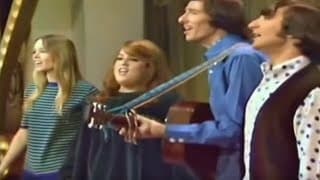
The Phillipses wrote it homesick in a New York winter, and Doherty sang over Barry McGuire's existing backing track.
Aspen in 1974, Nicks weighing whether to quit music, and Buckingham Travis-picking a Martin D-18 underneath.
Cut at Muscle Shoals in December 1969, with Jim Dickinson on tack piano after Ian Stewart refused the minor chords.
A back injury kept Young seated with an acoustic guitar; Taylor and Ronstadt were in Nashville and sang behind him.
Twelve takes in April 1965, McCartney's counter-melody chasing the lead, and Lennon insisting years later the plea was real.
Over a hundred hours of work, and that cannon-shot snare is Hal Blaine playing beside a Columbia elevator shaft.
Released as a B-side until DJs flipped it, with a mandolin credited only to a name Stewart said slipped his mind.
Two short verses written for a dying sheriff in Pat Garrett, with Roger McGuinn on guitar and Jim Keltner drumming.
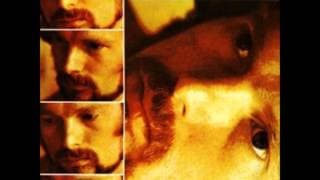
Written first as 'Into the Misty', recorded at A&R in New York, and the warmest thing Morrison ever sang.
Richards cut the acoustic into a Philips cassette recorder until it distorted, Watts drumming on a 1930s toy kit.
Harrison started it backstage in Copenhagen, gave it to Billy Preston first, then took the first ex-Beatle number one.
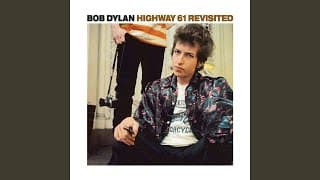
Eleven minutes, one acoustic guitar, and Charlie McCoy improvising fills after Bob Johnston found him passing through New York.
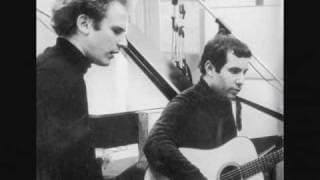
No rhyme scheme anywhere, just Simon reworking a 1964 road trip with Kathy Chitty until the emptiness lands mid-verse.
Jake Holmes wrote it in 1967, the Yardbirds absorbed it, Page cut it at Olympic with a violin bow.
Kunkel's brushes, Carole King's piano, and three verses that hold a death, an addiction and a band's collapse.
Young wrote it in bed with a 103-degree fever, and Crazy Horse stretched it to nine ragged minutes.
Stills nailed the seven-minute basic track in one take, then all three sang into a single microphone.
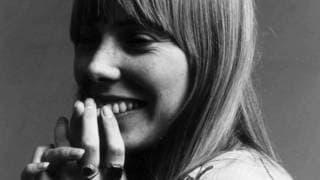
Mitchell threw back a Hawaii hotel curtain, saw mountains above a parking lot, and wrote pop's sunniest protest song.
Written in Topanga during a 103-degree fever, double drop D tuning, and a solo that stays on one note.
Piano and Bill Peterson's flugelhorn, cut at Young's Topanga home studio, written for a Dean Stockwell screenplay.
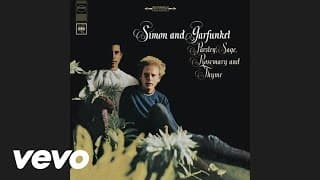
Simon learned it from Martin Carthy in London; Garfunkel wound an anti-war lyric through the ballad as counterpoint.
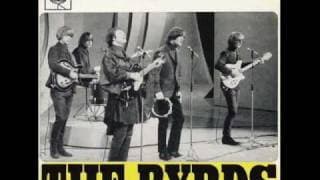
Seeger set Ecclesiastes to a tune in 1959; McGuinn's twelve-string turned it into the number one with the oldest lyrics.
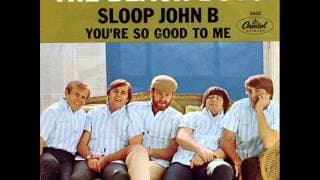
Al Jardine sold Wilson a Bahamian folk tune, and Billy Strange's twelve-string solo went down in a single take.

Julian Koster's singing saw over double-tracked acoustics, cut in Denver with Robert Schneider, and a chorus that faces death smiling.
James Taylor picked up a six-string banjo he had never played, Ronstadt harmonised, and Young's ranch caretaker got a song.