JoleneDolly Parton
Jolene
1973 · From Jolene
Dolly pleading with her rival rather than fighting her, written the same day as "I Will Always Love You."
★ 9.3
 skopia
Dolly pleading with her rival rather than fighting her, written the same day as "I Will Always Love You."
Willie Nelson wrote it; Cline, back after a car wreck bruised her ribs, nailed the vocal in one take.
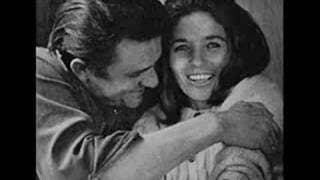
Cash slipped paper under his guitar strings for that snare tick, and hums to find each new key.

Anita Carter cut it first, her sister June wrote it with Merle Kilgore, and Cash added the mariachi trumpets.
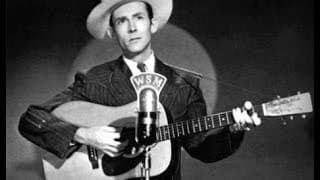
Issued as a B-side because jukeboxes wanted uptempo, with Jerry Byrd's steel guitar shadowing every line Williams sings.
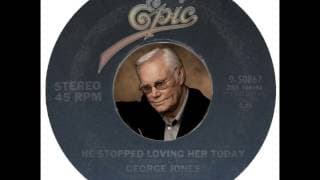
Jones thought nobody would play something so morbid; Sherrill spent eighteen months coaxing the vocal onto tape.
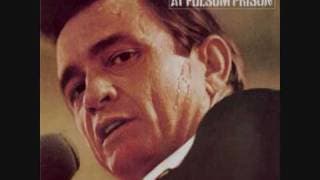
A prison film in Germany gave Cash the song; he borrowed the melody from Gordon Jenkins and later paid up.
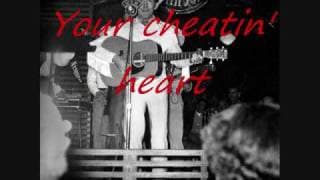
A lyric dictated from a car seat, one last Nashville session, and six weeks at country number one.
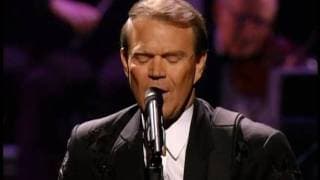
Webb sent it over unfinished, one verse short, and Campbell cut the loneliest three minutes in country music.
Cline resisted the pop polish until Bradley's arrangement and the Jordanaires handed her a first country number one.
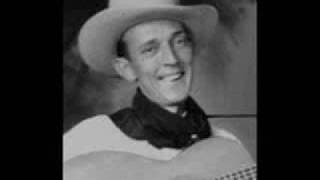
Cut in a converted Camden church in 1927, two takes, and the yodel that made hillbilly records big business.
A 1784 French melody rewritten for Blue Hawaii, and the song Presley chose to close his shows for a decade.
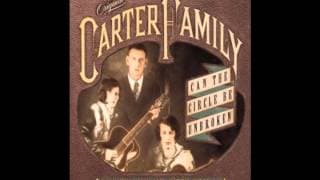
A 1907 hymn rewritten into a mother's funeral, with A.P. Carter tightening the grief and Maybelle's guitar holding it.
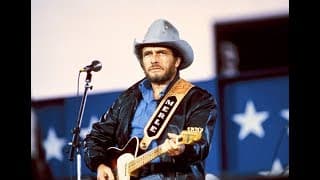
Three years in San Quentin behind him, Haggard gave his narrator a life sentence he never served himself.
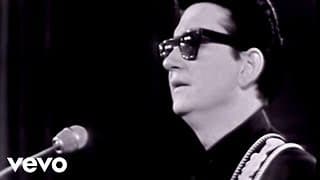
Cut at RCA Studio B with Floyd Cramer on piano, and Orbison's voice climbing until the room falls away.
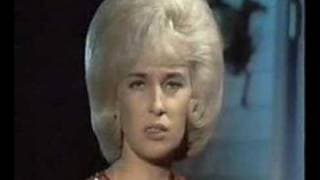
Written in about twenty minutes at the end of a session, and Wynette immediately dreaded that high note forever.
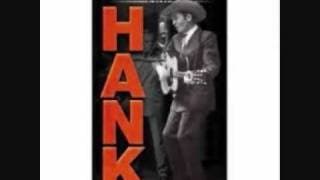
Williams wrote it for Little Jimmy Dickens, recorded it first himself, and held country number one for eight weeks.
Gentry's demo vocal was kept, Jimmie Haskell added four violins and two cellos, and the intended B-side became the A-side hit.
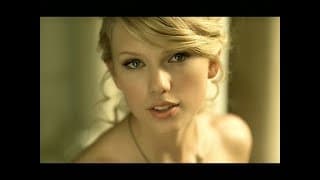
Swift wrote it in twenty minutes on her bedroom floor, gave Romeo and Juliet a happy ending, banjo included.
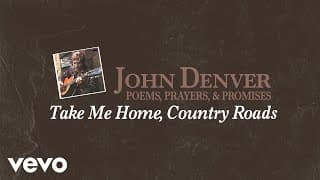
Danoff and Nivert finished it with Denver one December night, and they premiered it hours later at the Cellar Door.
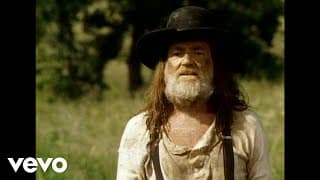
Fred Rose wrote it in the forties; Nelson's Texas version had Columbia's boss asking why he'd sent a demo.
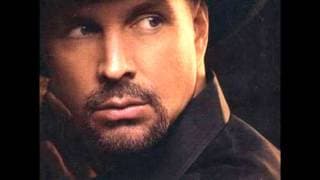
Bud Lee forgot his wallet, joked that he knew the cook, and Brooks took it to number one.
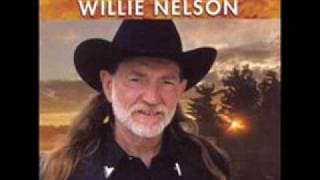
An airsickness bag, a film producer's request, and a single cut live at a club over two Austin nights.
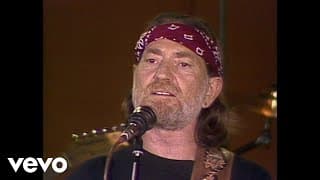
Haggard passed on it at the Pancho and Lefty sessions, so Nelson stayed behind and cut it himself after hours.
Webb mapped a drive that is geographically impossible, and Sinatra still called it the greatest torch song ever written.
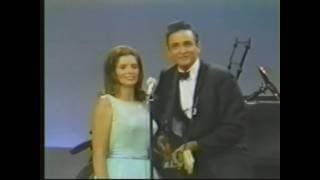
Wheeler got the idea from Who's Afraid of Virginia Woolf, and Cash and Carter trade the taunts like they mean them.
Stafford's idea, Fraser's overnight lyric, and a fiddle arrangement that rodeo crowds took for their own.
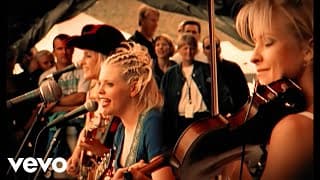
Gibson wrote it on her first trip home from forestry school, and Lloyd Maines knew it belonged to his daughter.
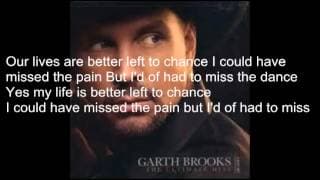
Tony Arata's lyric works as a breakup song or an elegy, and Brooks' video chose the elegy.
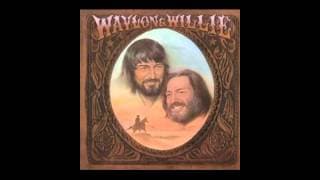
Nelson cut his part after midnight, fetched Haggard from his bus, and kept the one take Haggard wanted redone.
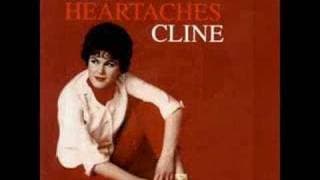
Written for Kay Starr and shelved, resisted by Cline, then sung to victory on Arthur Godfrey's talent show.
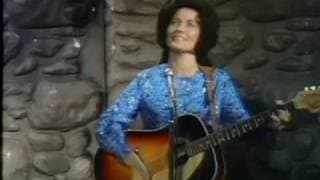
Lynn and her sister Peggy Sue wrote it, and the album became country music's first gold record by a woman.
Jim Beck offered a free demo in his Dallas studio; Frizzell's stretched phrasing became the template Haggard and Jones inherited.
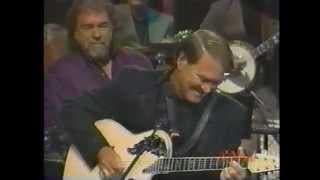
Doug Dillard's banjo rolls under a lyric with no chorus, written soon after Hartford watched Doctor Zhivago.
Musgraves wrote it with Brandy Clark and Shane McAnally, a shrug at conformity the CMAs voted Song of the Year.
His biographer says Jones grumbled about all the 'just becauses'; Jones denied it, then sat six weeks at country number one.
Tompkins and Kear wrote it hoping Gretchen Wilson would cut it; Underwood's version stayed sixty-four weeks on the Hot 100.
Owen Bradley produced the December 1961 session; Cline works through an inventory of keepsakes while Floyd Cramer's piano answers.
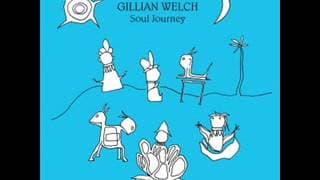
Welch keeps the arrangement to two guitars, and a beauty queen decides she will do right, just not yet.

A pun on two Marys, overheard from a co-writer's mother, seeded a debut single that won a Grammy.