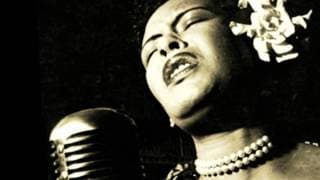
Strange Fruit
1939
A Bronx schoolteacher's poem about lynching, sung in a single spotlight, still the bravest three minutes on record.
★ 9.6
 skopia
A Bronx schoolteacher's poem about lynching, sung in a single spotlight, still the bravest three minutes on record.

Armstrong's twelve-second opening cadenza announced that jazz had a soloist, and everything since has been the answer.
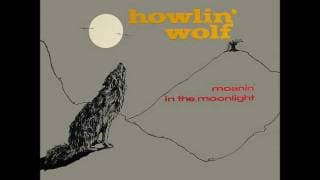
One chord, no changes, Sumlin's guitar circling, and Wolf's howl answering the trains whose sparks named the song.
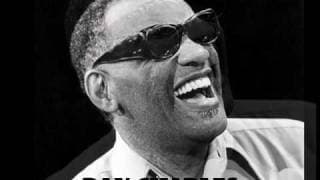
Hoagy Carmichael's 1930 tune, remade as Charles's first Billboard number one and adopted as Georgia's state song in 1979.
Harrison lifted the opening line from James Taylor and wrote the first Beatles A-side that wasn't Lennon or McCartney.
Waters answered Bo Diddley's answer to his own song in 1955, holding one chord and a stop-time riff throughout.
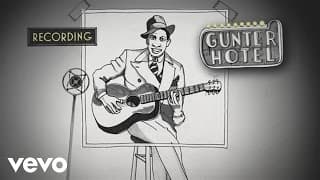
Two takes in a San Antonio hotel room, Johnson's slide answering his own voice; the devil came later.
Sledge gave the writing credits away to two bandmates, and Atlantic pressed the take with the out-of-tune horns.
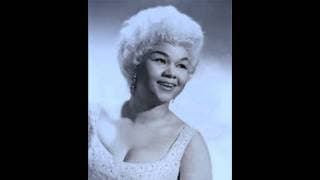
Riley Hampton's strings behind a 1941 film tune James took over, and the Library of Congress preserved it.
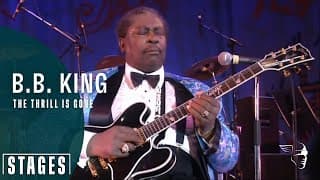
Bert de Coteaux's twelve-piece string section, overdubbed a week later, carried King's minor-key blues onto pop radio.
Withers was building airplane toilets when he cut this, and he left the unfinished bridge as twenty-six repeats.
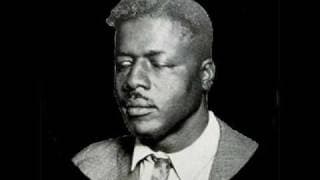
Wordless humming answered by a pocketknife slide, an 1792 hymn tune NASA put on the Voyager Golden Record.
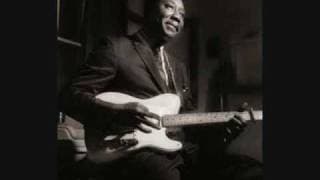
One man, one electric guitar, no band; the Chess single that later named a magazine and a British group.
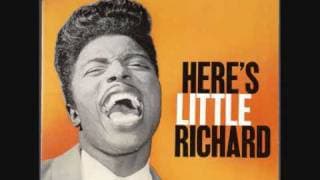
Blackwell built the lyric to run too fast for Pat Boone, and Richard shouted it out at Cosimo Matassa's J&M.
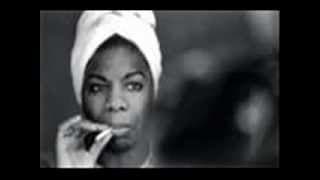
Written for a Newley and Bricusse musical, it opens with nothing but her voice before Hal Mooney's horns land.
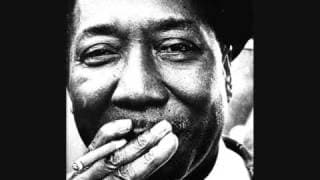
Dixon wrote it, Little Walter blew the harmonica, and that stop-time riff spread through blues and rock alike.
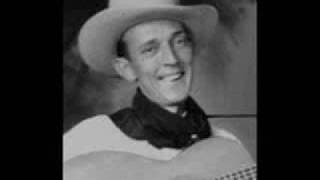
Cut in a converted Camden church in 1927, two takes, and the yodel that made hillbilly records big business.
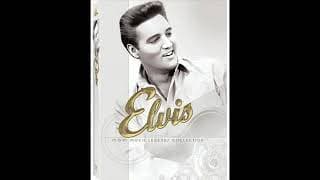
Two years after Junior Parker cut it at Sun, Moore's slapback guitar turned the same train into rockabilly.
Armstrong's cornet answering every line Smith sings, with only a wheezing harmonium underneath, cut in New York in 1925.
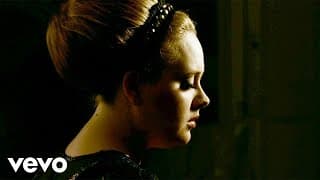
Written with Paul Epworth in one afternoon after a breakup, and the credits list stiletto heels as percussion.
Al Bell lifted the bassline from a Jamaican instrumental, and Mavis Staples turned Muscle Shoals into a pulpit.
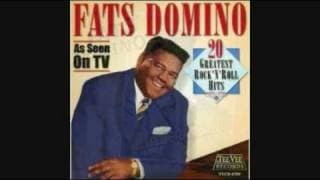
Bartholomew and Domino wrote it, Pat Boone's cover took the number one, and Domino's rolling piano triplets outlasted it.
Johnson's 1936 triplet figure run through an amplifier, Sonny Boy Williamson on harmonica, and a riff everybody stole.
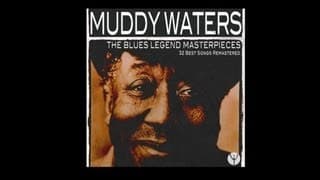
Waters heard Ann Cole sing it on tour, cut a single that flopped, then made it his signature at Newport.
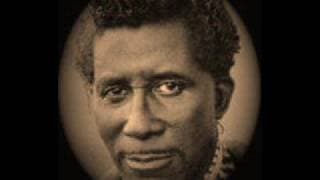
Intended as a blues ballad until the producer brought wine; Hawkins said he never remembered recording it.
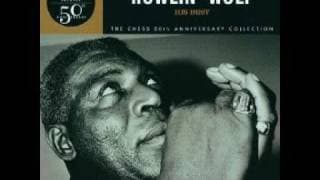
A Willie Dixon lyric about craving, drawn loosely from a 1929 Charley Patton side, and Wolf looming over one chord.
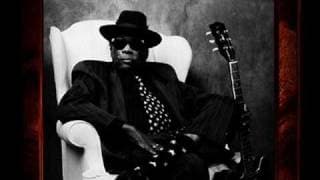
A bartender's scolding at Detroit's Apex Bar became the hook, and Motown's future Funk Brothers played the session.
Alberta Hunter and Lovie Austin wrote it; Smith's debut record sold 780,000 copies in six months, just voice and piano.
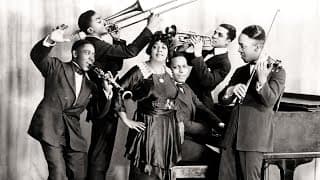
Seventy-five thousand copies in two months, Perry Bradford's tune, and Smith's voice opening the record industry to Black audiences.
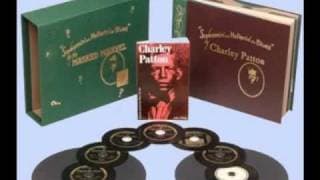
H.C. Speir set up the June 1929 session, and Patton's first Paramount release still sounds like the Delta's starting point.
Dixon's title was blues code for adultery, cut by Wolf at Chess and reopened by the Doors in 1967.
Raye and Prince wrote it for an Abbott and Costello comedy, and the sisters harmonize like a brass section.
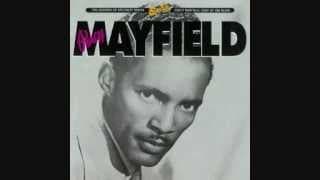
Cut for Art Rupe's Specialty in 1950, Mayfield's prayer for the world arrives before he asks anything for himself.
Smith calls out the steps over a rolling left hand, on the first record to carry boogie woogie in its title.
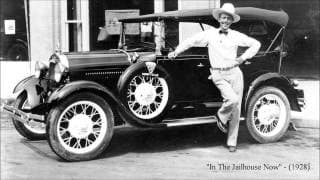
Recorded in Camden in February 1928, a vaudeville novelty from 1915 that Rodgers claimed forever with one yodel.
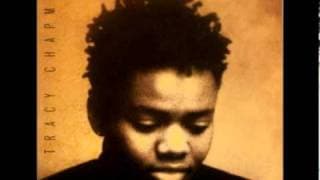
Chapman played it live for seven years before recording it, then a loose blues shuffle became her biggest hit.
Okeh sent an Avalon sharecropper home after modest sales, leaving behind a fingerpicked John Henry that refuses the hammer.
Handy sold the rights and complained bitterly ever after; this July 1914 recording entered the National Recording Registry.