Outside
2001
Lewis finished the words onstage in Biloxi with Fred Durst singing along, and that live take became the hit.
★ 2.4
 skopia
Lewis finished the words onstage in Biloxi with Fred Durst singing along, and that live take became the hit.
Rob Thomas called it a song for people who feel alone; eighteen weeks at Adult Top 40 number one.
Stipe found the word on a New York apartment door and gave the night shift its lullaby, post-Berry R.E.M.
Weiland called it the gap between kid and young man, and Brendan O'Brien's production leaves the voice bare.
A Mano Negra tune remade over a Black Uhuru groove, and the same melody resurfaces twice more on Clandestino.
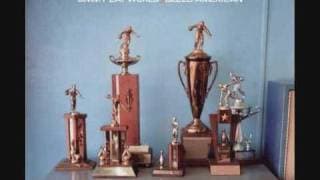
Capitol dropped them, so they paid for it themselves; that opening riff bought the whole gamble back.
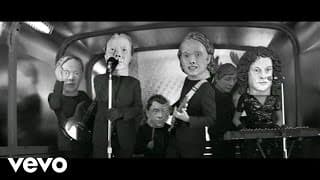
Seven and a half minutes, James Murphy at the desk, Haitian percussion, and Bowie volunteering his voice.
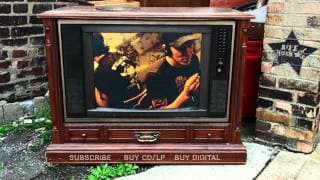
Smith recorded Either/Or in Portland friends' houses and mixed this one himself, a parade watched through sour eyes.
Newman wrote it for Eric Burdon in 1966, and Cory Wells sings the bewildered party guest straight to number one.
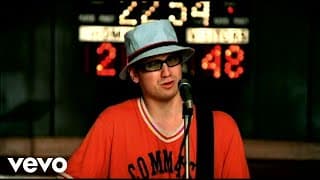
Number one in Australia, number two in Britain, built from Brown's memory of Long Island parents fearing metal records.
Five hours in a Los Angeles jingle studio, the demo kept as the master, its subject hidden in plain sight.
Marching boots open the record, and a collapsed Jersey holiday sent the band to Berlin for their subject.
Cut in September 1994 at bandmate Tony Lash's house, trumpet and harmonica stripped away until only guitar and dread remain.
Daniel wrote it late for Gimme Fiction, cut it first, and sang in a Prince falsetto over Eno's hi-hat.
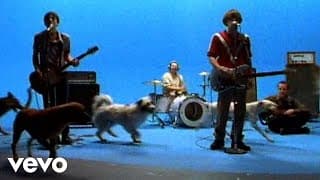
Ocasek produced it, Cuomo aimed for the Velvet Underground, and the party-chatter intro made a sad song sound hilarious.

Twelve weeks atop the modern rock chart, and Bennington turning somebody else's expectations into a chorus millions shouted back.
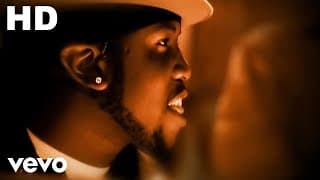
OutKast were booed at the 1995 Source Awards and answered with a title splicing Atlanta and aliens over echo-heavy dub.
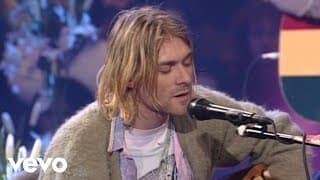
Fourteen songs, one take, November 1993; Cobain plays Bowie through an amp and makes the song permanently his.
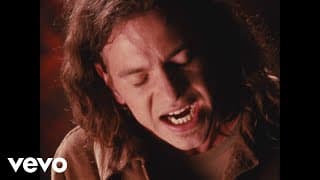
A twelve-string bass figure from Ament, a Texas newspaper item in Vedder's hands, and four VMAs in 1993.
A Fred Neil song that flopped in 1968, until Schlesinger put it under Midnight Cowboy and Nilsson won a Grammy.
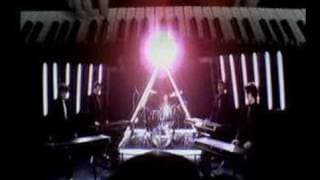
By Numan's account a road-rage scare in London started it; a bass riff, a Polymoog, and a UK number one.
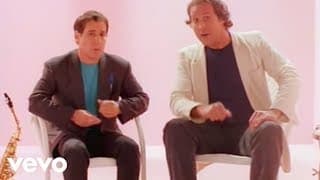
Kumalo cut one descending bass measure, Halee reversed the tape for the break, and Chevy Chase mimed it on MTV.
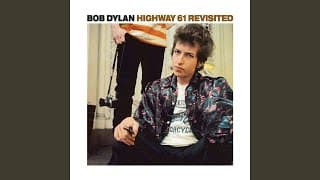
Eleven minutes, one acoustic guitar, and Charlie McCoy improvising fills after Bob Johnston found him passing through New York.
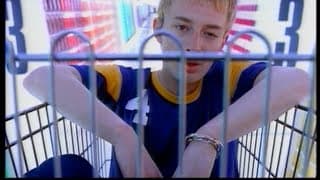
Yorke came straight from a Jeff Buckley gig, sang three takes at RAK, then burst into tears.
Gardiner found the riff wandering under apple blossom, and Bowie sings behind Iggy at Hansa by the Wall.
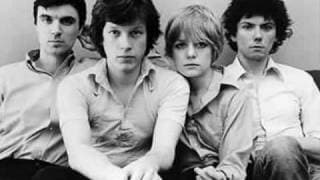
A ballad first, written at art school, until Weymouth's French bridge and bassline turned it feral.
Radiohead opened Kid A with no guitars at all, just a Prophet-5 and Yorke's voice diced in Pro Tools.
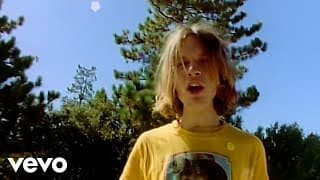
Six and a half hours in Stephenson's house, a slide guitar loop, and a hook mocking Beck's own rapping.
Pop lifted the title from a Time column on Vietnam, and Bowie's mix made Williamson's guitar a threat.
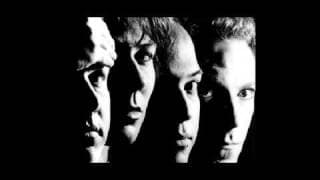
Francis traced the lyric to a fish that followed him diving; Albini taped Deal's vocal in a bathroom.
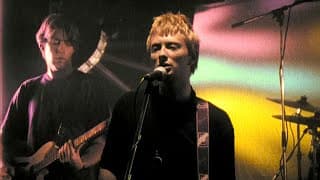
Greenwood meant those three dead notes before the chorus to wreck the song, and they are what makes it work.
Four sections in six minutes, named for Douglas Adams's depressed robot, cut in a sixteenth-century manor near Bath.
Osbourne heard Iommi's riff and called it a big iron bloke walking; Butler built the science fiction around that.
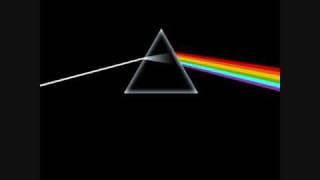
A tranquilizer shot before a 1977 Philadelphia show gave Waters the lyric; Gilmour brought the chords and the solo.
Byrne borrowed a preacher's cadence, Eno hummed the chorus melody, and the band looped its own jams like samplers.
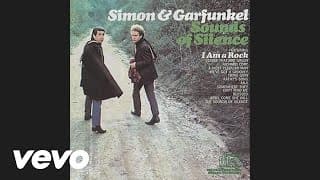
A folk flop until a producer secretly overdubbed electric guitars, and the duo heard their number one on the radio.
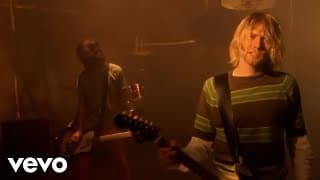
Four chords, a mumble nobody could decipher, and the riff that ended one decade of rock and started another.
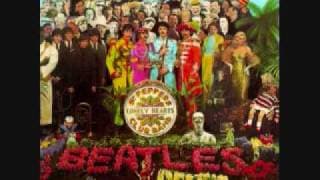
Two unfinished songs bolted together, an orchestra climbing to nothing, and the last piano chord in pop.