She Ain't You
2011
Built on SWV's Right Here and Michael Jackson's Human Nature, Brown sighing over an ex from inside a new relationship.
★ 0.8
 skopia
Built on SWV's Right Here and Michael Jackson's Human Nature, Brown sighing over an ex from inside a new relationship.
Mutt Lange co-wrote the twist, twelve weeks atop adult contemporary, and Bolton insisting the word love undersells it.
Romero improvised the chorus for a flamenco dancer in Venezuela; the Bayside Boys remix ran fourteen weeks at number one.
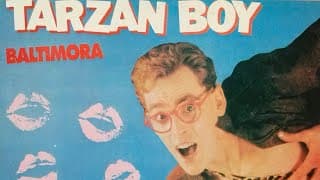
Bassi and Hackett wrote it, McShane mimed it in the video, and the Tarzan yell became the hook.
A gym joke about mirror preening, built on a riff lifted from Hendrix's Third Stone from the Sun.
William Orbit co-wrote and produced it, a Madonna collaborator turning Brown's fourth Fortune single into gleaming EDM.
Cut at the Record Plant with The Underdogs, 130 BPM of house that gave Brown his first UK number one.
Two singers who never planned a duet took Bobby Caldwell's song to number one, David Foster producing.
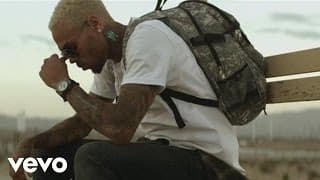
Produced by The Messengers with Nasri co-writing, the fifth single from Fortune asks a lover to ignore rumor.
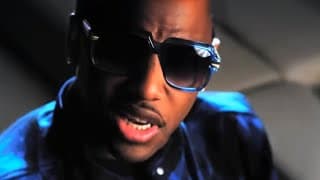
Troy Taylor cut it at D2 in Atlanta, and Songz's birthday toast climbed to number nine, then double platinum.
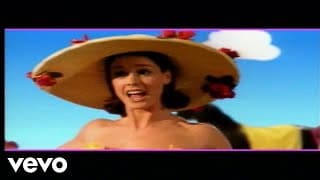
Rasted got the idea at a Danish kitsch exhibition, and Mattel's trademark suit lost to the parody defense.

Written in 2007 about a girl who moved away for college, and every synth in it aches accordingly.
Berlin wrote it in 1927; Taco's synth version made him, at ninety-five, the oldest living songwriter in the top ten.
Eugene Record's Chi-Lites ballad, harmonica and all, remade by Young in 1990 for a number eight American hit.
RedOne produced it with Bilal Hajji, a dance-floor emergency that peaked at number five and opened Miss Universe.

Number one in Australia, top ten in Britain, and Neon Hitch trading verses with McCoy over Benny Blanco's beat.
Wayne Kirkpatrick co-wrote it, Dann Huff played the guitar, and Christian radio's searching ballad reached number six pop.
A Juventino Rosas waltz from 1888, fitted with English words for The Great Caruso and sung to number three.
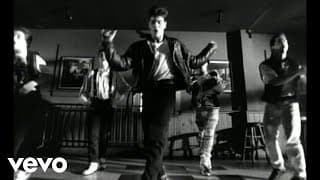
Maurice Starr wrote and produced it, Jordan Knight and Donnie Wahlberg took the leads, and Britain crowned it a year later.
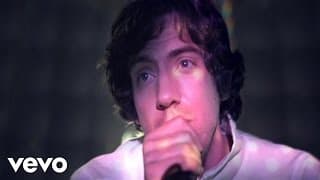
Written for Gwen Stefani, who passed, then offered to Nicole Scherzinger before Snow Patrol reclaimed it with Jacknife Lee.
Hammond and Warren's song first surfaced on a Tina Turner B-side; Aswad, then Ace of Base, found the hit inside.
Donnie Wahlberg produced his brother's number one around a Loleatta Holloway sample, and Holloway herself appeared in the video.

Trace Cyrus, Billy Ray's adopted son, and Mason Musso built a synth hook that went double platinum.
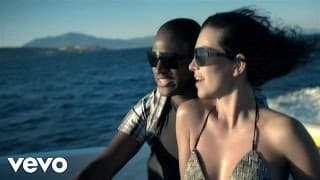
Fraser T Smith produced a UK number one; Mercury then added Ludacris and it leapt to the American top spot.
Dutch singer, German producers, and a Gilbert Montagne sample underneath; the Roxbury soundtrack later handed it a second life.
David Frank and Steve Kipner handed a boy band a breakup song about ending an affair; it reached number five.
R. Kelly wrote and produced it, Diddy guested, and B2K got their only week at number one.
RedOne's beat, Pitbull's verse, and Lionel Richie back at the mic re-cutting his own 'All Night Long' hook.
Written in 1982, handed to Branigan after Bolton refused Clive Davis's rewrite, and reclaimed for a number one.
Gospel singer Beau Williams cut it first; Nevil, an MCA staff writer, took his version to number two.
A Shalamar interpolation, six weeks atop Rhythmic Airplay, and only JC Chasez singing despite the full NSYNC credit.
Written on New Year's Day in the Canary Islands, then finished at Cheiron by Denniz Pop and Max Martin.

One YouTube link from his manager gave Young the voice he wanted, and a top-ten summer duet.
Dr. Freeze built it on a Betty Wright sample, and the New Jack City soundtrack carried it to number two.
Richard Marx wrote it for a girl group, rewrote the harmonies for five men, and topped adult contemporary thirteen weeks.
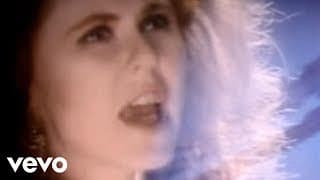
Decker's rap began as syncopated nonsense syllables, and she overdubbed herself into a duet nobody could play live.
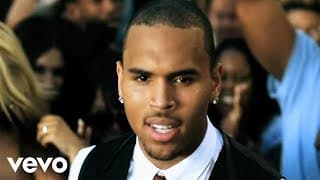
DJ Frank E's video-game synths cut at the Record Plant, and Brown's return to pure pop after the mixtape years.
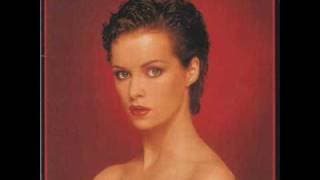
Florrie Palmer wrote it, Britain sent it to number three, and America renamed it to dodge Dolly Parton's hit.