Generator (First Floor)
2010
Queens kids who met on Craigslist and busked subway platforms, then made banjo and glockenspiel sound euphoric.
★ 2.0
 skopia
Queens kids who met on Craigslist and busked subway platforms, then made banjo and glockenspiel sound euphoric.
Rosenberg cut it in a Sydney studio with Australian session players, and a Dutch fan's email set it loose.
Track four on Writer's Block, self-produced by the trio, and its plainest study of being left behind.
James Ford produced it, all three sisters wrote it, and the harmonies turn a plea into a groove.
Paul Epworth produced it, and Foster points the synth hook at everyone too eager to conform.
Seven minutes long, never a single, self-produced by the trio, and the longest slow burn on Writer's Block.
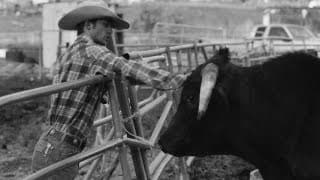
Richard Linklater put it in Boyhood and its trailer, and the Keefe brothers' harmony now sounds like growing up.
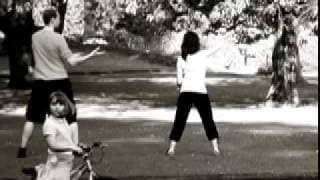
Voice, guitar, and a 1959 Phil Phillips hit slowed to a whisper; Juno carried it to a new audience.
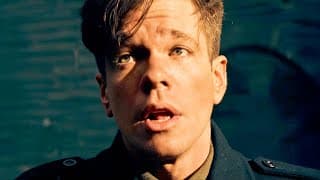
Ruess wanted a hip hop producer and Paul Simon's harmonies; the sleeper took seven months to reach number three.
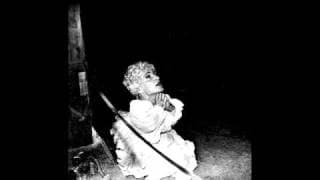
Two minutes long, given away to fans who posted flyers, and jangling its way toward something like salvation.
Angelakos built each verse from a man in his own family who immigrated, then set financial ruin to synths.
Cut to 24-track analog tape at Sonic Ranch in Texas, gauzy organ, Legrand singing a relationship dissolving.
Vernon strips Reid and Shamblin's Nashville ballad to falsetto, then slips into Raitt's "Nick of Time" at the end.
Gibbard wrote it for his girlfriend, Walla produced at a Massachusetts farm studio, ten weeks atop Adult Alternative.
Tamborello mailed beats from Los Angeles; Gibbard answered with a dream he would rather not wake from.
Cut in the basement of Mercer's Portland house, a breakup song that starts at a whisper and detonates.
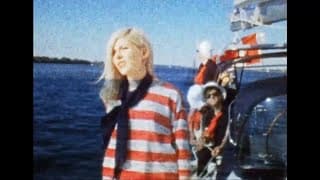
Snowed into a Prince Edward Island farmhouse, Rankin wrote a proposal song; VanGaalen cut it in Calgary.
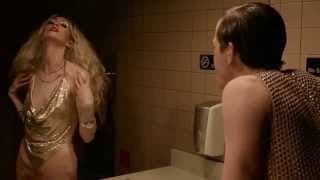
Adrian Utley of Portishead helped build the noise, and Hadreas answers a lifetime of stares with pure swagger.

Greg Kurstin's four-on-the-floor and mid-nineties Erasure worship turned the Quins into a dance-chart number one.
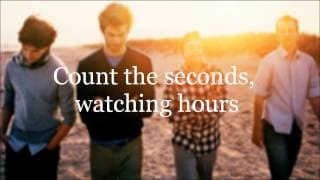
Koenig named it for a Columbia classmate from his Buddhism class, and the final minute cracks wide open.
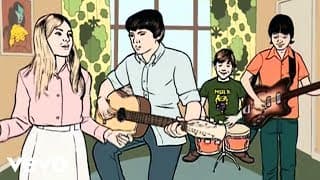
Yttling whistled a placeholder melody, ran it through tape delay, and kept it; Bergsman answers line for line.
An earlier version with different lyrics sat unreleased until Good Will Hunting sent Smith to the Oscars in white.
Koenig found the punctuation via a Columbia Facebook group, then wrote a song about not caring at all.
Bedroom pop in the literal sense, a Gary Low disco record slowed to a crawl, and chillwave had its template.
One microphone, mono, caught during a studio break when the headphones failed, and Gibbard's breath before the first chord.
A round about snow that the band never once played together, its voices stacked from first takes in production.
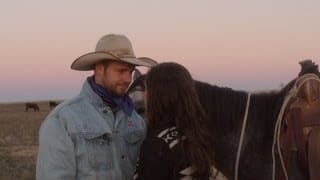
One Letterman performance in March 2014, Herring's angular dancing, and Pitchfork, NME and Spin named it the year's best.

Recorded at his parents' house on the Mornington Peninsula around a Luiz Bonfá sample, eight weeks at number one.

A 6/4 groove where pop usually sits in 4/4, and Fridmann's production turns silvery synths into a slow strut.
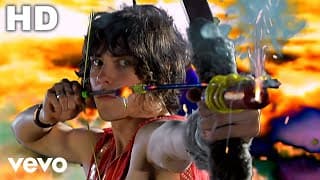
The praying mantis in their house inspired the music, by the band's account; the words satirize rock-star excess.
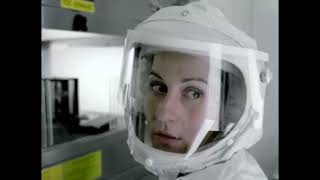
Tamborello sent instrumental DATs to Gibbard, who added vocals and shipped them back; his first happy love song.
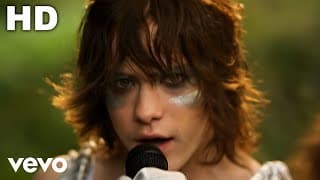
Goldwasser wrote the music at nineteen in a dorm room, an exercise in stereotypical pop that outgrew itself.
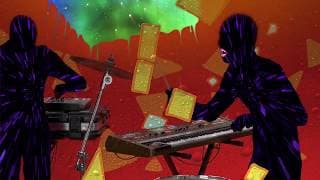
An arpeggio out of Chicago house, a sample from the Cassini Saturn probe, Lennox wanting only a home.
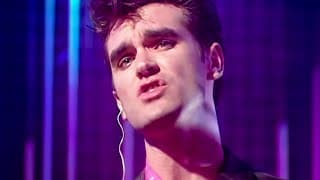
Marr's melody came from a New York hotel room, the title from Sandie Shaw, and misery never sounded so cheerful.