Holding On For Life
2013
Mercer tried a falsetto in the booth, doubled the take, and Broken Bells arrived sounding like the Bee Gees.
★ 3.2
 skopia
Mercer tried a falsetto in the booth, doubled the take, and Broken Bells arrived sounding like the Bee Gees.
Stewart heard Jorge Ben's Taj Mahal at Rio Carnival, absorbed the melody unwittingly, and signed the royalties over to UNICEF.
Ann Orson and Carte Blanche on the credits, a Motown duet pastiche that held British number one for six weeks.
Breakbot got a songwriting credit after the fact, and Mars turned late-seventies disco into a top-five American hit.
A ten-note synth riff cut at Sound 80 in Minneapolis, Cynthia Johnson vocoded then unleashed at full wail.
Number one in January 1976, and the murder rumor attached to that shriek was only Billy Beck reaching high.
Rodgers and Edwards wrote the groove, Ross remixed the album to lift her vocal, and it topped the Hot 100.
A guitar solo recorded slow and played back at double speed opens KC's first American number one.

A vocoder over a Strokes drawl: Casablancas welded two Daft Punk demos together and sang about a chance he missed.
Justice built it from Michael Jackson song titles and handed the chorus to a London children's choir.
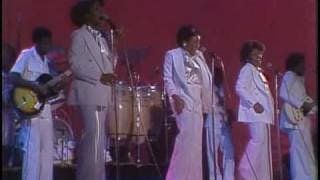
Maurice White and Al McKay wrote it, Earth Wind and Fire's rhythm section played it, and the Hutchinson sisters soared.
Casey and Finch's call-and-response chant for TK in Hialeah topped the Hot 100 in two separate runs.
Gaudio first wrote it about Prohibition's repeal, then Judy Parker rewrote the lyric and drummer Gerry Polci sang lead.
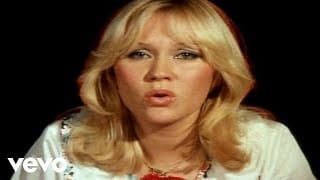
Ulvaeus chanted "tck-a-ch" to pace his jogging; it became the a cappella hook on ABBA's seventh UK number one.
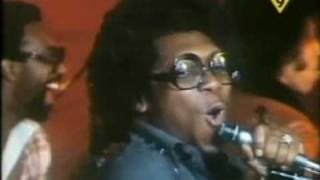
Drummer Walter Orange stepped out front, LaPread's bass line did the rest, and funk got a permanent floor-filler.
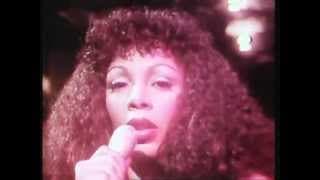
Jabara reportedly locked Summer in a hotel bathroom with a cassette until she agreed; it won the Academy Award.
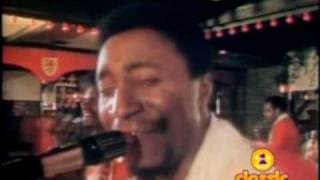
Jimmy Ellis over eleven minutes of Philadelphia rhythm, a flop in 1976 until Saturday Night Fever made it a hit.
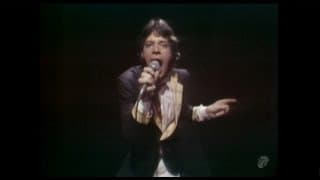
Four-on-the-floor from a Billy Preston jam, harmonica by Sugar Blue, found busking in Paris, and their last American number one.
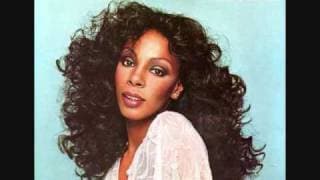
Moroder's four-on-the-floor, Jeff Baxter's rock guitar solo bolted on, and the first female rock vocal Grammy.
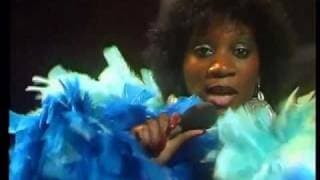
The Meters on rhythm at Sea-Saint, Toussaint producing, and Patti LaBelle singing a French hook she did not understand.

Rodgers' guitar, Pharrell's vocal, Nathan East on bass, and disco walked back onto the radio wearing robot helmets.
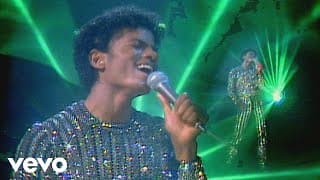
Rod Temperton offered it to Karen Carpenter first; Quincy Jones and Jackson took it to number one.
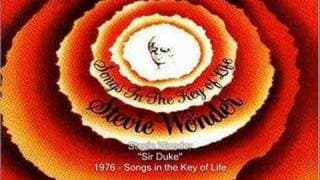
Wonder built it for Ellington after his death in 1974, then handed the melody to horns playing in unison.
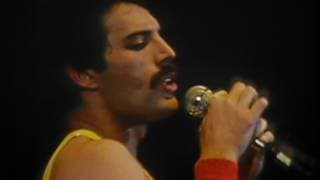
Deacon's bassline owes Chic, Michael Jackson talked them into releasing it, and Queen landed their biggest-selling single.
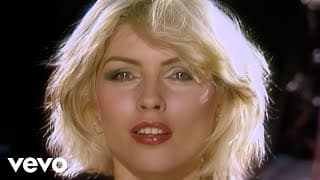
A demo kicked around since the mid-seventies, rebuilt on a Roland drum machine that appalled their punk friends.
Buried as a B-side until DJs flipped it, and Gaynor cut the vocal in a back brace after spinal surgery.
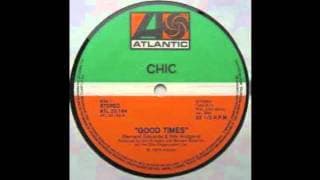
Edwards' bassline turned up on Rapper's Delight within months; the settlement put Chic's names on rap's first pop hit.
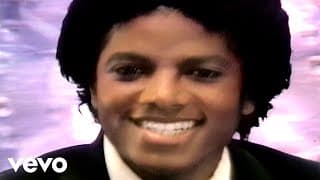
Jackson wrote it himself and steered the session; a whisper, a water-bottle rattle, then Louis Johnson's bass takes over.
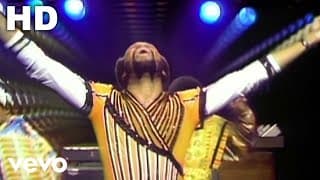
Willis wanted real words instead of ba-dee-ya; White refused, and the groove outlived any lyric she could have written.
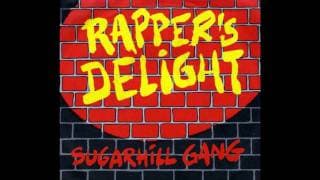
Big Bank Hank auditioned outside the pizzeria where he worked, rapping lines borrowed from Grandmaster Caz's notebook.
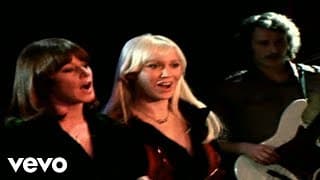
Seventeen and gliding across the floor, the rare disco record that sounds like joy and ache at once.
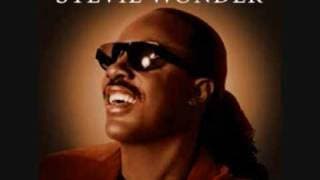
Wonder wrote that clavinet riff for Jeff Beck, heard it back, and sensibly kept it for himself.
Moroder's pulsing synth track, Summer floating above it, and the record Eno reportedly called the sound of the future.
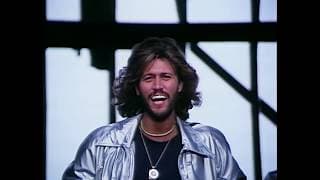
Barry Gibb's falsetto over a drum loop so metronomic that paramedics still use it to time chest compressions.