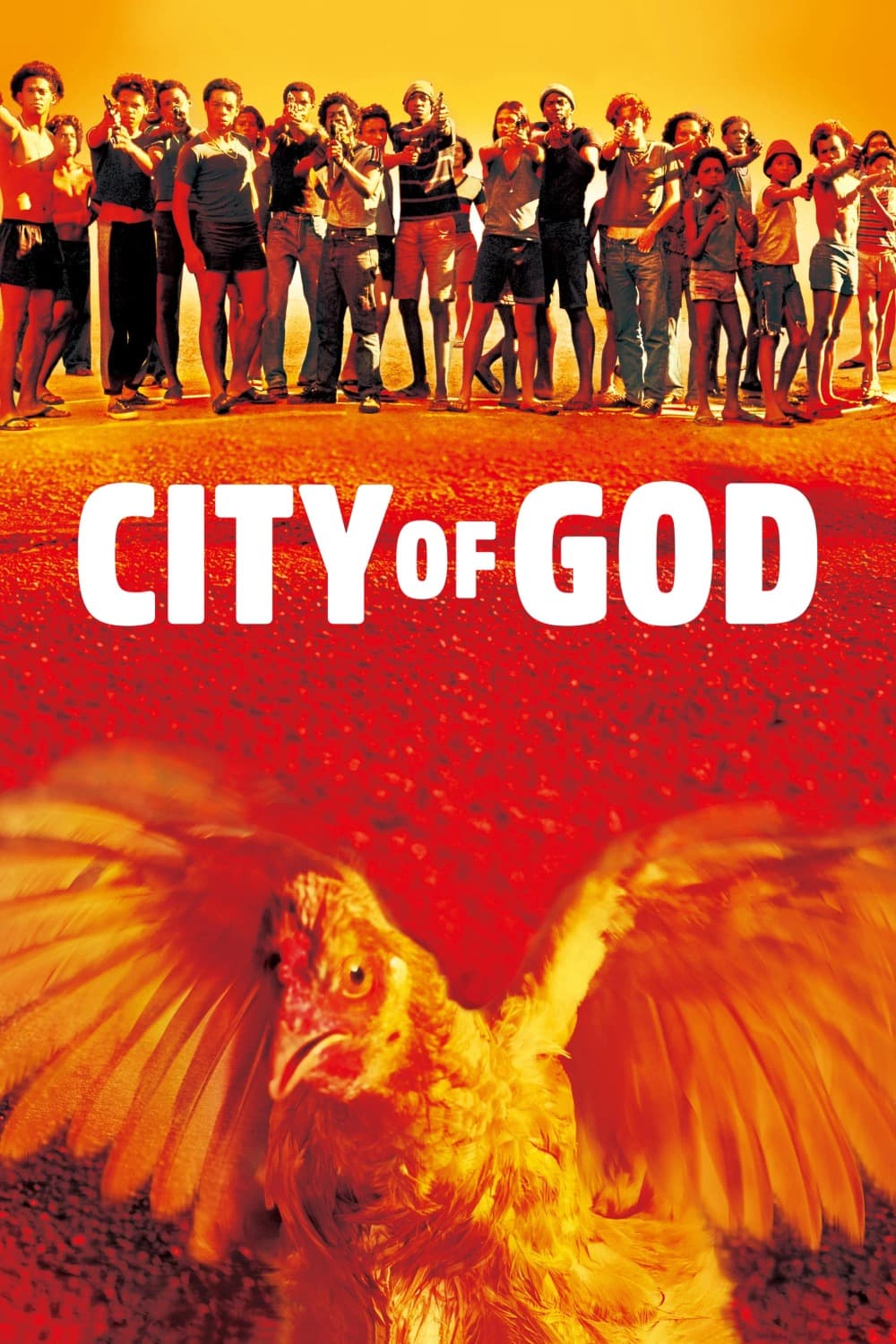
City of God
Directed by Fernando Meirelles and Katia Lund
2002
Nothing else moves quite like it: Meirelles cast the favela itself, cut two hours into what feels like twenty minutes, and took a Brazilian crime film to four Oscar nominations.
★ 8.8
 skopia
Nothing else moves quite like it: Meirelles cast the favela itself, cut two hours into what feels like twenty minutes, and took a Brazilian crime film to four Oscar nominations.
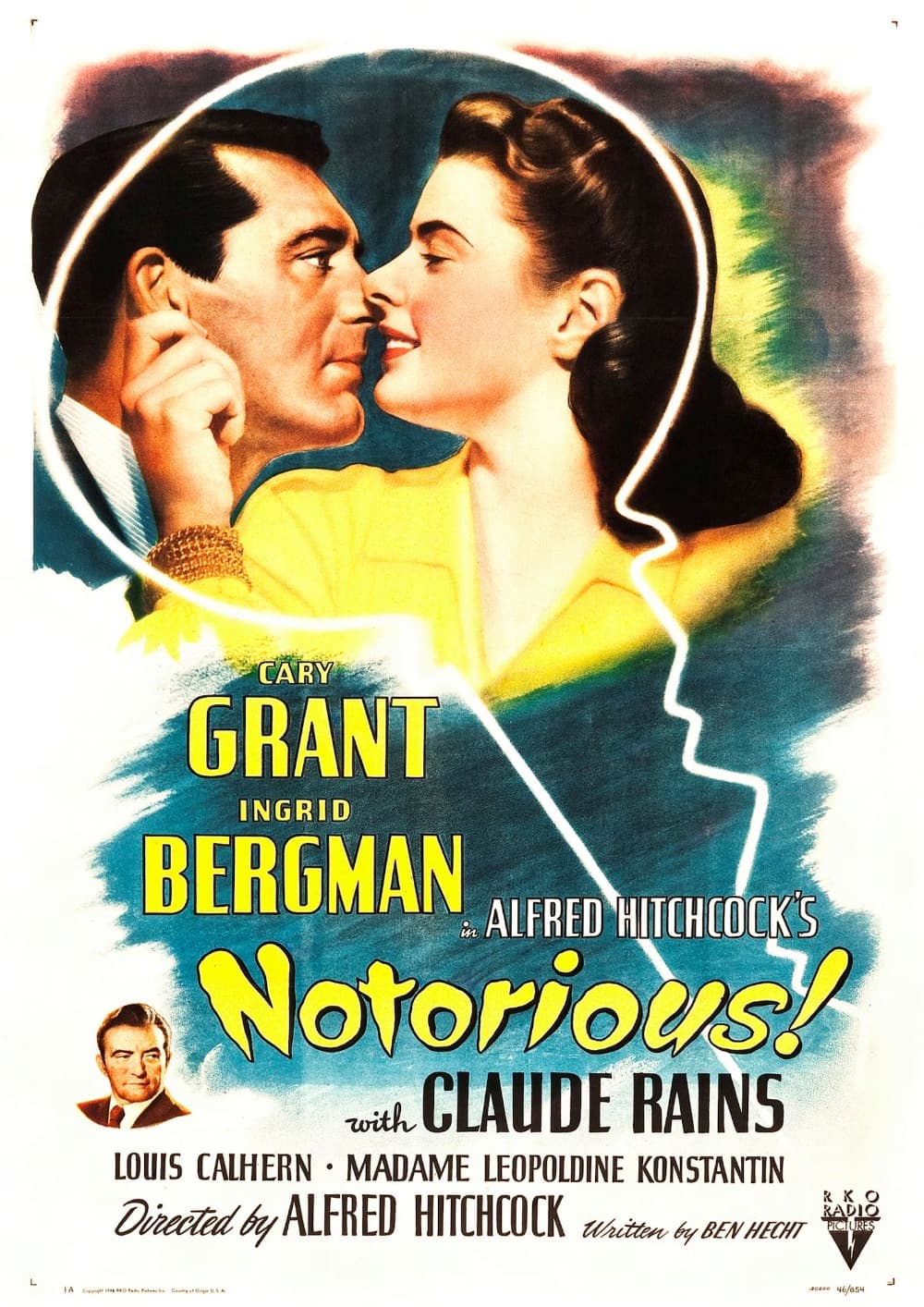
Hitchcock's most grown-up film, and the one where the suspense is entirely about feeling: a woman is sent to seduce a Nazi by the man who loves her.
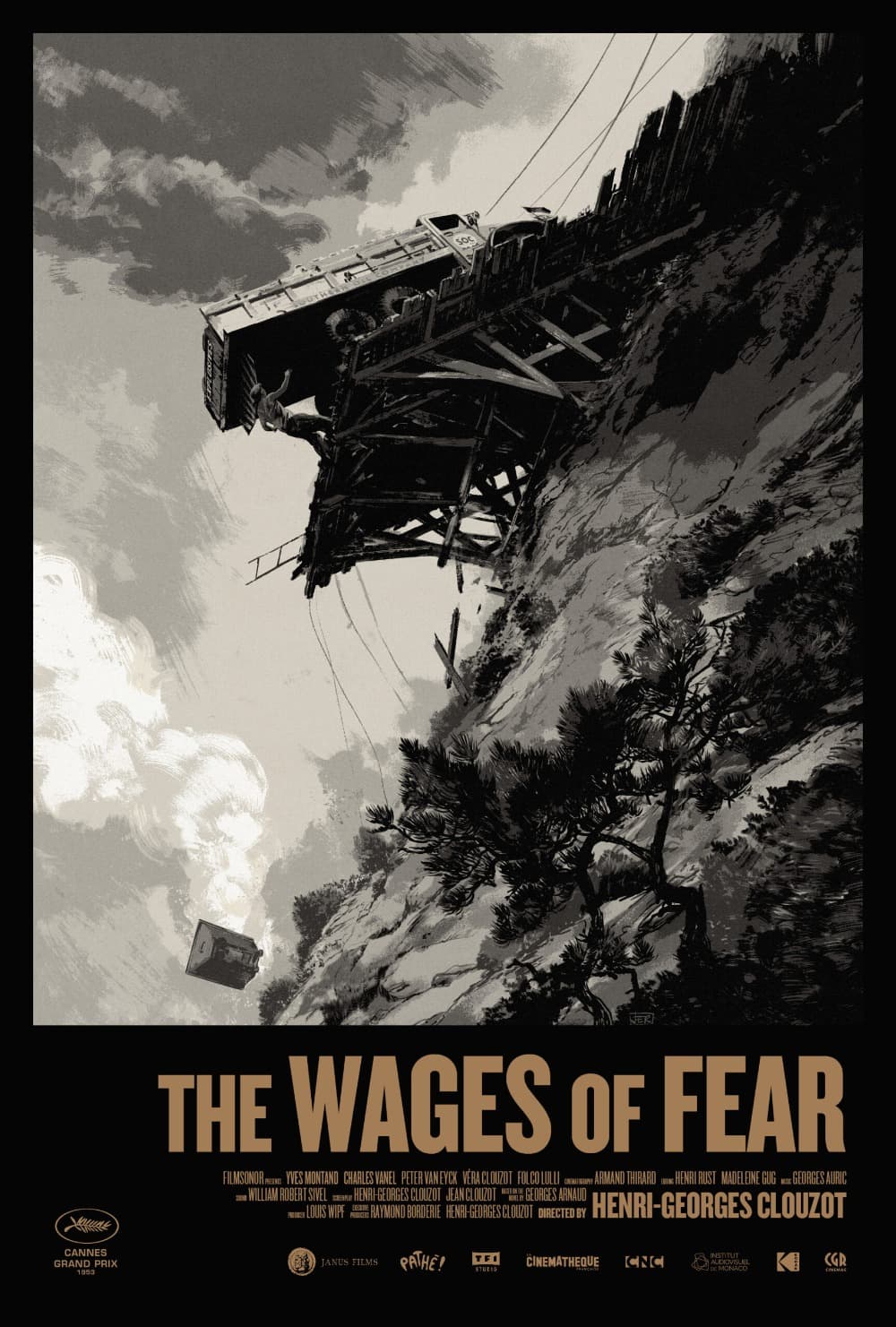
Suspense does not get more physical than this: four desperate men drive truckloads of nitroglycerin over mountain roads, and every rut in the surface becomes an ordeal.
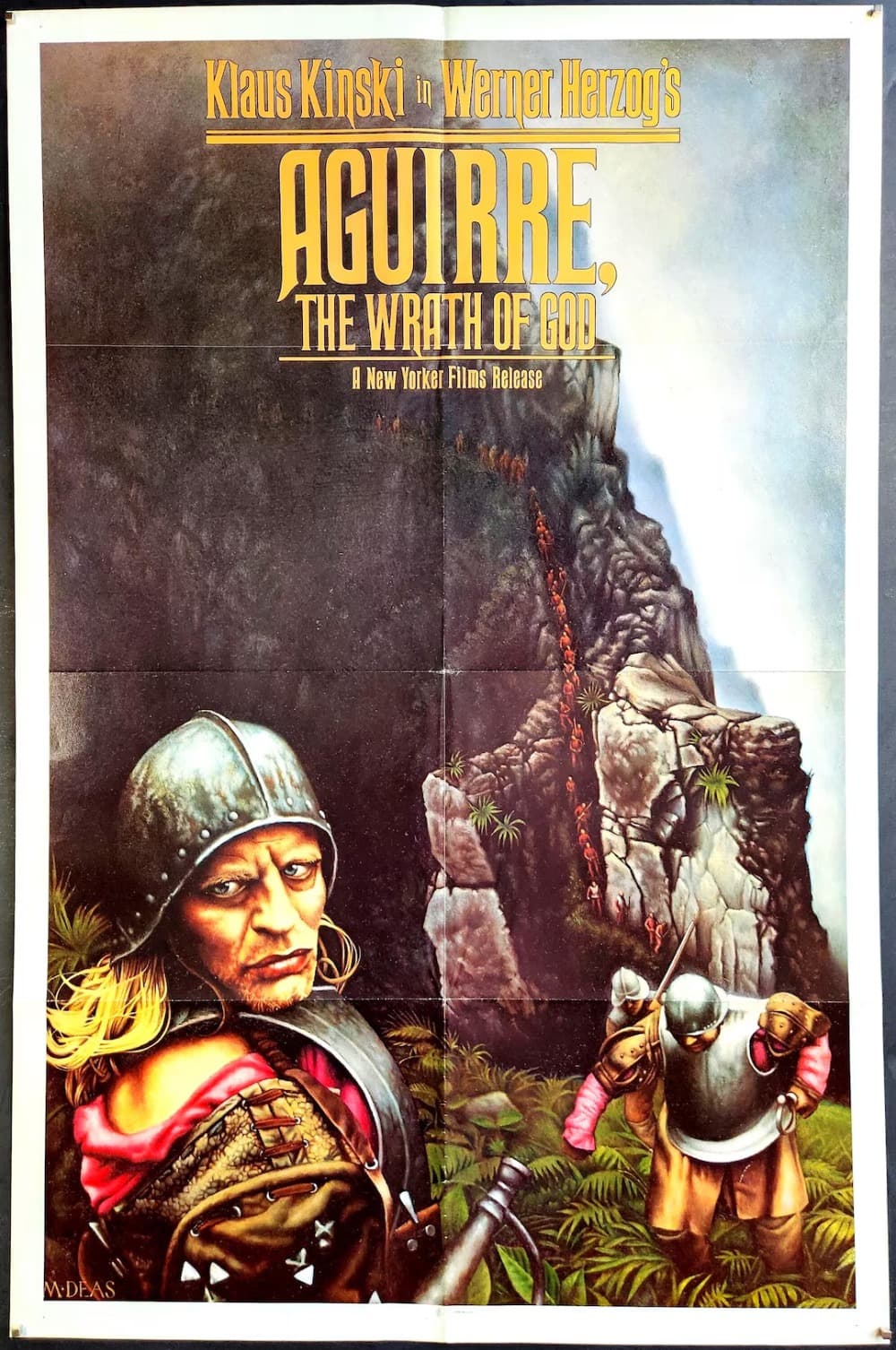
Herzog shot it for almost nothing on a real Amazon river with a lead actor he fought with constantly: Kinski's stare and a shrinking raft do everything.
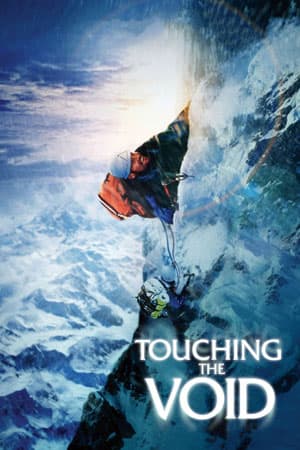
You will not believe it is true and it is: two climbers in the Andes, one broken leg, and a decision that neither man has ever fully stopped explaining.
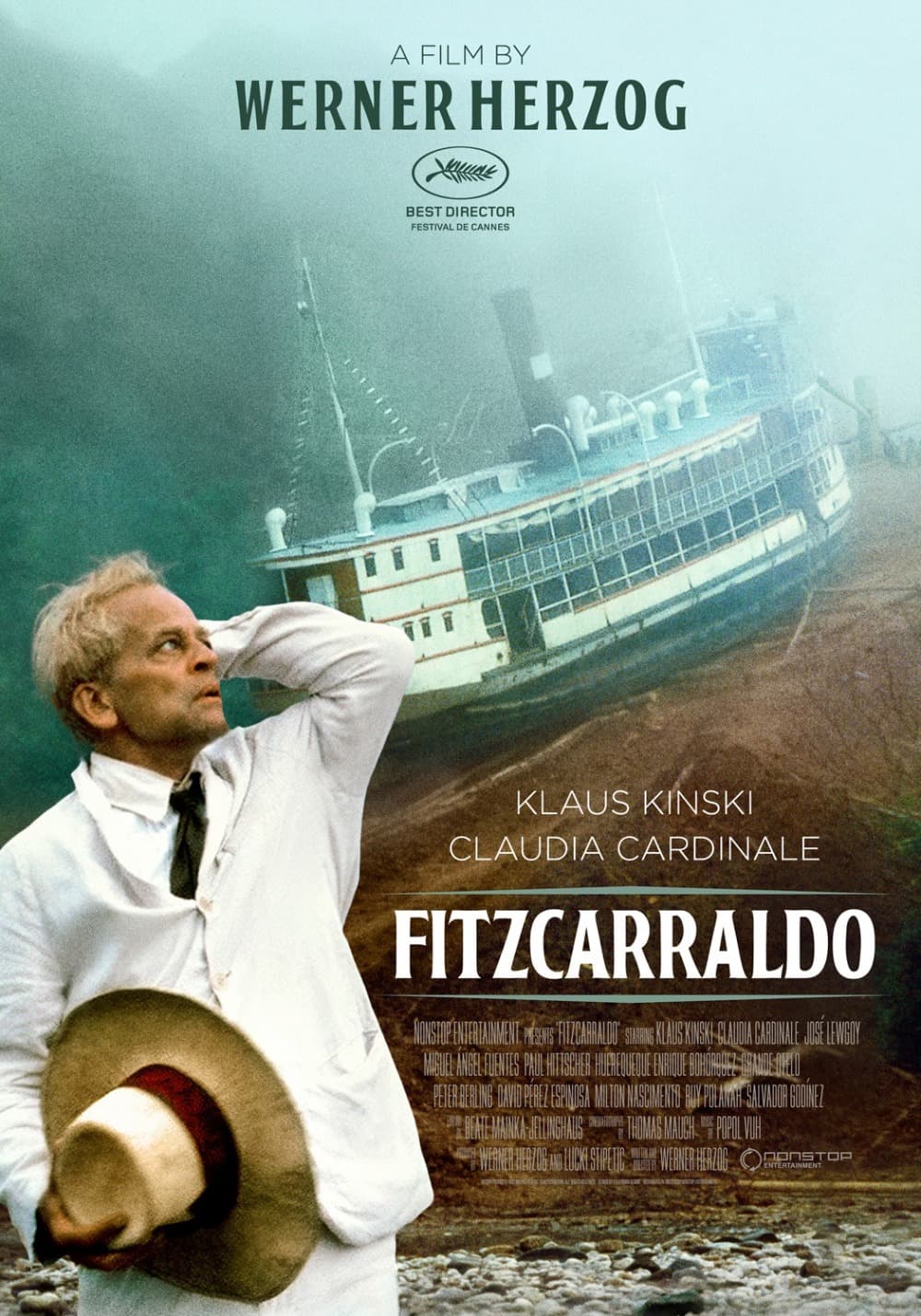
Herzog dragged a 320-ton steamship over a mountain with no models and no effects: his hero wants an opera house in the Amazon, and the production came to resemble the obsession it filmed.
The camera drops out of the sky into a packed football stadium and does not cut for five minutes: an Argentine investigator reopens a case he could never leave alone.
Before he was a poster, Ernesto Guevara was a medical student on a broken motorcycle: Walter Salles shot the actual route through South America, and the politics arrive as things seen.
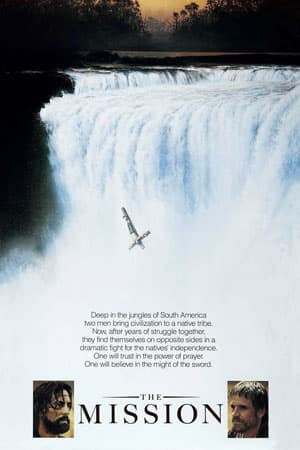
Ennio Morricone said he recognized himself in this score technically and spiritually: Jesuits build a mission above the Iguazu falls in the 1750s, and Europe decides its fate from several thousand miles away.

William Hurt took Best Actor and the film became the first independent production nominated for Best Picture: two cellmates in a Brazilian prison, one political and one who describes old movies.