Mrs. Miniver
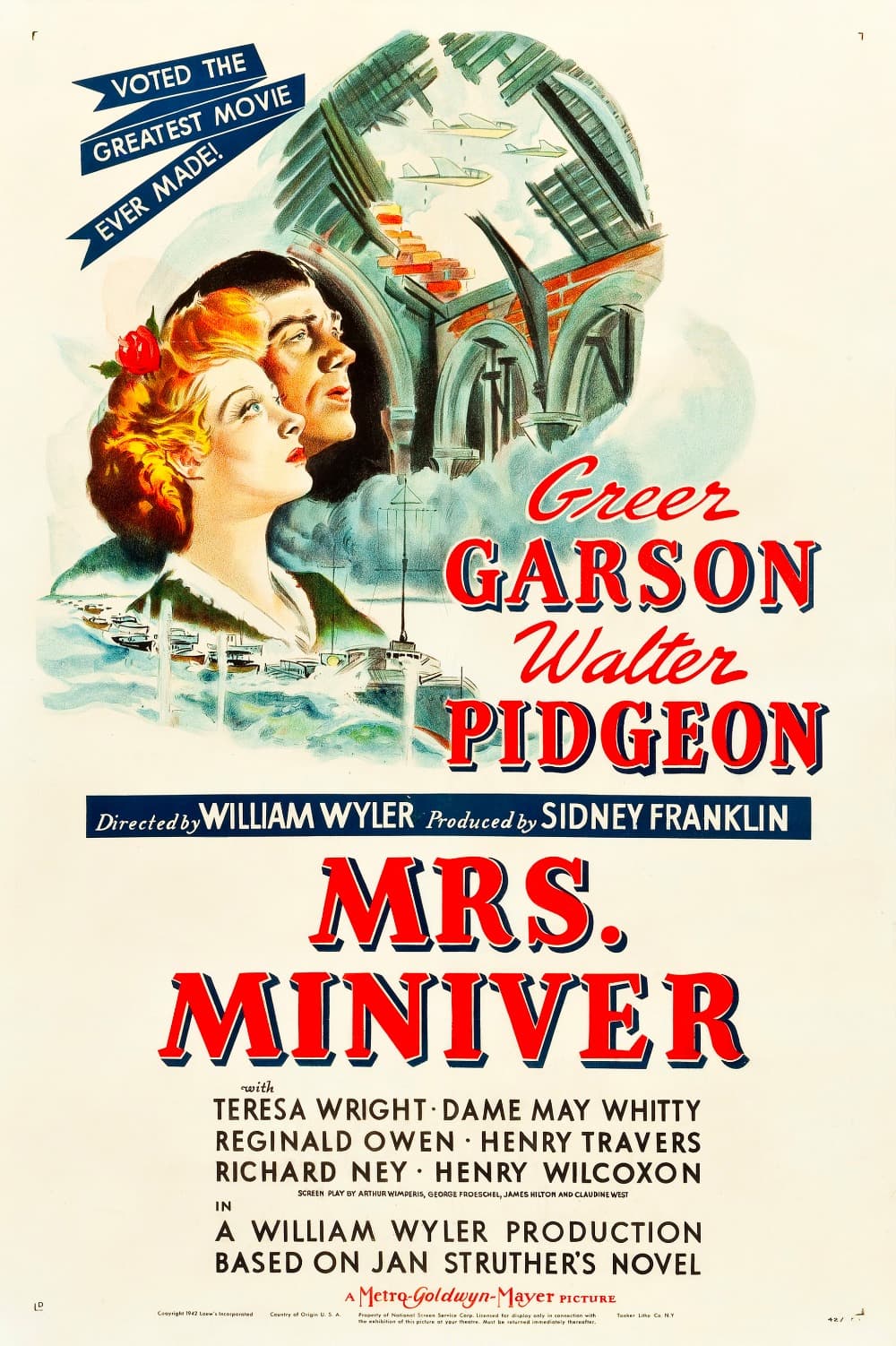
Roosevelt had the vicar's closing speech printed on leaflets and dropped over occupied Europe: an English family absorbs the first year of the war, and America was watching very closely.

Roosevelt had the vicar's closing speech printed on leaflets and dropped over occupied Europe: an English family absorbs the first year of the war, and America was watching very closely.

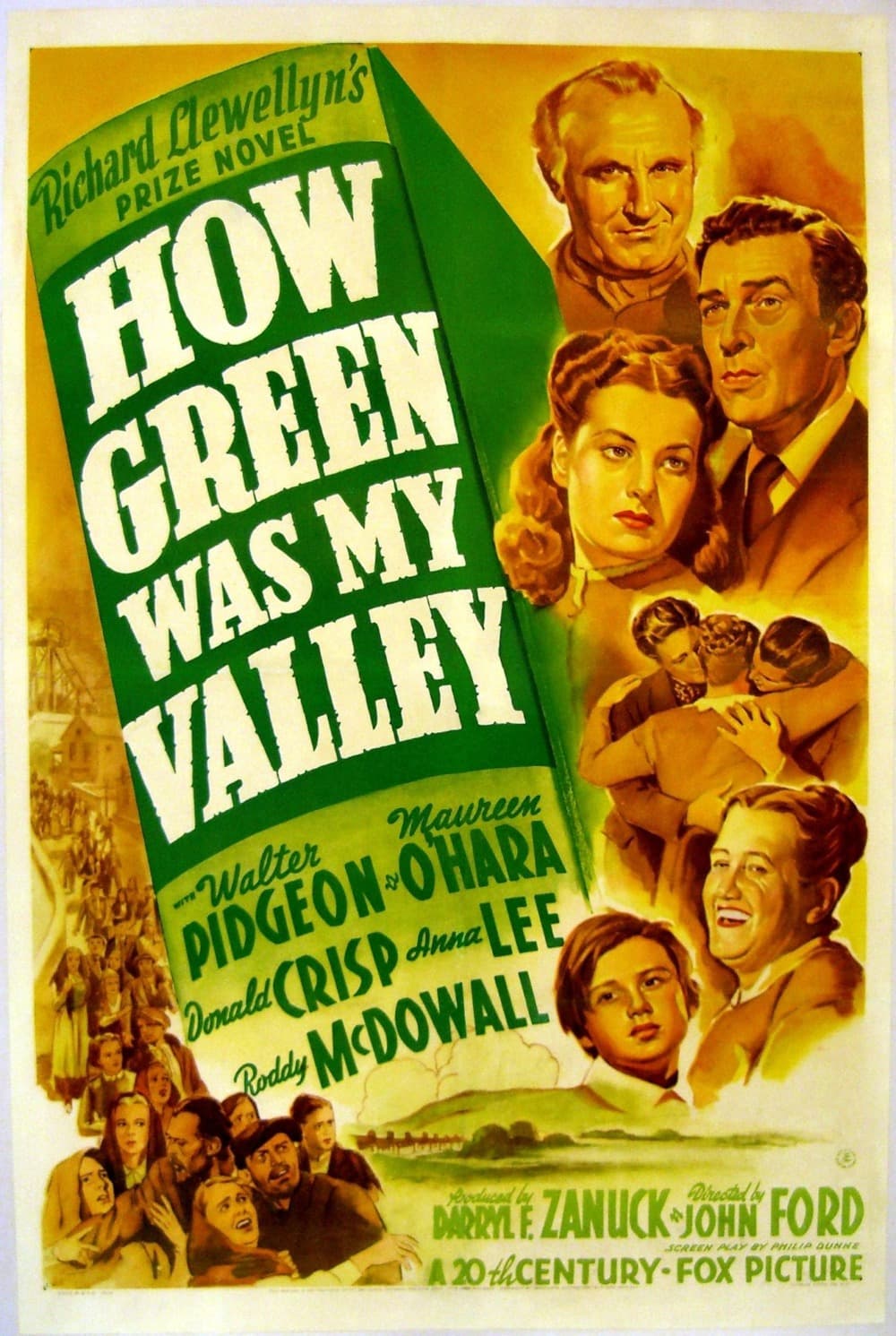
John Ford built an entire Welsh mining village in the California hills and shot it like memory: a colliery family in a valley the pit is slowly ruining, narrated by the youngest son.

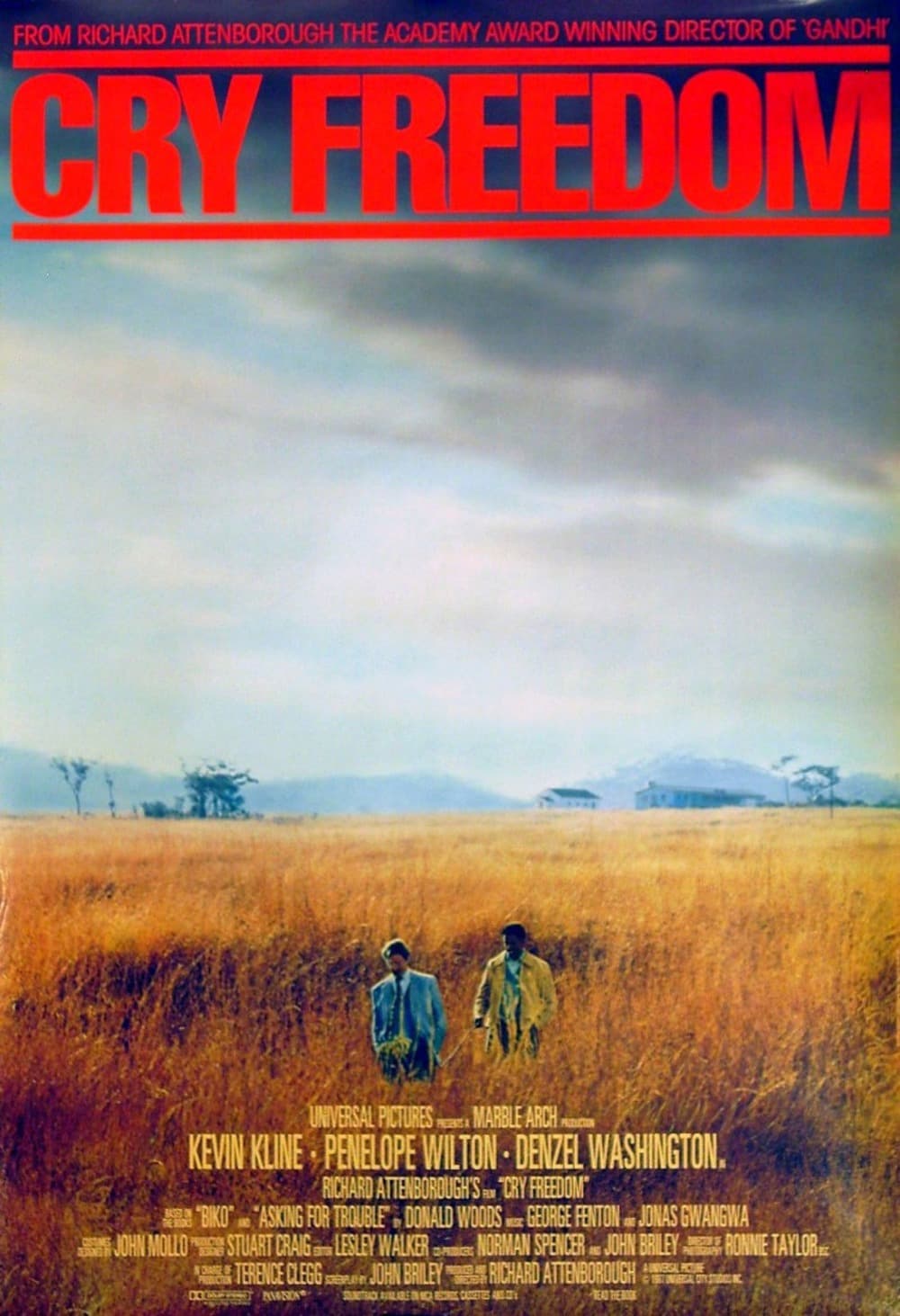
Richard Attenborough got Steve Biko into cinemas while apartheid was still standing: Denzel Washington's first Oscar nomination, and a white newspaper editor learning what Black South Africans already knew.

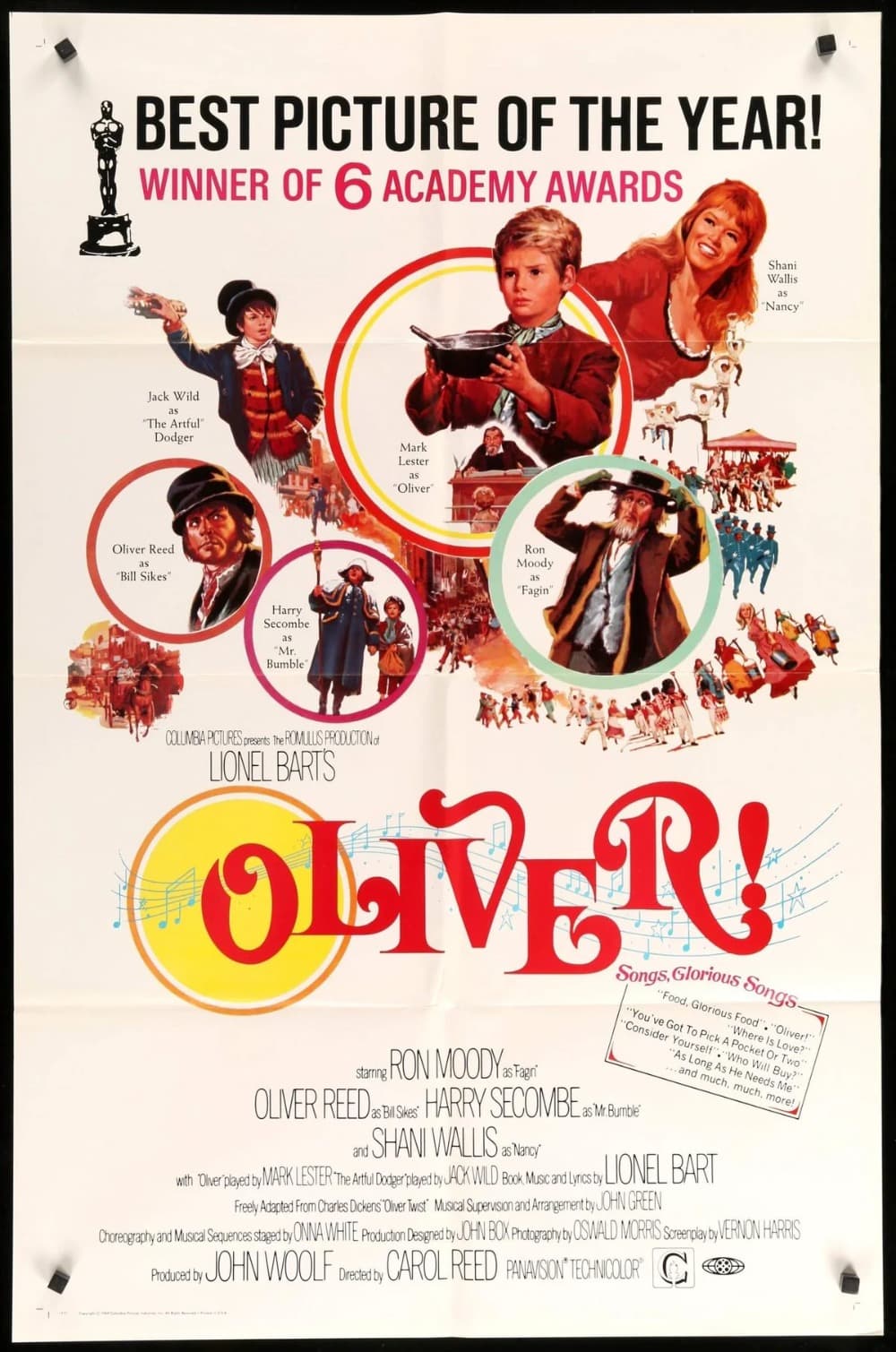
The last musical to hold Best Picture for thirty-four years, and the last G-rated winner: Carol Reed turns Dickens into an enormous street spectacle and the songs never let up.

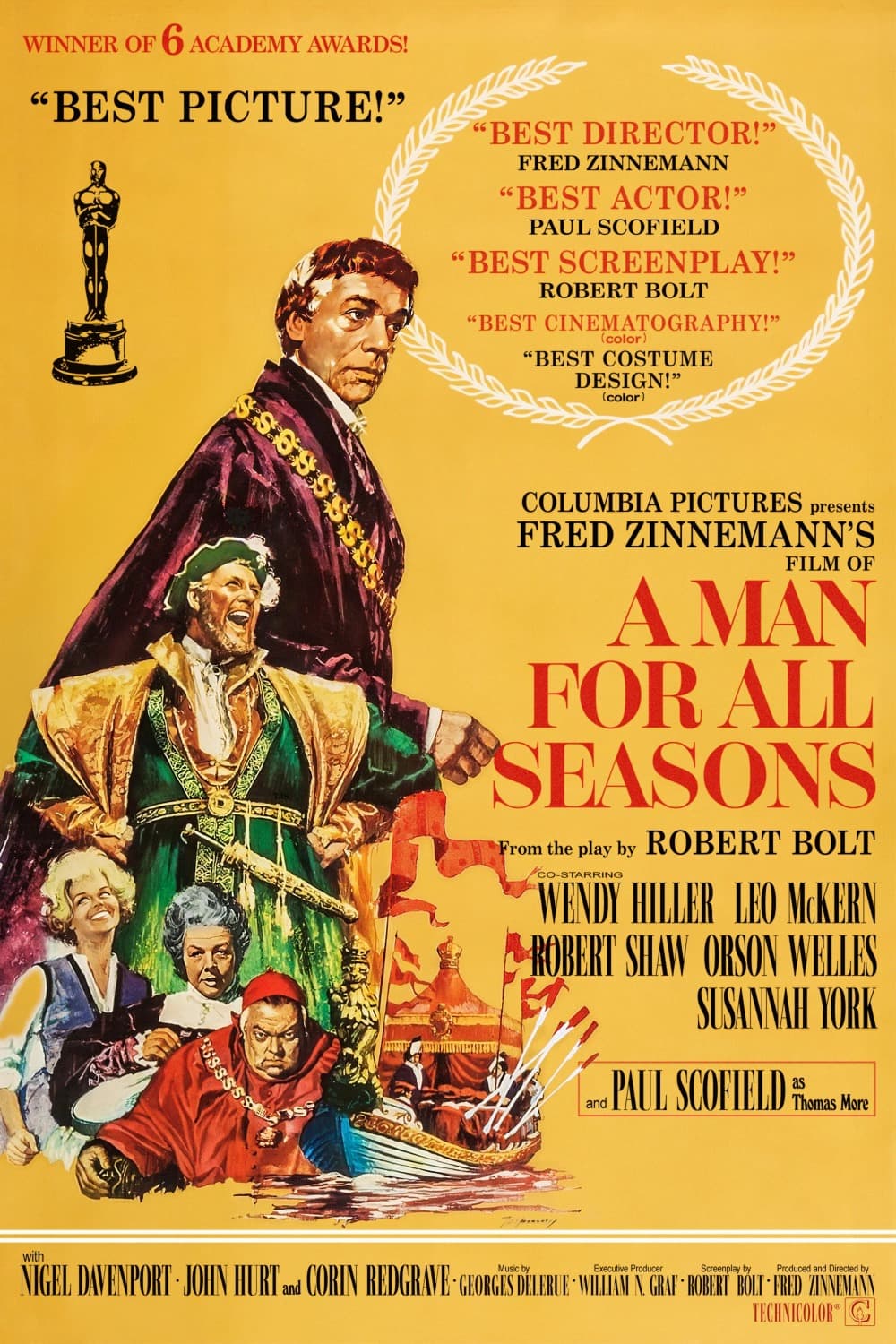
Paul Scofield had played it on stage and was not a film star, and he won anyway: Thomas More refuses to say one sentence, and the whole English state comes for him.

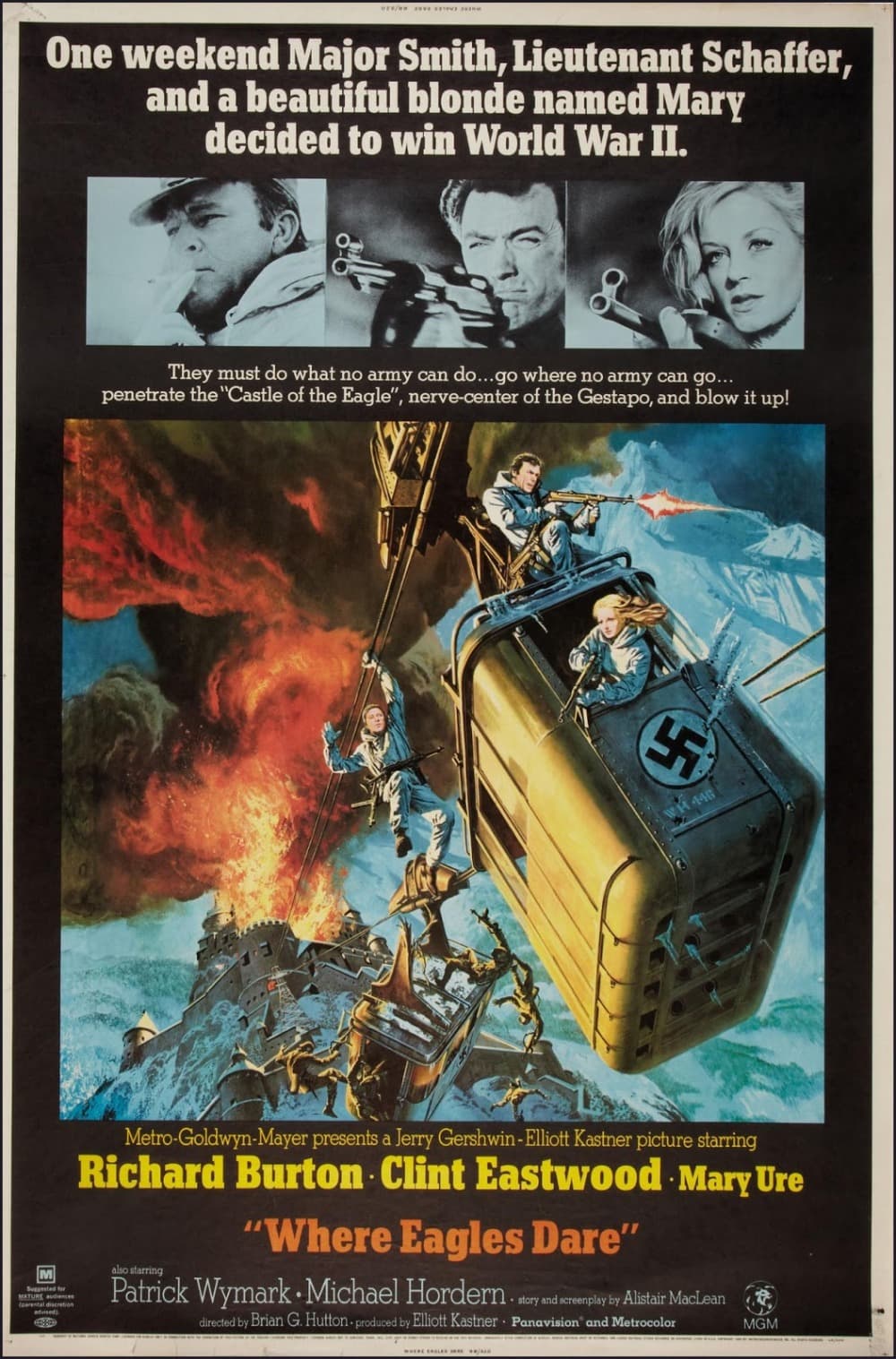
Alistair MacLean wrote it as a screenplay first and a novel second: Richard Burton and Clint Eastwood go into an Alpine castle after a captured general, and the cable car fight is superb.

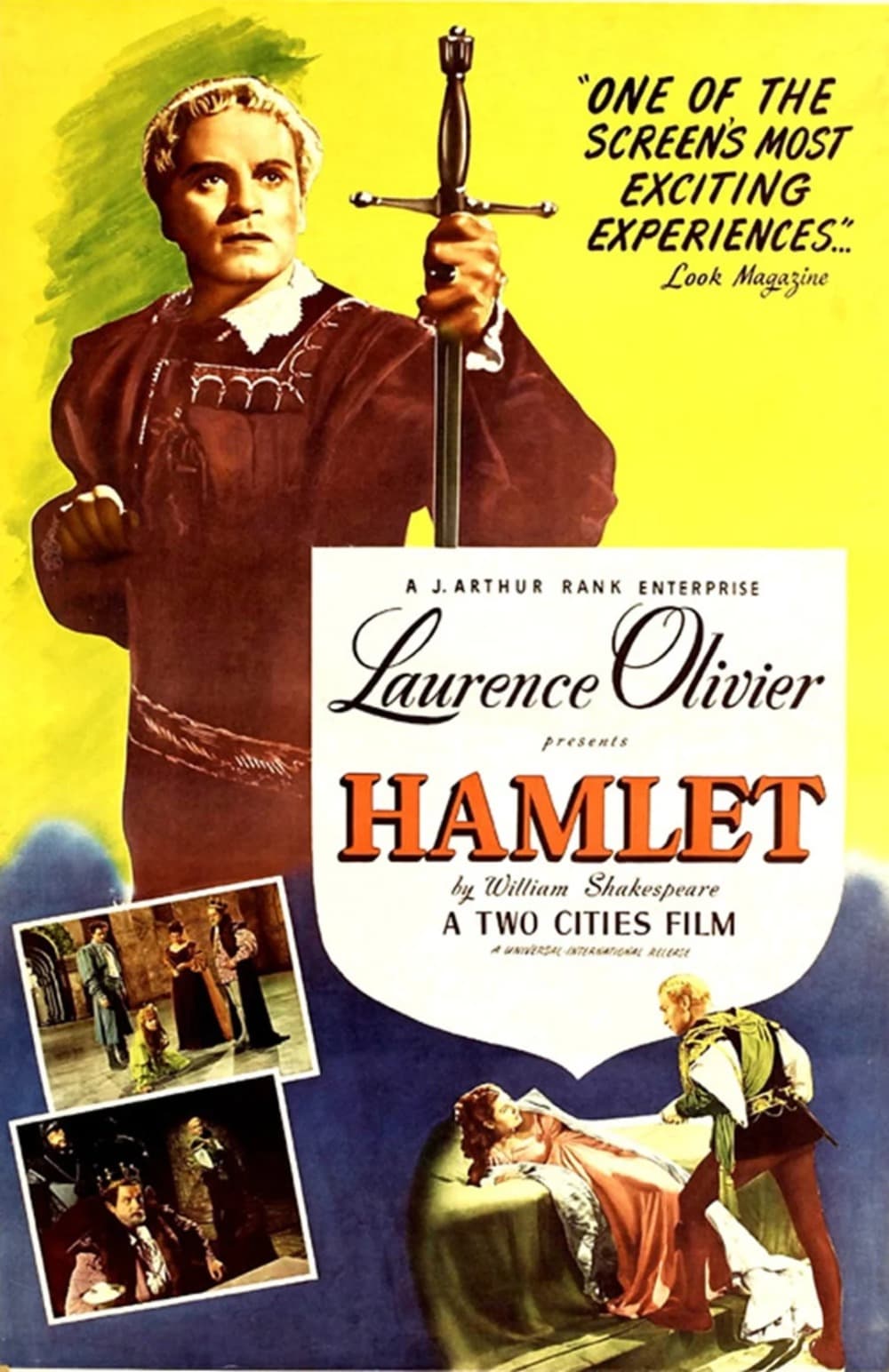
The first film made outside America to be named Best Picture: Laurence Olivier cut half the play, shot it in high-contrast monochrome, and moves the camera through Elsinore like a ghost.

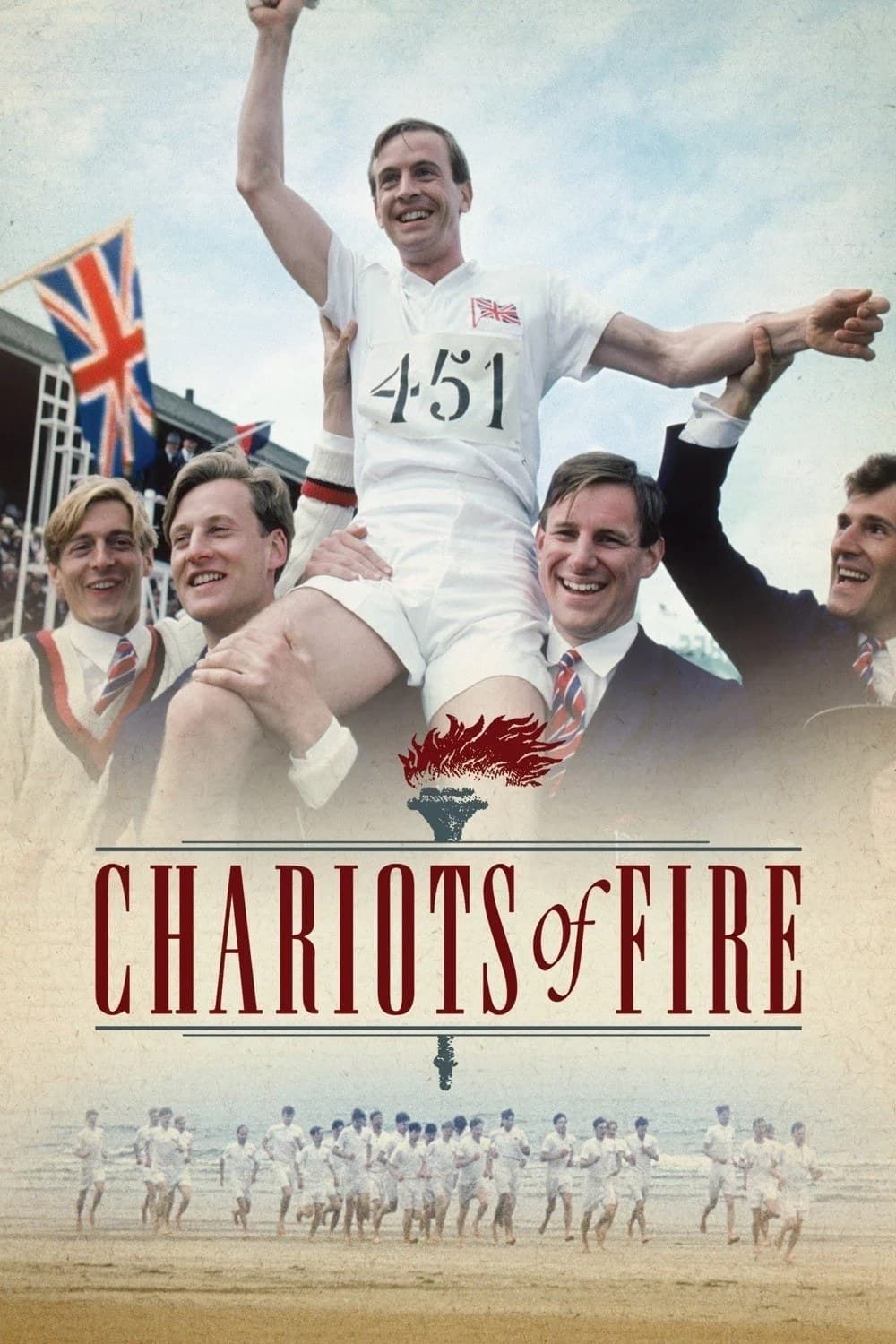
The Vangelis theme is so famous that people forget the film underneath is about religion: two runners at the 1924 Olympics, one running for God and one against English antisemitism.

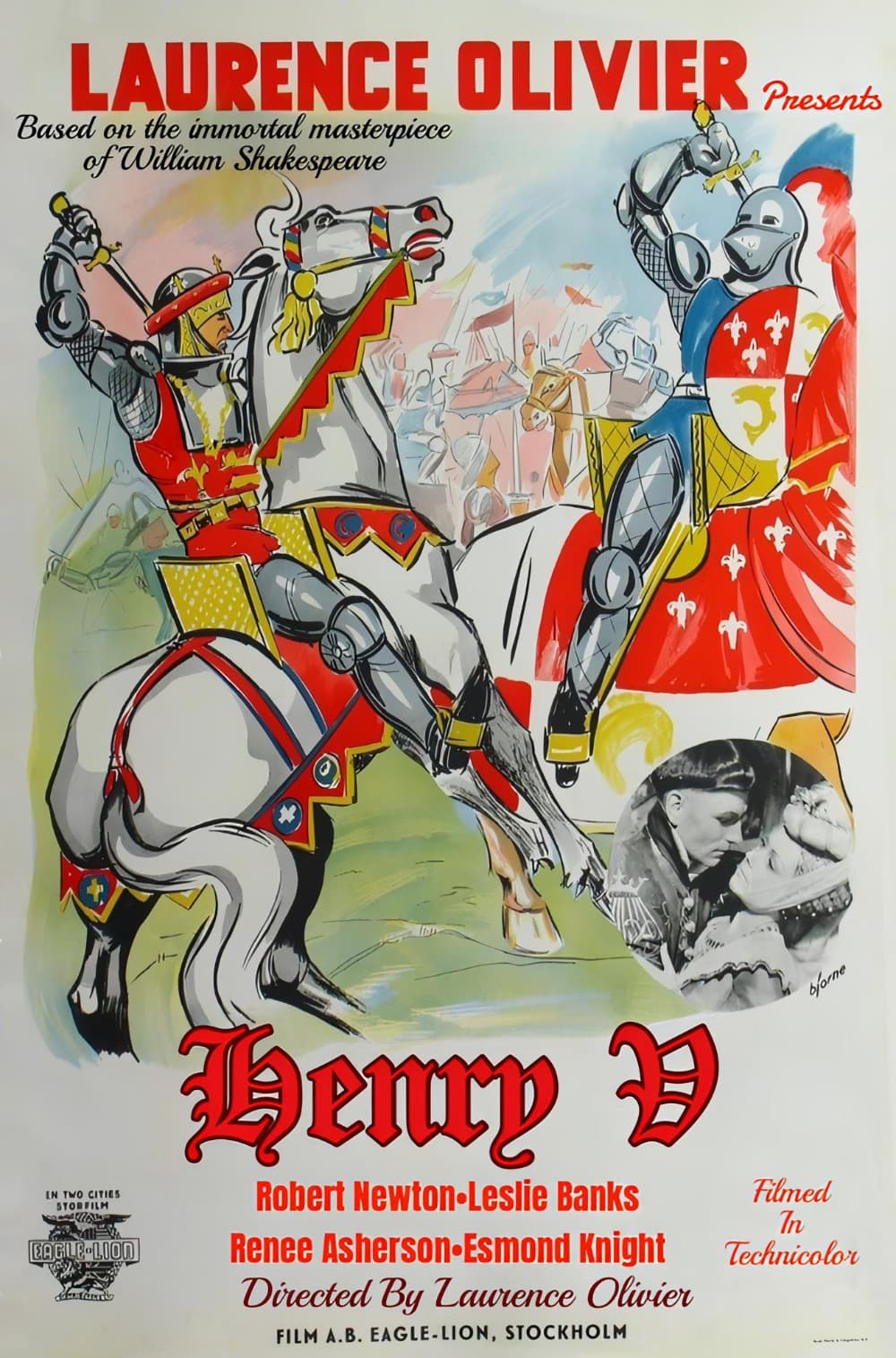
Made during the war and dedicated to the commandos and airborne troops of Britain: Laurence Olivier opens inside the Globe and then simply walks the film out into the real world.

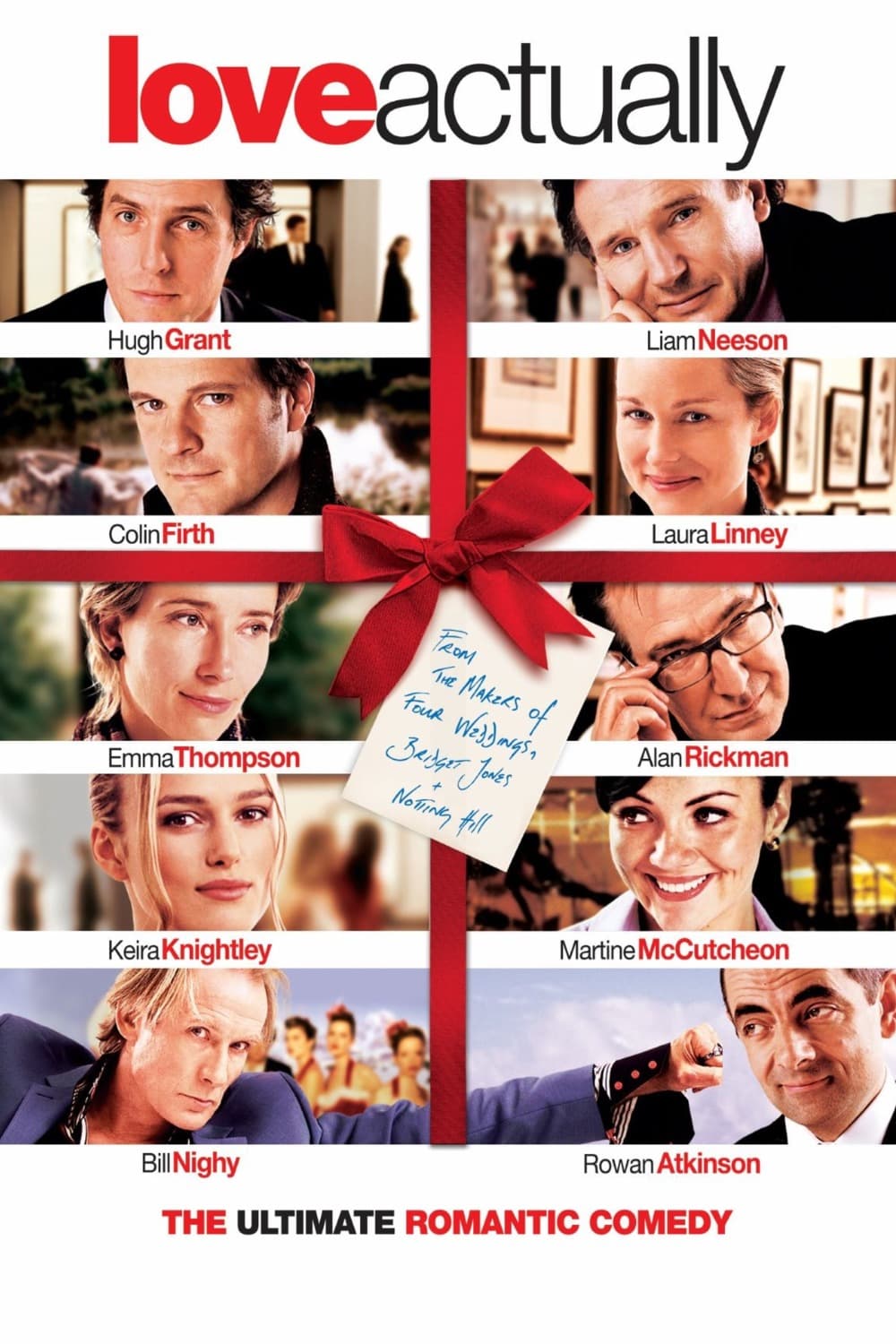
Nine storylines, two hours, and half the country reruns it every December while the other half writes essays about why it is bad: Richard Curtis knew exactly what he was doing.

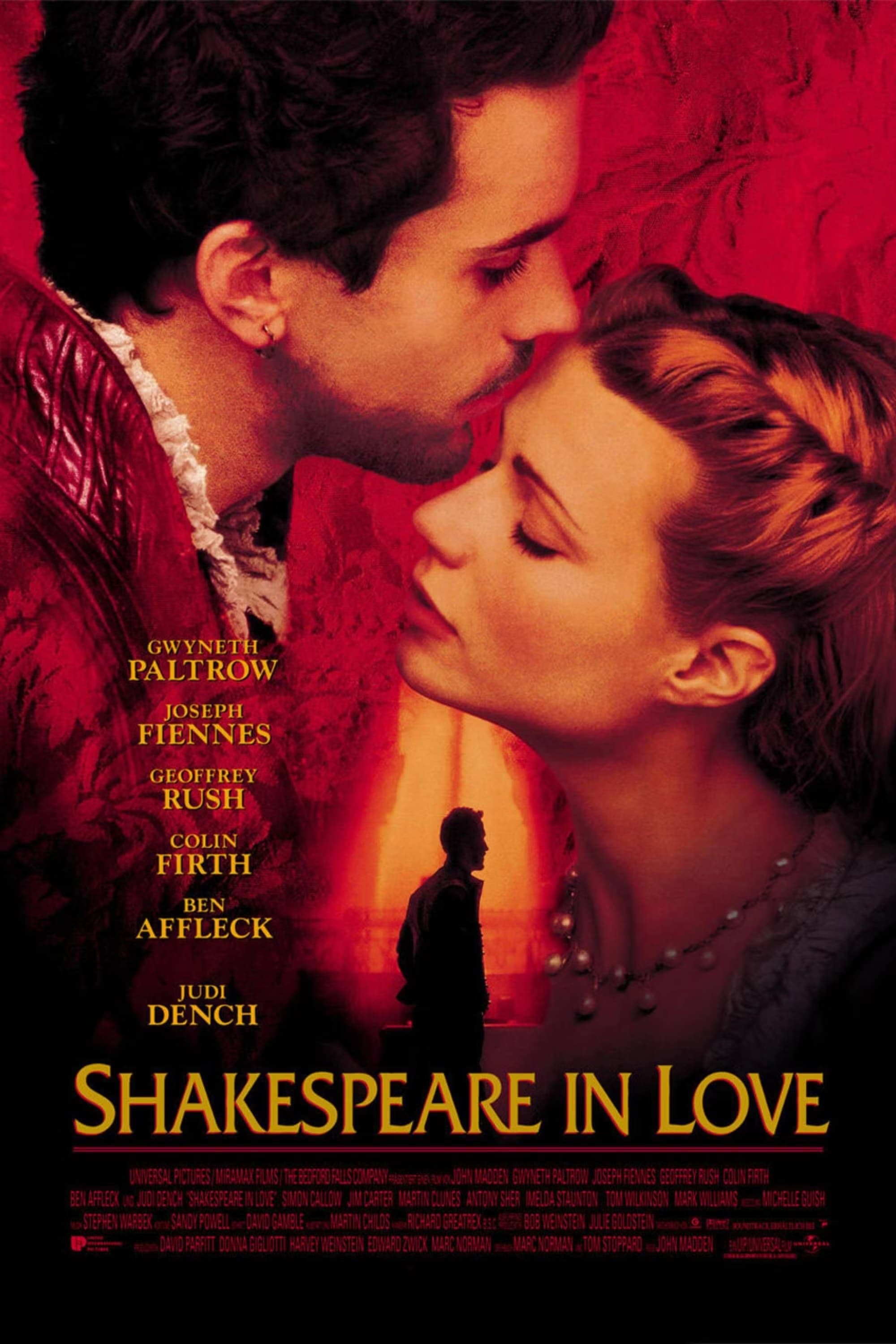
Tom Stoppard rewrote the script and you can hear him in every scene: a blocked Shakespeare finds his Juliet, and nothing else is this funny about how theater actually gets made.

Made in Sheffield for just over two million pounds and it outgrossed everything in Britain that year: six unemployed steelworkers decide to strip for money, and the comedy comes out of genuine desperation.

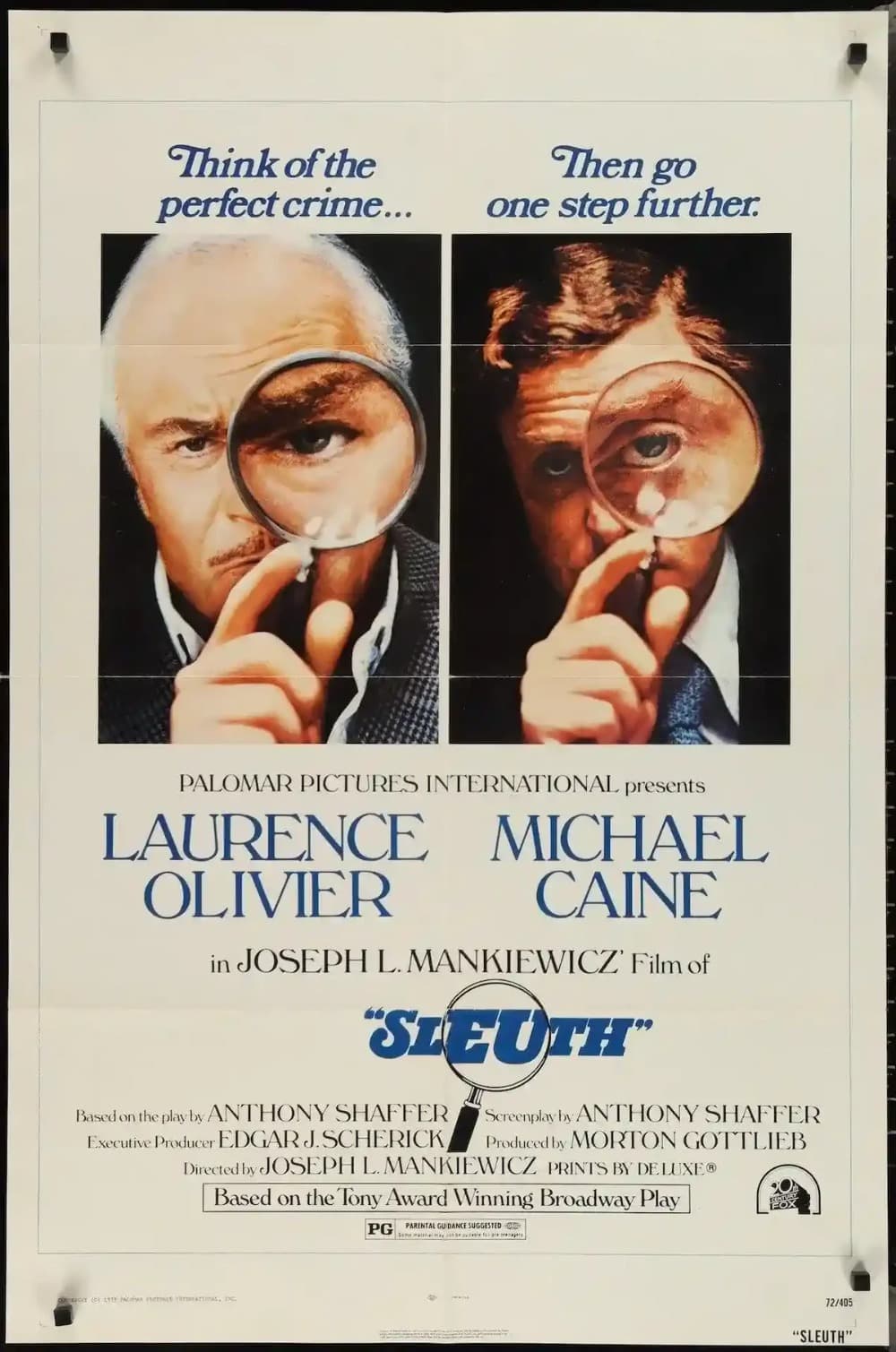
Laurence Olivier and Michael Caine were both up for Best Actor, which has happened only a handful of times: a mystery writer invites his wife's lover to a country house full of games.

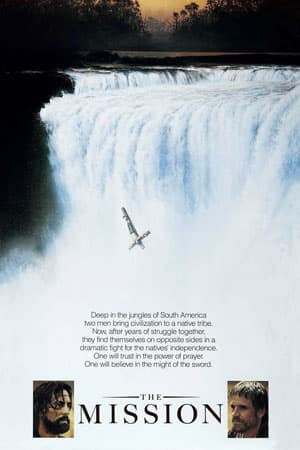
Ennio Morricone said he recognized himself in this score technically and spiritually: Jesuits build a mission above the Iguazu falls in the 1750s, and Europe decides its fate from several thousand miles away.

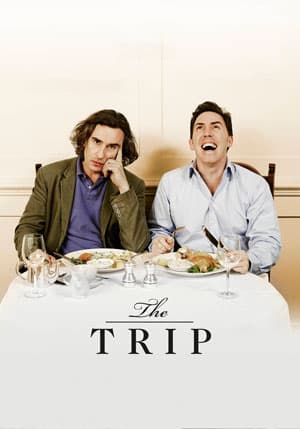
Two comedians play unpleasant versions of themselves and improvise the whole thing: Steve Coogan and Rob Brydon drive around northern England eating well and competing over Michael Caine impressions.

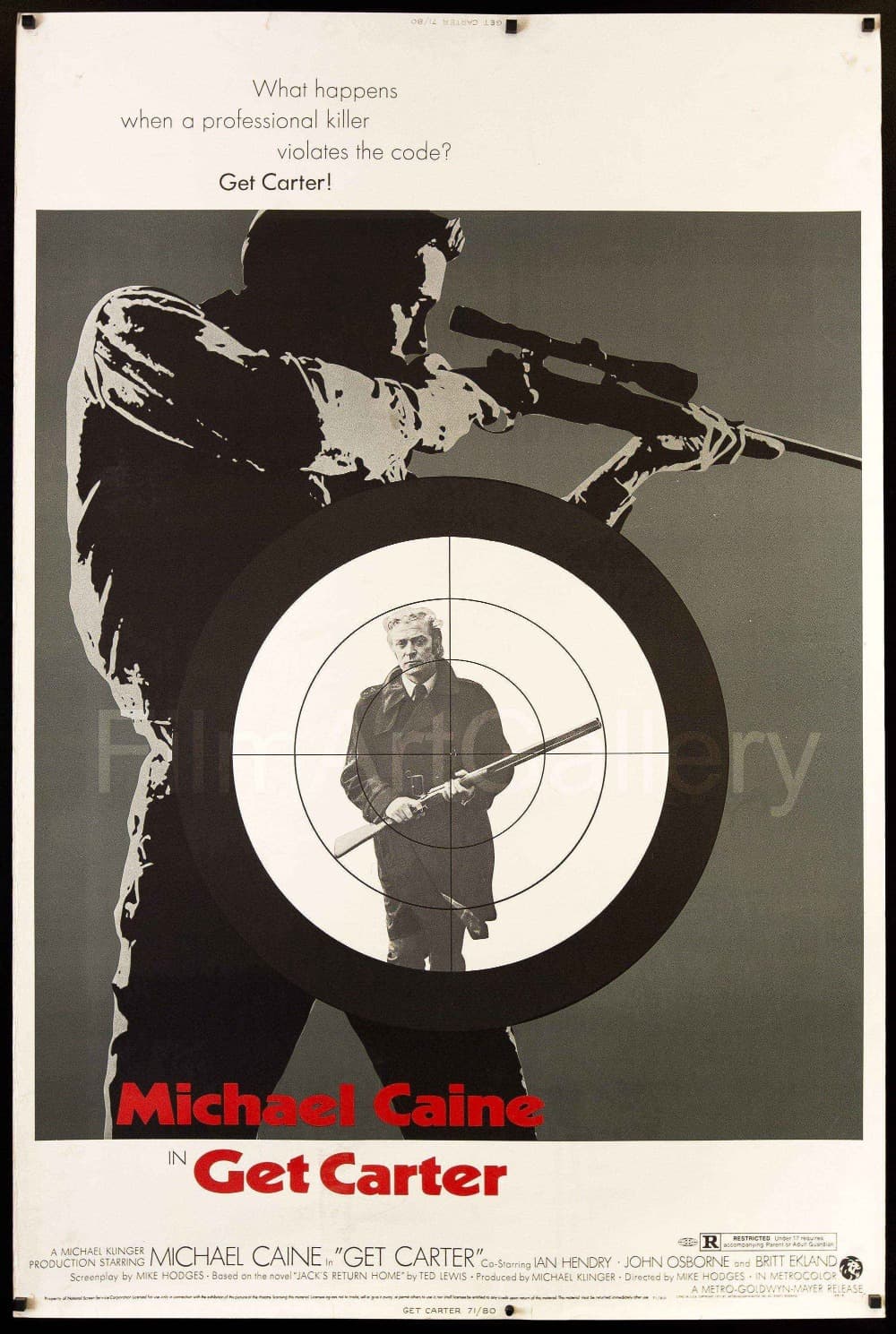
Michael Caine plays a gangster with no charm whatsoever and it is his best performance: Newcastle in 1971 shot as a real place, and every British crime film since has borrowed the tone.

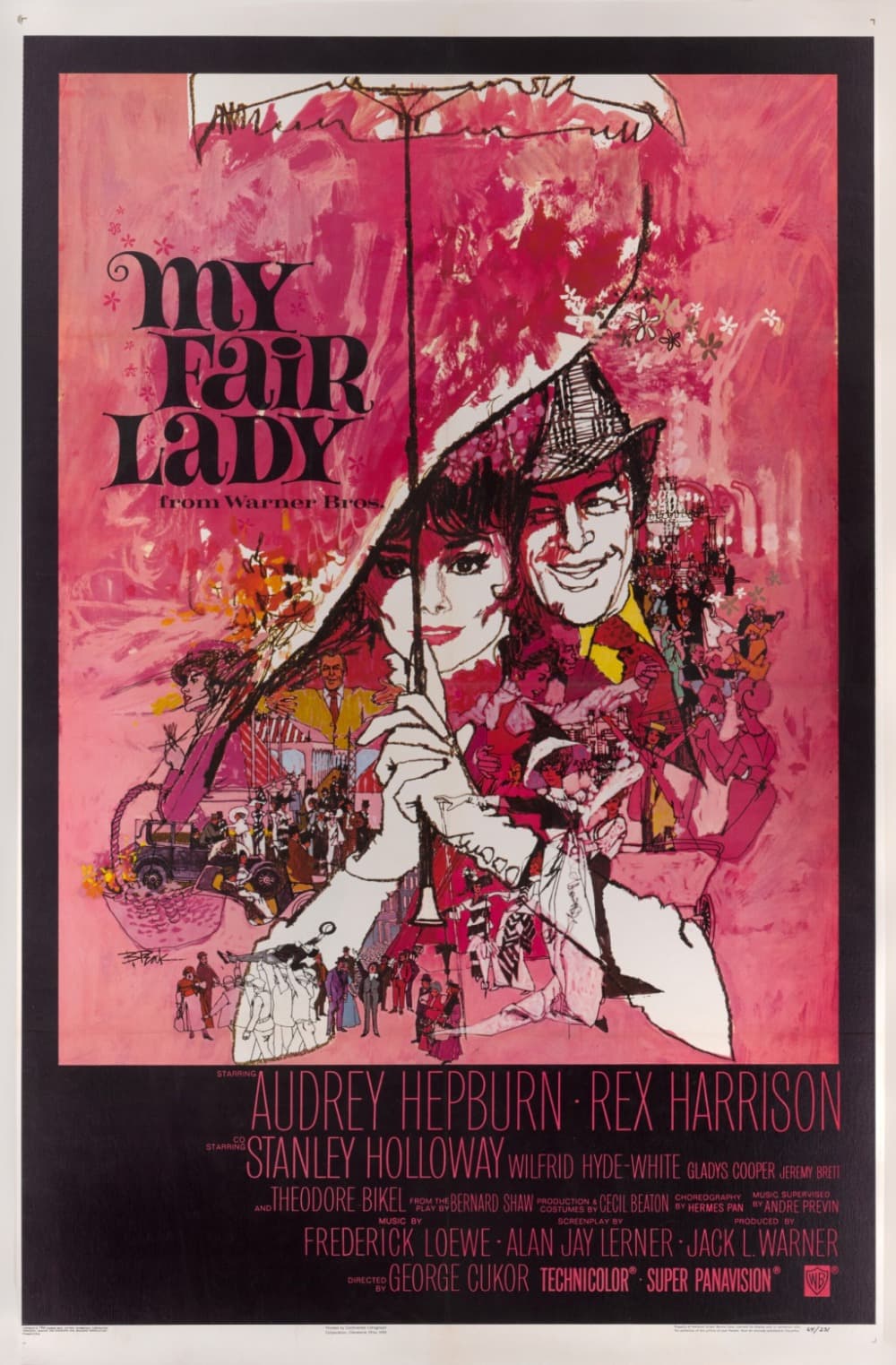
Audrey Hepburn's singing was dubbed by Marni Nixon and Julie Andrews was passed over for the part she created on stage: the Cecil Beaton costumes remain the most beautiful ever filmed.

Ten years and eight films with the same three actors growing up on camera, which no other series has managed: David Yates closes it with the largest battle the series ever attempted.

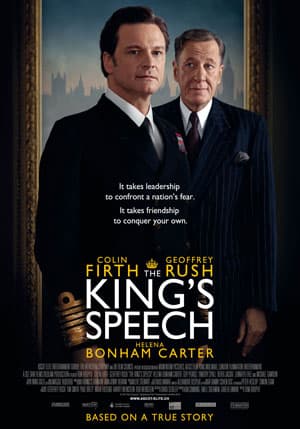
Made for eight million pounds and returned thirty times its budget: Colin Firth plays a duke who dreads a microphone, and Geoffrey Rush the unqualified Australian who will not defer to him.

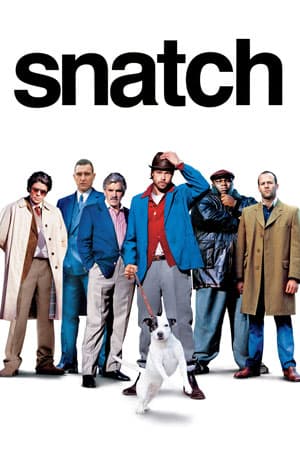
Brad Pitt asked for a part and got one nobody can understand a word of: an unlicensed boxing promoter, a stolen diamond and several sets of London criminals converge at considerable speed.