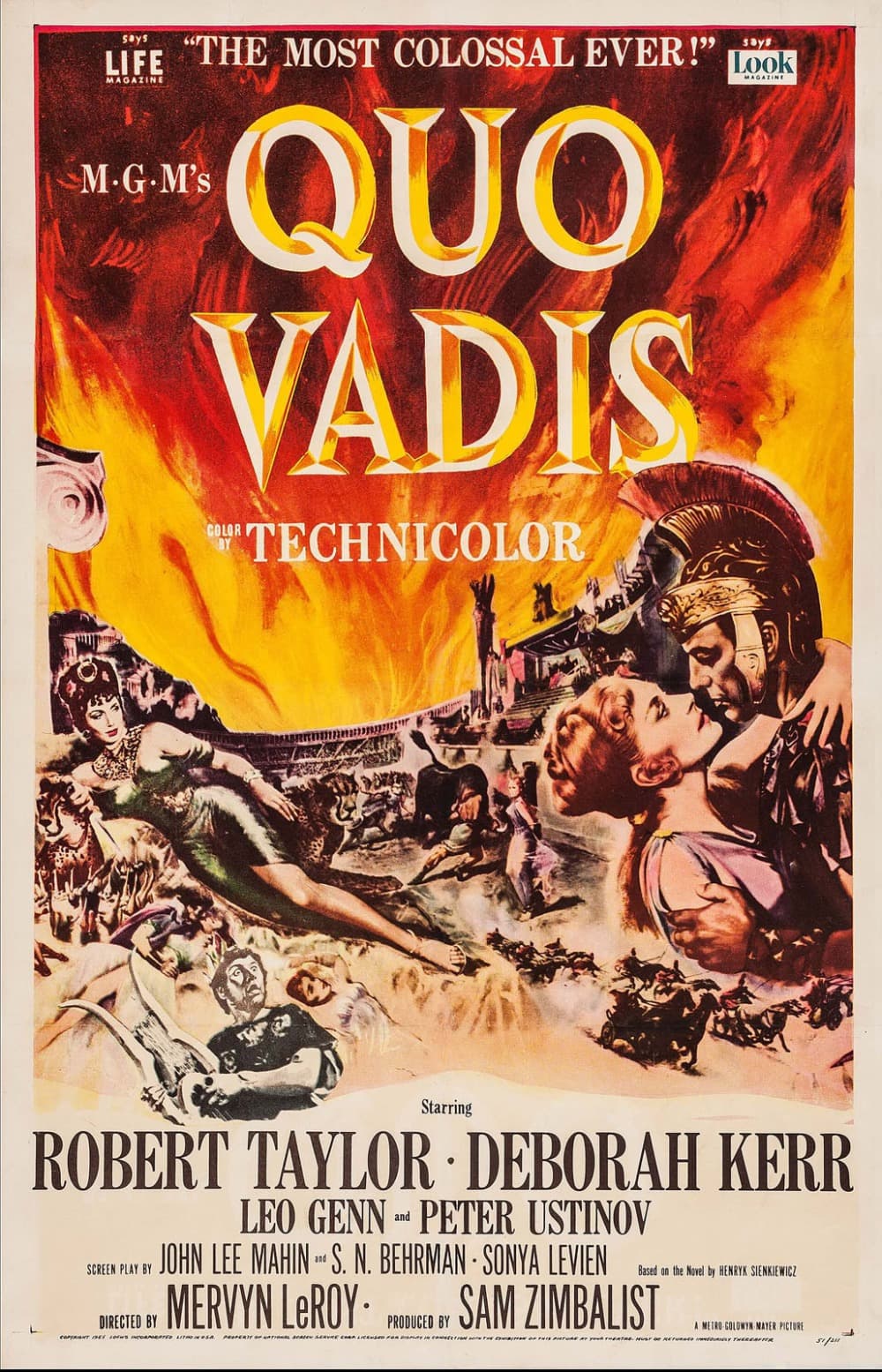
Quo Vadis
Directed by Mervyn LeRoy
1951
Peter Ustinov plays Nero as a needy child with an empire, and steals the entire picture: MGM built ancient Rome at Cinecitta and the film rescued the studio's finances.
★ 1.7
 skopia
Peter Ustinov plays Nero as a needy child with an empire, and steals the entire picture: MGM built ancient Rome at Cinecitta and the film rescued the studio's finances.
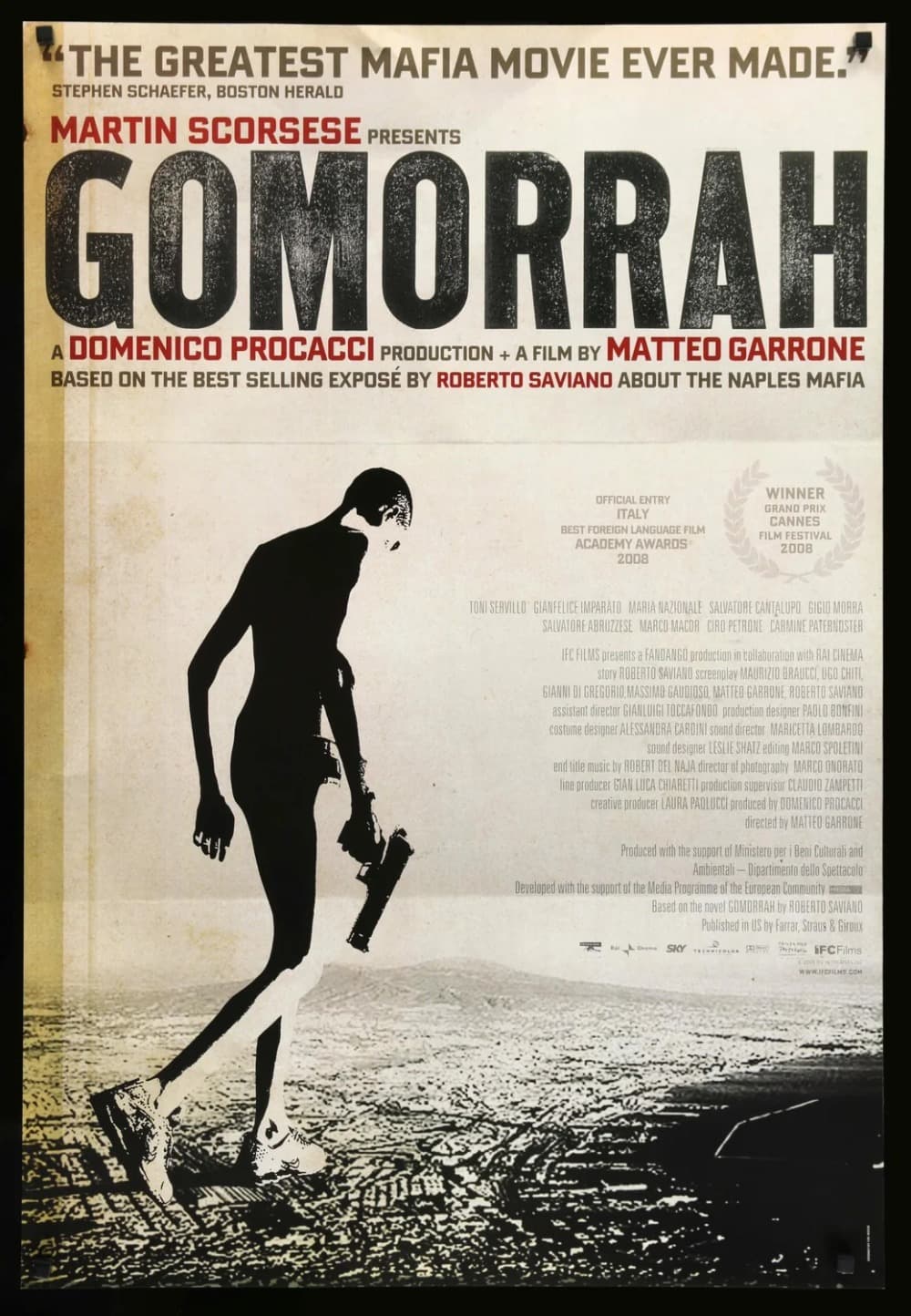
Garrone filmed the Camorra with no glamour, no arc and mostly non-actors from the neighborhood: five strands in a Naples housing block, and organized crime looks like a bad job.
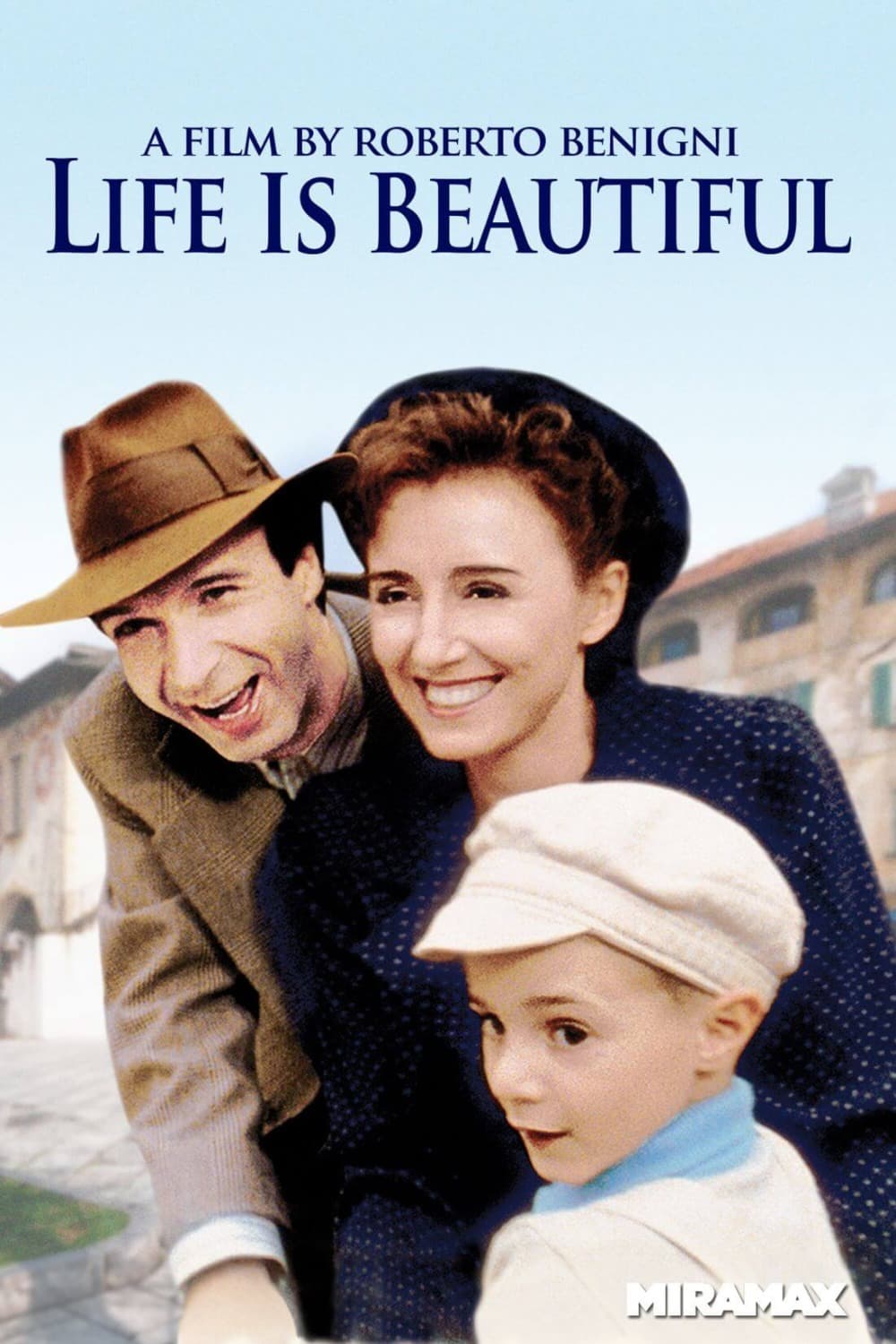
Benigni argued that a comedian could make a film about the camps, and half the critics said he was wrong: a father convinces his small son the whole thing is an elaborate game.
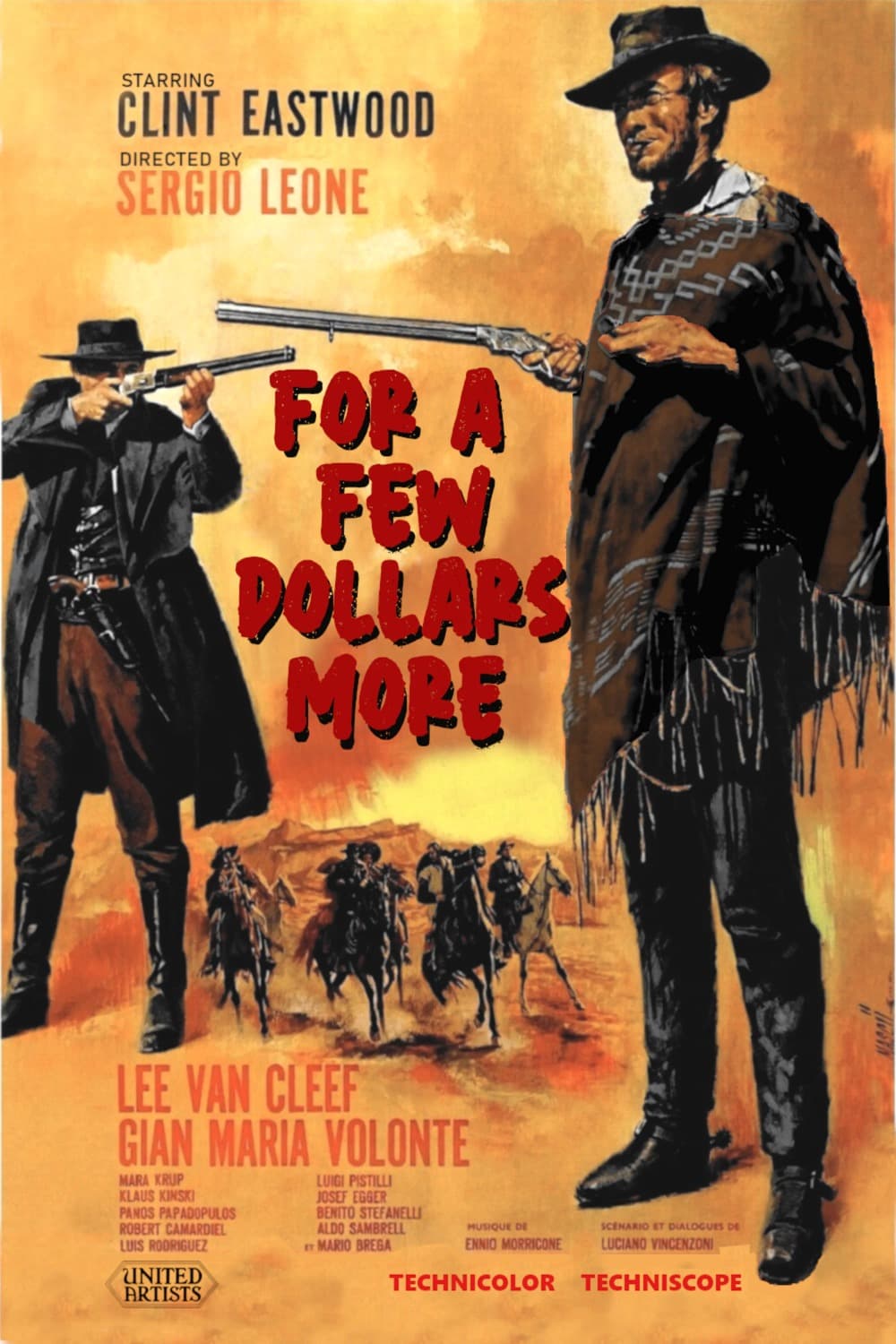
Leone found the shape of his westerns here: two bounty hunters circle each other for two hours, a musical pocket watch counts down the duel, and Morricone times the whole film.
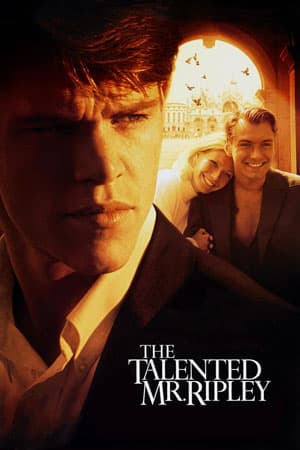
Nothing else captures the pull of wanting somebody else's life this well: Minghella fills the Italian coast with sunlight and good clothes, and lets a young man's envy curdle in plain sight.
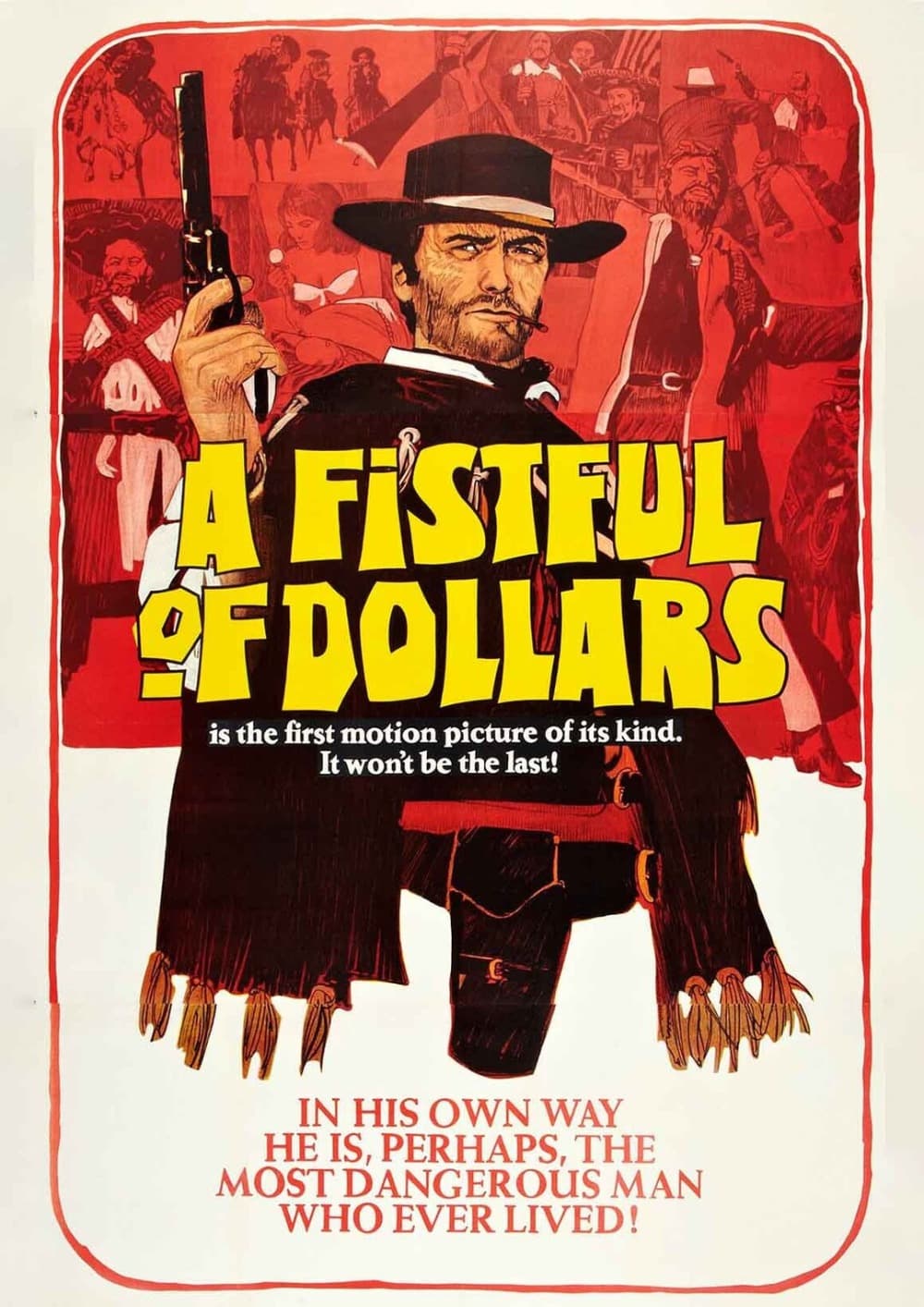
The spaghetti western became a genre with this, and Clint Eastwood became a star: Ennio Morricone's whistle, a poncho and a cheroot, and a drifter who tells nobody what he wants.
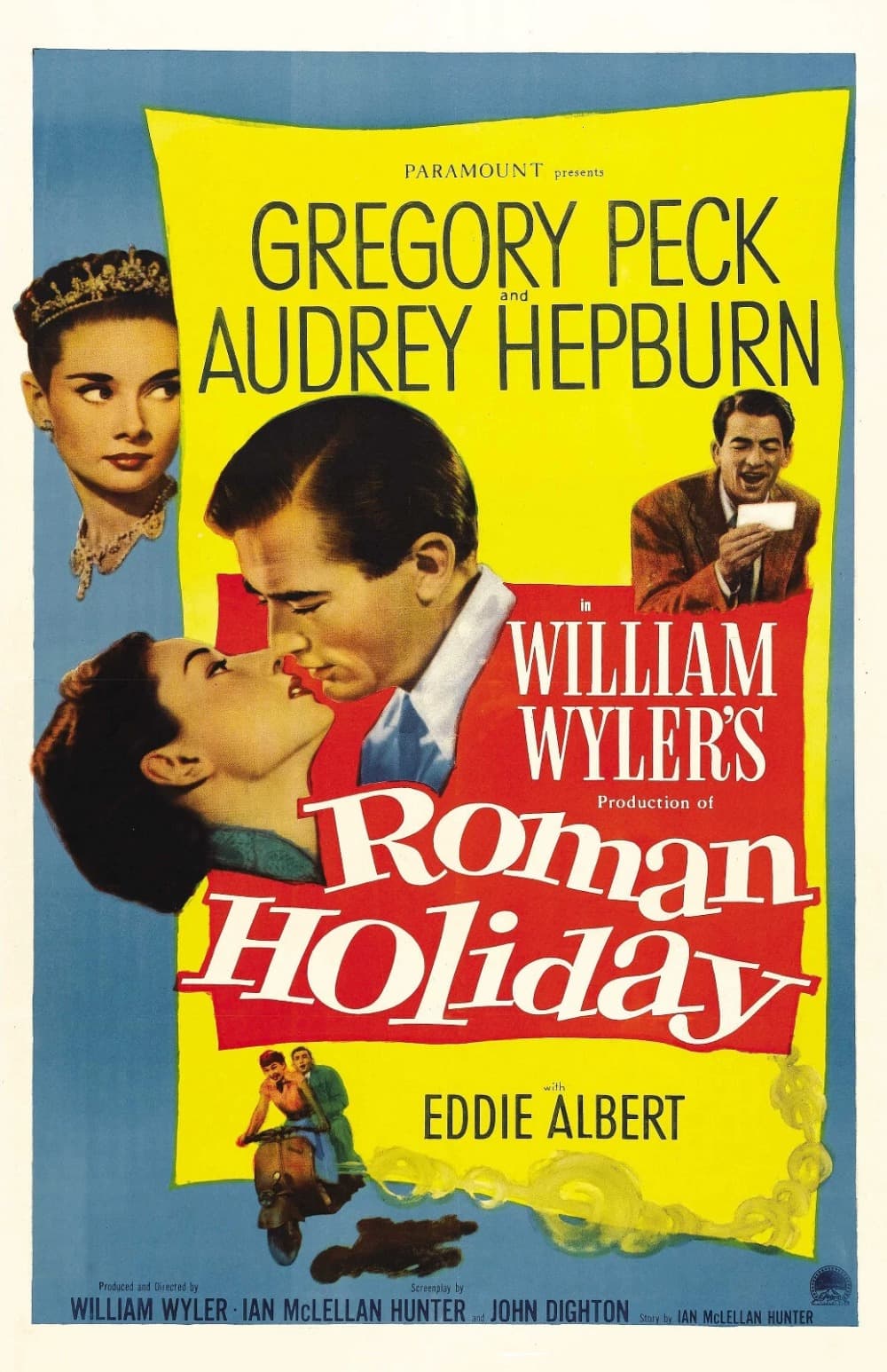
Audrey Hepburn became a star overnight and Dalton Trumbo wrote the script while blacklisted: a princess slips her handlers for one unscheduled day in Rome, with a reporter who knows who she is.
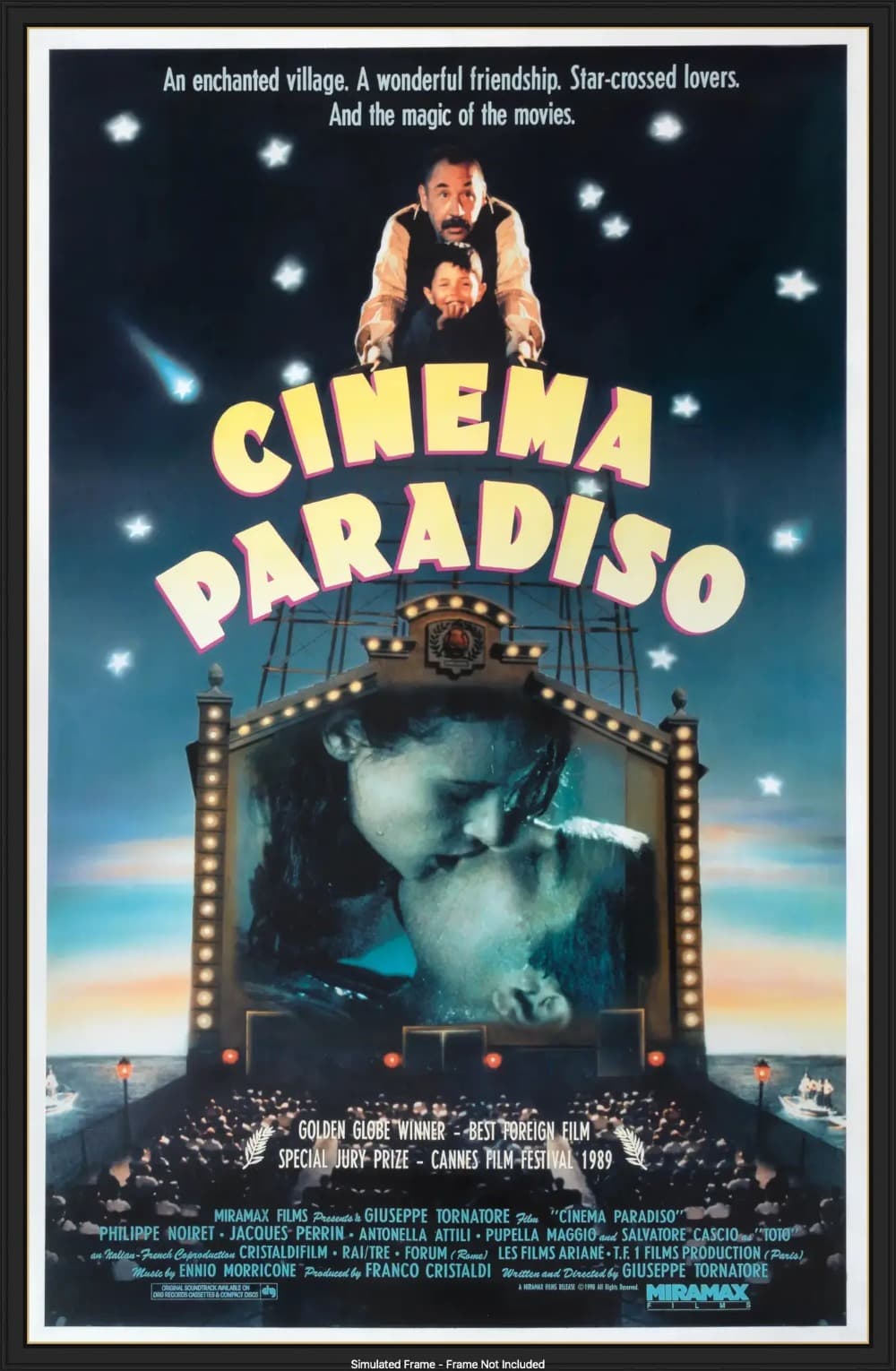
Morricone wrote the theme that reduces grown men to tears: a Sicilian boy grows up in a village projection booth, and the subject underneath is what movies do to a life.
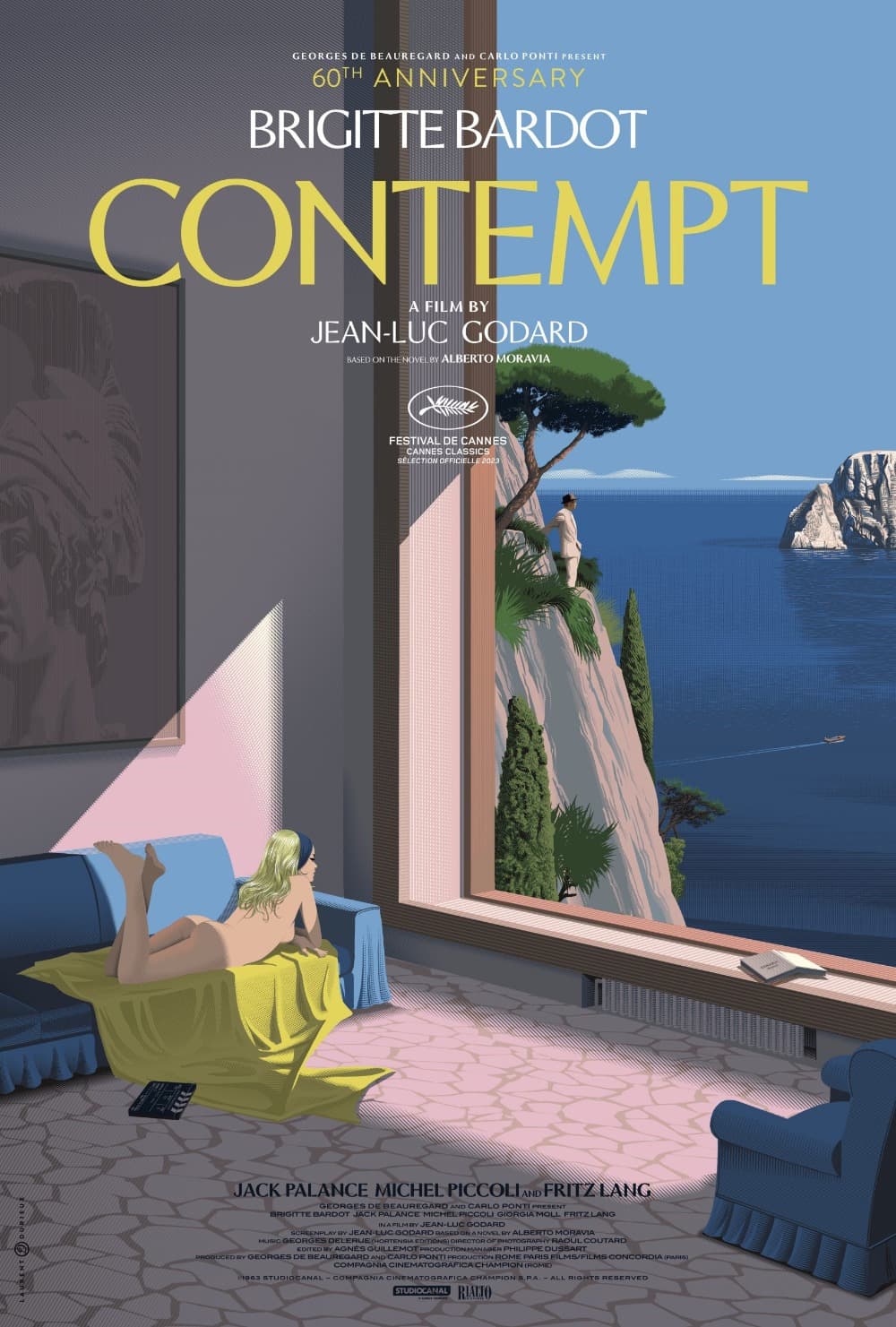
Godard put Brigitte Bardot and Fritz Lang together in a story about a marriage falling apart on a Capri terrace: the most beautiful thing he ever shot.
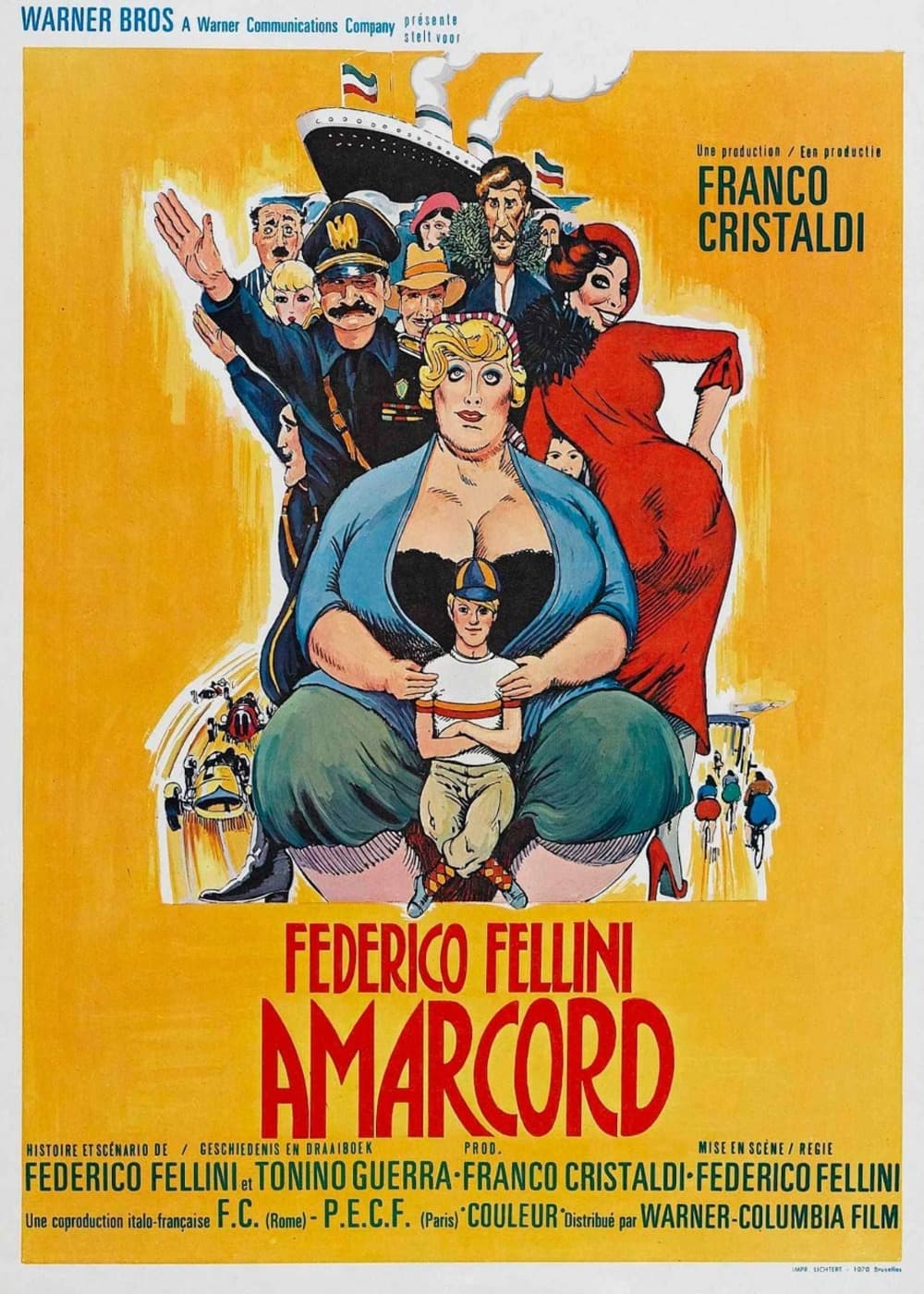
Fellini remembering his own seaside town under Mussolini and admitting he is embroidering it: no plot at all, just a year of weather, sex, food and fascism.
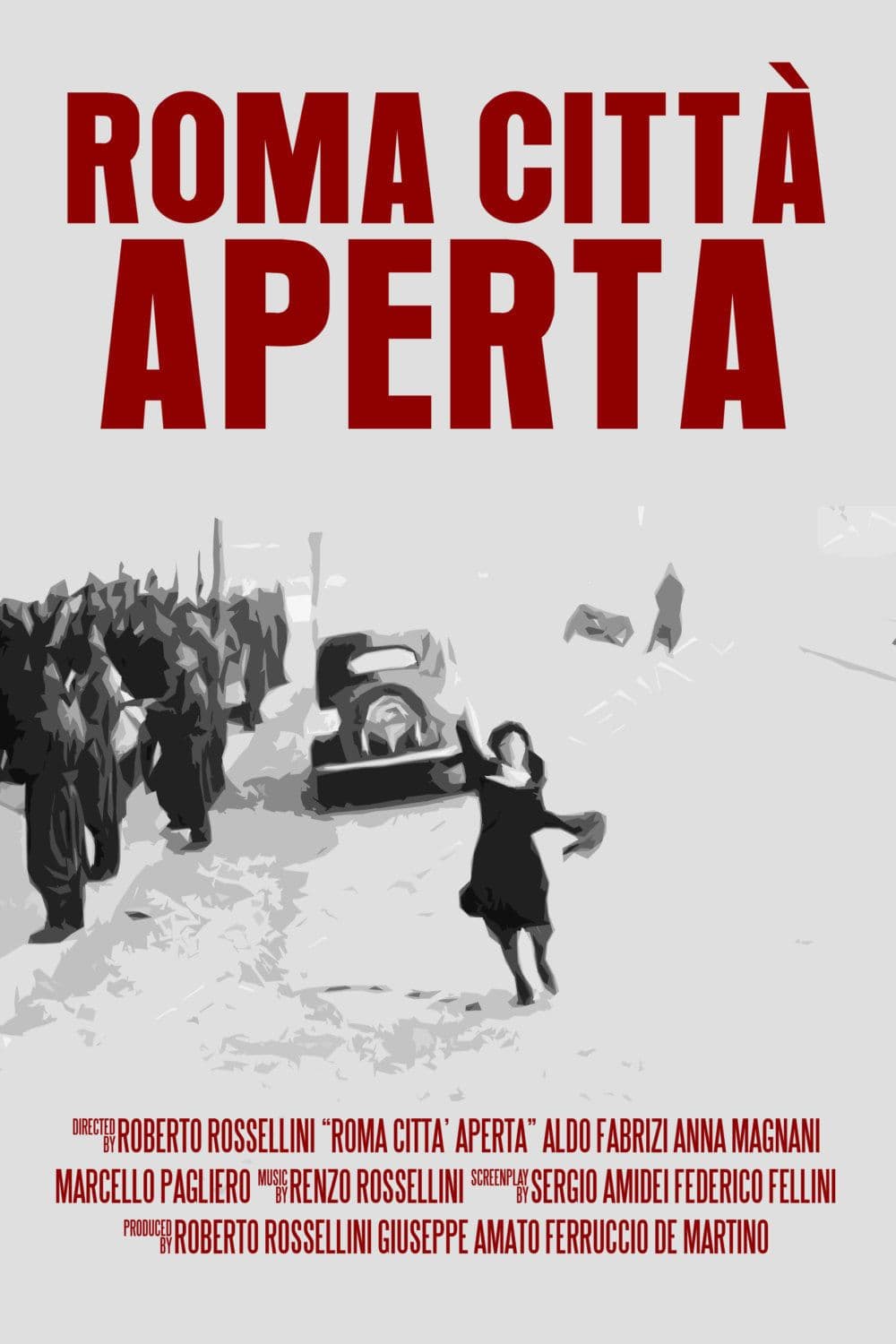
Rossellini shot it in the streets months after the Germans pulled out, on mismatched surplus stock scrounged from an army supplier: this is where Italian neorealism arrives.
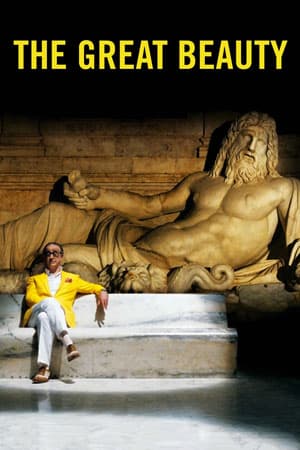
The closest anyone has come to remaking La Dolce Vita and surviving it: an aging Roman journalist drifts through parties and ruins, and the city has never looked better.
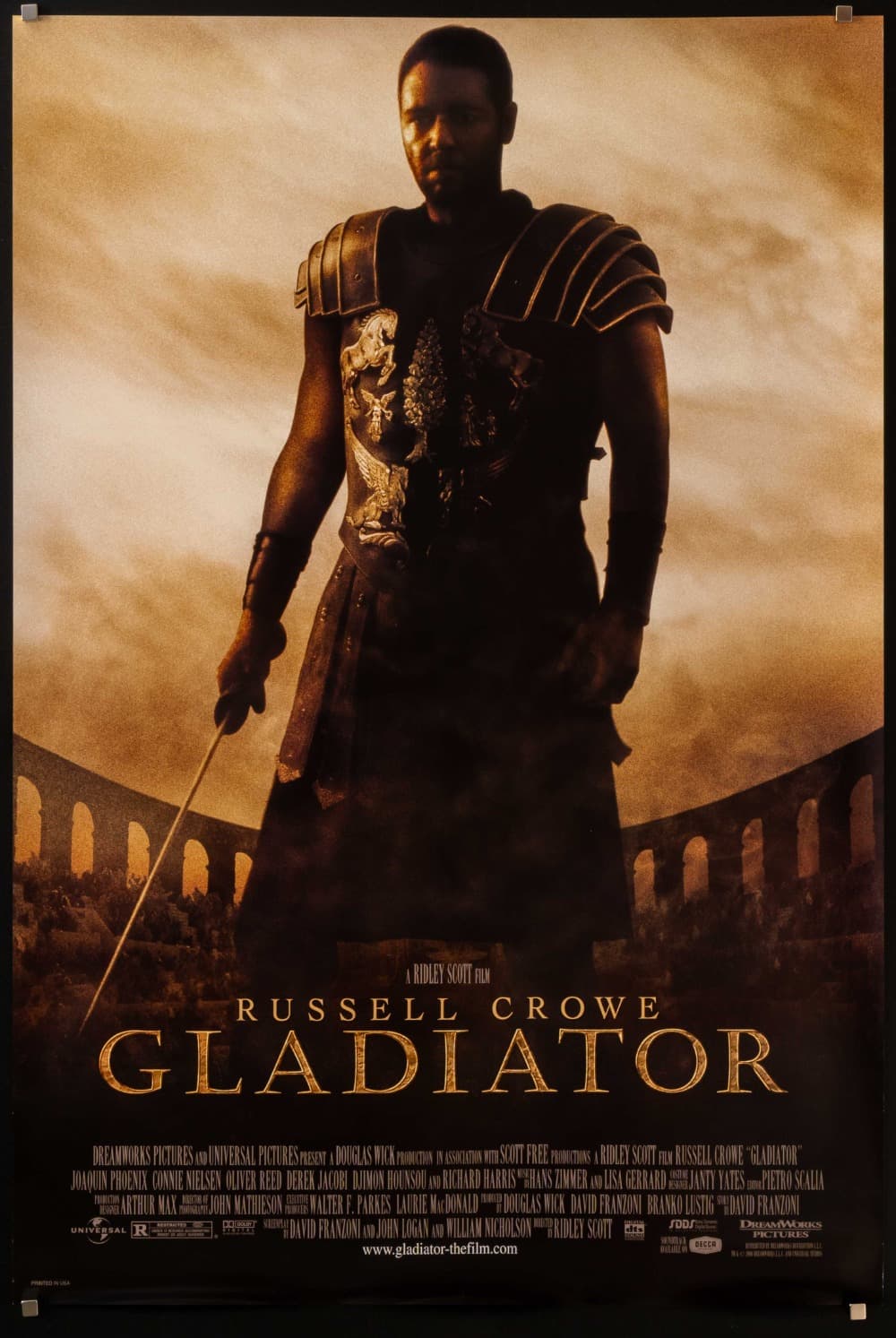
It dragged the Roman epic back after thirty-five years of dormancy: Russell Crowe's fury is the whole engine, and the arena sequences still deliver everything they promise.
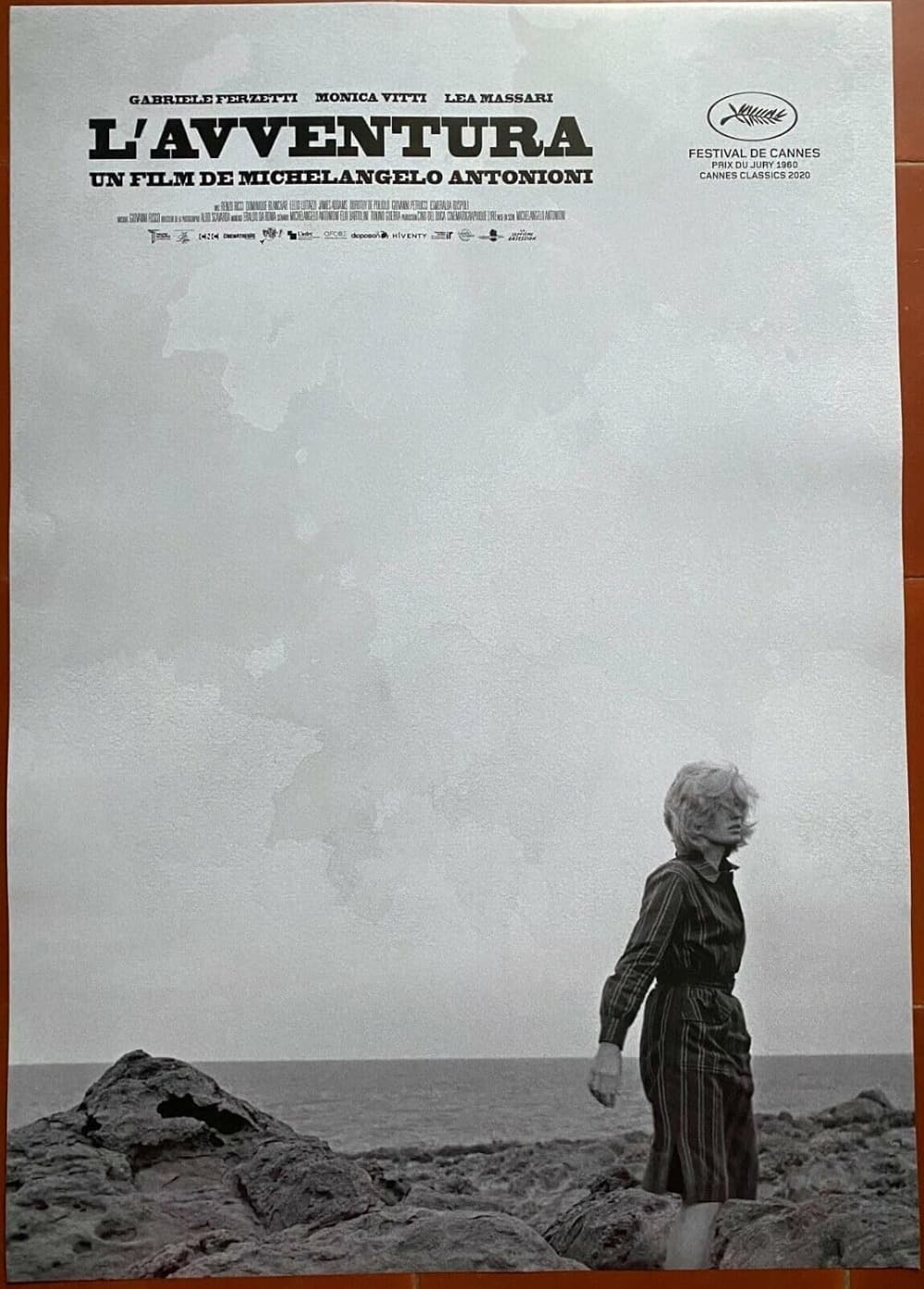
It was booed off the screen at Cannes and won a prize at the same festival: Antonioni made drift and boredom into subjects, and cinema has been arguing since.
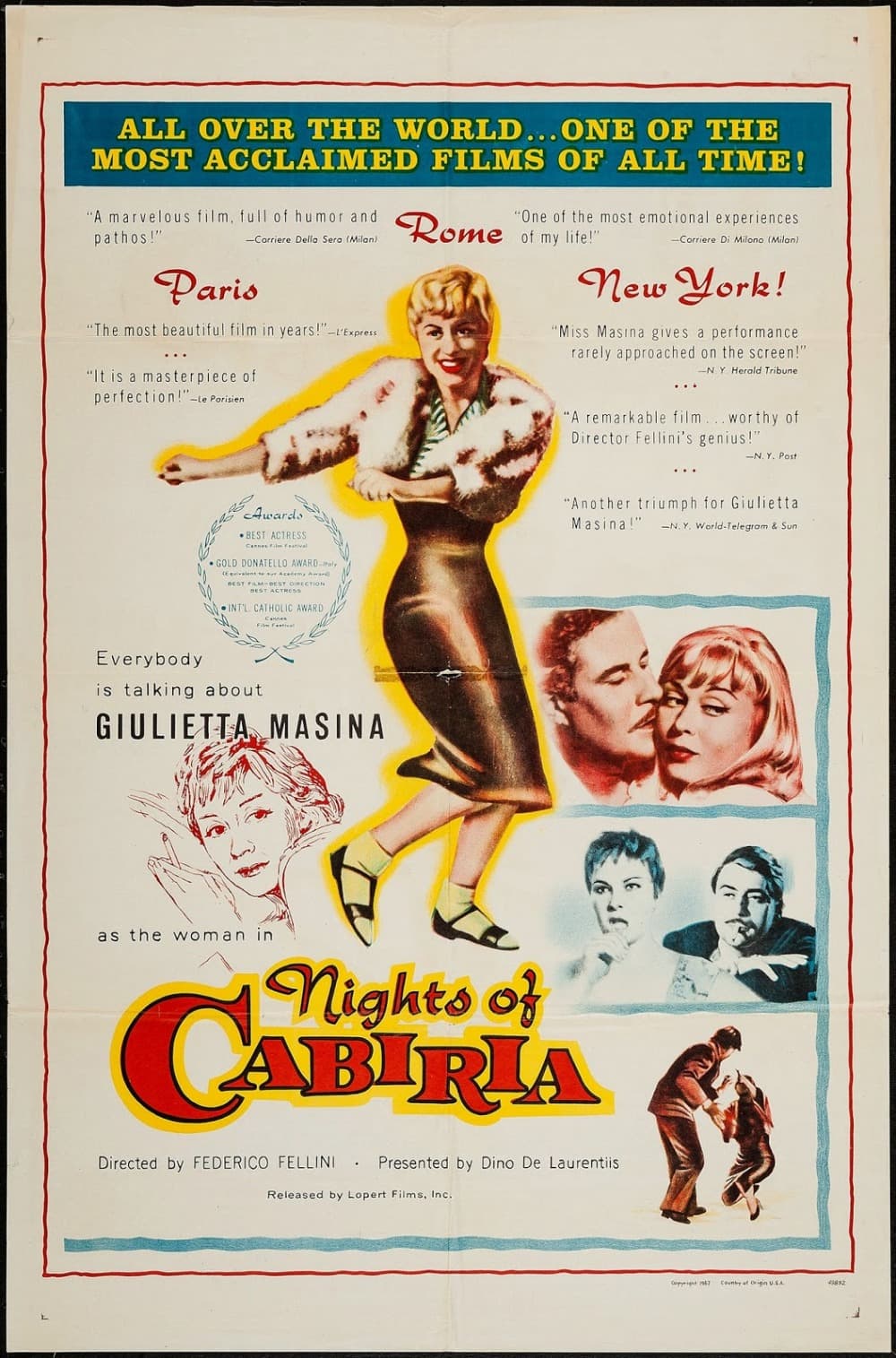
Giulietta Masina gives the performance that everyone remembers from Fellini: a Roman streetwalker keeps hoping harder than her luck deserves, and the film never once pities her.
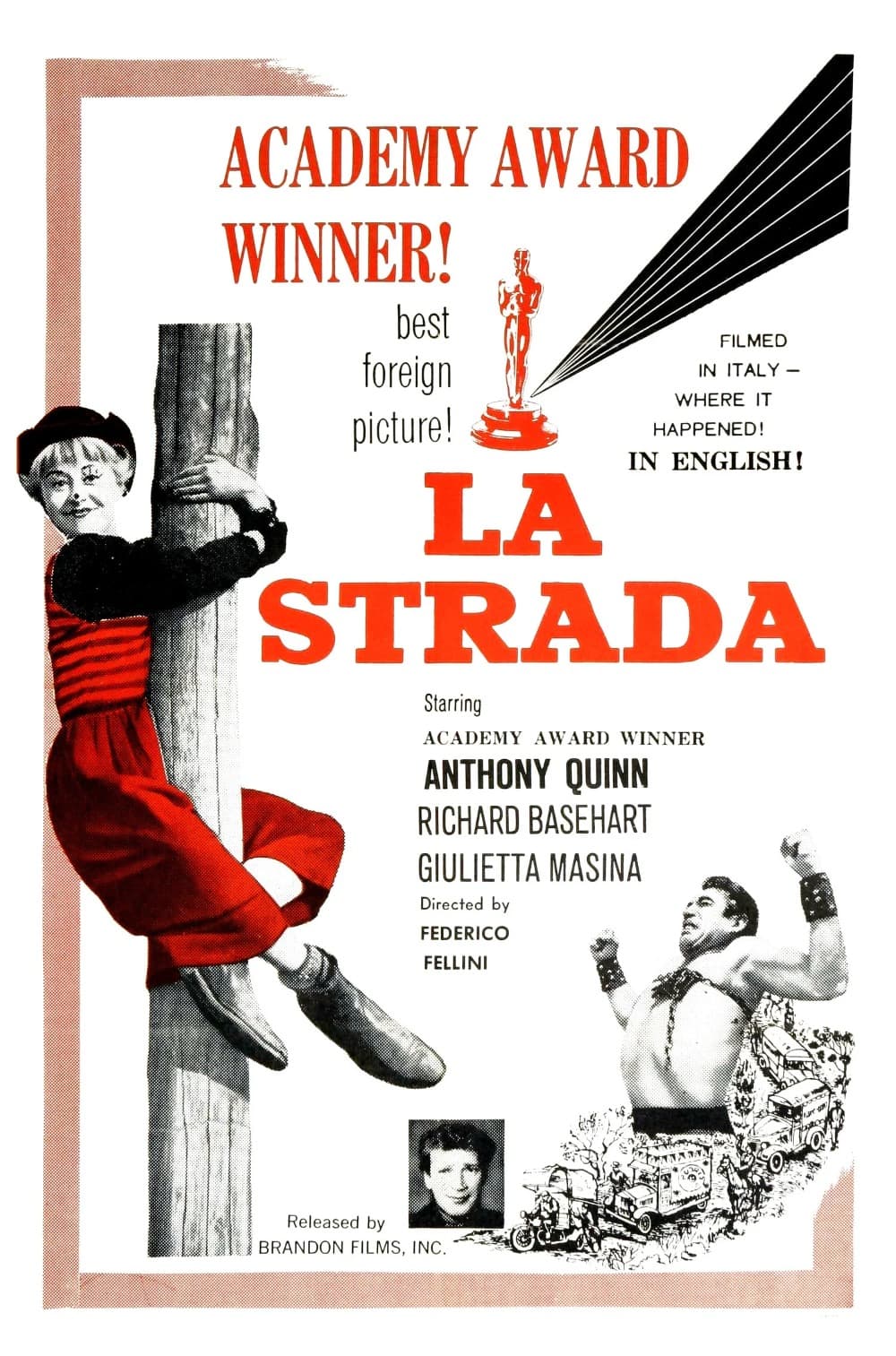
It took the very first competitive foreign language Academy Award, and Giulietta Masina is the reason: her face does more with one shrug than most performances manage in full.
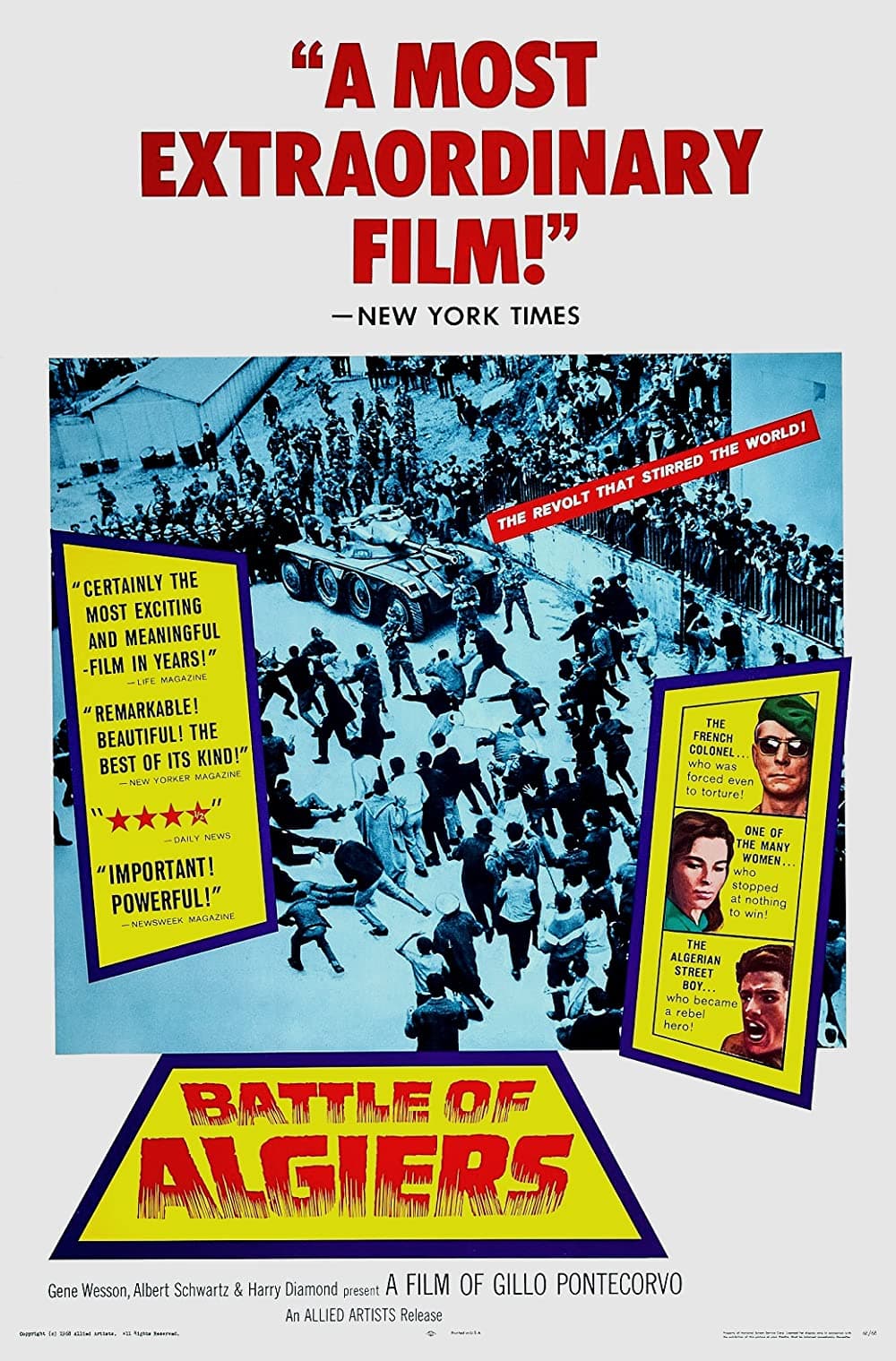
Both armies and revolutionaries have studied it as a manual: Pontecorvo staged the Algerian insurgency so plainly that audiences have always mistaken parts of it for newsreel footage.
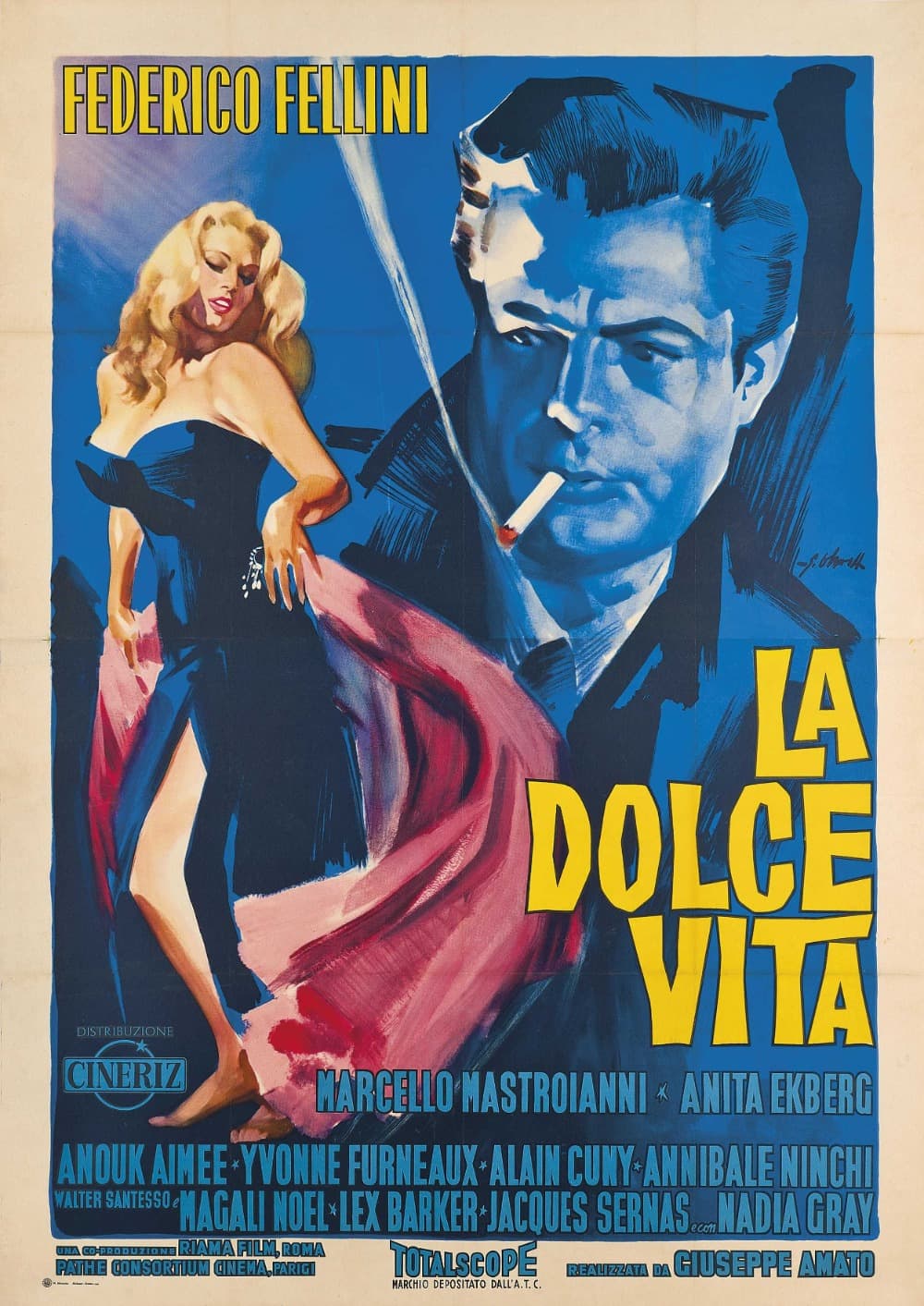
It put the word paparazzi into every language on earth: Fellini drifts through seven Roman nights of parties and beautiful exhaustion, and the fountain at dawn became permanent.

No spaghetti western got higher, and no film score is better known: Leone shoots faces like landscapes, and Morricone's music does as much work as the dialogue.

The western as ritual: Leone holds on faces until the tension turns physical, gives every character a Morricone theme, and makes three hours feel like a ceremony.