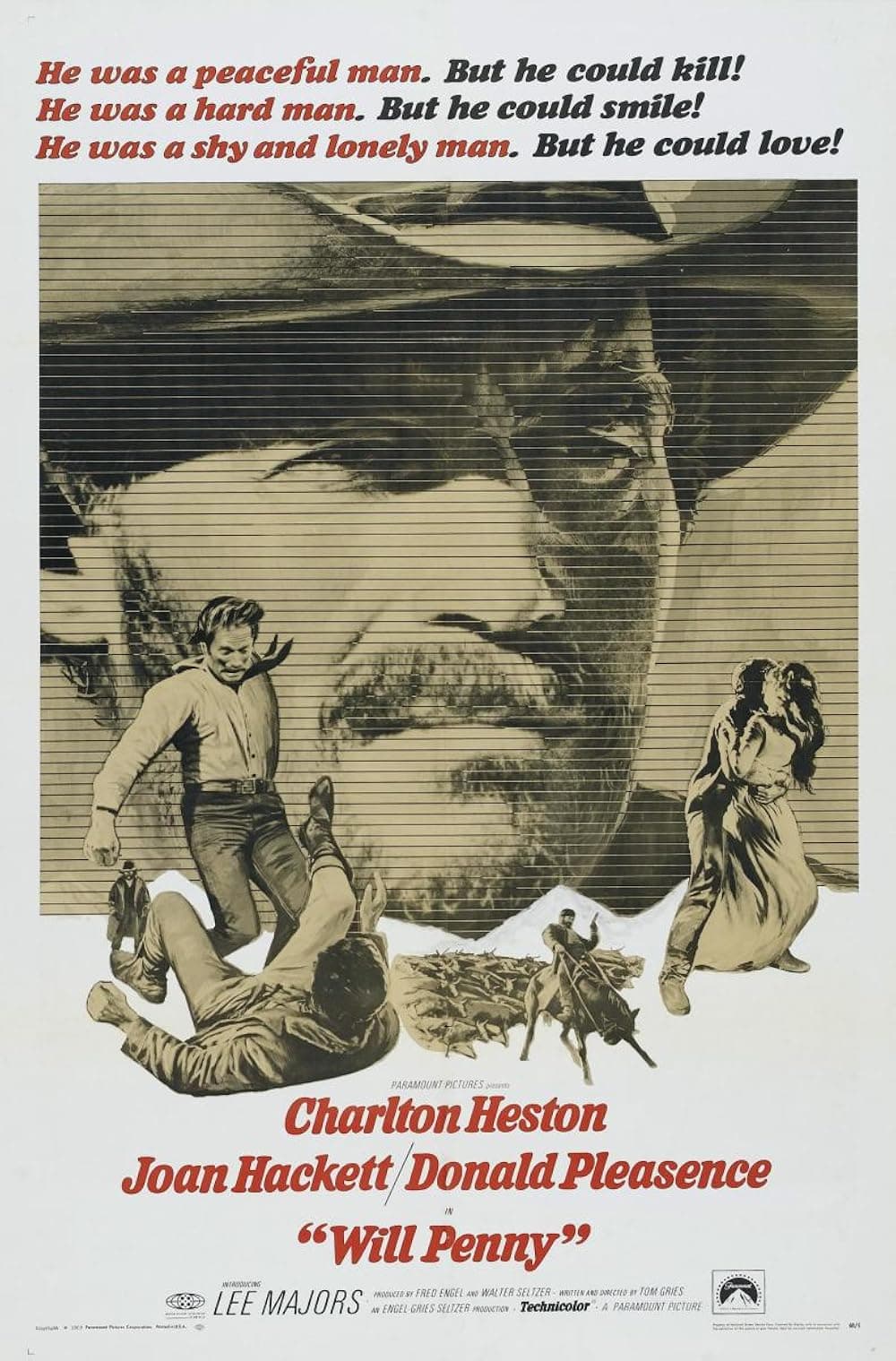
Will Penny
Directed by Tom Gries
1968
Charlton Heston called it his own best film and almost nobody saw it: an illiterate middle-aged cowhand with no property and no prospects, and the frontier offers him nothing.
★ 1.6
 skopia
Charlton Heston called it his own best film and almost nobody saw it: an illiterate middle-aged cowhand with no property and no prospects, and the frontier offers him nothing.
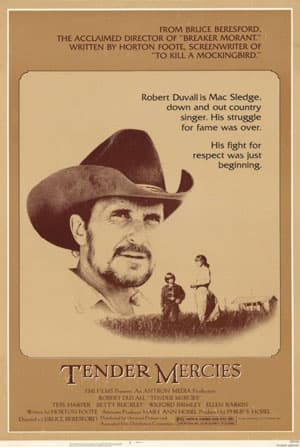
Robert Duvall wrote and sang his own songs, then took Best Actor for the quietest work of his life: a broken country singer stops drinking at a Texas motel and stays.
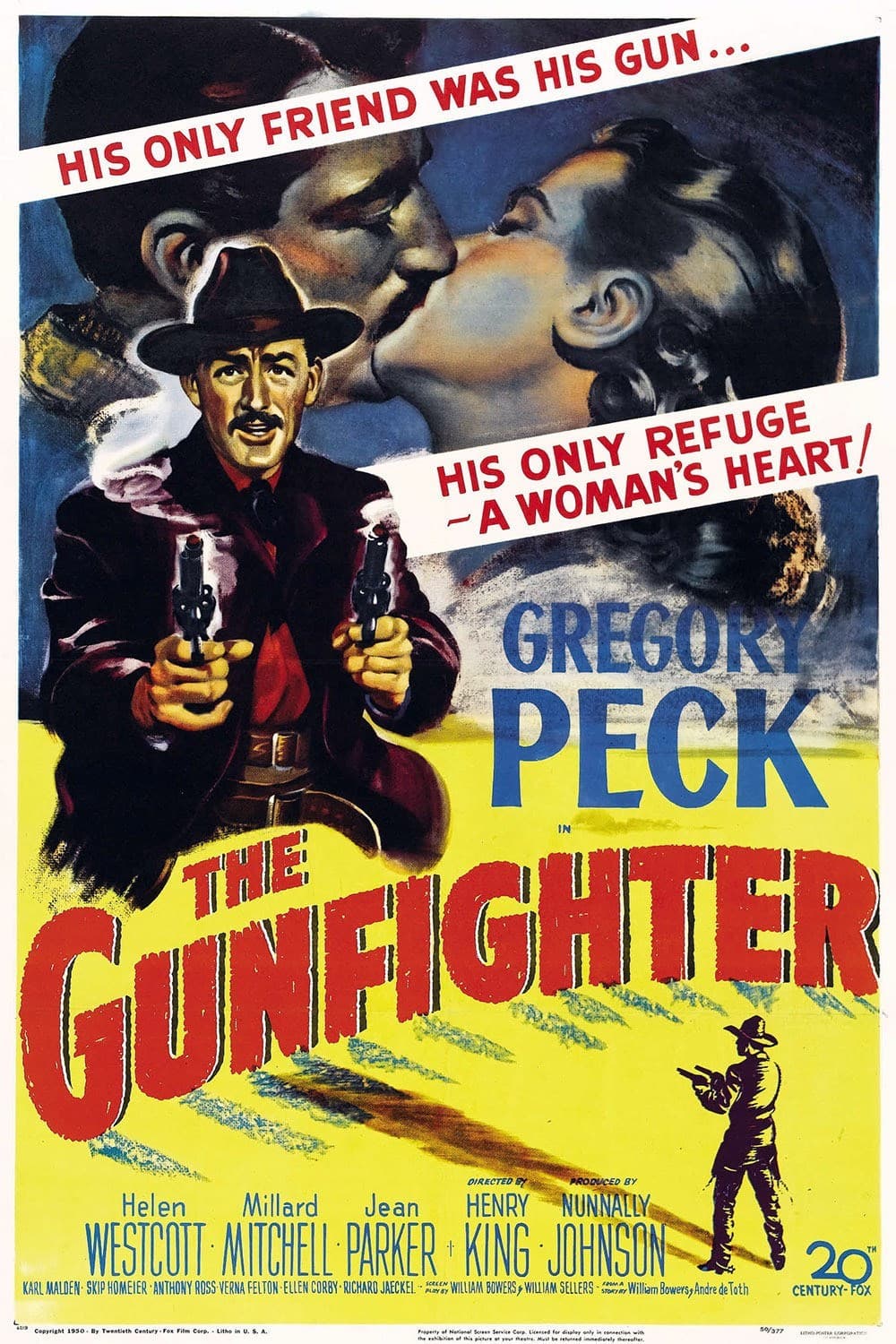
Gregory Peck plays the fastest gun alive as an exhausted man who wants a quiet drink: every revisionist western owes the premise, and Zanuck blamed the mustache for the box office.
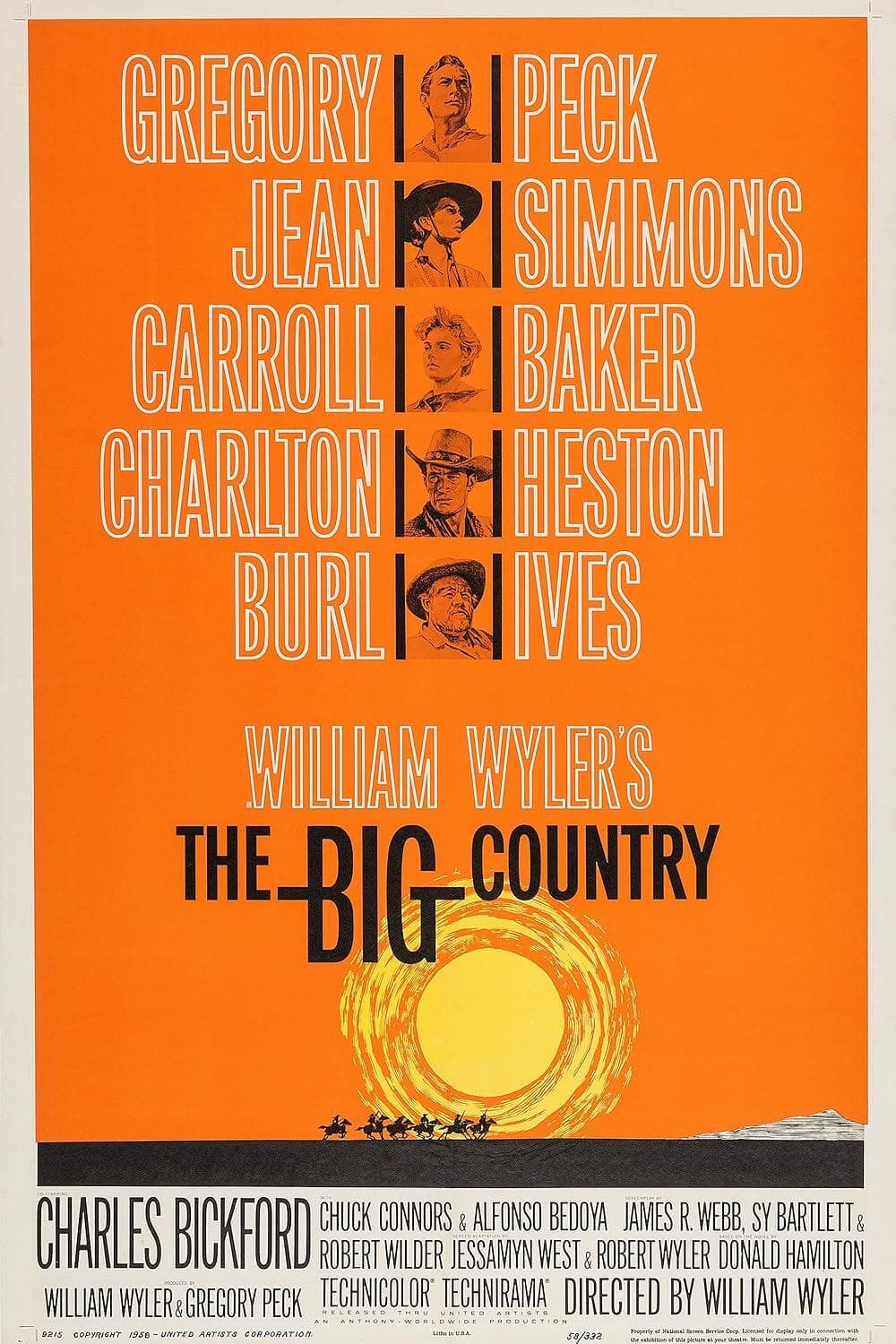
Jerome Moross wrote the score American westerns have been quoting ever since: a sea captain arrives in Texas and refuses to prove anything to anybody, which nobody there can forgive.

Bob Dylan wrote the score, appears in it, and gave the world Knockin on Heaven's Door: MGM cut Peckinpah's version to pieces, and the restoration is a great elegiac western.
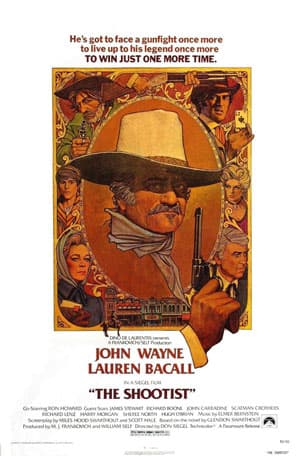
John Wayne's last film has him playing a gunfighter running out of time, which he knew he was: Don Siegel shot it plainly, and the whole genre says goodbye at once.
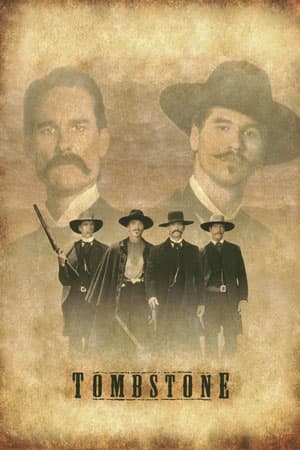
Val Kilmer's Doc Holliday is the reason people keep rewatching it: the film lost its director a month into shooting and still produced the most quotable western since the sixties.
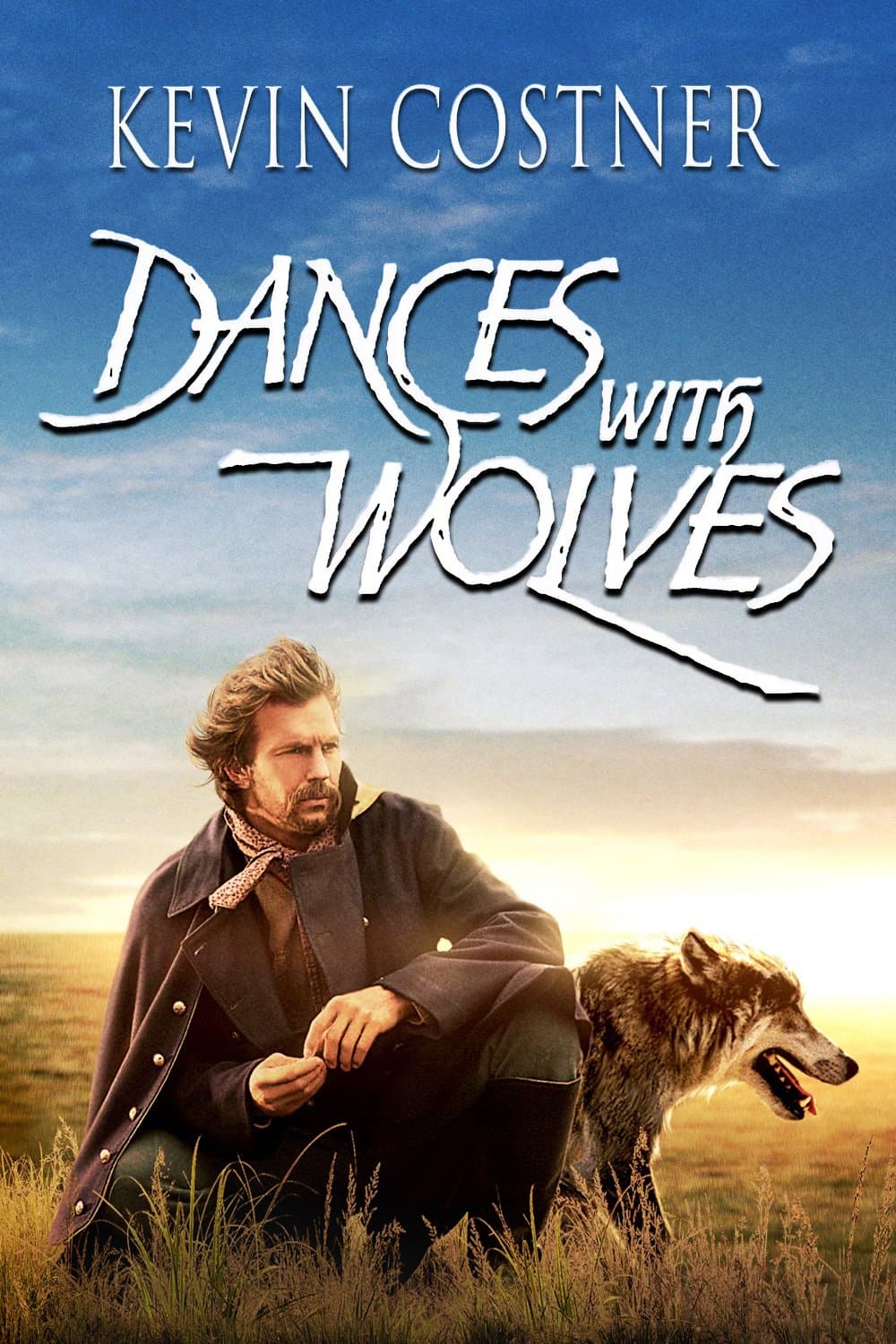
Costner directed it himself, shot a third of it in Lakota with subtitles, and everyone expected disaster: a Union officer posted to an empty frontier fort starts keeping company with his neighbors.
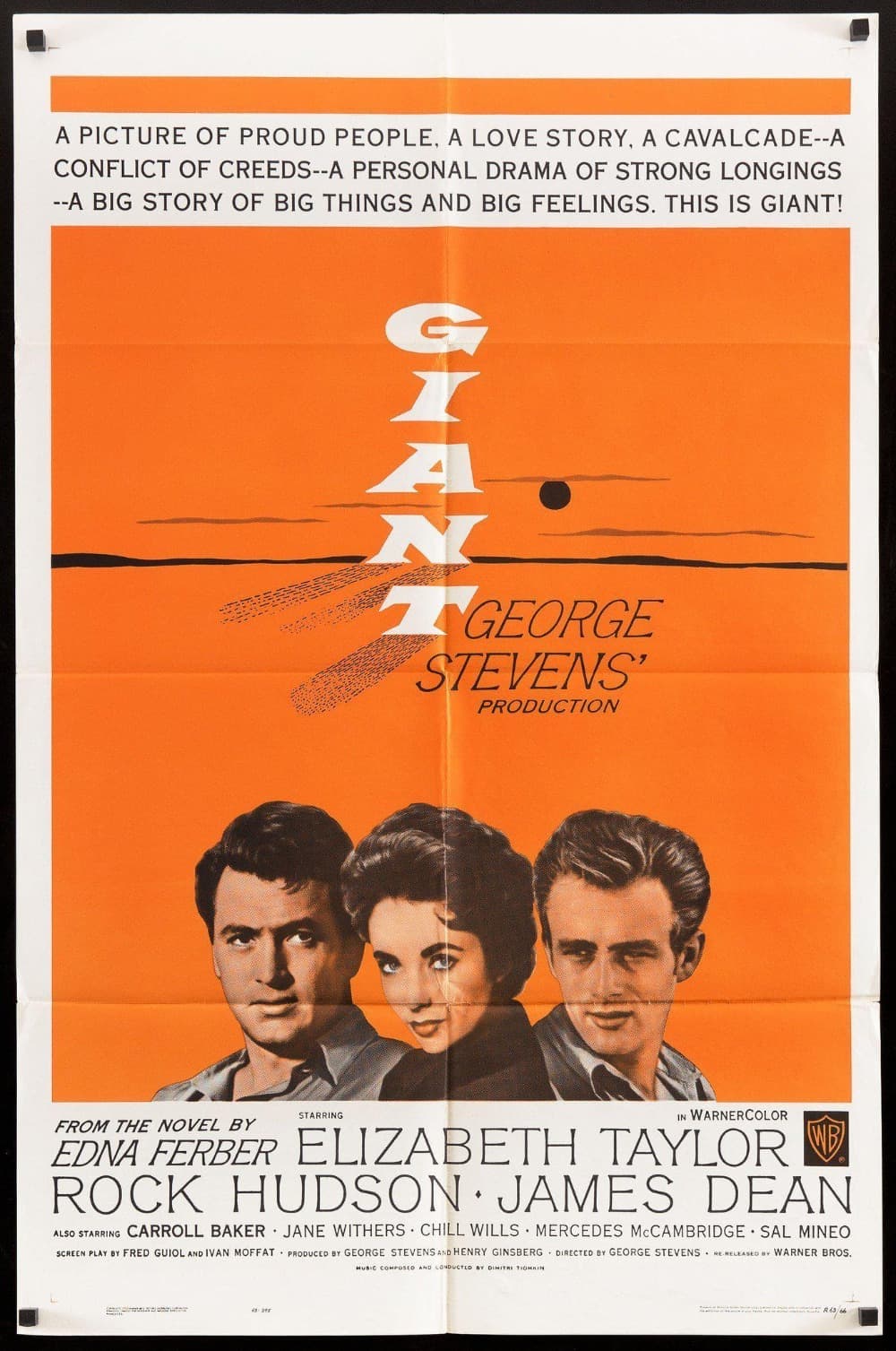
James Dean died before it was finished and his last scenes had to be dubbed: three hours of Texas oil money, filmed as a family argument that runs thirty years.
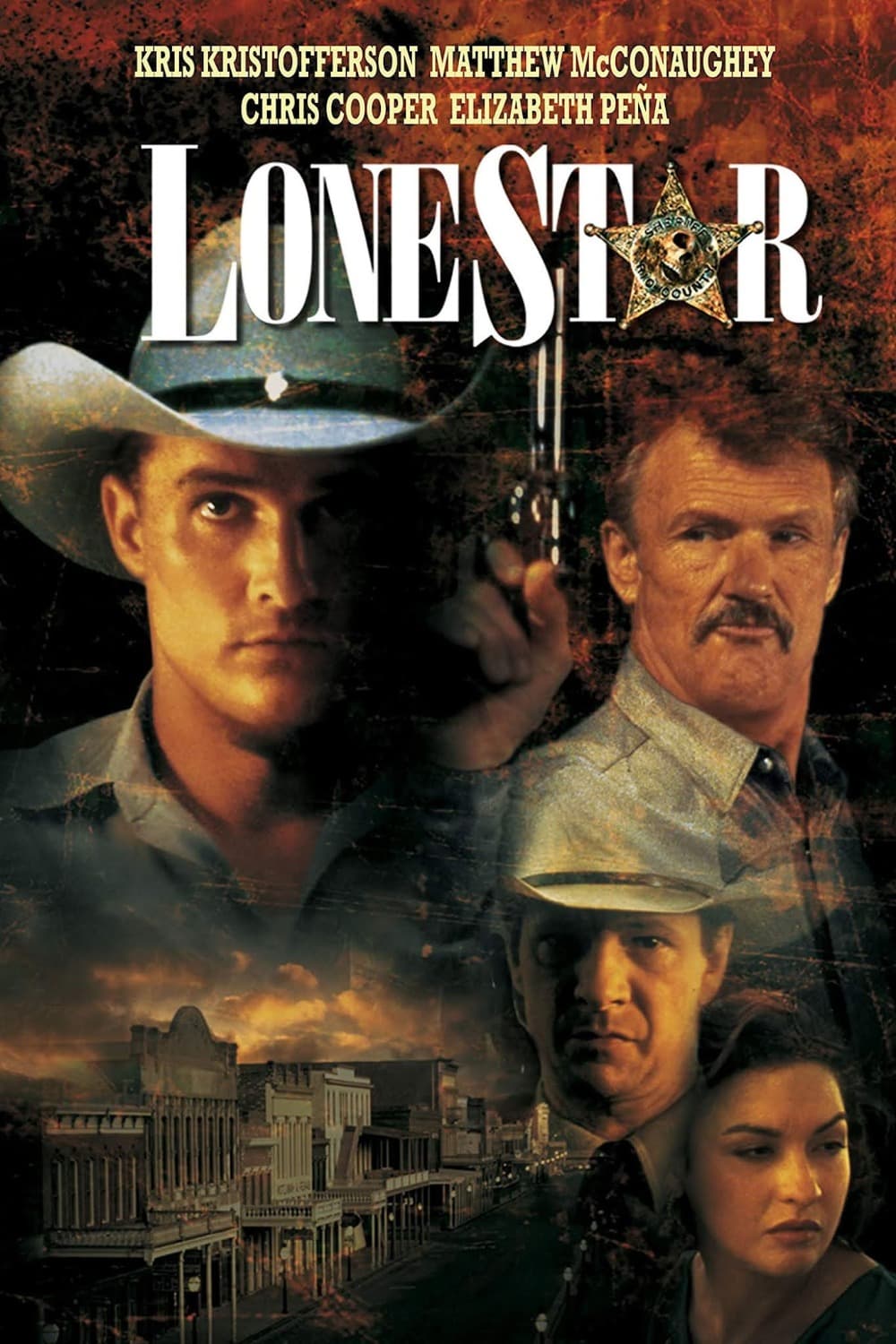
Sayles moves between past and present without a cut, panning from one decade into another: a Texas border town excavates a forty-year-old murder and finds the whole town's history attached.
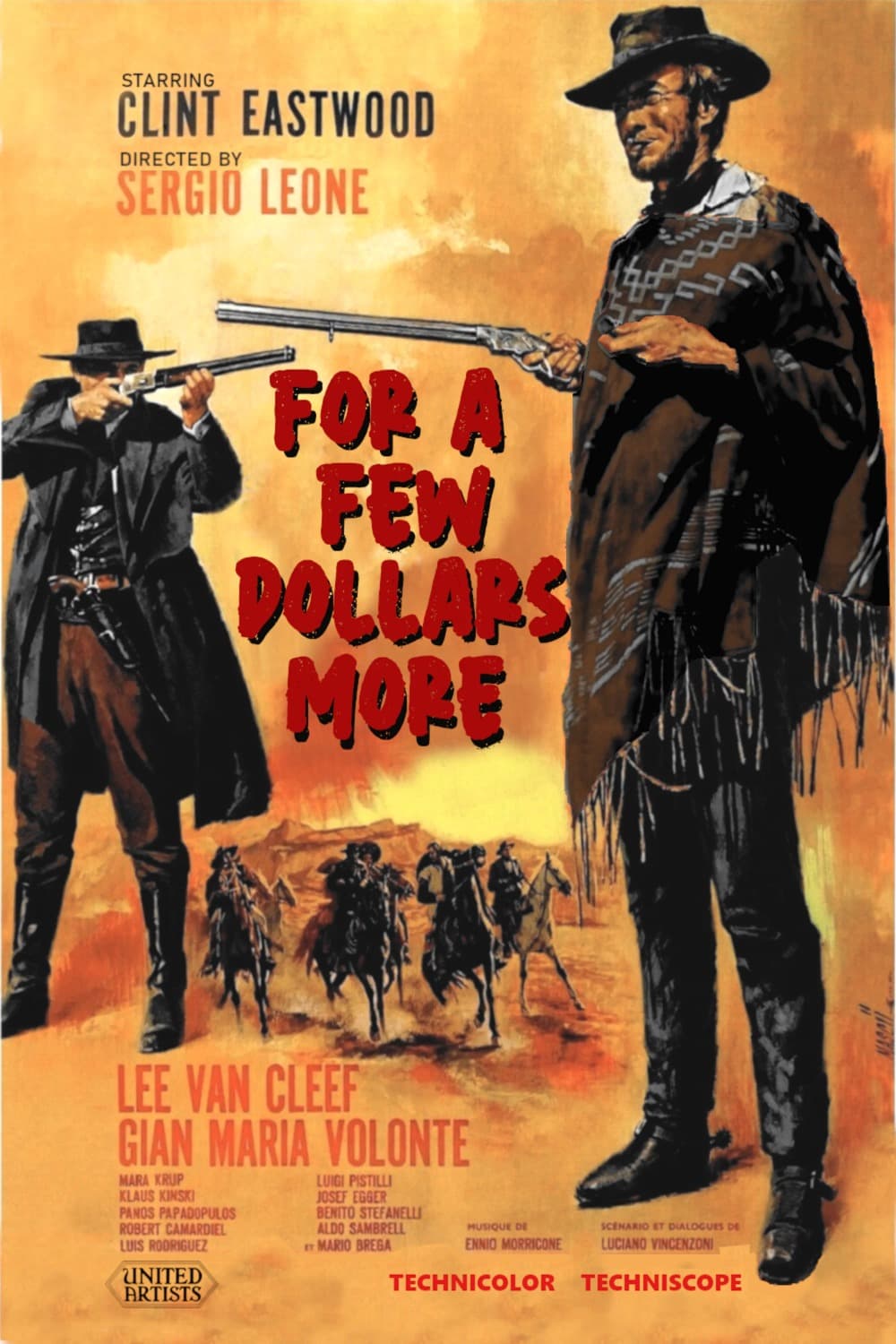
Leone found the shape of his westerns here: two bounty hunters circle each other for two hours, a musical pocket watch counts down the duel, and Morricone times the whole film.
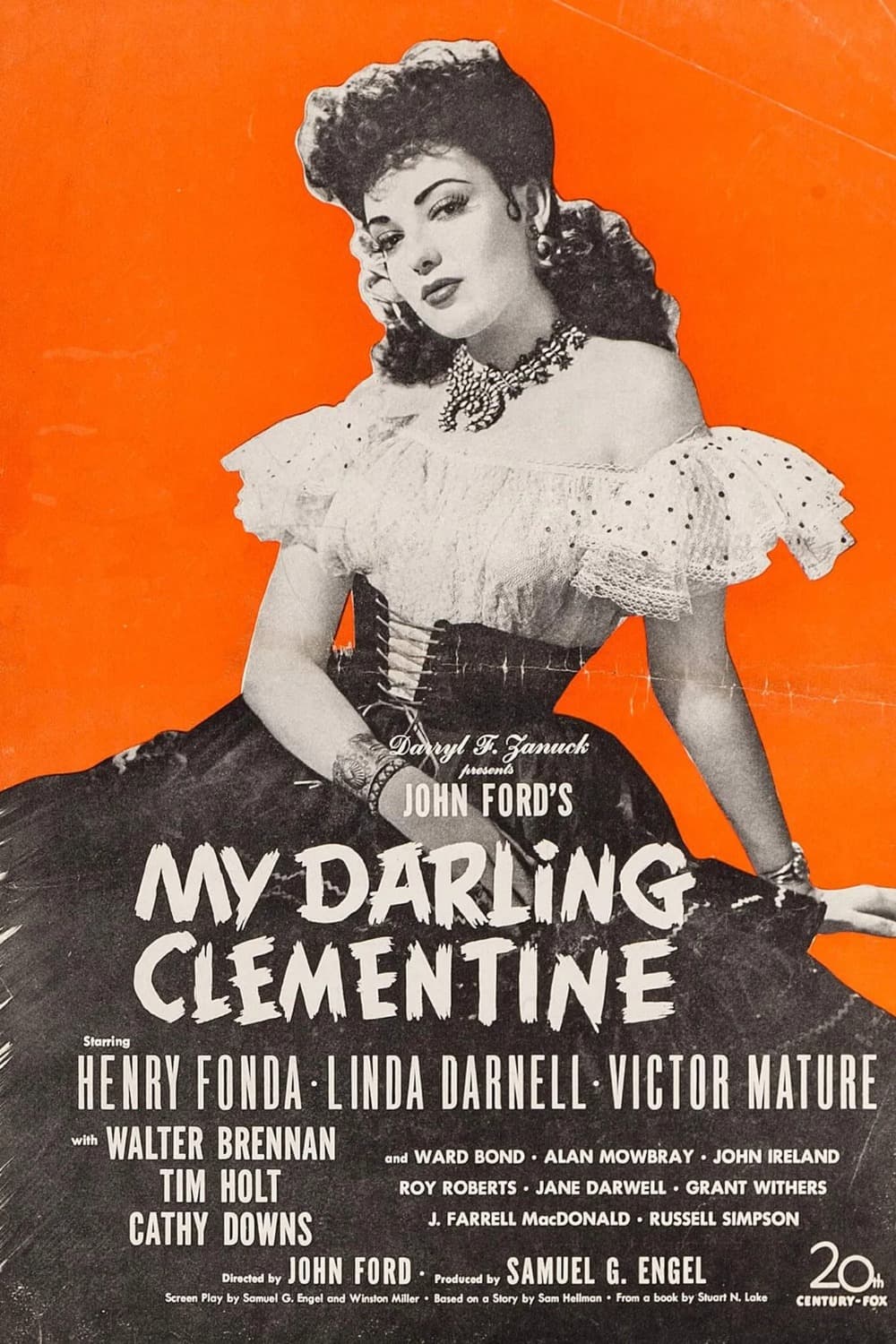
Ford claimed Wyatt Earp himself described the gunfight to him: what stays with people is not the shootout but a church dance on a bare wooden floor under an unfinished roof.
Eastwood fired the director and took over, and the union wrote a rule to stop it happening again: a Missouri farmer rides out after the war and keeps collecting strays he never wanted.
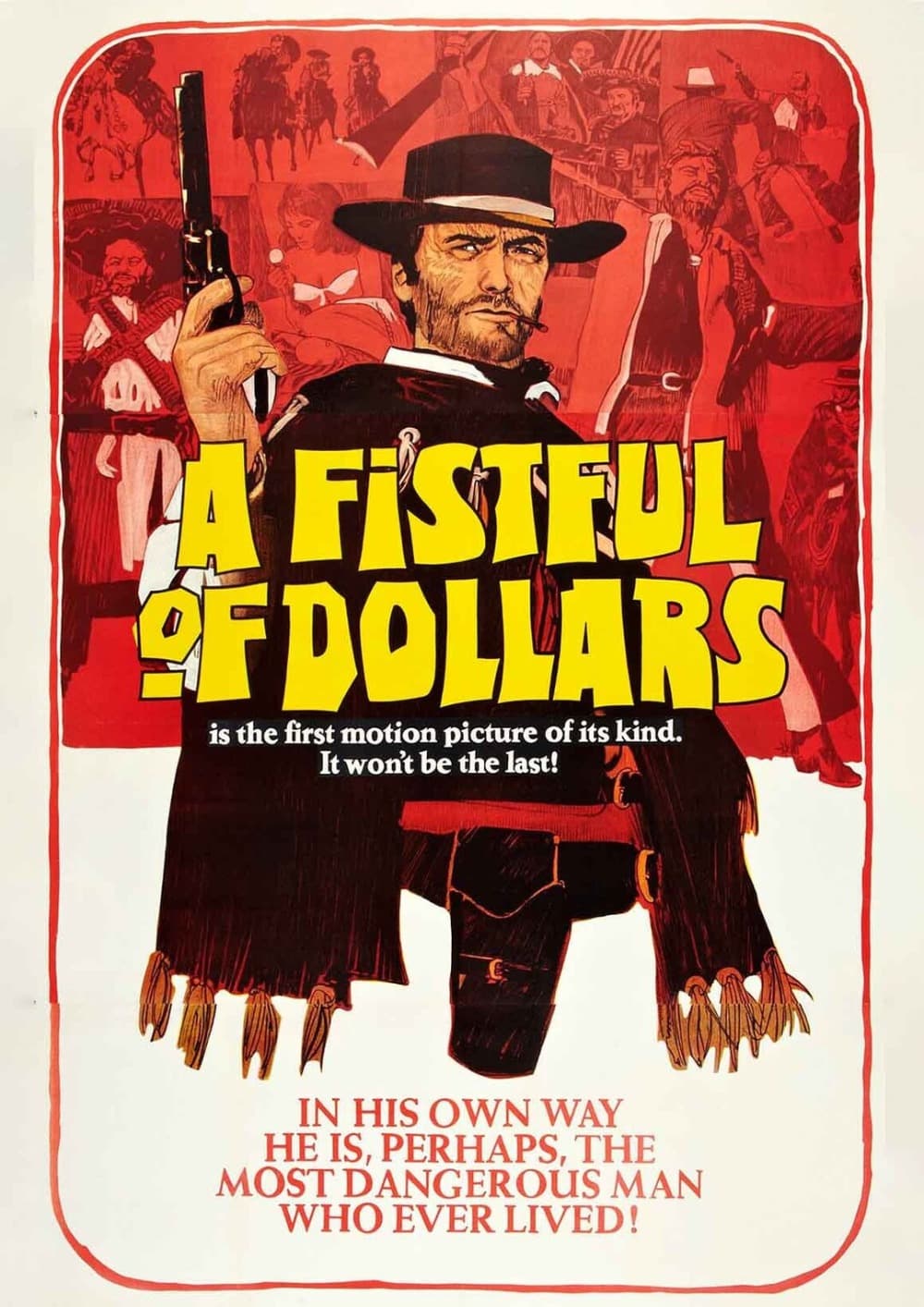
The spaghetti western became a genre with this, and Clint Eastwood became a star: Ennio Morricone's whistle, a poncho and a cheroot, and a drifter who tells nobody what he wants.
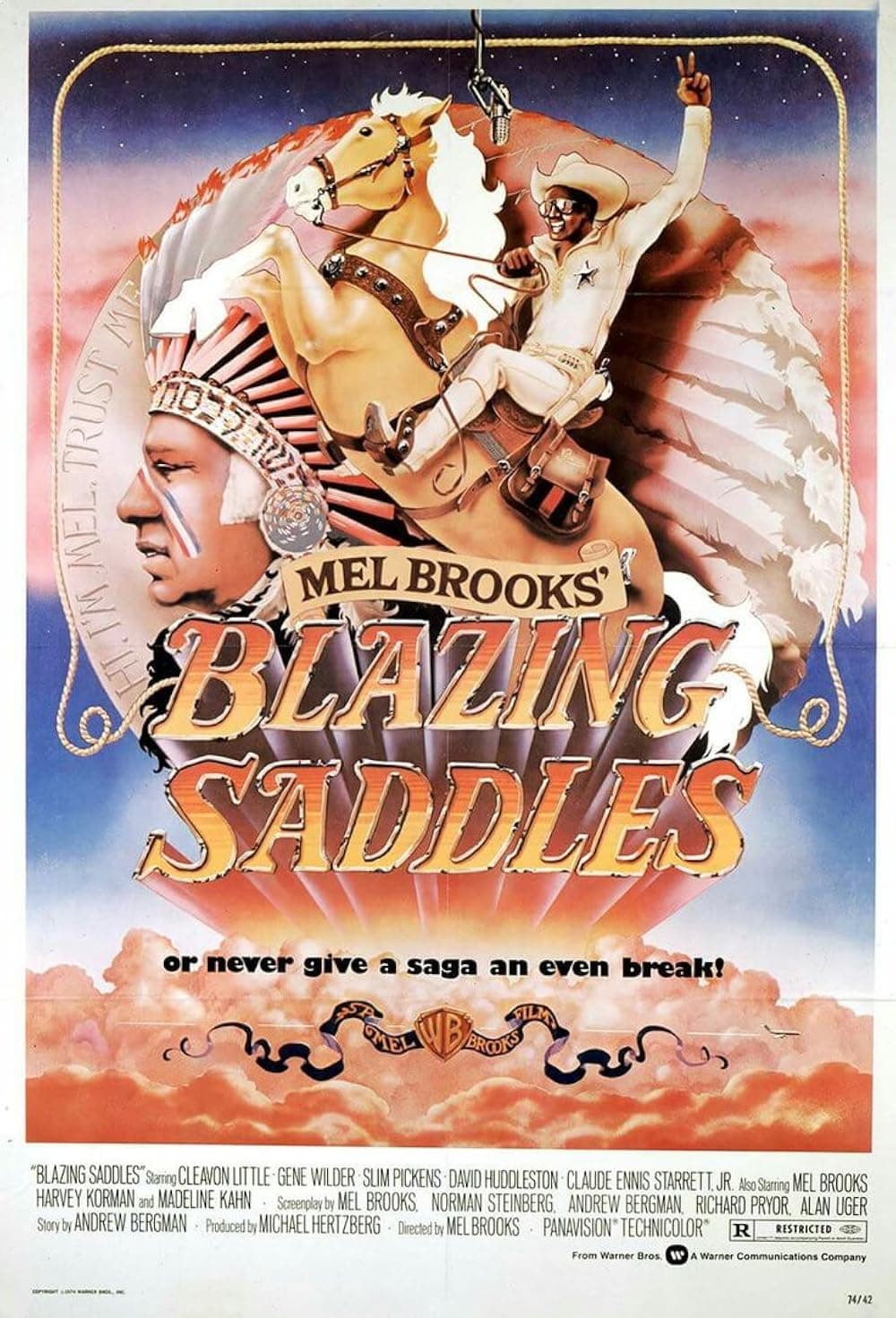
Brooks spent years saying it could not be made today and has since changed his mind: a Black sheriff arrives in a frontier town built on racism, and everybody gets hit.
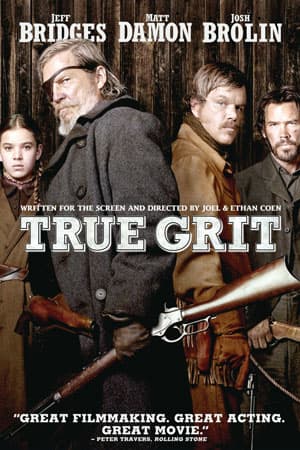
The Coens went back to Charles Portis's actual sentences and rationed contractions almost out of existence: a fourteen-year-old girl hires a drunk marshal to avenge her father.
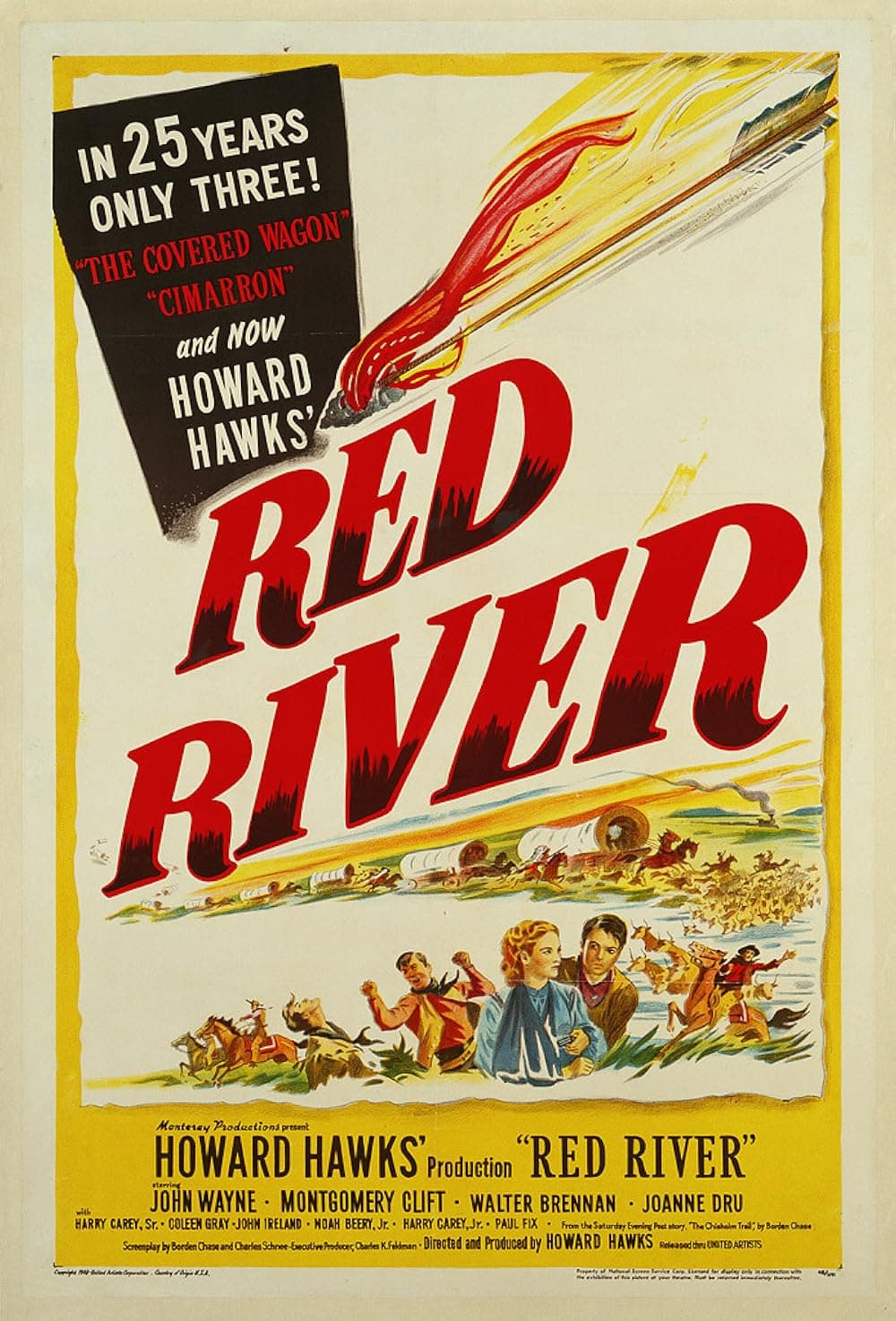
Ford said he never knew Wayne could act until he saw this: a cattle drive turns into a mutiny, and the man in charge becomes the thing to escape.
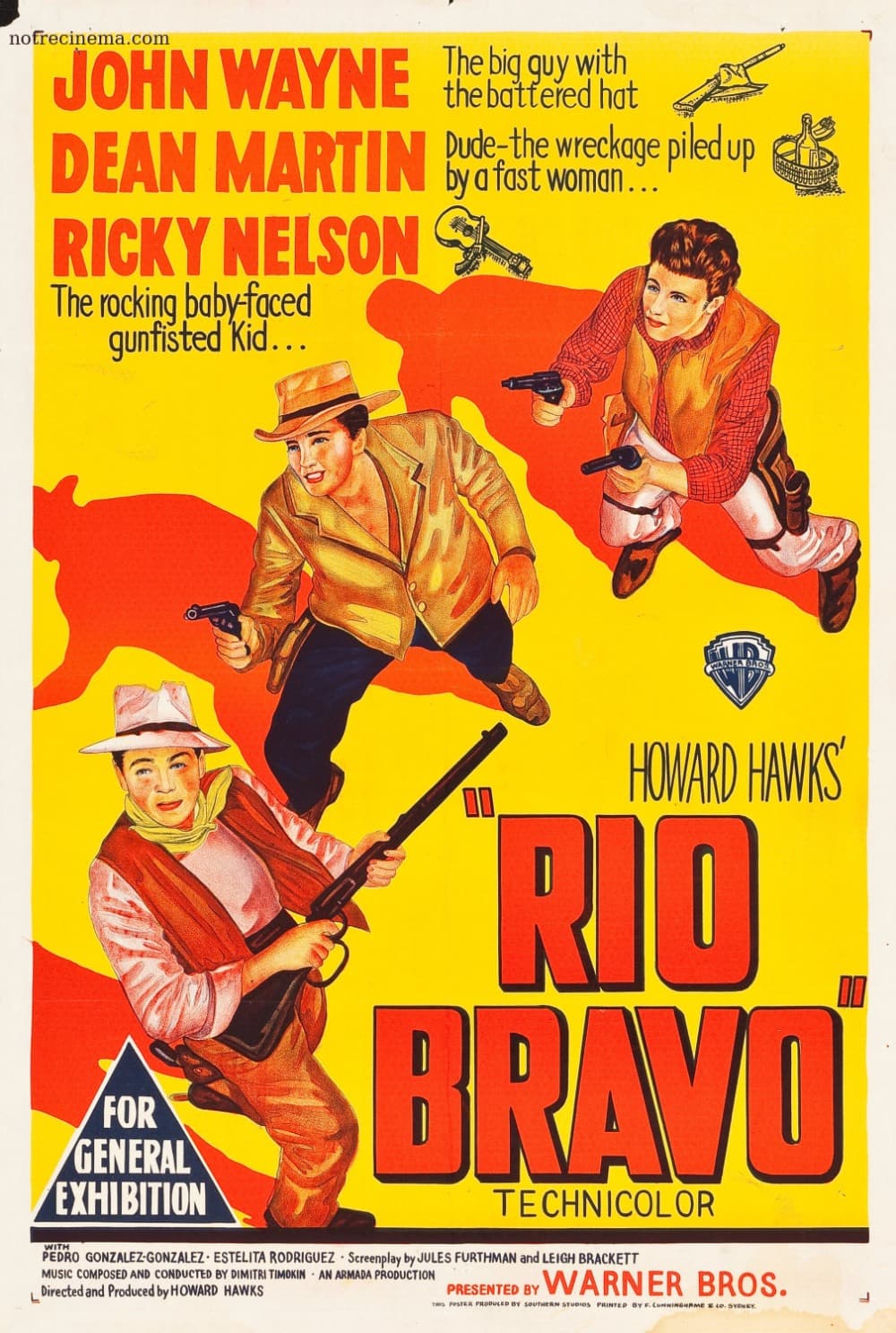
Hawks made it as an argument against High Noon: instead of a marshal begging for help, four flawed men hold a jail and enjoy each other's company doing it.

It made John Wayne a star, invented Monument Valley as a place in the American mind, and put nine strangers in one coach: every road movie descends from it.
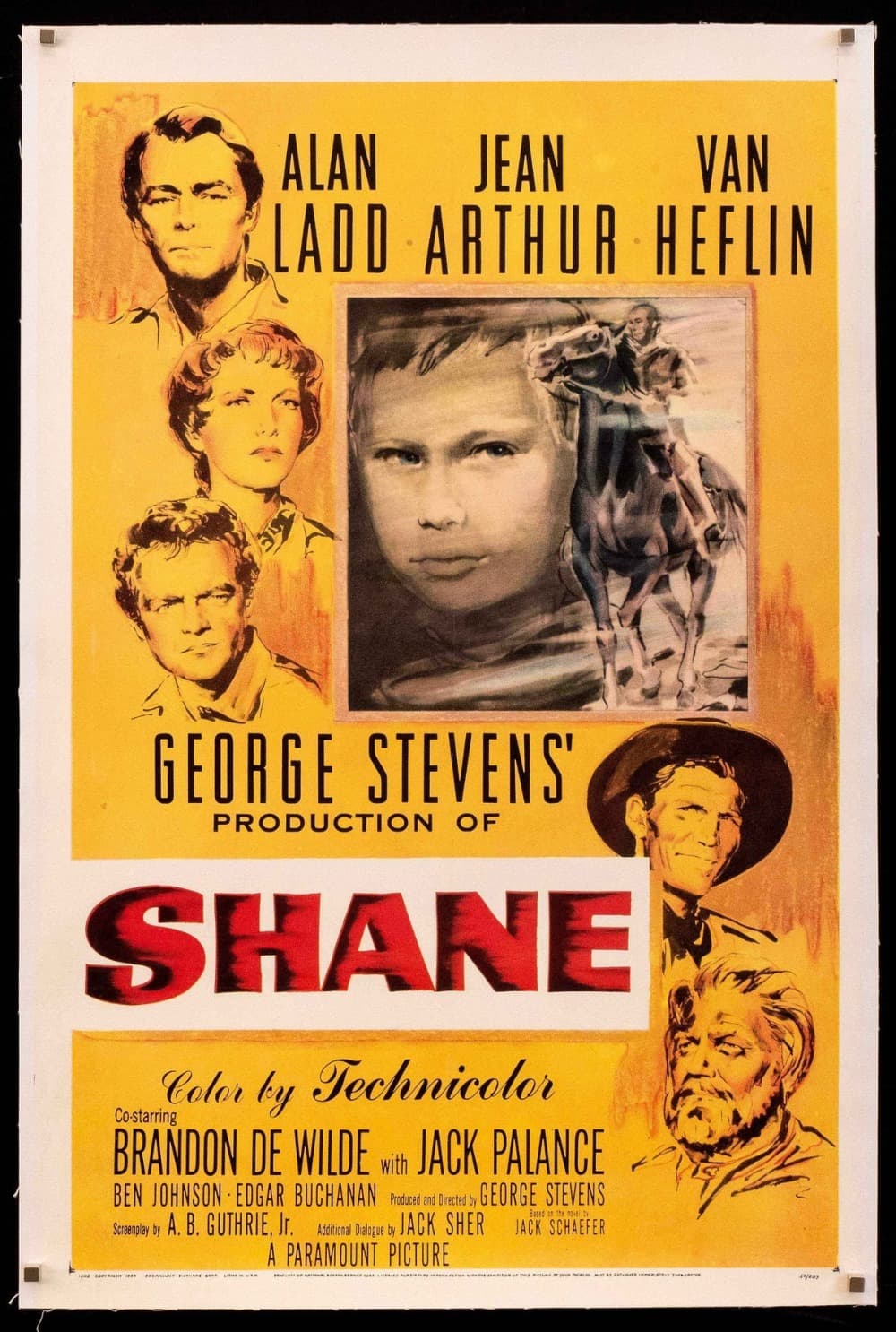
The western seen entirely through a small boy's worship, which is the honest way to look at it: a gunfighter tries to stop being one and cannot.