
Once Upon a Time in the West
Directed by Sergio Leone
1968 · Italy
The western as ritual: Leone holds on faces until the tension turns physical, gives every character a Morricone theme, and makes three hours feel like a ceremony.
★ 9.0
 skopia
The western as ritual: Leone holds on faces until the tension turns physical, gives every character a Morricone theme, and makes three hours feel like a ceremony.
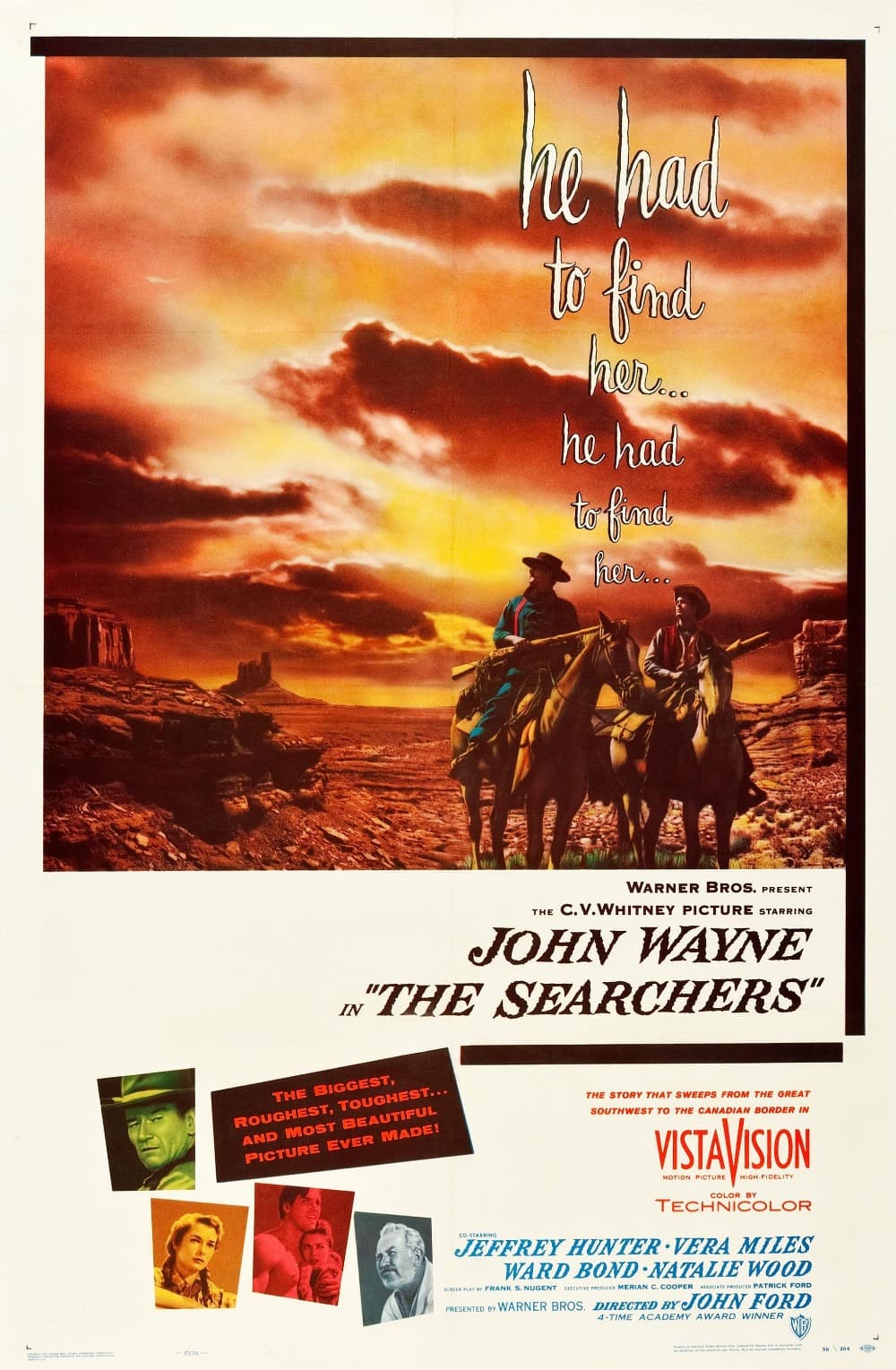
Other directors have been stealing from this western for seventy years: Ford put John Wayne's racism on screen without excusing it, and framed his story in a much-copied doorway.
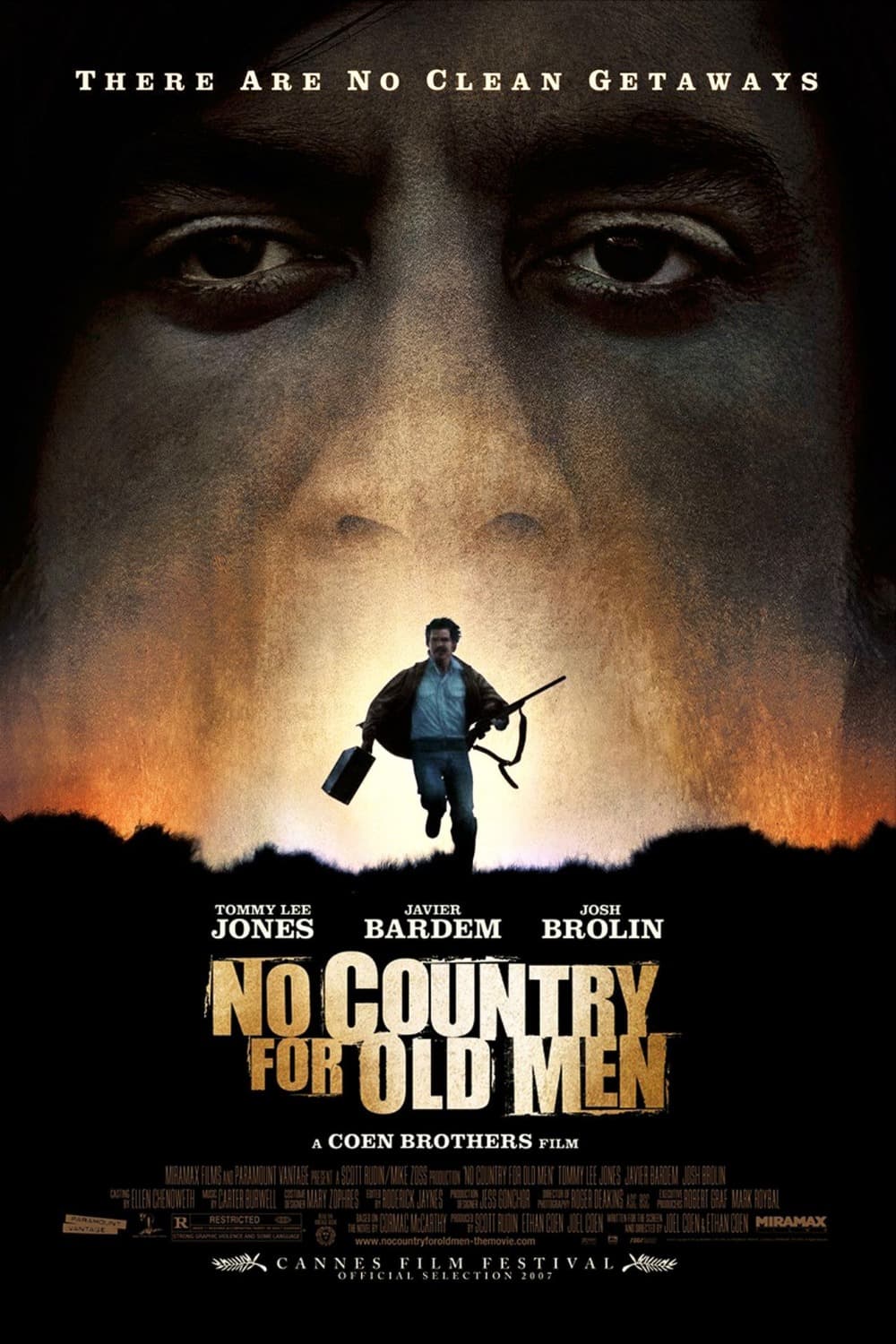
The Coens made a chase film with almost no music in it at all: Javier Bardem's killer with a cattle gun became the most frightening figure of the decade.

No spaghetti western got higher, and no film score is better known: Leone shoots faces like landscapes, and Morricone's music does as much work as the dialogue.
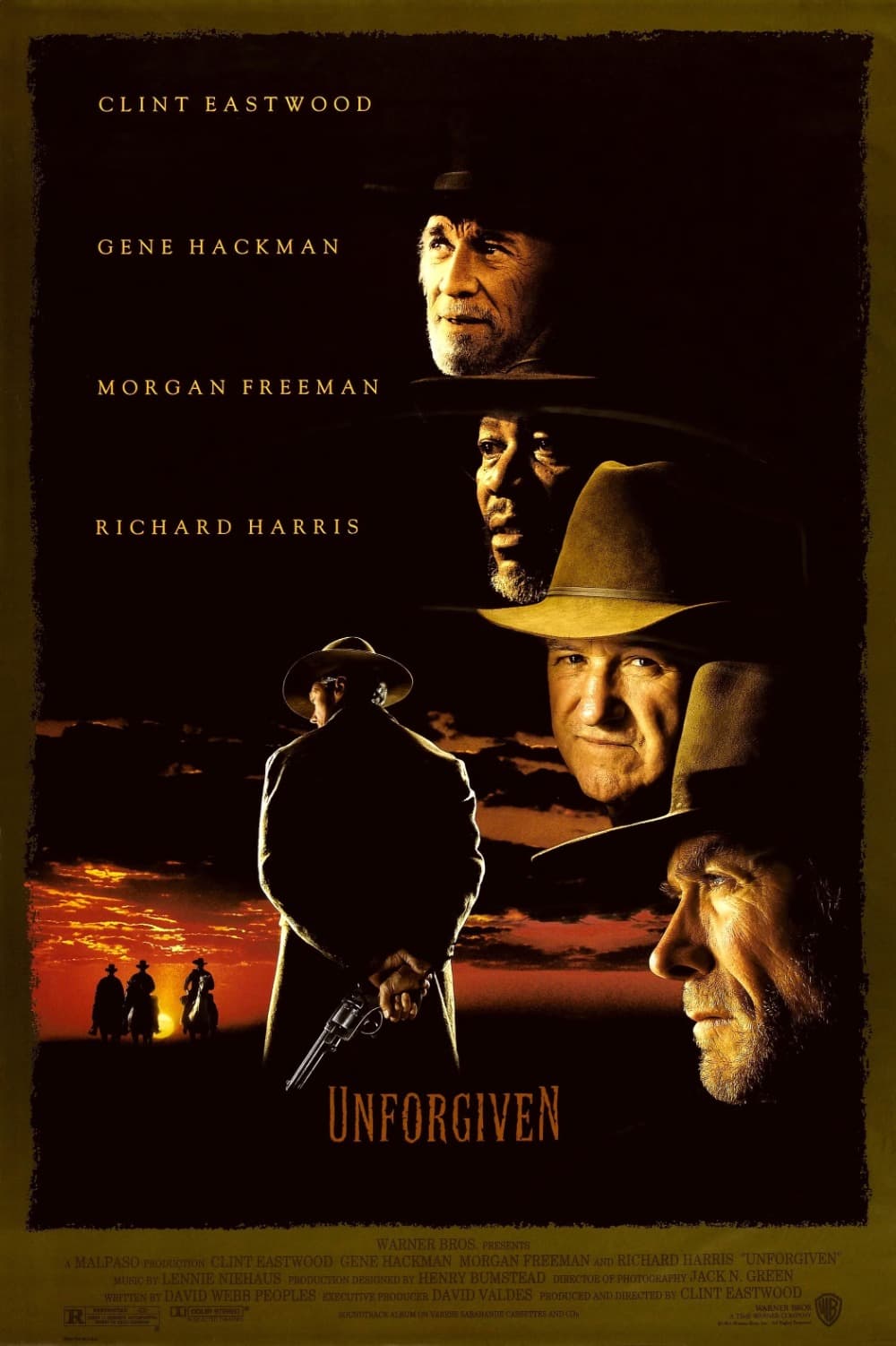
Eastwood spent thirty years building the myth this film takes apart: no western has been harder on the pleasure of violence, or on the men who deal it out.
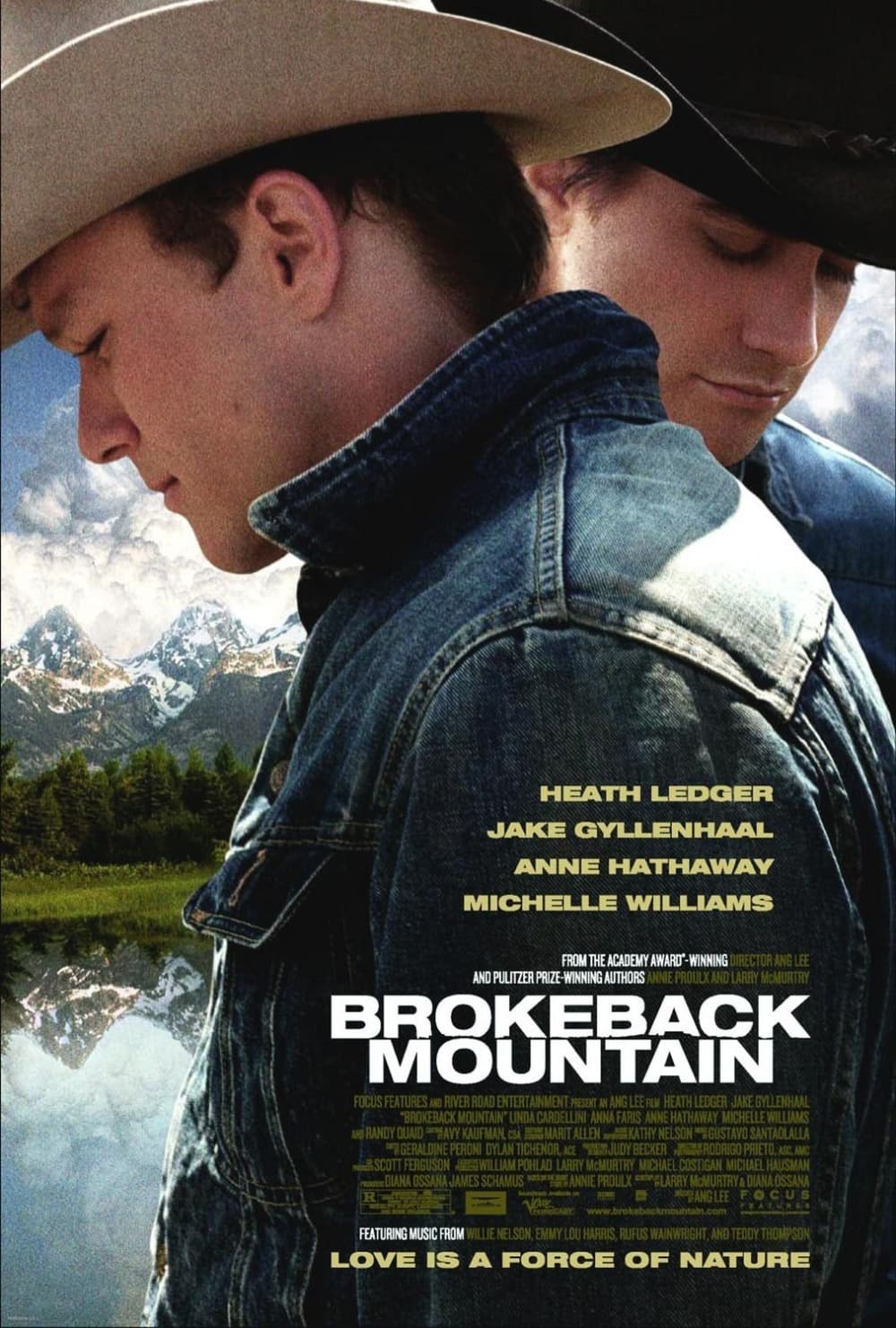
It changed what a mainstream American film could be about: Lee filmed twenty years of two men unable to say what they are, almost entirely in silence.

Ford's last word on the myths he spent forty years building: it gave American English the phrase about printing the legend, and it is the bleakest western he made.
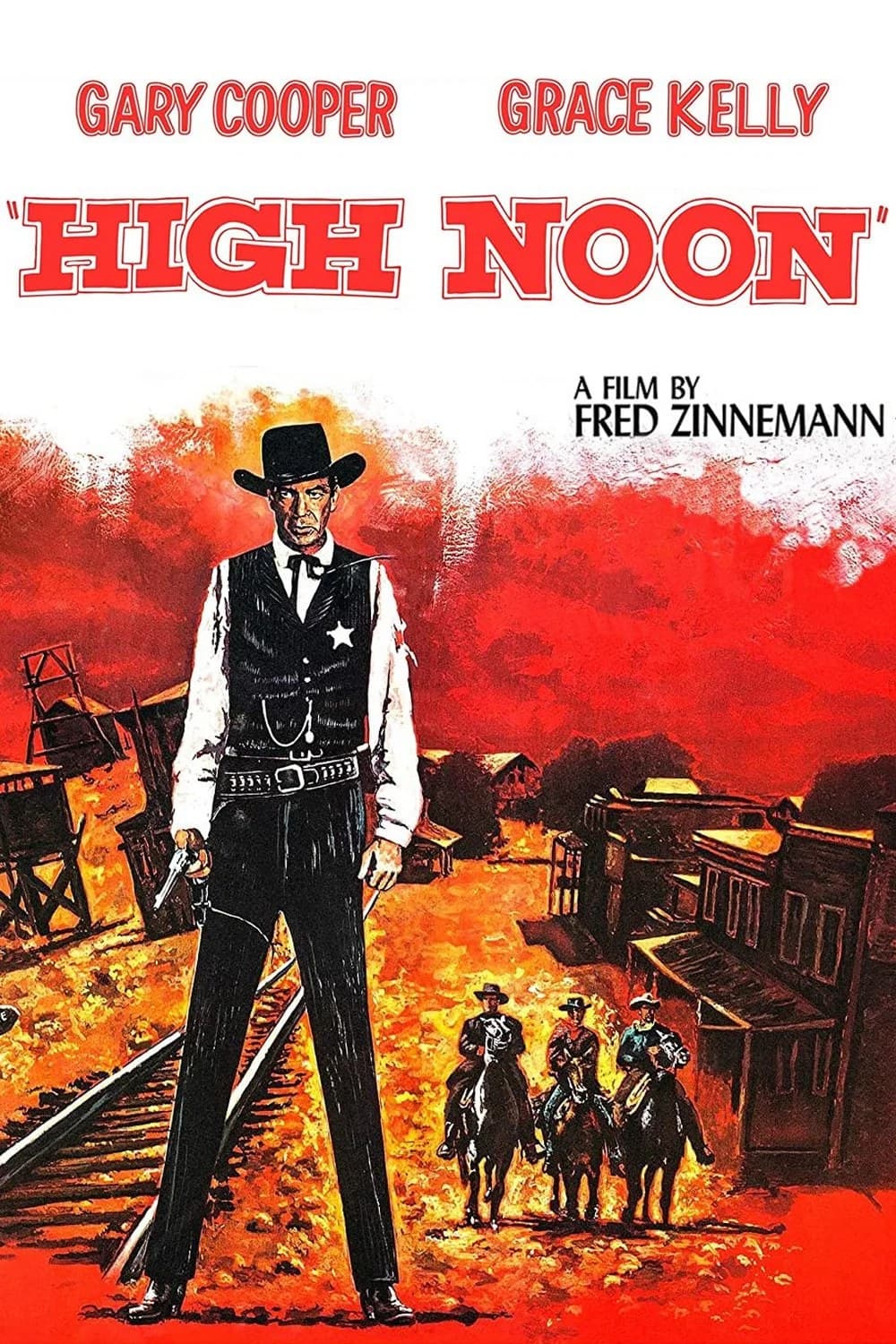
Written as an allegory about the blacklist by a man about to be blacklisted: a marshal has eighty-five minutes before the noon train, and the film runs them in step.
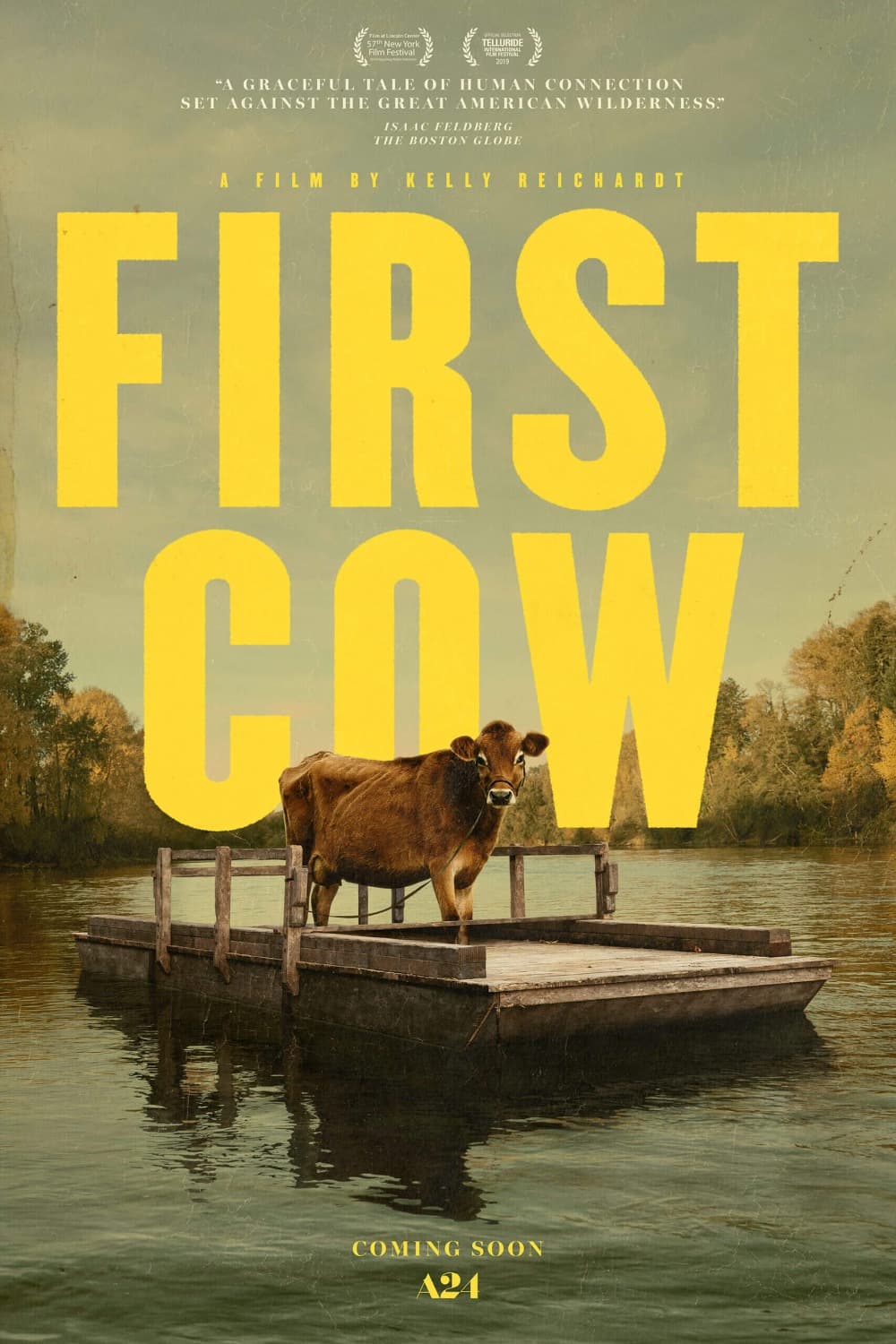
Reichardt makes the quietest films in American cinema, and this one is her warmest: two men on the Oregon frontier, one borrowed cow, and one very small crime.

Two men have never been better company on screen: Newman and Redford spend the film running out of frontier and enjoying each other far too much to panic.
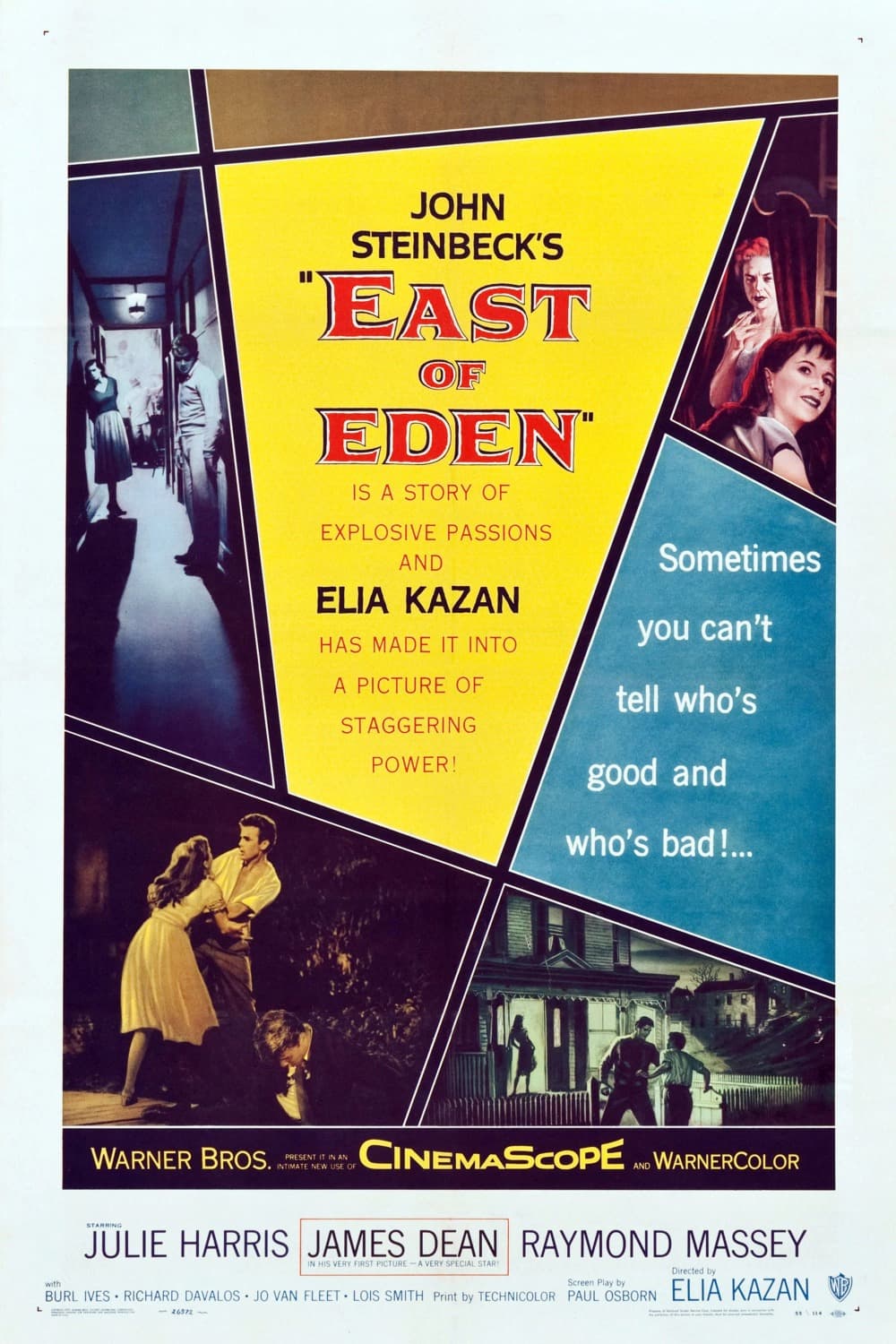
The only James Dean performance released while he was still alive: Steinbeck's Cain and Abel moved to a California lettuce valley, and Dean improvises his way through it.
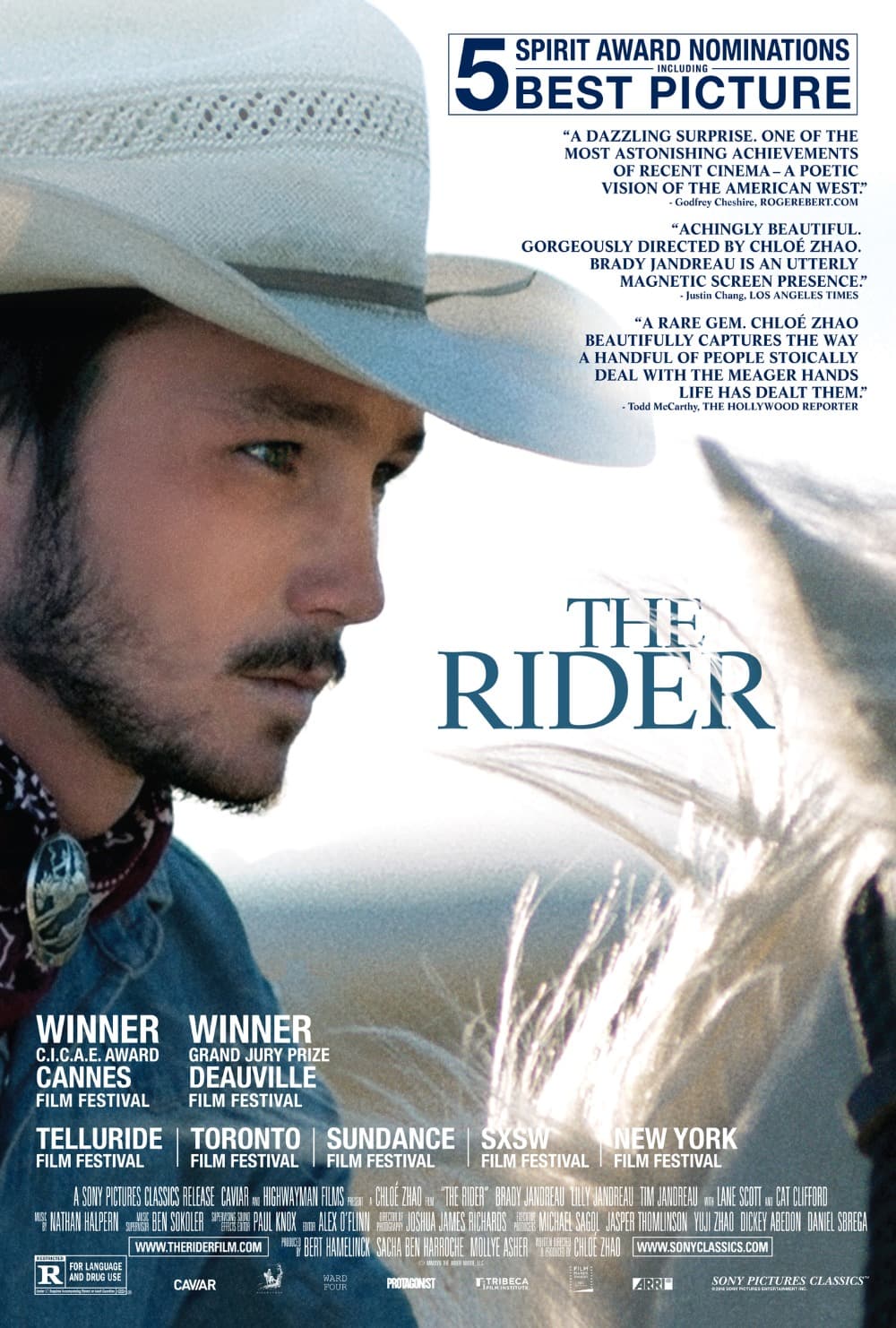
Chloe Zhao cast a real rodeo rider and his real family to play themselves: the line between documentary and fiction never appears, and neither does a false note.
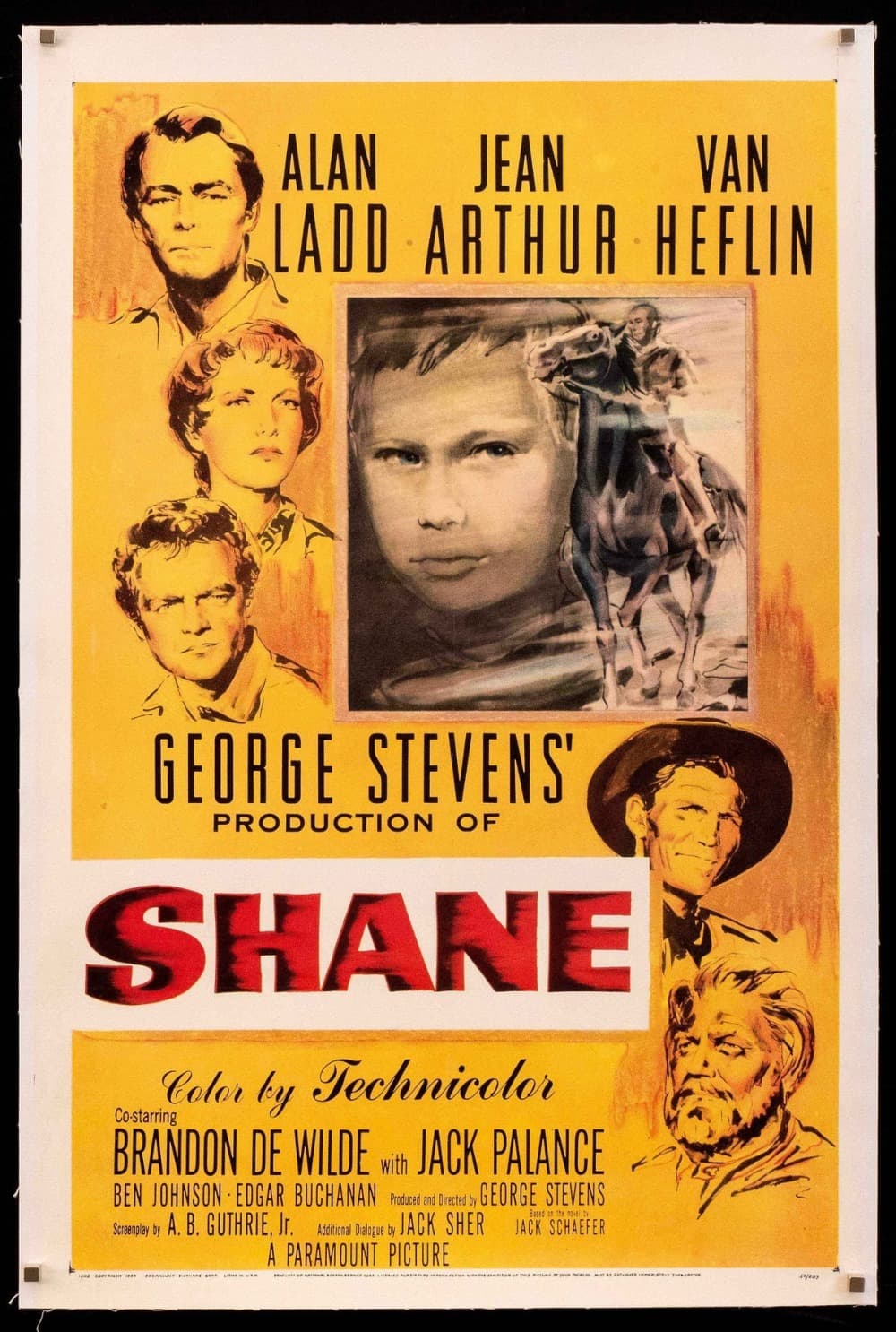
The western seen entirely through a small boy's worship, which is the honest way to look at it: a gunfighter tries to stop being one and cannot.

It made John Wayne a star, invented Monument Valley as a place in the American mind, and put nine strangers in one coach: every road movie descends from it.
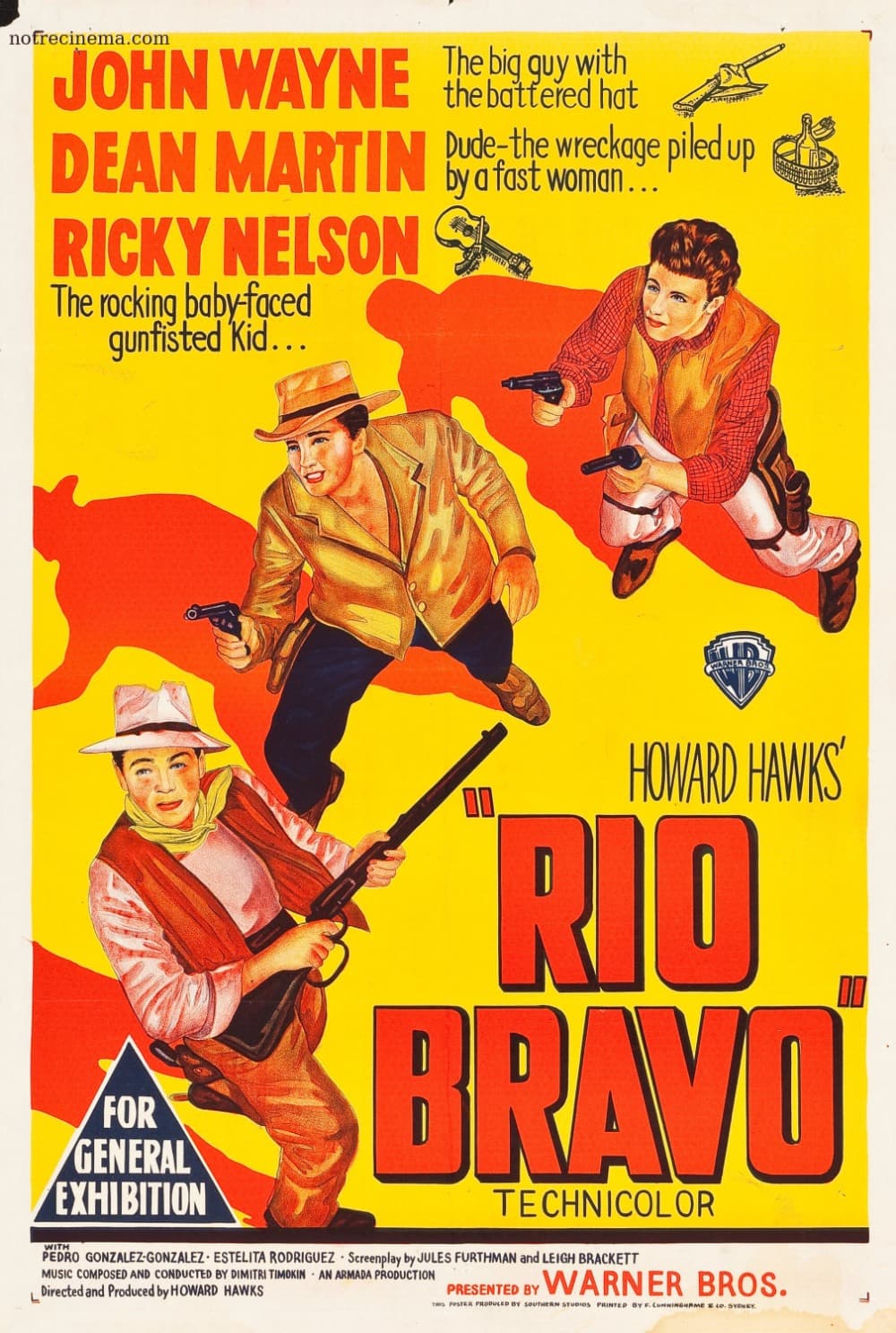
Hawks made it as an argument against High Noon: instead of a marshal begging for help, four flawed men hold a jail and enjoy each other's company doing it.
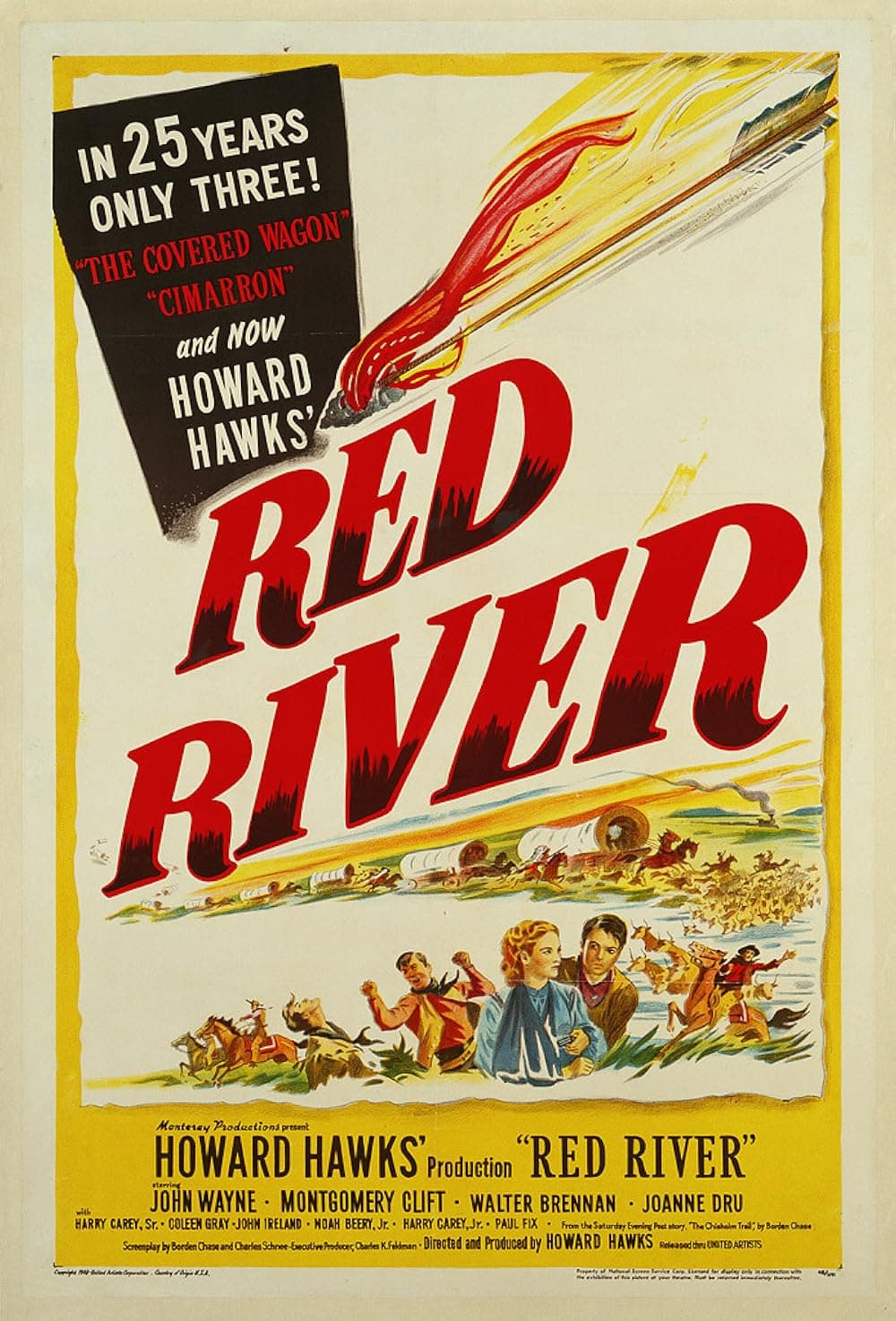
Ford said he never knew Wayne could act until he saw this: a cattle drive turns into a mutiny, and the man in charge becomes the thing to escape.
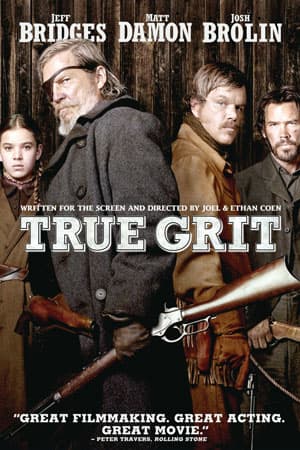
The Coens went back to Charles Portis's actual sentences and rationed contractions almost out of existence: a fourteen-year-old girl hires a drunk marshal to avenge her father.
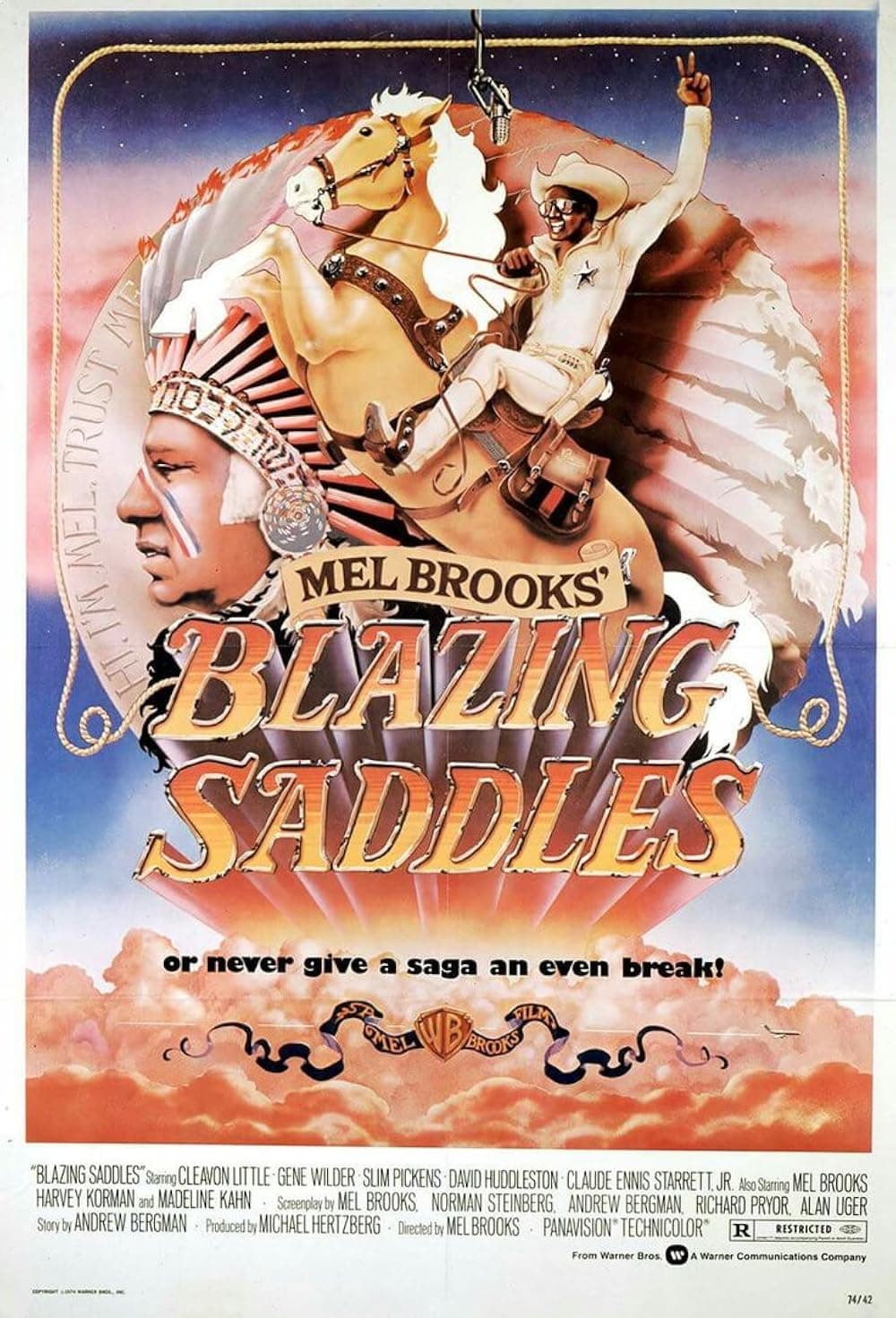
Brooks spent years saying it could not be made today and has since changed his mind: a Black sheriff arrives in a frontier town built on racism, and everybody gets hit.
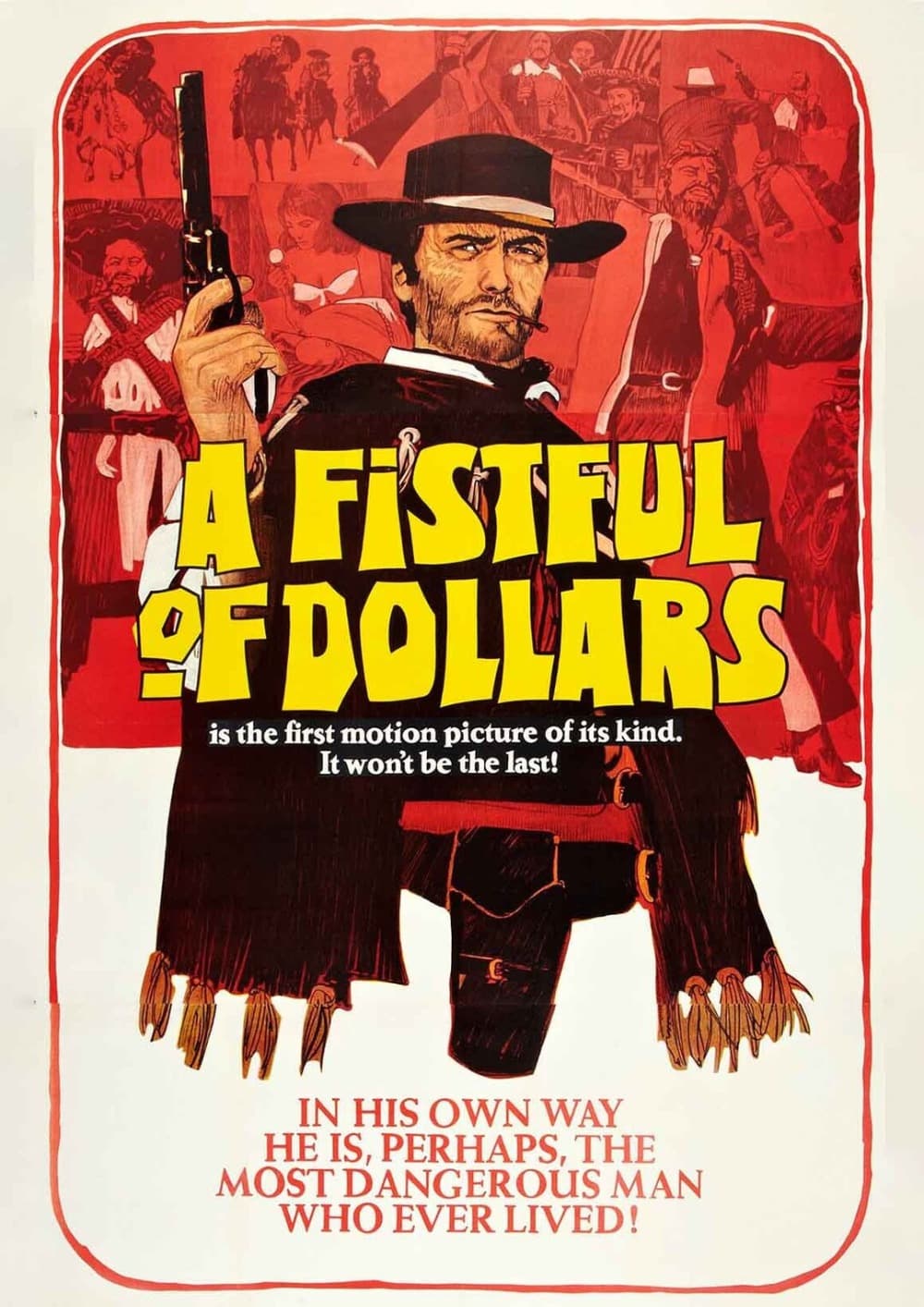
The spaghetti western became a genre with this, and Clint Eastwood became a star: Ennio Morricone's whistle, a poncho and a cheroot, and a drifter who tells nobody what he wants.
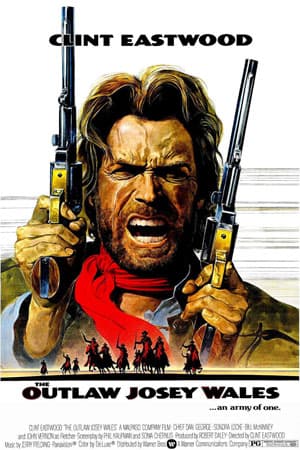
Eastwood fired the director and took over, and the union wrote a rule to stop it happening again: a Missouri farmer rides out after the war and keeps collecting strays he never wanted.