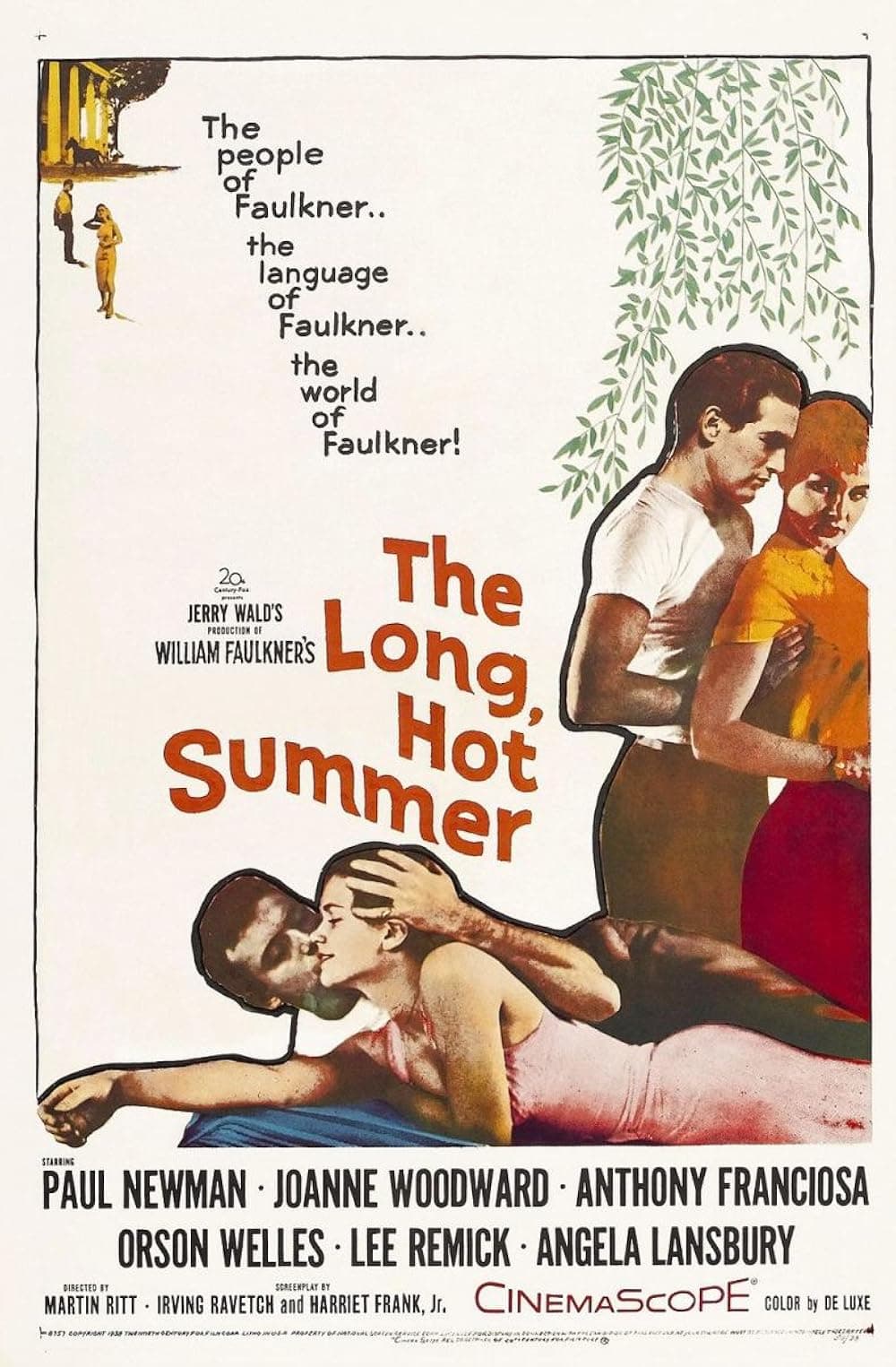
The Long, Hot Summer
Directed by Martin Ritt
1958
Paul Newman and Joanne Woodward fell in love making this and married before it opened: William Faulkner boiled down into one Mississippi town, and the heat is doing most of the acting.
★ 1.7
 skopia
Paul Newman and Joanne Woodward fell in love making this and married before it opened: William Faulkner boiled down into one Mississippi town, and the heat is doing most of the acting.
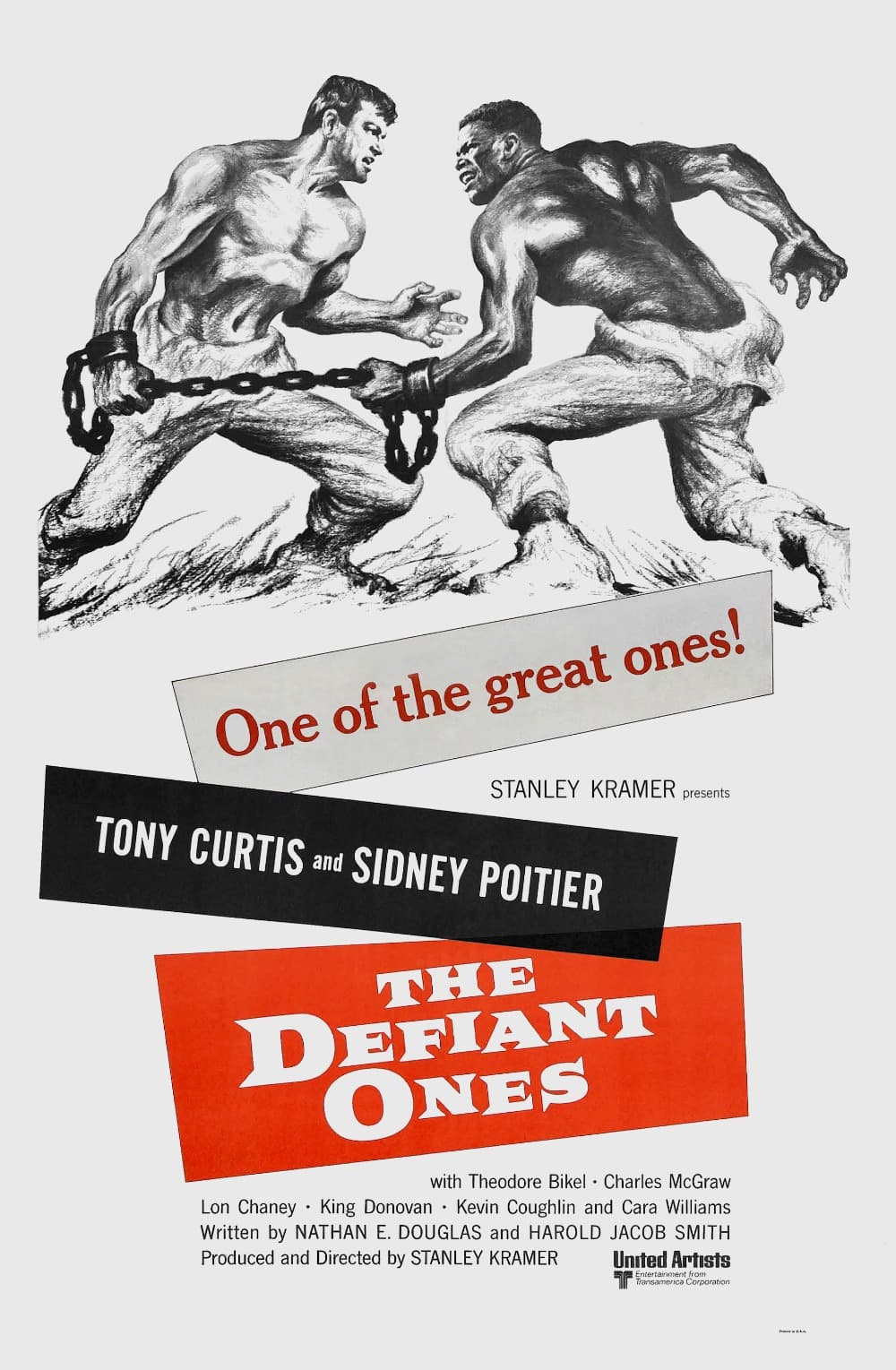
Sidney Poitier and Tony Curtis are chained together at the wrist, which was the entire argument in 1958: two convicts break out of a crash in the South and cannot move separately.
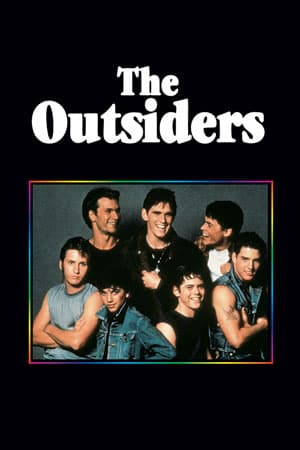
Coppola cast almost every young male star of the coming decade before any of them were famous: Tom Cruise, Patrick Swayze, Matt Dillon and Rob Lowe, filmed in Tulsa like a fever dream.
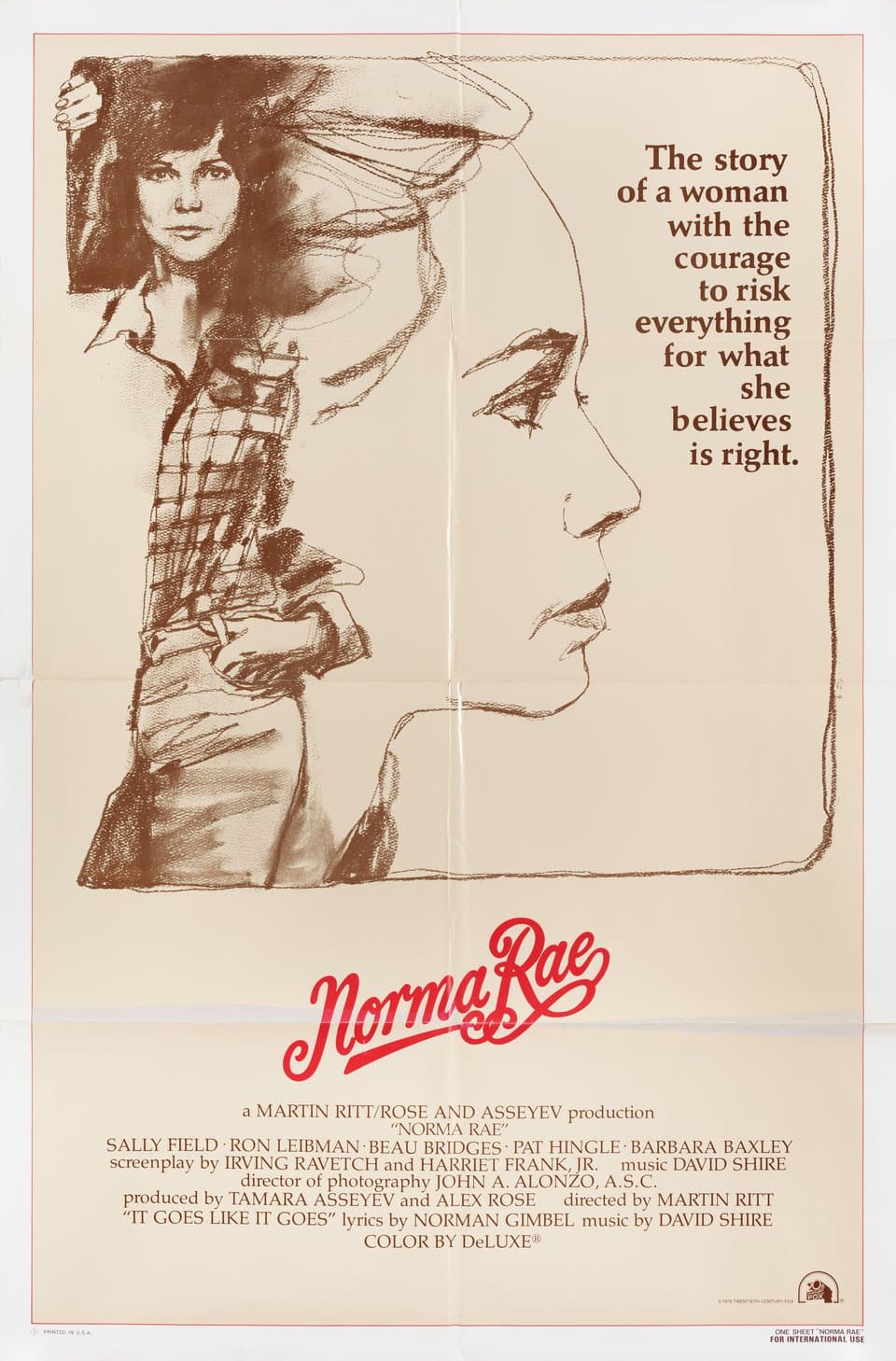
Sally Field took Best Actress and the union organizing is filmed as actual work: a North Carolina textile mill, a hired organizer from New York, and a millhand who starts asking questions.
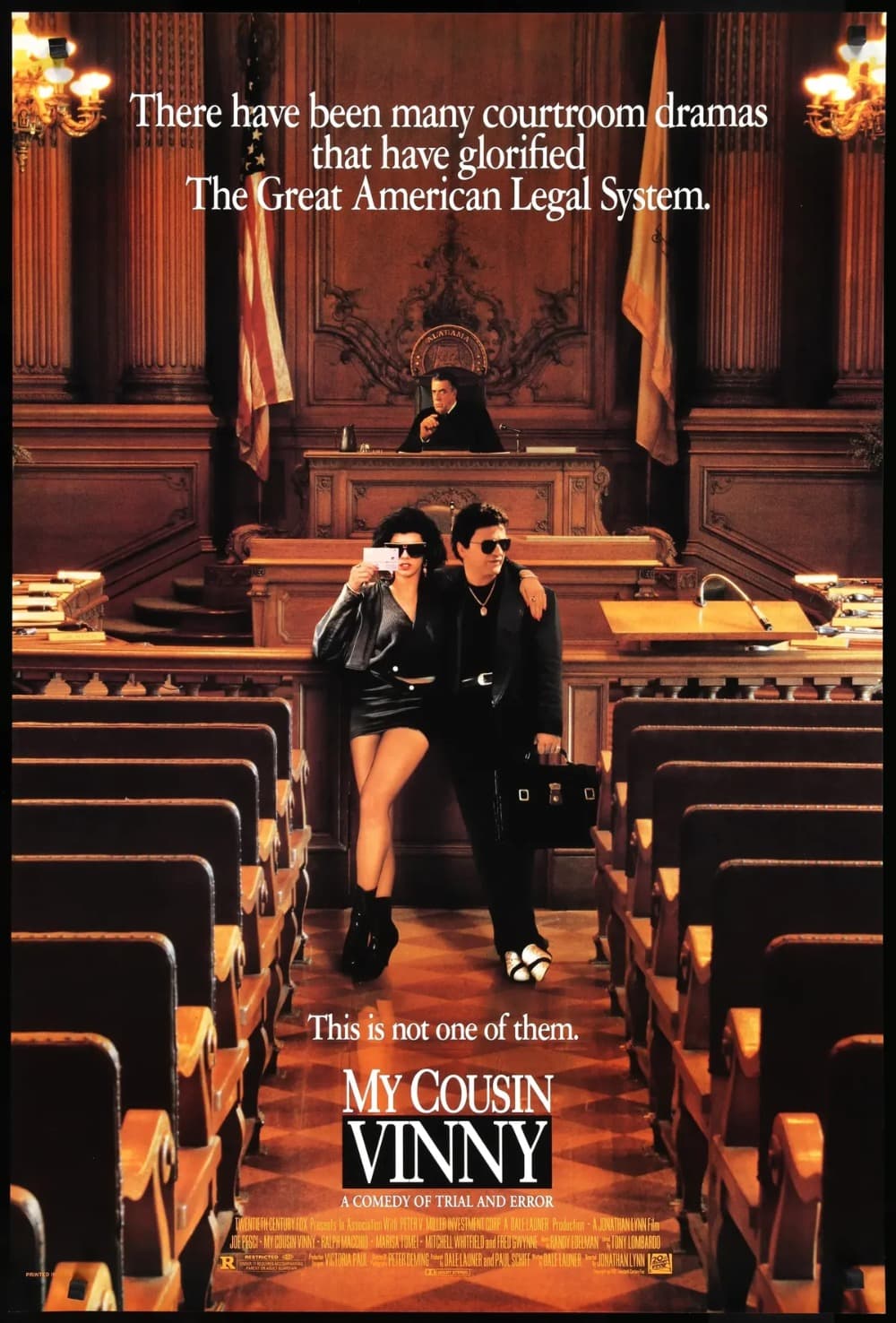
Law schools use it to teach cross-examination, which no other comedy can claim: two students are arrested in rural Alabama and defended by a cousin who has never tried a case.
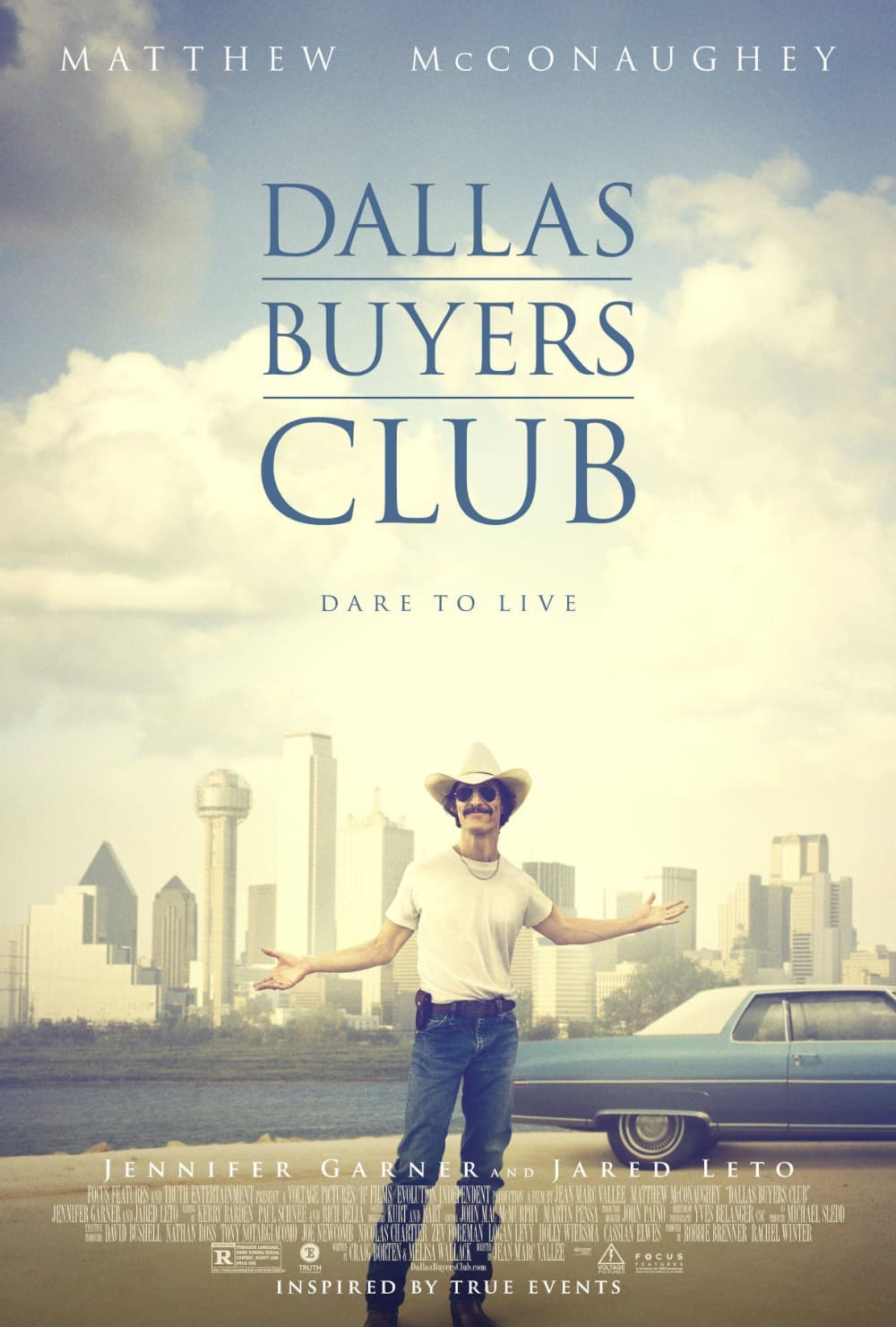
They shot it in twenty-five days for five million dollars and won two acting Oscars: a Texas electrician starts importing unapproved drugs for himself and ends up supplying half the city.

Quvenzhane Wallis was five when she auditioned and became the youngest Best Actress nominee ever: a bayou community below the levee refuses to leave, filmed like a child's own mythology.
Darabont's second Stephen King prison film runs three hours and nobody notices: a death row guard in 1935 takes delivery of the largest, quietest inmate the block has ever held.
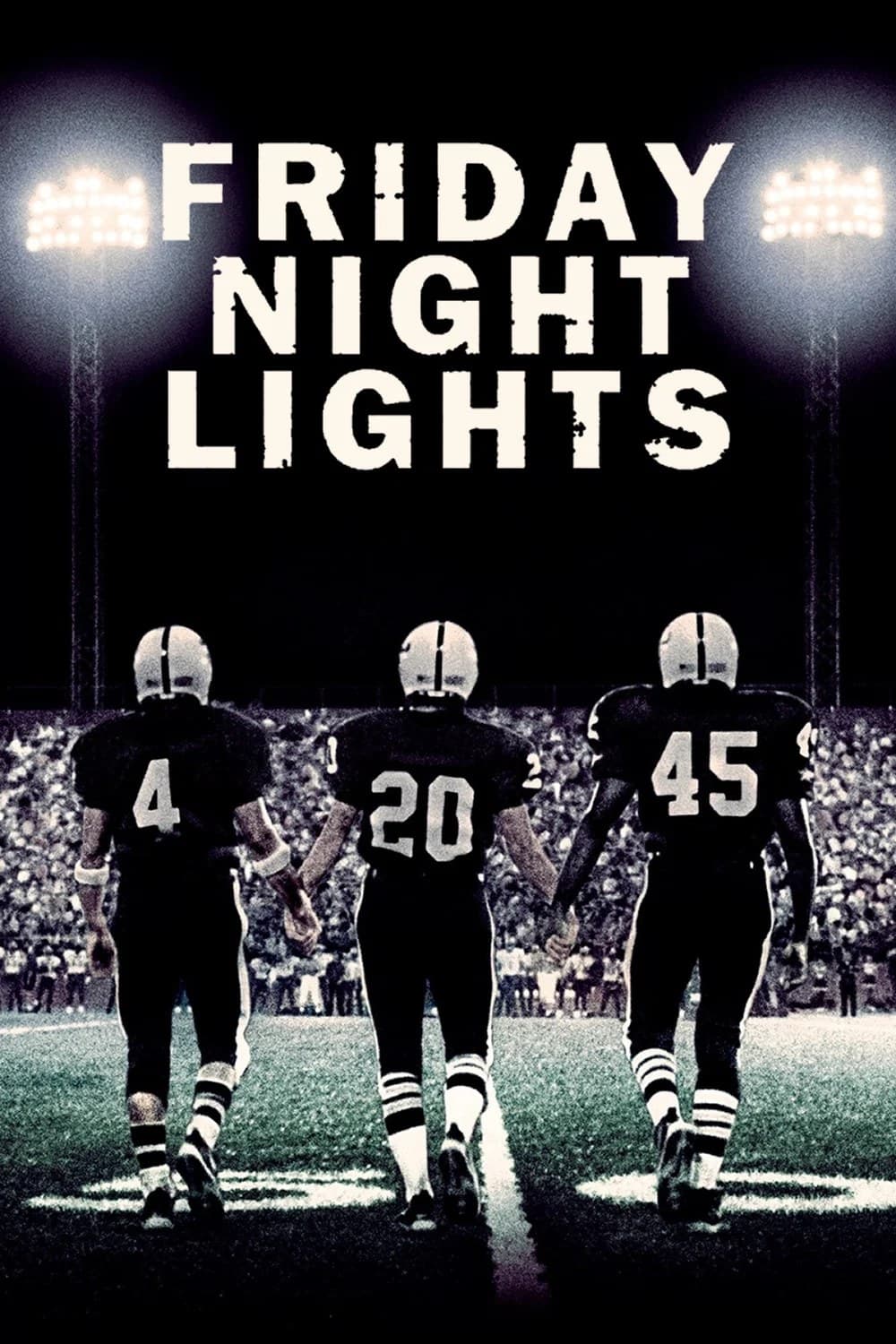
High-school football is the surface; the subject is a town with nothing else: Odessa, Texas in 1988, filmed handheld and close, where a losing season is a civic emergency.
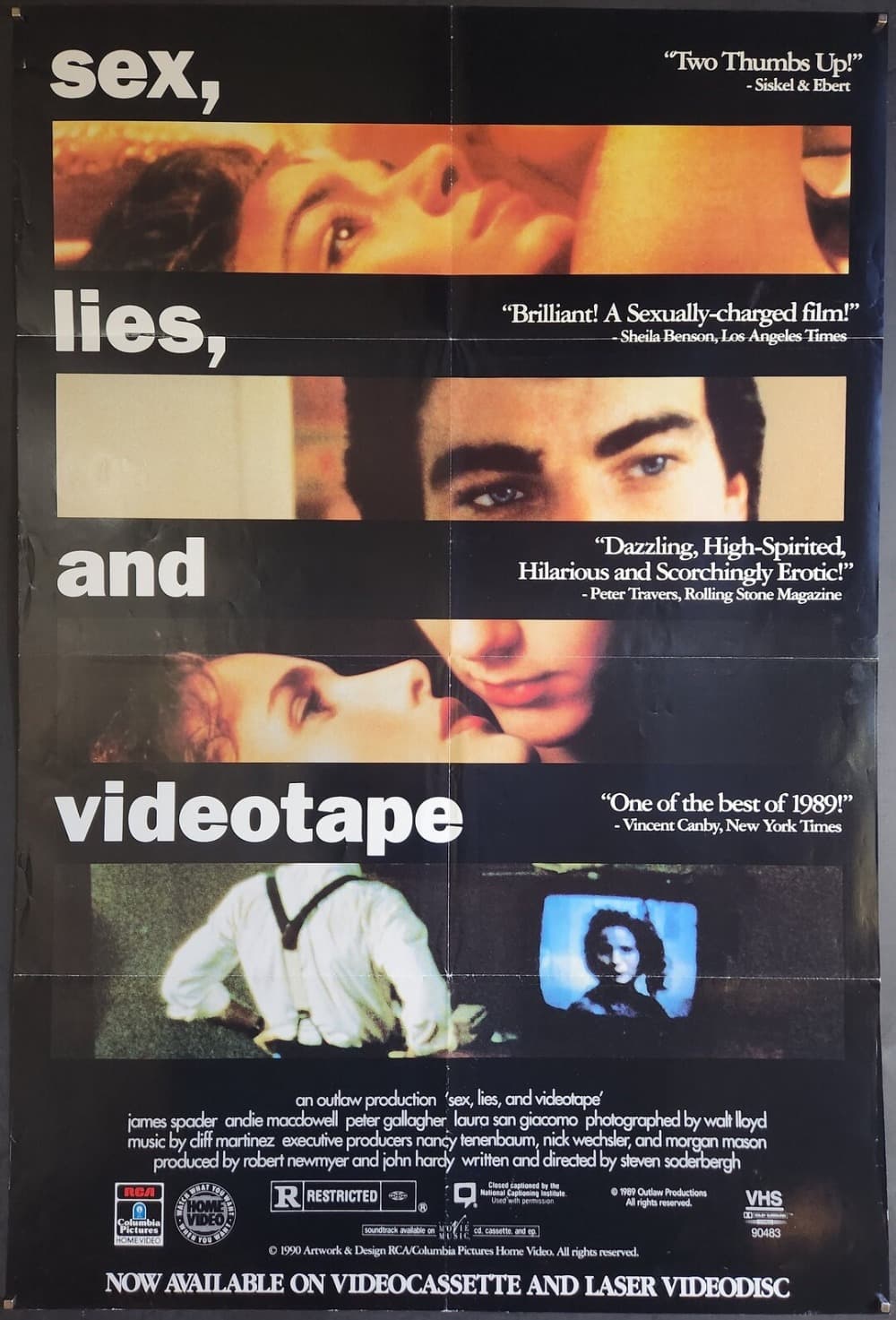
American independent film became a business the week Soderbergh took the Palme d'Or at twenty-six: he made it for a million dollars, and it is four people talking about what they want.

Poitier refused to film in the Deep South, so Mississippi was recreated in Illinois: a Philadelphia detective is arrested for being Black in a small town and then asked to solve its murder.
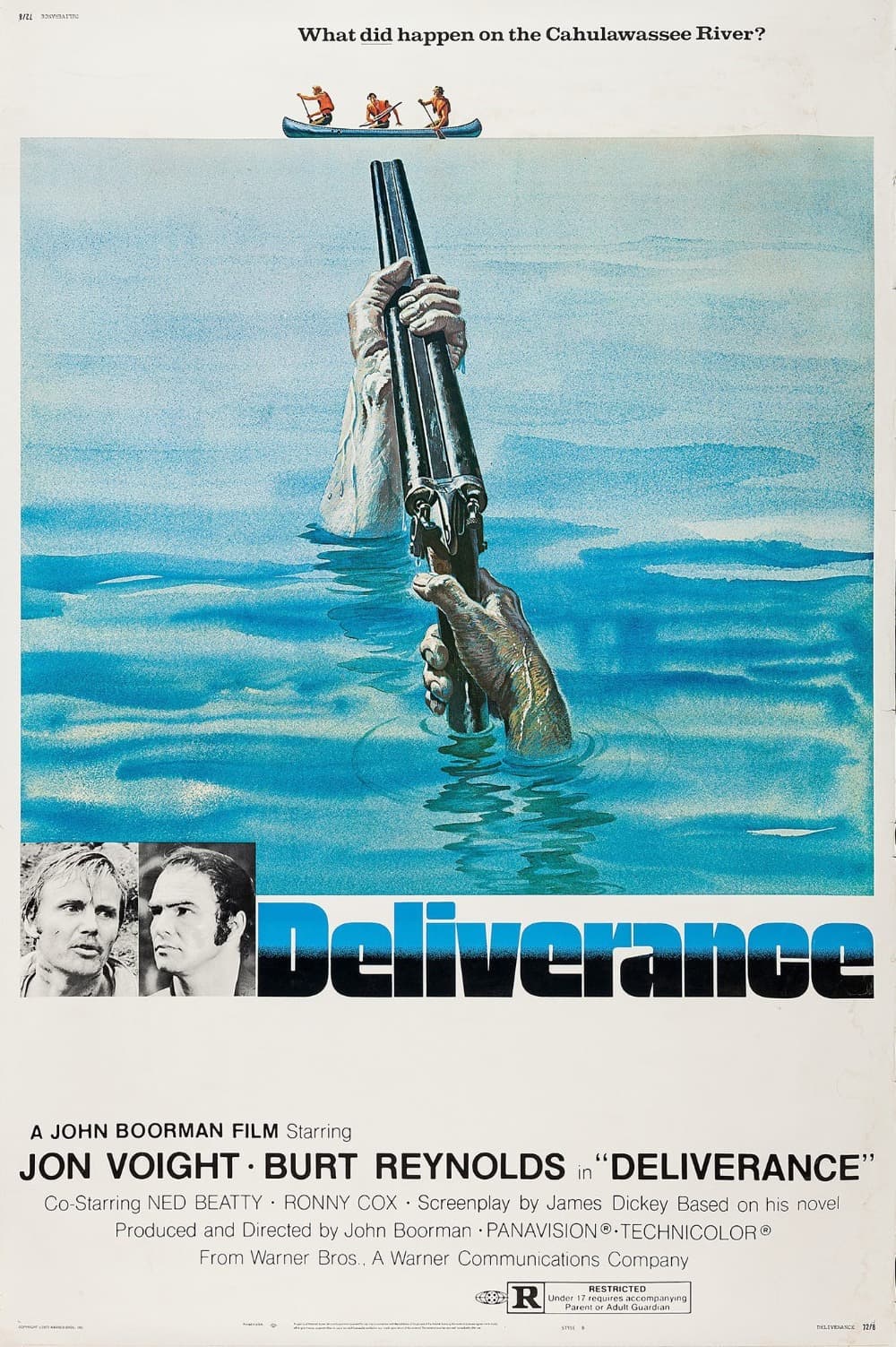
The outdoors has never felt this hostile on film: Boorman shot in sequence and made his actors run the whitewater themselves, and a weekend canoe trip turns into something much older.
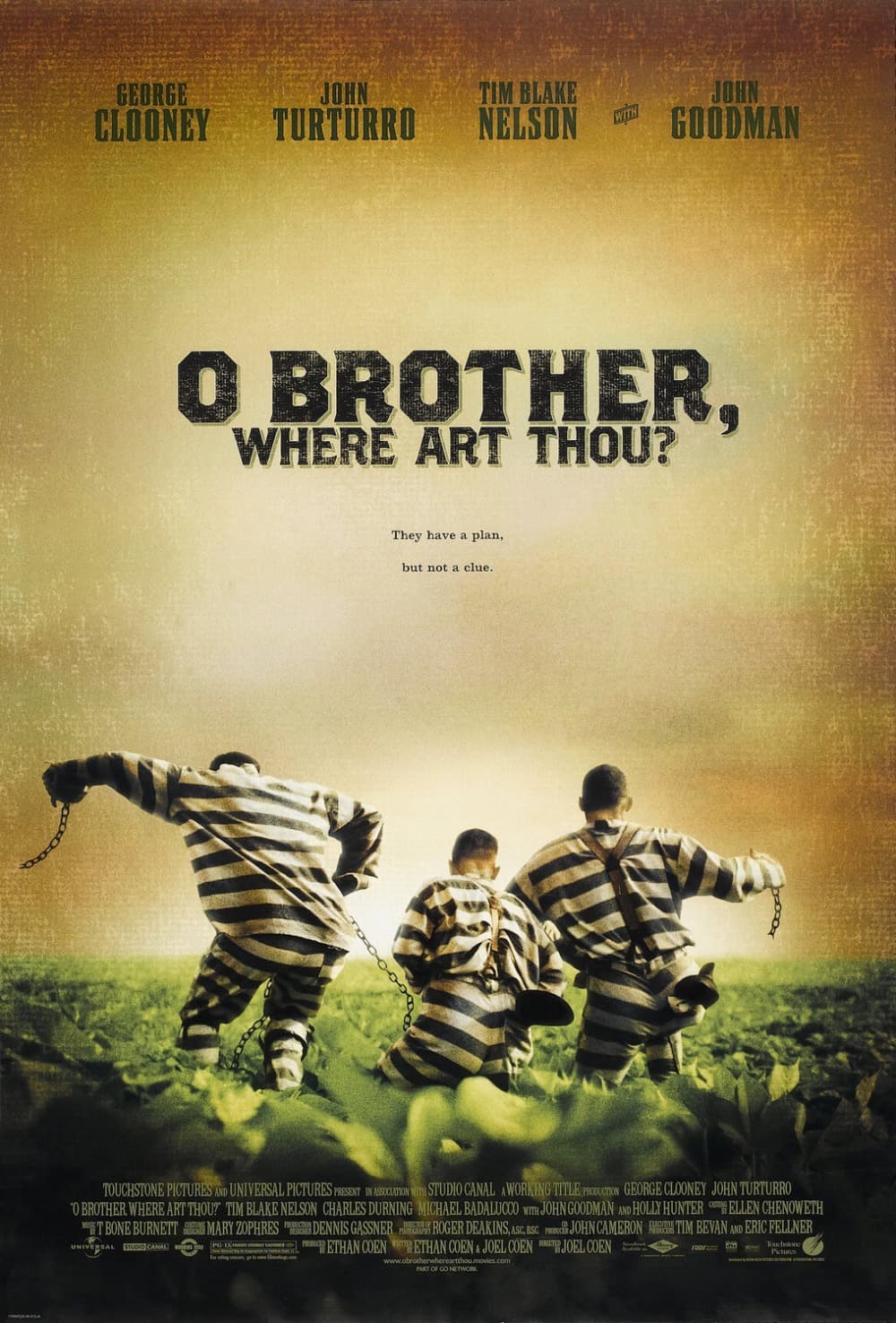
Homer's Odyssey rerouted through Depression-era Mississippi: the soundtrack of gospel and bluegrass sold eight million copies and sent a mass audience back to music first recorded in the 1920s.
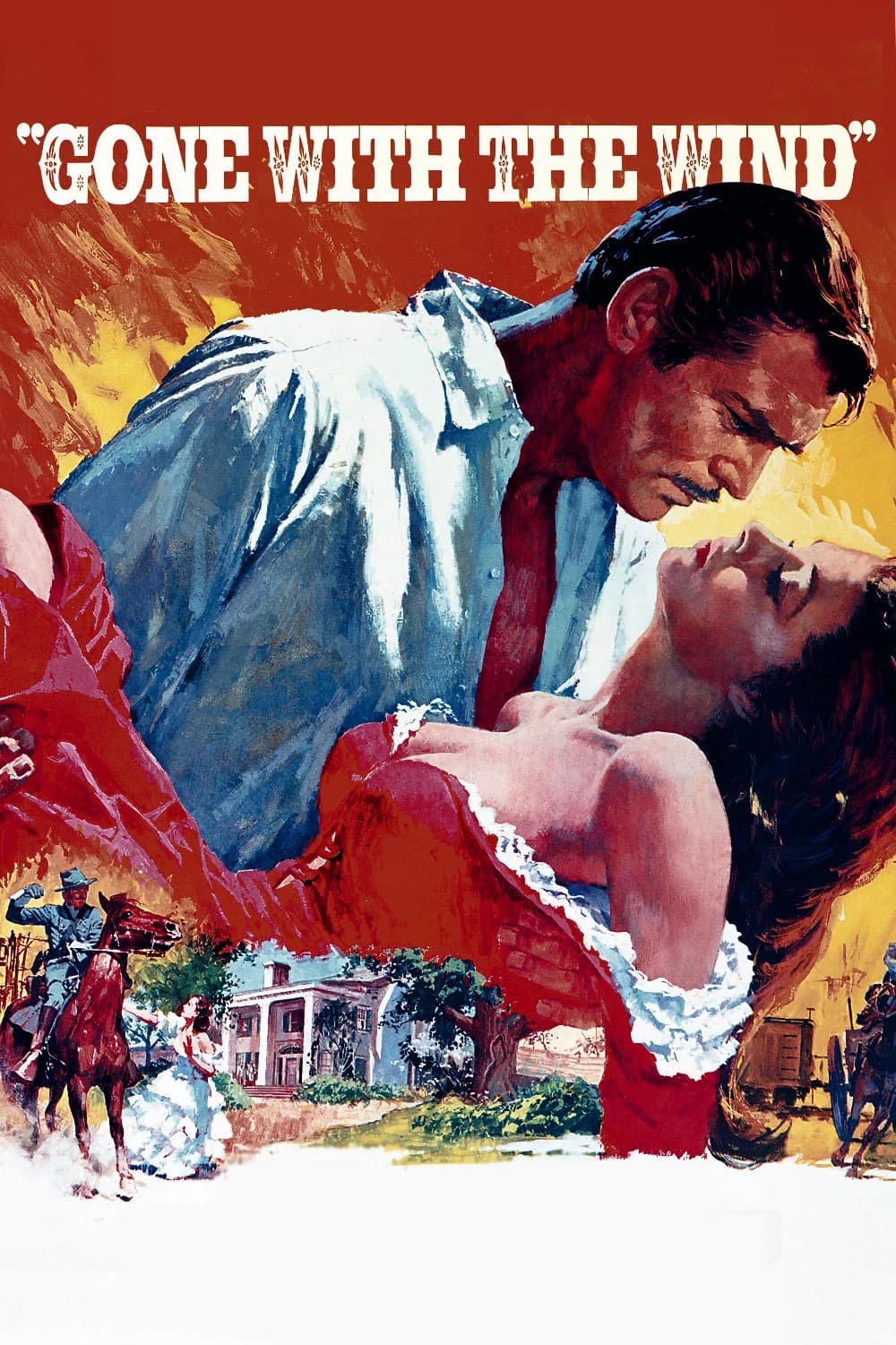
Adjusted for inflation no film has ever earned more, and it is still telling the old South's version of itself: enormous, ravishing, and not to be trusted.
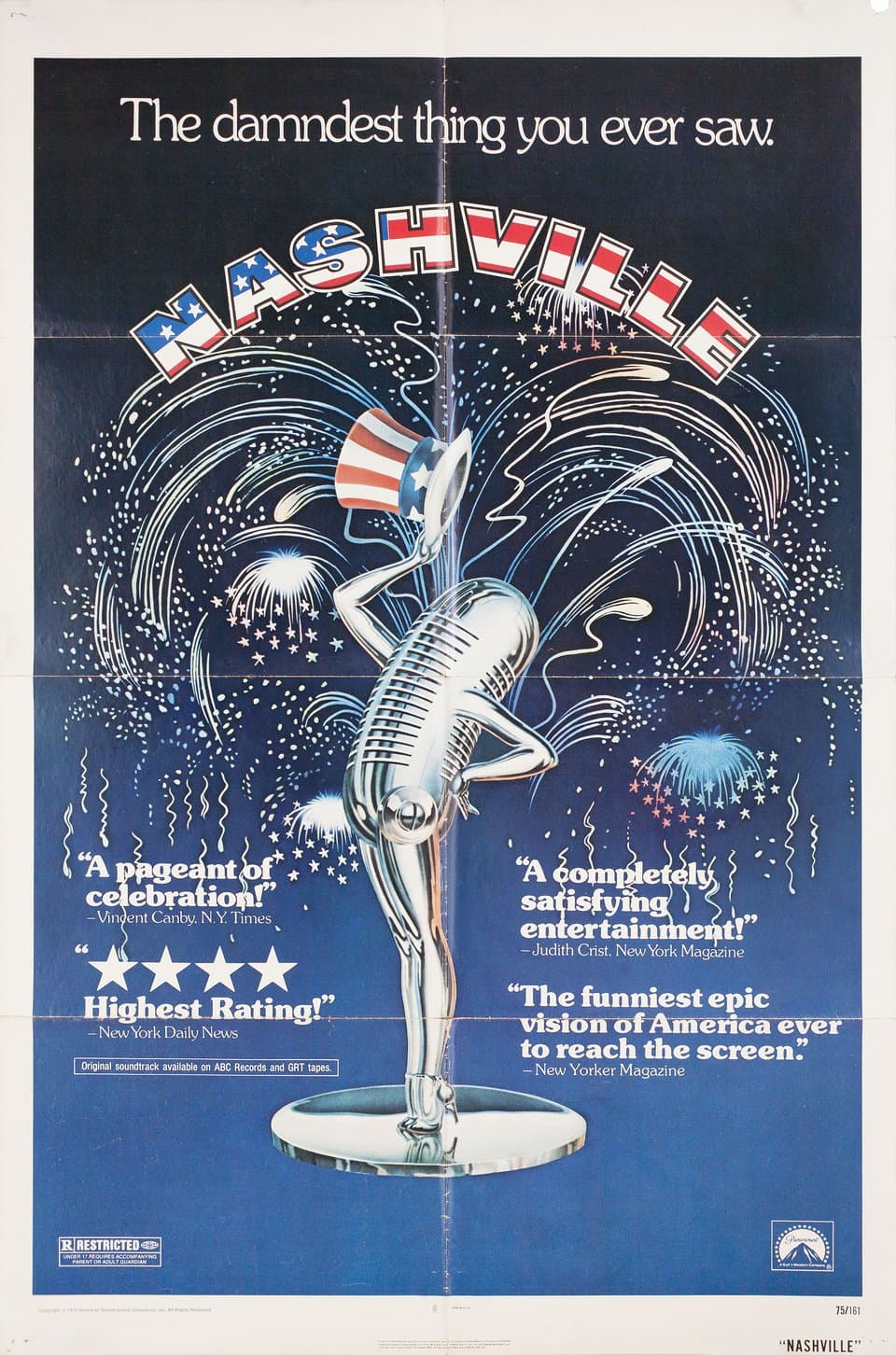
Altman's method arrives here fully formed: twenty-four characters, overlapping microphones, and five days of country music and politics that add up to a portrait of the whole country.
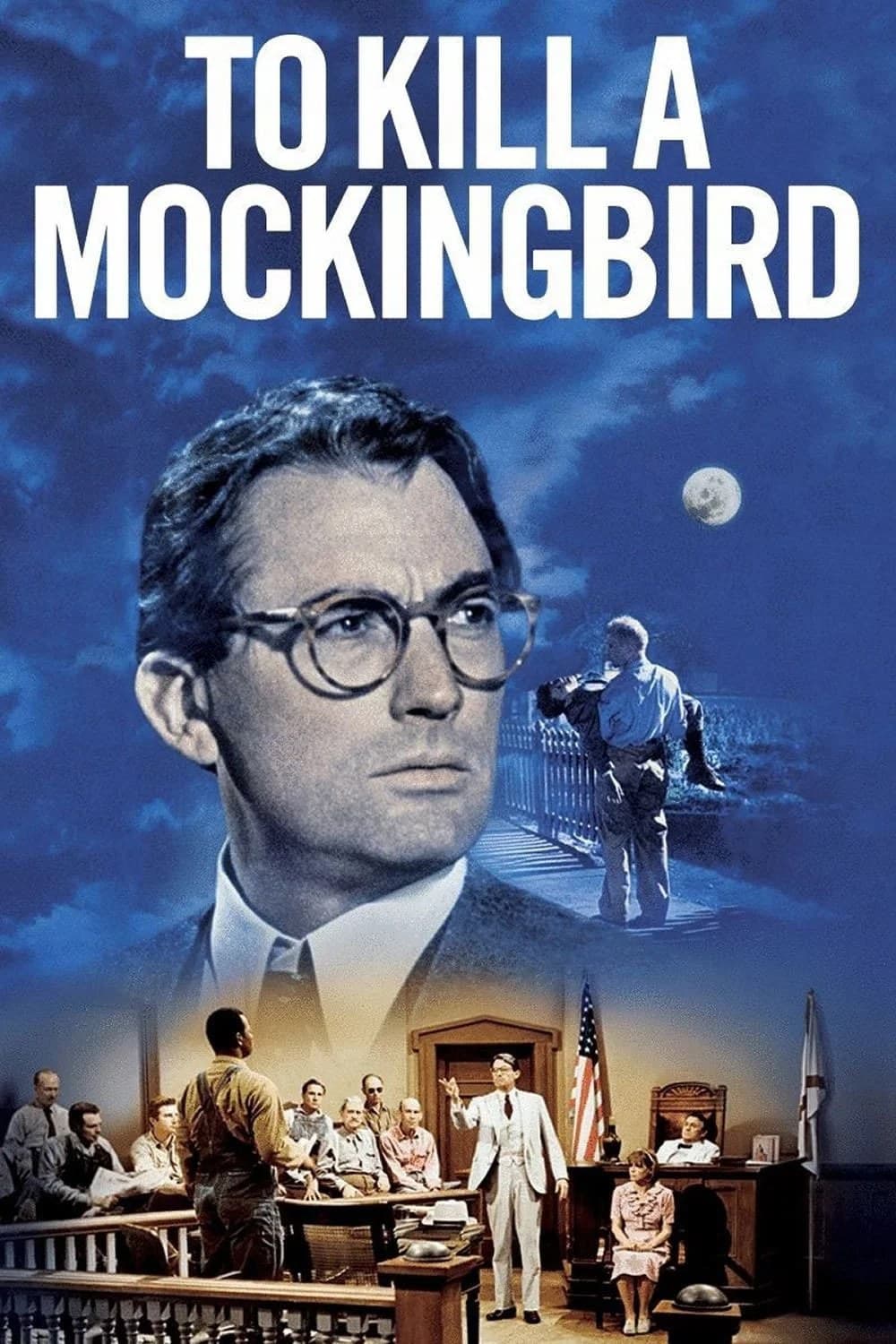
Gregory Peck gave America the father it wanted to believe in: a small-town lawyer defends a Black man in a case the town has already decided, seen through his daughter's eyes.
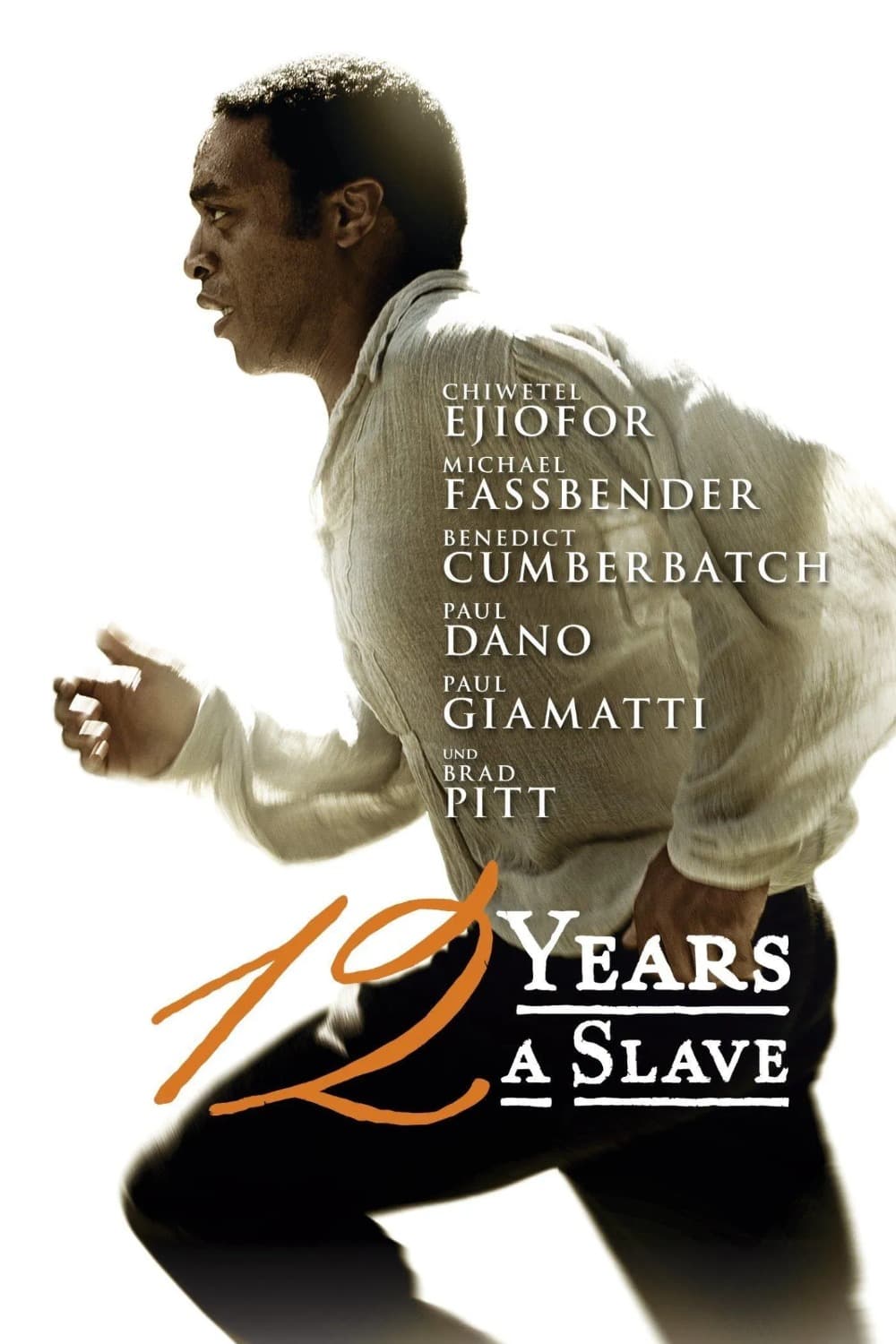
The first Best Picture from a Black director, and the least evasive film ever made about American slavery: McQueen holds shots long past comfort and refuses to look away.
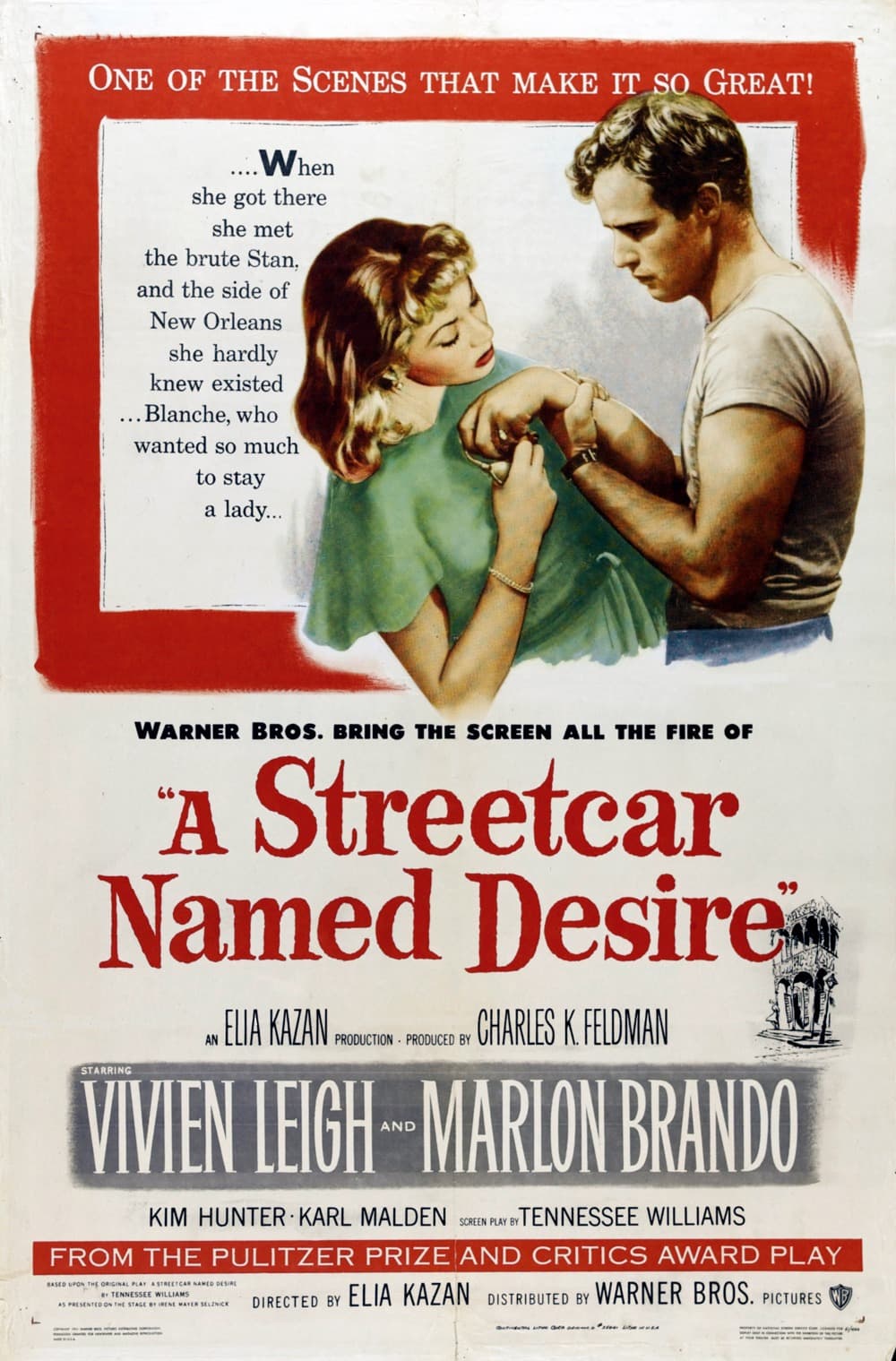
Three of its four leads won Academy Awards and the fourth was Brando: this is where screen acting stopped being theatrical and started being something else entirely.
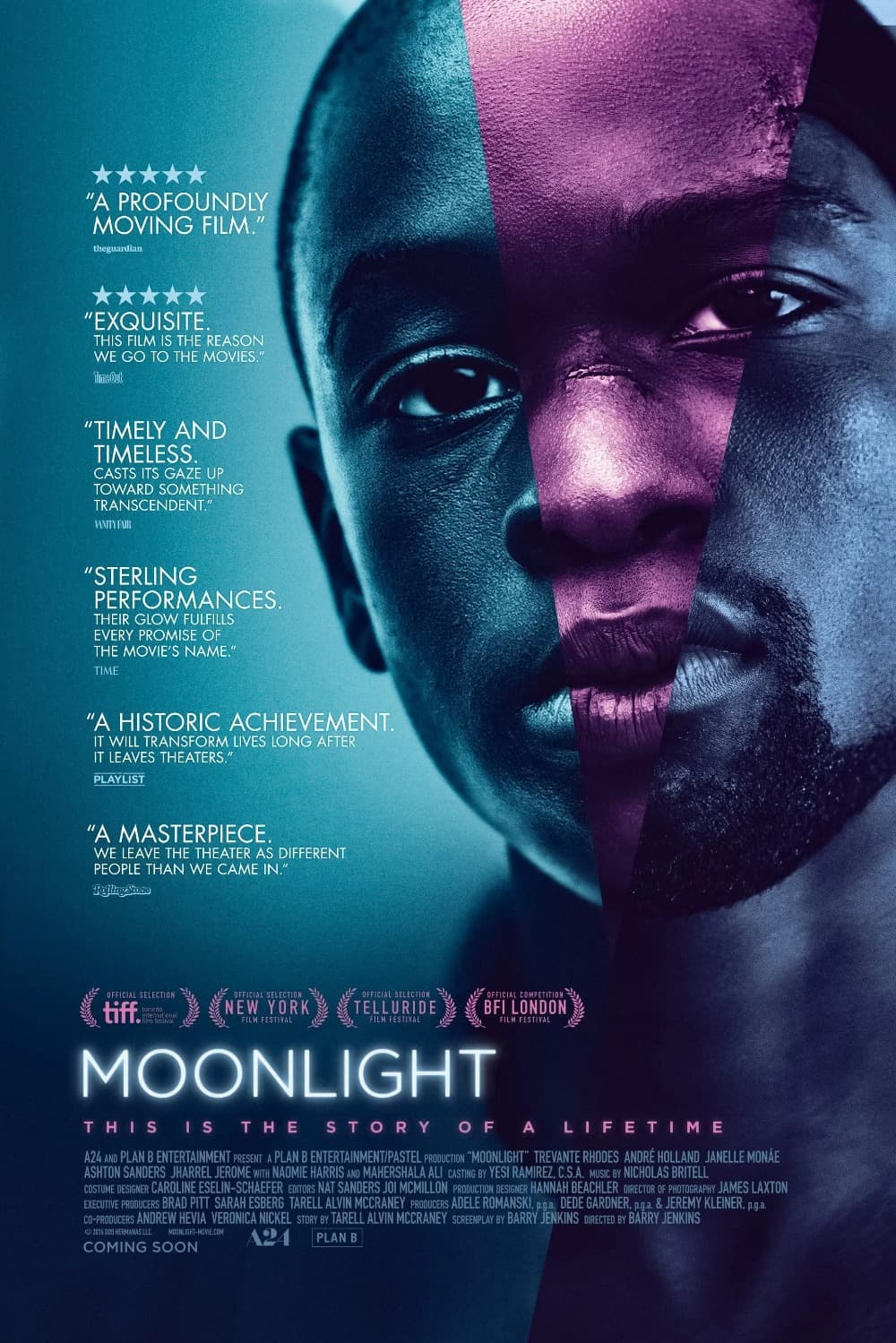
One life told in three chapters by three different actors, and shot in blues and purples so tender the film almost hums: nothing about it looks like anything else.
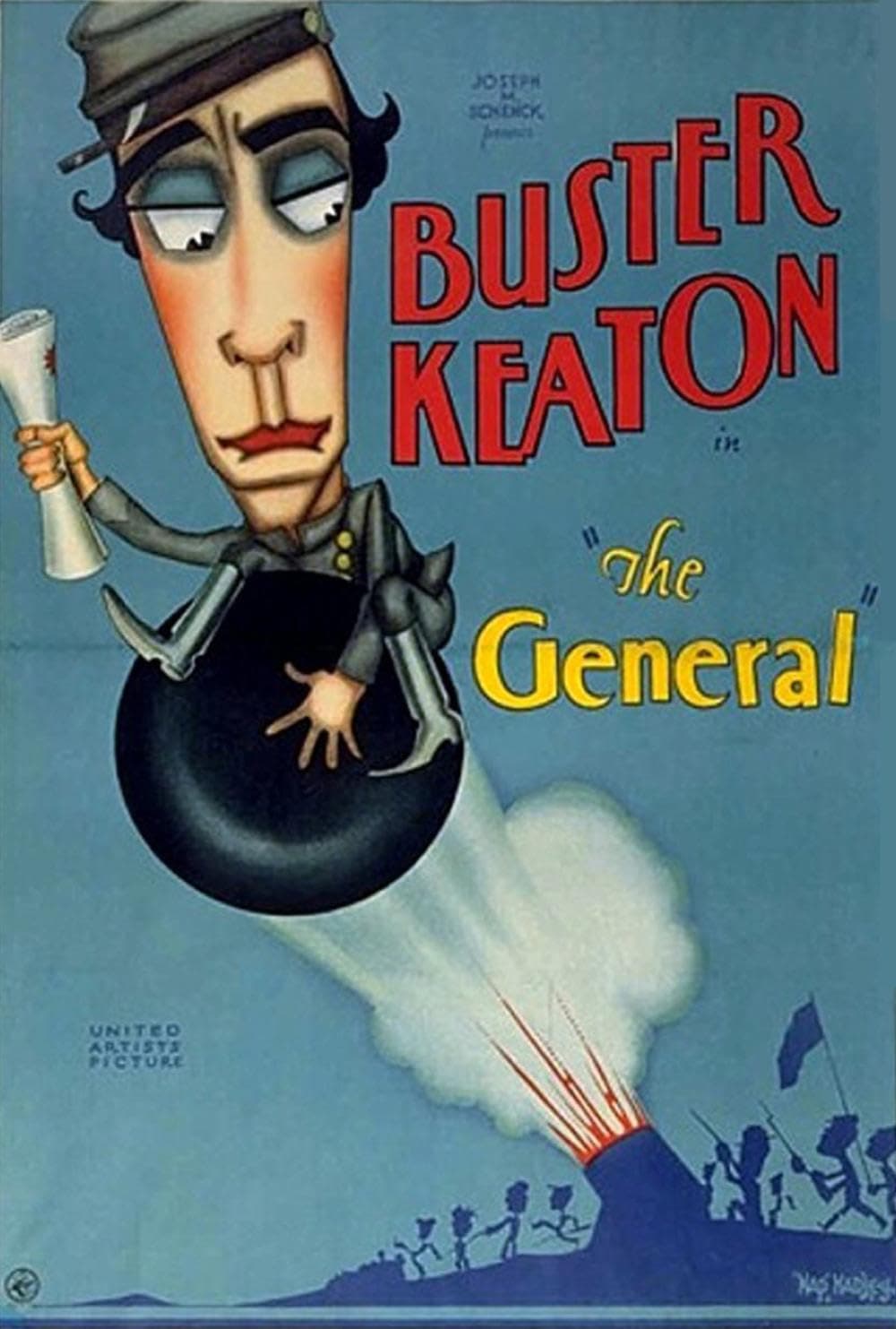
Keaton did every stunt himself and dropped a real locomotive through a burning bridge: it flopped, cost him his independence within two years, and is now considered the great silent comedy.