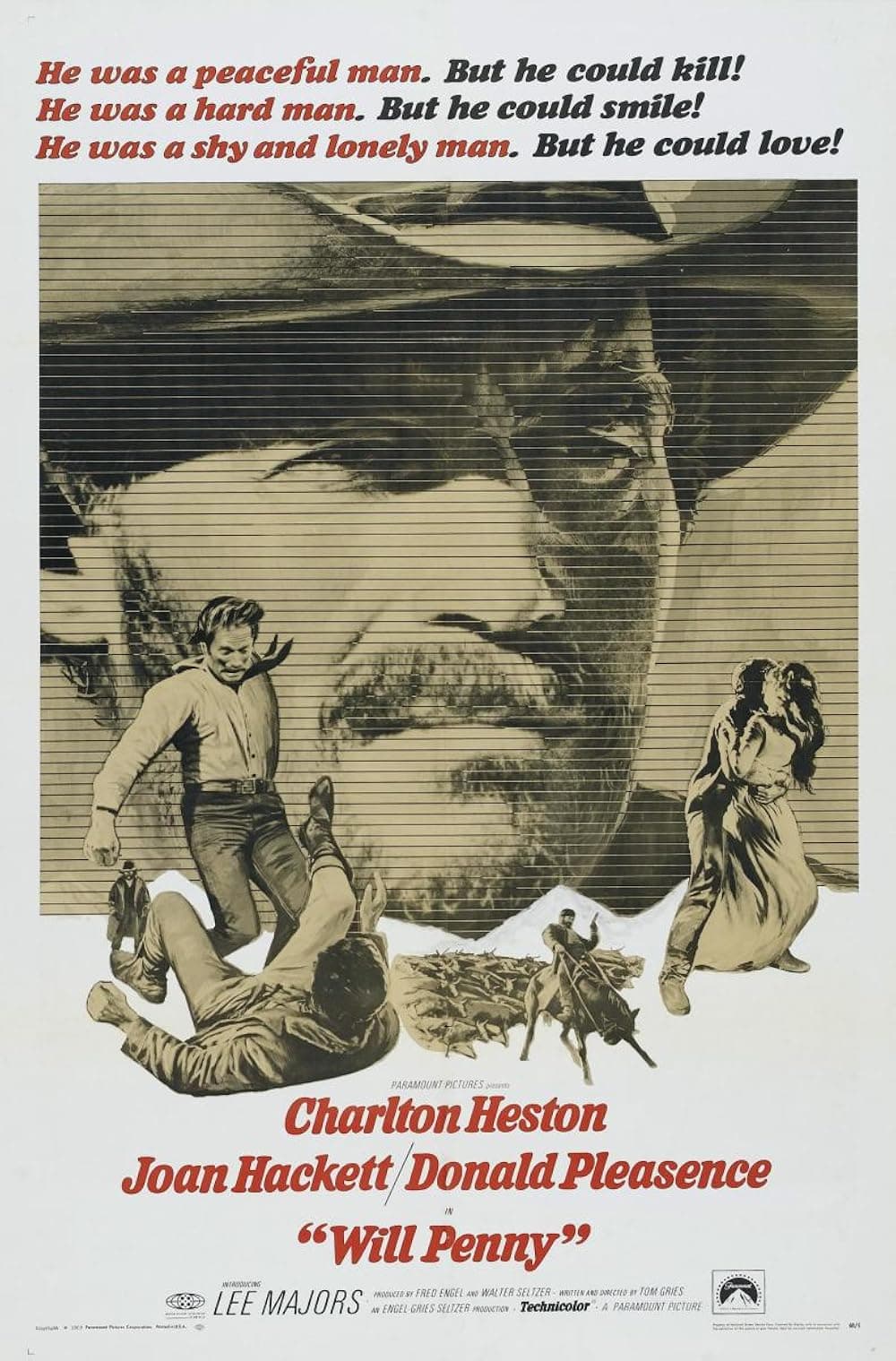
Will Penny
Directed by Tom Gries
1968
Charlton Heston called it his own best film and almost nobody saw it: an illiterate middle-aged cowhand with no property and no prospects, and the frontier offers him nothing.
★ 1.6
 skopia
Charlton Heston called it his own best film and almost nobody saw it: an illiterate middle-aged cowhand with no property and no prospects, and the frontier offers him nothing.
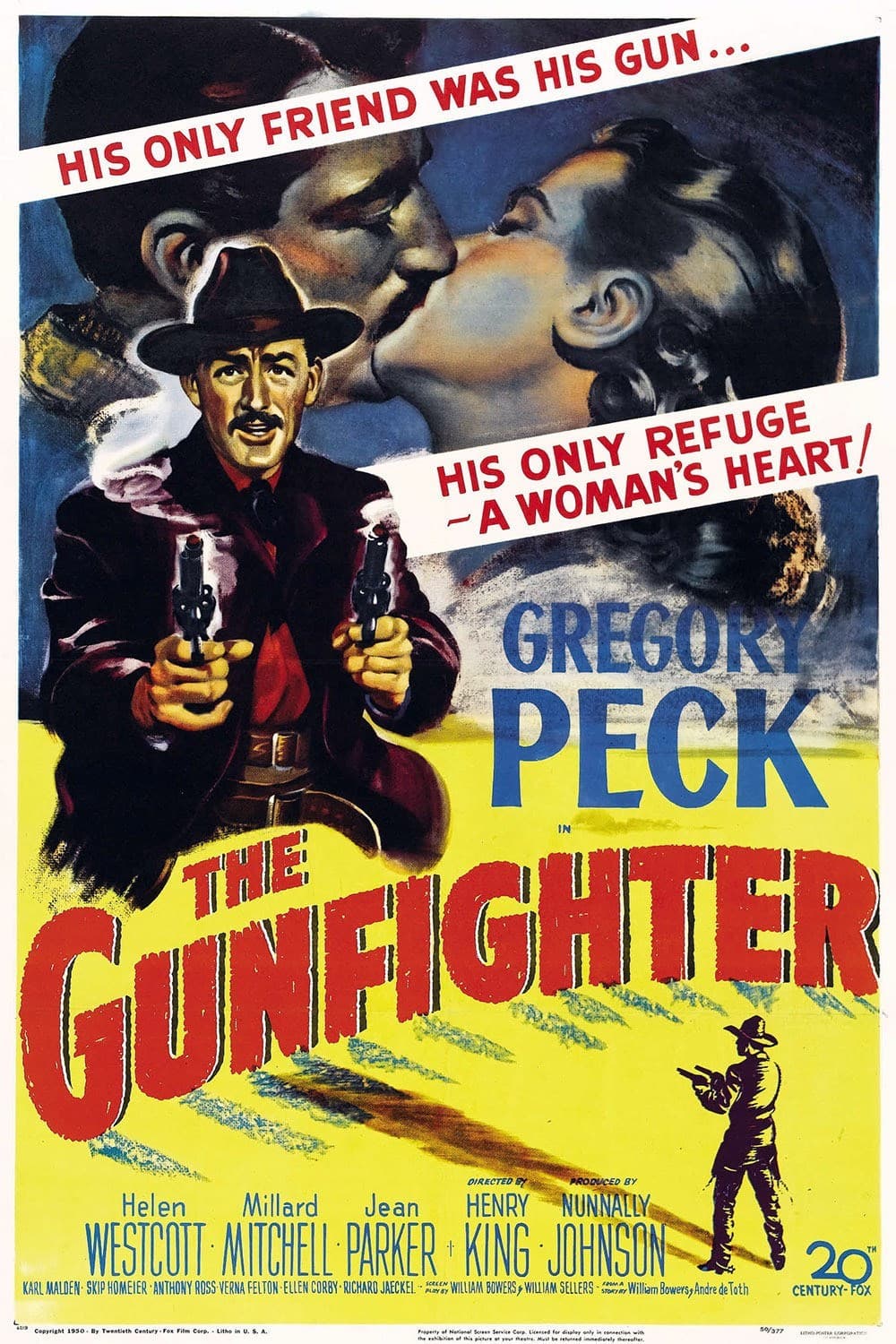
Gregory Peck plays the fastest gun alive as an exhausted man who wants a quiet drink: every revisionist western owes the premise, and Zanuck blamed the mustache for the box office.
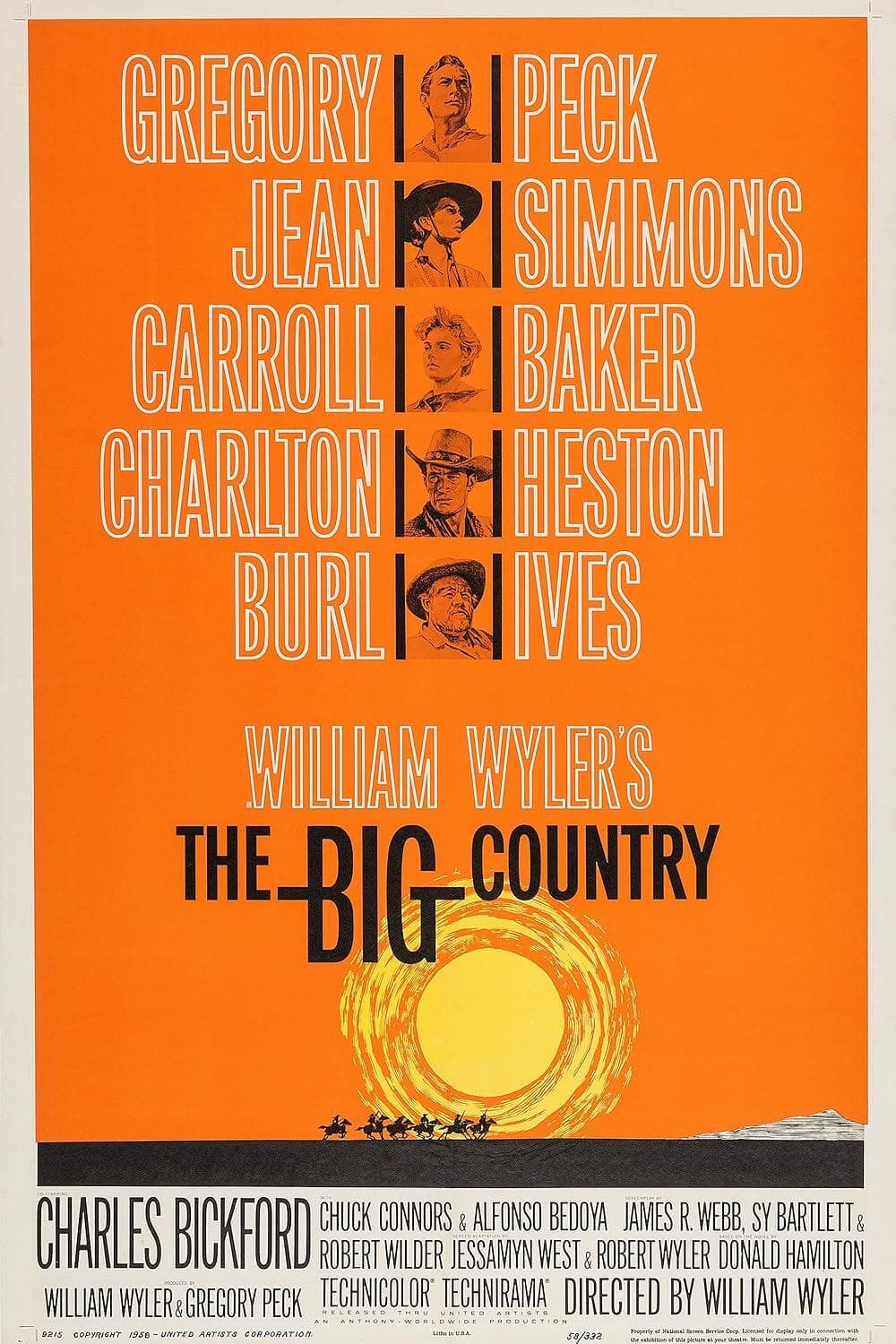
Jerome Moross wrote the score American westerns have been quoting ever since: a sea captain arrives in Texas and refuses to prove anything to anybody, which nobody there can forgive.
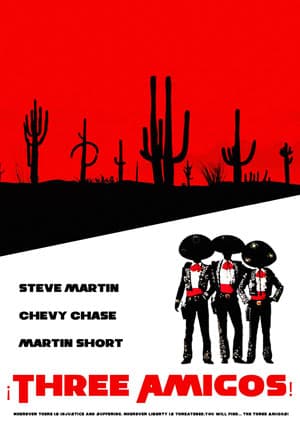
Steve Martin, Chevy Chase and Martin Short play silent film stars mistaken for real gunfighters: a Mexican village hires them in earnest, and the singing bush is exactly as stupid as it sounds.
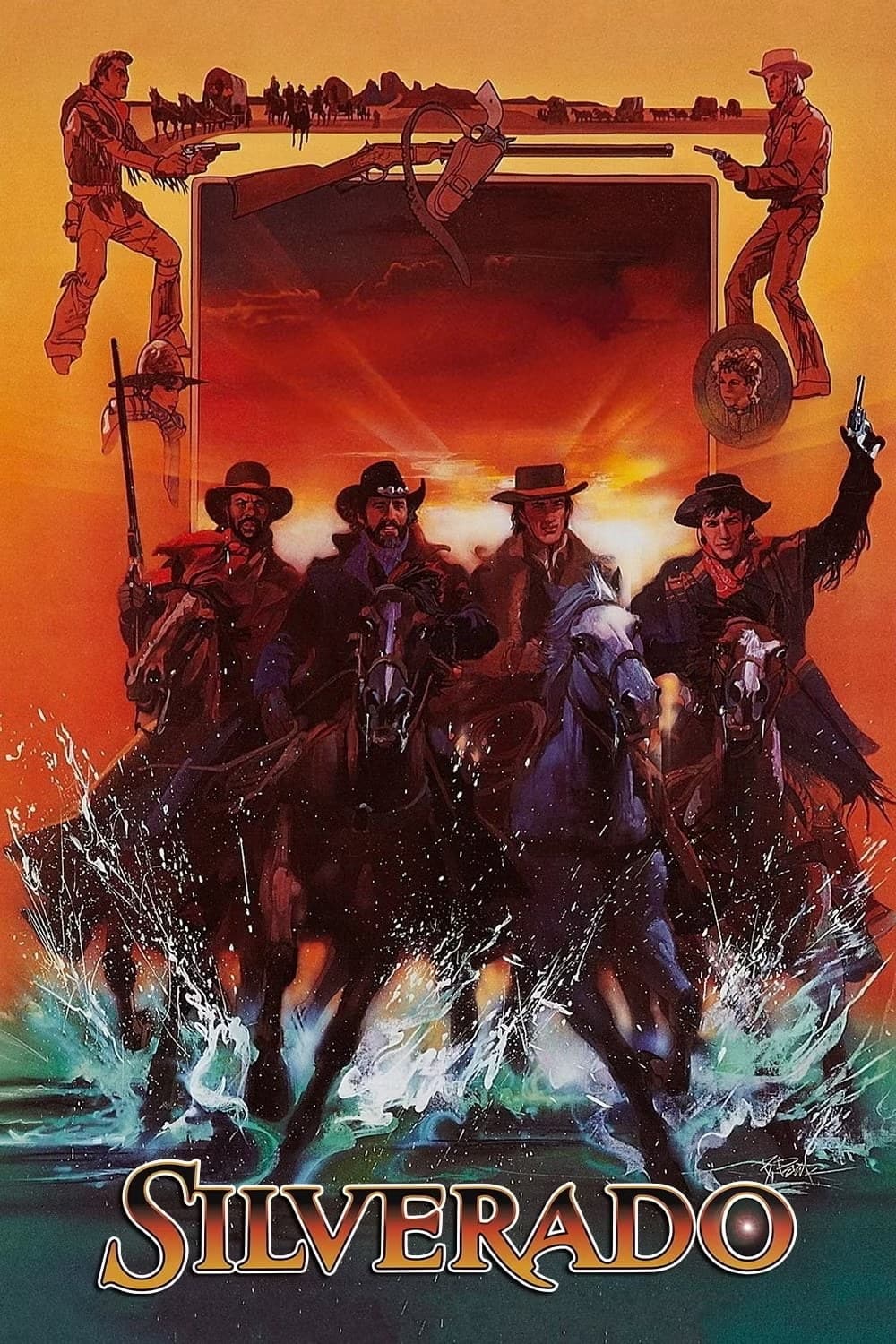
Lawrence Kasdan set out to prove the western was not dead and assembled half of Hollywood: four men ride into a town run by the wrong sheriff, and the pleasures are entirely traditional.
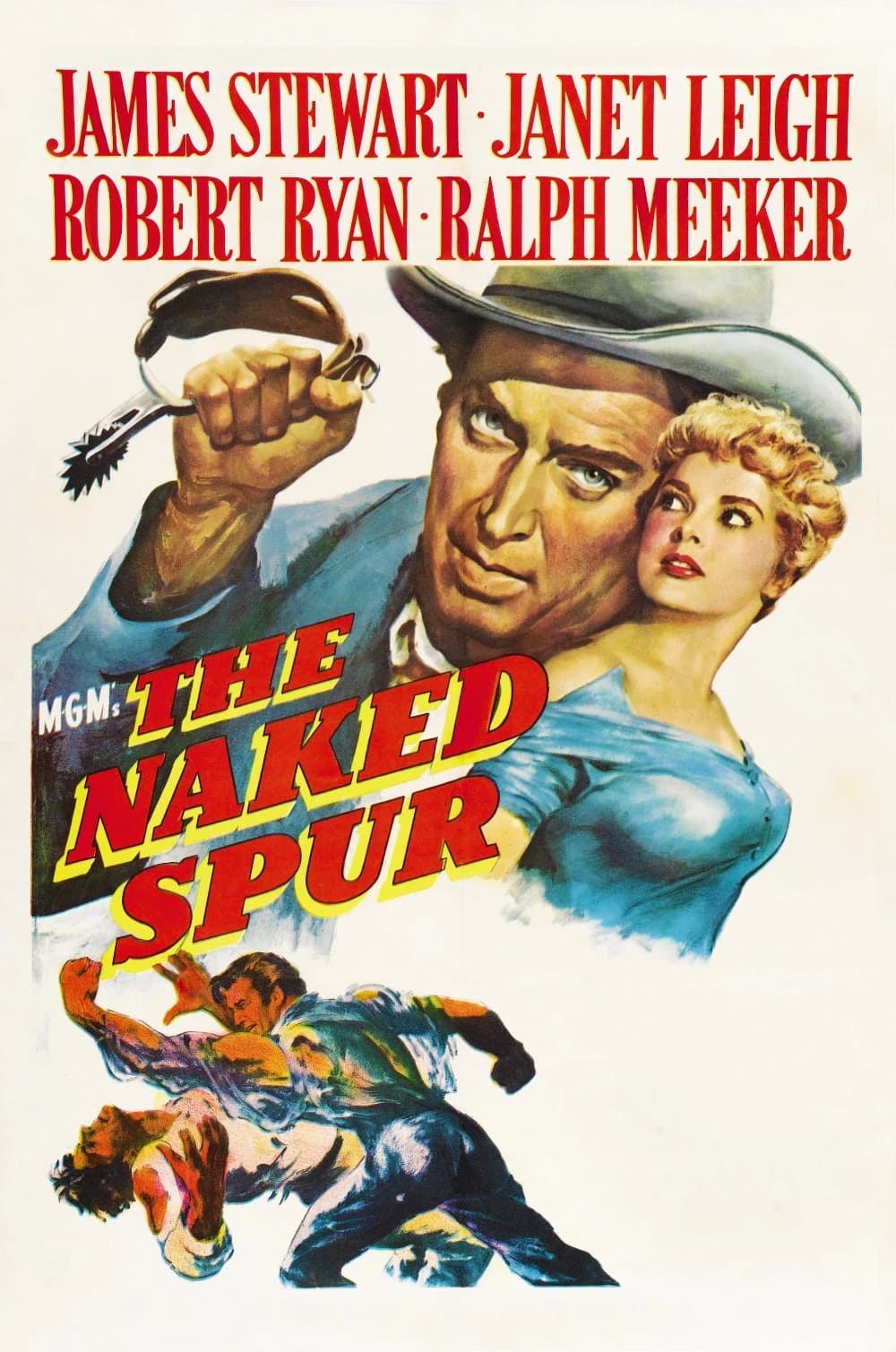
Five people and a mountain, and no town or fort anywhere in it: Anthony Mann pushed James Stewart into playing a bounty hunter with nothing likable left, shot entirely outdoors.

Bob Dylan wrote the score, appears in it, and gave the world Knockin on Heaven's Door: MGM cut Peckinpah's version to pieces, and the restoration is a great elegiac western.
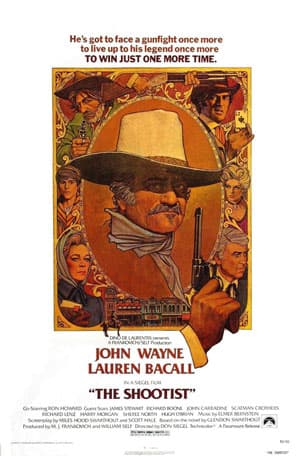
John Wayne's last film has him playing a gunfighter running out of time, which he knew he was: Don Siegel shot it plainly, and the whole genre says goodbye at once.
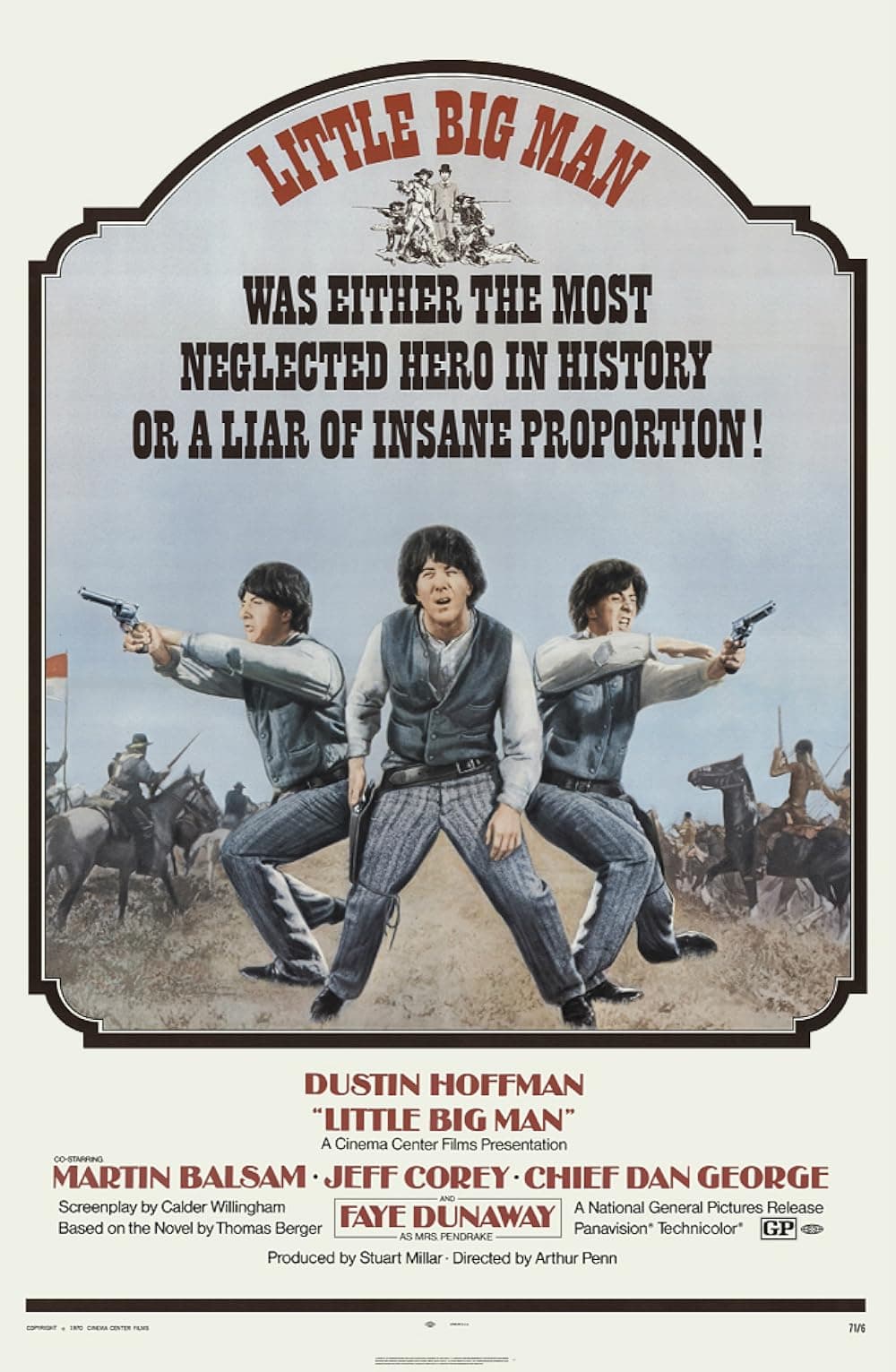
Made during Vietnam and aimed straight at it: a 121-year-old man narrates his life across the frontier, and Arthur Penn makes the cavalry the villains for once.
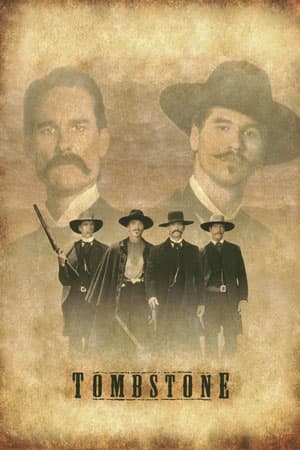
Val Kilmer's Doc Holliday is the reason people keep rewatching it: the film lost its director a month into shooting and still produced the most quotable western since the sixties.
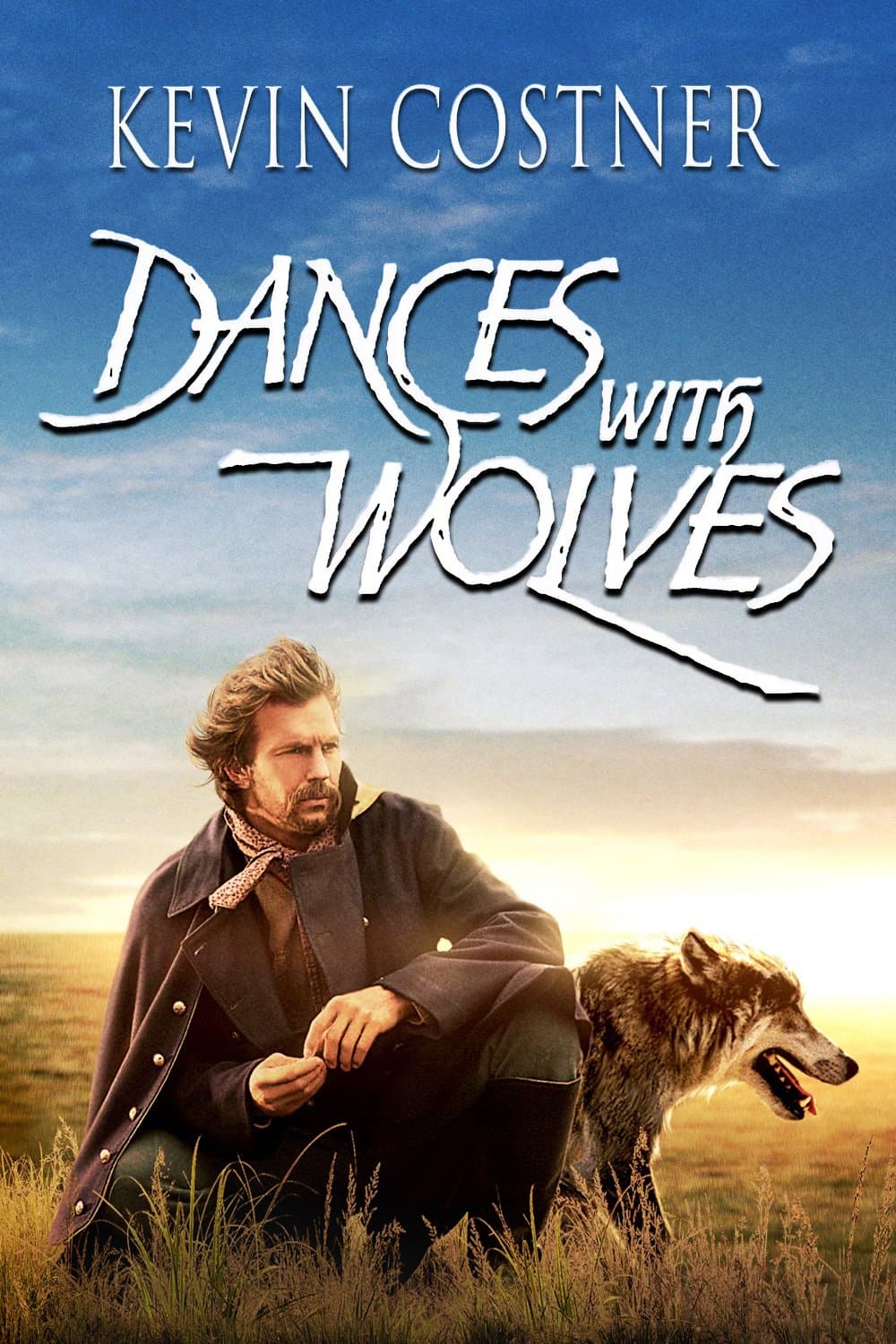
Costner directed it himself, shot a third of it in Lakota with subtitles, and everyone expected disaster: a Union officer posted to an empty frontier fort starts keeping company with his neighbors.
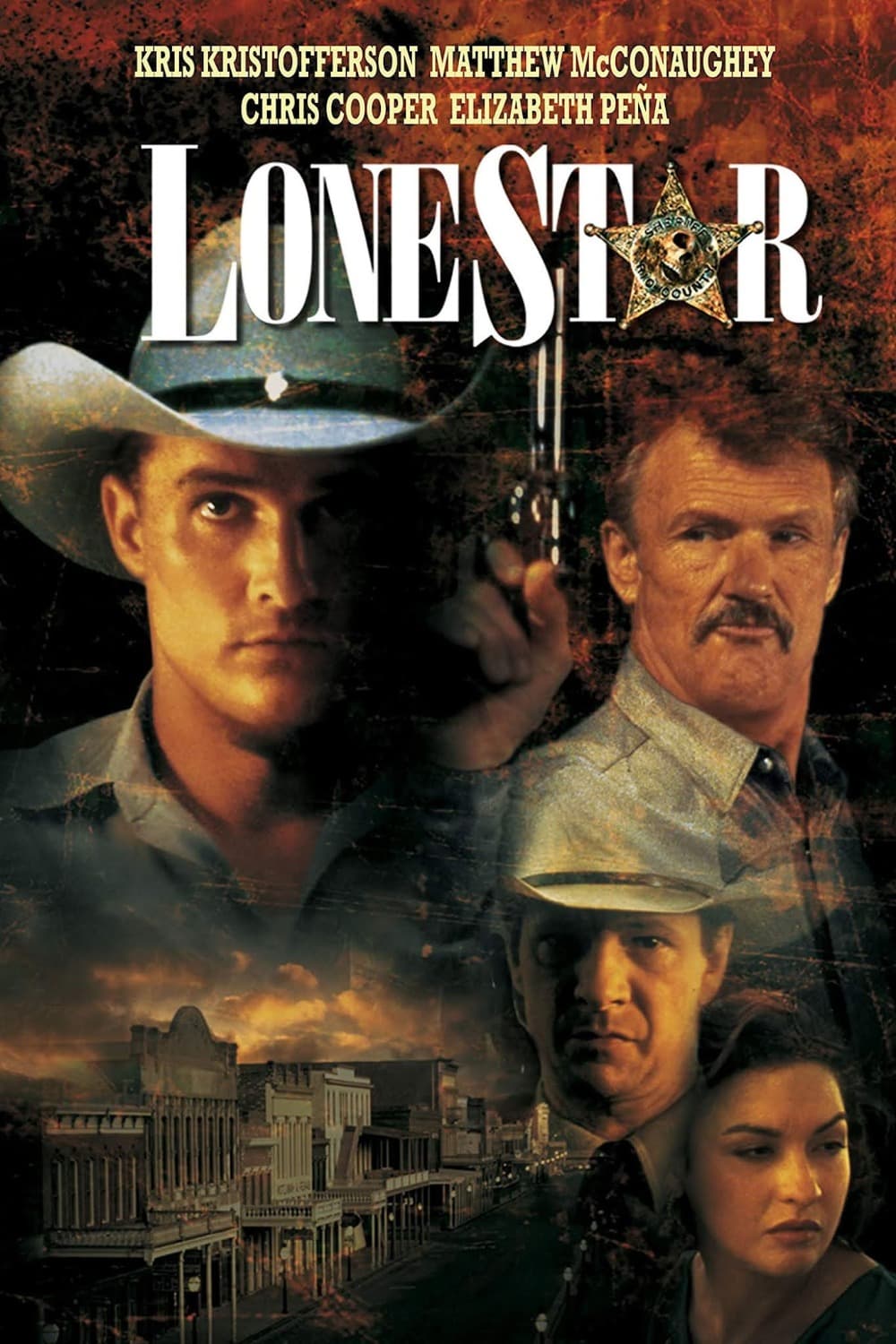
Sayles moves between past and present without a cut, panning from one decade into another: a Texas border town excavates a forty-year-old murder and finds the whole town's history attached.
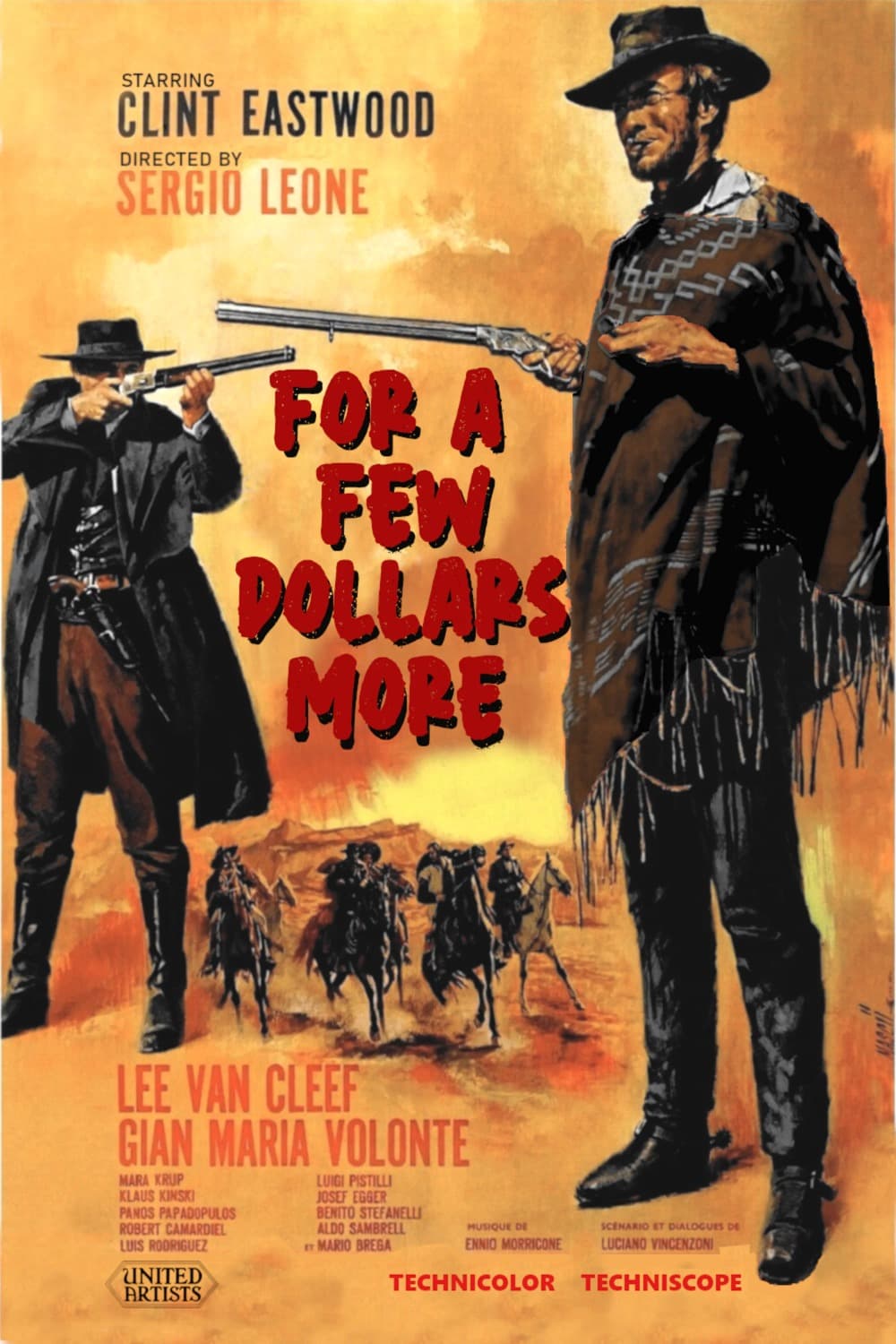
Leone found the shape of his westerns here: two bounty hunters circle each other for two hours, a musical pocket watch counts down the duel, and Morricone times the whole film.
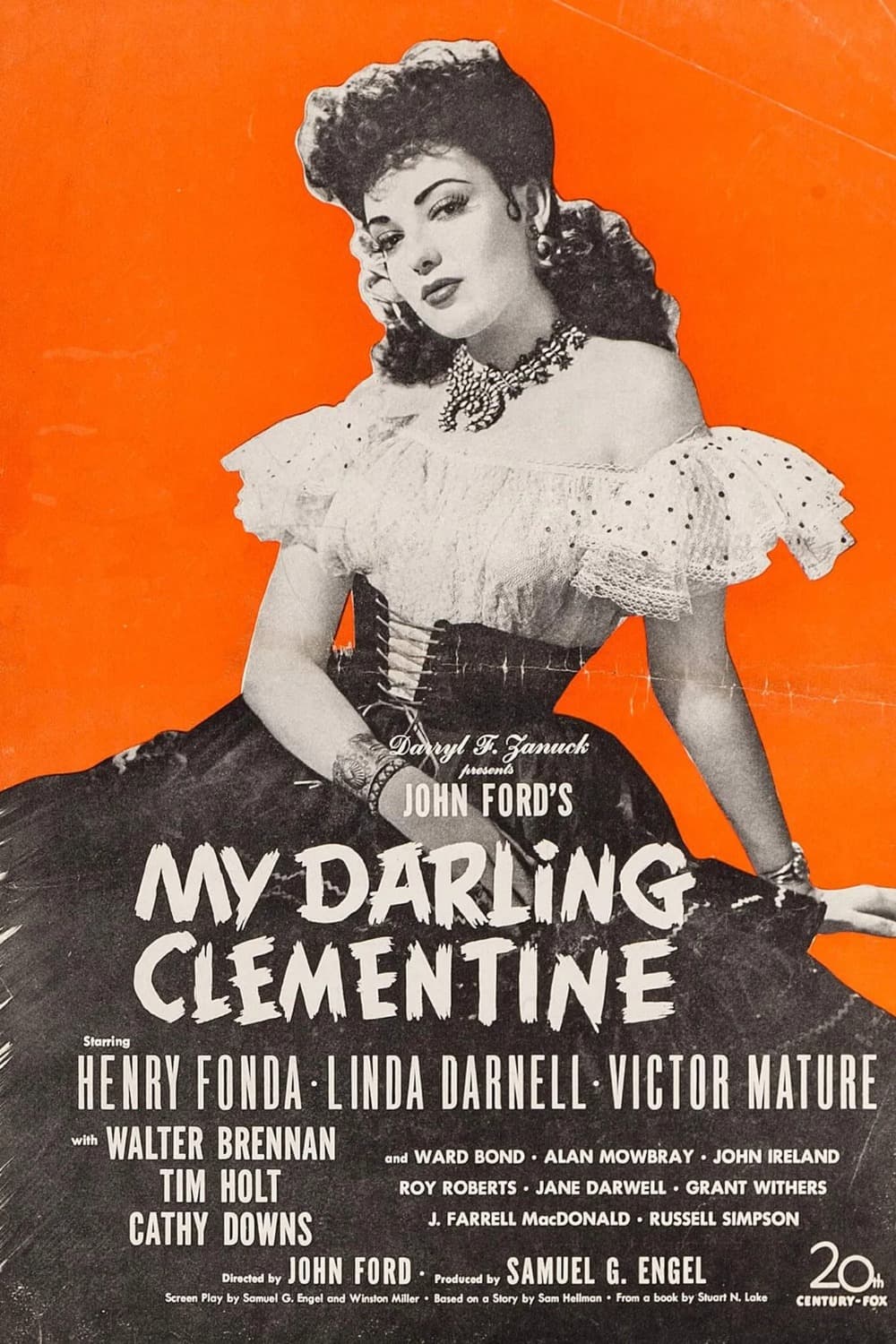
Ford claimed Wyatt Earp himself described the gunfight to him: what stays with people is not the shootout but a church dance on a bare wooden floor under an unfinished roof.
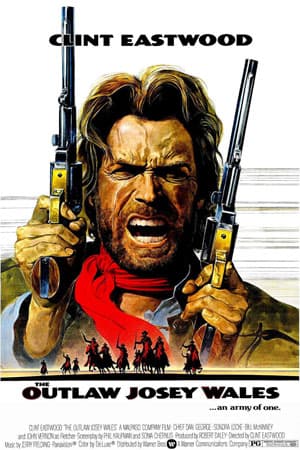
Eastwood fired the director and took over, and the union wrote a rule to stop it happening again: a Missouri farmer rides out after the war and keeps collecting strays he never wanted.
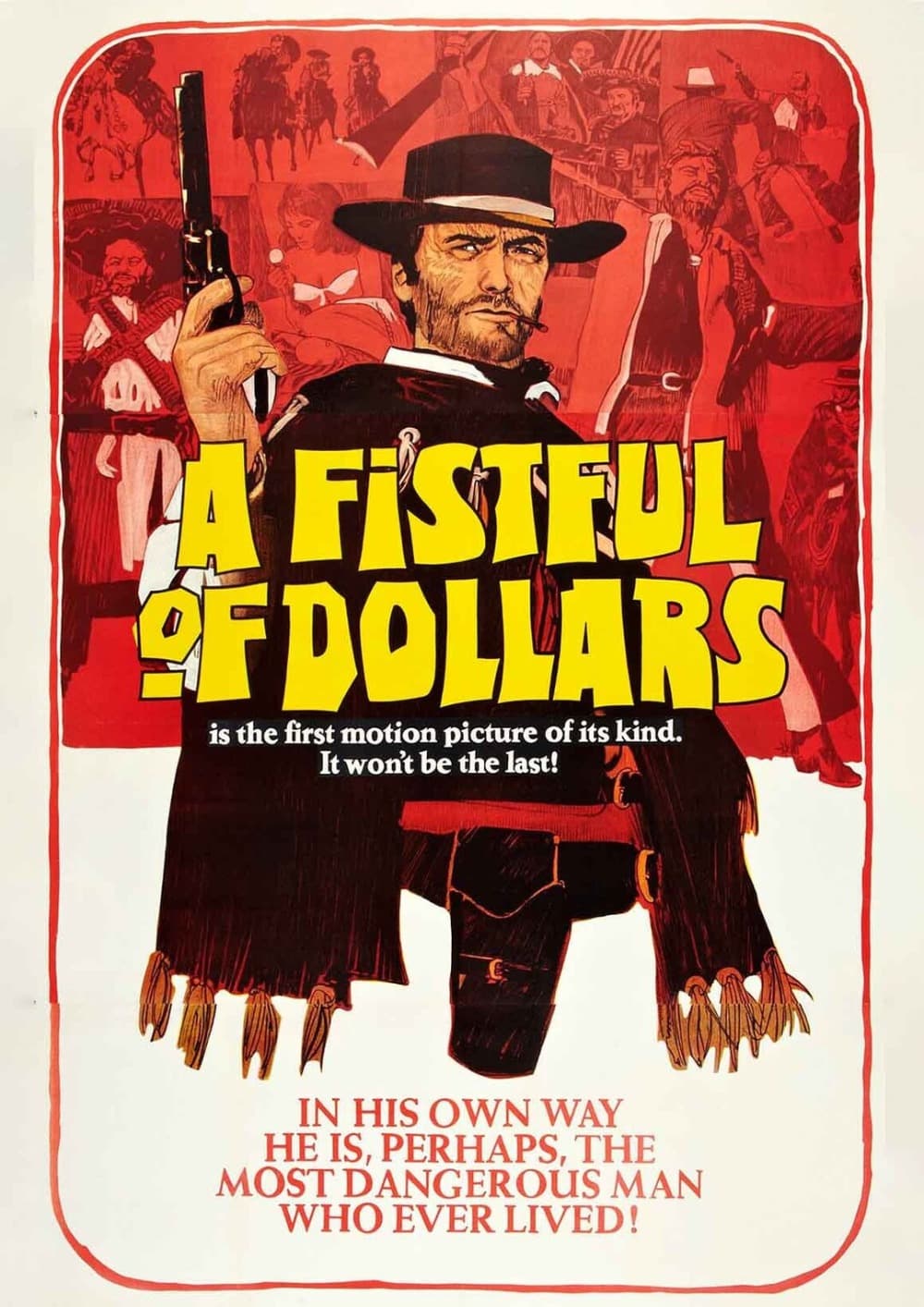
The spaghetti western became a genre with this, and Clint Eastwood became a star: Ennio Morricone's whistle, a poncho and a cheroot, and a drifter who tells nobody what he wants.
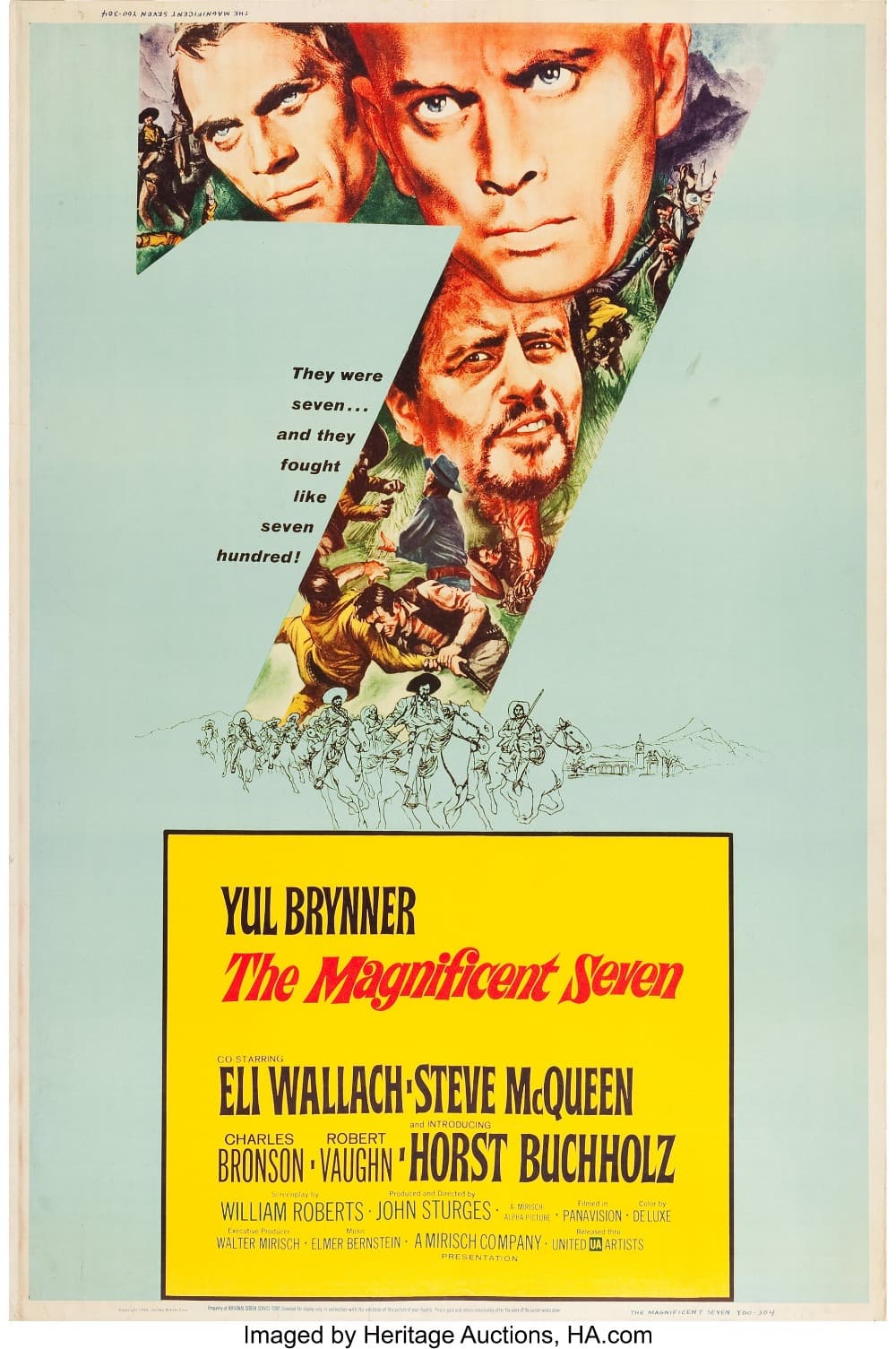
Kurosawa liked this remake of his own film enough to send Sturges a ceremonial sword: Seven Samurai relocated to the Mexican border, with Elmer Bernstein's theme doing half the work.
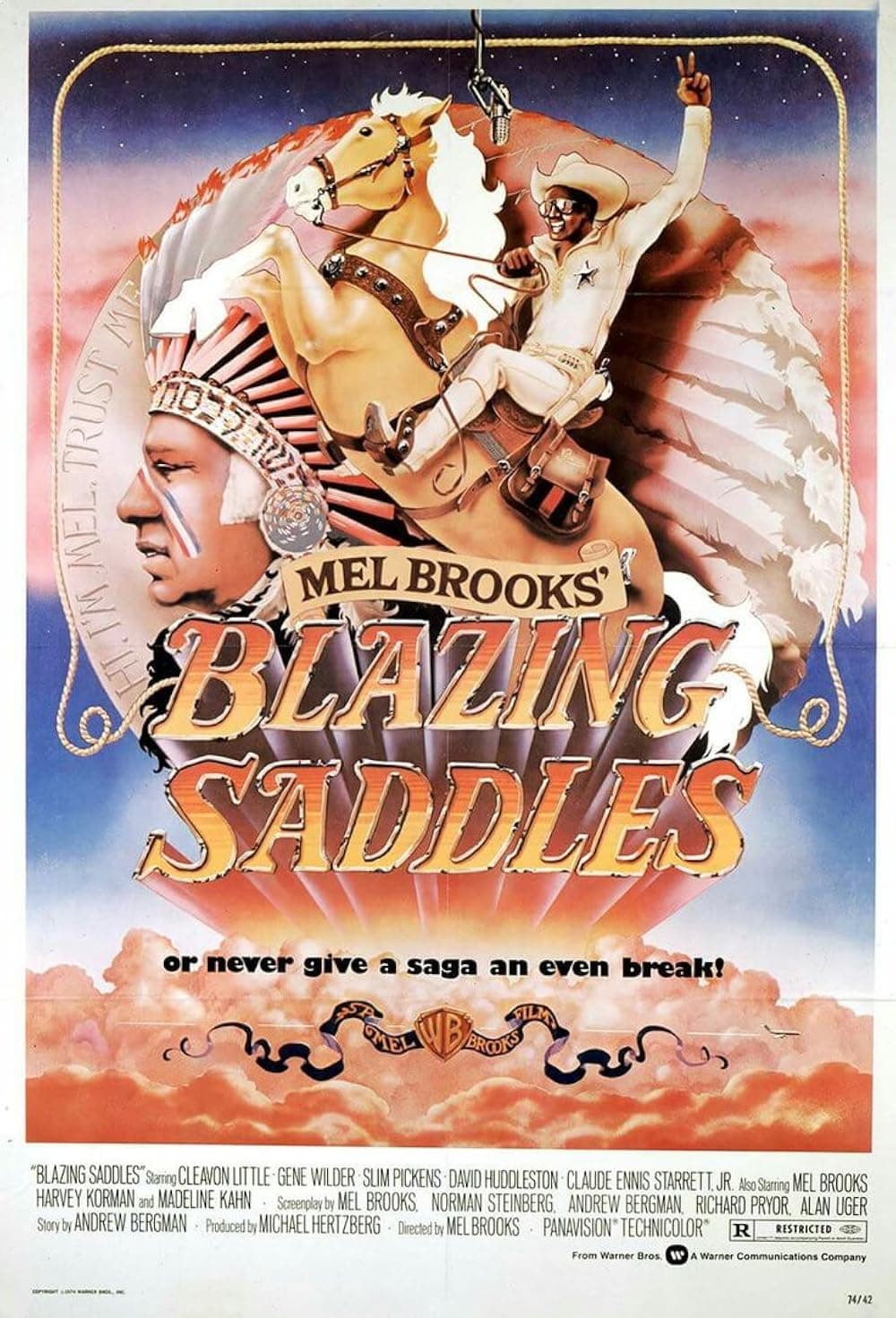
Brooks spent years saying it could not be made today and has since changed his mind: a Black sheriff arrives in a frontier town built on racism, and everybody gets hit.
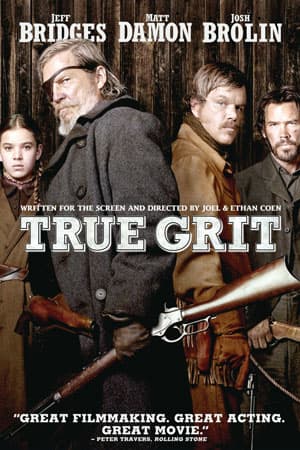
The Coens went back to Charles Portis's actual sentences and rationed contractions almost out of existence: a fourteen-year-old girl hires a drunk marshal to avenge her father.
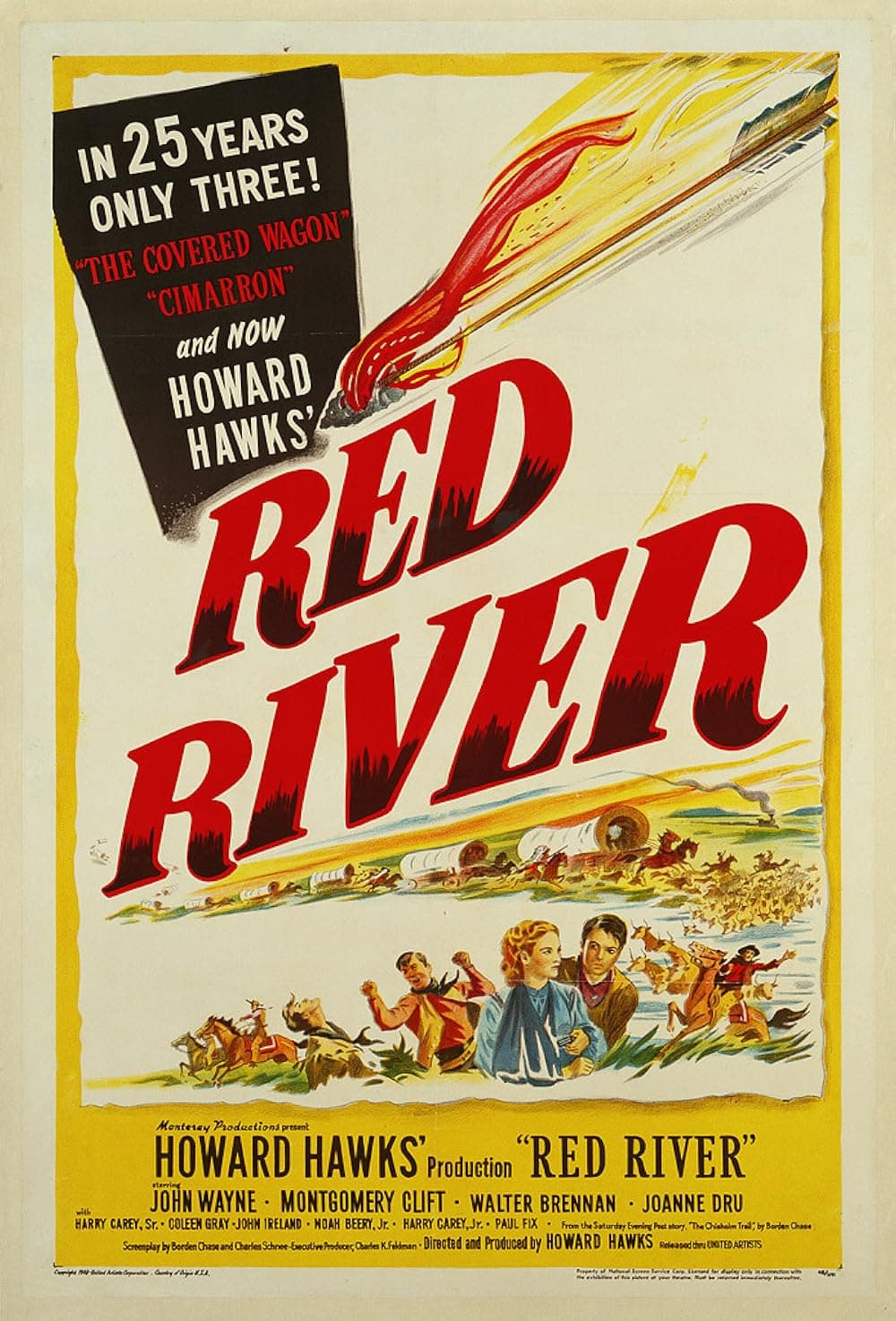
Ford said he never knew Wayne could act until he saw this: a cattle drive turns into a mutiny, and the man in charge becomes the thing to escape.
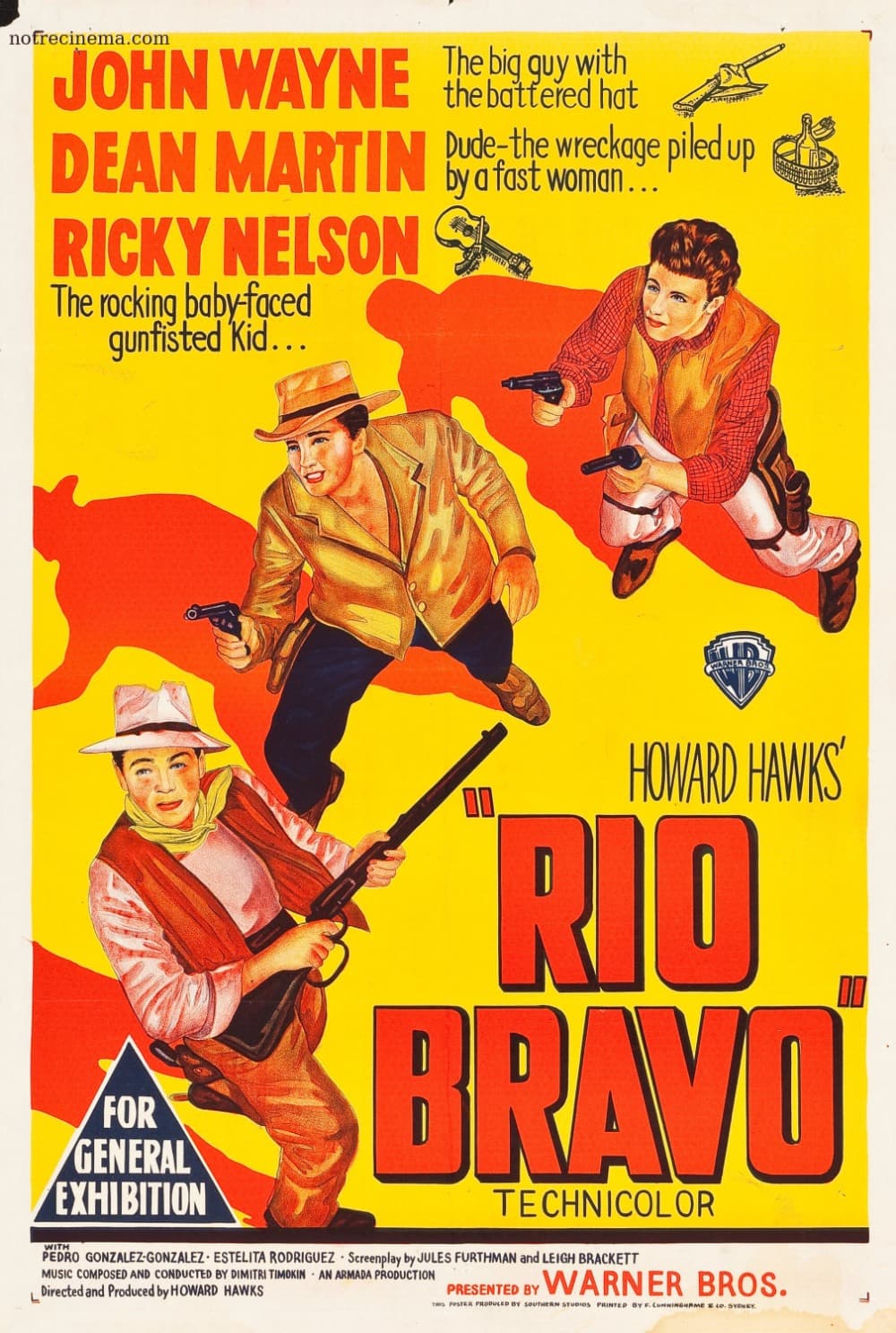
Hawks made it as an argument against High Noon: instead of a marshal begging for help, four flawed men hold a jail and enjoy each other's company doing it.

It made John Wayne a star, invented Monument Valley as a place in the American mind, and put nine strangers in one coach: every road movie descends from it.
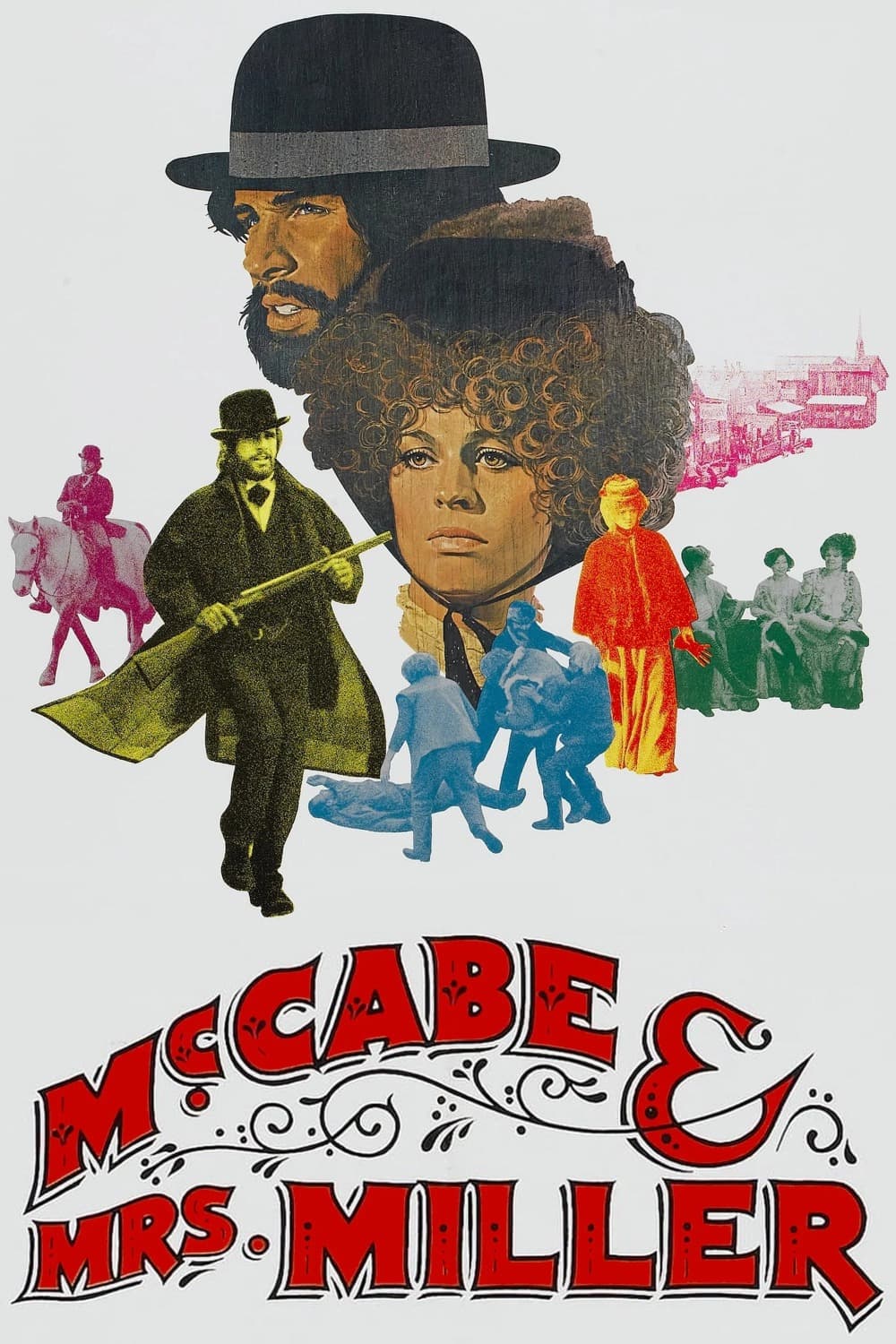
Altman made a western out of mud, snow and Leonard Cohen songs: a small-time gambler and a businesslike madam build a frontier town out of almost nothing.
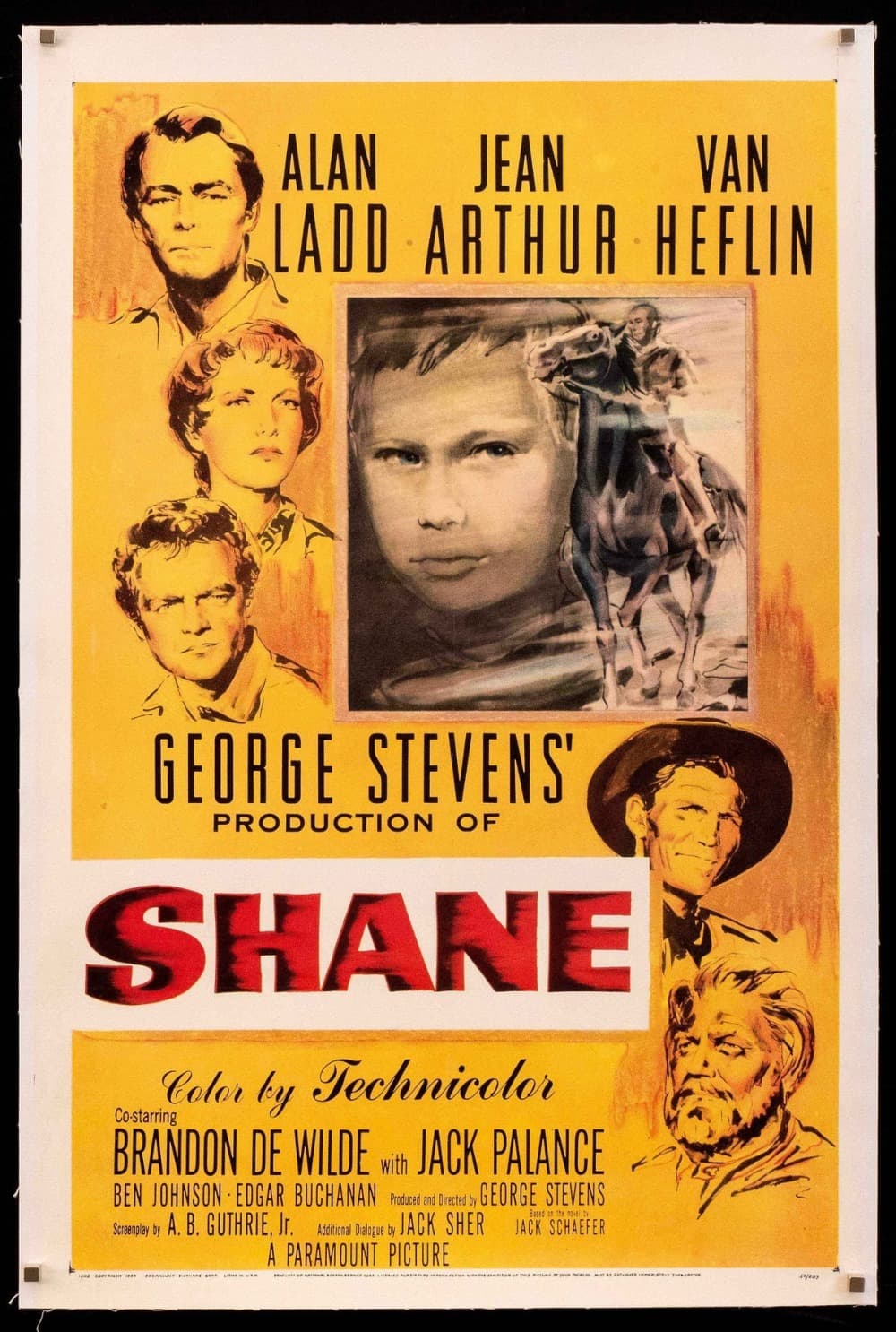
The western seen entirely through a small boy's worship, which is the honest way to look at it: a gunfighter tries to stop being one and cannot.
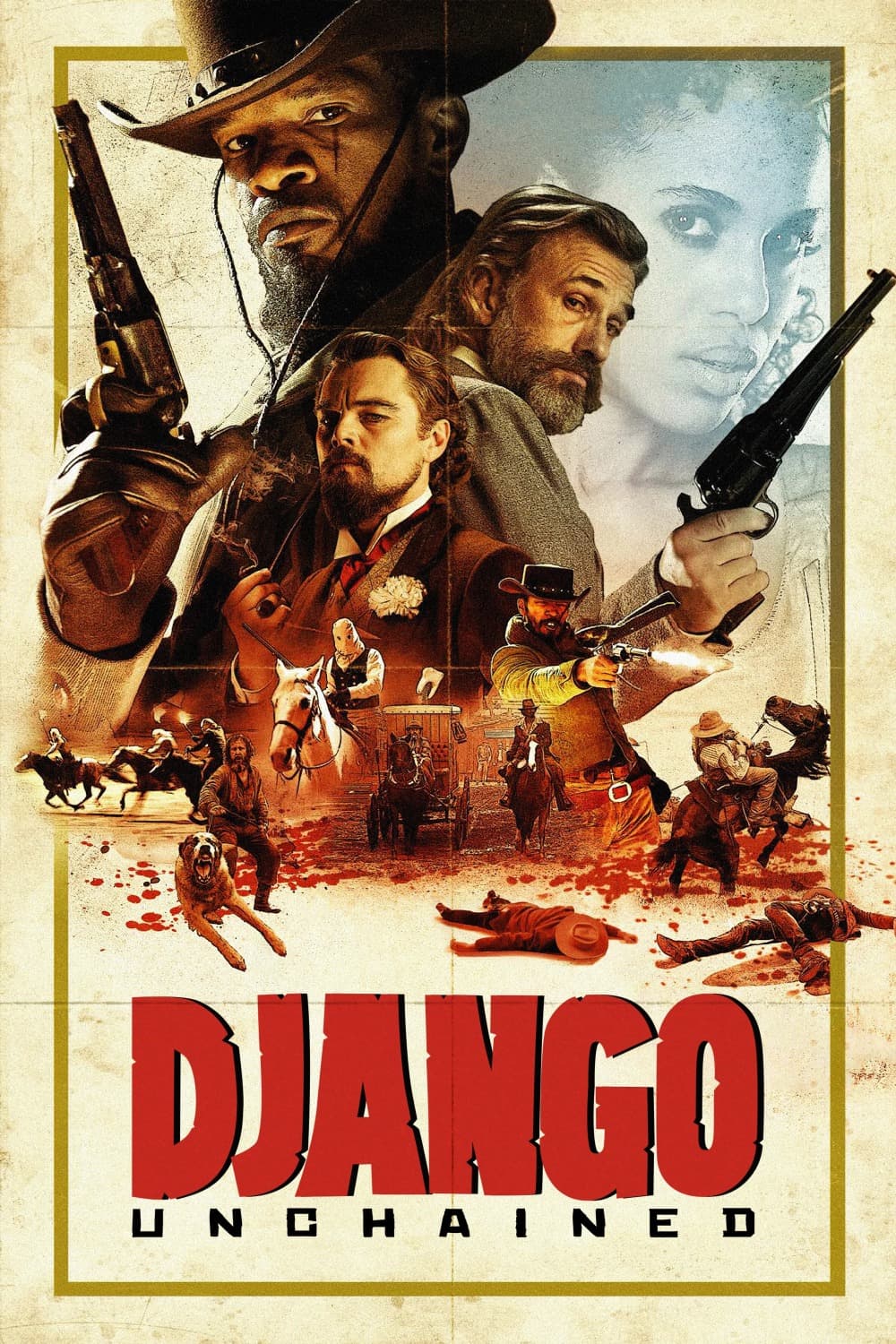
Tarantino turned American slavery into a spaghetti western and got away with it: a freed slave rides with a German bounty hunter, and the dialogue never stops crackling.
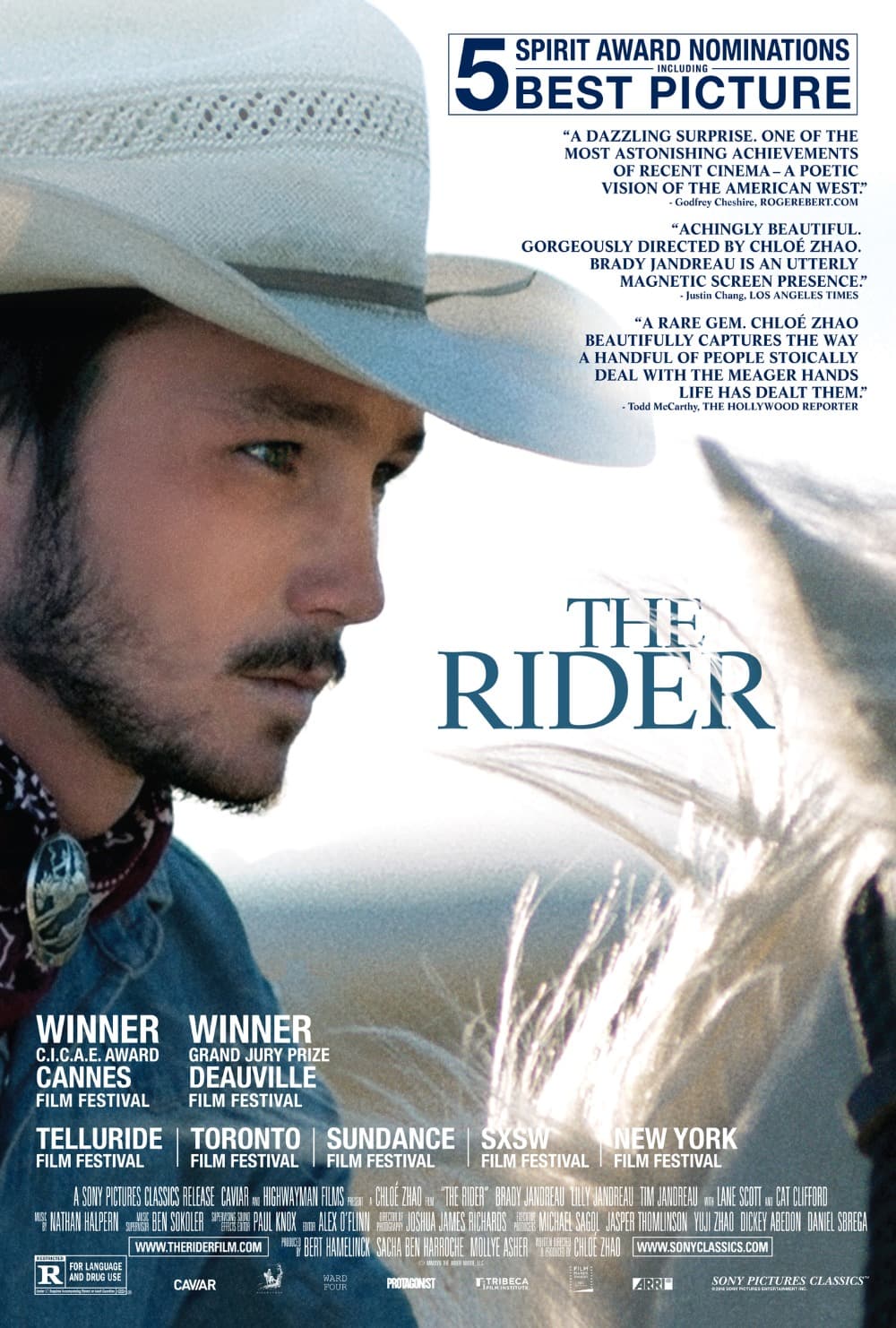
Chloe Zhao cast a real rodeo rider and his real family to play themselves: the line between documentary and fiction never appears, and neither does a false note.

Two men have never been better company on screen: Newman and Redford spend the film running out of frontier and enjoying each other far too much to panic.
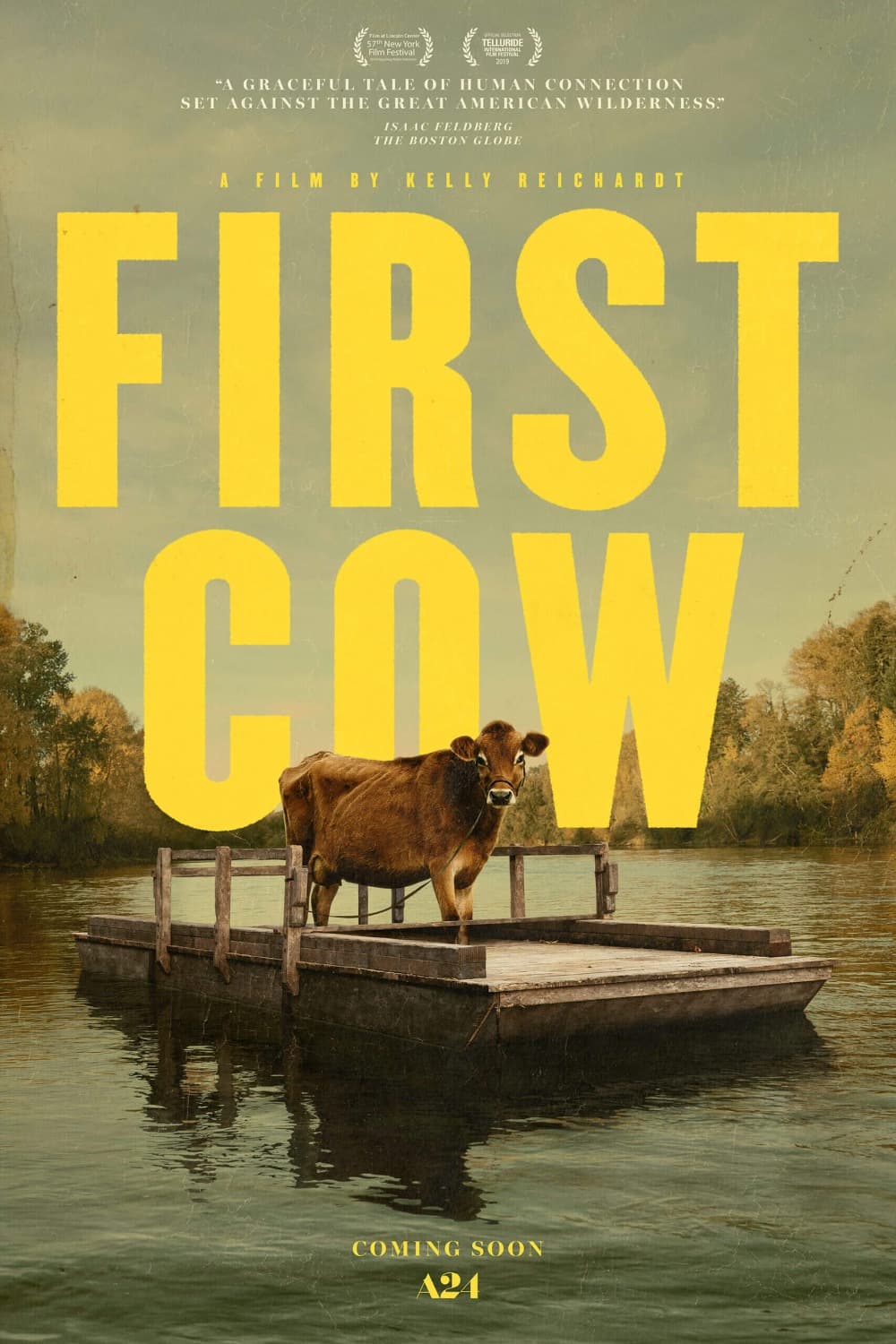
Reichardt makes the quietest films in American cinema, and this one is her warmest: two men on the Oregon frontier, one borrowed cow, and one very small crime.
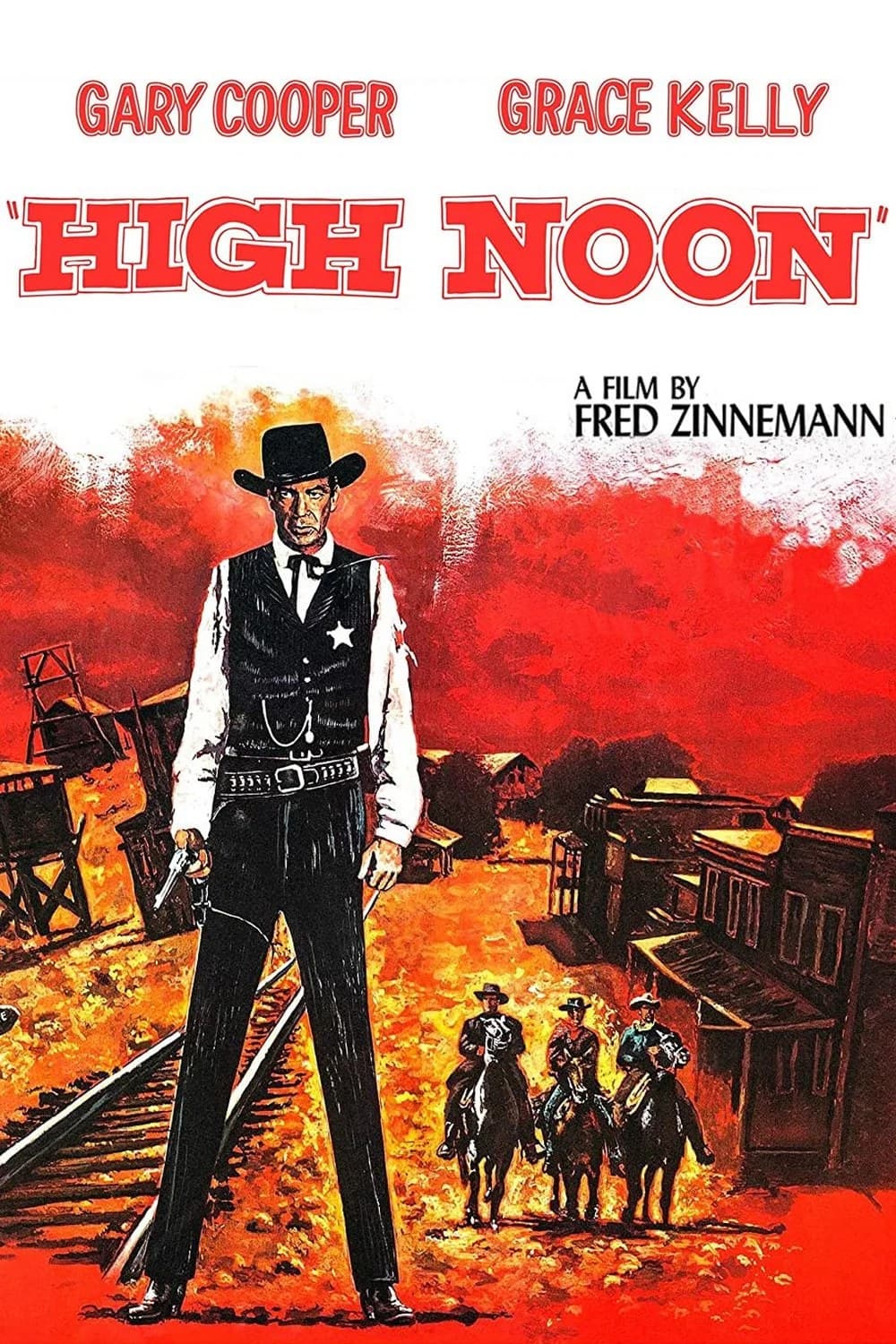
Written as an allegory about the blacklist by a man about to be blacklisted: a marshal has eighty-five minutes before the noon train, and the film runs them in step.

Ford's last word on the myths he spent forty years building: it gave American English the phrase about printing the legend, and it is the bleakest western he made.

Huston won two Oscars for it and directed his own father to a third: three men look for gold in Mexico and the heat does the rest.
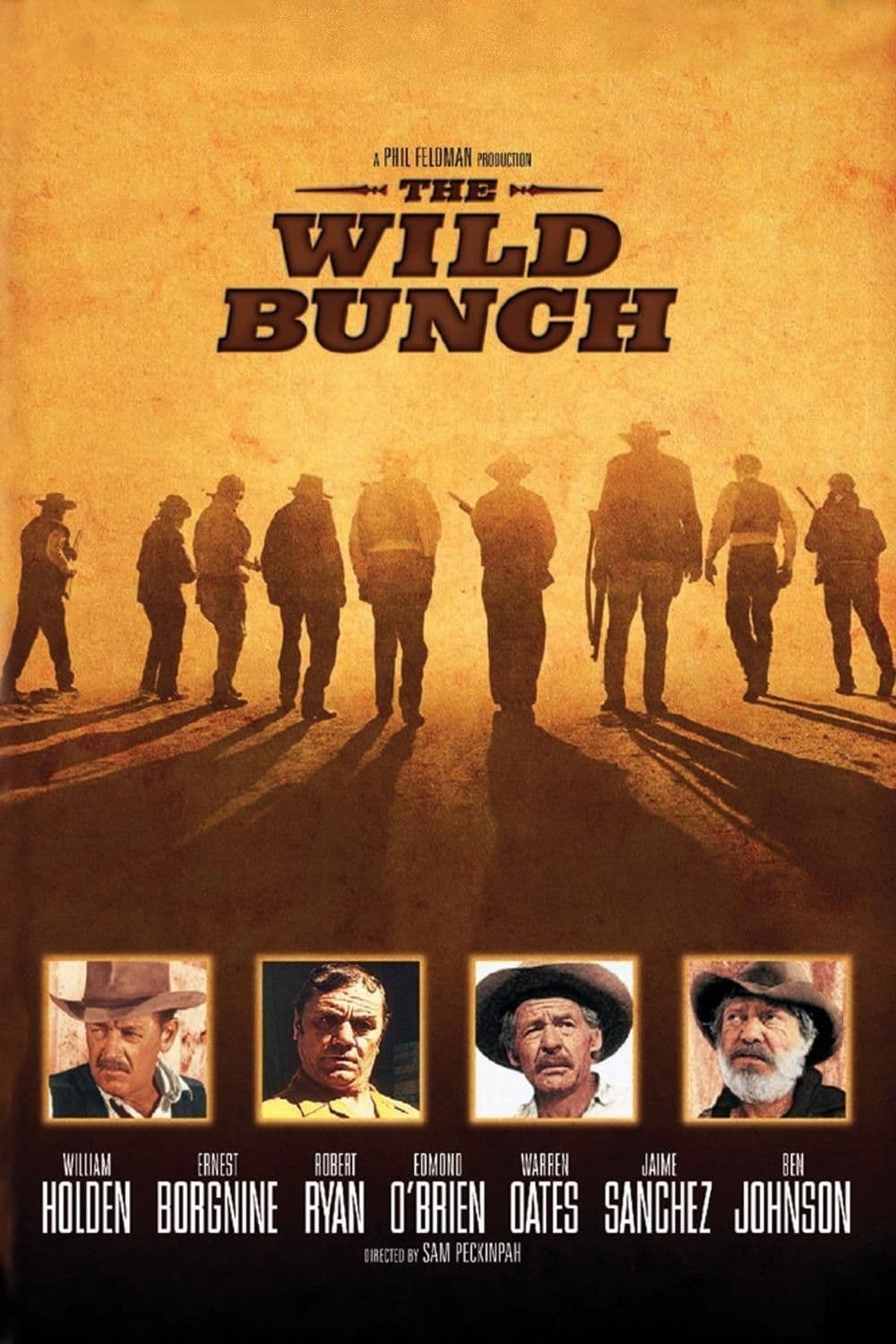
Peckinpah showed at once what the new ratings system had licensed: slow motion, six cameras firing together, and a body count that made every western before it look polite.
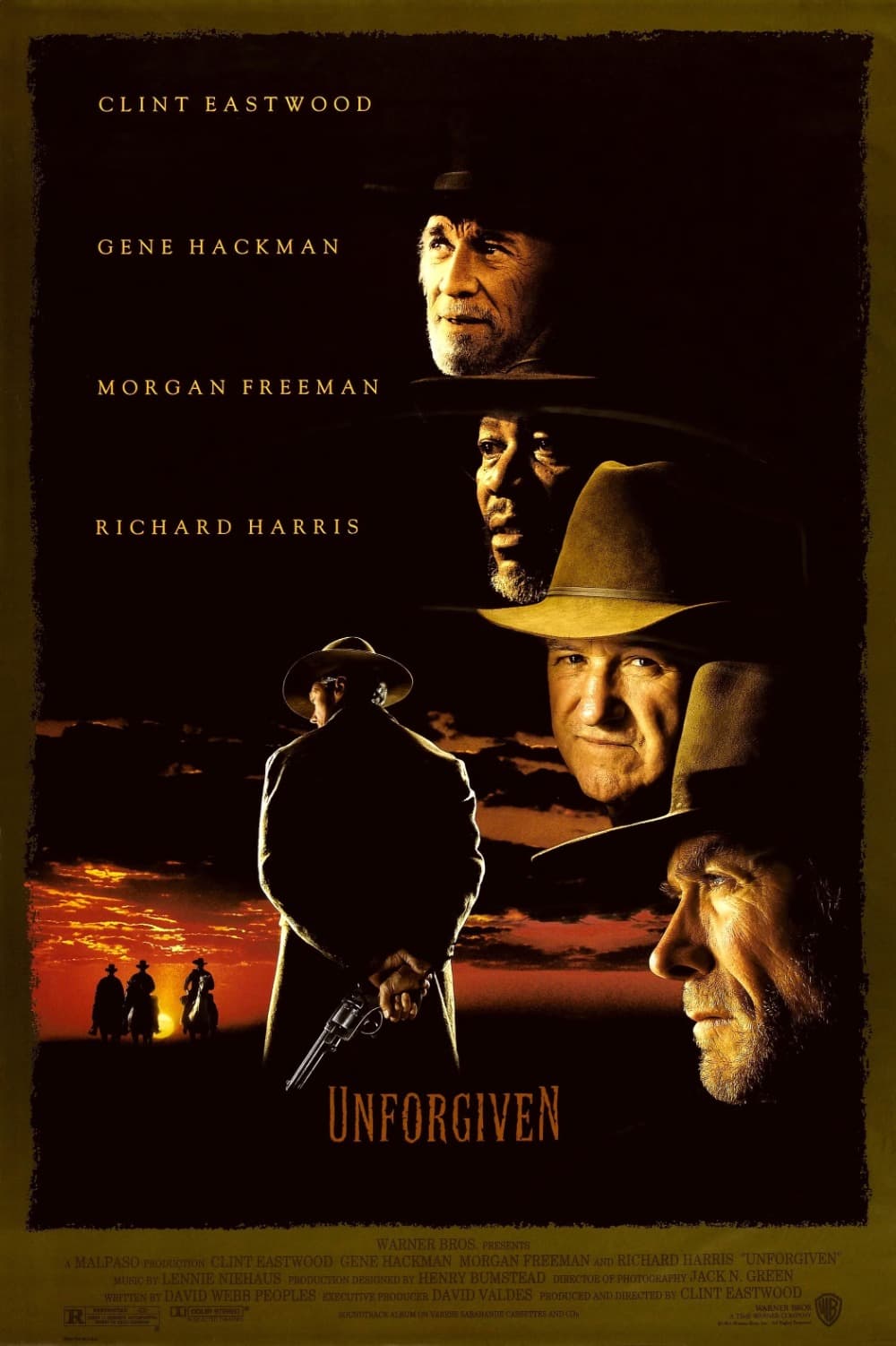
Eastwood spent thirty years building the myth this film takes apart: no western has been harder on the pleasure of violence, or on the men who deal it out.

No spaghetti western got higher, and no film score is better known: Leone shoots faces like landscapes, and Morricone's music does as much work as the dialogue.
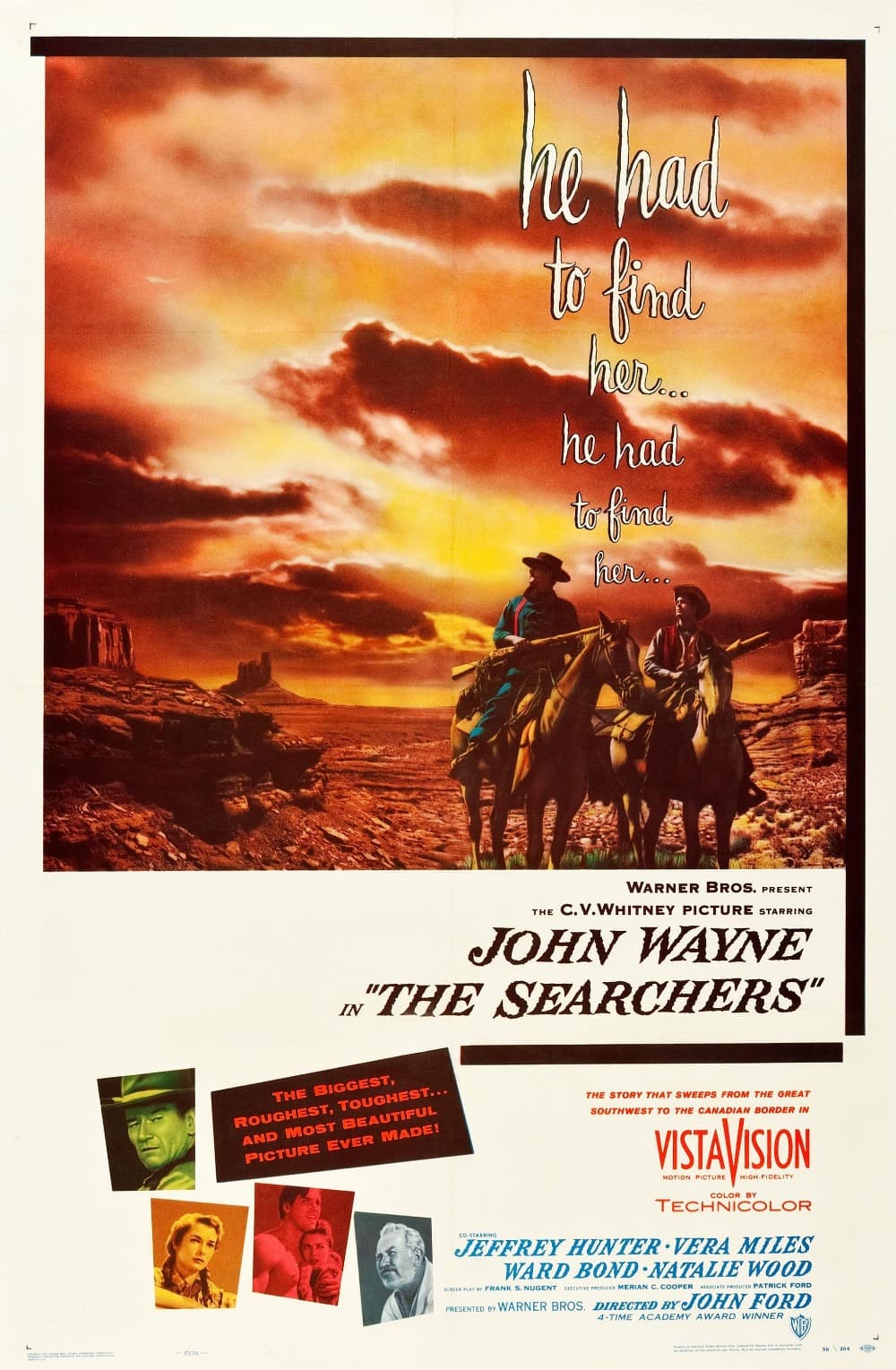
Other directors have been stealing from this western for seventy years: Ford put John Wayne's racism on screen without excusing it, and framed his story in a much-copied doorway.

The western as ritual: Leone holds on faces until the tension turns physical, gives every character a Morricone theme, and makes three hours feel like a ceremony.