Mrs. Miniver
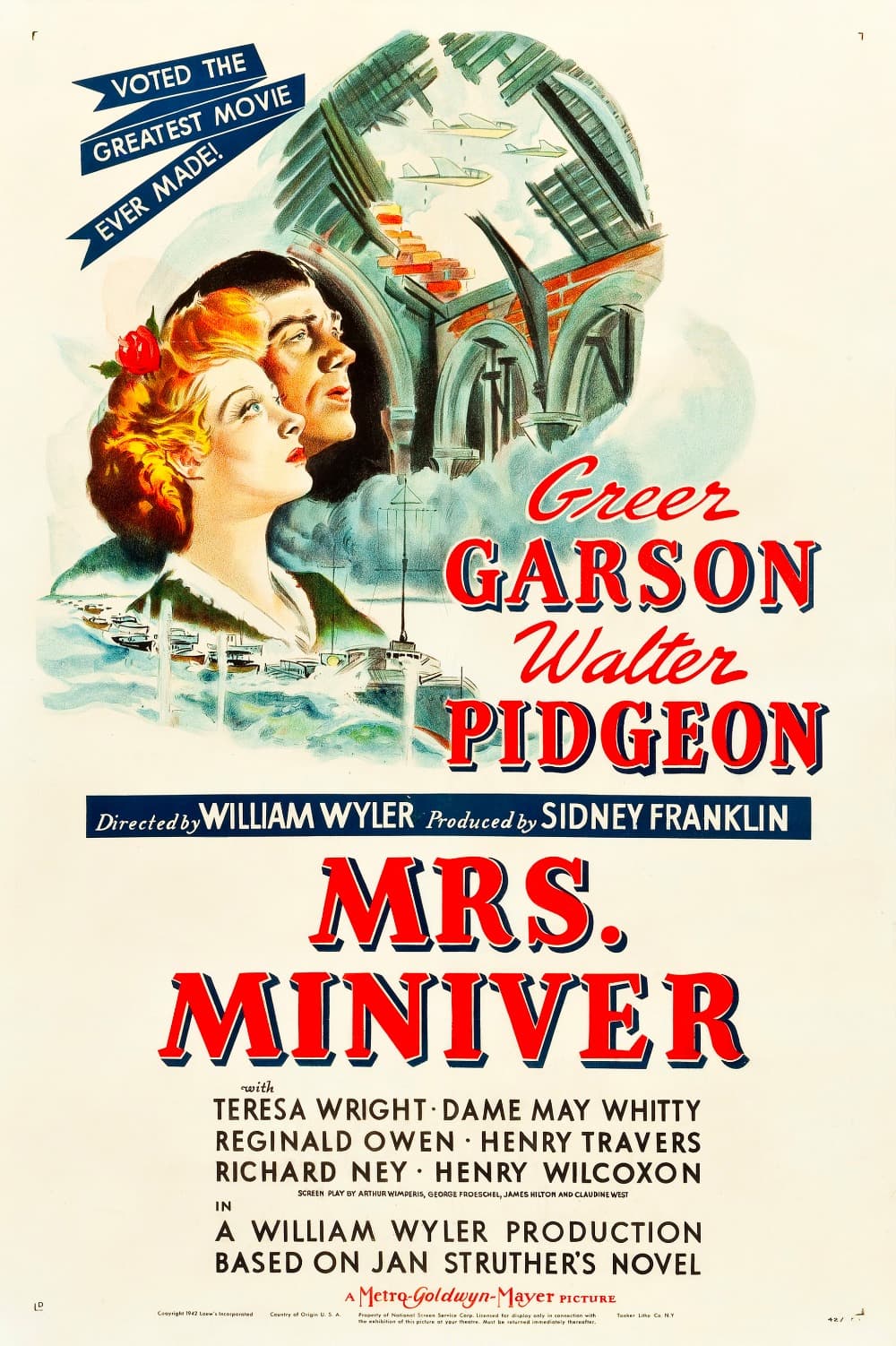
Roosevelt had the vicar's closing speech printed on leaflets and dropped over occupied Europe: an English family absorbs the first year of the war, and America was watching very closely.

Roosevelt had the vicar's closing speech printed on leaflets and dropped over occupied Europe: an English family absorbs the first year of the war, and America was watching very closely.

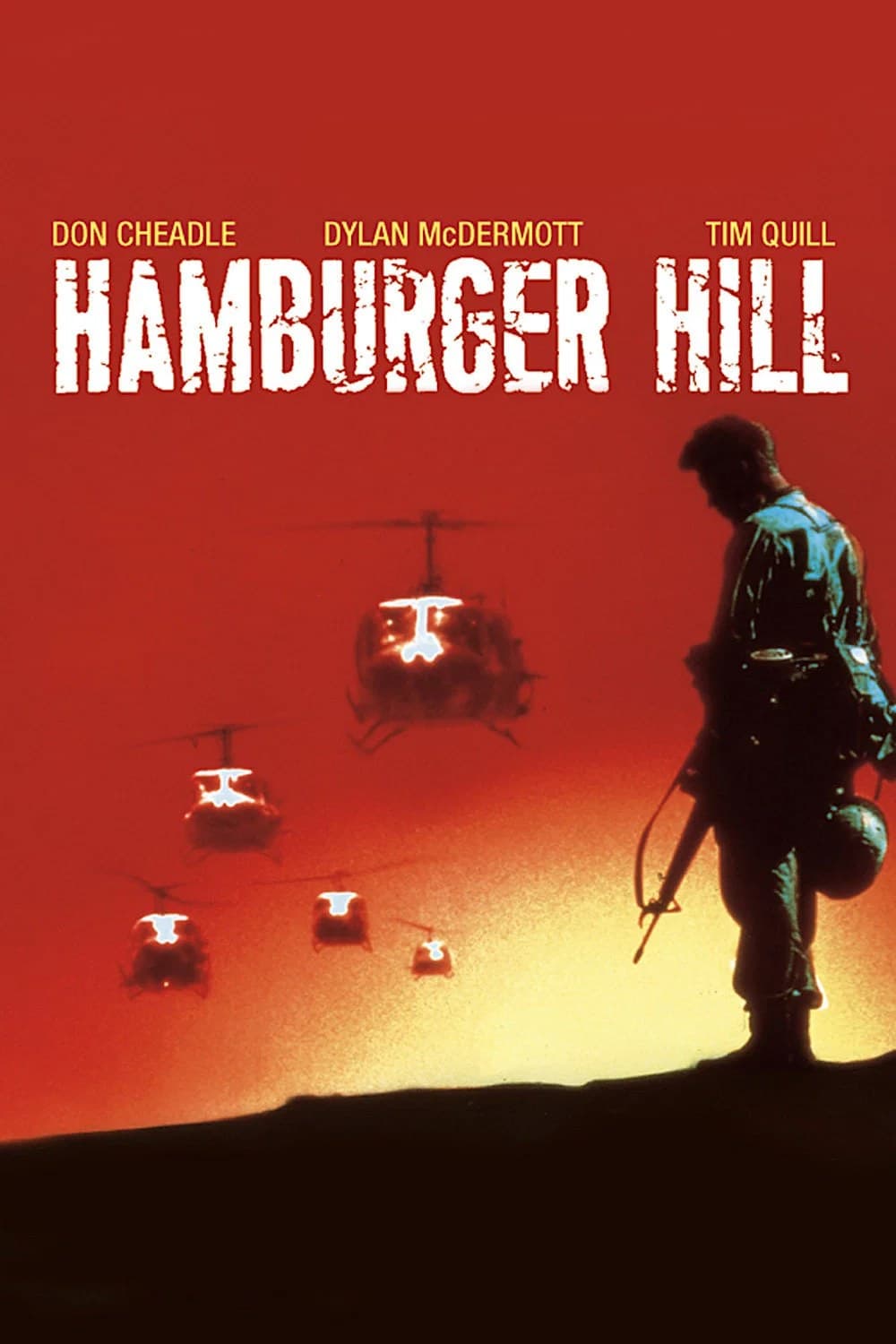
The least mythologizing Vietnam film anyone made: ten days in May 1969 taking one hill that the army abandoned immediately afterward, filmed as almost pure exhaustion and mud.

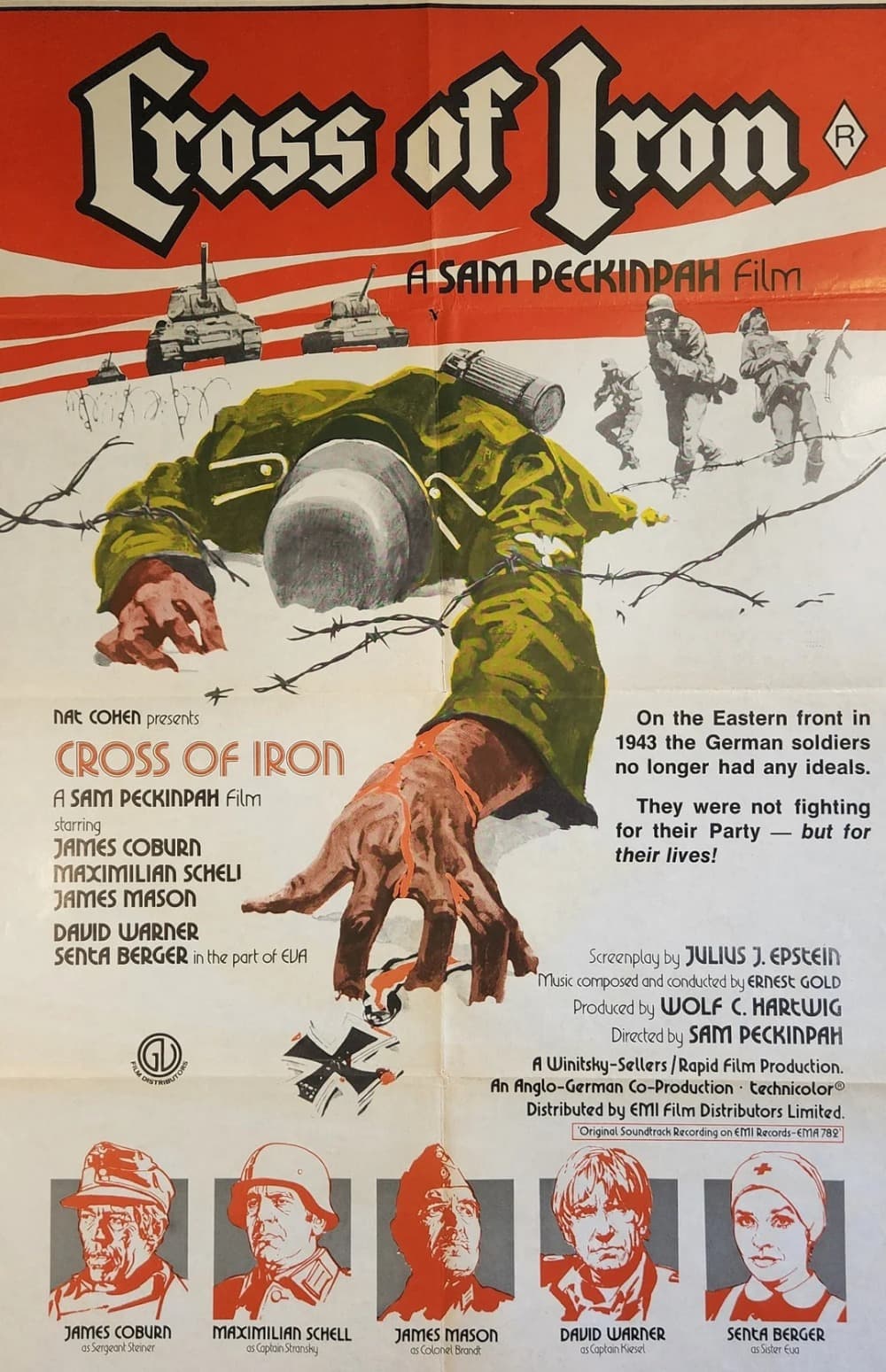
Sam Peckinpah's only war film, told entirely from the German side of the Eastern Front: Orson Welles called it the finest anti-war film since All Quiet on the Western Front.

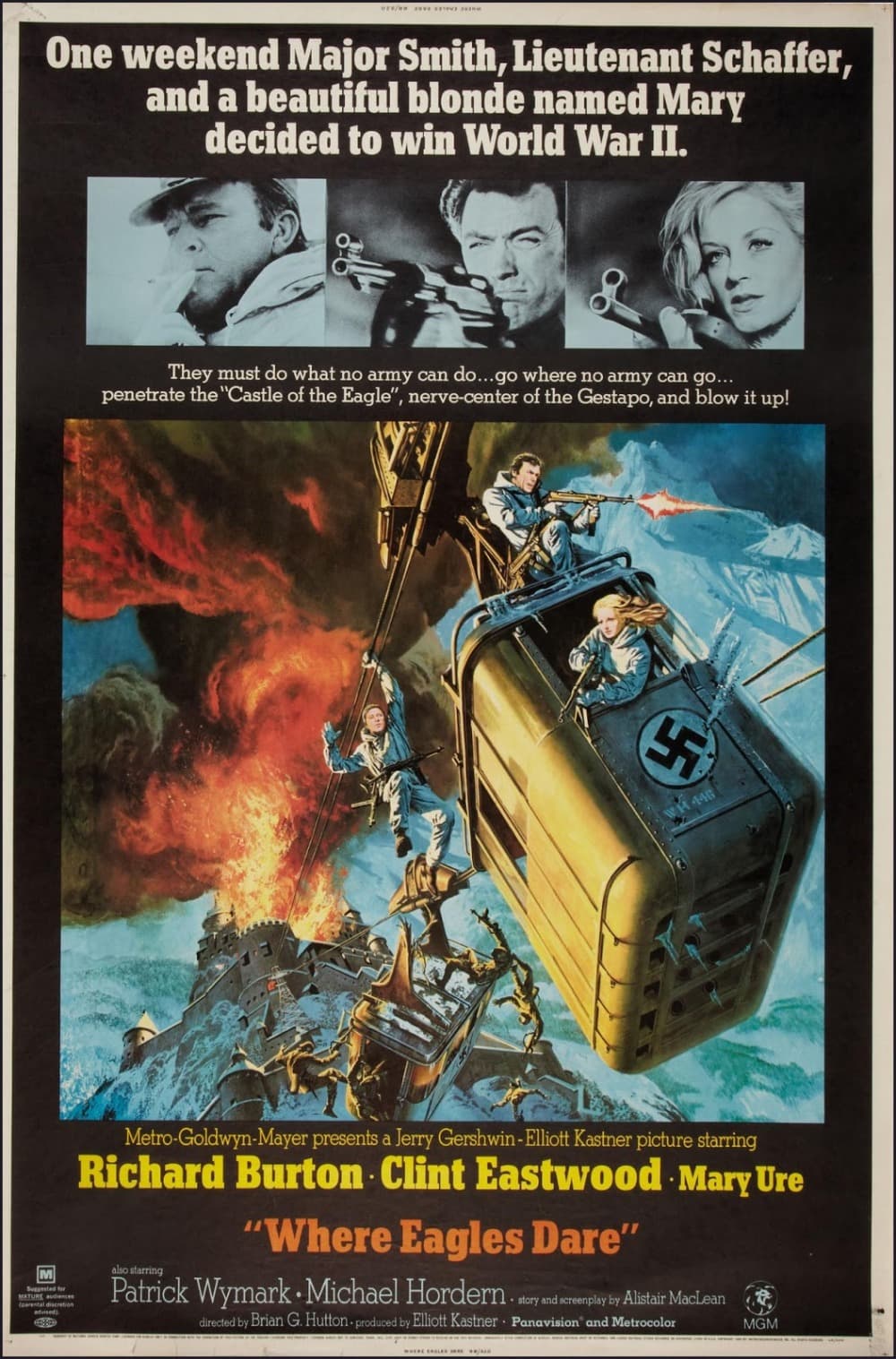
Alistair MacLean wrote it as a screenplay first and a novel second: Richard Burton and Clint Eastwood go into an Alpine castle after a captured general, and the cable car fight is superb.

Samuel Fuller fought in the division he is filming and waited thirty-five years to tell it: a squad from North Africa to Sicily to Normandy, filmed as a job that does not end.

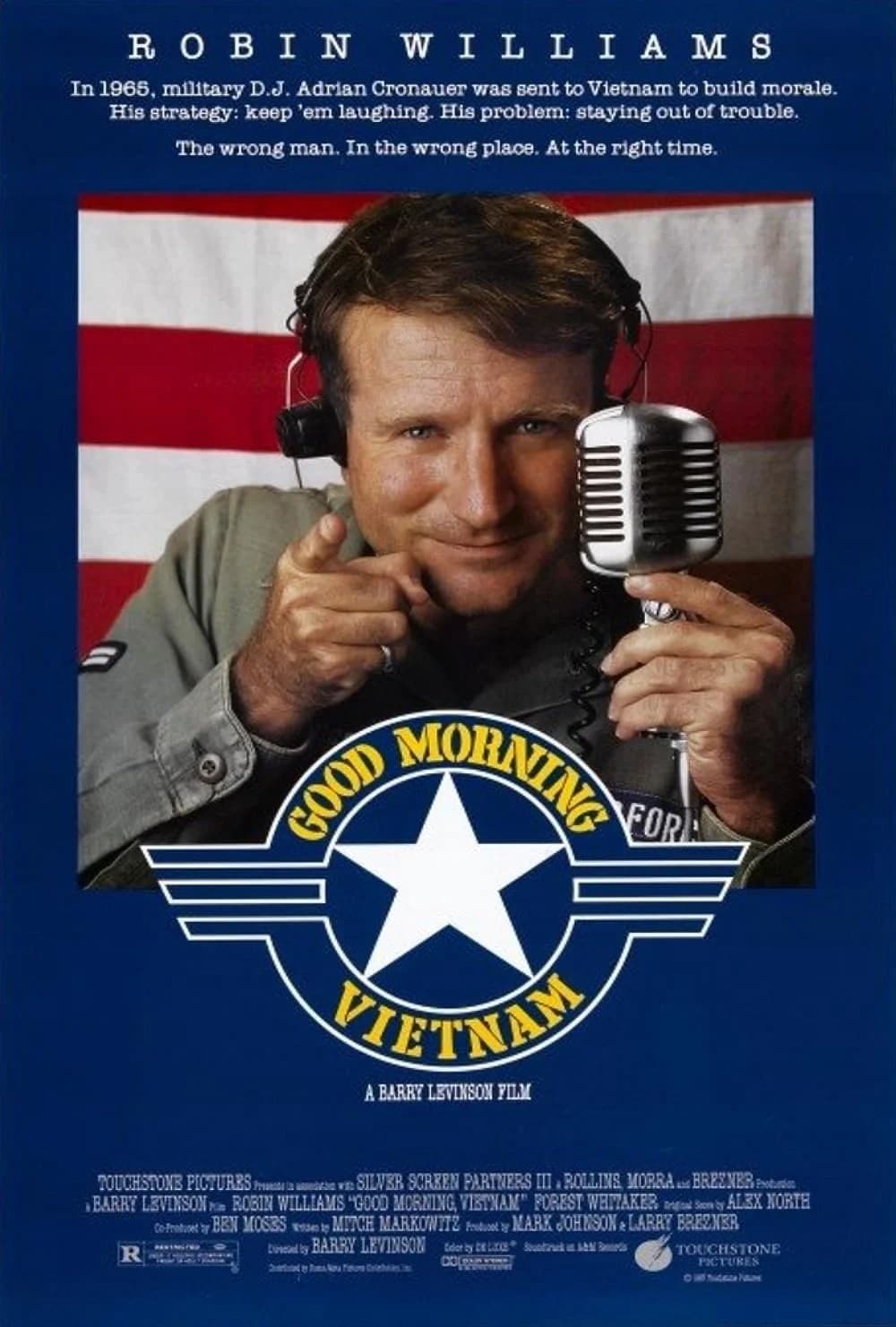
Robin Williams was handed a microphone and the cameras simply ran: an armed forces disc jockey lands in Saigon in 1965, and everyone above him wants the broadcast back the way it was.

Ron Kovic wrote the book and then the screenplay with Oliver Stone, who had been to the same war: a Long Island boy enlists in 1967, and Tom Cruise abandons his own image.

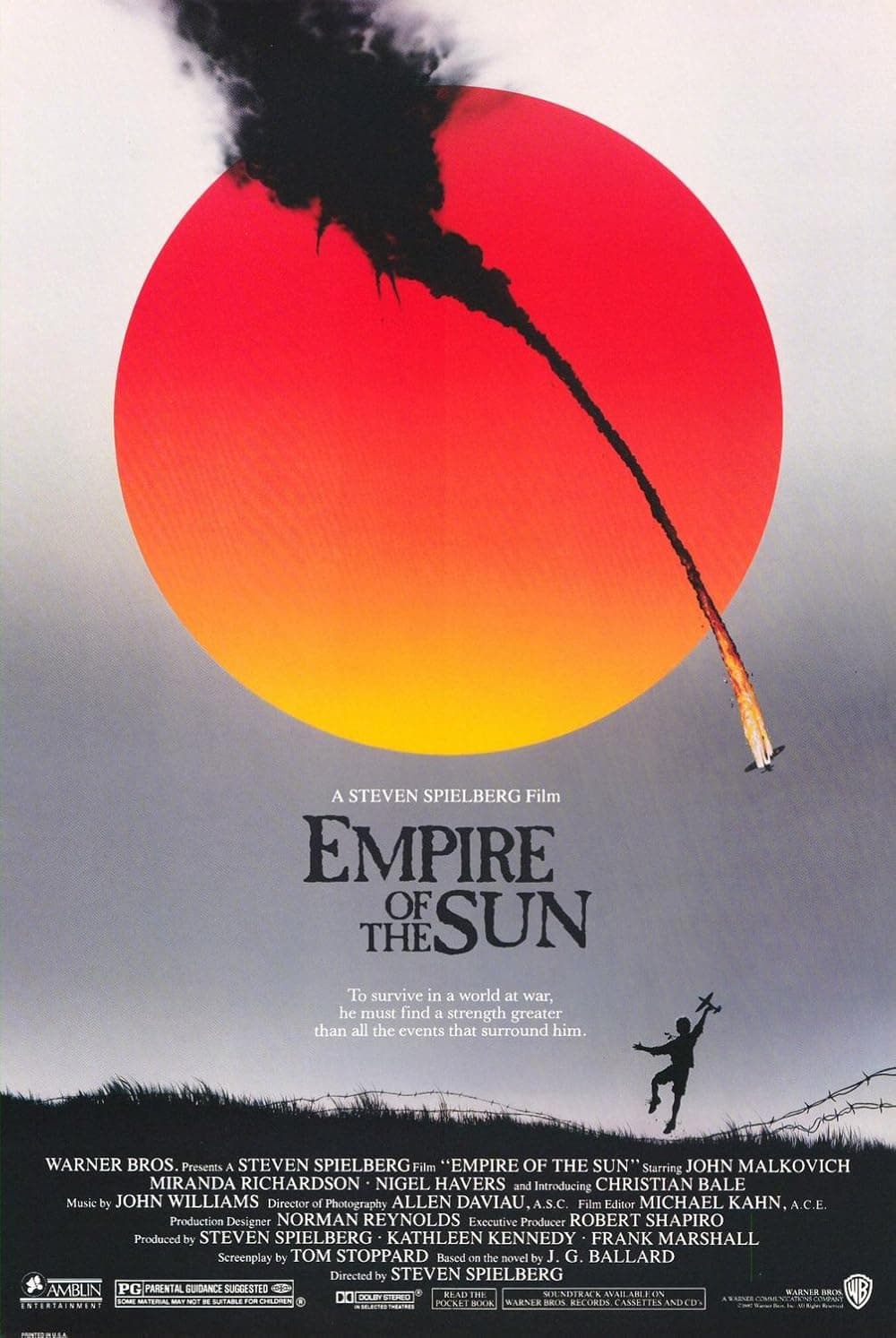
Christian Bale was thirteen and carries the entire film: Spielberg follows an English boy separated from his parents in occupied Shanghai, and never lets the war become an adventure.

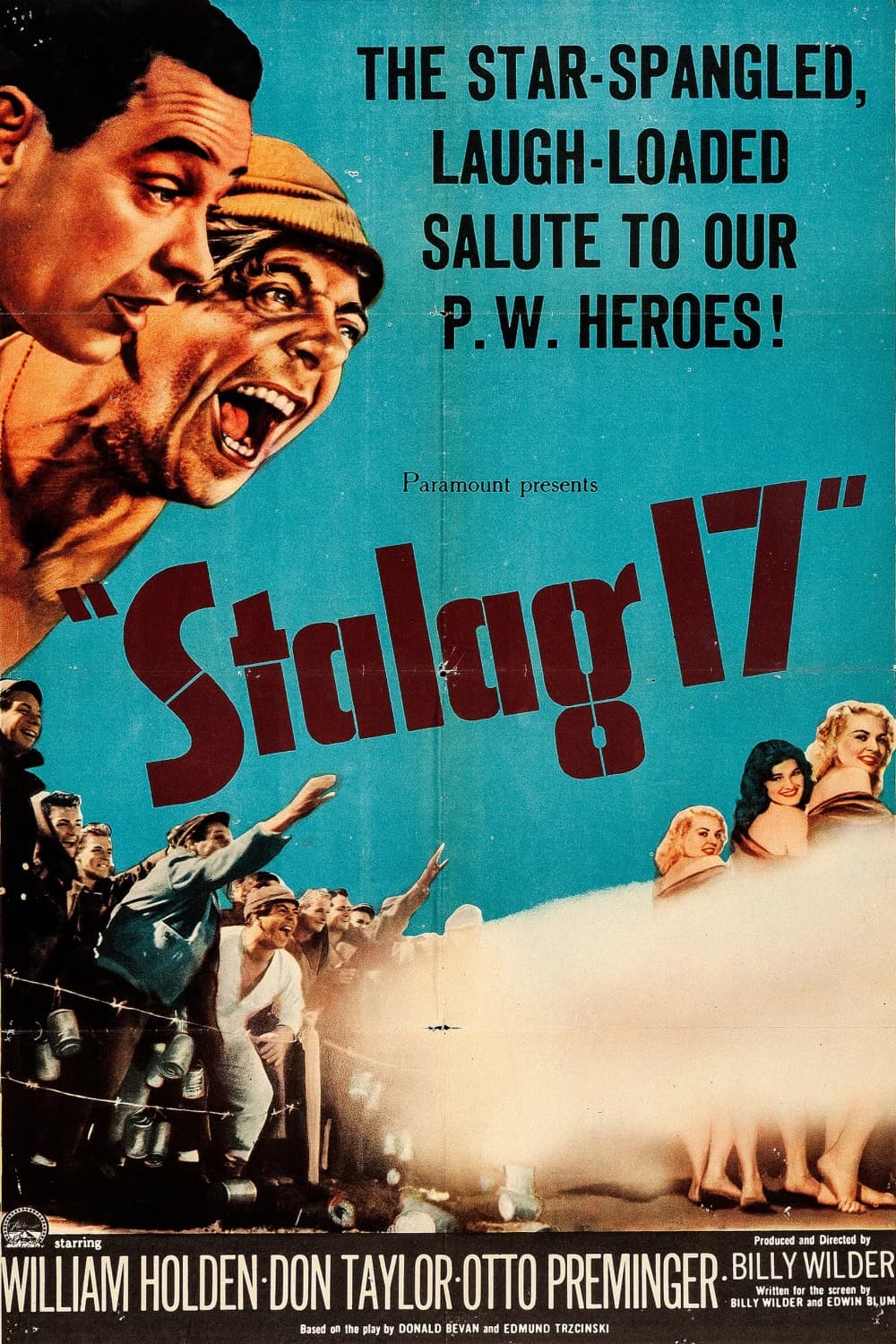
Wilder made a POW comedy in 1953 and refused to soften the Americans in it: a barracks works out that somebody inside is trading information to the Germans, and starts looking around.

Russell shot it on bleached film stock so the desert looks radioactive: four American soldiers go looking for Kuwaiti gold in the days after the Gulf War stops, carrying a stolen map.

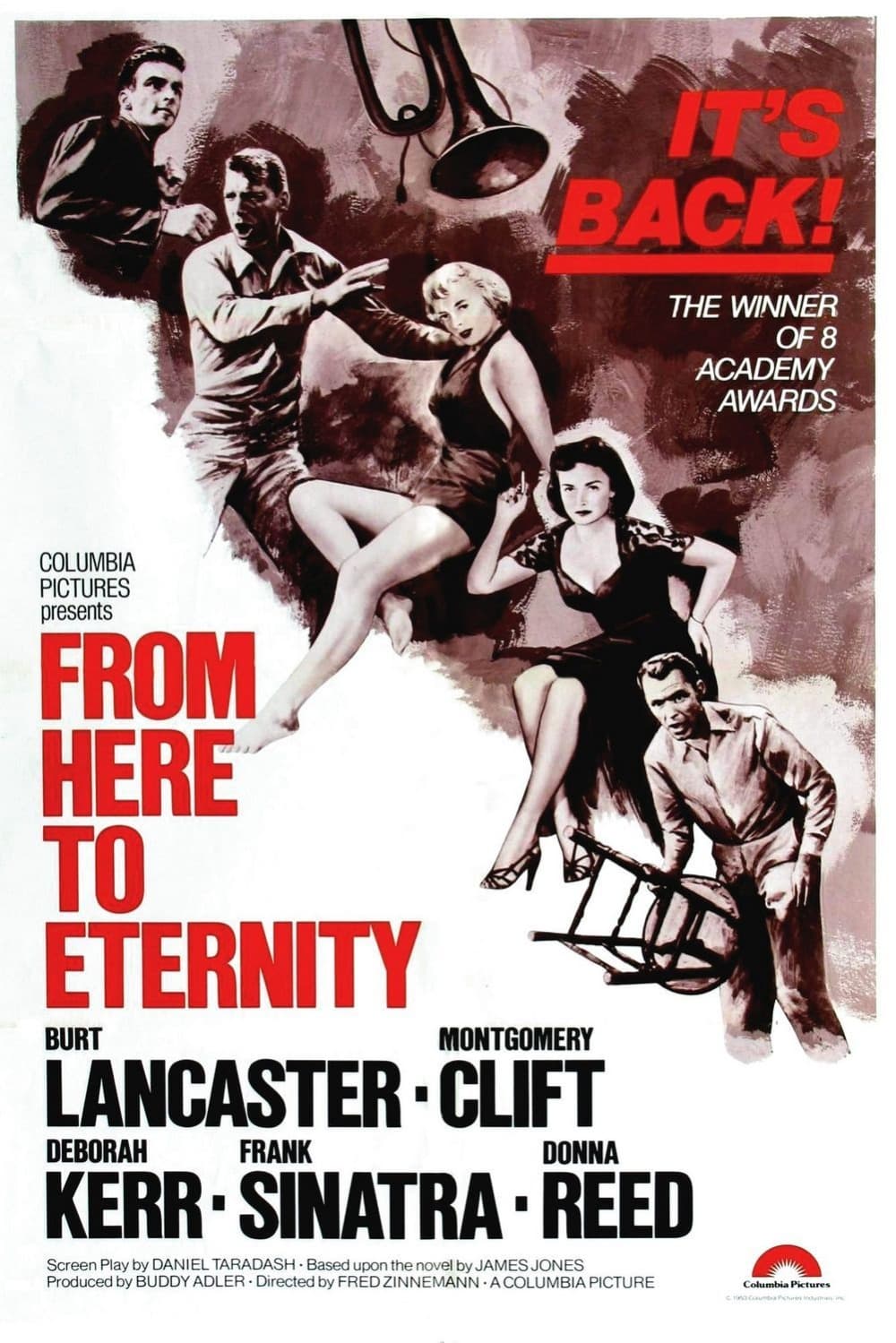
The kiss in the surf was scandalous enough to define the decade: Pearl Harbor sits at the end of it, and Sinatra took a role for almost nothing to save his career.

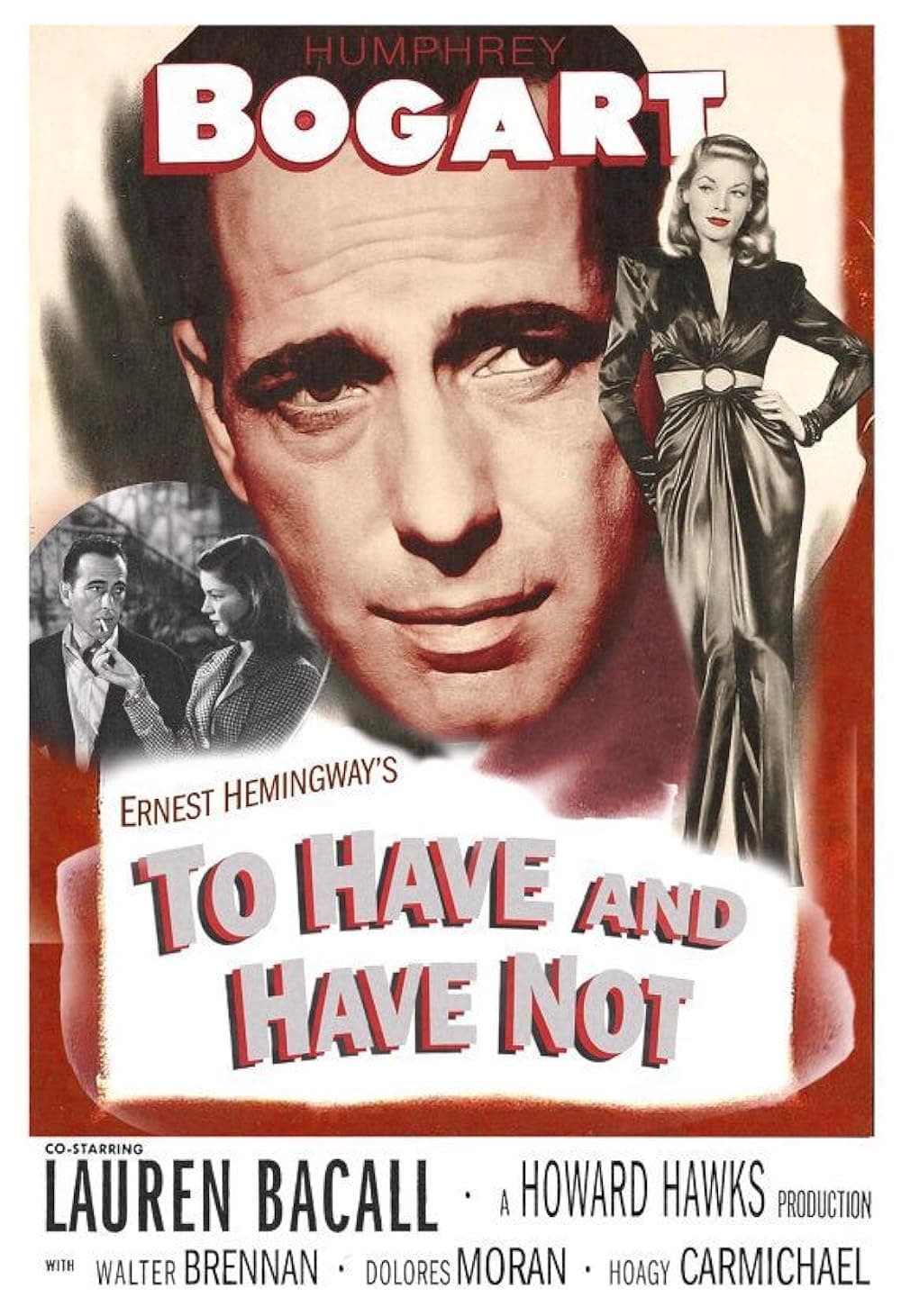
Hawks bet Hemingway he could film his worst book, and hired William Faulkner to help: Bacall was nineteen, met Bogart on set, and says the whistle line straight to him.

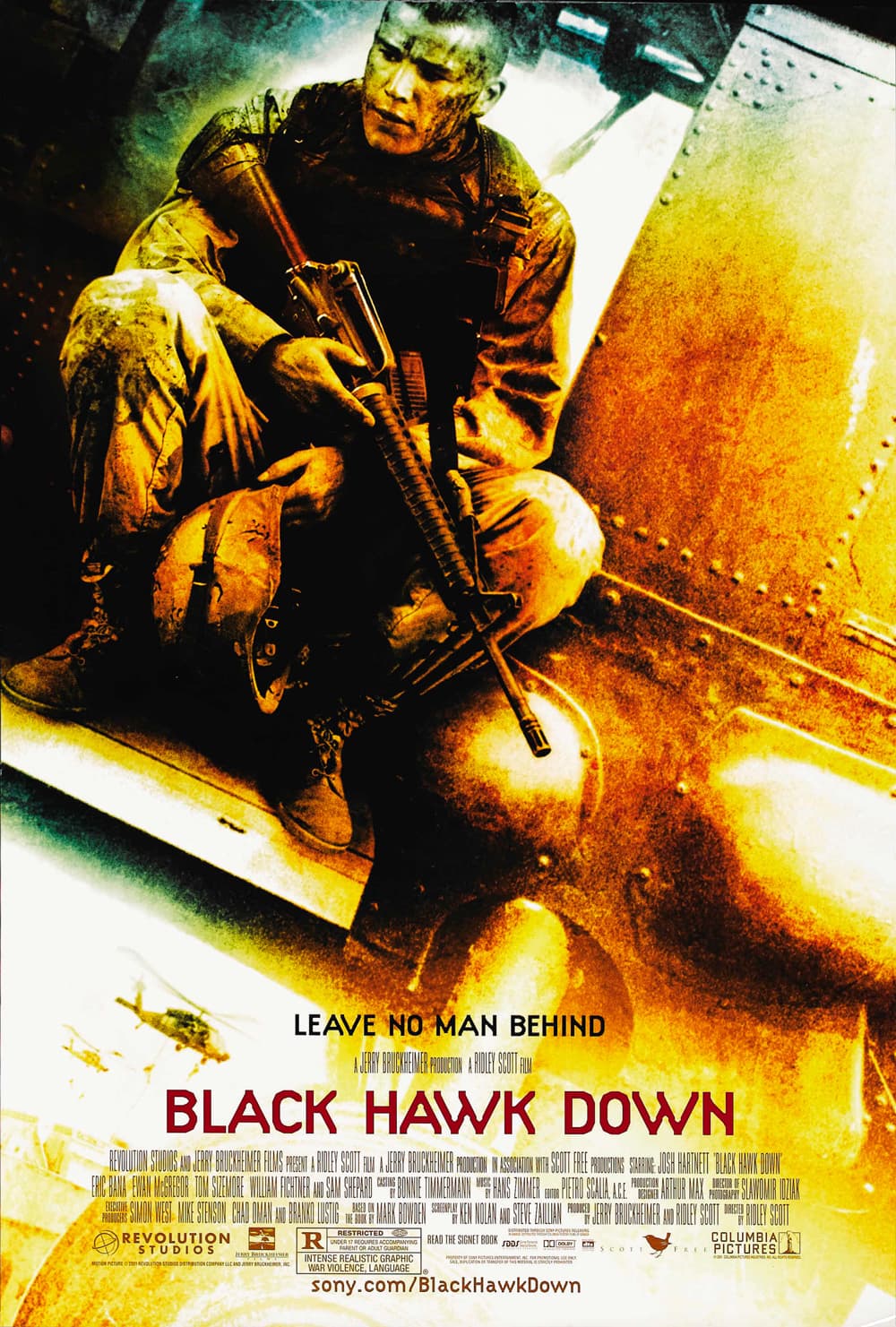
Ridley Scott stripped out almost everything a war film normally has: no arcs, barely any backstory, just eighteen hours in Mogadishu in 1993 rendered as continuous, disorienting noise and dust.

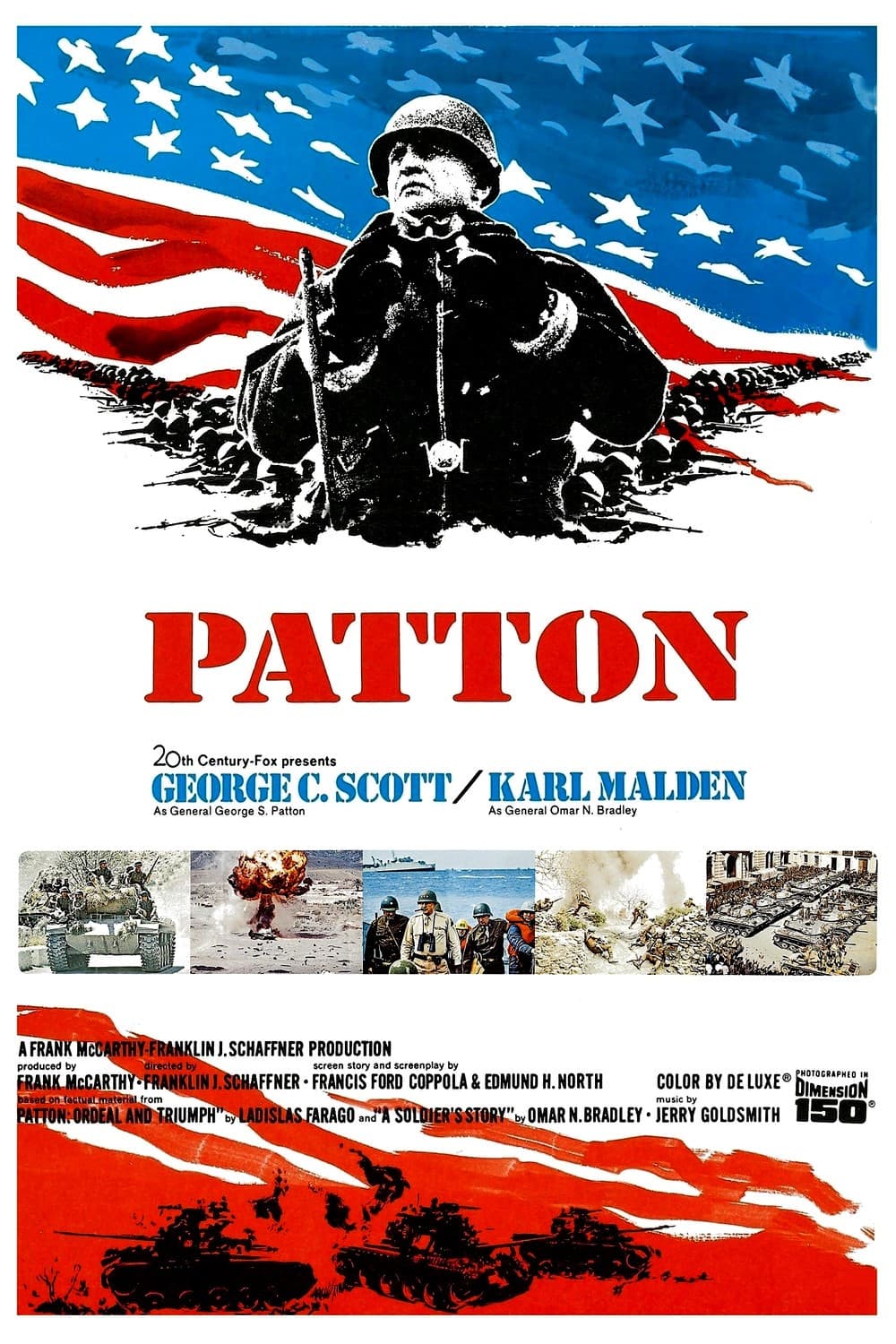
Coppola co-wrote it before The Godfather and George C. Scott refused the Oscar: a monologue in front of an enormous flag opens the most ambivalent film Hollywood ever made about a general.

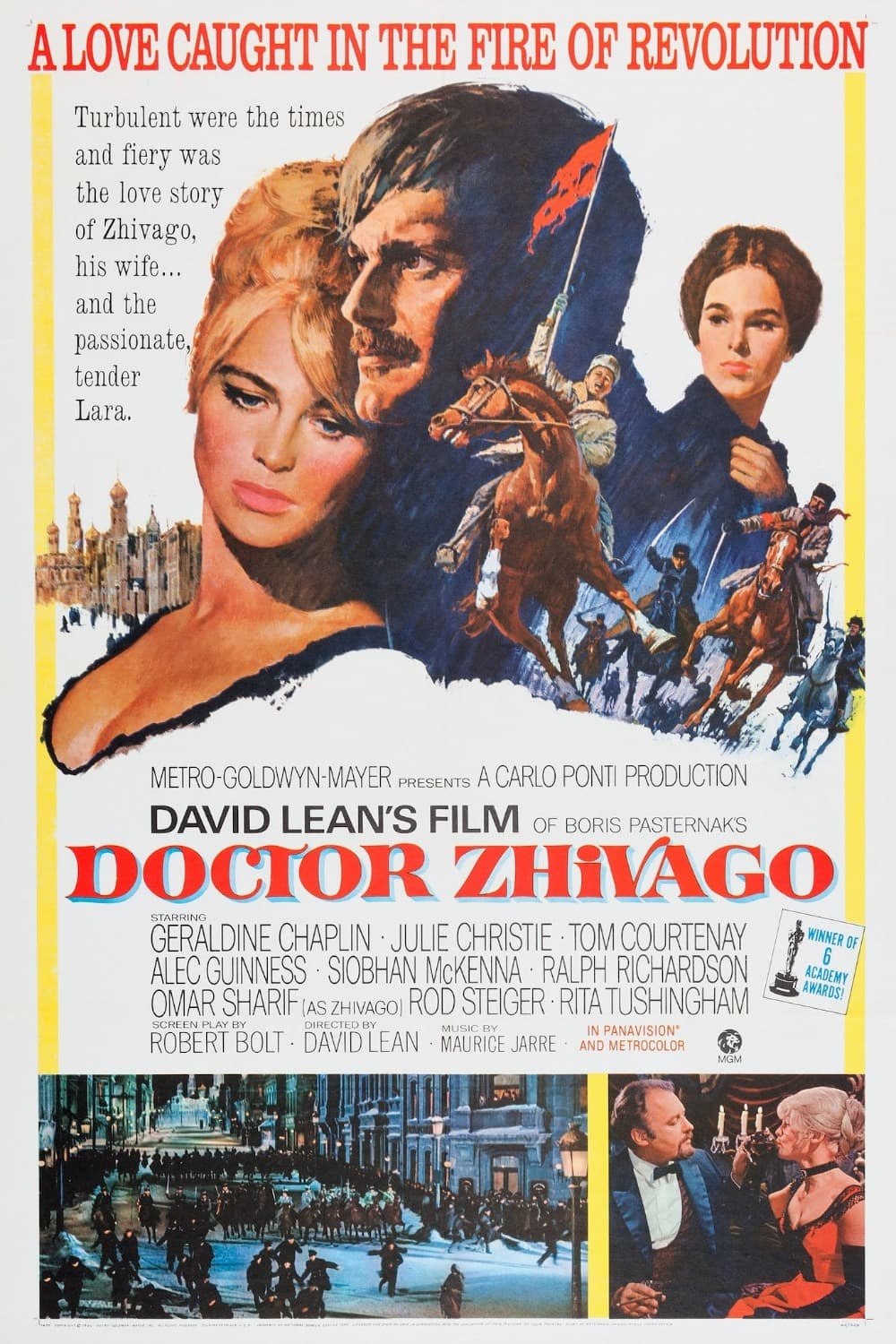
Critics savaged it on release and audiences ignored them completely: Lean shot the Russian winter in Spain, and Maurice Jarre's balalaika theme was inescapable for a decade afterward.

The Nazis sent brownshirts to disrupt its German screenings and banned it outright once in power: the first great sound film about war, told entirely from inside a German schoolboys' trench.

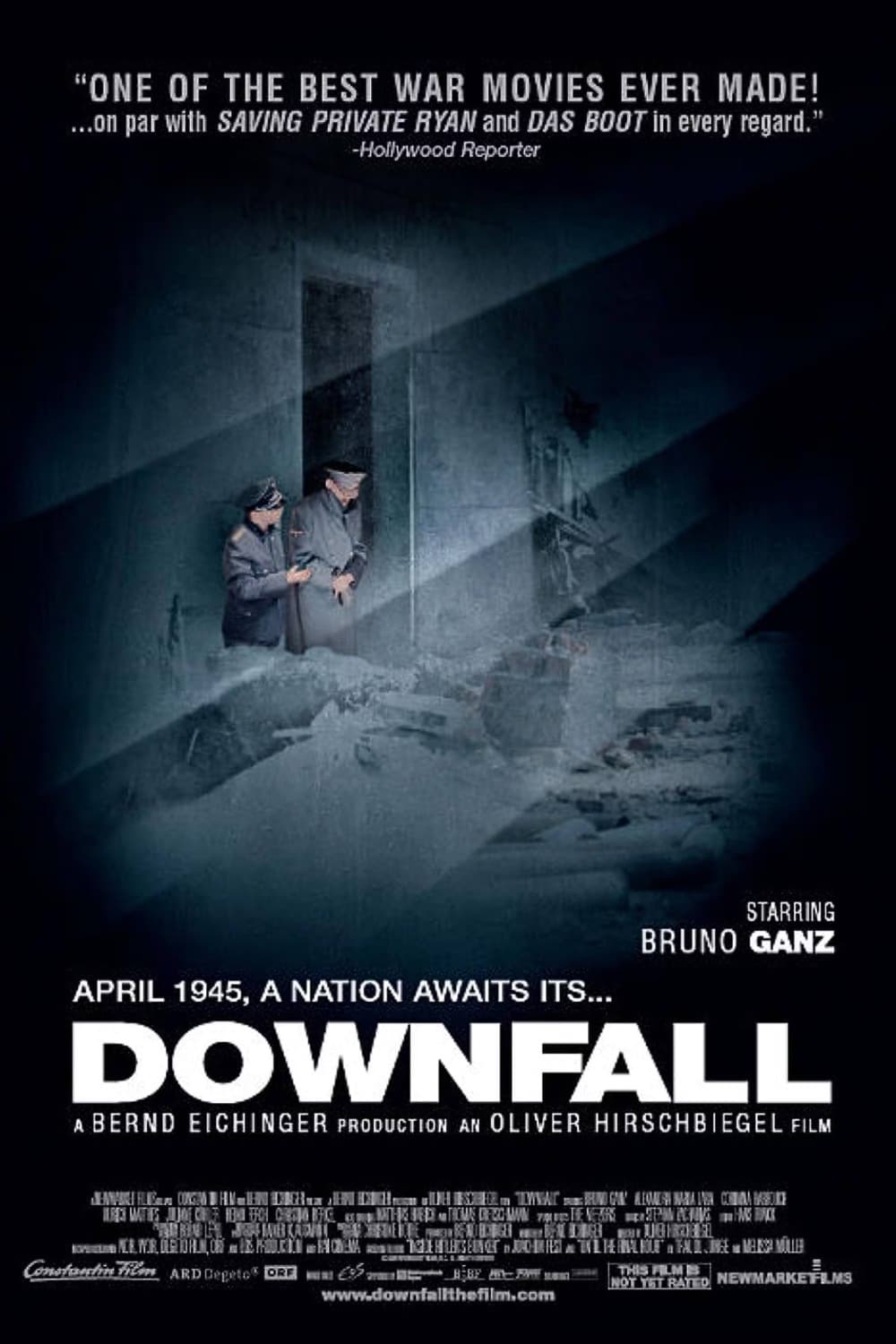
Bruno Ganz plays Hitler as a man rather than a symbol, and Germany argued about the film for a year: the last twelve days in the bunker, filmed without comment or consolation.

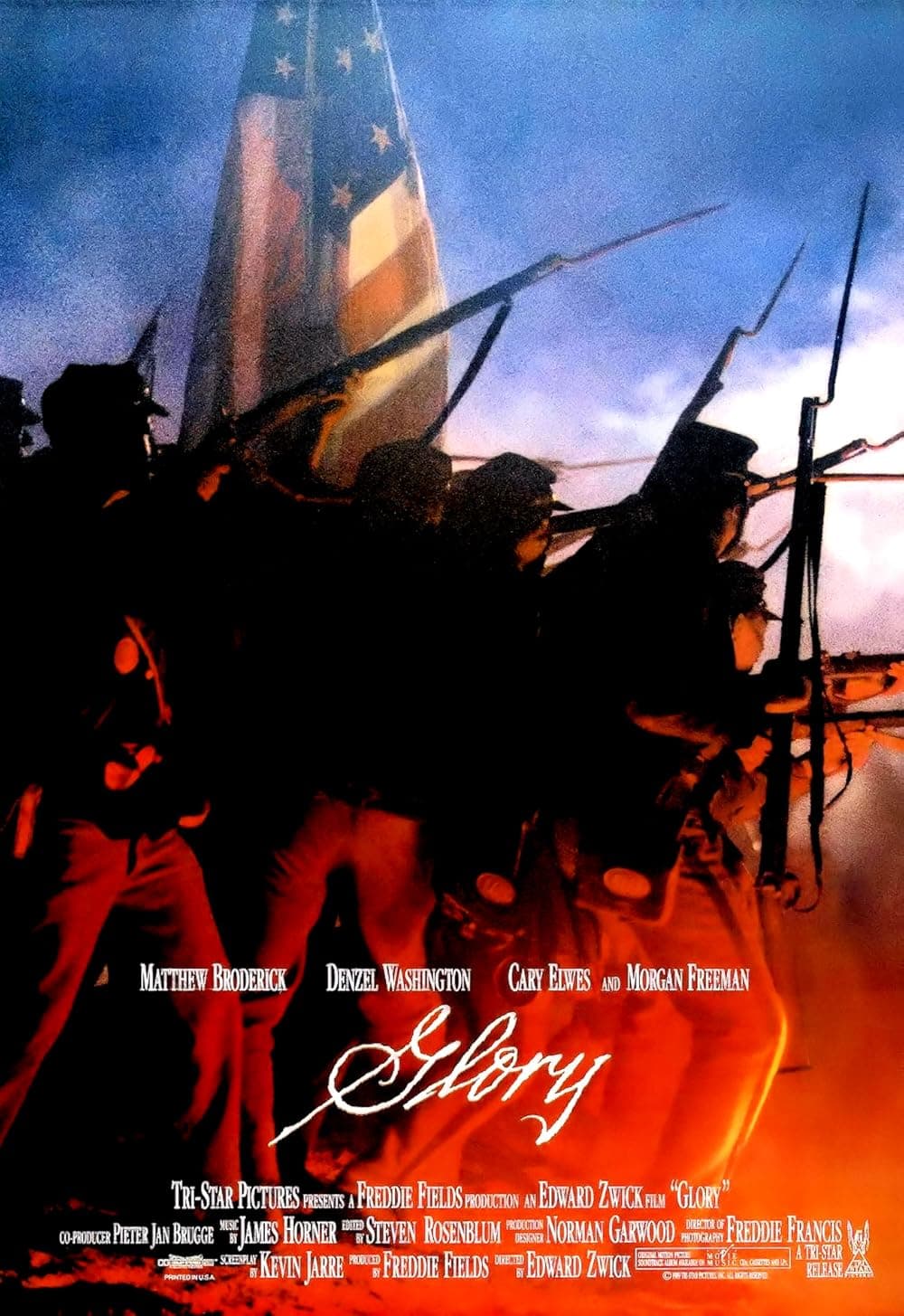
The Civil War film that finally noticed who else was fighting it: the 54th Massachusetts fights for boots, for pay equal to white soldiers, and for permission to be used at all.

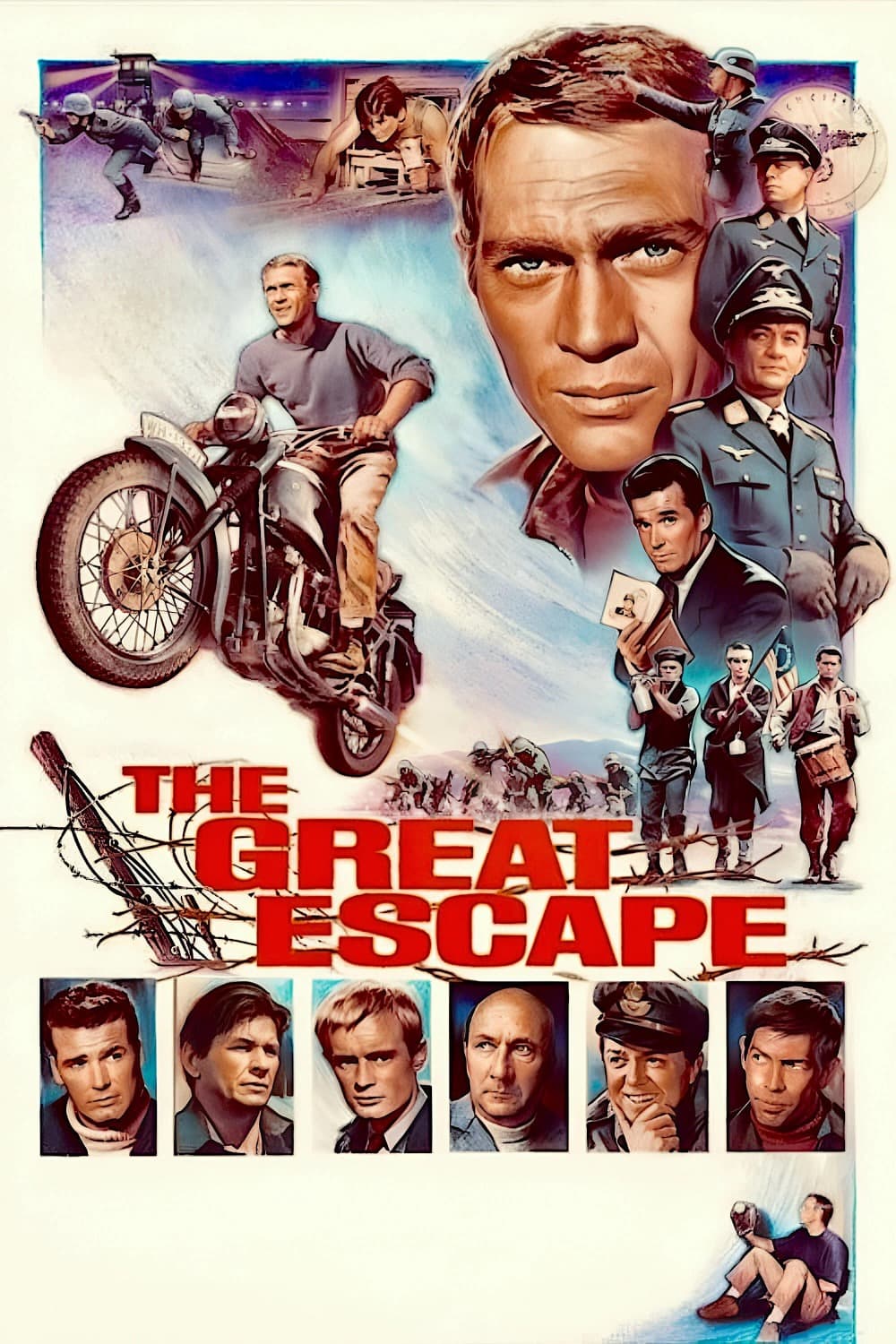
Captivity has never looked like this much fun: Sturges rebuilt a real 1944 breakout from a German camp into tunnel engineering, forged papers and men who refuse to sit still.

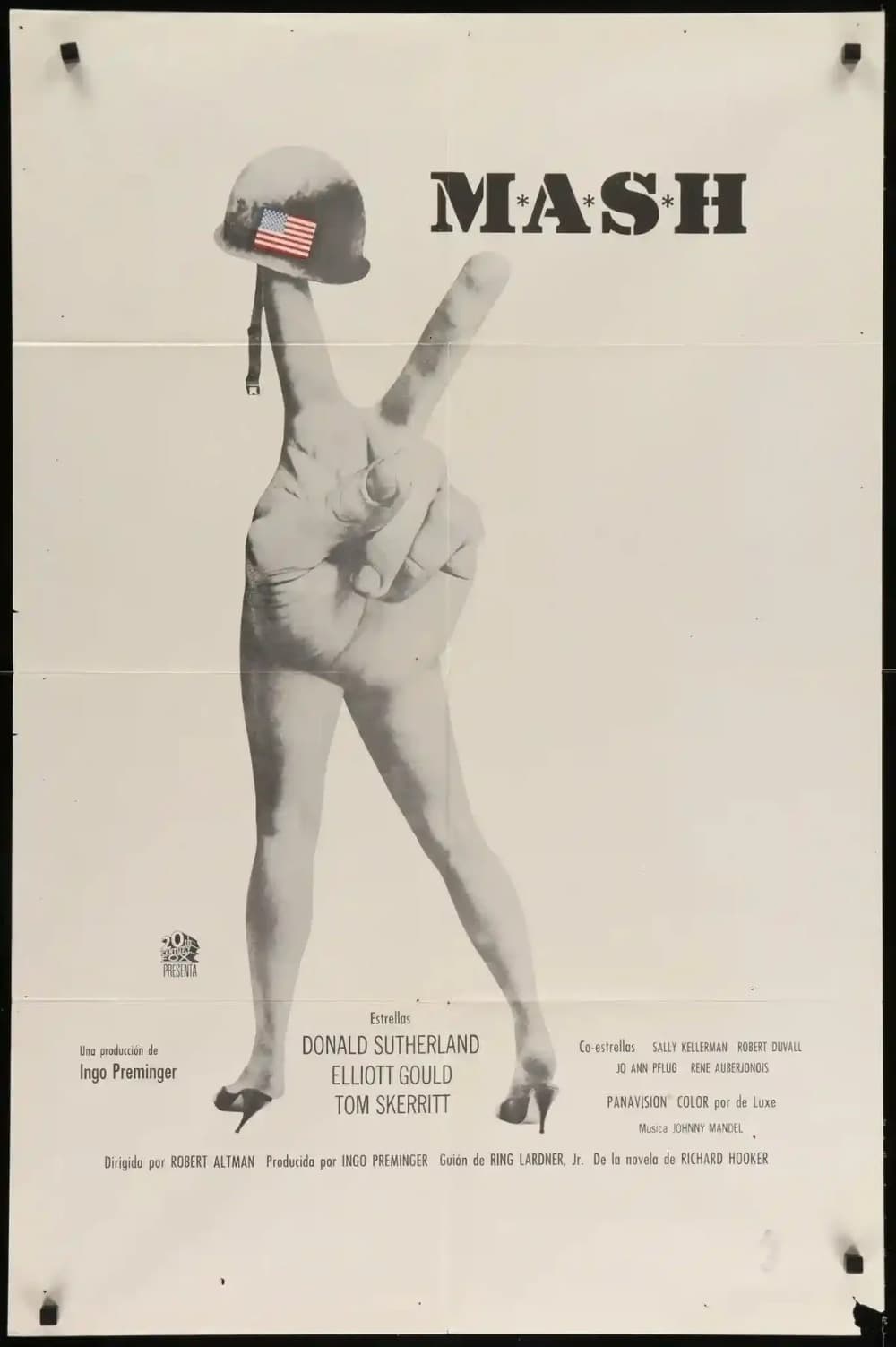
Altman's overlapping dialogue turns up fully formed: army surgeons in Korea behave appallingly in order to stay sane, and the film was really about Vietnam all along.

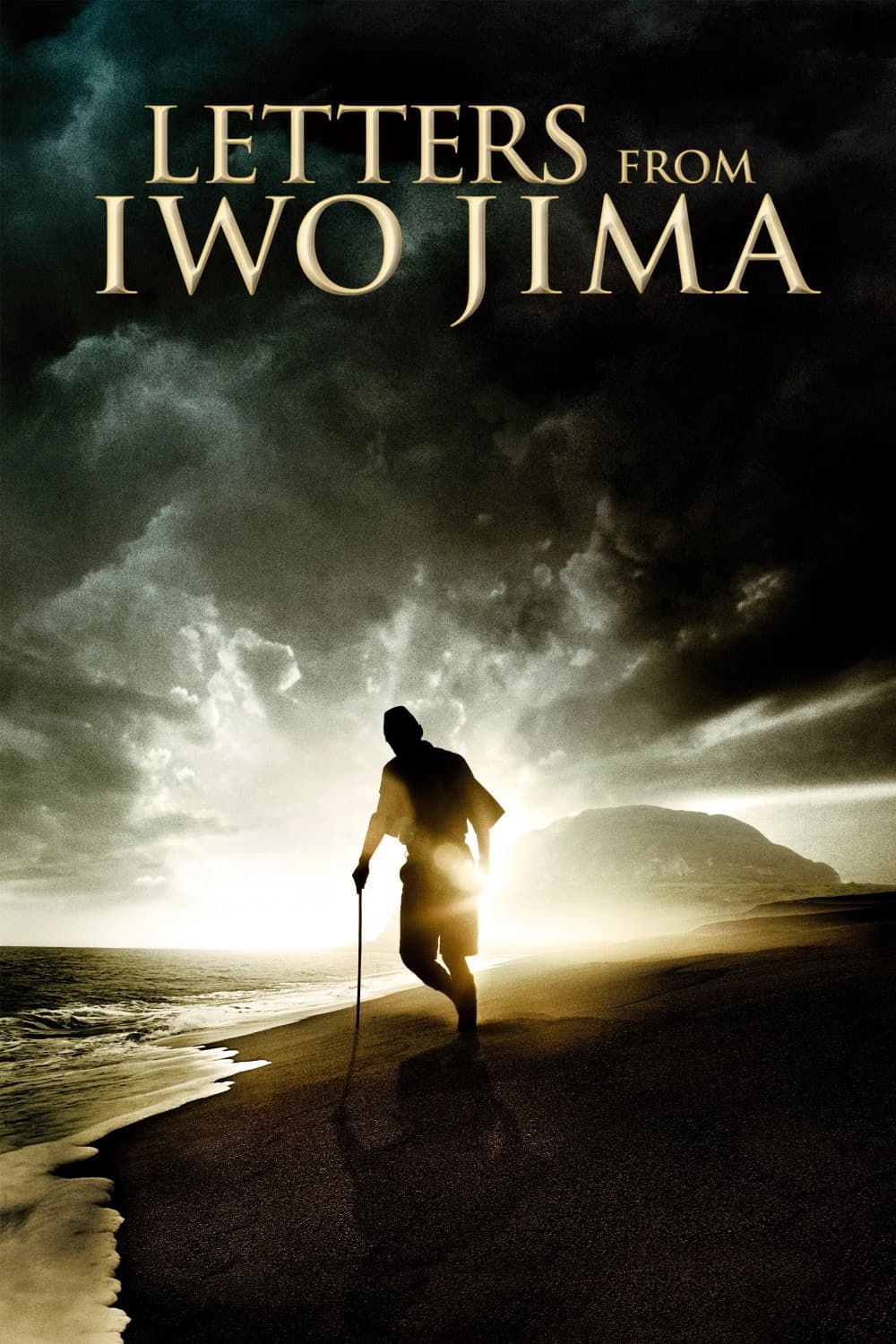
Eastwood made two films about the same battle, and the Japanese one is the better: shot almost entirely in Japanese, with a general nobody in America had heard of.

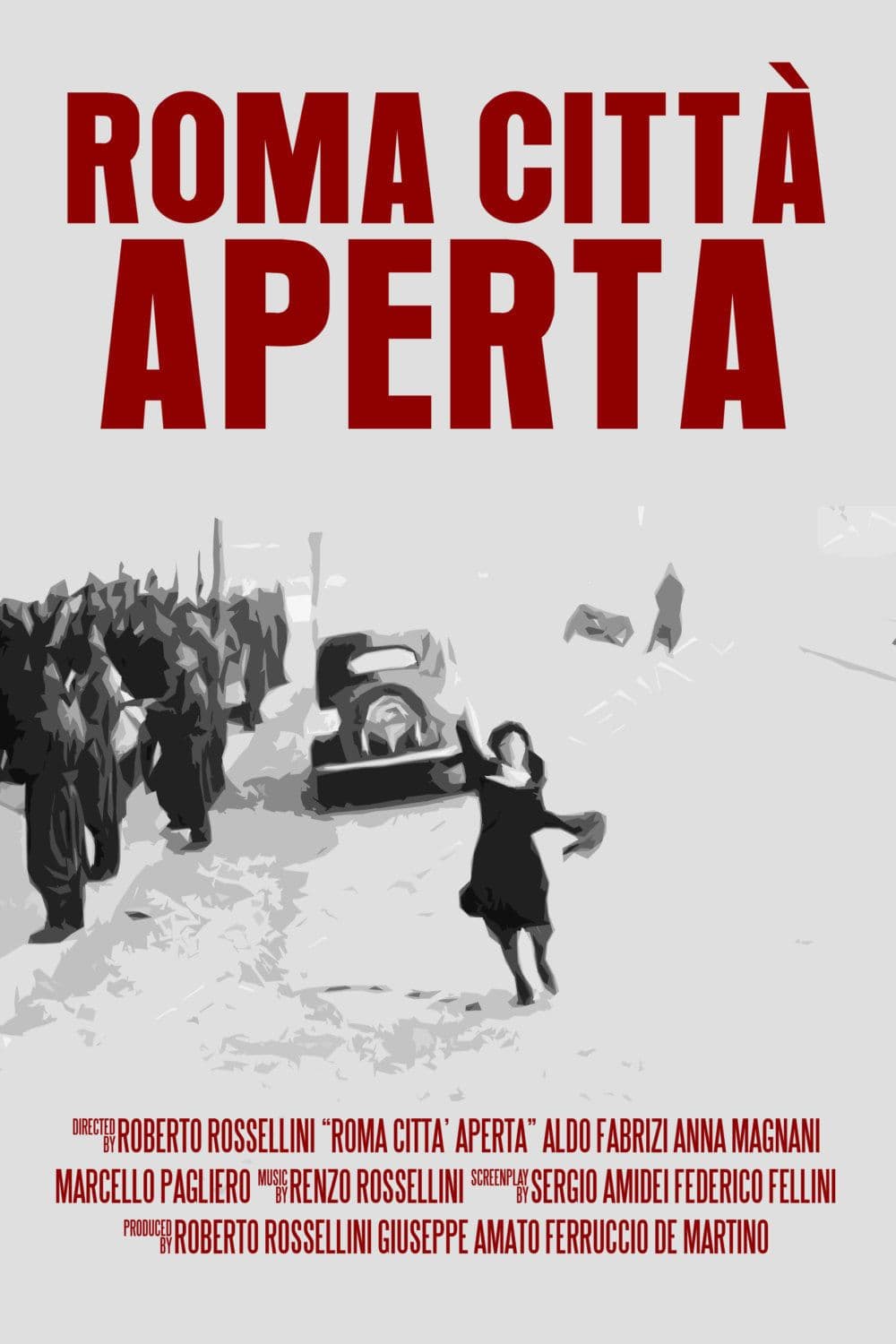
Rossellini shot it in the streets months after the Germans pulled out, on mismatched surplus stock scrounged from an army supplier: this is where Italian neorealism arrives.

Malick came back after twenty years and made a war film about grass, light and the voices in men's heads: Guadalcanal, filmed as though the island were the subject.

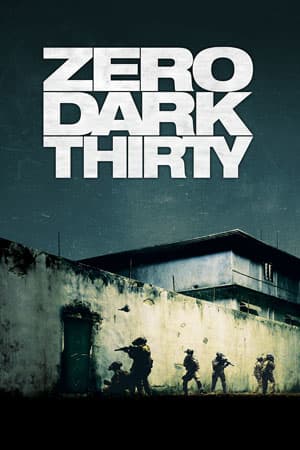
Bigelow filmed a decade-long manhunt as pure procedure and let the audience sit with what it cost: the torture scenes started an argument that has never been settled.

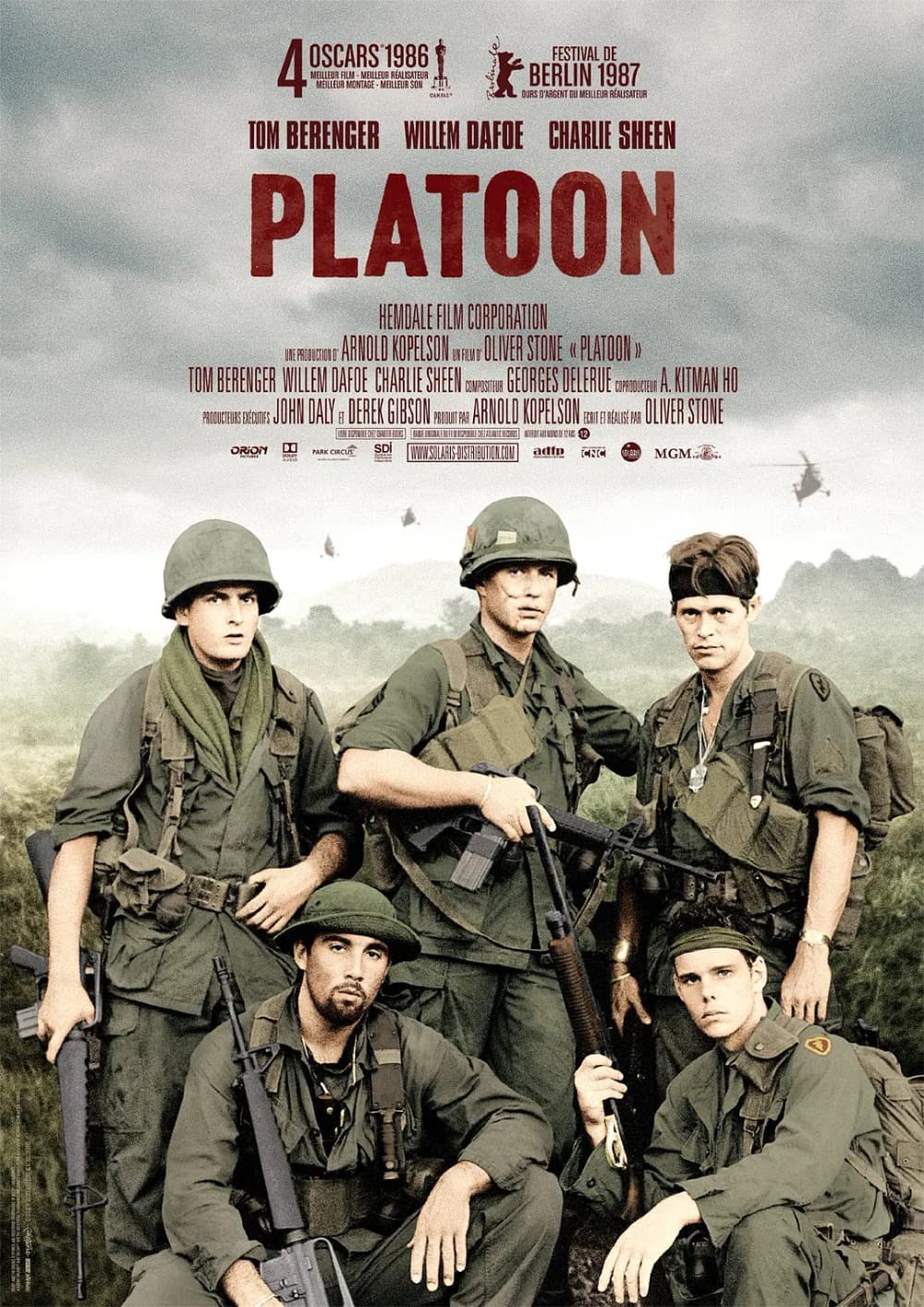
Oliver Stone served in Vietnam and made this to correct everyone else's version: no glamour, no clarity, and a platoon that splits between two sergeants and stays split.

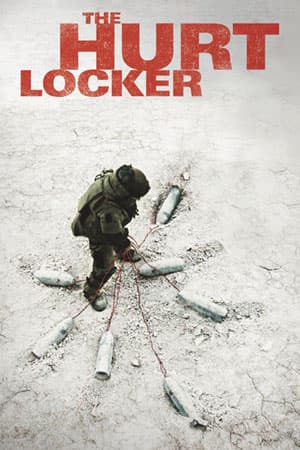
Bigelow made war feel like an addiction rather than a duty: a bomb disposal sergeant works without much fear, and every defusal is stretched until the room turns physical.

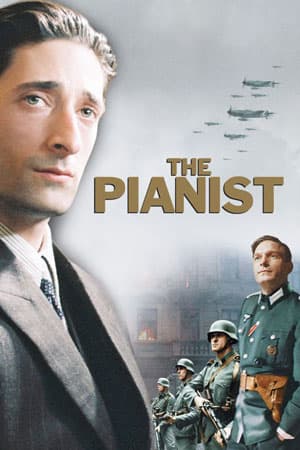
Polanski escaped the Krakow ghetto as a child and waited sixty years to film any of it: a pianist left alone in the ruins of Warsaw, and no heroism anywhere.

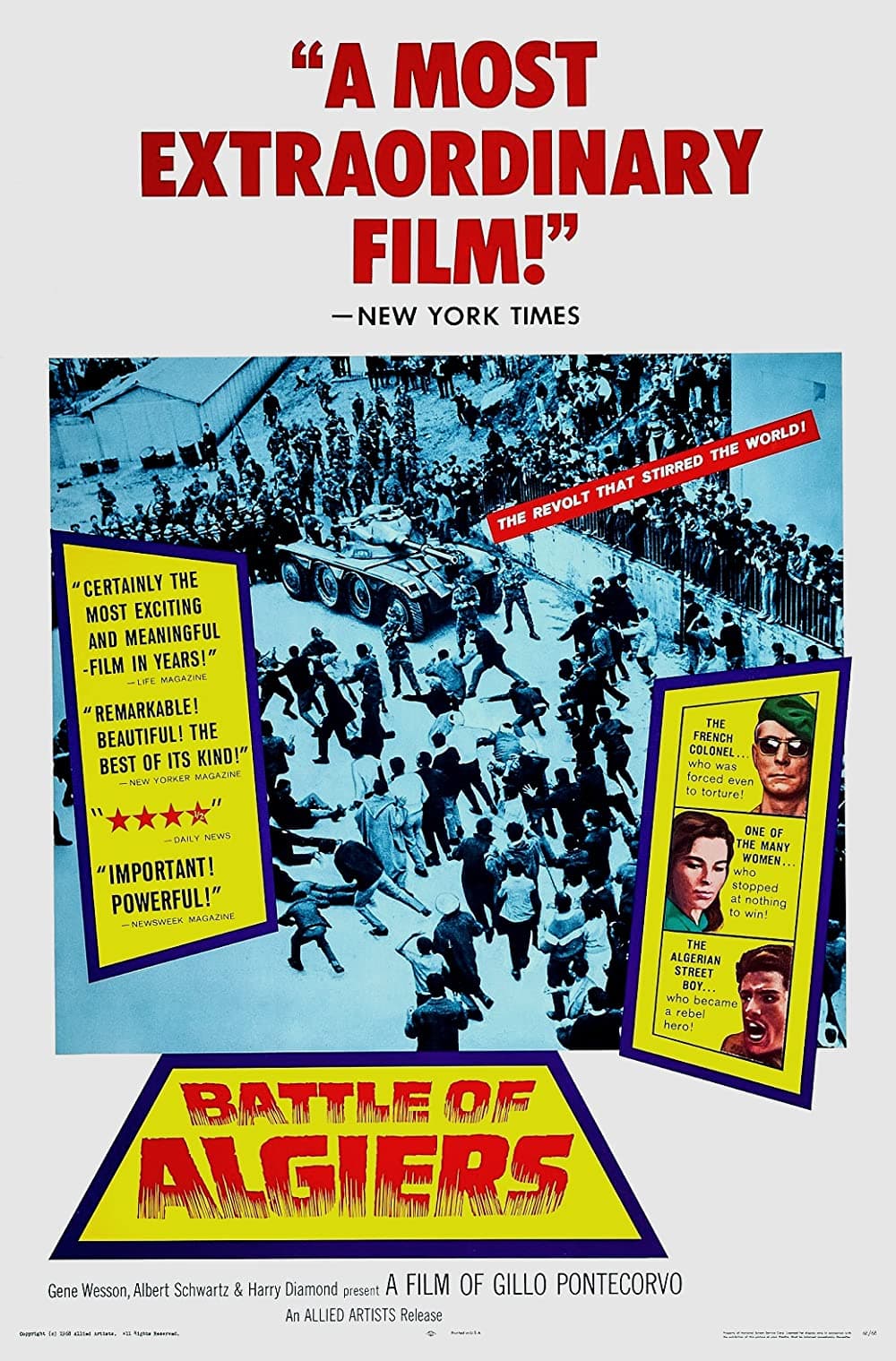
Both armies and revolutionaries have studied it as a manual: Pontecorvo staged the Algerian insurgency so plainly that audiences have always mistaken parts of it for newsreel footage.

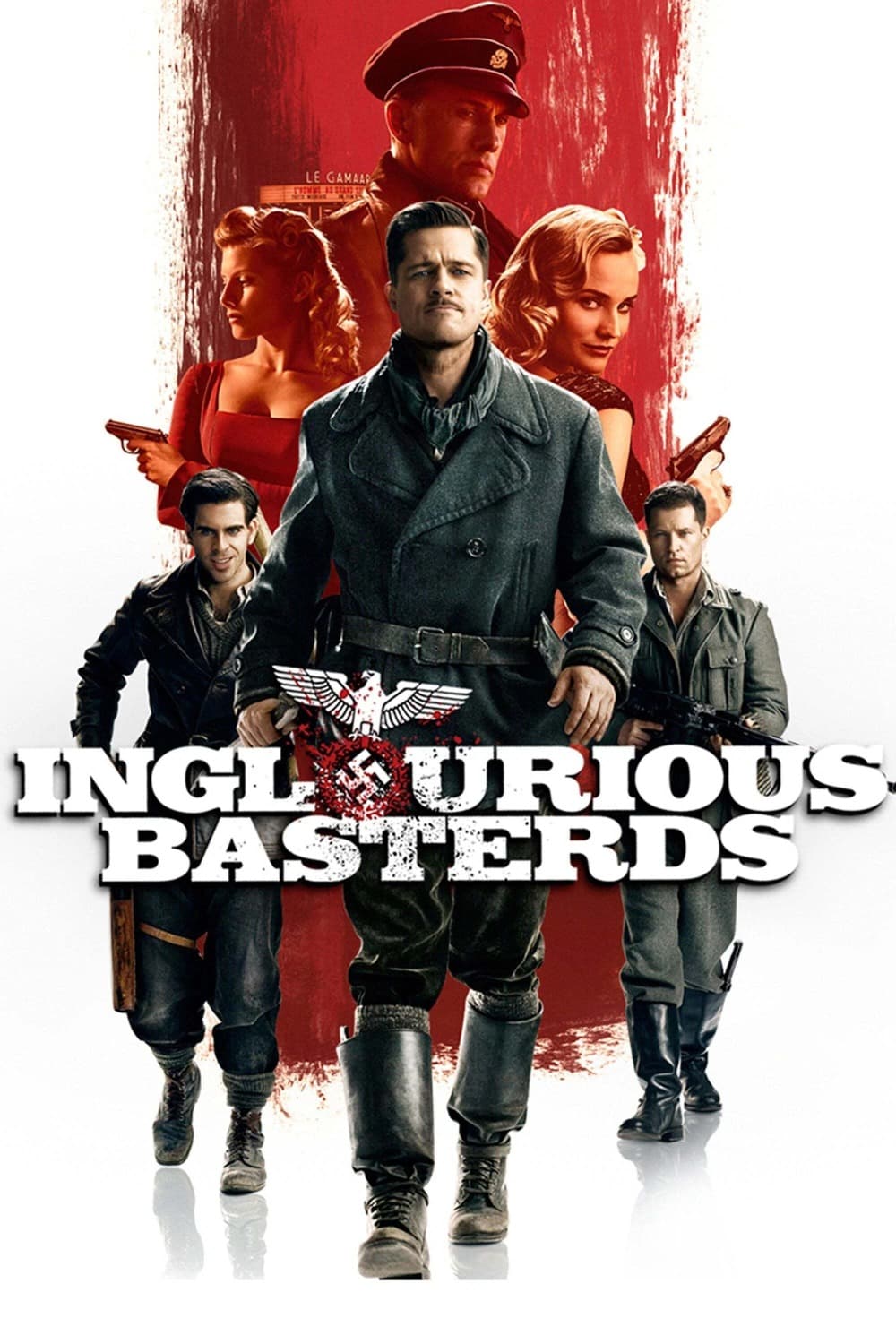
Christoph Waltz plays four languages and makes every one of them frightening: Tarantino builds his scenes as long conversations where somebody at the table already knows too much.

Cimino spends a whole first act on a steel town and a wedding, so that when the war arrives it lands on people you already know by name.

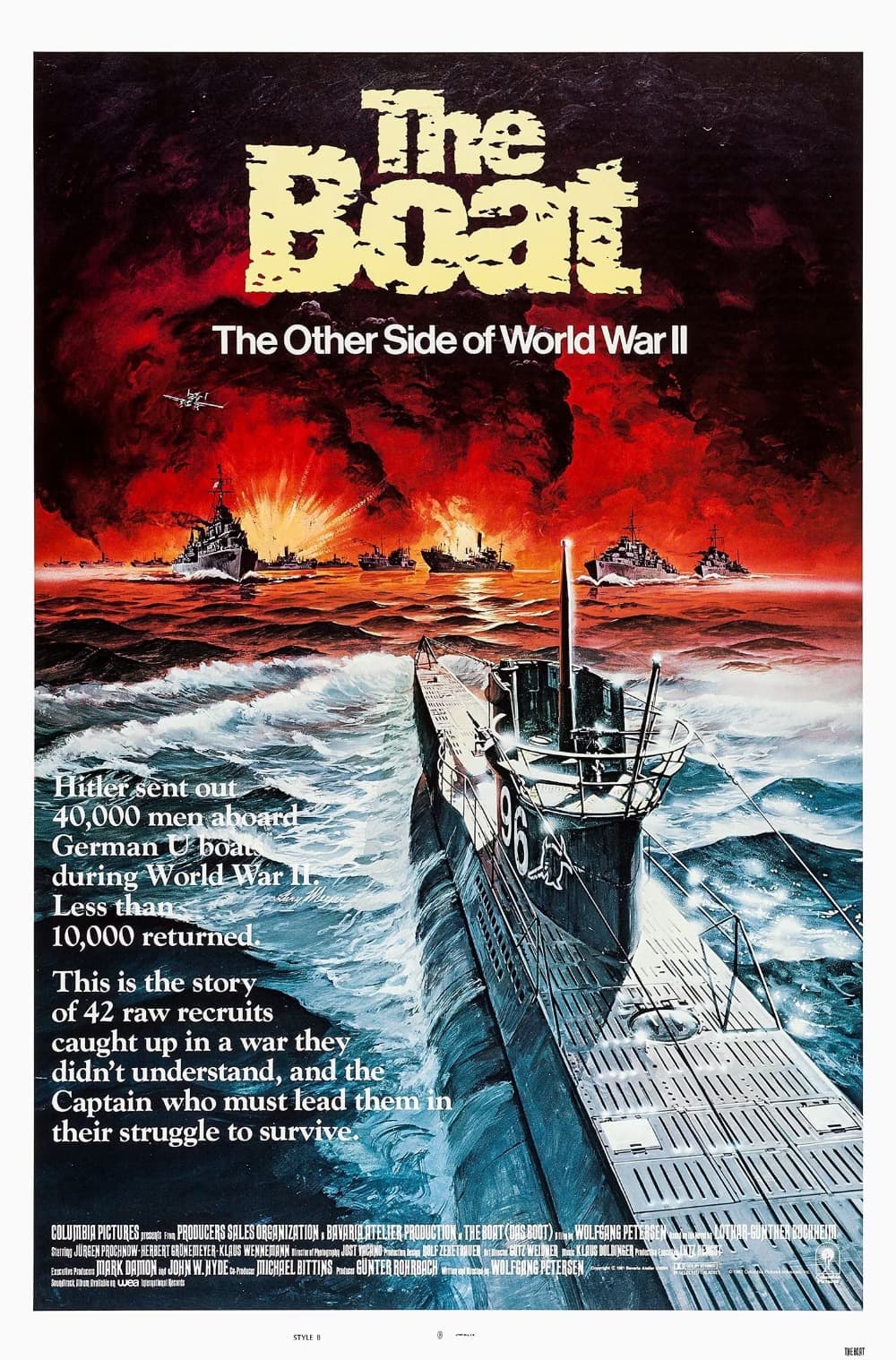
No war film has ever been this claustrophobic: Petersen ran a camera the length of a U-boat again and again until the steel walls start pressing in on you.

Lean built an epic about the seduction of a job well done: a British colonel in a Japanese prison camp finds a strange satisfaction in building their bridge properly.

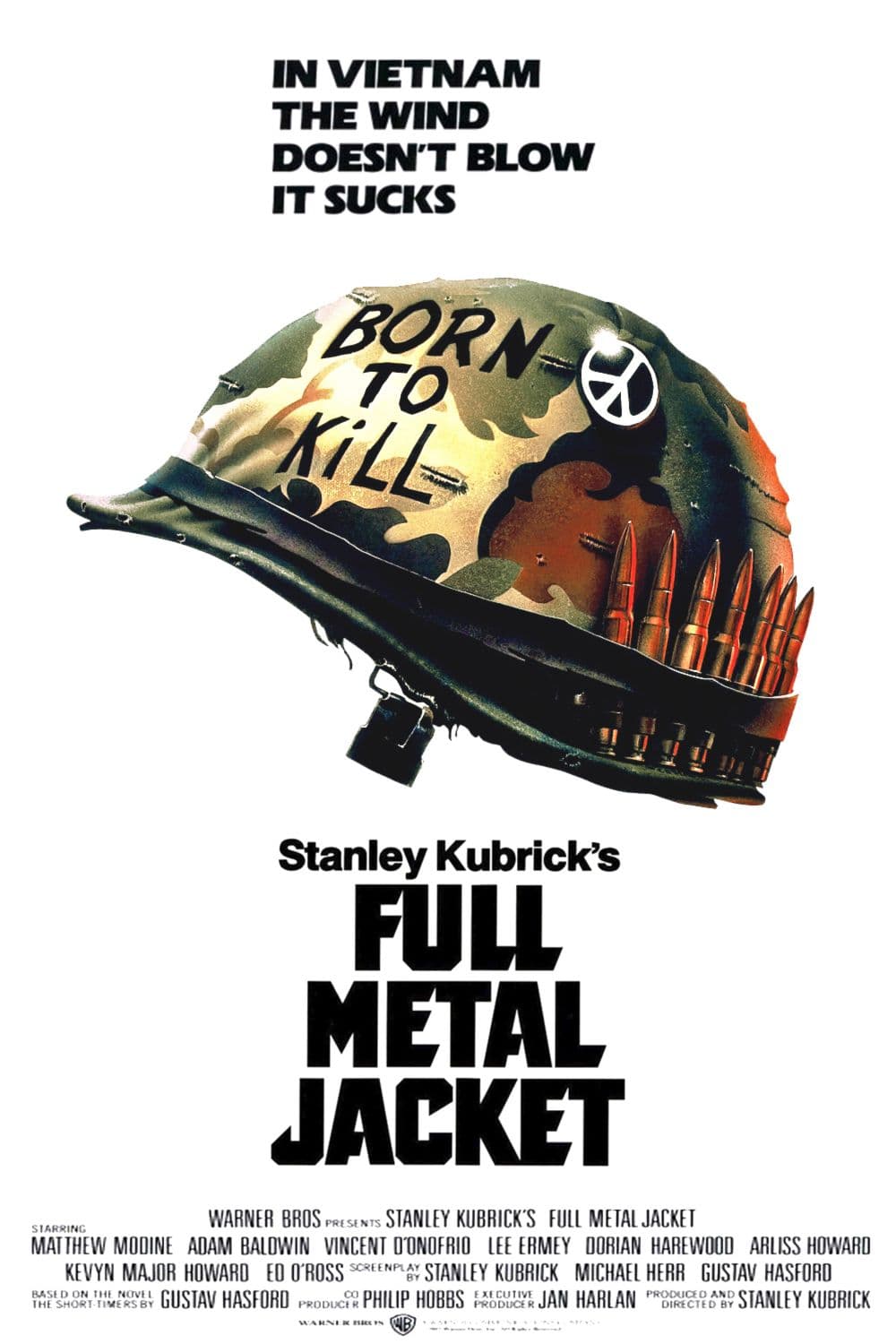
The first half is the most quoted boot camp ever filmed: Kubrick found a real Marine drill instructor, let him write half his own material, and made basic training terrifying.

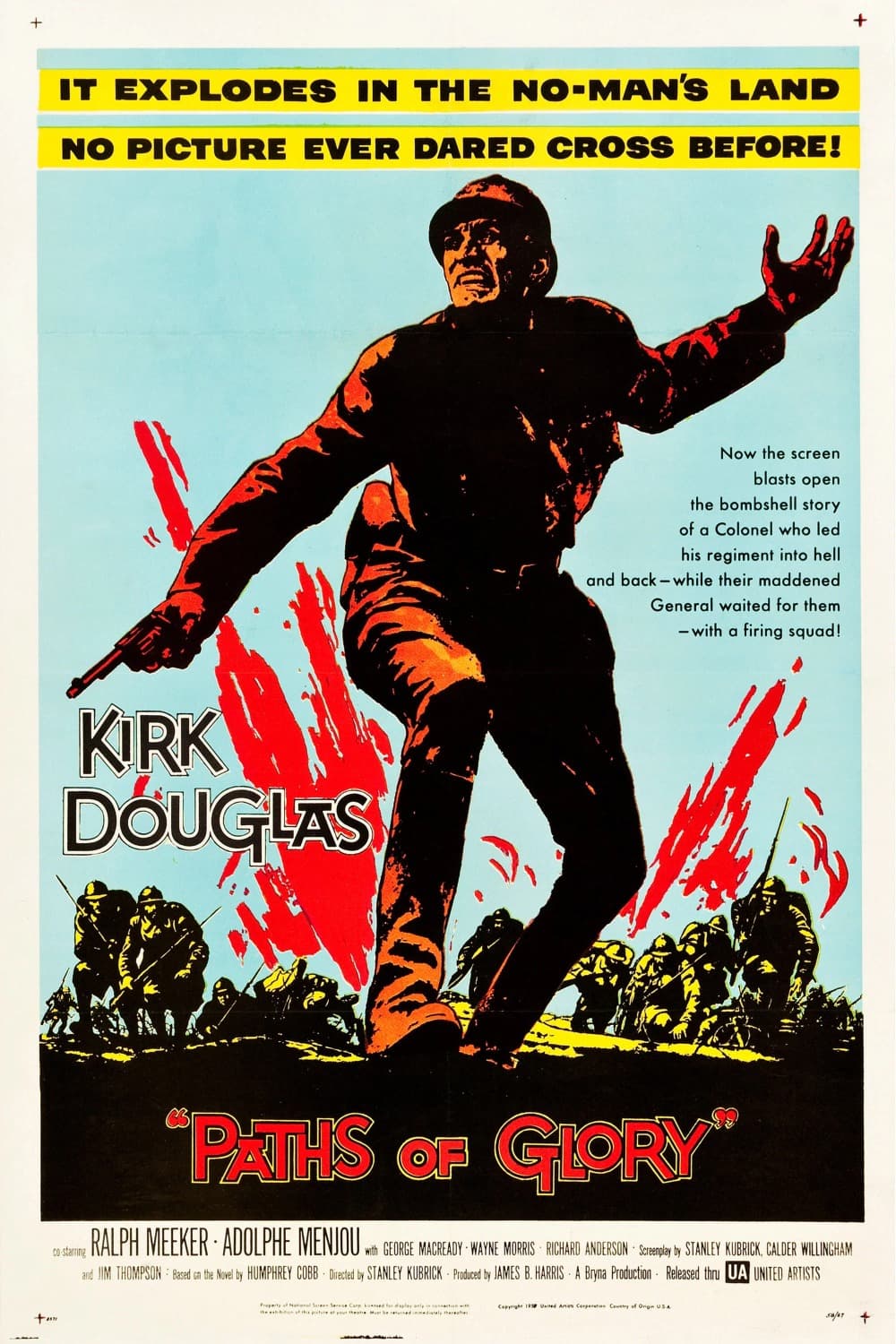
France stayed uncomfortable enough to keep it out of cinemas for eighteen years: Kubrick tracked the camera down the trenches and staged an injustice that still makes people furious.

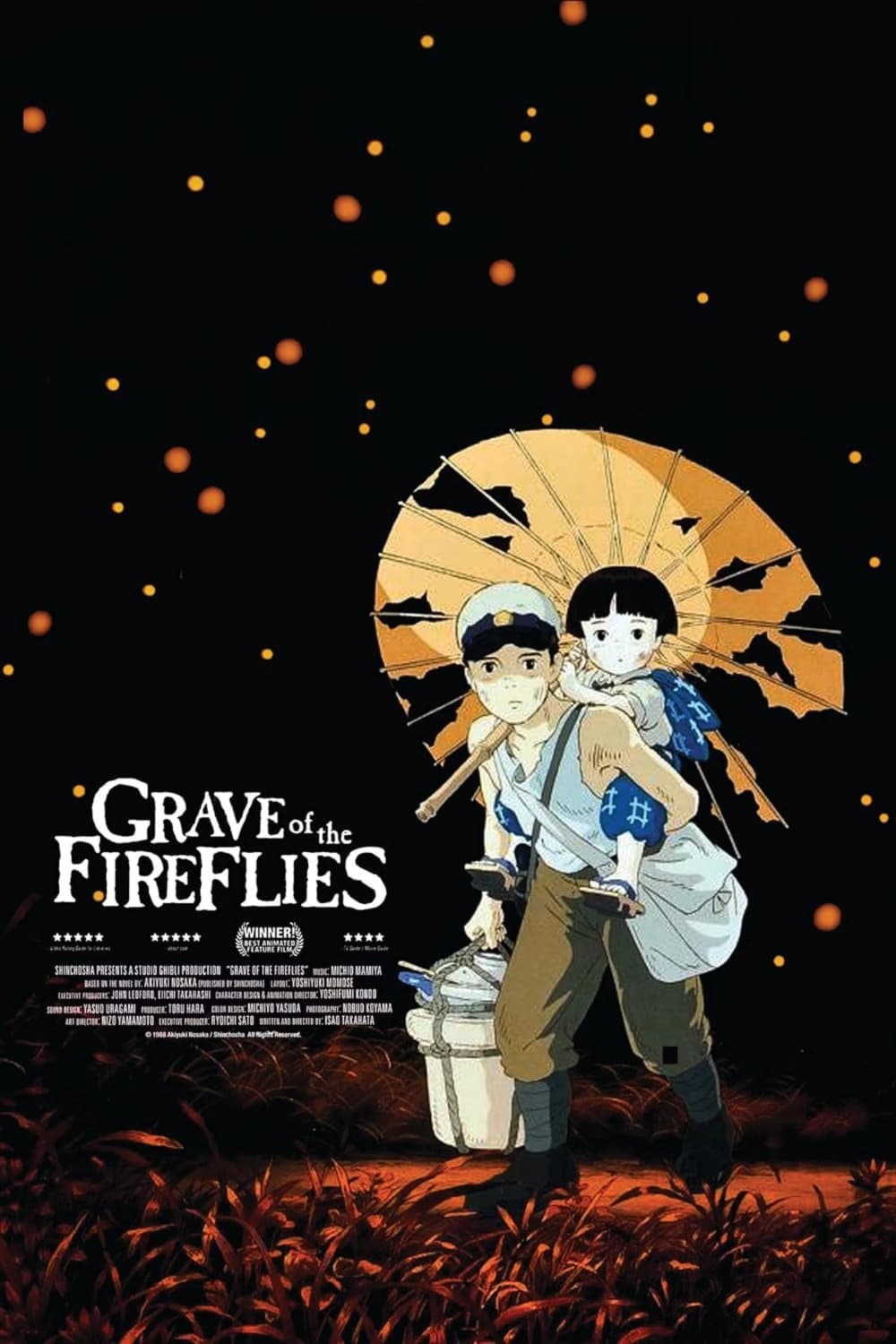
Nobody recommends this one lightly: Takahata put two children through the last months of the war in Japan, and being animated makes it harder to bear, not easier.

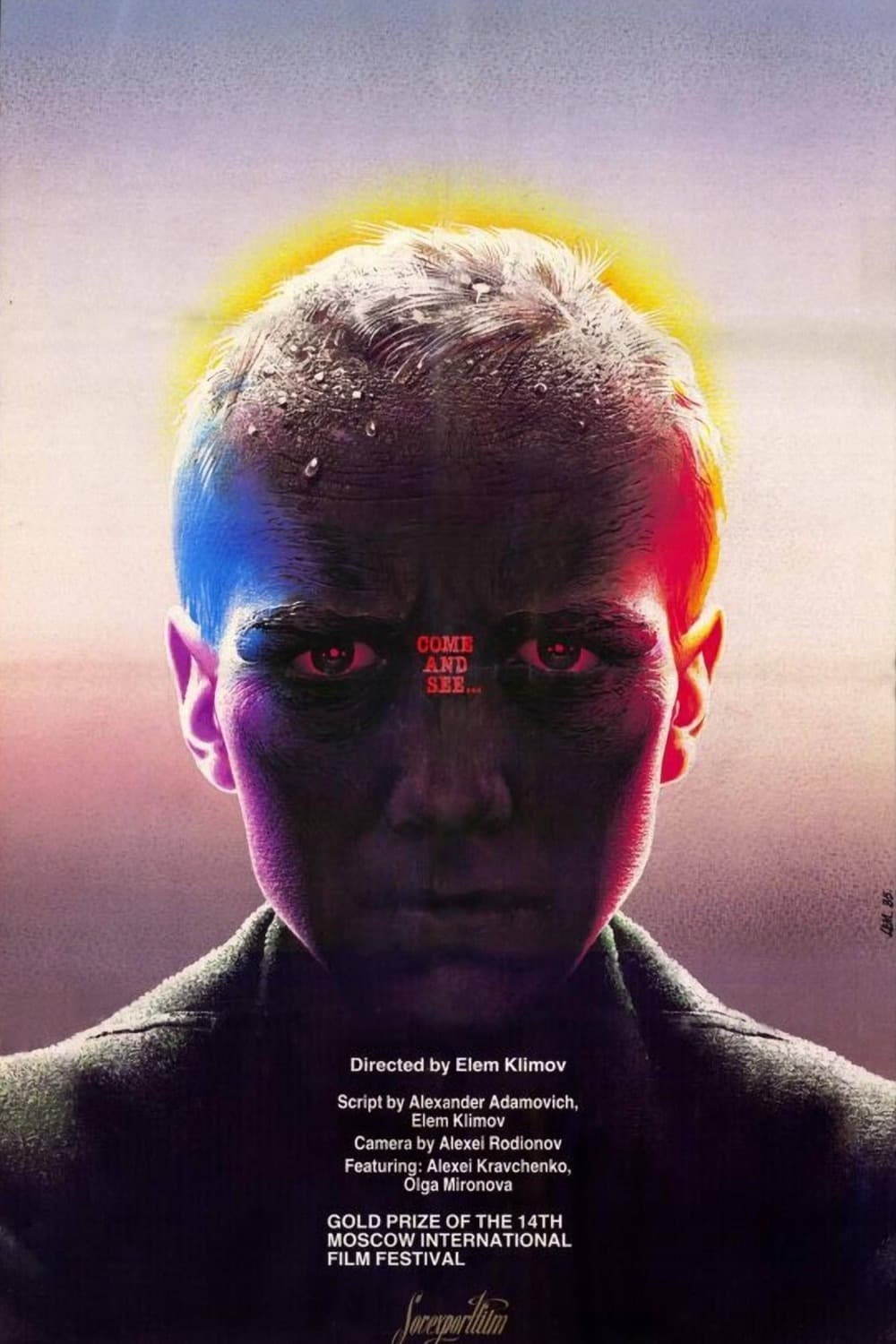
No other war film can follow it: Klimov put a boy's face through the destruction of Belarus and let it age visibly, and nobody watches it twice lightly.

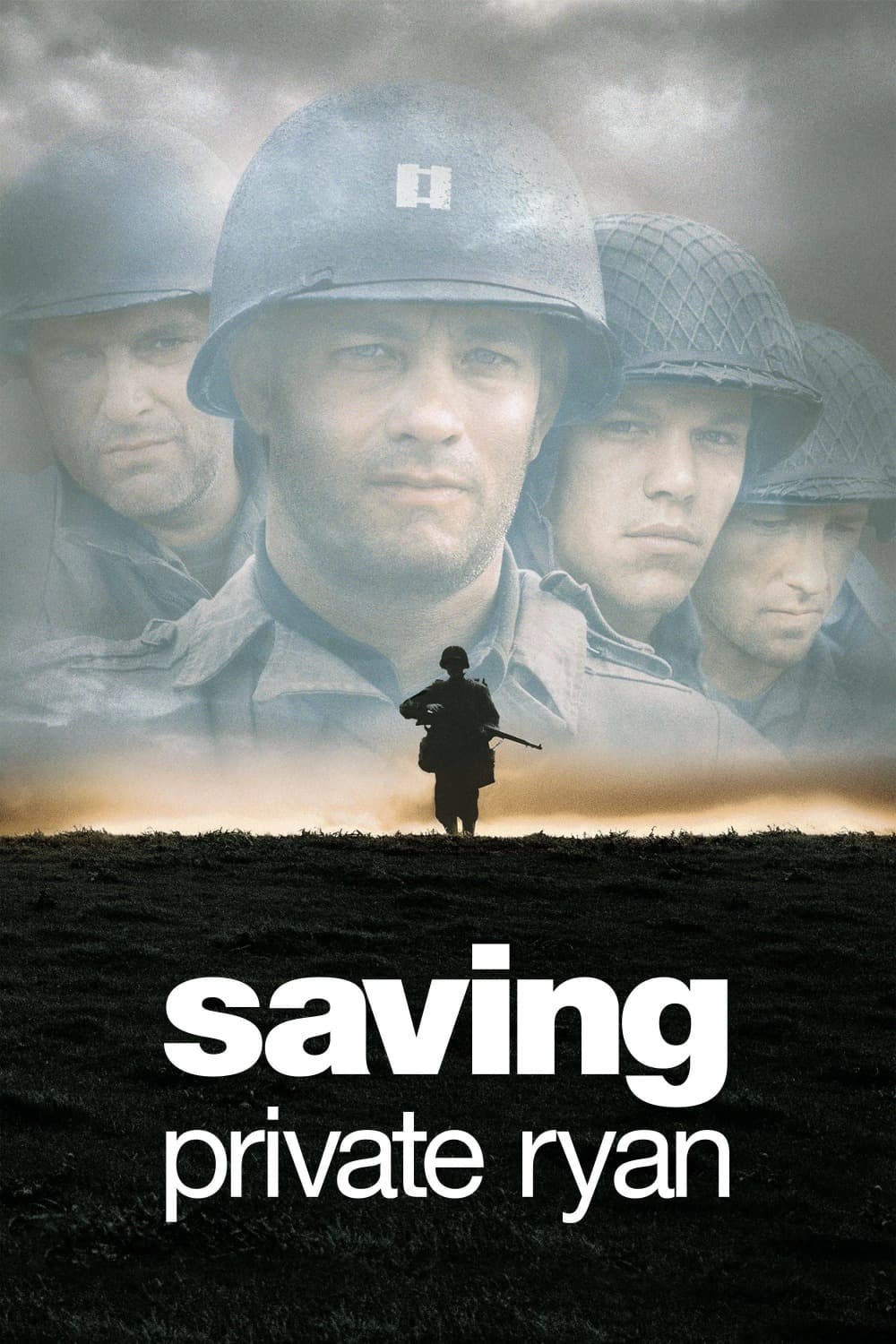
War films look different since the first twenty minutes of this one: Spielberg put the camera in the surf at Omaha Beach and veterans left cinemas unable to speak.

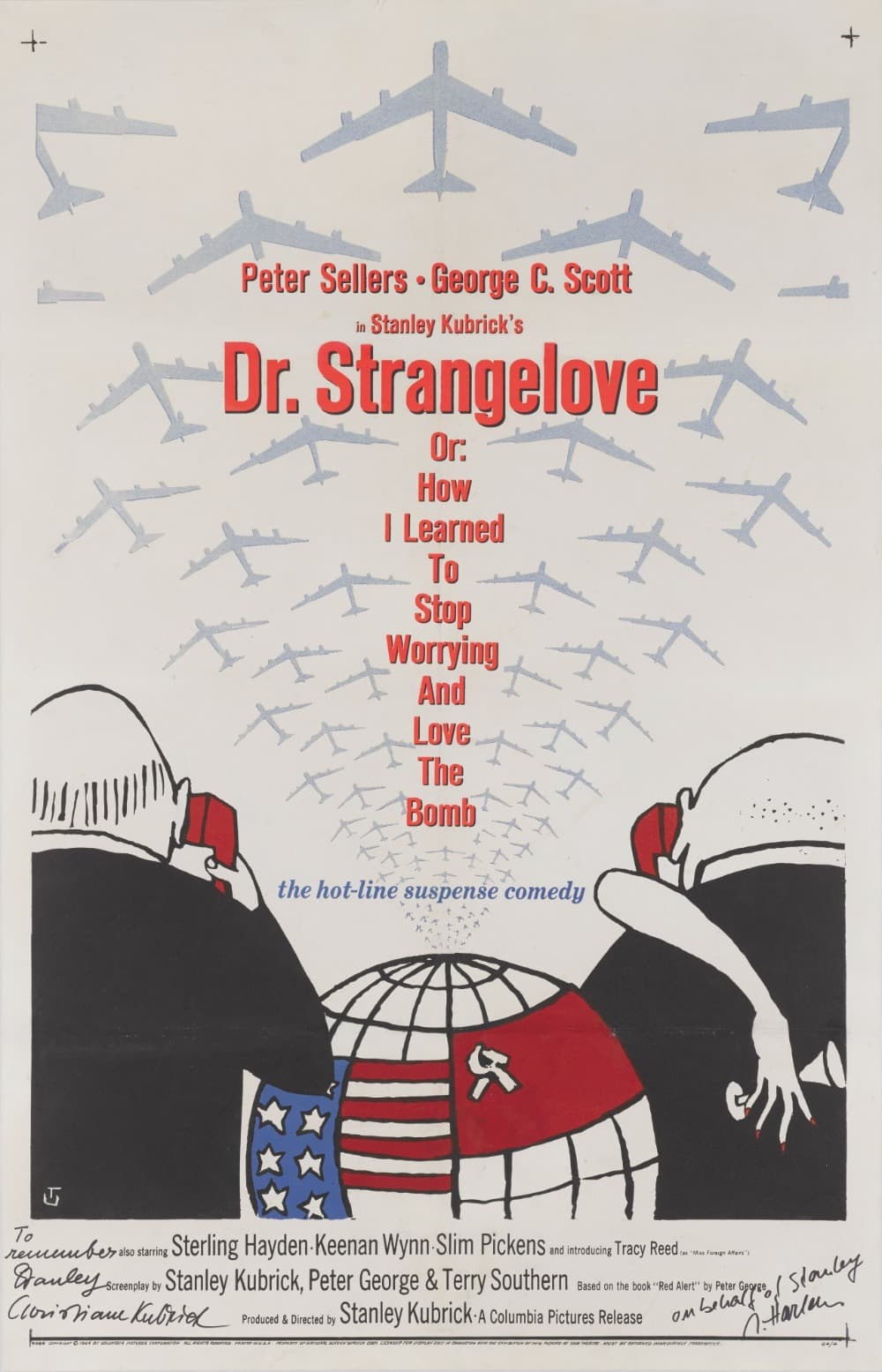
Nuclear annihilation has never been this funny, and never will be again: Kubrick worked out that the strategy was already absurd, and simply let his generals talk.

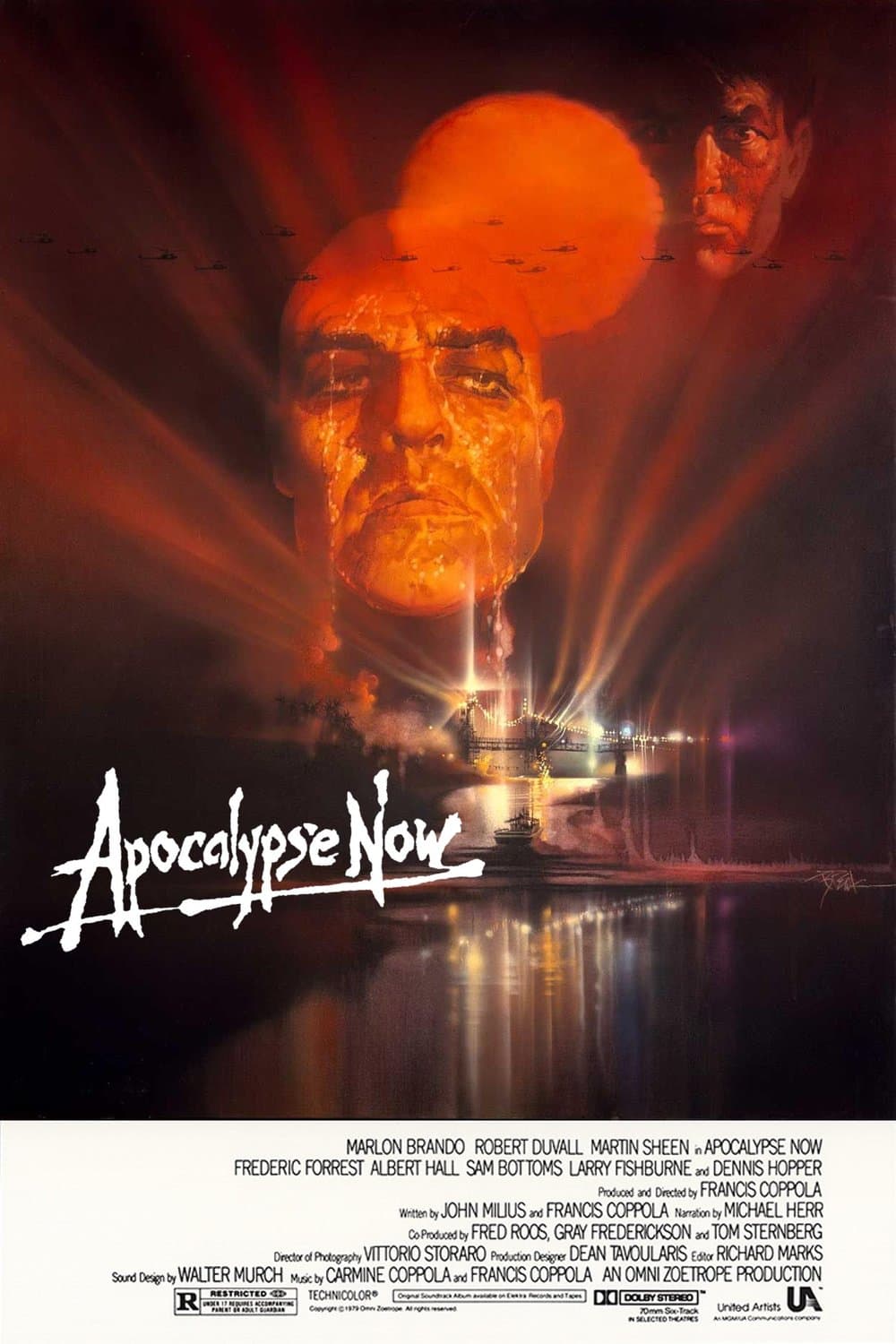
No production has ever gone further off the rails or shown it more clearly: Coppola's Vietnam abandons the war film for pure hallucination, and the helicopters over the trees are permanent.