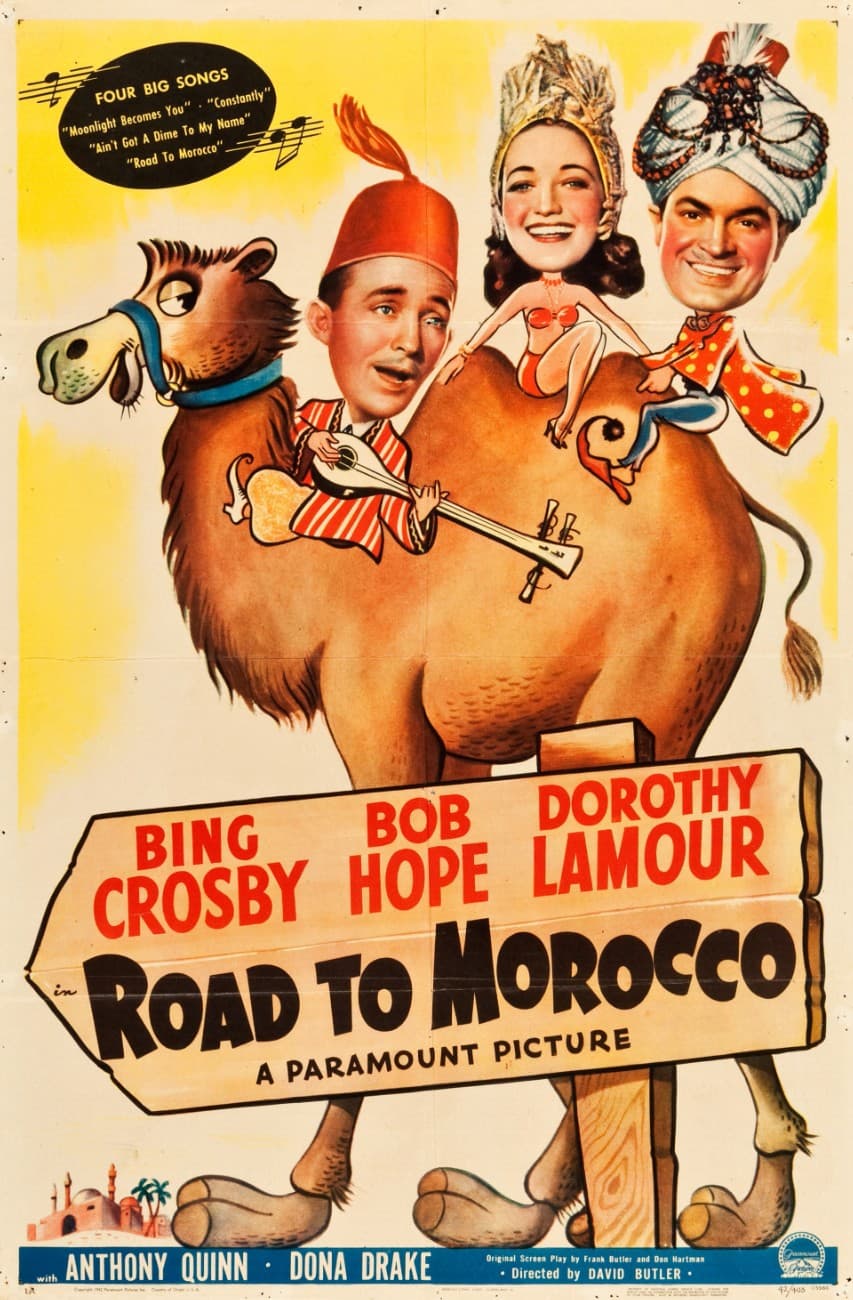
Road to Morocco
Directed by David Butler
1942
Bob Hope and Bing Crosby keep telling the audience it is only a film, and a camel gets a line: the fourth wall came down here long before anyone named it.
★ 1.1
 skopia
Bob Hope and Bing Crosby keep telling the audience it is only a film, and a camel gets a line: the fourth wall came down here long before anyone named it.
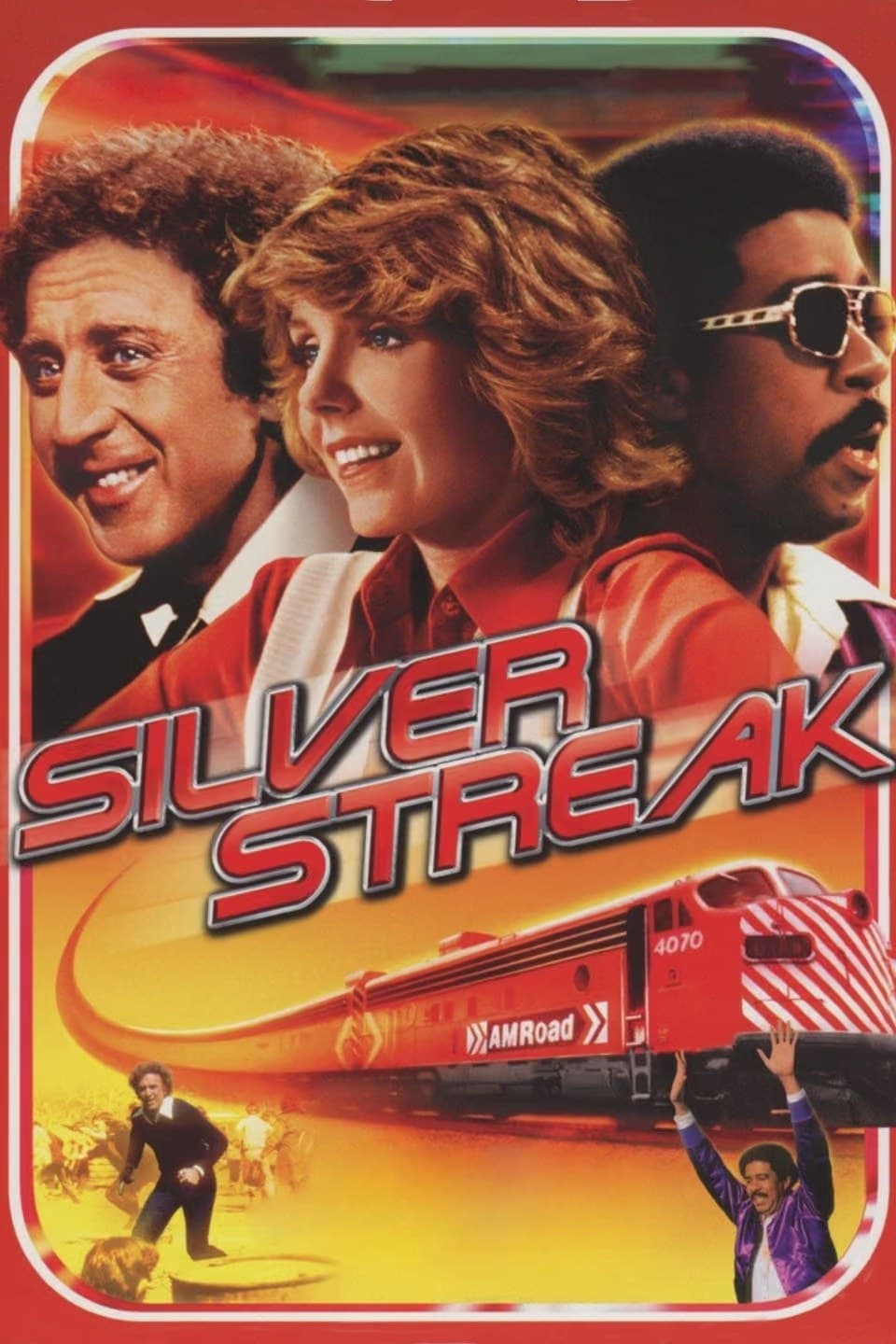
Gene Wilder and Richard Pryor met on this and made three more together: a book editor takes a slow train from Los Angeles to Chicago and sees something through a window.
It was the second biggest film of 1977 behind Star Wars, which nobody remembers: Burt Reynolds runs beer across state lines in a black Trans Am and grins at the camera throughout.
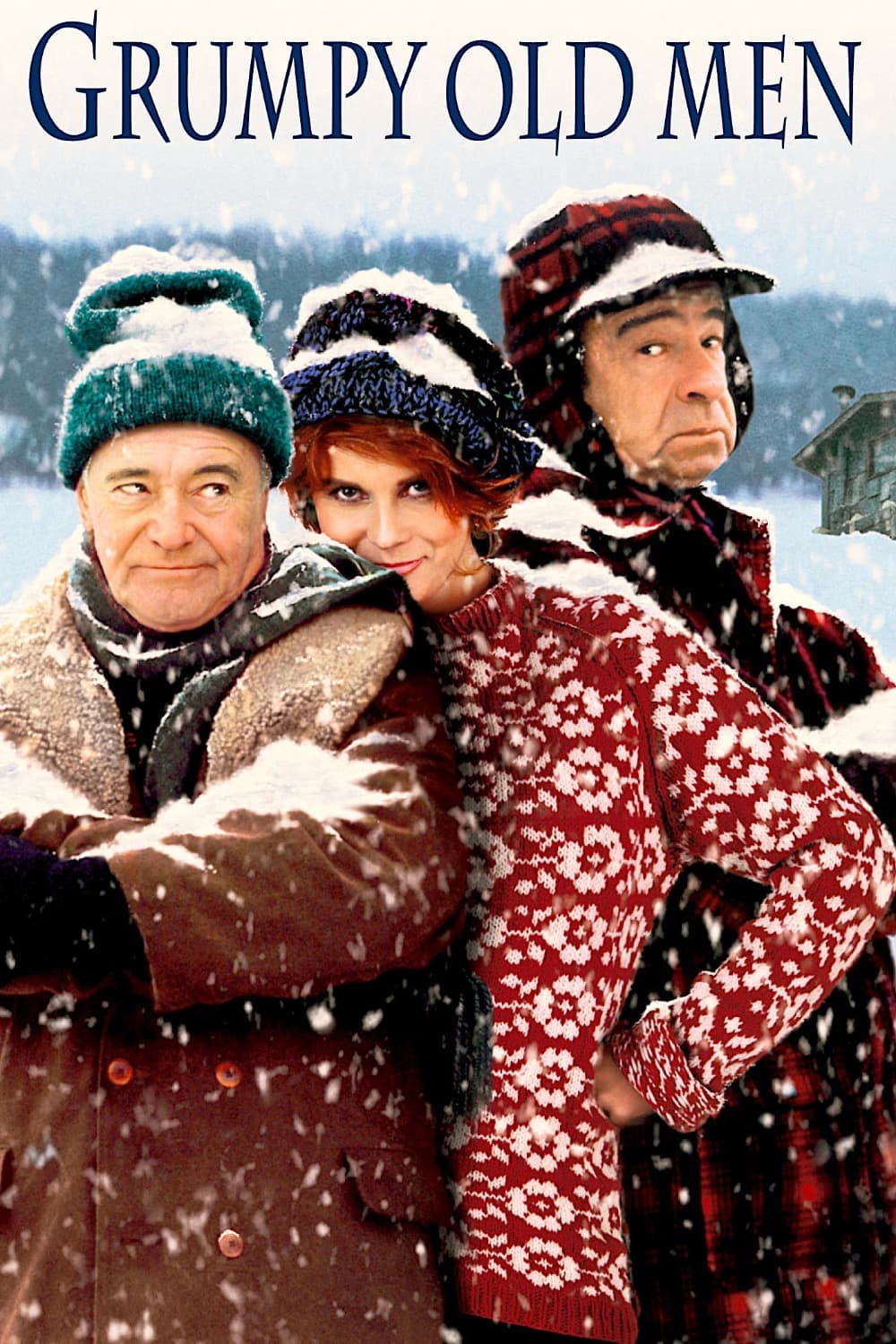
Walter Matthau and Jack Lemmon had been perfecting this act for twenty-five years and it still lands: two Minnesota neighbors have hated each other since one married the other's girl.
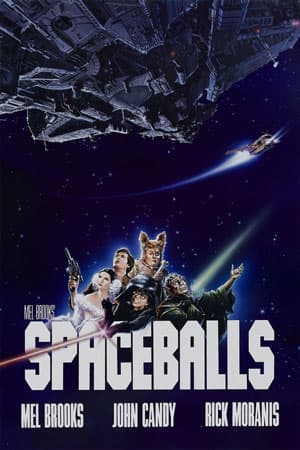
George Lucas allowed it on condition that no merchandise be sold, so Mel Brooks put a merchandising joke in the film: Star Wars parodied by someone who clearly loves it.
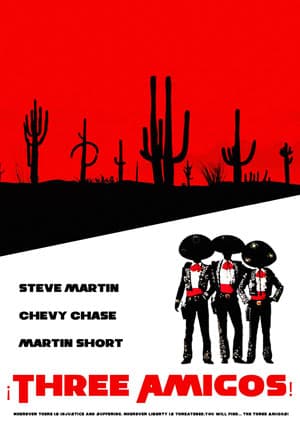
Steve Martin, Chevy Chase and Martin Short play silent film stars mistaken for real gunfighters: a Mexican village hires them in earnest, and the singing bush is exactly as stupid as it sounds.
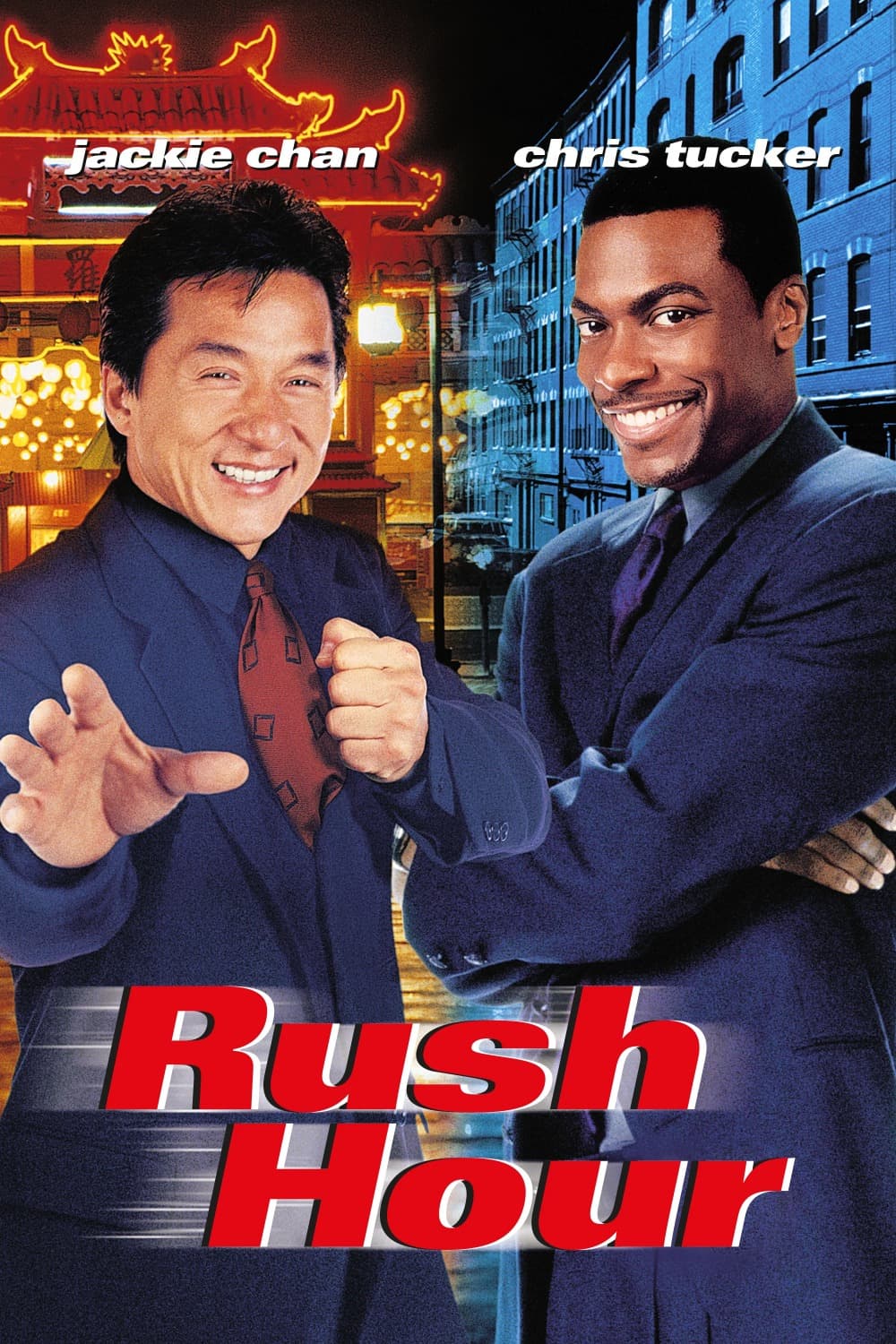
Jackie Chan had been a superstar everywhere except America and this finally fixed that: he does all his own stunts, and Chris Tucker talks at a frequency nobody else reaches.
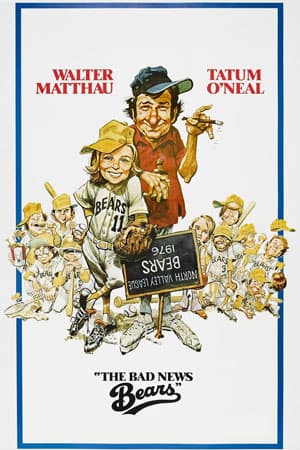
The children swear constantly, the coach drinks in the dugout, and nobody learns very much: Walter Matthau took a Little League team and made the least sentimental sports film ever released.
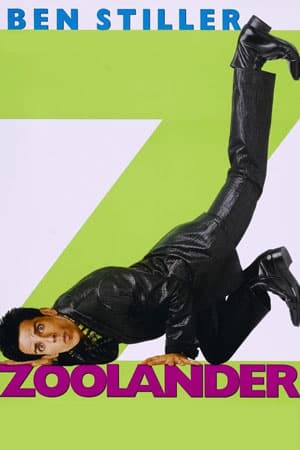
The World Trade Center had to be digitally erased from the skyline two weeks before release: an idiot male model, and Ben Stiller commits to the stupidity absolutely and without apology.
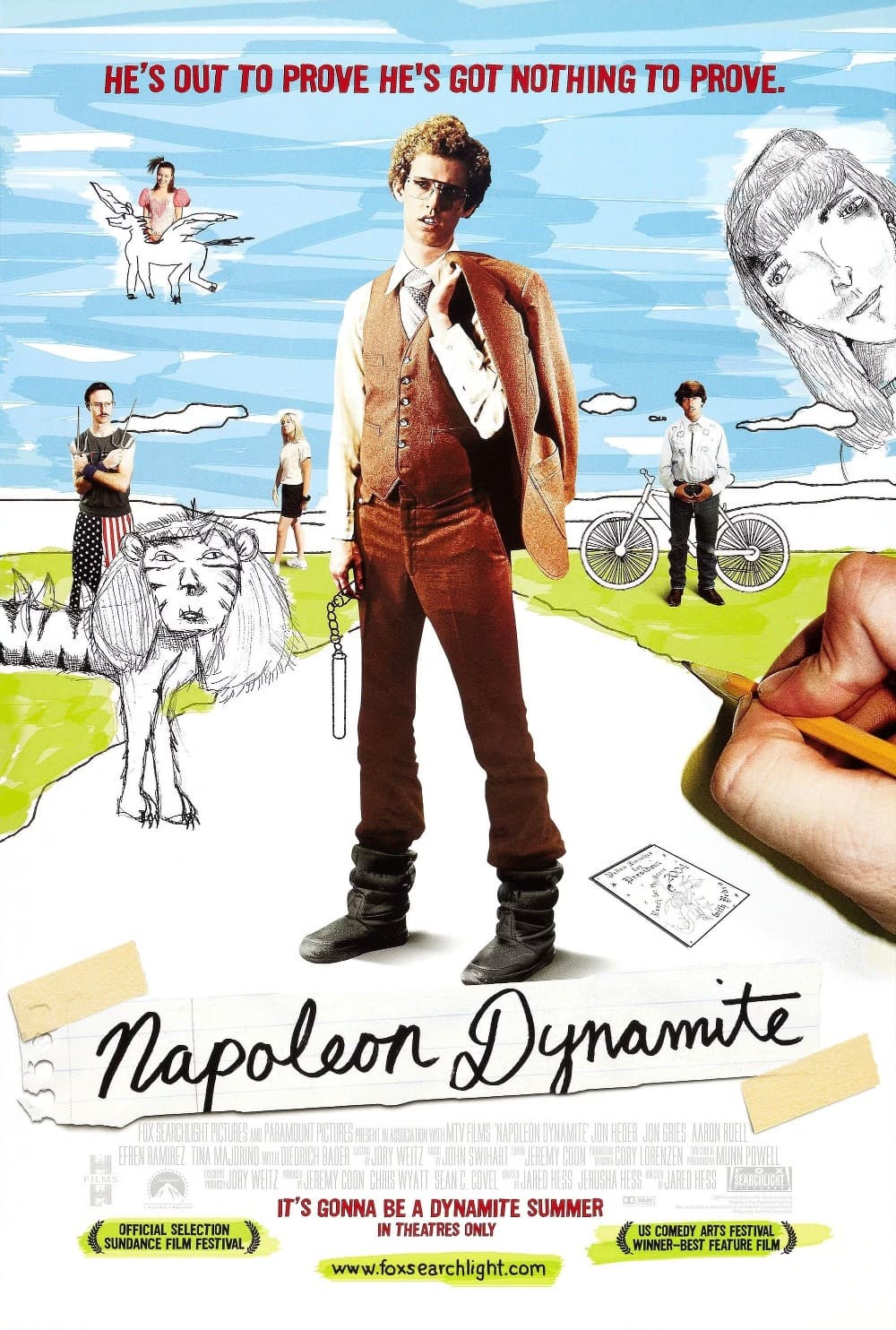
It cost under half a million and grossed a hundred times that: an Idaho teenager, his brother's internet girlfriend, and a deadpan rhythm nobody has successfully copied.
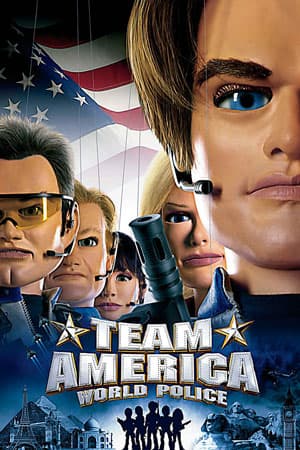
The puppetry is entirely straight-faced and never winks: Trey Parker and Matt Stone spent a fortune on marionettes so they could aim a Jerry Bruckheimer parody at absolutely everyone.
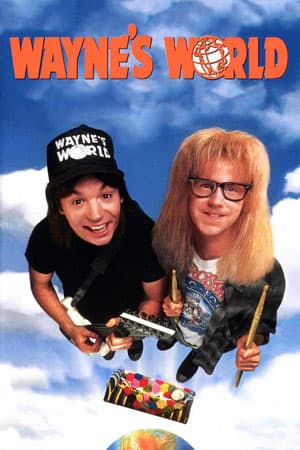
The car scene put Bohemian Rhapsody back in the American top ten seventeen years after its release: two men broadcast a public access show from a basement and address the camera constantly.
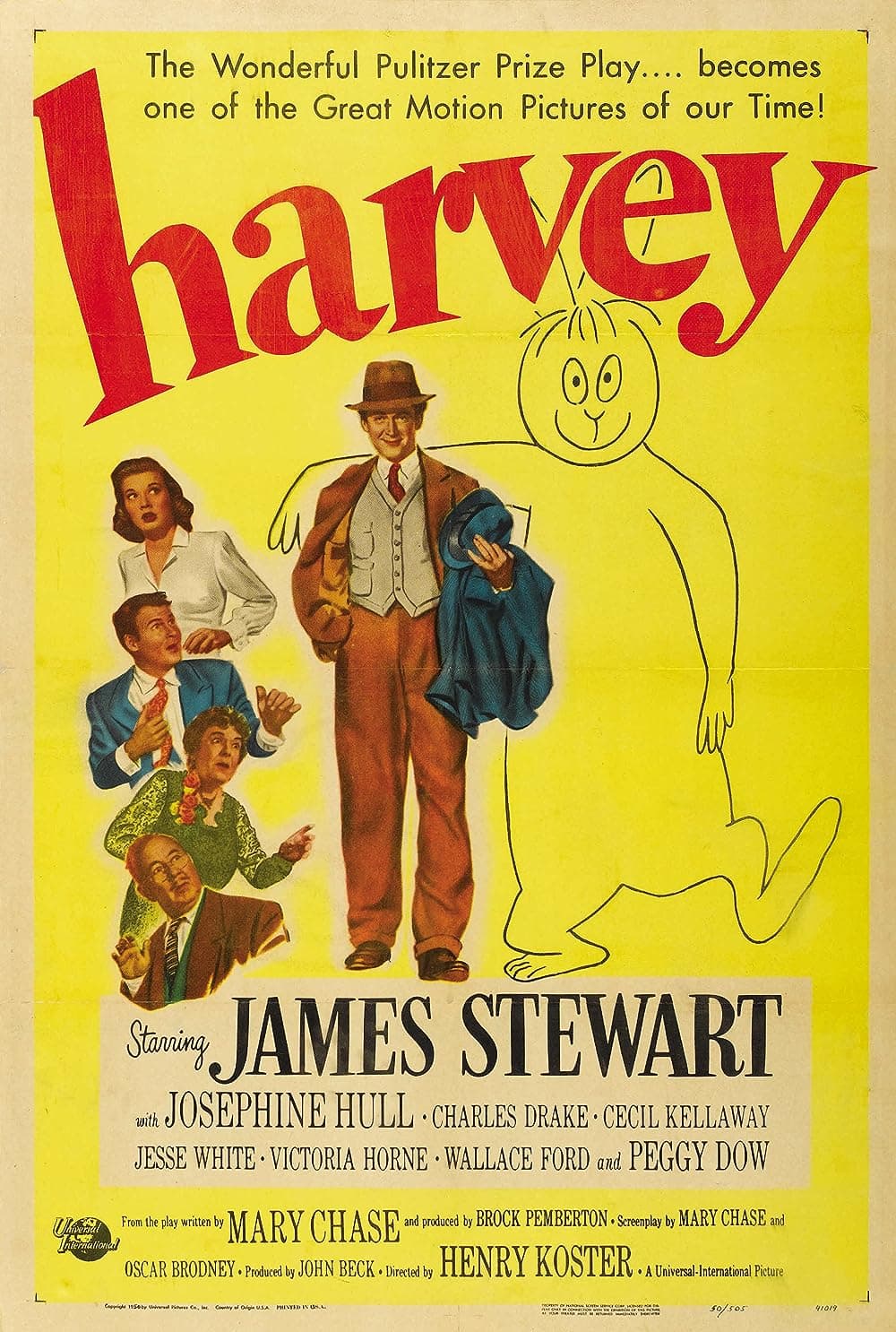
James Stewart played it on Broadway and returned to the part for decades: an unfailingly pleasant man insists his closest friend is a six-foot-three invisible rabbit, and his family wants him committed.
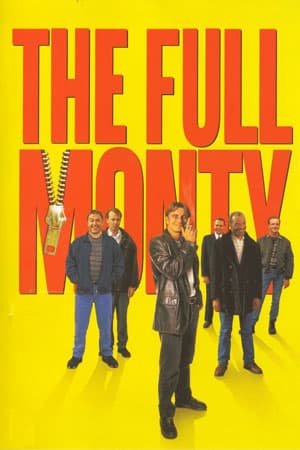
Made in Sheffield for just over two million pounds and it outgrossed everything in Britain that year: six unemployed steelworkers decide to strip for money, and the comedy comes out of genuine desperation.

Written by John Hughes, with Chevy Chase back as the same hapless father a third time: a man books two weeks off to build the perfect family Christmas out of things that break.
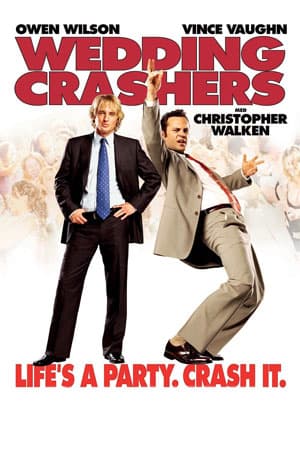
Owen Wilson and Vince Vaughn talk across each other at speed and the rhythm carries the film: two divorce lawyers crash strangers' weddings as a hobby, with rules they have written down.
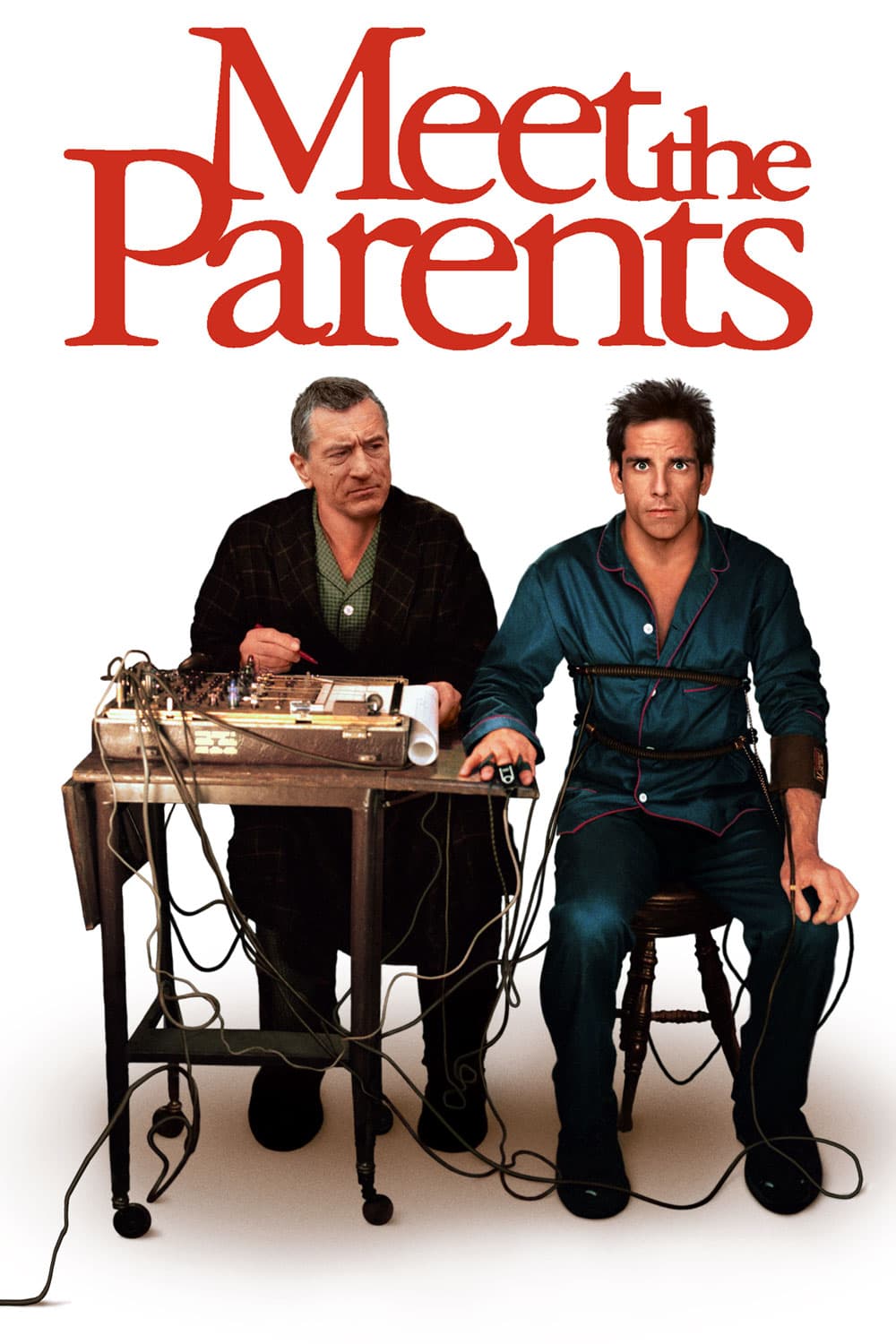
De Niro spent thirty years teaching audiences to fear him and then rented that out to a comedy: a man meets his girlfriend's father, and every single thing he does makes it worse.
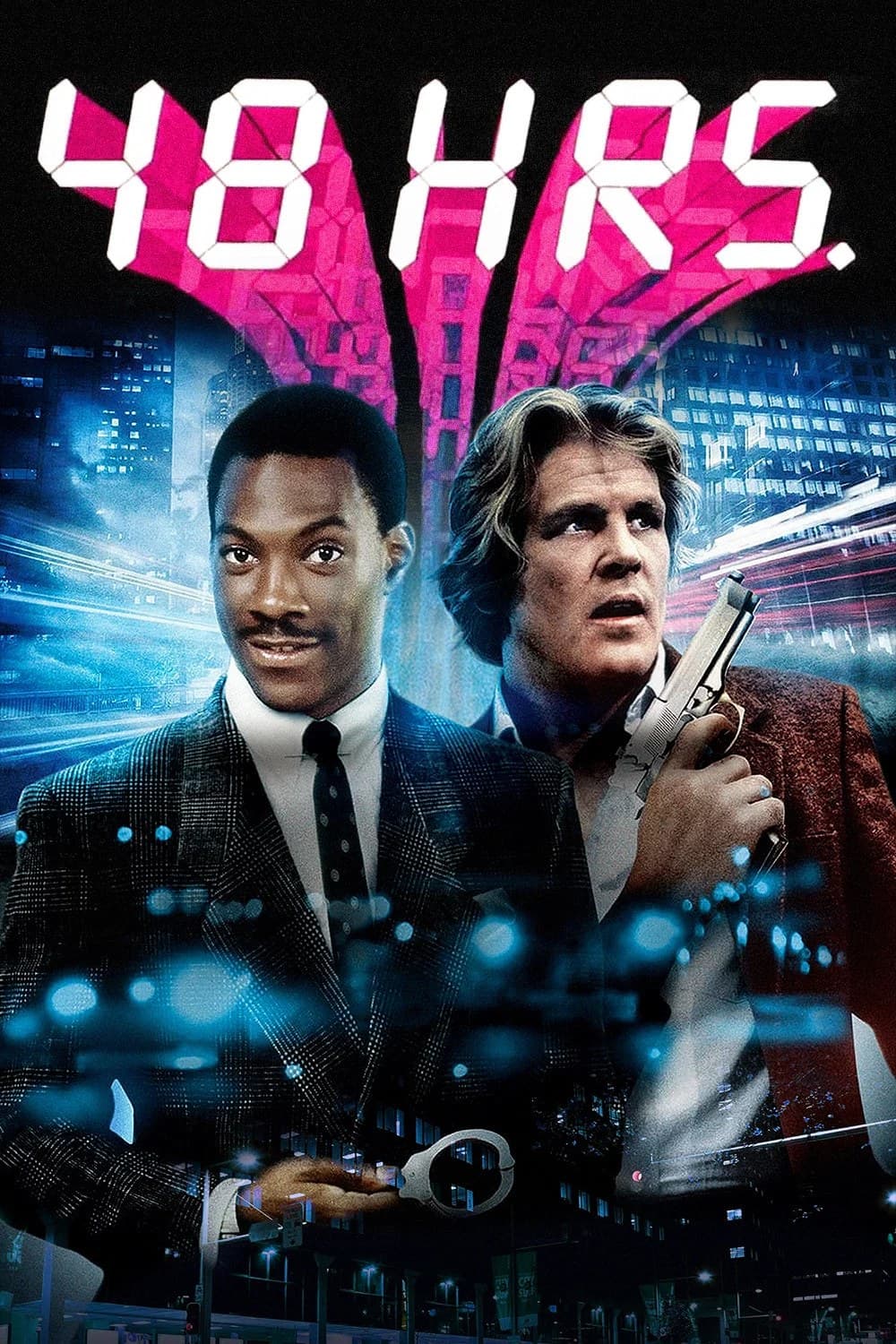
Eddie Murphy's first film role and he takes the whole thing over: Walter Hill built the interracial buddy-cop formula here, and the bar scene made a twenty-one-year-old a movie star overnight.
Steve Martin's first starring role opens with him claiming to have been born a poor black child, and never stops that far from the line: pure stupidity performed with total commitment.
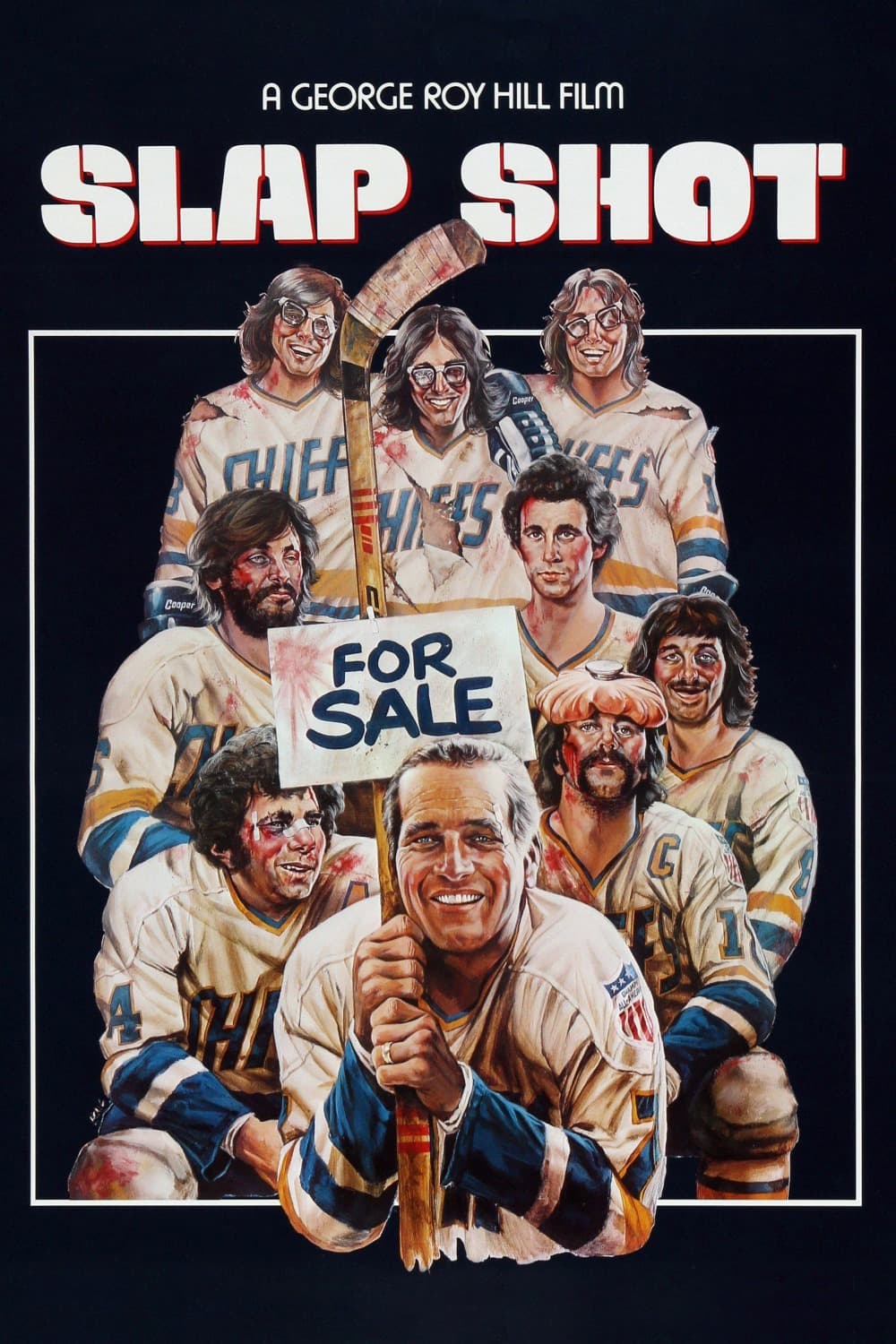
Real minor-league players filled most of the roster and three of them became the Hanson Brothers: Paul Newman coaches a dying team that discovers the crowd will pay for violence.
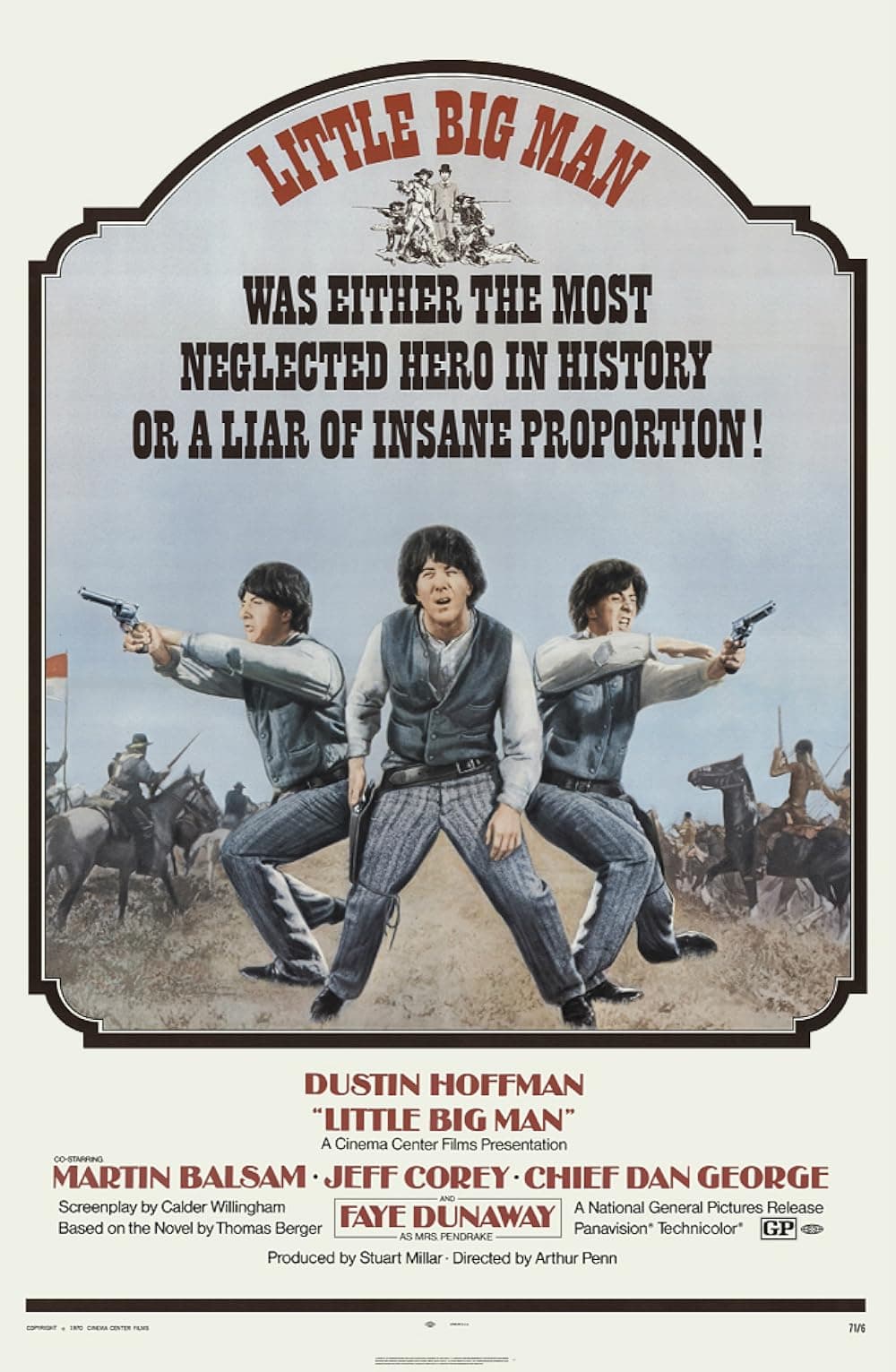
Made during Vietnam and aimed straight at it: a 121-year-old man narrates his life across the frontier, and Arthur Penn makes the cavalry the villains for once.
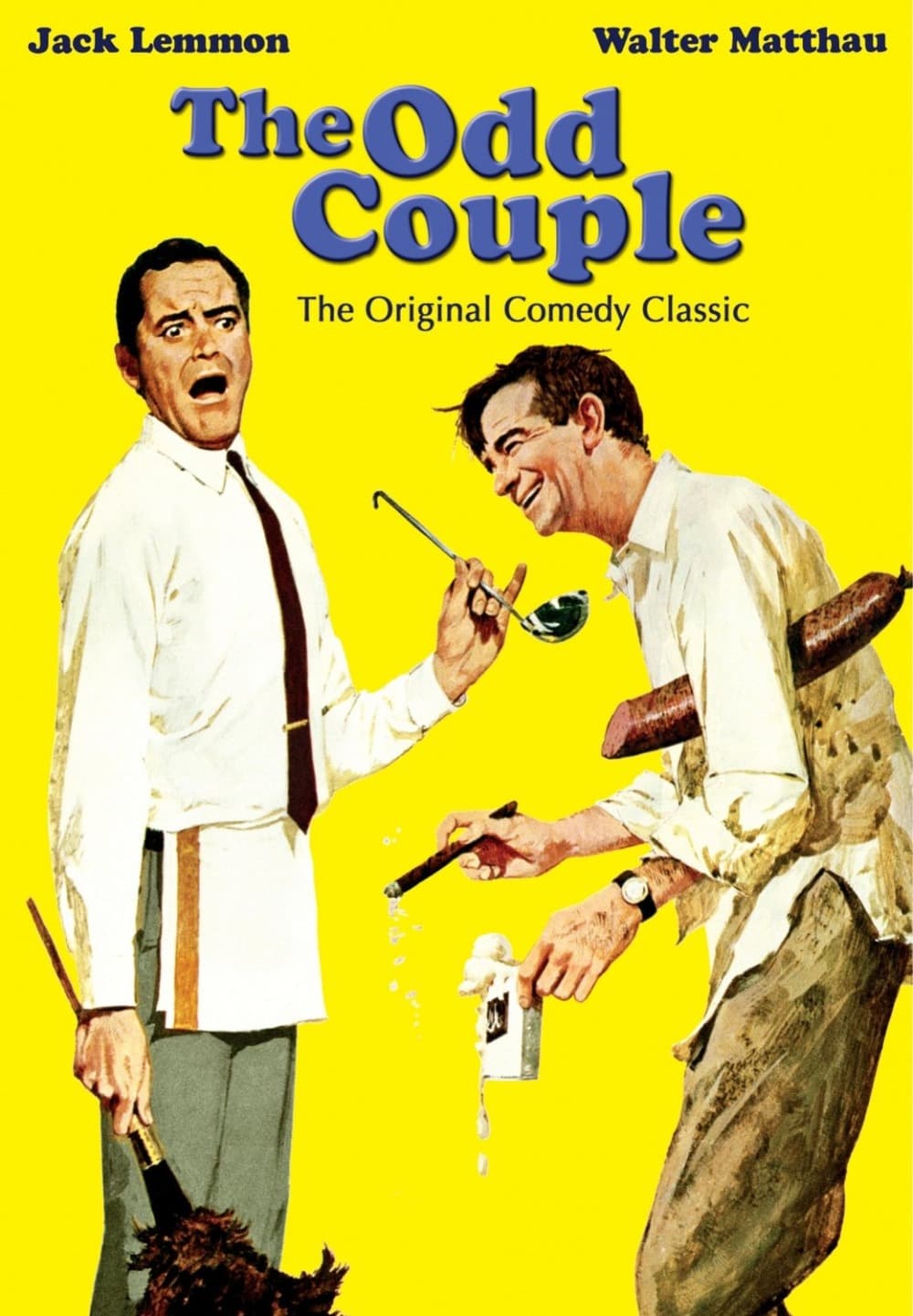
Neil Simon's play handed American comedy a permanent shape: Jack Lemmon and Walter Matthau share an apartment badly, and the television series that followed ran for five years.
It withholds the night itself and works entirely on reconstruction: four men wake in a wrecked Las Vegas suite with the groom missing, and piece the evening back together from the evidence.
Two comedians play unpleasant versions of themselves and improvise the whole thing: Steve Coogan and Rob Brydon drive around northern England eating well and competing over Michael Caine impressions.
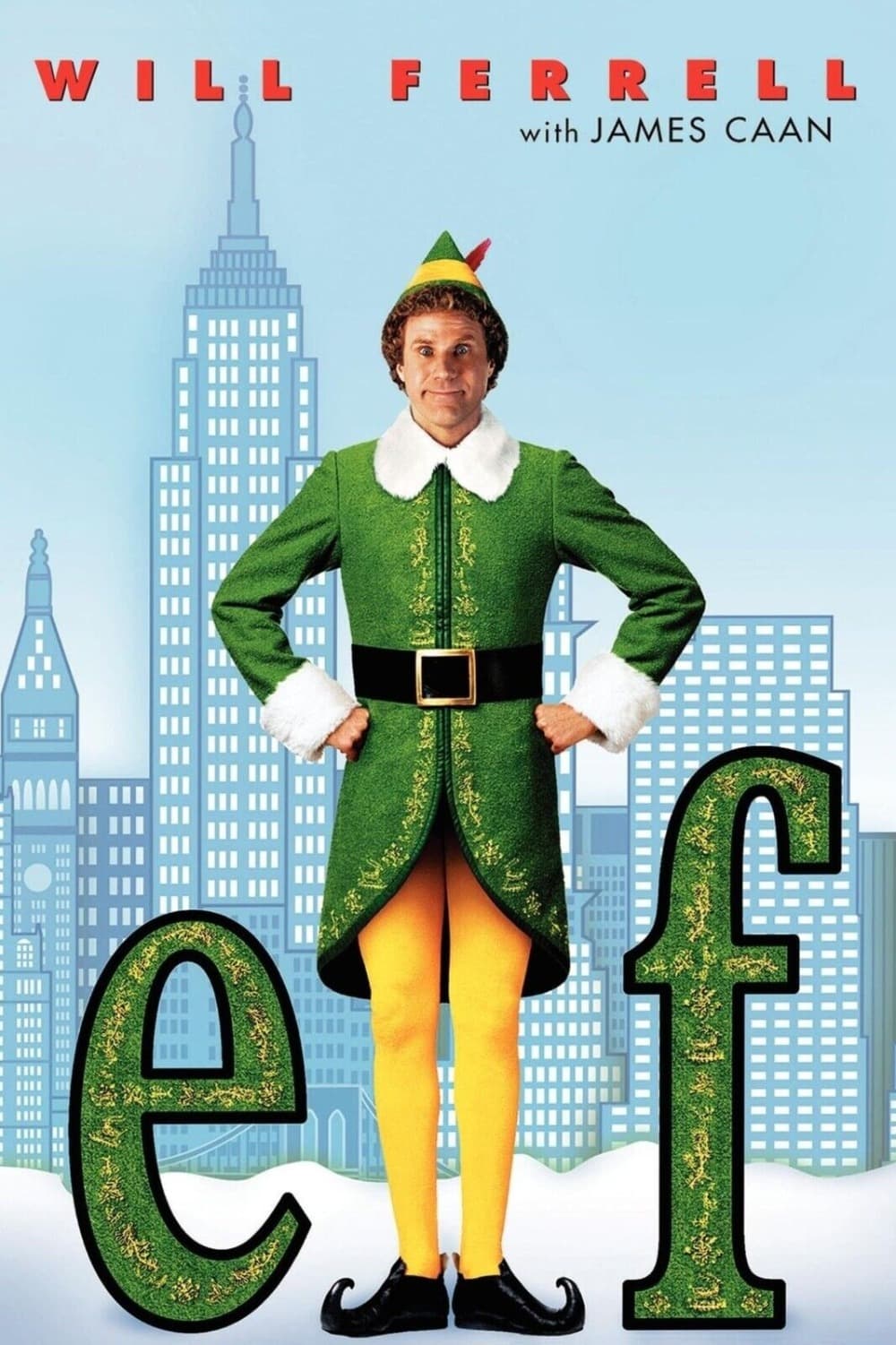
The elf costume is real and so is the height difference: Jon Favreau used forced perspective rather than effects, and within five years it was a Christmas standard.
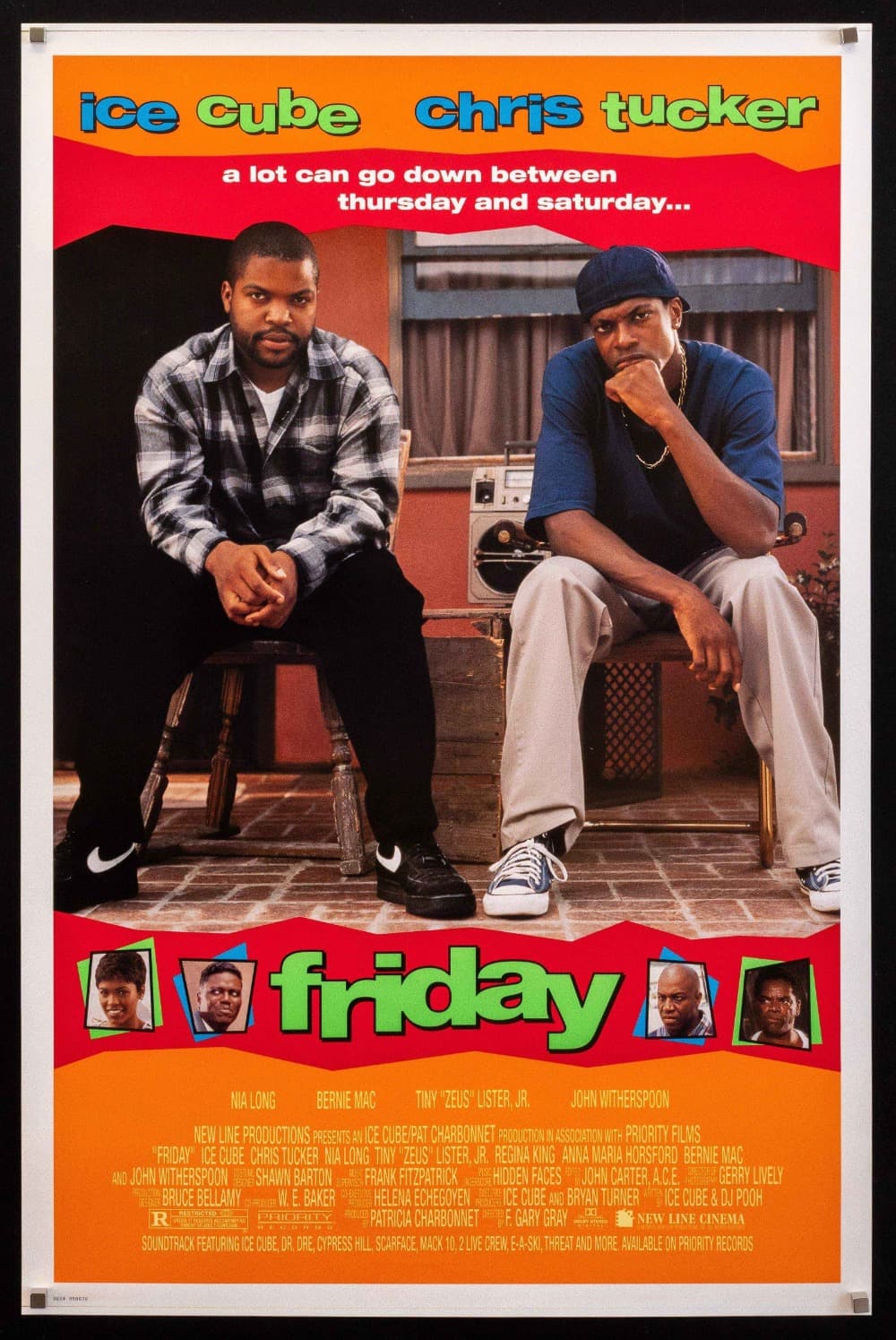
Ice Cube wrote it because he was tired of films that made his neighborhood look like a war zone: one Friday, one porch, and a comedy built out of nothing happening.
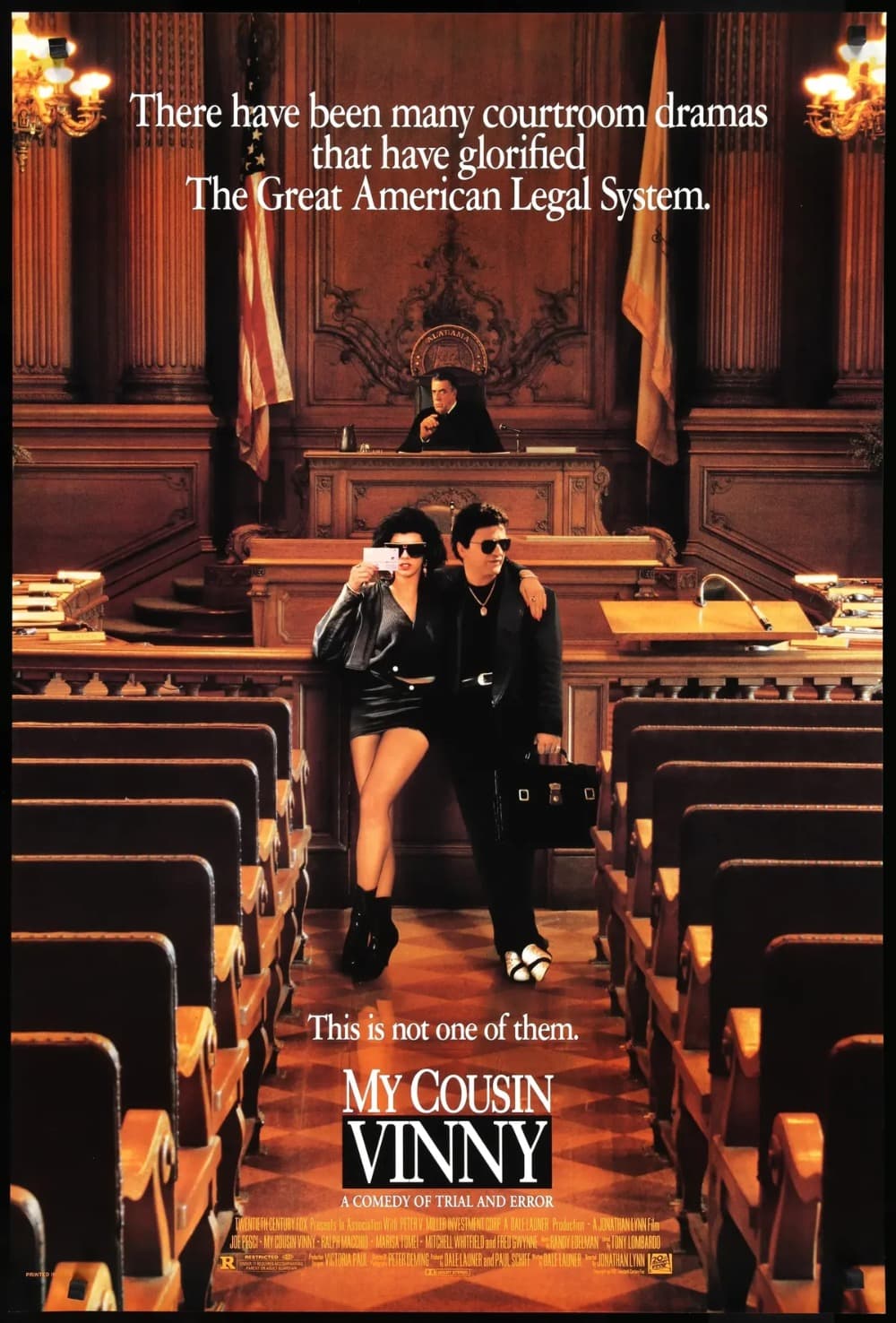
Law schools use it to teach cross-examination, which no other comedy can claim: two students are arrested in rural Alabama and defended by a cousin who has never tried a case.
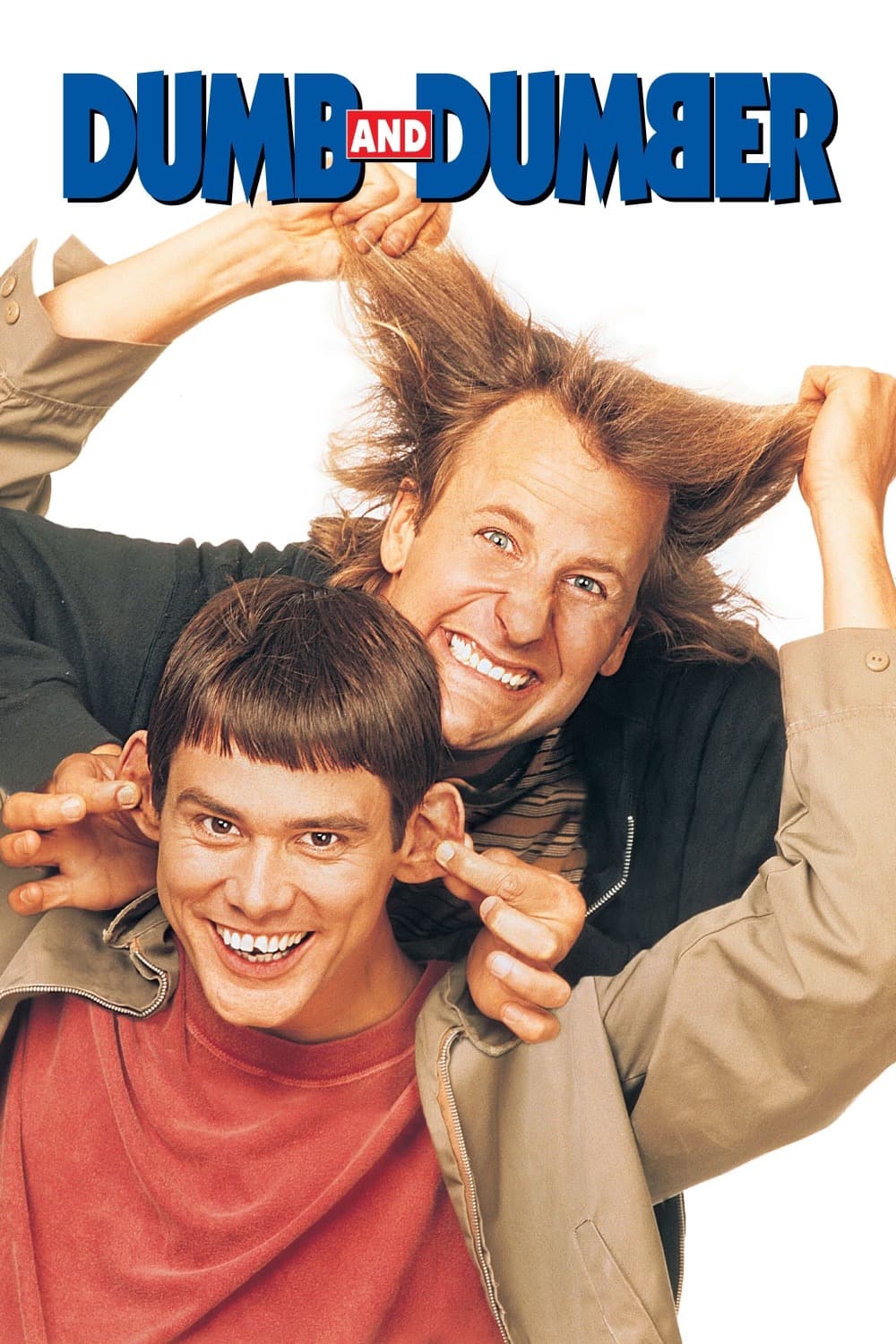
Jim Carrey had three hits in a single year and this one has aged best: two men drive to Aspen to return a briefcase, understanding nothing about anything at any point.
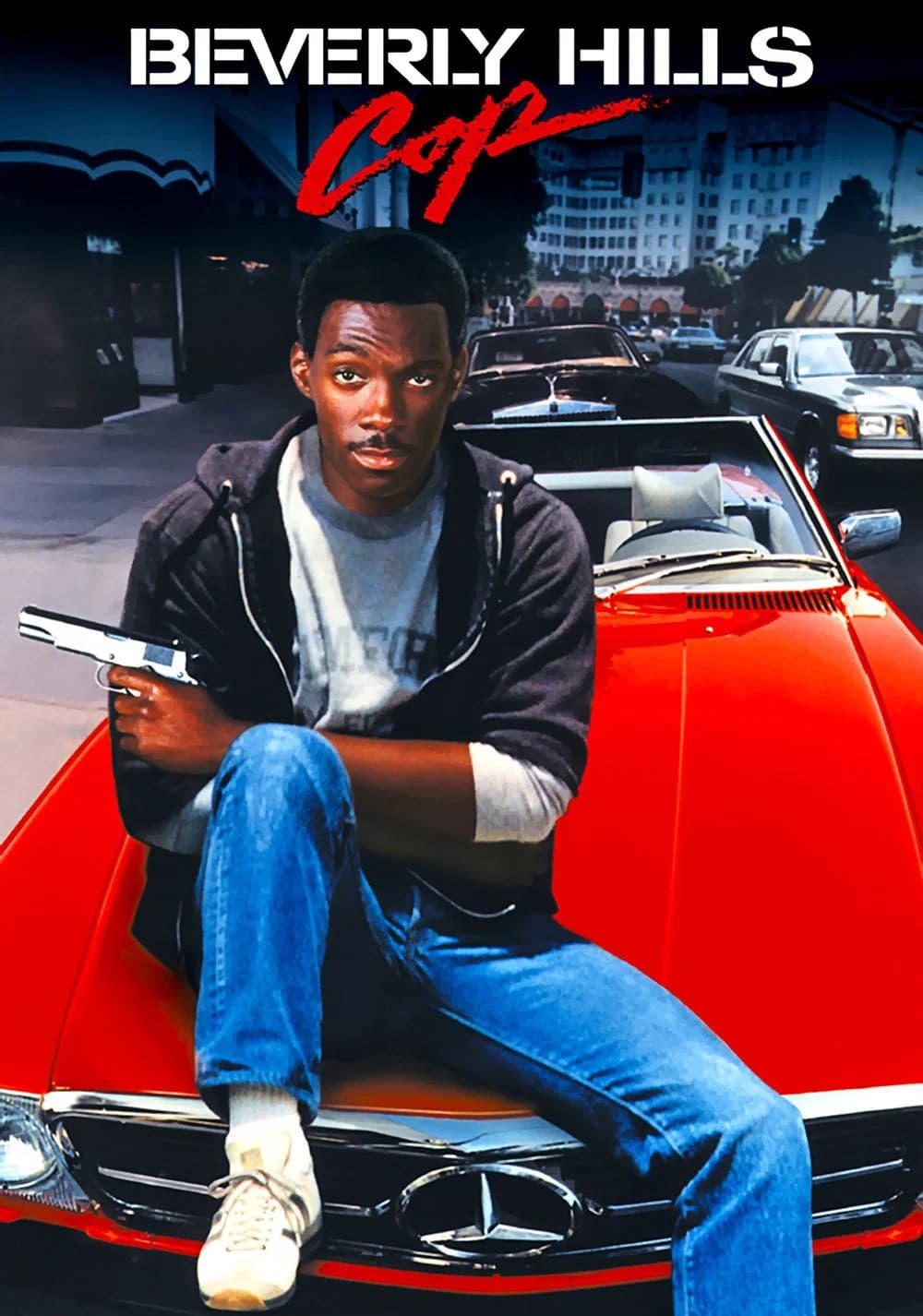
Sylvester Stallone rewrote the script into an action picture, then quit two weeks before shooting: Eddie Murphy came in days later, and nobody escaped that synthesizer theme for years.
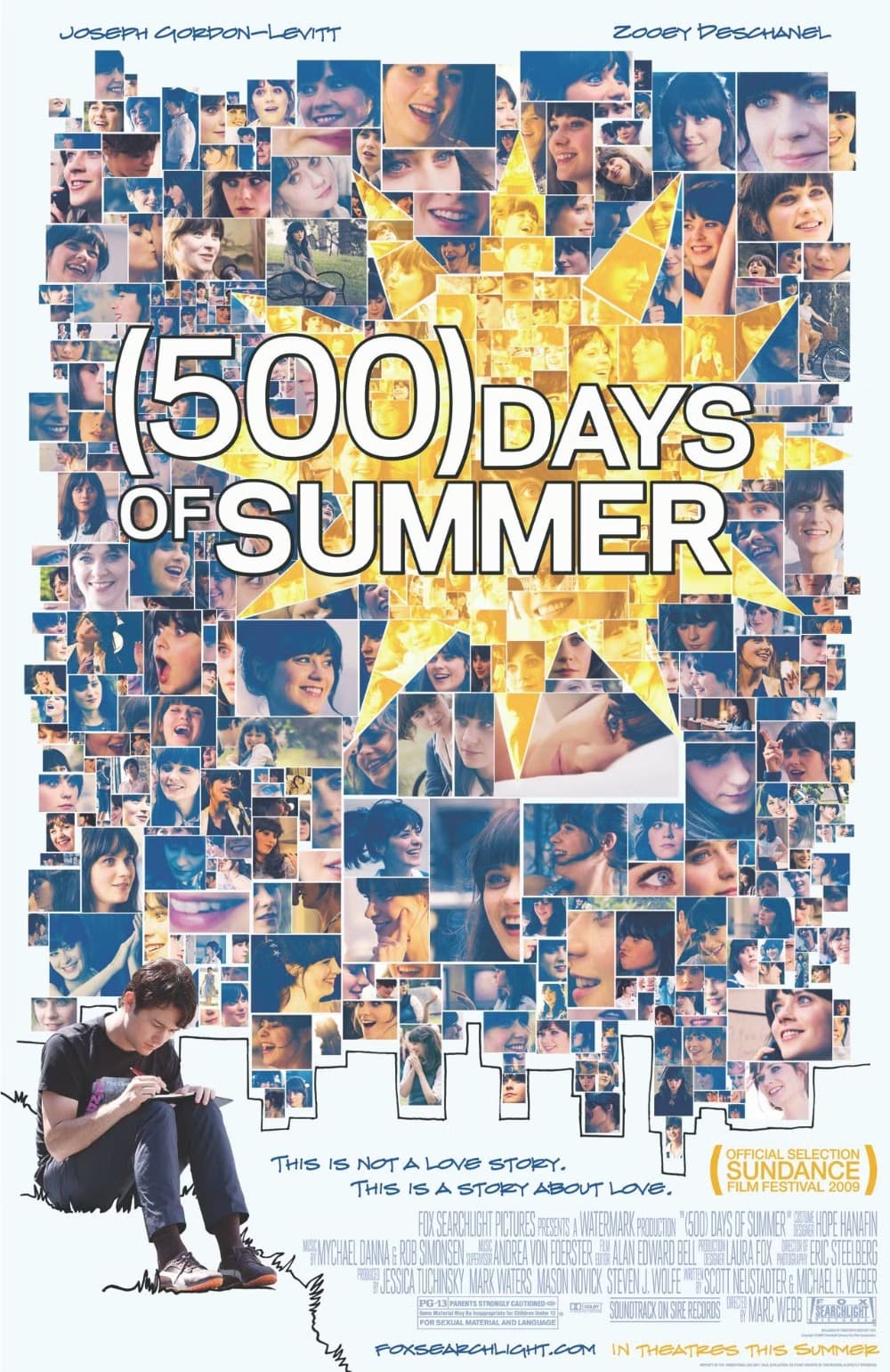
The split screen between what he expects and what happens is the best scene of its decade: a romantic comedy scrambled out of sequence that keeps insisting it is not a love story.
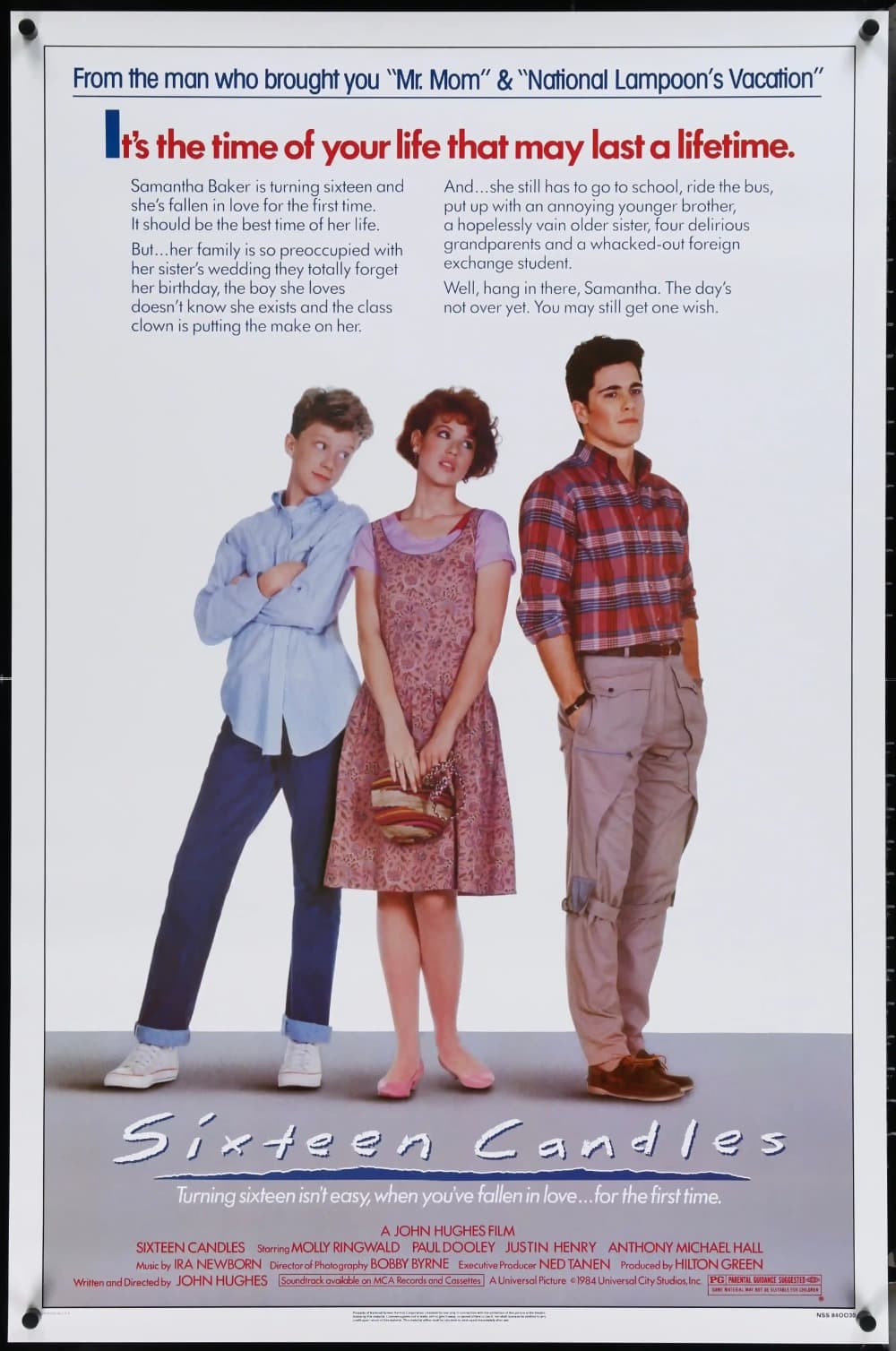
John Hughes cast Molly Ringwald off a headshot and wrote the script over one weekend: the first film that treated a teenage girl's ordinary bad day as worth ninety minutes of attention.
Jon Favreau wrote it about his own bad year and they shot in real bars without permits: two hundred thousand dollars total, and the answering machine scene is unbearable in the best way.
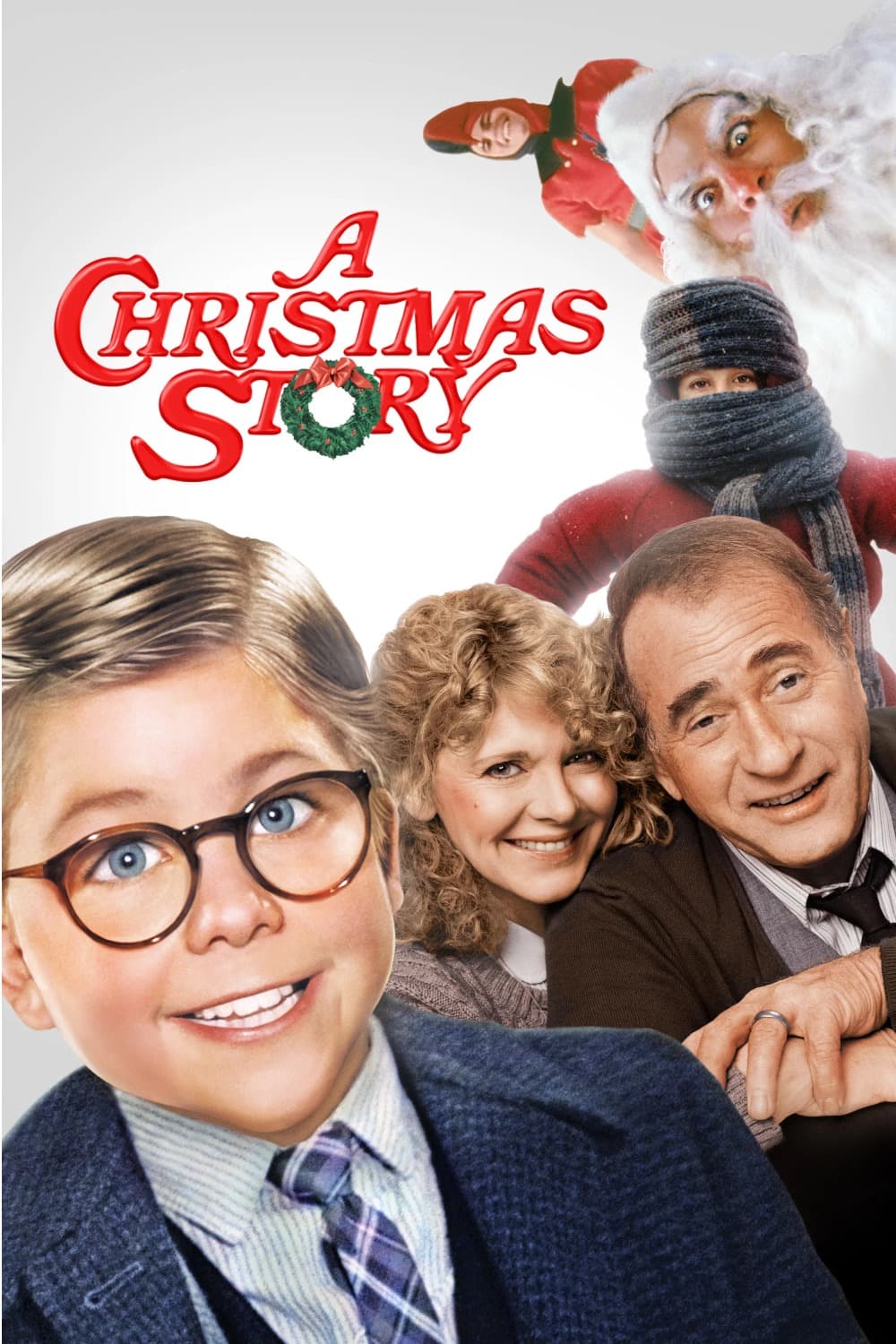
American television runs it for twenty-four straight hours every Christmas: Jean Shepherd narrates his own childhood, and it is honest enough about children to stay genuinely funny.
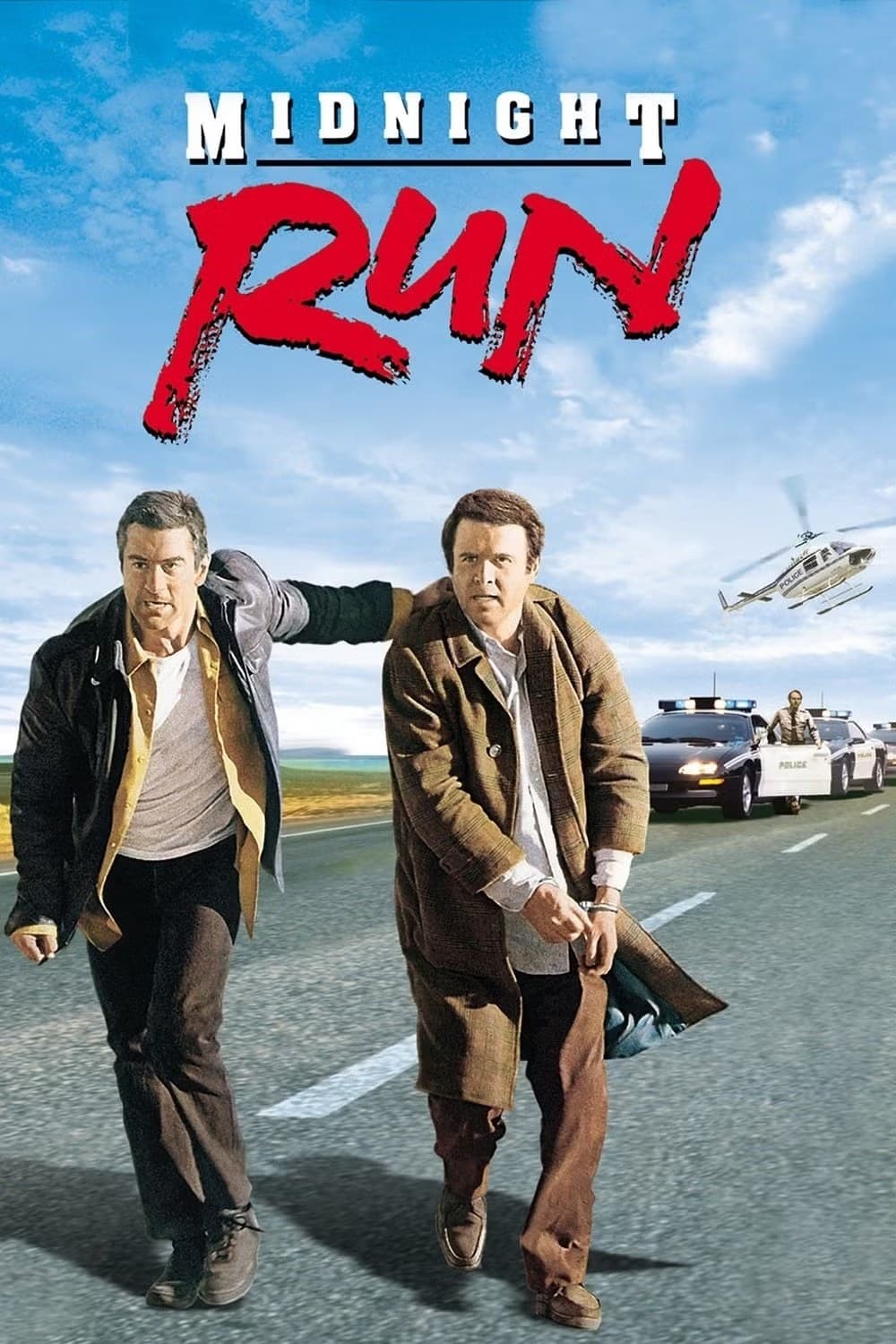
De Niro is funnier here than in any comedy he tried to be funny in: a bounty hunter has to move an embezzling accountant coast to coast, and the accountant never stops talking.
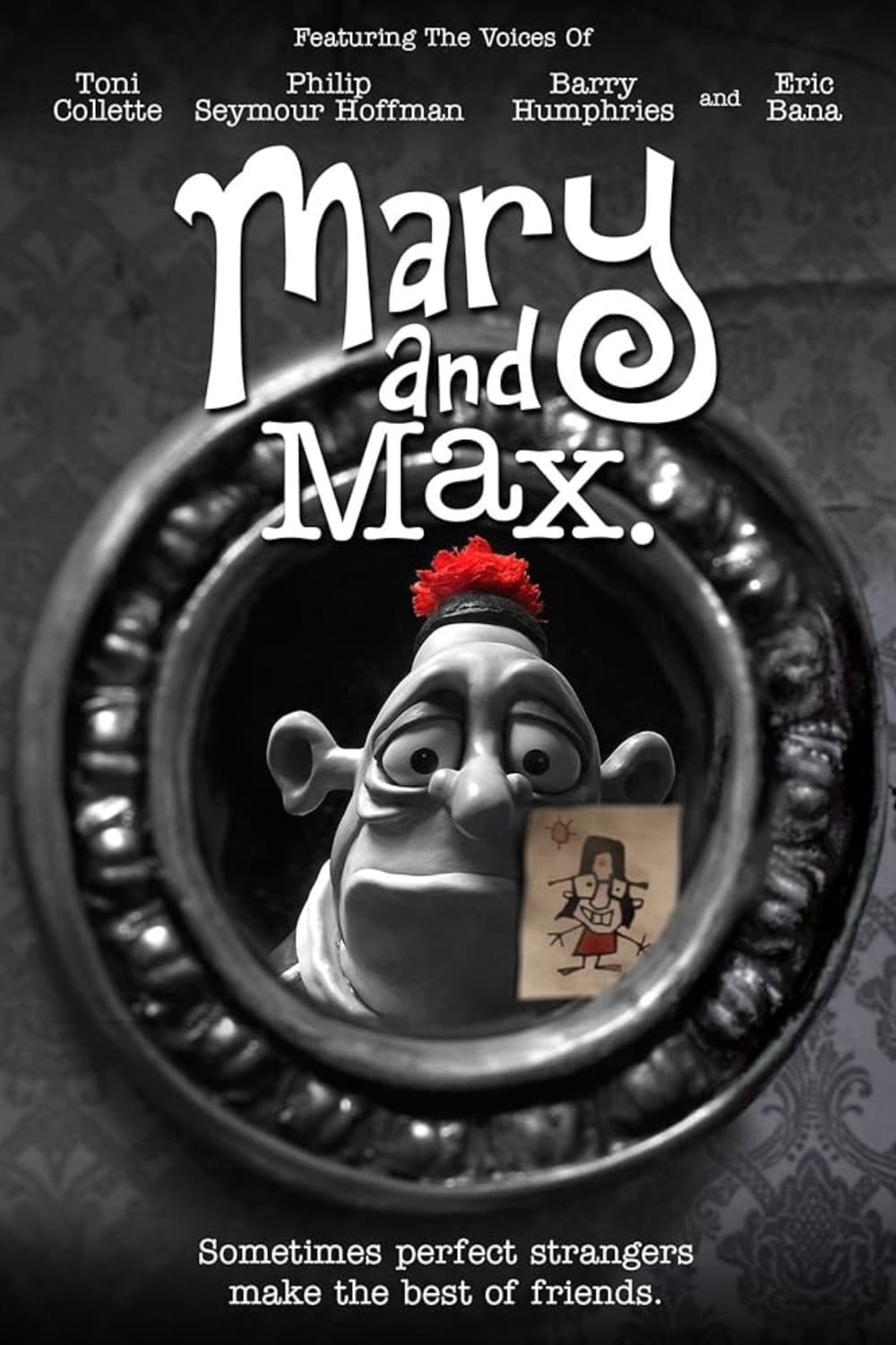
Adam Elliot spent five years making it, fifty-seven weeks of that shooting clay frame by frame: an eight-year-old in Melbourne writes to a middle-aged New Yorker, and they correspond for twenty years.
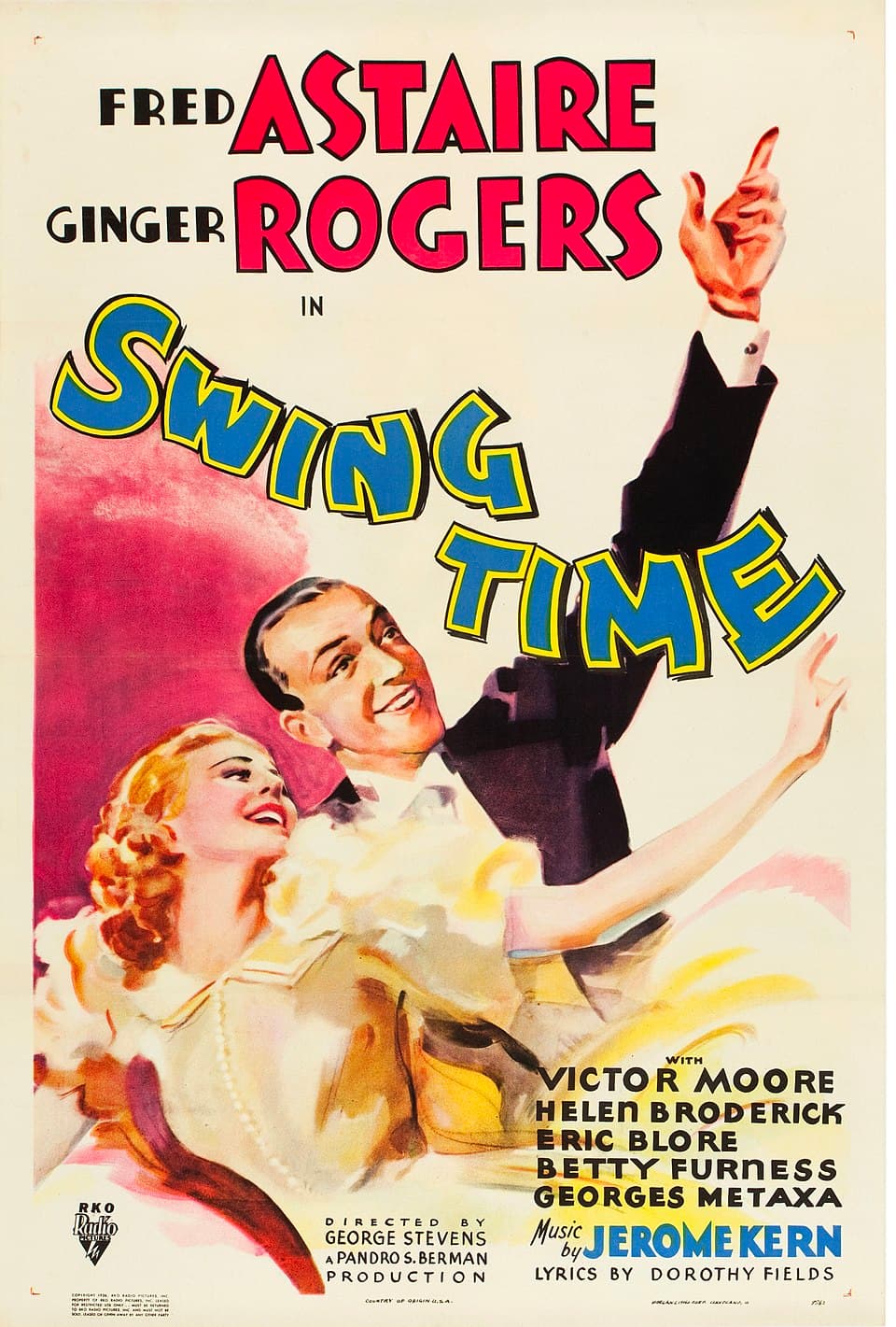
Astaire and Rogers never danced better than in the last number here, which they shot until her feet bled: the plot is nonsense and the dancing is the argument for the whole genre.
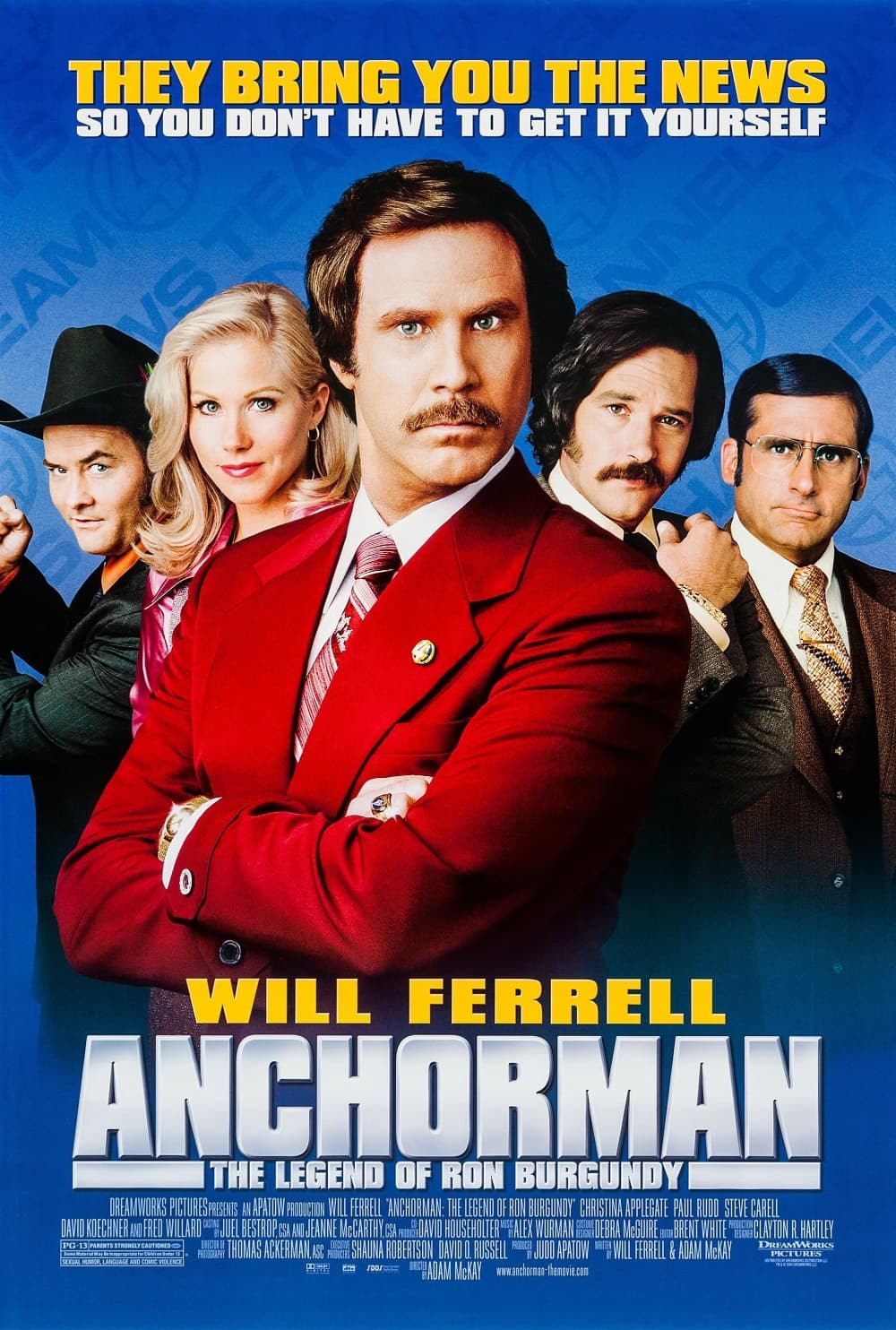
They shot so many alternate takes that the discarded material was assembled into a second feature: Will Ferrell and Adam McKay built a 1970s newsroom out of confident men saying stupid things.
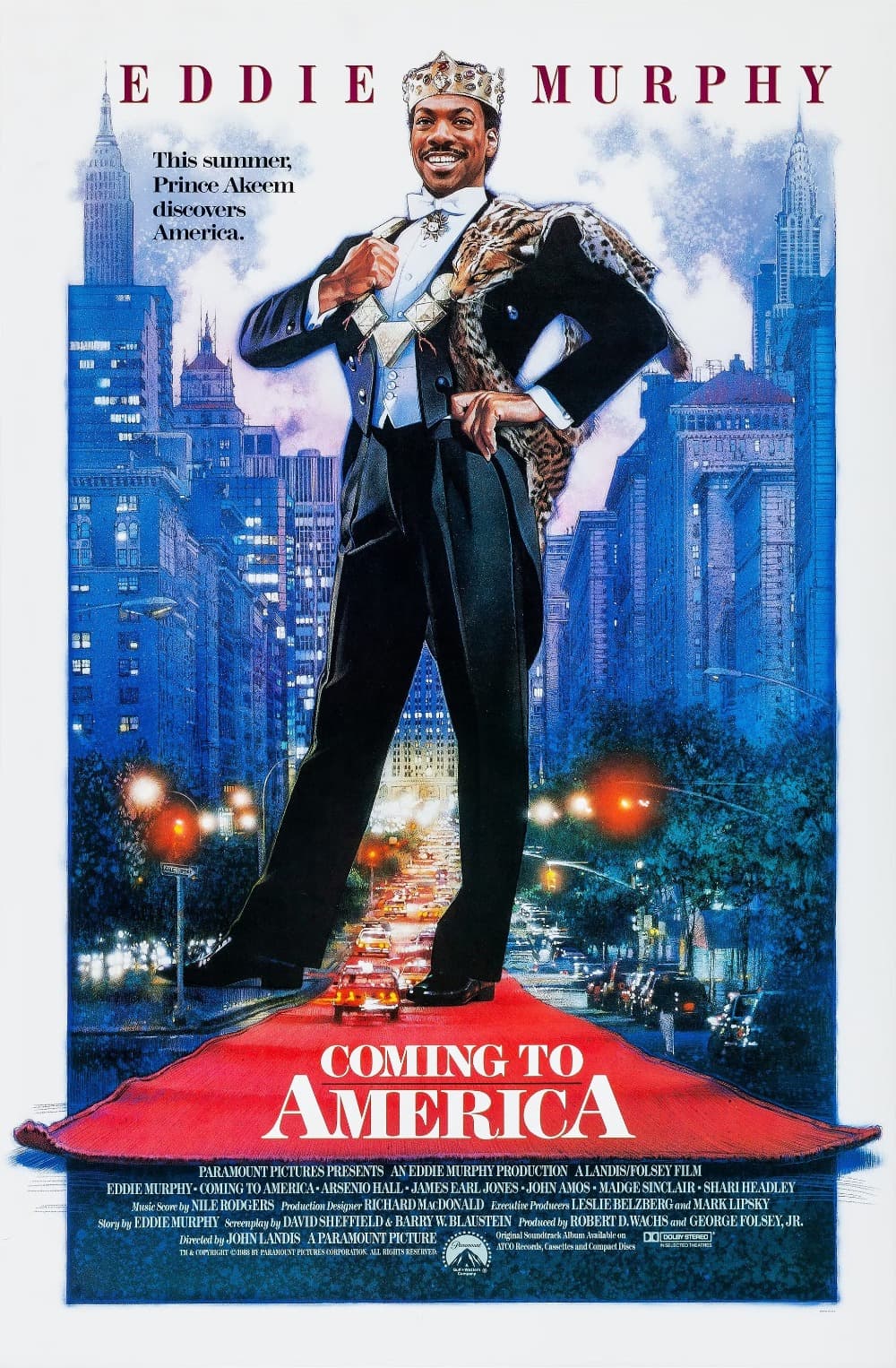
Eddie Murphy and Arsenio Hall play four characters each under Rick Baker's makeup: an African prince goes to Queens specifically to be treated like nobody, and the barbershop scenes steal it.
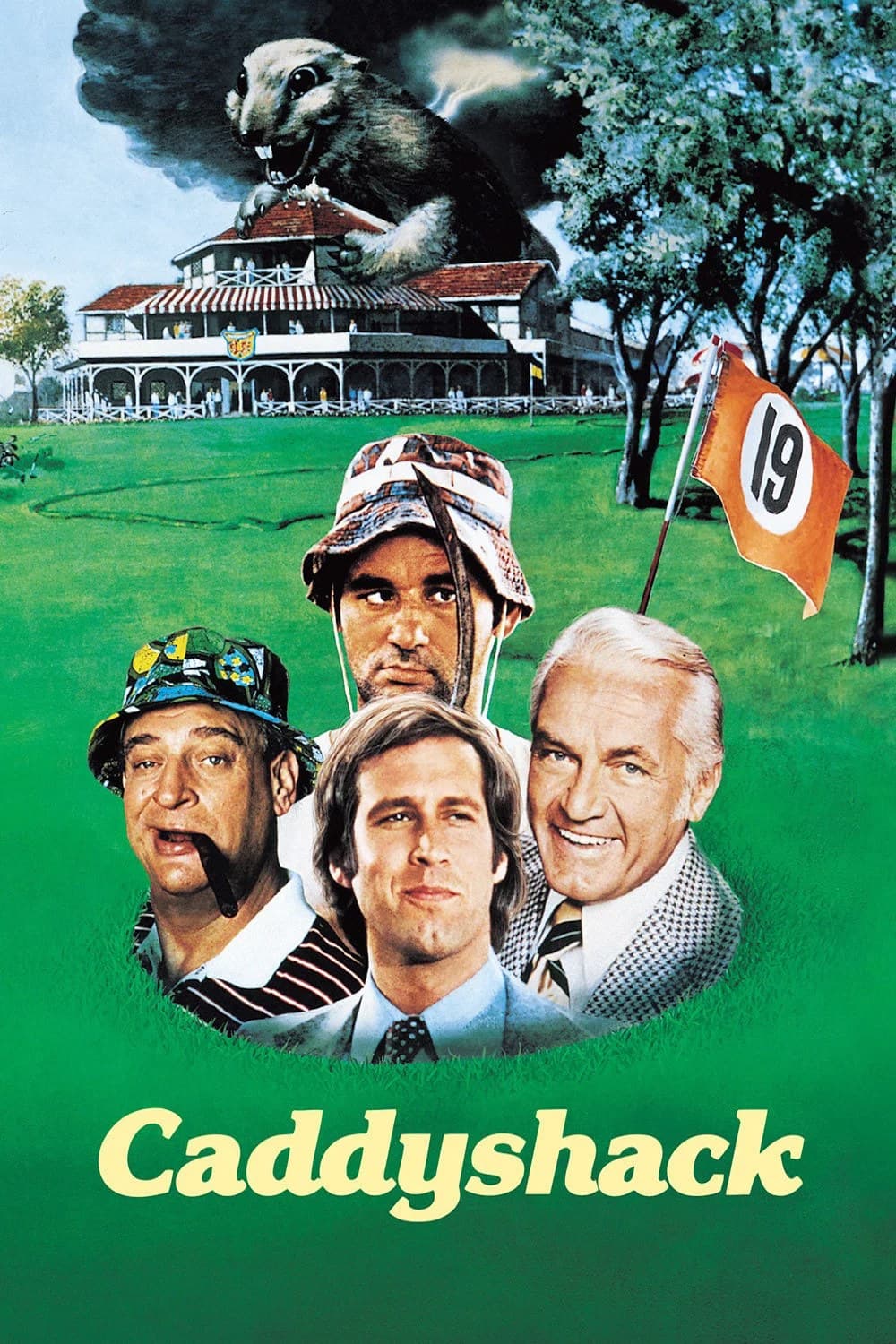
Bill Murray improvised nearly all of his part and the gopher was added after shooting finished: a country club comedy with no functioning plot and absolutely no need for one.