The Passage of Power
Three years of humiliation as Kennedy's vice president, then Dallas, and Johnson seizes a stunned government. Caro tracks it week by week to the civil rights bill the South had blocked for decades.

Three years of humiliation as Kennedy's vice president, then Dallas, and Johnson seizes a stunned government. Caro tracks it week by week to the civil rights bill the South had blocked for decades.

Clark reconstructs the July crisis of 1914 and finds no villain, only leaders watchful but unseeing, each rational step carrying Europe closer. He reopened the fiercest fight over war guilt in decades.

A maid hid 264 Japanese carvings in her mattress while the Nazis stripped the Vienna palace of the Ephrussi bankers. De Waal, their descendant, follows the objects through his family's rise and ruin.

No novelist has written female friendship with this much competition. Elena and Lila grow up in a violent Naples neighborhood in the 1950s, and only one is allowed to stay in school.

Boo spent three years in Annawadi, a slum beside the Mumbai airport, following a teenage garbage trader, a woman scheming her way to power, and the neighbor whose self-immolation puts them on trial.

Piketty mined two centuries of tax records for the engine of inequality: capital grows faster than the economy, so fortunes pull away from wages. It made inequality the West's central political question.

Finnegan chased waves from a Honolulu schoolyard to Fiji and Cape Town, then reported wars for the New Yorker. He writes surfing with a physicist's exactness and counts what the obsession cost.

Beard covers a thousand years of Rome, opening on Catiline's conspiracy and closing the day Caracalla made every free inhabitant a citizen, and she cares as much about slaves as emperors.

The marble Washington was a performance: Chernow finds a man of hot temper, sharp ambition, and constant calculation underneath, and follows him from surveying to Mount Vernon's slave quarters to the presidency.

Graeber demolishes the story every economics textbook opens with: barter did not become money. Credit came thousands of years before coins, and every debt is a moral claim that finally rests on violence.

One volume carries the whole human record from the first stone tools to the present, with the causes always in view: why civilizations rose where they did, and why each gave way.

Columbus rejoined two halves of a planet that had evolved apart. Mann shows Andean silver destabilizing Ming China and malaria deciding who could be worked to death in Virginia's tobacco fields.

Each chapter opens with Stalin on his dacha floor in 1953, unattended for hours. From the archives Khlevniuk builds the rest: a micromanager who read everything and signed the death lists himself.

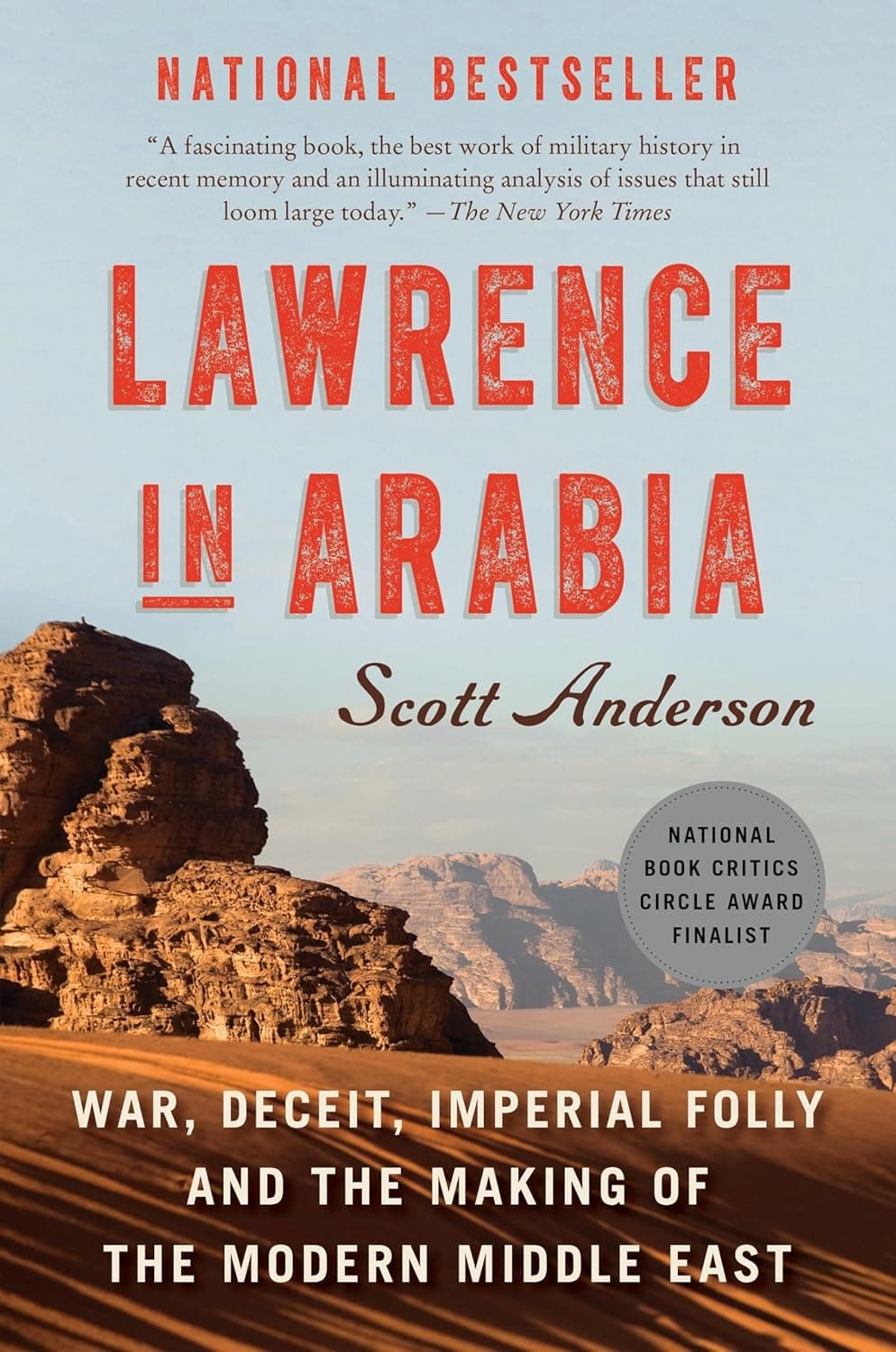
Four amateurs shaped the modern Middle East, Anderson argues, and the strangest was Lawrence, an Oxford archaeologist who led an Arab revolt knowing his government had already promised the land away.

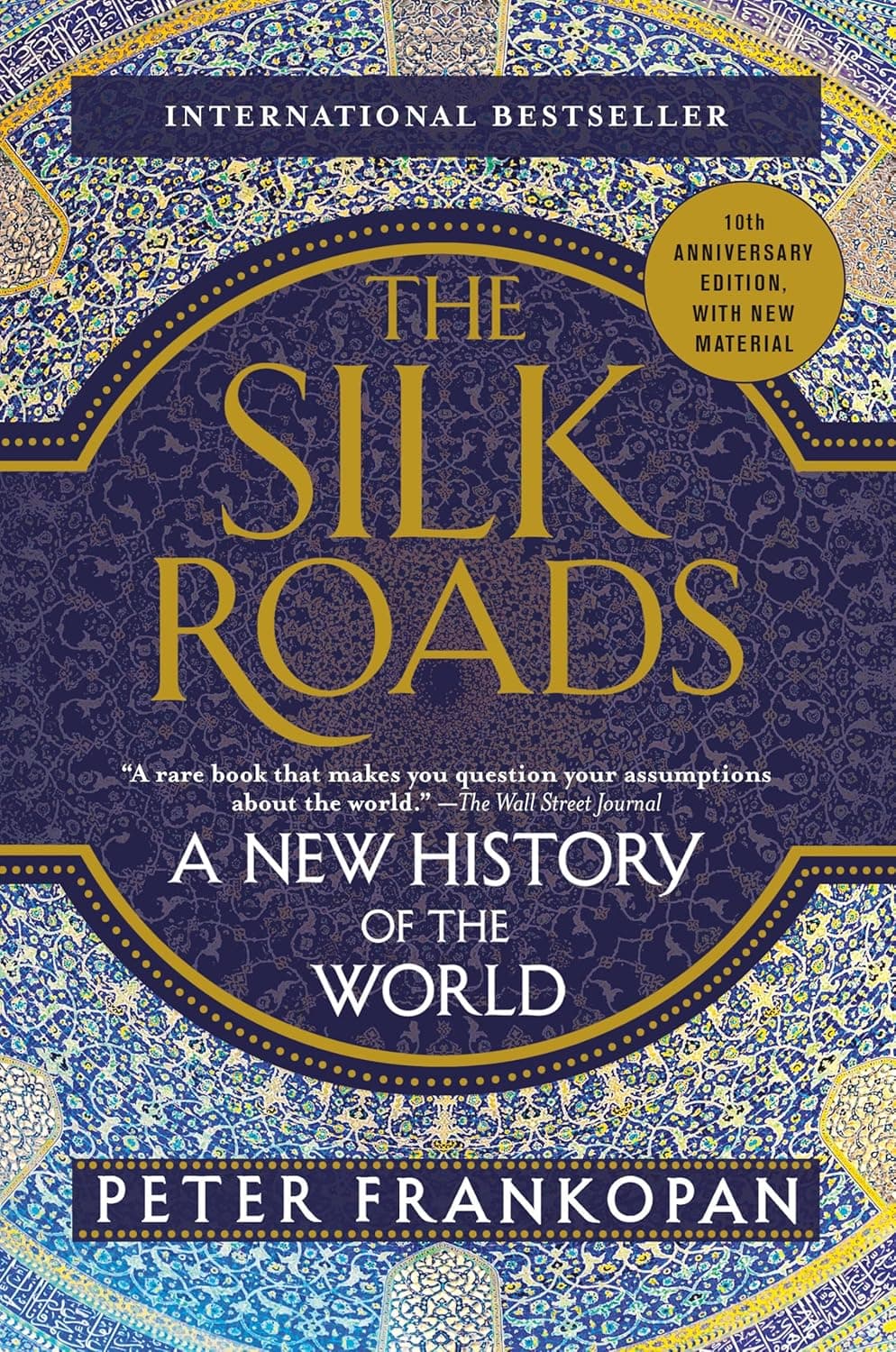
Europe was a latecomer and a backwater, Frankopan argues: across two millennia wealth, faith and plague traveled the roads between Persia and China, and he sees the world's center moving back.

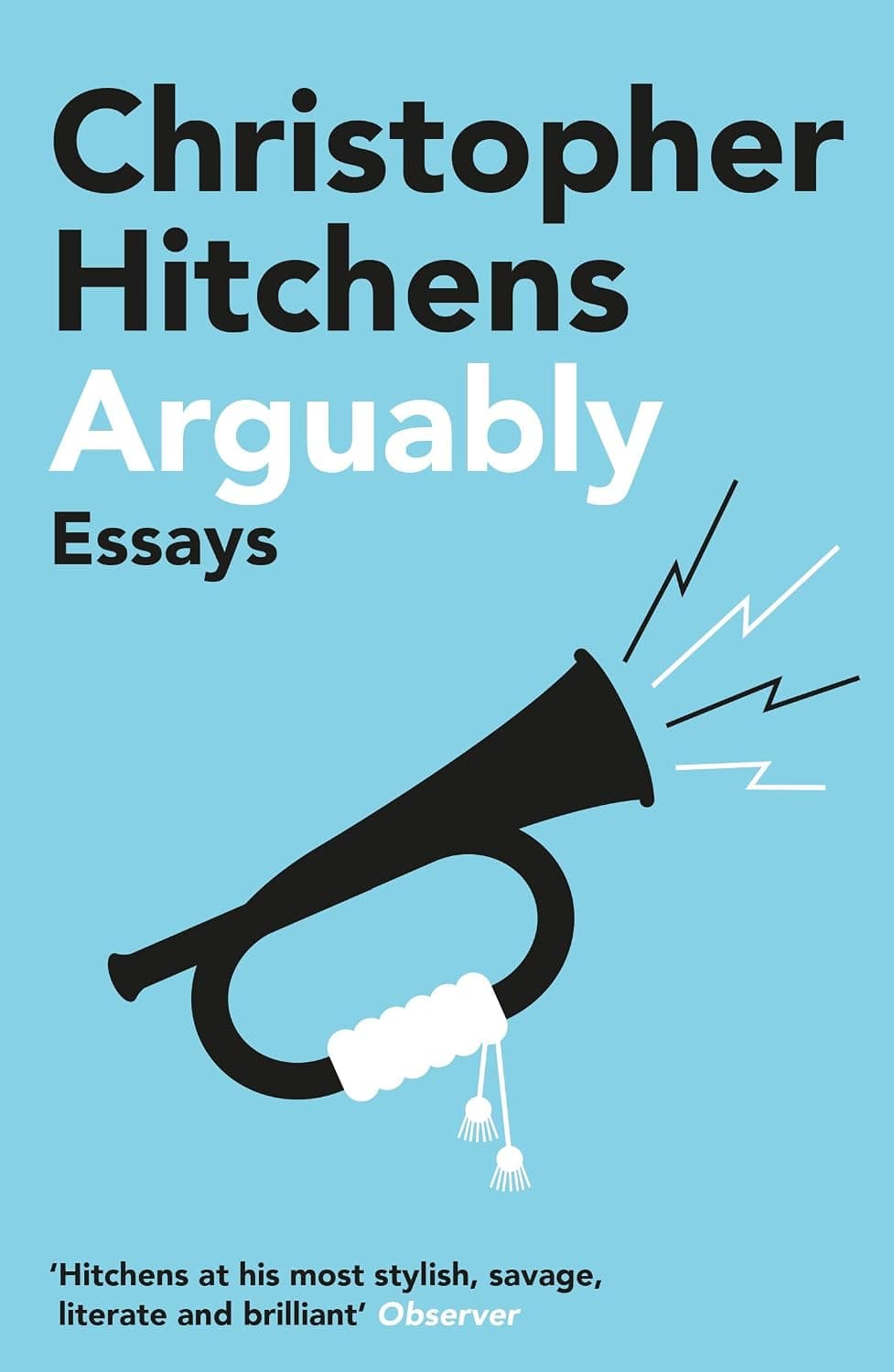
No English-language essayist of his generation wrote with more range or less caution. These 107 pieces run from Orwell and Jefferson to Iraq and Afghanistan, and Hitchens had himself waterboarded before writing one.

Packer follows a Youngstown factory worker, a North Carolina biodiesel man and a Washington lobbyist from 1978 to 2012, and shows the institutions that once held Americans in place giving way to money.

No more passionate voice ever sounded in twentieth-century Russian poetry, the poet Brodsky said of Tsvetaeva. She came back from exile to Stalin's Russia, where the secret police took her husband and daughter.

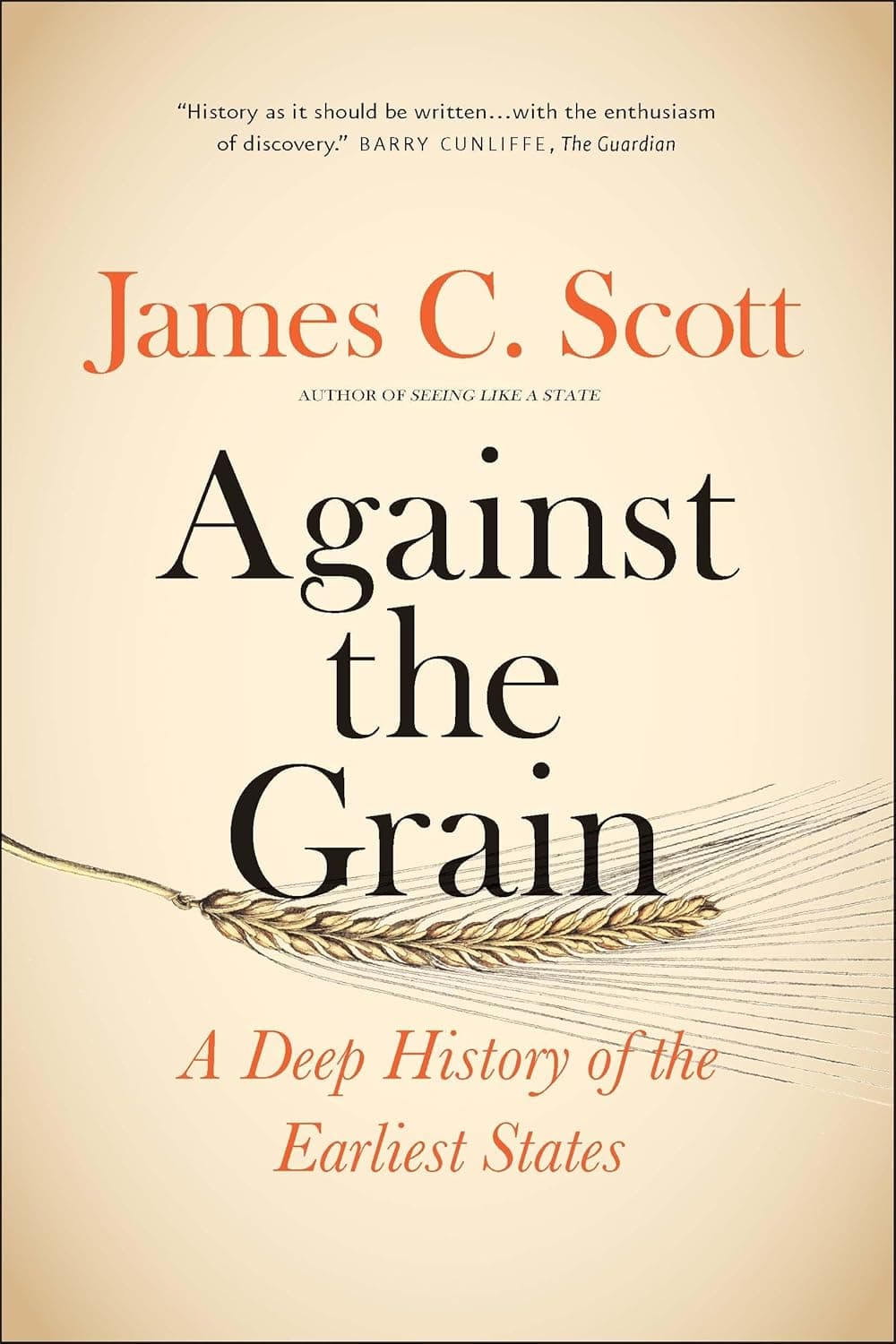
Grain built the first states, Scott argues, because it ripens on a schedule and can be counted while root crops hide underground. Early walls kept subjects in, and collapse came as relief.

A minor German princess arrives in Russia at fourteen, deposes her husband eighteen years later, and rules for thirty-four. Massie writes her from the inside, drawing on her own candid memoirs.

Cancer gets a full biography, traced from an Egyptian physician's papyrus to the leukemia ward where Mukherjee treats a young kindergarten teacher. He makes the invention of chemotherapy read like a war.

Kitchen by kitchen, Alexievich recorded Soviet citizens describing what the collapse did to them. They talk about lost savings and lost faith, and a bewildering grief for the country that jailed their parents.

Heaney's late poems turn from politics toward light and air. He writes his parents' deaths and his own stroke, and in "Postscript" an Atlantic wind off the Flaggy Shore blows the heart open.

An economy that uses up land and people is not efficient but suicidal, Berry argues. He writes from a Kentucky hillside he farms with horses, and insists eating is an agricultural act.

When despair for the world wakes him at night, Berry goes down to the water where the heron feeds. Decades of farming one Kentucky hillside stand behind these poems of grief and consolation.

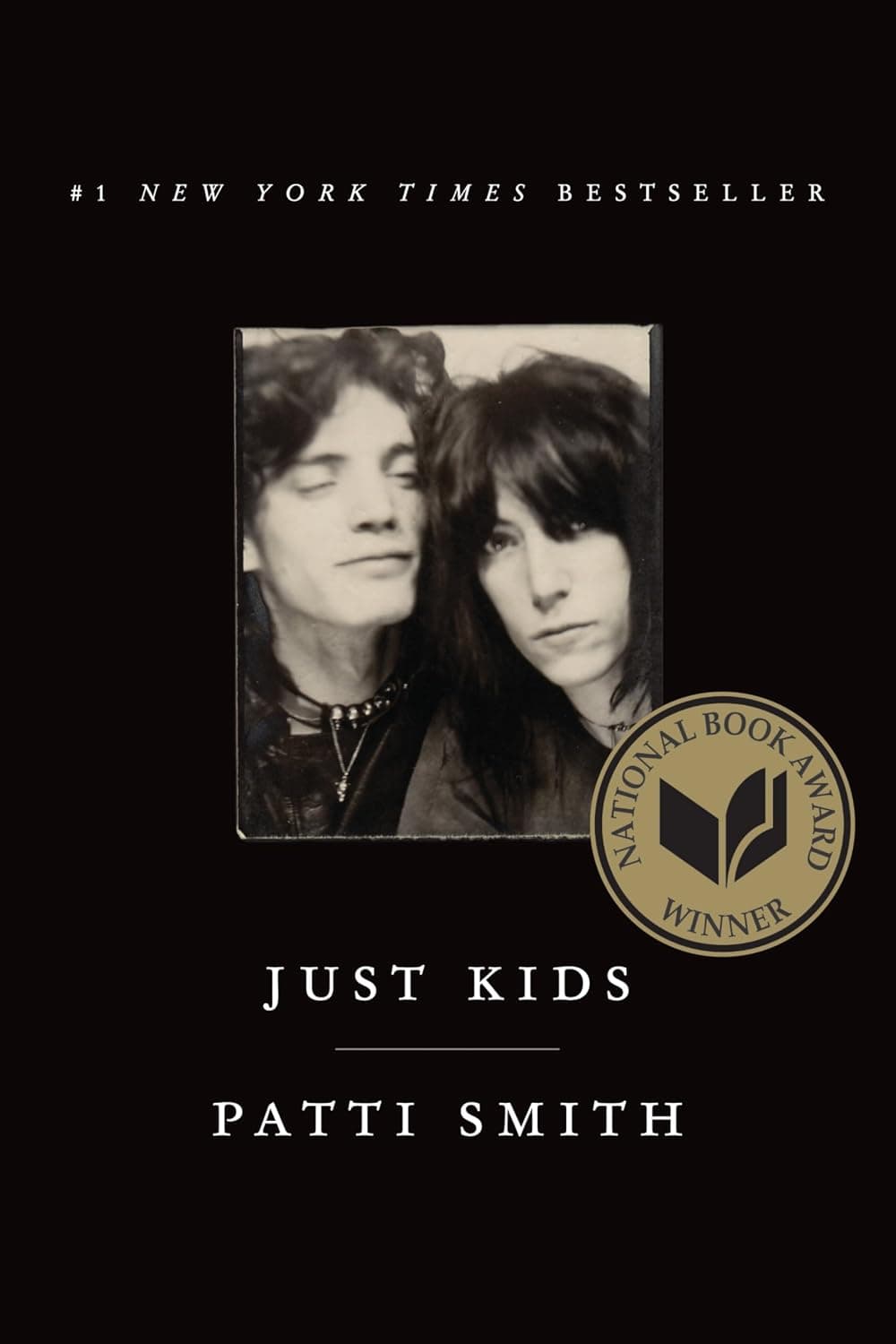
Patti Smith and the photographer Robert Mapplethorpe met in 1967 New York, broke and twenty, and held each other to the promise of becoming artists. She wrote it at his dying request.

The defining novel of African immigration to America. Ifemelu leaves Lagos for university, discovers there that she is black, and turns the discovery into a blog that flays the country's racial pieties.

Jed Martin, an artist, makes his name photographing Michelin road maps and painting people at their trades. Houellebecq writes himself into the novel, has himself murdered, and gives Jed a dying father.

Twelve narrators tell their own Iraq, from a Marine who shot dogs in the street to a diplomat ordered to teach Iraqi children baseball. Klay is sharpest on coming home.

At Auschwitz a Nazi officer courts the commandant's wife while the commandant, a preening drunk, complains about his workload. The third narrator is a Jewish prisoner made to burn the bodies.

Four brothers fish a forbidden Nigerian river, and a madman tells the eldest he will die at a fisherman's hand. Obioma takes the family apart with the inevitability of Greek tragedy.

At an Aspen party a man lectures Solnit about an important new book on the photographer Muybridge. She wrote it. Her essays track how silencing women shades into violence against them.

Berlin cleaned houses, worked emergency rooms, raised four sons, and drank. Forty-three stories out of that life, Alaska to Mexico City, written so plainly and fast you miss how much is inside them.

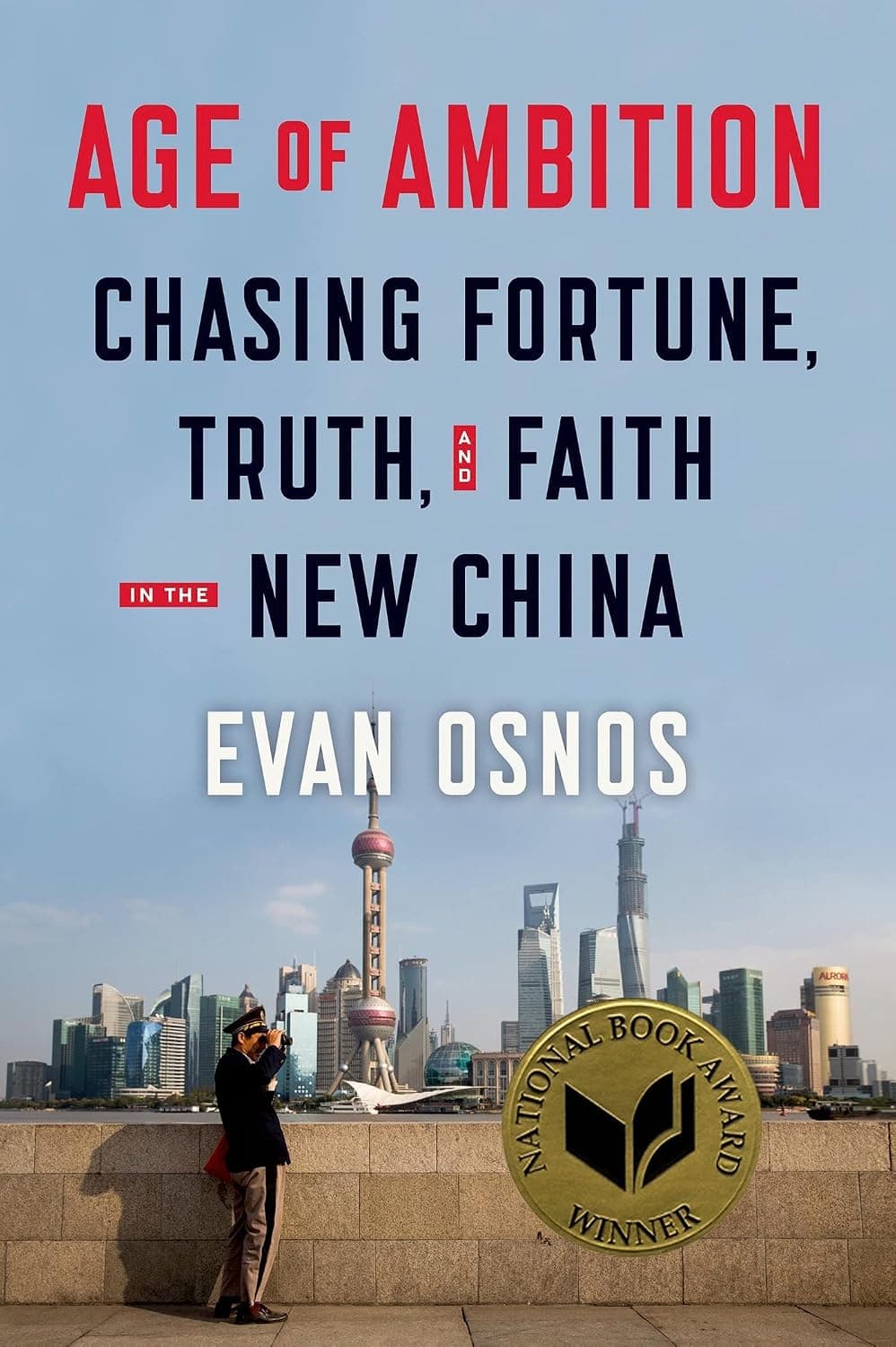
Osnos spent eight years watching China chase fortune faster than its politics allowed, and tells it through a soldier who swam the strait to defect and a blind lawyer who escaped house arrest.

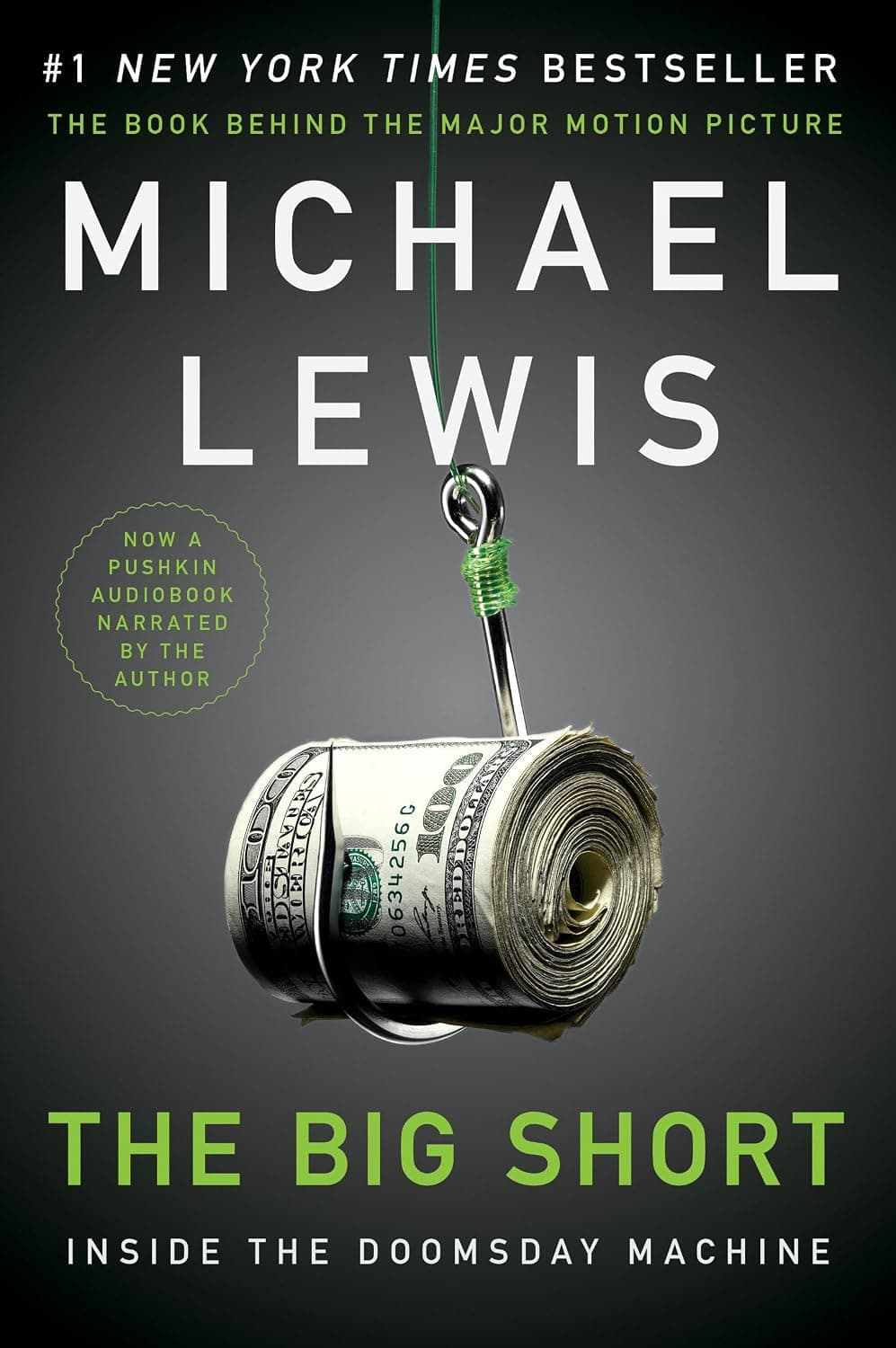
Michael Burry, a one-eyed doctor turned investor, read the mortgage documents no one else opened and bet against American housing. Lewis turns credit default swaps into a thriller about who saw it coming.

Byrne argues that music is written backward from the room it will fill, cathedral or CBGB. He works outward through recording, technology and money, explaining everything that shapes what reaches your ear.

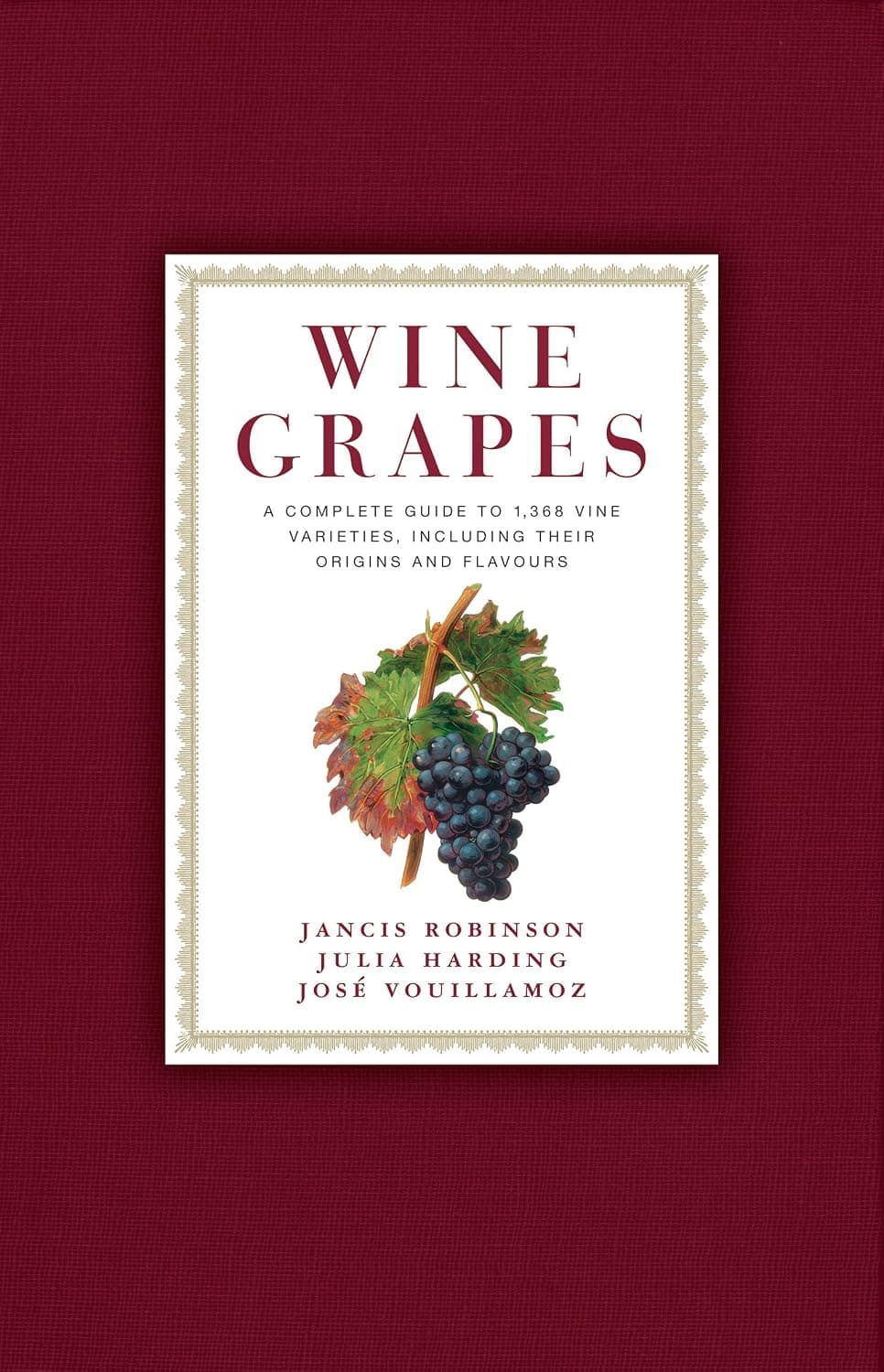
Every grape that makes wine, 1,368 of them, traced by DNA to its parents and described by flavor. Zinfandel is revealed as a Croatian vine, and Sauvignon Blanc descends from Savagnin.

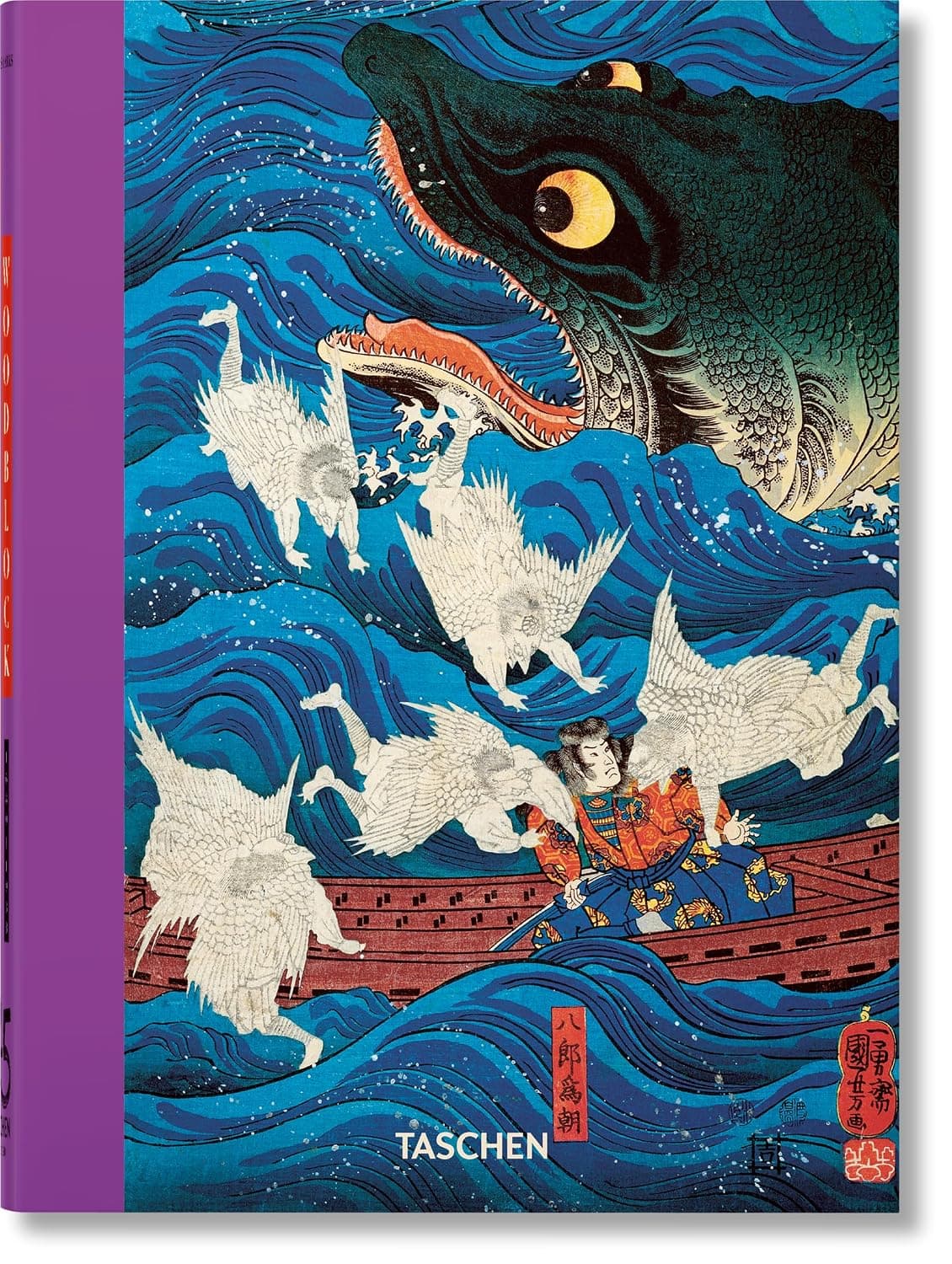
Two hundred prints run chronologically from 1680 to 1938, black-and-white sheets giving way to the full-color glut of Utamaro's beauties, Hiroshige's roads, and Hokusai's wave. Marks names the publisher behind every design.