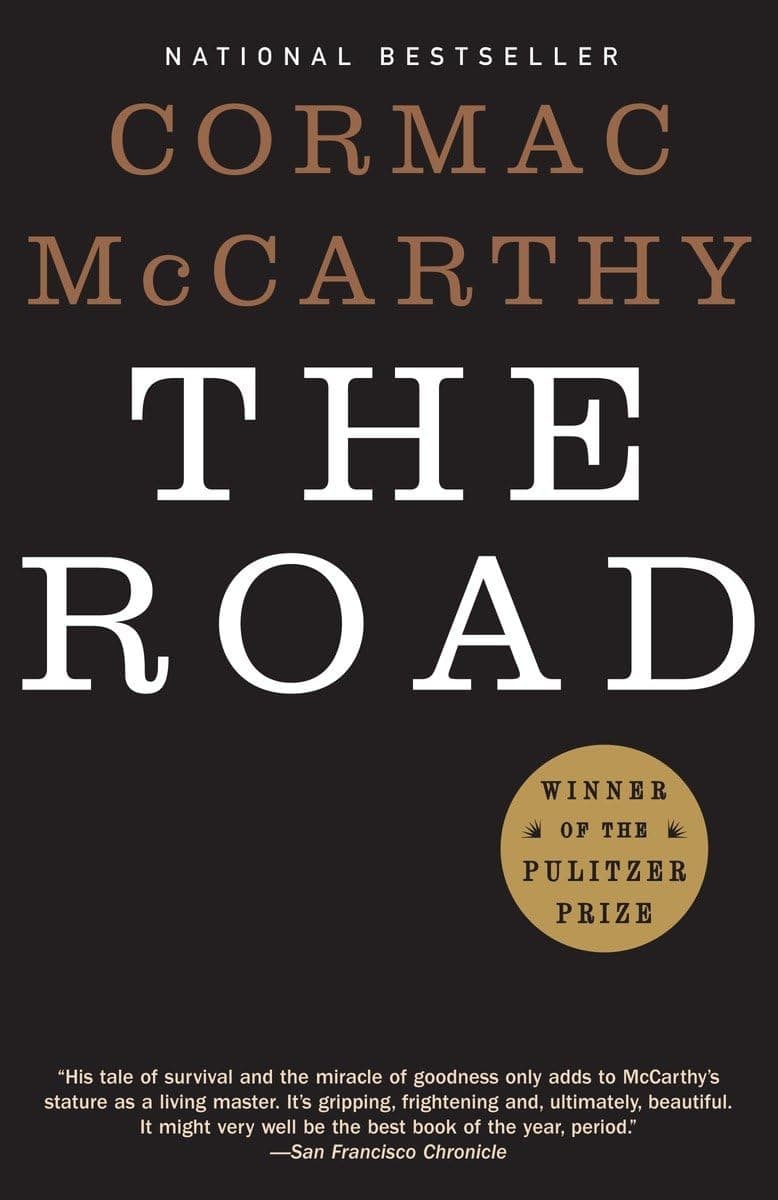
The Road
2006 · 287 pages
Pushing a shopping cart south through a burned gray America, a man and his boy hide from people who eat other people. The talk between them is the tenderest thing McCarthy ever wrote.
★ 8.3
 skopia
Pushing a shopping cart south through a burned gray America, a man and his boy hide from people who eat other people. The talk between them is the tenderest thing McCarthy ever wrote.
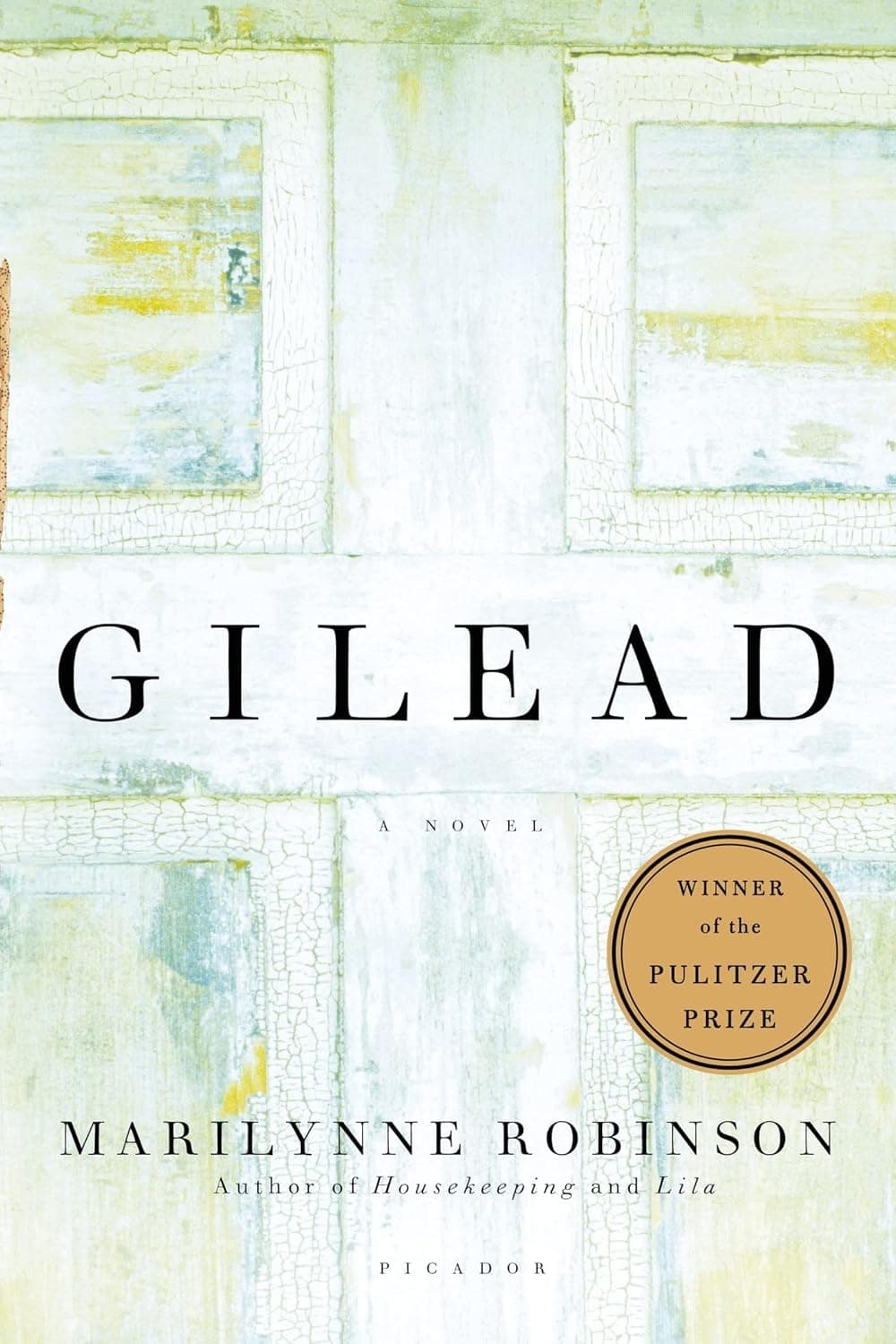
John Ames, an old preacher in Iowa, is dying and sets his life down for the seven-year-old son who will not remember him. Robinson makes an ordinary afternoon feel like grace.
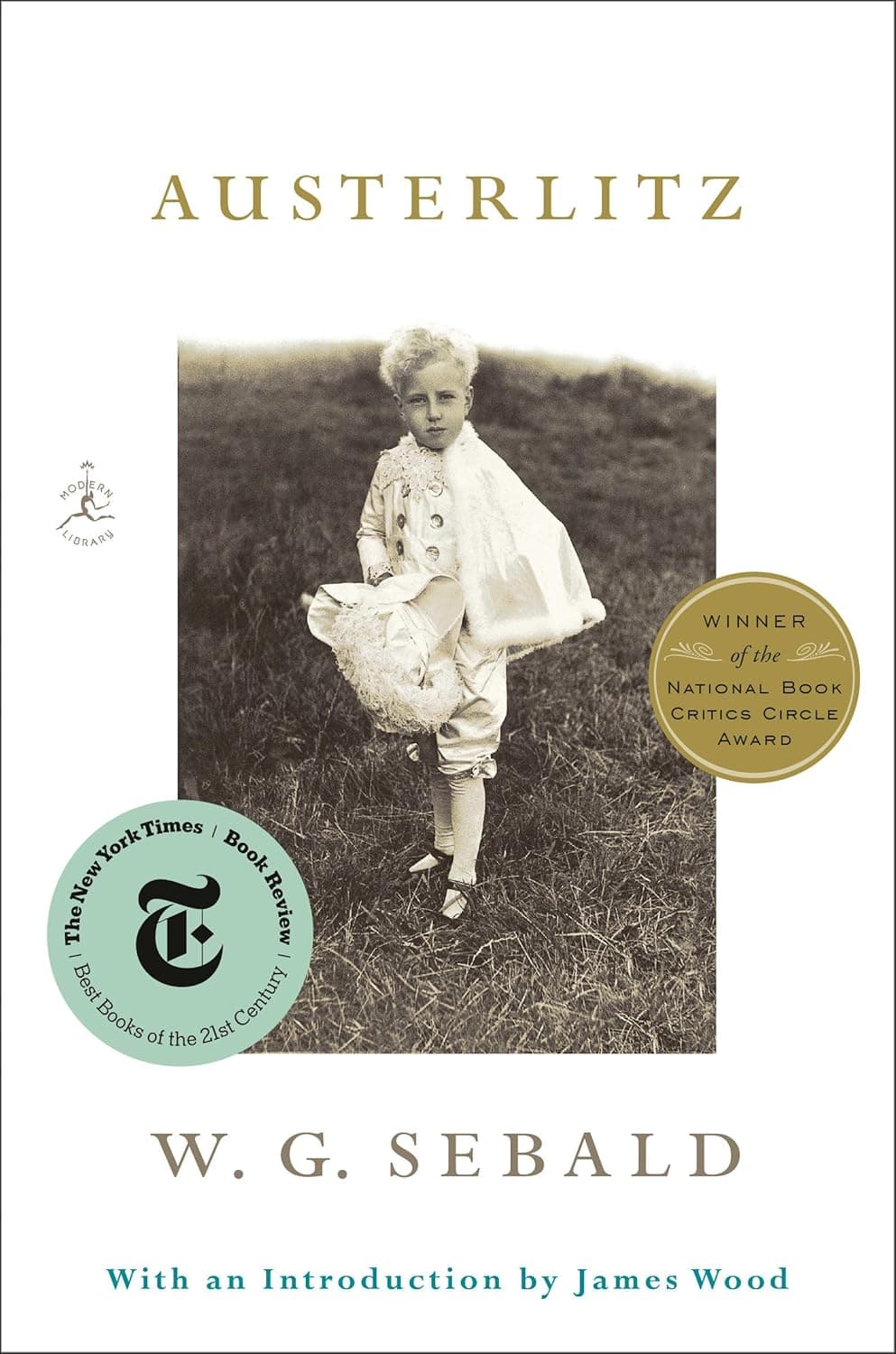
A stranger in an Antwerp waiting room talks about architecture, and over years of meetings tells how he was sent out of Prague on a train in 1939. The grief is never named.
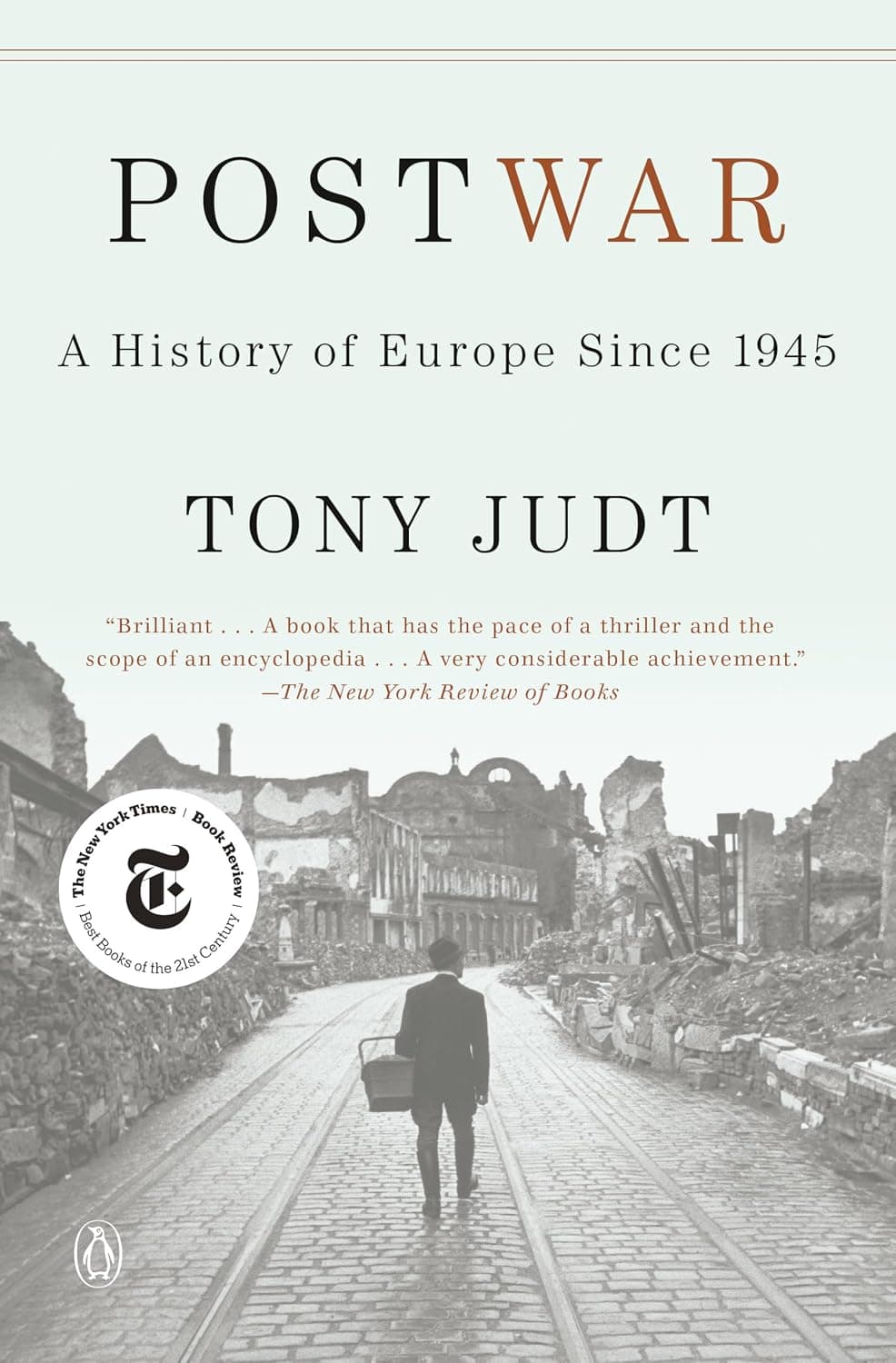
Judt carries Europe from the rubble of 1945 to 2005, east and west in one story, showing a continent that rebuilt itself by forgetting the war and then defined itself by remembering it.
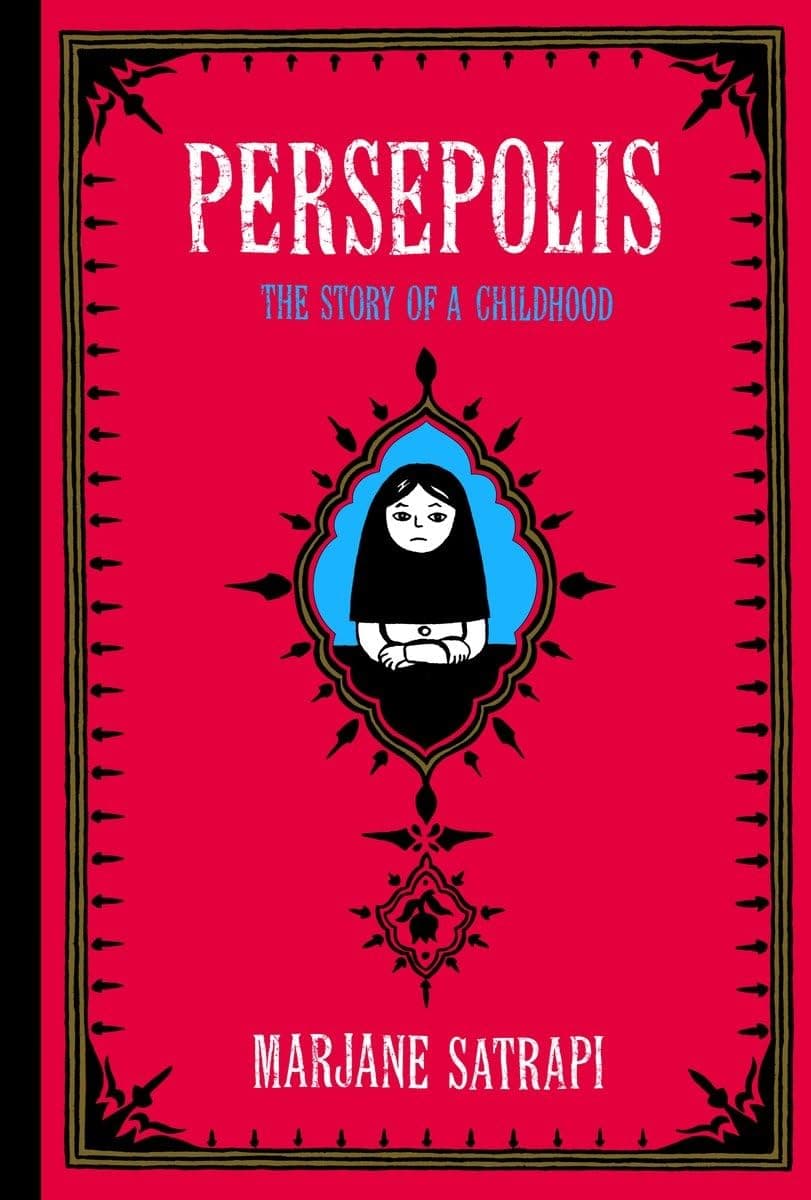
Satrapi was a schoolgirl in Tehran when the Shah fell and fourteen when her parents sent her alone to Vienna. She draws the revolution, the war and her exile in black and white.

The hemisphere Columbus reached held cities larger than Paris, an Amazon farmed into orchard, and forests burned into pasture on purpose. What later settlers took for wilderness was a continent emptied by epidemics.
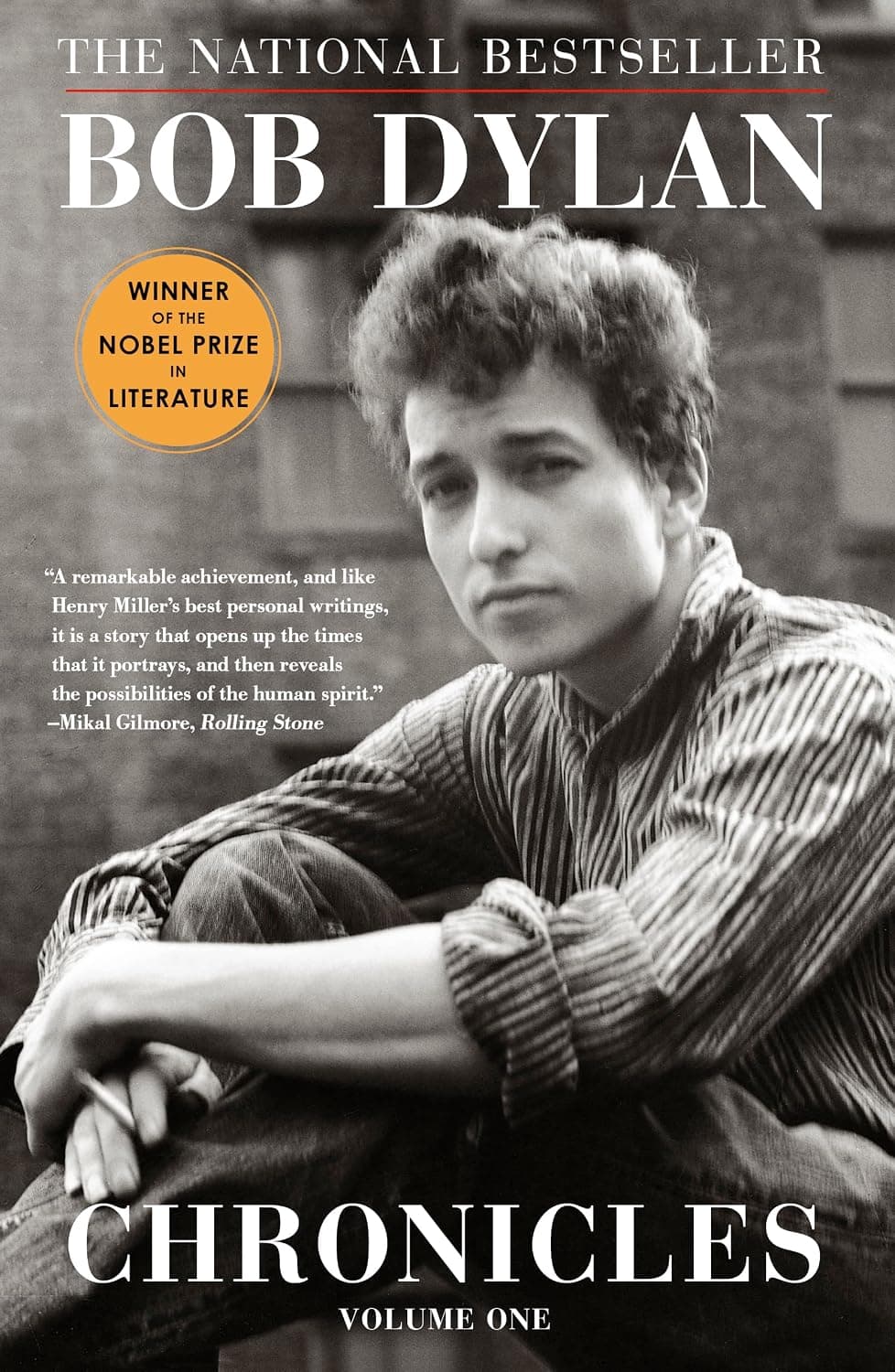
Dylan refuses the story everyone wants. He writes instead about borrowed couches in Greenwich Village in 1961 and a New Orleans studio in 1989, in prose as good as his songs.
In 1500 disbelief in God was barely possible. By 2000 it is ordinary. Taylor explains the shift not as science clearing away superstition but as Christian reform building a self sealed against transcendence.

Henry Townsend was bought out of slavery by his father and came to own more than thirty slaves himself. Jones wrote the novel that forced American fiction to hold Black slaveholders in view.
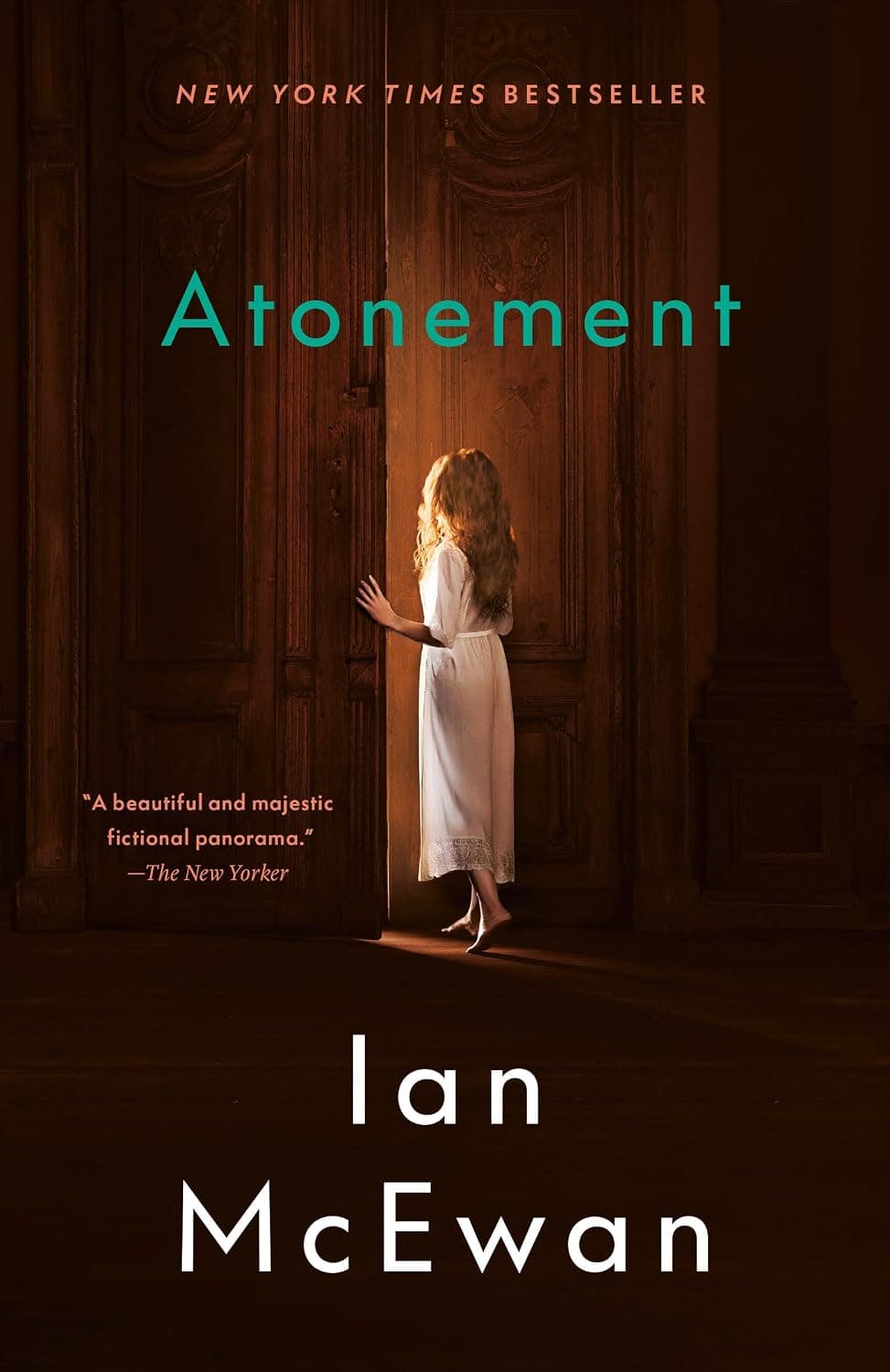
In 1935 a thirteen-year-old girl watches her sister and the charwoman's son by a fountain, misreads what she sees, and accuses him of a crime. McEwan follows the wreckage through Dunkirk.

Chiang treats theology, linguistics and free will with the rigor of proofs. A linguist learns an alien script written all at once, and it changes how she experiences her whole life.

Guha carries India from independence in 1947 to the present and asks why it never broke apart, given partition, famine and insurgency. He calls it an unnatural nation and an unlikely democracy.

Pollan traces four meals backward: a drive-through, Whole Foods, Joel Salatin's farm, and a pig he shoots himself. Carbon isotopes reveal Americans are built of corn. He made provenance a mass preoccupation.

Sent to the Maine Lobster Festival, Wallace asks whether boiling an animal alive is defensible. The same scruple drives his reports on a porn awards show and Senator McCain's presidential campaign.

Nine stories of Indians and Indian Americans living between two countries, told with a calm that makes the losses land late. A married couple confess things to each other during nightly power cuts.

Morse tapped the title into the first telegraph line in 1844. Howe's Pulitzer-winning account of antebellum America argues that communications, markets, and revival religion remade the country while Jacksonian politics took the credit.
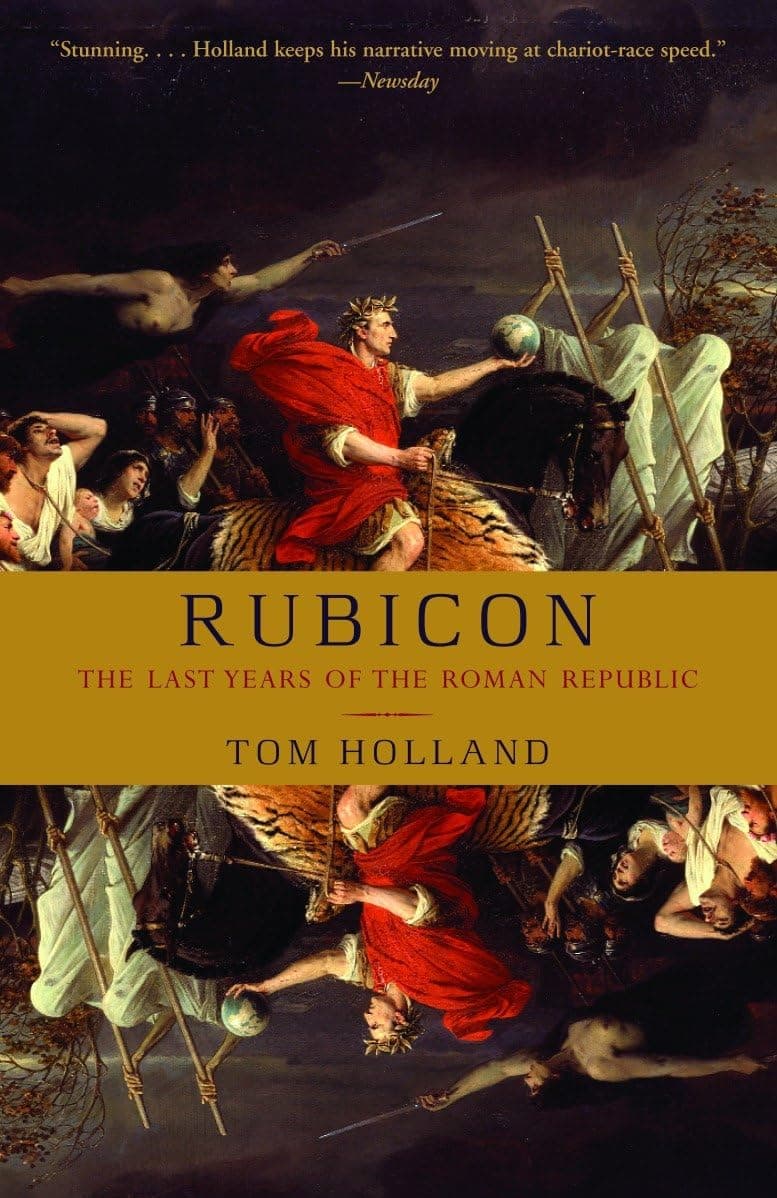
The Roman Republic destroyed itself, and Tom Holland tells it at the pace of a thriller. Caesar reaches the Rubicon with a single legion, knowing crossing it means war against his own state.
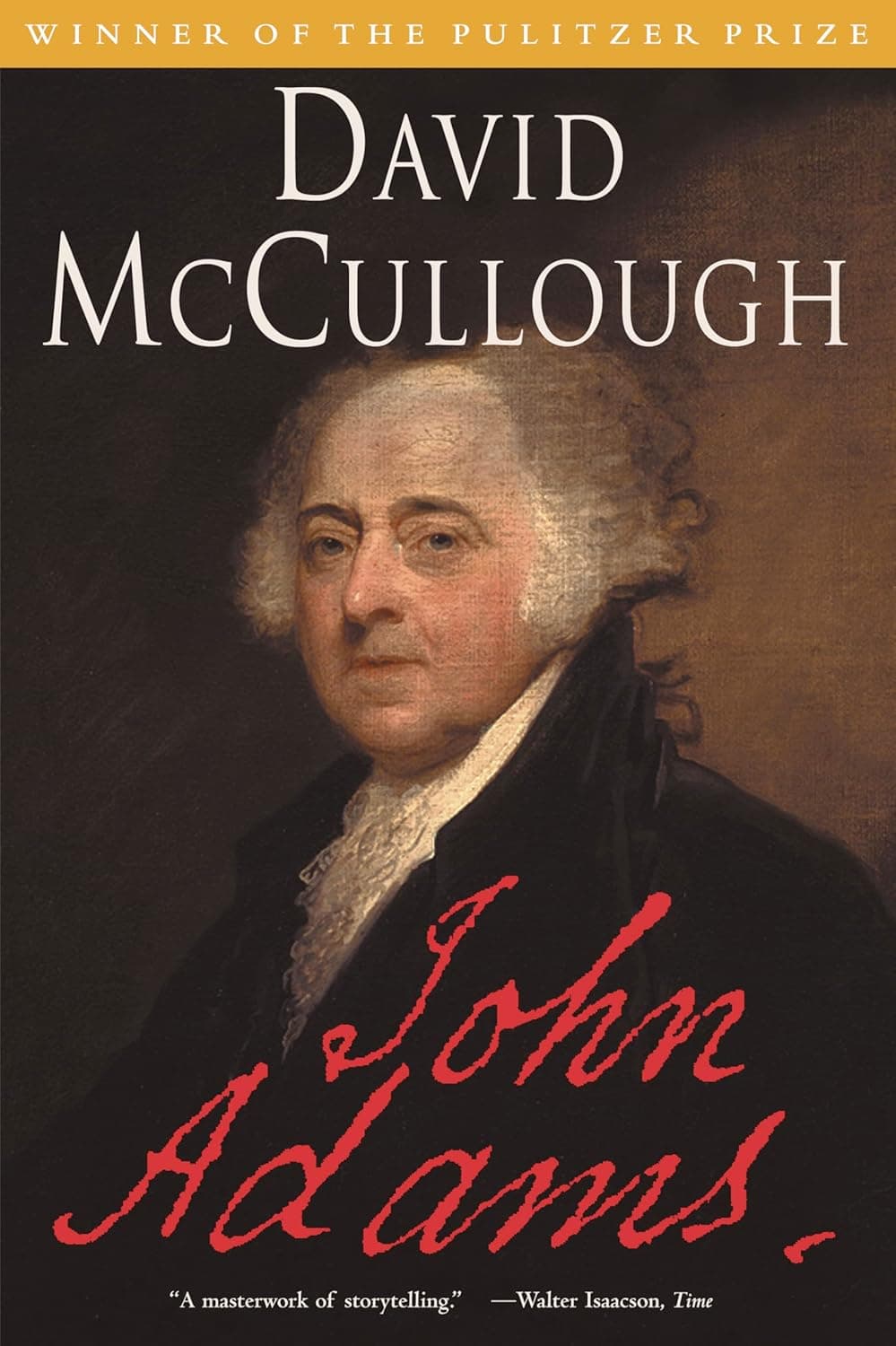
McCullough gives the difficult, honest second president his full size: a marriage to Abigail conducted in letters across an ocean, and a friendship with Jefferson that broke and was repaired in old age.

Gaddis lays the war's origins at Stalin's door, shows how nuclear terror kept the peace it threatened, and treats the outcome as a moral verdict. Forty-five years of standoff in one commanding volume.

How do you go about finding a thing whose nature is unknown to you? Solnit carries that question from Plato into deserts, ruins, and the blue of distance, making lostness a discipline.

Christianity as a three-thousand-year argument, beginning with Greece and Israel long before Christ. MacCulloch refuses to tell it as a Western story: after eight centuries, Baghdad looked a likelier capital than Rome.

Smuggled out of occupied Prague in a coffin with the Golem, Joe Kavalier lands in Brooklyn and invents a superhero with his cousin. Chabon makes comics their one weapon against Hitler.

Guerrillas storm a vice president's mansion somewhere in South America and hold the room for months. Among the hostages is a soprano who sings each morning, and everyone begins falling in love.

The book that made 9/11 comprehensible. Wright traces al-Qaeda to an Egyptian educator radicalized in small-town Colorado, closing on the FBI's bin Laden hunter, dead in the towers he was guarding.
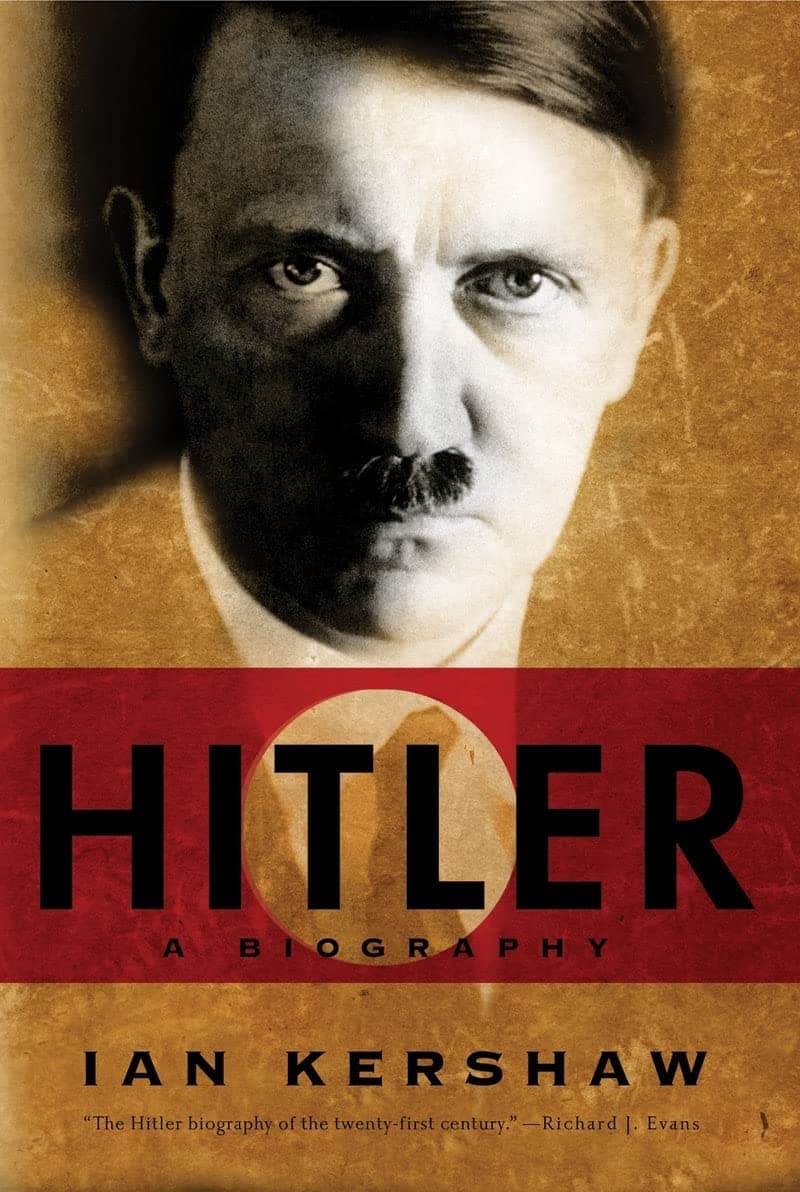
Hitler kept lazy hours and rarely issued a written order. Kershaw explains the machine anyway: officials across Germany competing to anticipate what the Führer wanted, radicalizing policy from below into genocide.

In August 1974 a man steps onto a wire between the Twin Towers. Below him McCann gathers the whole city: an Irish monk living among Bronx prostitutes, Park Avenue mothers grieving Vietnam.
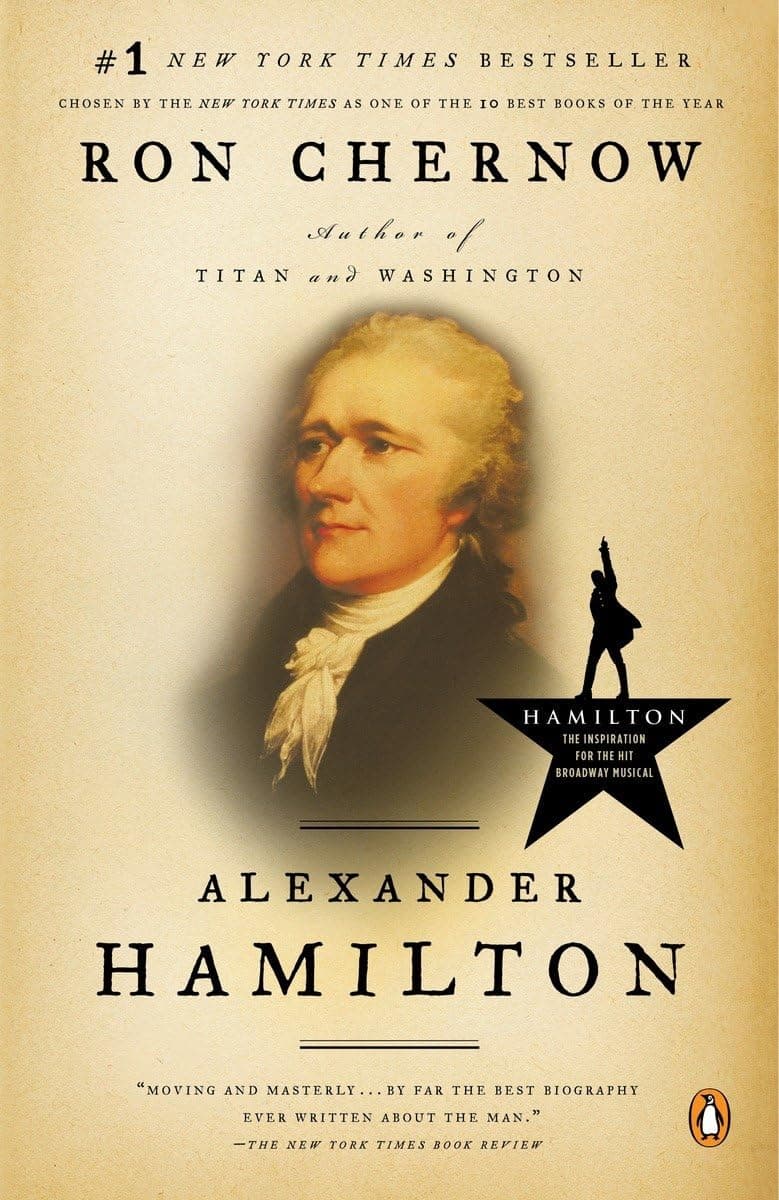
Born out of wedlock in the Caribbean, Hamilton reached New York at seventeen, wrote most of the Federalist Papers, and built American finance. Chernow drives it all toward the duel.

Biafra secedes from Nigeria in 1967, and Adichie follows a houseboy, a radical professor, and twin sisters from talk of independence into blockade, famine, and flight. Her grandfathers both died in it.

Elio is seventeen the summer a visiting scholar stays six weeks at his family's house on the Italian coast. Aciman renders desire from the inside, every calculation and humiliation of wanting someone.

Assassins wait in a car for Trujillo's Chevrolet on his last night. Vargas Llosa moves between them, the dictator's failing body, and the woman who returns thirty-five years later to accuse her father.
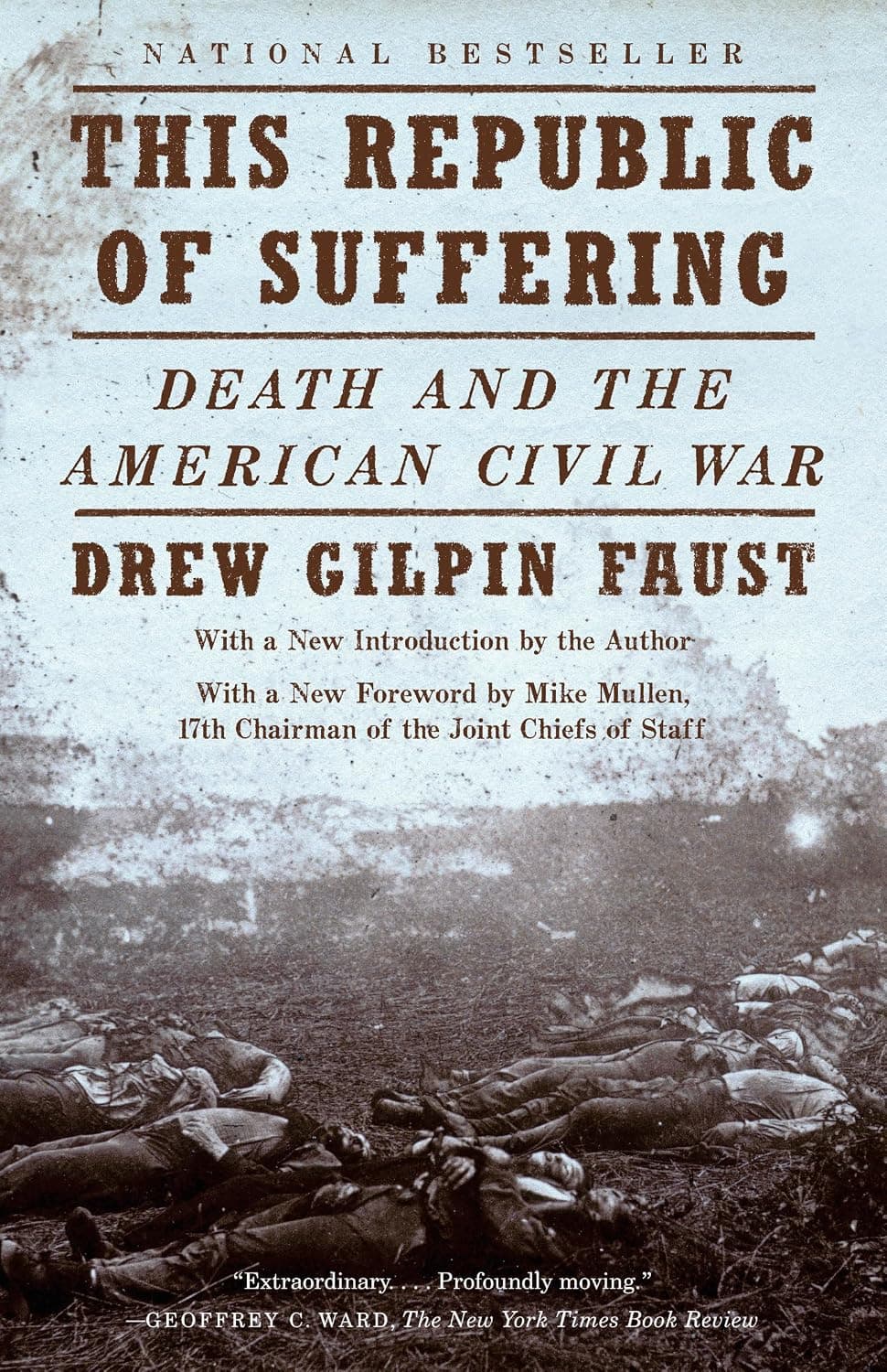
Faust shows a country improvising the machinery of mass death: embalming, identifying bodies, burying the unknown at federal expense. Six hundred twenty thousand men died between 1861 and 1865, most among strangers.
Her husband died at the dinner table while their daughter lay in a coma. Didion turns a reporter's eye on her year of grief and keeps his shoes, because he will need them.
Archie Jones and Samad Iqbal met in a tank in 1945 and are still arguing in North London, while their children reject every inheritance on offer. Smith made multicultural Britain a comic epic.

Cal Stephanides was born a girl in Detroit and became a boy at fourteen, and traces the gene responsible back through Asia Minor to grandparents who were brother and sister.

Iris Chase, old and unforgiving, tells how her sister Laura drove off a bridge in 1945. Inside her account sits a scandalous novel, and inside that a pulp tale of blind child assassins.
Jung induced his own visions and argued with the figures he met there, then set it down in medieval script and painted mandalas. He said everything he wrote afterward was mere elaboration.

Oscar is an overweight Dominican nerd in New Jersey, desperate for love and buried in fantasy novels. Díaz runs his family through Trujillo's dictatorship in footnotes where history and comic books collide.
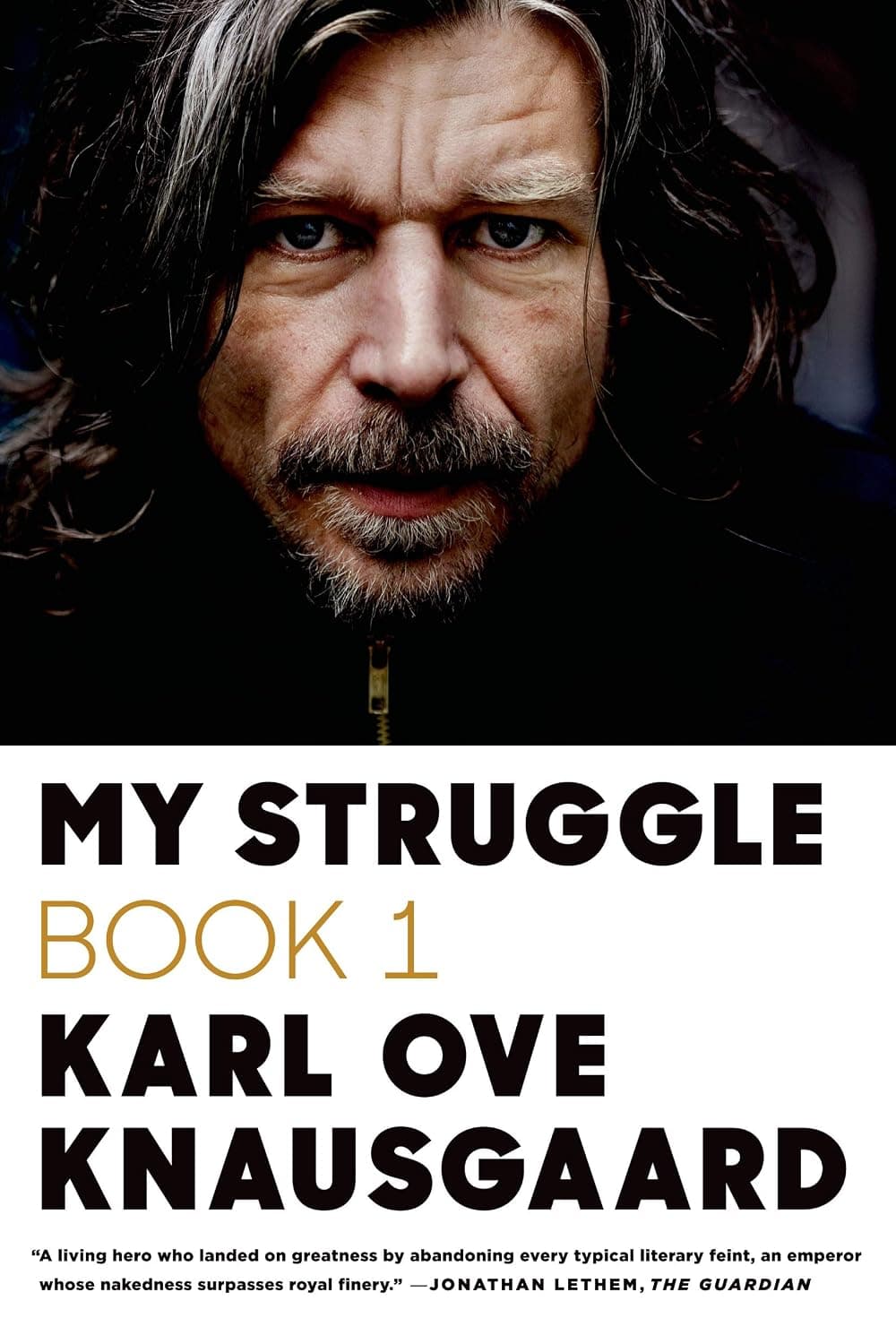
Six volumes of one man's life recorded to the last cornflake and cigarette, and at the center a father who drank himself to death, leaving a house his sons had to scrub clean.
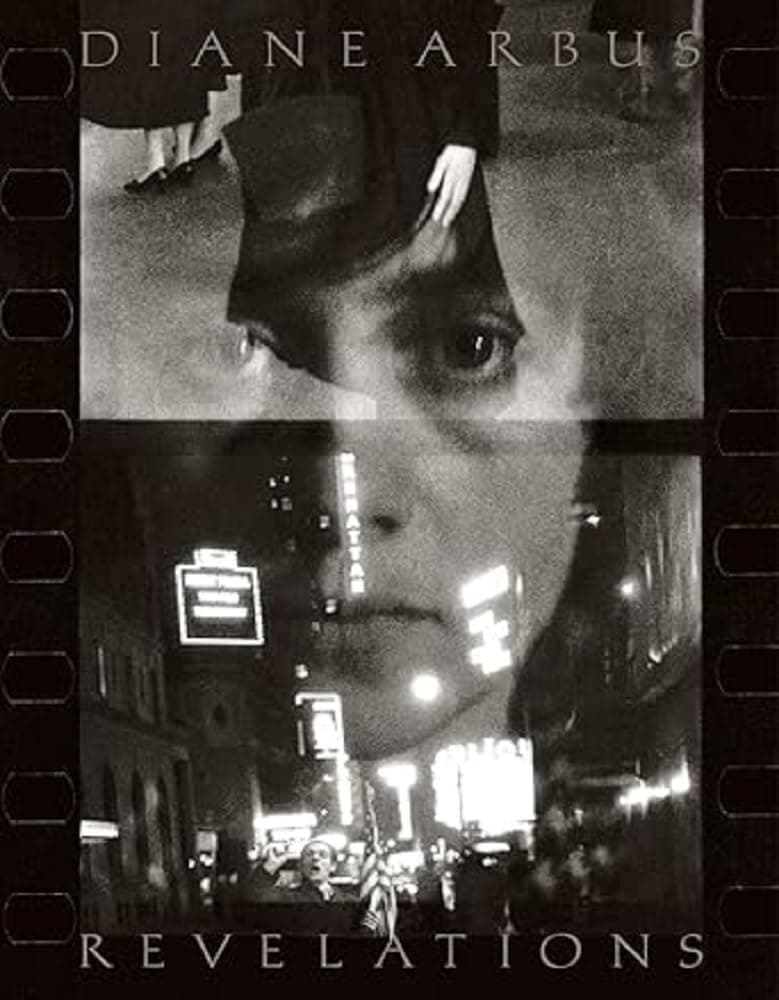
Arbus met twins, giants, nudists and Westchester couples with the same level stare. Here are the prints with her notebooks and letters, and the argument American photography has never settled about her.
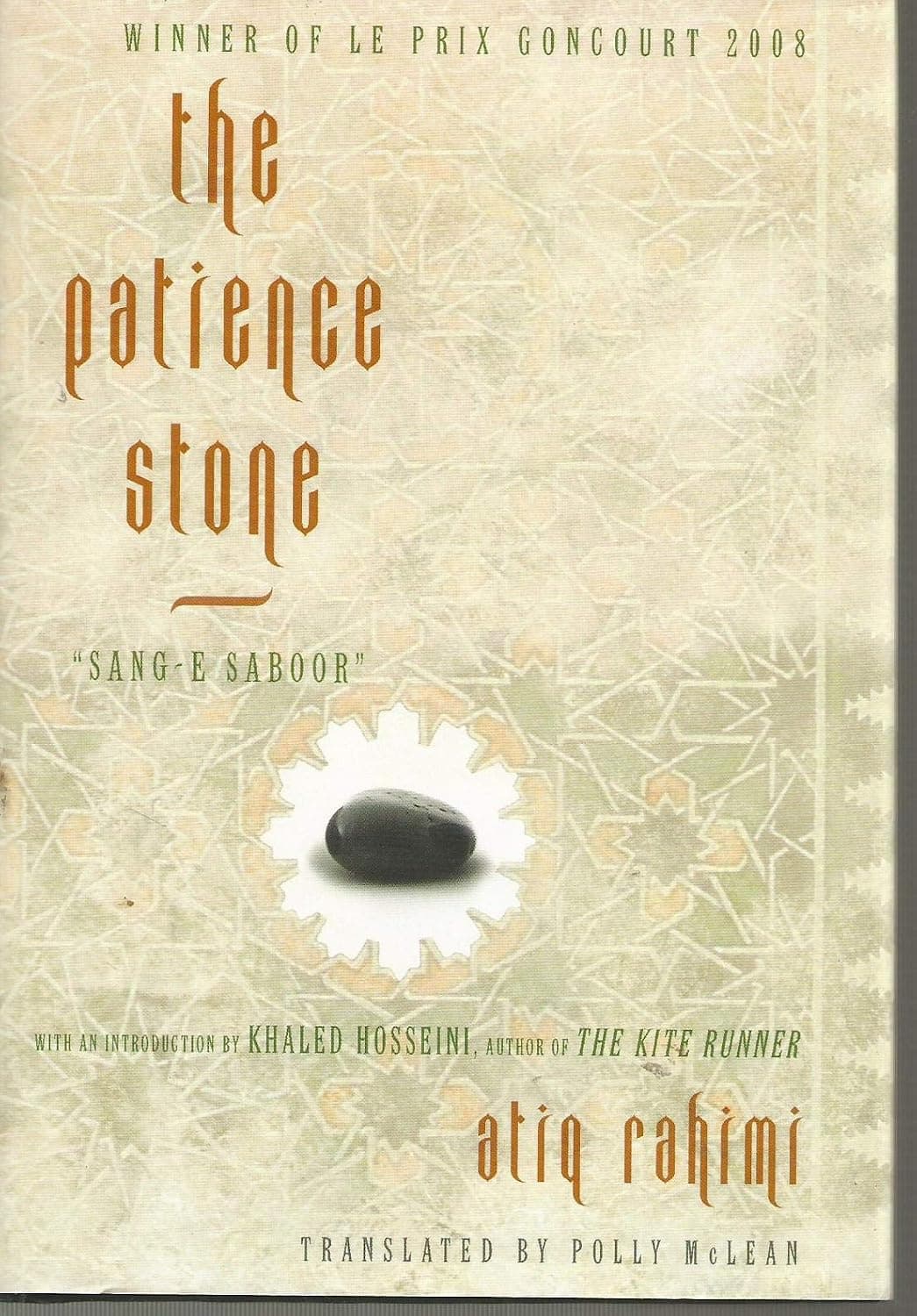
A woman tends her comatose husband, a bullet in his neck, and tells him everything Afghanistan never let her say. In Persian legend the patience stone absorbs every confession until it shatters.

The artist Robert Irwin gave up the image, then the frame, then the object, until only seeing was left. Weschler recorded three decades of his talk, and reading it retrains your eye.

Soldiers killed Sepha Stephanos's father in Ethiopia, and seventeen years on he keeps a failing store in a Washington neighborhood gentrifying around him. With two African friends he plays at naming dictators.
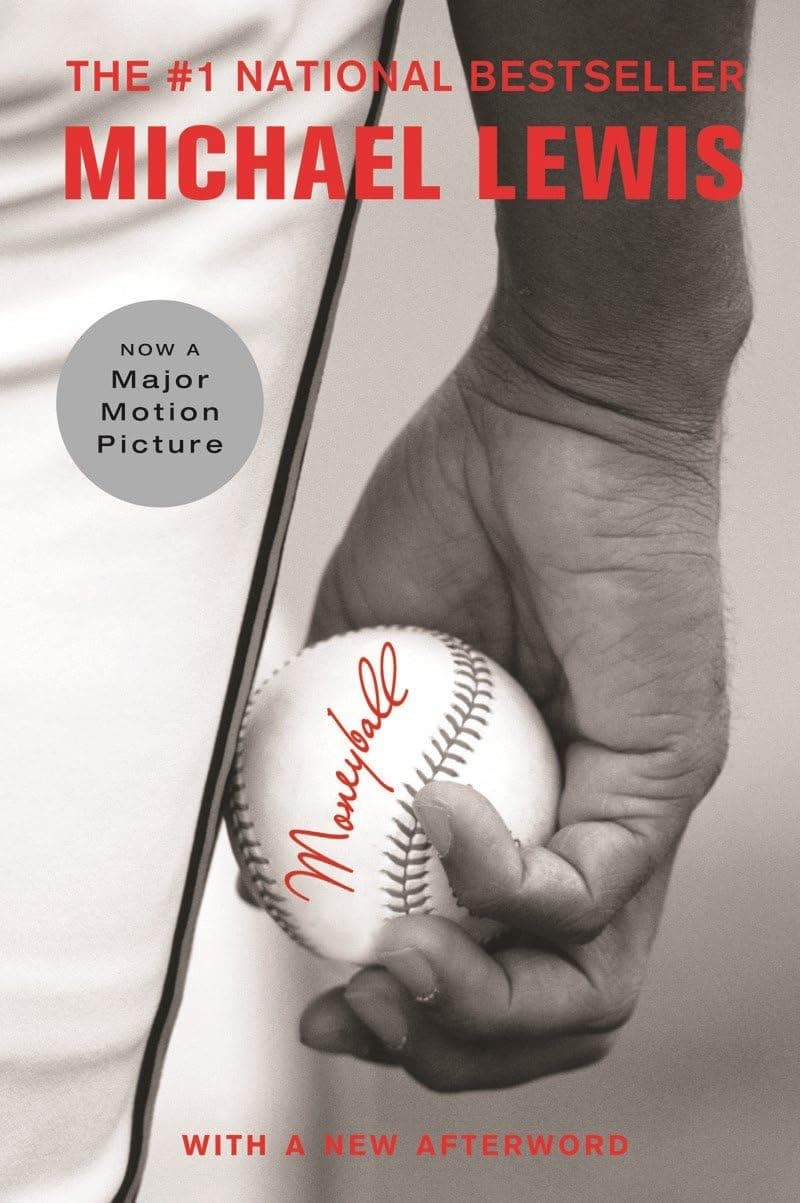
Oakland spent a third of what the Yankees spent and won as many games, buying the hitters scouts despised. Every team in baseball now runs on the arithmetic Lewis watched Billy Beane use.

No history of hip hop is better. Chang begins with landlords burning the Bronx, arrives at Kool Herc's turntables, and reads Public Enemy and the Los Angeles riots as one generation's politics.

Bourdain cooked for two decades, then told everything: the drugs, the immigrant crews who hold restaurants up, why you never order fish on Monday. He made the line cook a figure Americans envied.

Speech therapy for a lisp, a methamphetamine phase of conceptual art, then a Paris classroom where a French teacher reduces grown adults to stammering. Sedaris finds humiliation funny and never spares himself.
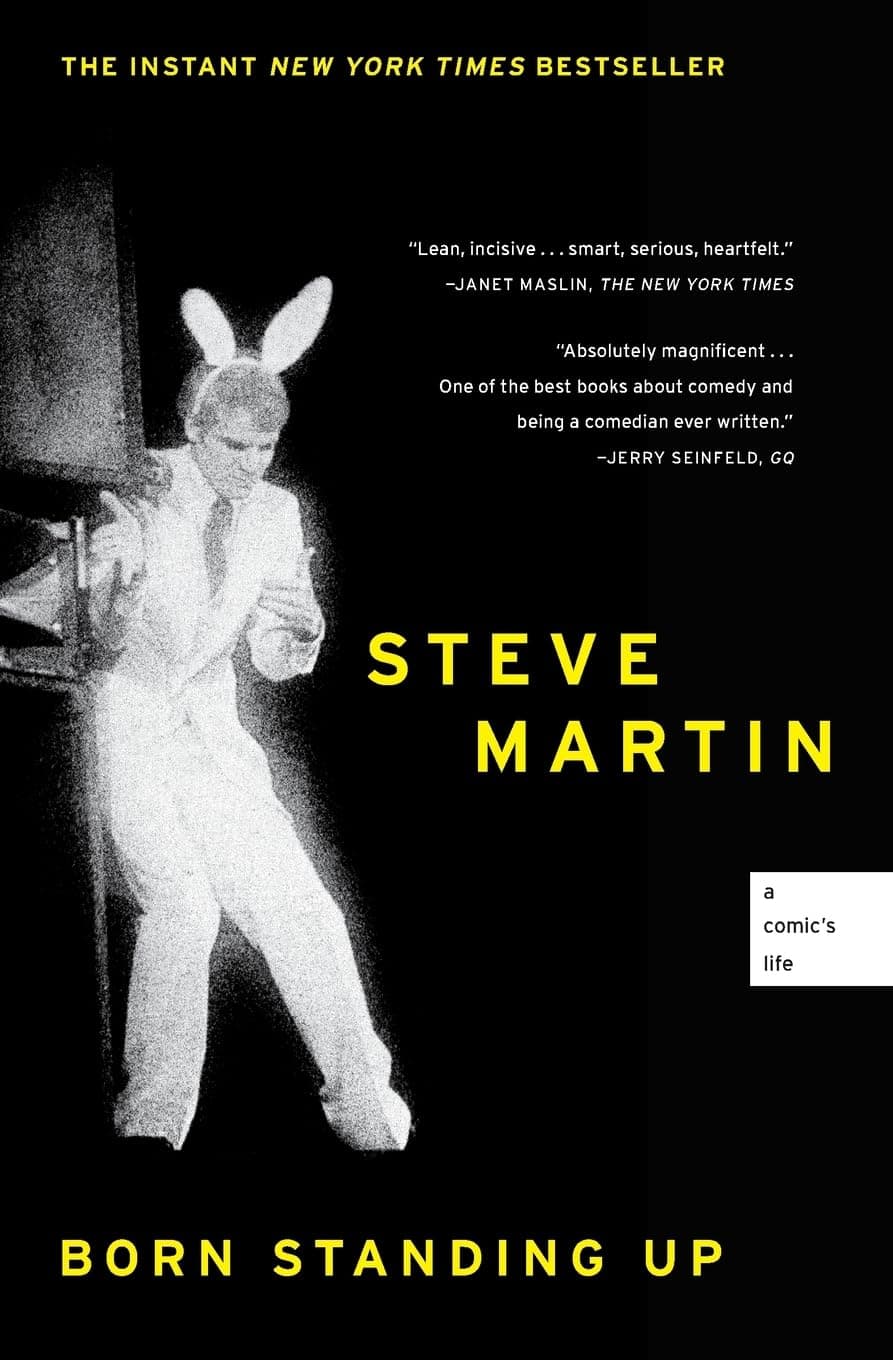
Working the Disneyland magic shop as a teenager, Martin set out to build comedy without punchlines, so laughter had nowhere to land. He filled arenas with it, then quit for good.
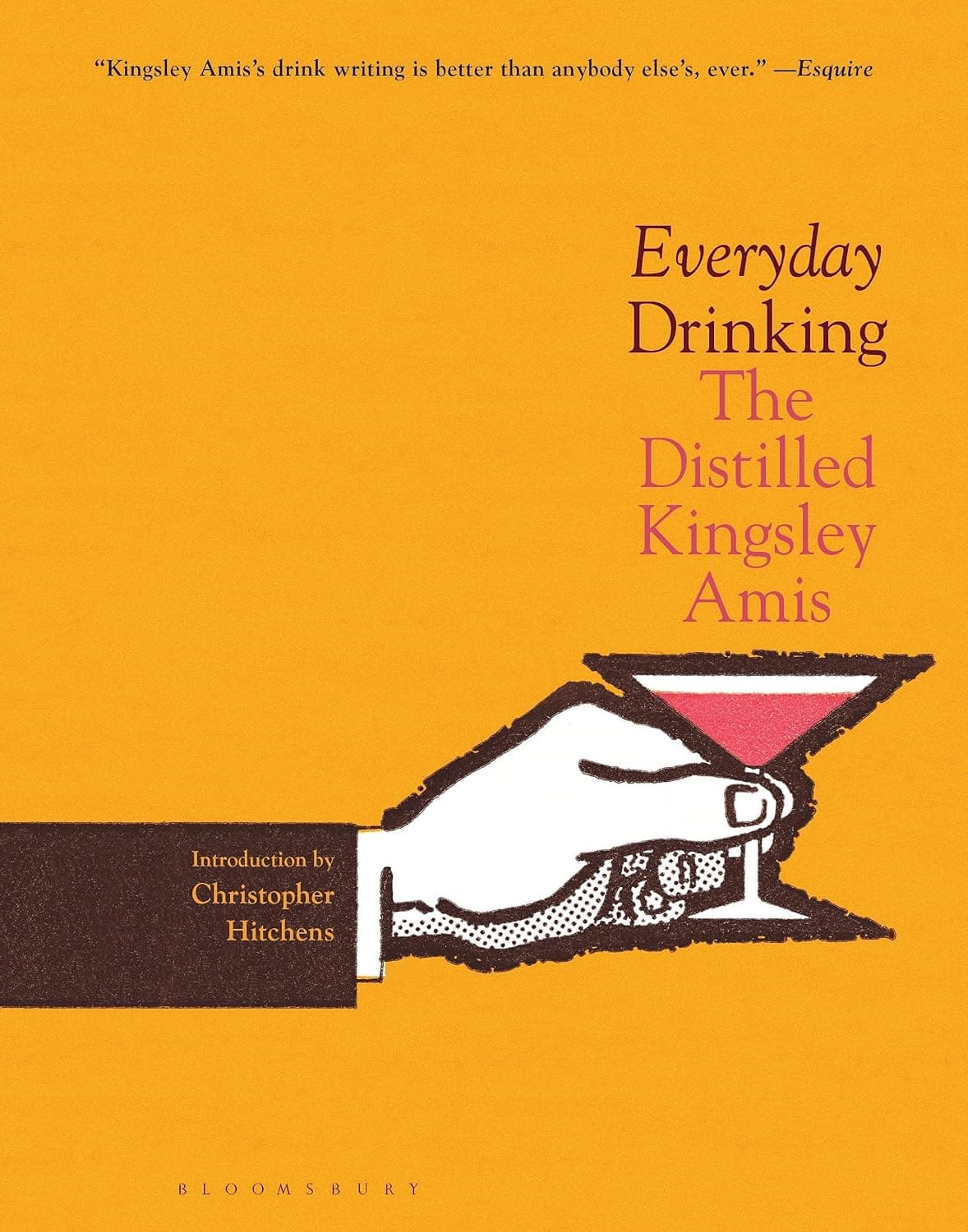
Nobody has written funnier prose about drink. Kingsley Amis separates the physical hangover from the metaphysical one, calculates what a party will actually consume, and hands down recipes he plainly tested.

A Los Angeles magazine asked architects how postwar America should live, and Eames, Koenig, and Neutra answered in steel and glass on hillsides. Julius Shulman's photographs sold California modernism to the world.
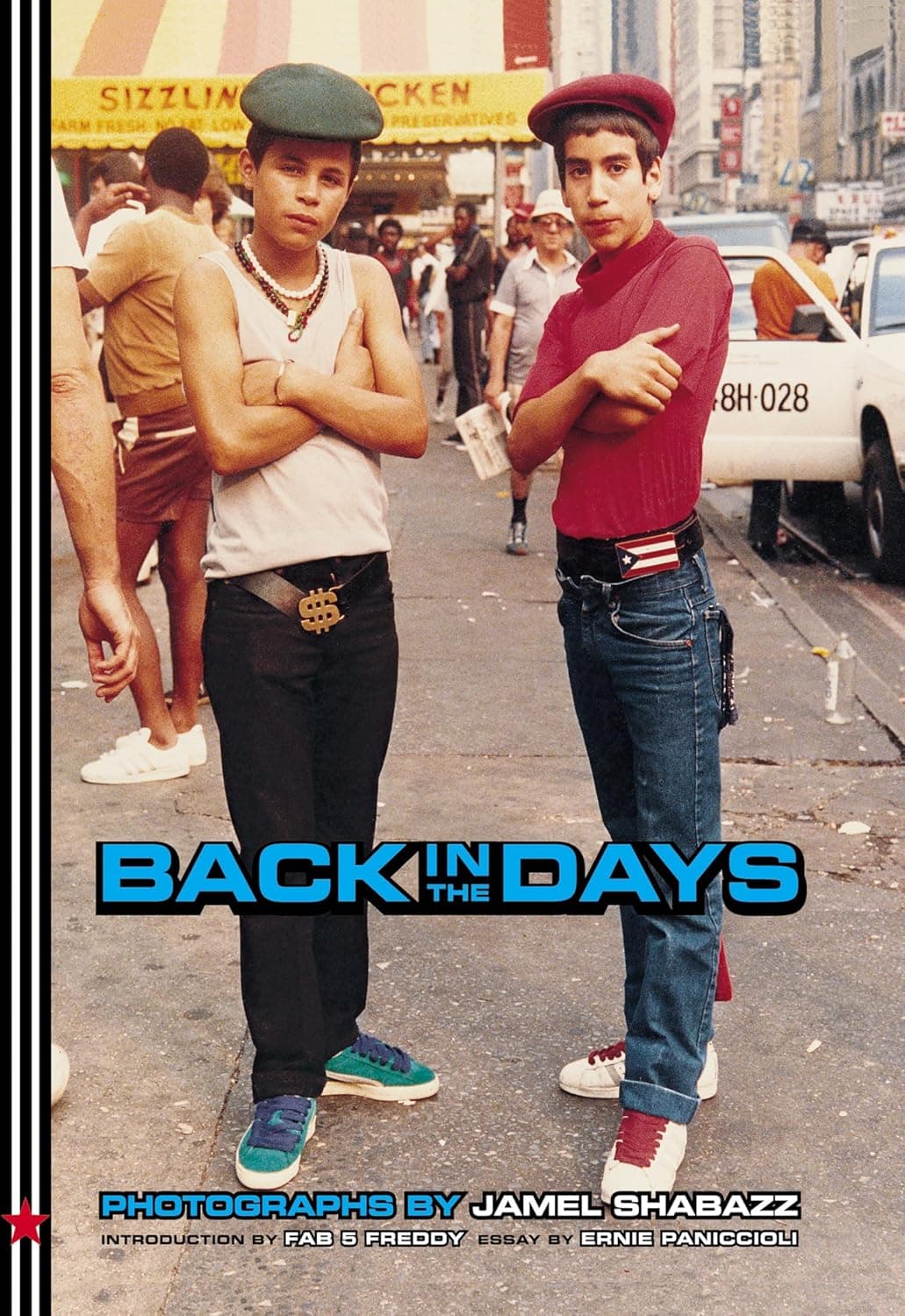
Between 1980 and 1989, Shabazz stopped young New Yorkers on the street and photographed them in shell-toe Adidas, sheepskin coats, and gold ropes. Everything hip hop later sold the world is already here.