What's Going On
1971
Berry Gordy called it the worst thing he had ever heard and refused to release it until Gaye said he would never record for Motown again.
★ 9.8
 skopia
Berry Gordy called it the worst thing he had ever heard and refused to release it until Gaye said he would never record for Motown again.

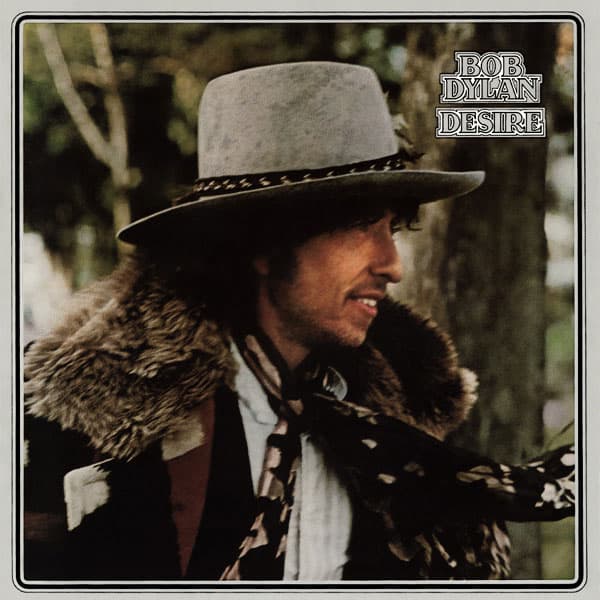
Dylan finished it, then rerecorded half the songs in Minneapolis with local musicians his brother rounded up, days before it was due out.

They asked people around the studio questions on cue cards and used the answers. It then stayed on the American chart for fourteen years.
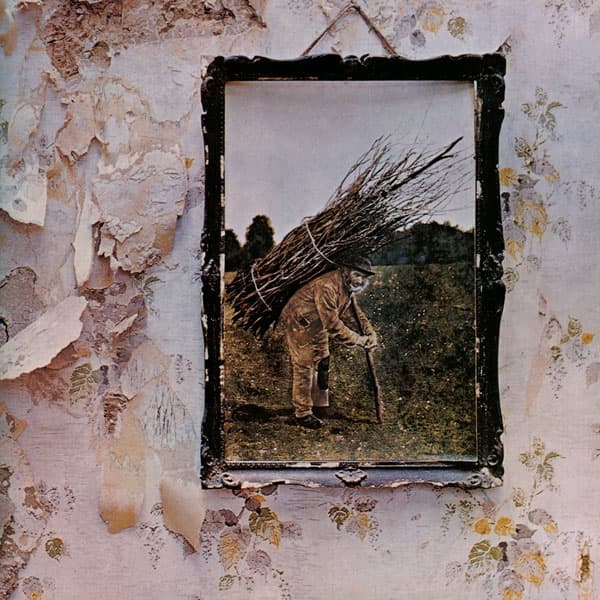
There is no title and no band name anywhere on the sleeve, just four symbols the members chose. The label thought it was commercial suicide.

It took so long that Wonder and the band took to wearing T-shirts reading We're Almost Finished. Twenty-one songs, and no filler.

Bowie announced from the stage in 1973 that it was the last show Ziggy would ever play, without telling his own band first.
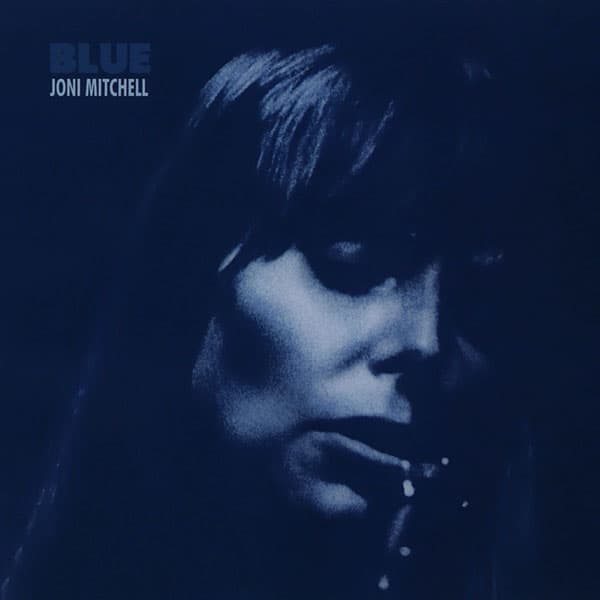
Mitchell was so exposed making it that she asked visitors to leave the studio. Kris Kristofferson told her to keep something back for herself.
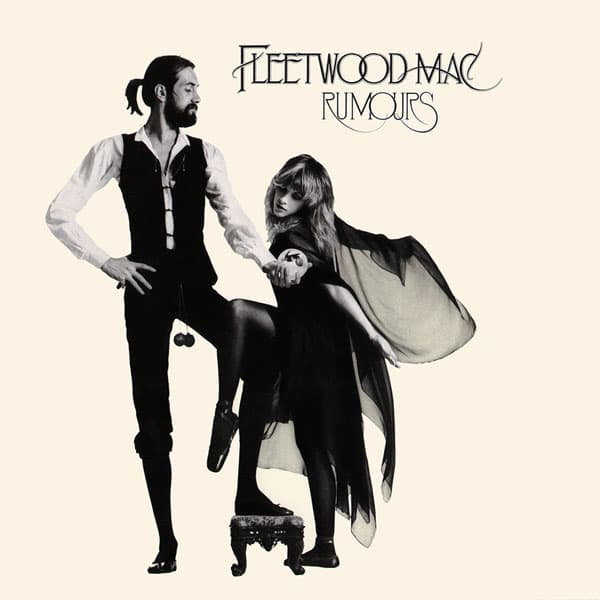
Two couples in the band were breaking up while they recorded, and kept writing songs about each other that the other had to sing.

Recorded in the basement of a rented French villa while the band were dodging British tax, in heat so bad guitars would not stay in tune.
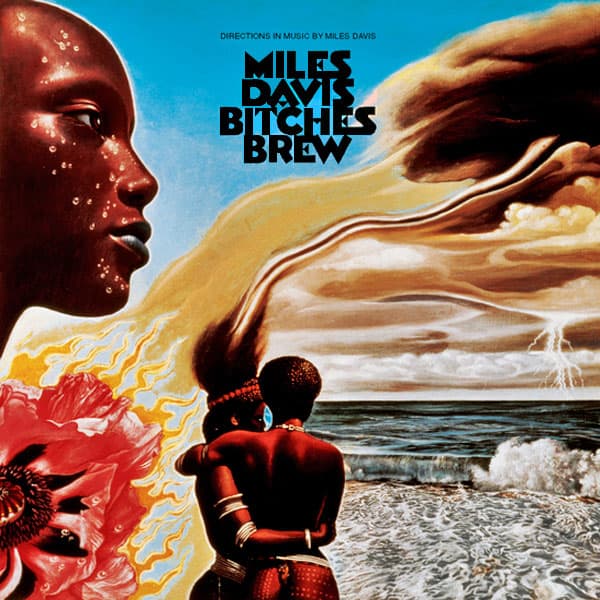
Davis gave the players almost no written music, and his producer Teo Macero cut the tapes together afterward with a razor blade.
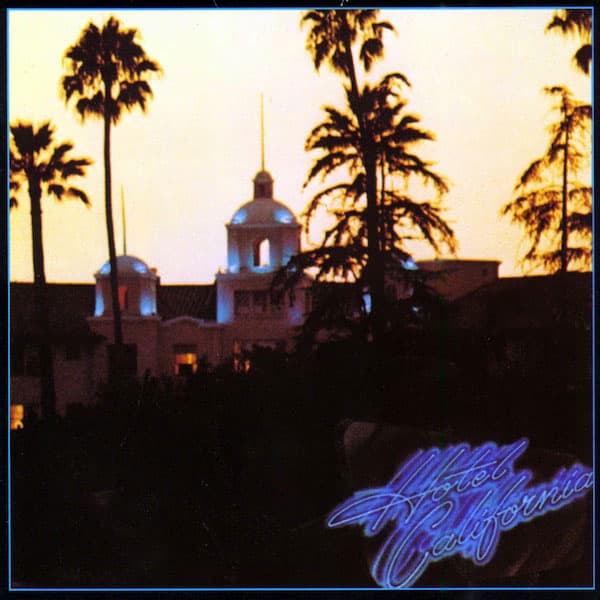
The two guitars at the end of the title track were worked out note for note in advance, and have to be played identically every night.
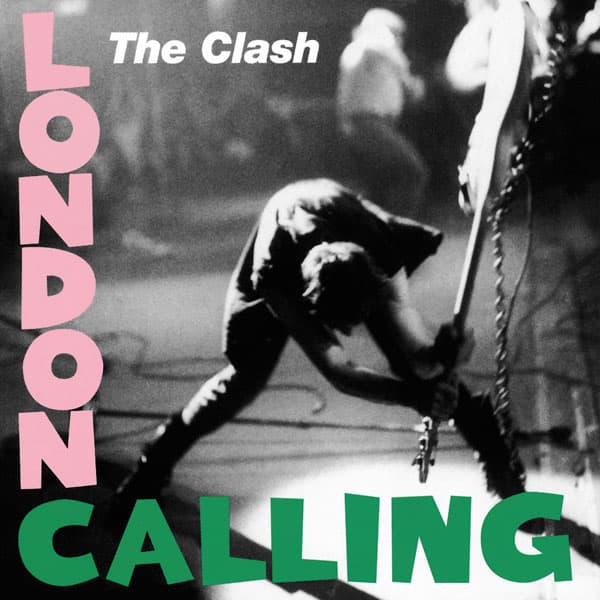
Their producer motivated the sessions by swinging ladders around the studio and pouring wine into the piano. The sleeve copies Elvis's first album.
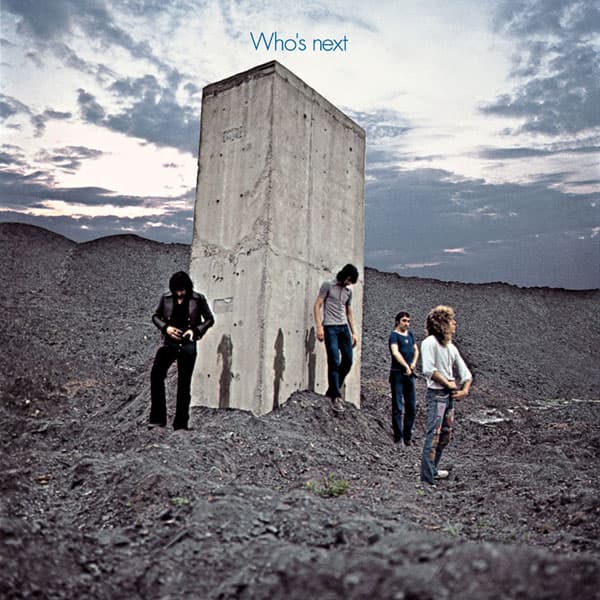
What survived an abandoned science-fiction project became this record. The keyboard figure opening Baba O'Riley was generated by a machine rather than played.
Roger Waters got the idea after spitting at a fan in Montreal and being appalled at himself. A school near the studio supplied the children's choir.
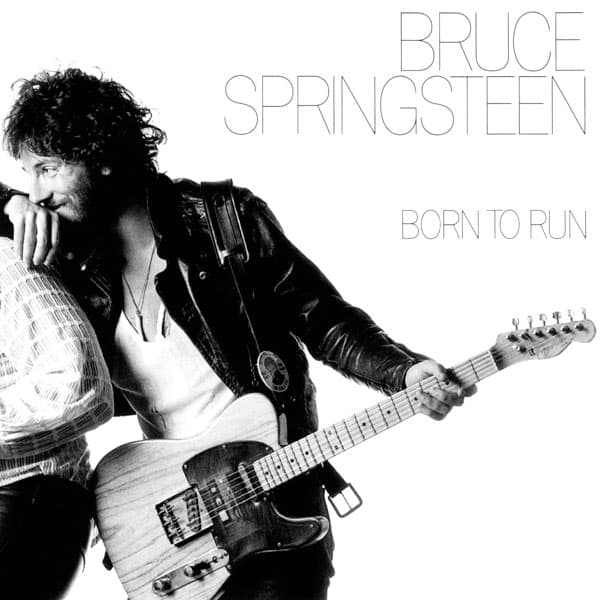
Springsteen spent six months on the title track alone and hated the finished record so much he wanted to throw it in a swimming pool.
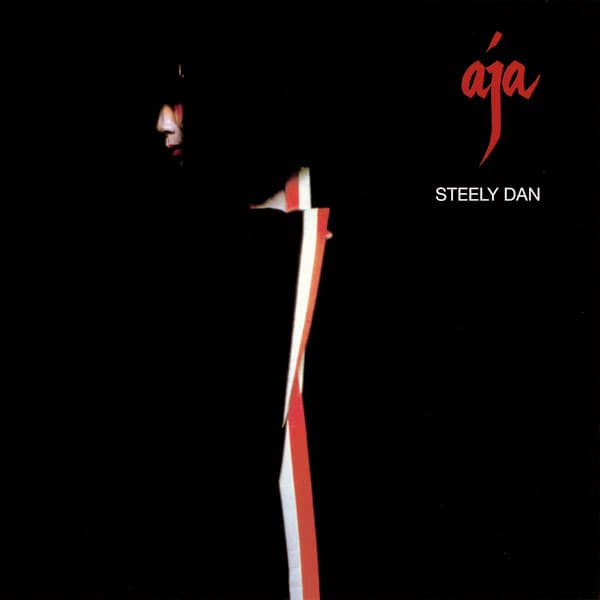
Becker and Fagen ran seven guitarists through the solo on Peg before they kept one, and worked the rest of the record the same way.

Simon wrote the title song and gave it to Garfunkel to sing alone, and spent years regretting it. They had broken up by release.
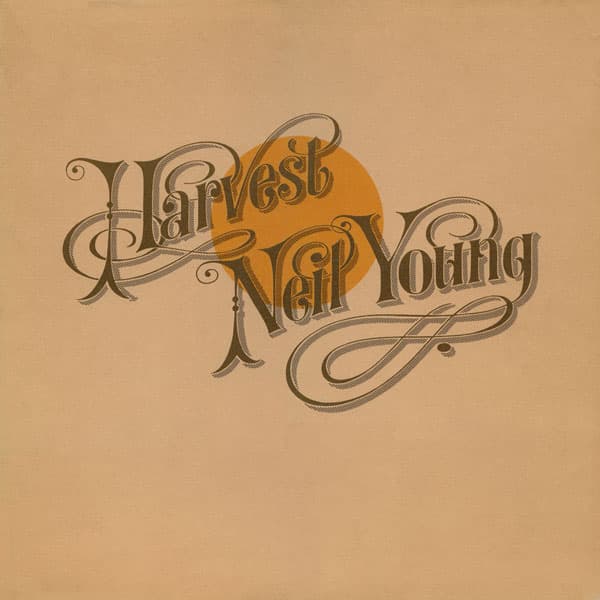
Young had hurt his back and recorded much of it sitting down in a brace. The London Symphony Orchestra plays on two of the songs.

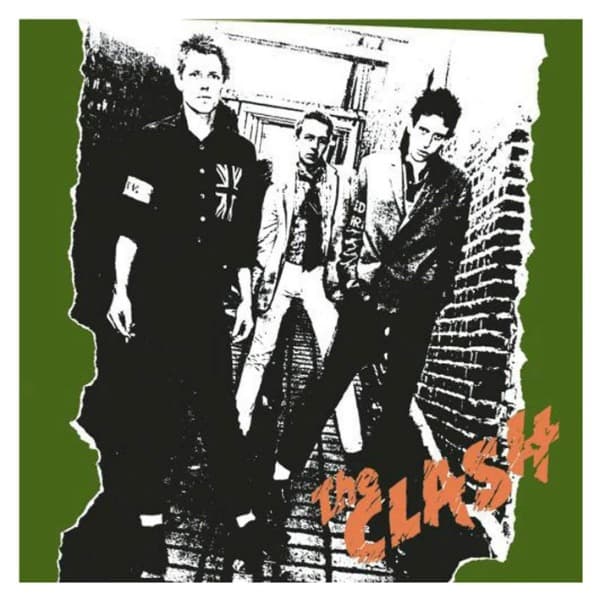
Sid Vicious barely plays on it, and a record shop was taken to court over the word bollocks and won.
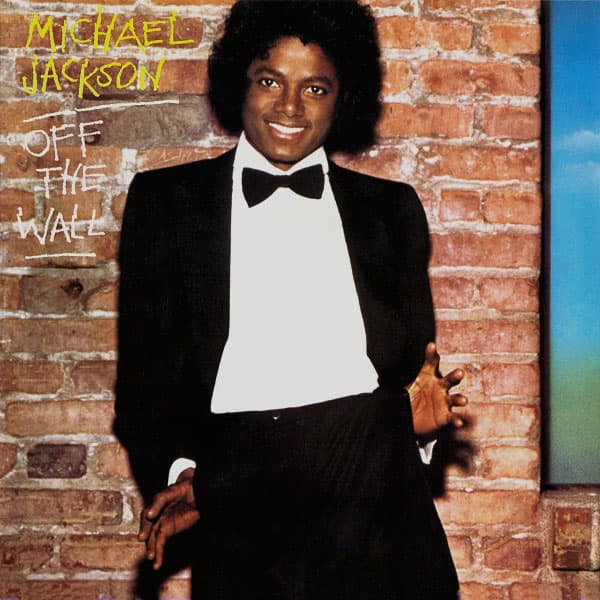
Jackson was twenty-one and wrote the two best songs on it himself. It won a single Grammy, which he took as an insult.
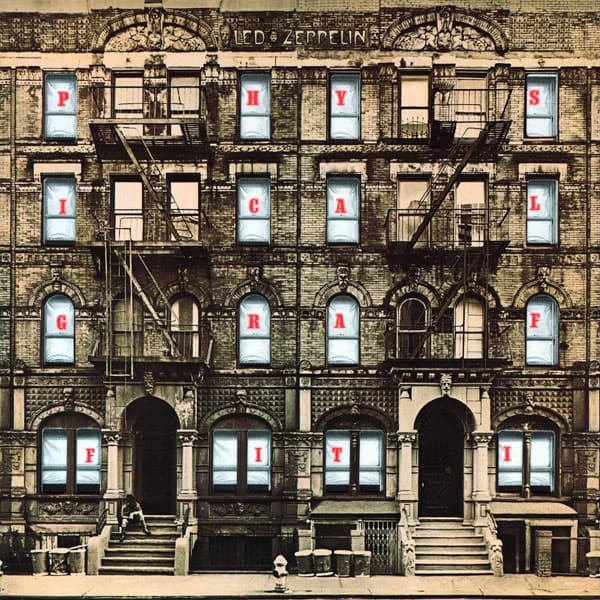
They did not have enough songs for a double album, so they raided outtakes from three earlier records to fill it out.
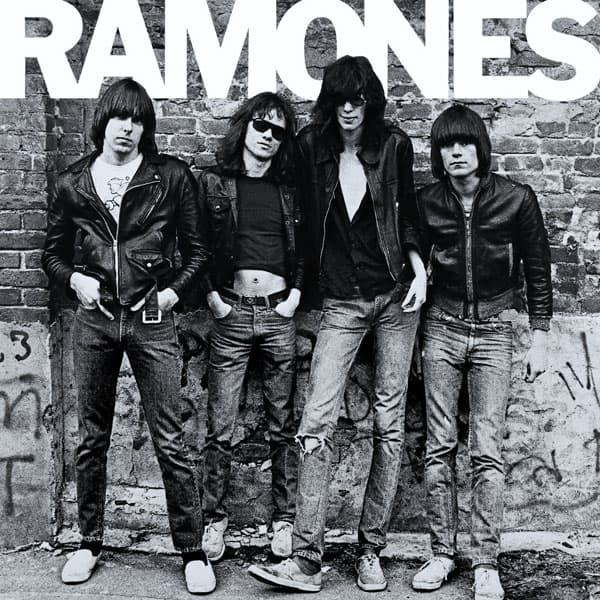
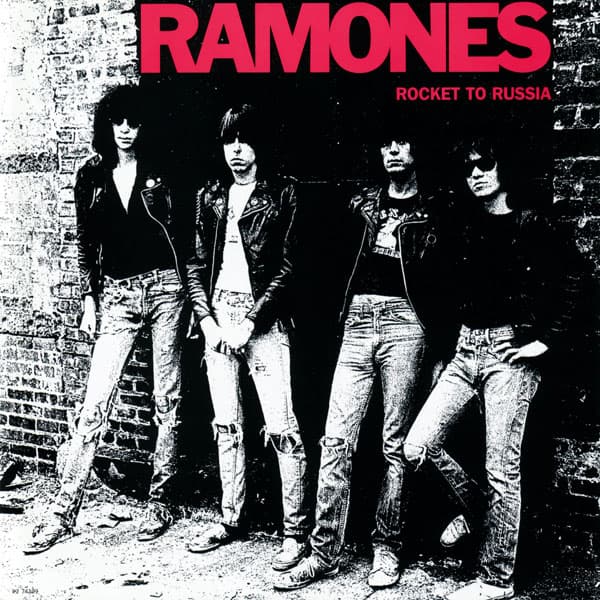
Fourteen songs in twenty-nine minutes, recorded for about six thousand dollars. Nothing on it is longer than two and a half minutes.
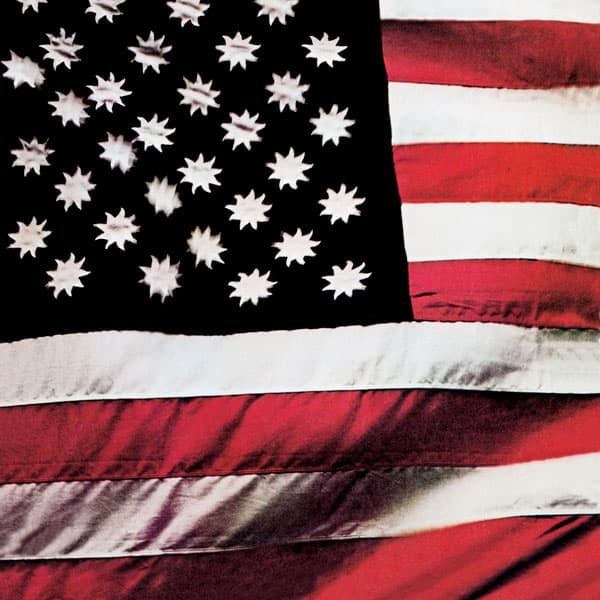
Sly overdubbed most of it alone onto a drum machine at home. The title track is listed as running zero seconds and has no music.
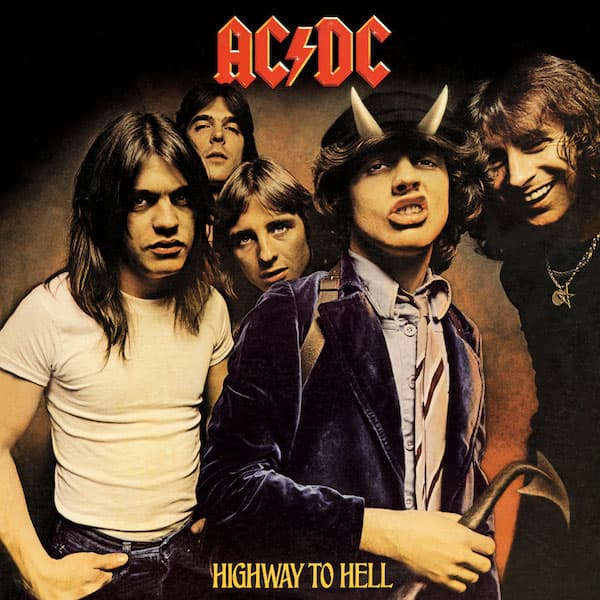
Bon Scott was dead six months after it came out. It was the first record they made with a producer who cared about choruses.
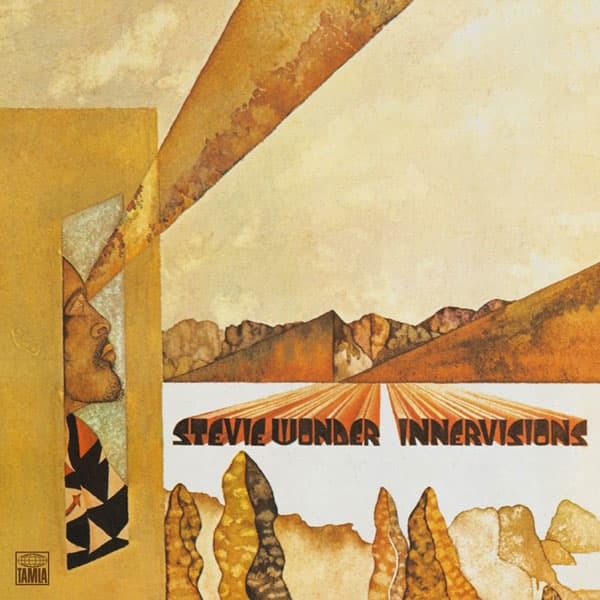
Wonder played almost every instrument on it himself. Days after it came out a car crash put him in a coma for four days.

The most expensive record ever made at the time, and they layered the Bohemian Rhapsody vocals until the tape went nearly transparent.

Recorded mostly in the basement of his Topanga house, with an eighteen-year-old Nils Lofgren on piano, an instrument he had not played before.
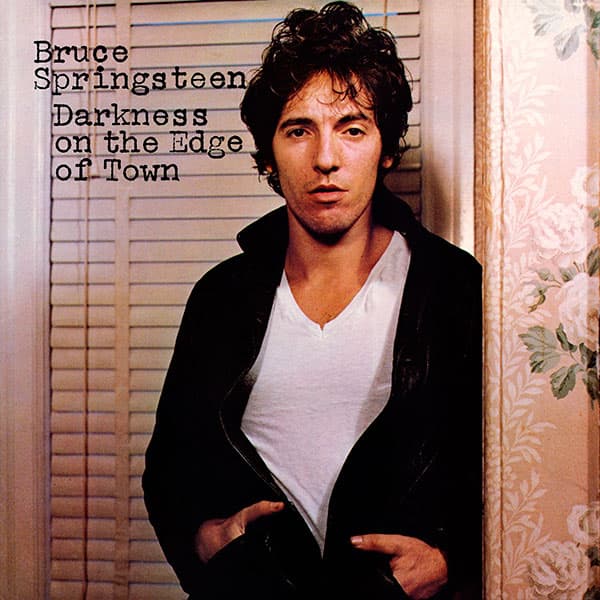
Three years of litigation kept Springsteen out of a studio, and when he got back in he gave away most of the catchy songs.

It took roughly eight hundred hours of studio time, and by the end the four of them were barely speaking to each other.

They tried to record it in Jamaica, gave up, and made the whole double album in about two weeks in a French château instead.
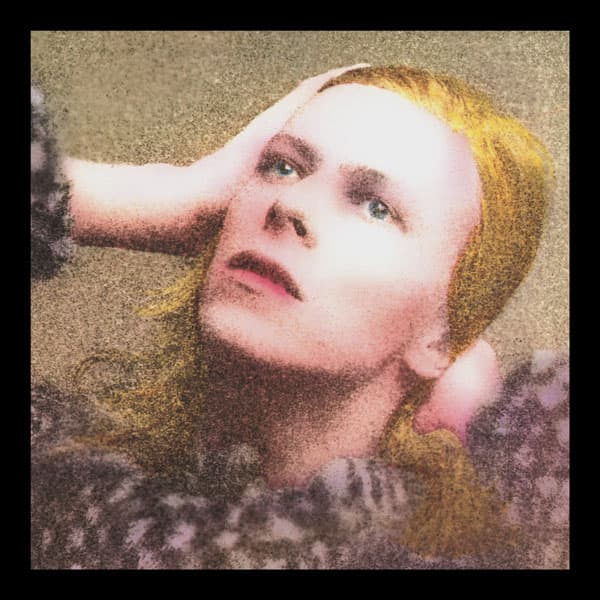
Rick Wakeman plays the piano throughout, and Bowie wrote Kooks in an afternoon for his newborn son. Ziggy Stardust was still a year away.

Clapton wrote it about his best friend's wife. The long piano ending was brought in by the drummer, and he was paid for the co-write.
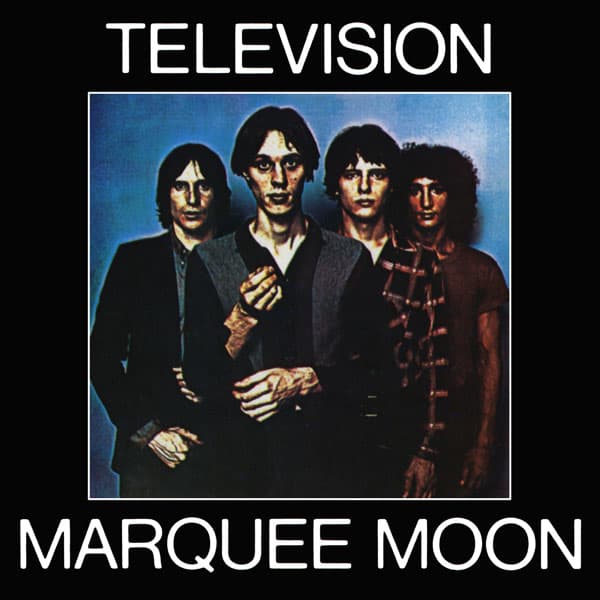
The two guitars never play the same part, and the singer, Tom Verlaine, refused to double-track anything, so you hear what happened in the room.
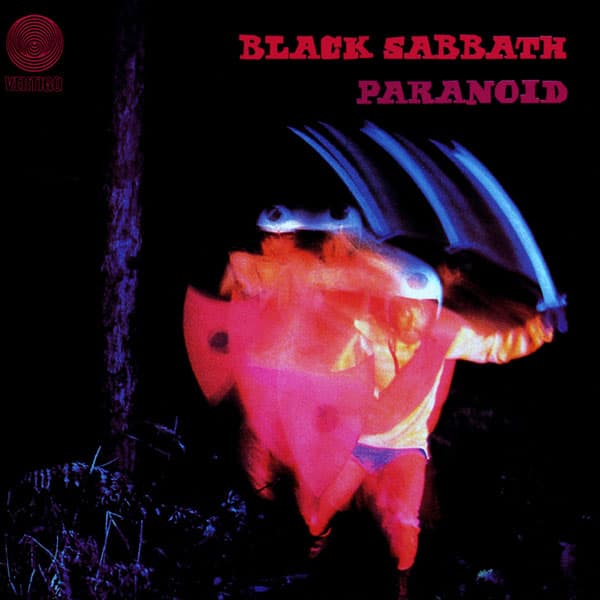
The title song was written in about twenty minutes as filler. Tony Iommi plays with plastic fingertips after losing his in a factory.
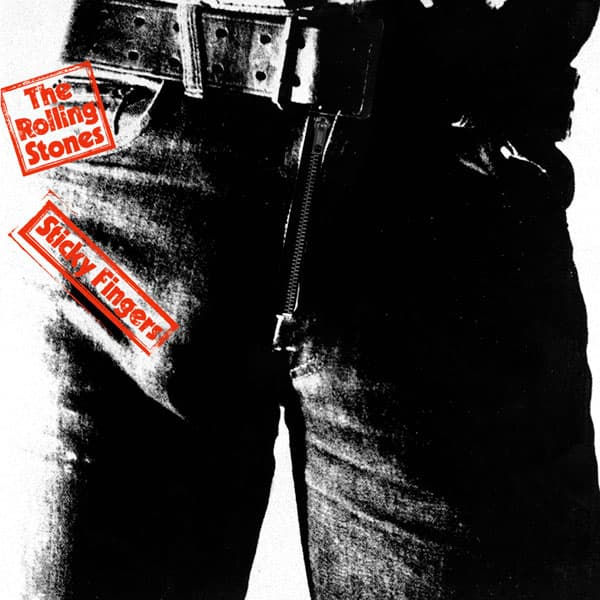
Andy Warhol's sleeve had a real working zip, which scratched the records stacked behind it in the crates. The tongue logo starts here.
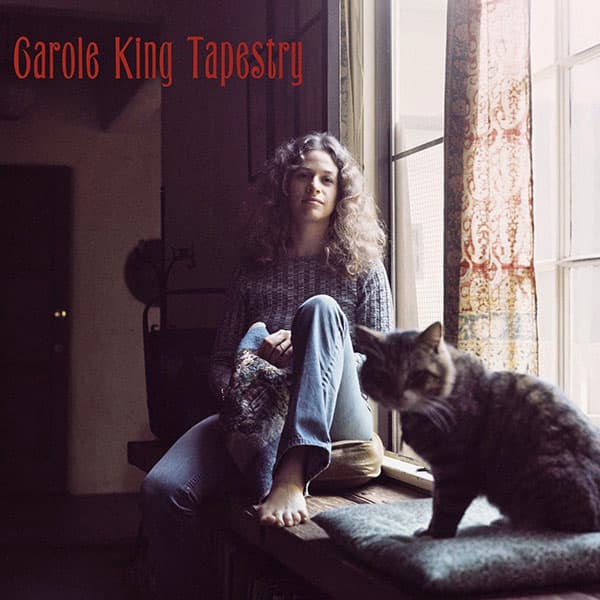
King had already written dozens of hits for other people before anyone heard her sing. This one sold twenty-five million copies.
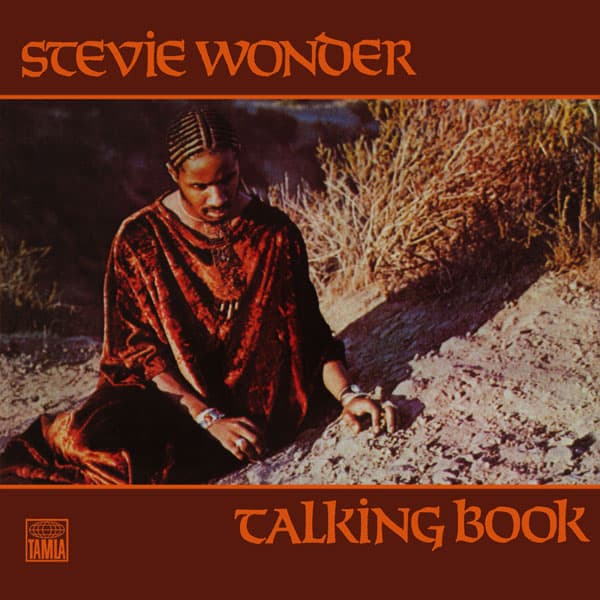
The Superstition riff is a clavinet, an electric keyboard with strings inside, layered several times over. Wonder had just won control of his contract.
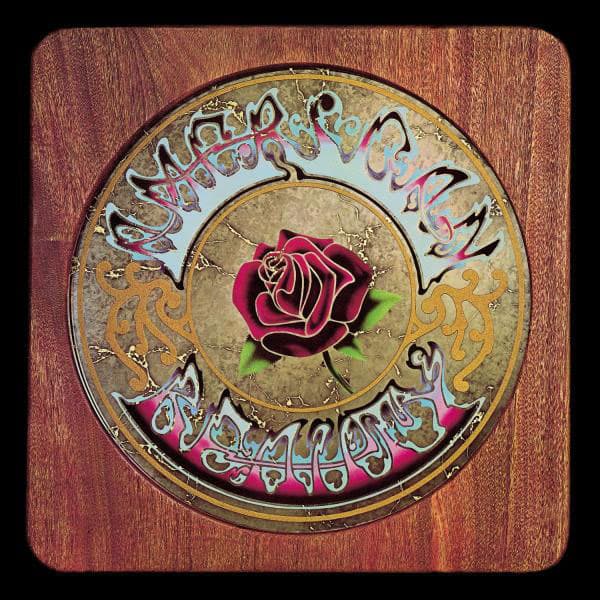
The bassist Phil Lesh wrote Box of Rain while his father was dying, and sang it himself. The Dead had never written this plainly before.
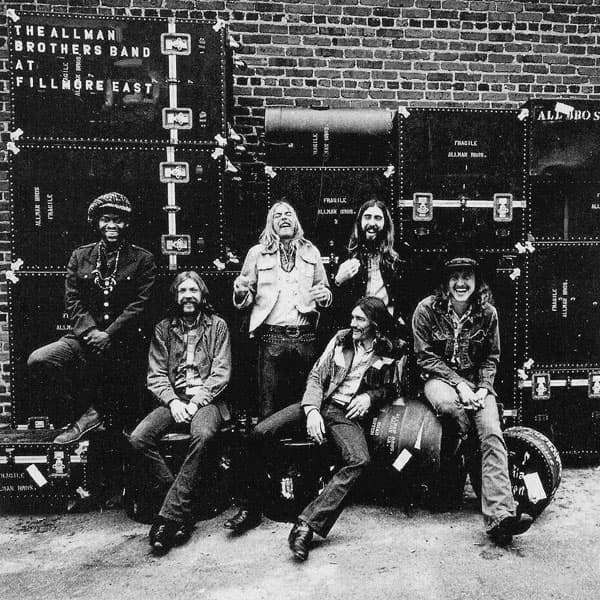
Recorded over two nights in March 1971, and Duane Allman was dead in a motorcycle crash before the year was out.
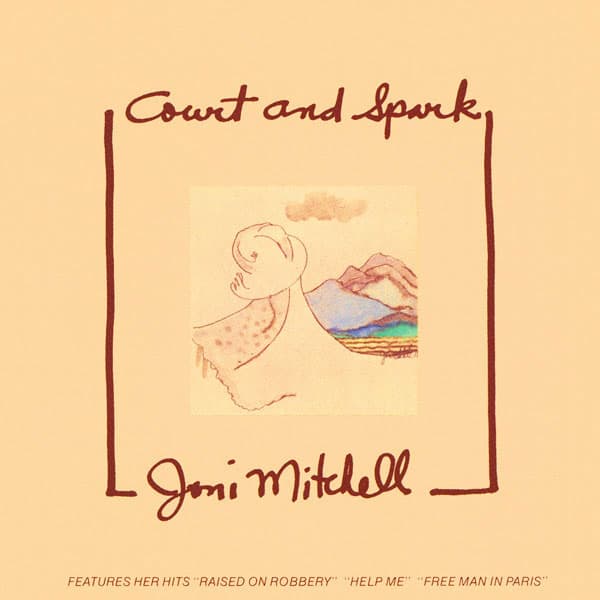
Mitchell hired a working jazz band to back her and made the best-selling record of her life without simplifying a single thing.

Marley made it in London after being shot at home in Jamaica, and side two is nothing but songs people still sing at weddings.
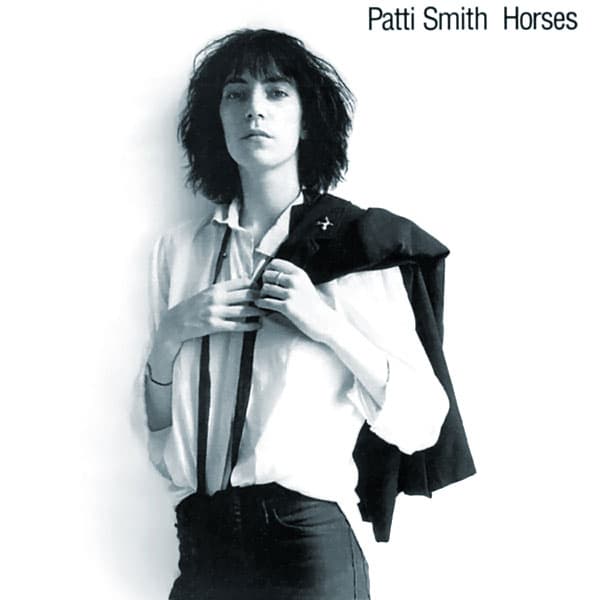
It opens by announcing that Jesus died for somebody's sins but not hers. Robert Mapplethorpe took the cover photograph in a friend's apartment.

The song called Houses of the Holy is not on Houses of the Holy. The cover children were photographed at the Giant's Causeway.
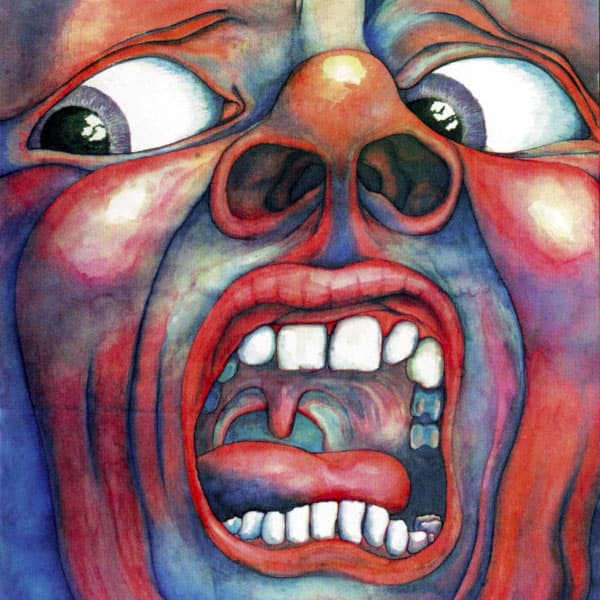
The Mellotron carries most of it, a keyboard that plays back tapes of a real orchestra instead of synthesizing the sound.

The title song began as a political lyric someone else wrote, and Gaye rewrote it into a seduction before the tape rolled.
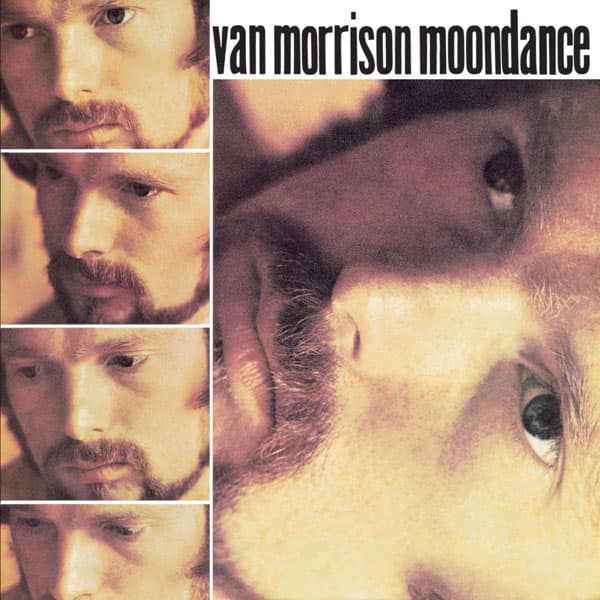
Morrison arranged the horns himself and has spent decades saying he does not much like the record. Everyone else disagrees.
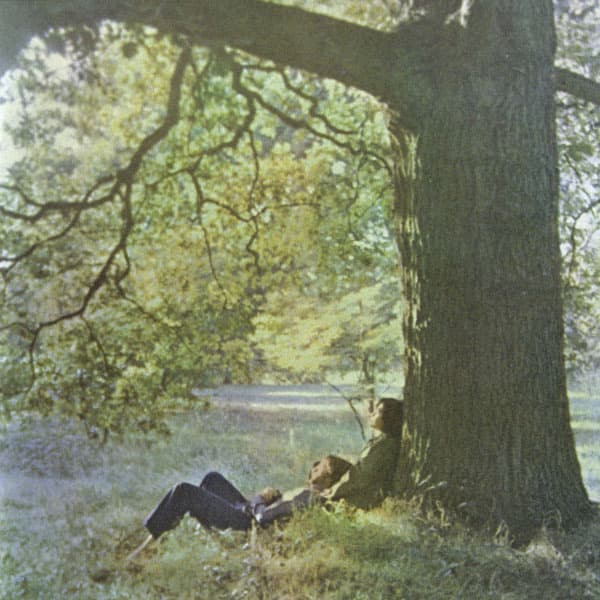
Lennon made it straight after four months of primal scream therapy, with almost nothing on it but piano, bass and drums.

Columbia thought the tapes were demos because it cost twenty thousand dollars and had almost nothing on it but guitar and voice.
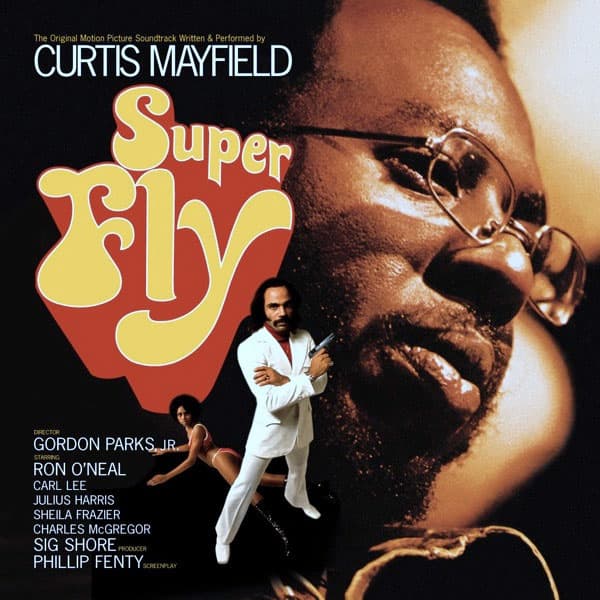
Mayfield watched the film and wrote songs attacking the drug dealing it made look glamorous, then sang them in a falsetto over congas.
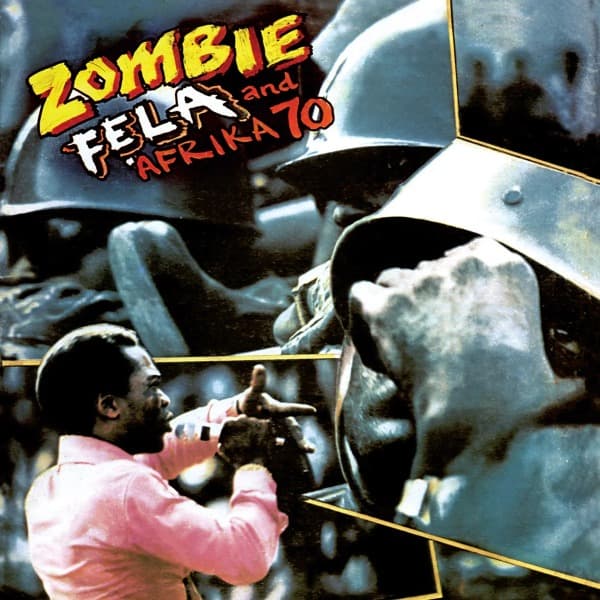
Horns and drums lock into one riff and hold it for minutes before Fela sings a word, which is how he built nearly every track.
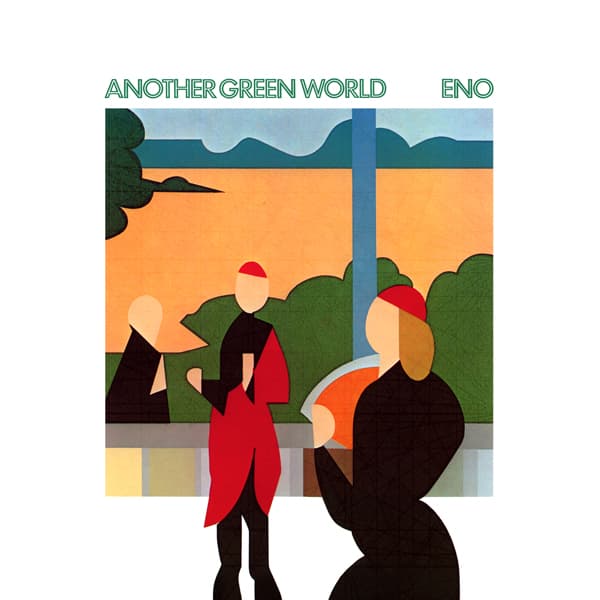
Eno arrived at the studio with nothing written and worked from a deck of cards printed with instructions. Only five tracks ended up with words.
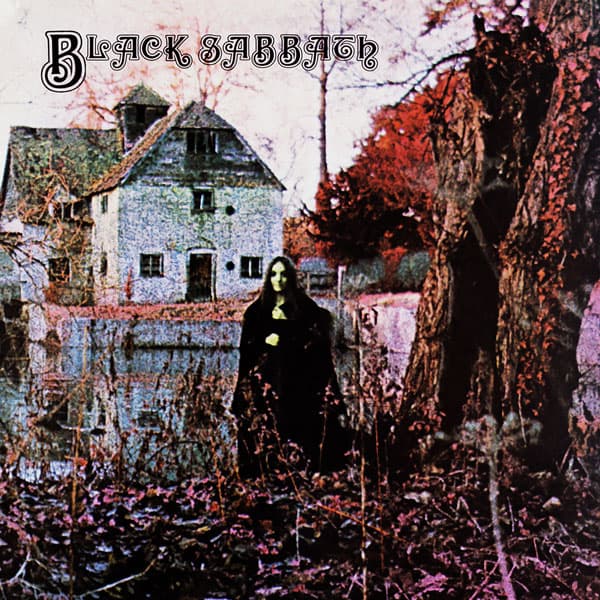
Recorded in a single day for a few hundred pounds and released on a Friday the thirteenth. The riff is a devil's interval.

Island Records boss Chris Blackwell added rock guitar and keyboards to make it travel, and packaged it in a sleeve shaped like a Zippo lighter.
Bill Bruford finished the drums, decided he never wanted to work that hard again, and left the band before the tour.

The band called their rehearsal warehouse the factory, because John Fogerty had them in there every day. Five singles came out of it.
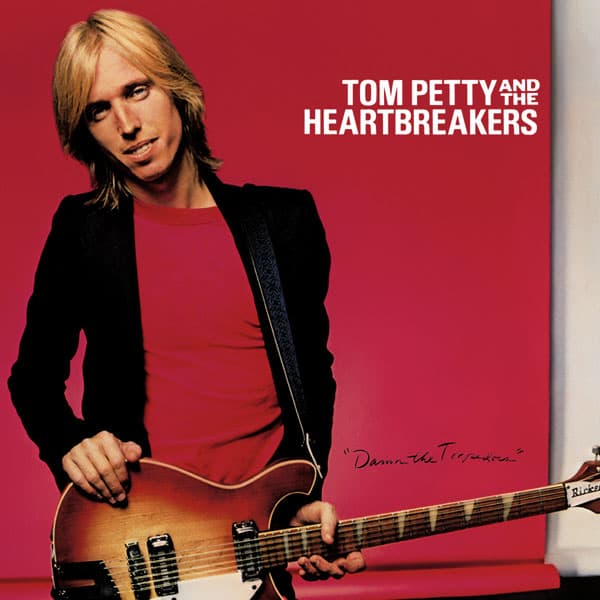
Petty declared bankruptcy in the middle of making it, to get out of a contract he had signed without reading properly.
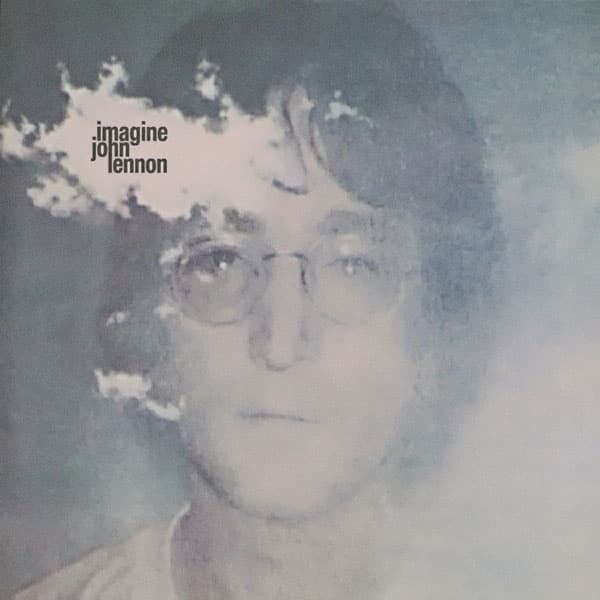
Recorded at his home in Ascot on a white grand piano, and one of the songs is a straight attack on Paul McCartney.

The Bee Gees wrote most of it in about two weeks in a French château, without having read the script or seen a frame.

Costello had been working as a computer operator two years earlier. The sleeve was printed deliberately off-center with the camera and tripod showing.
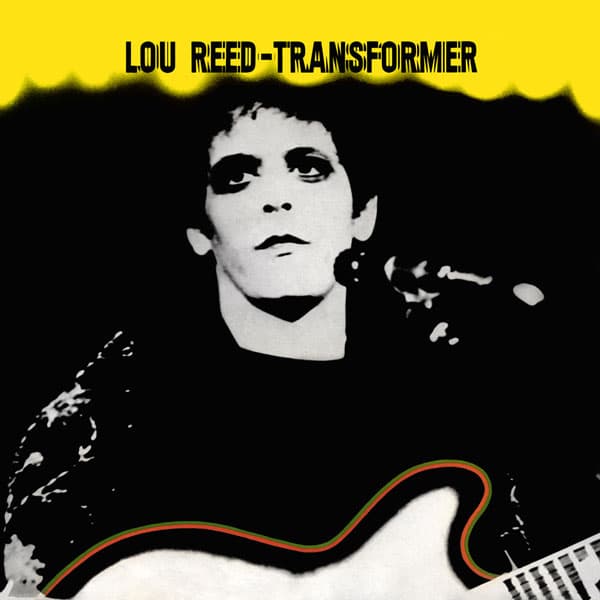
Herbie Flowers played two basses on Walk on the Wild Side, one upright and one electric, and was paid an ordinary session fee for it.
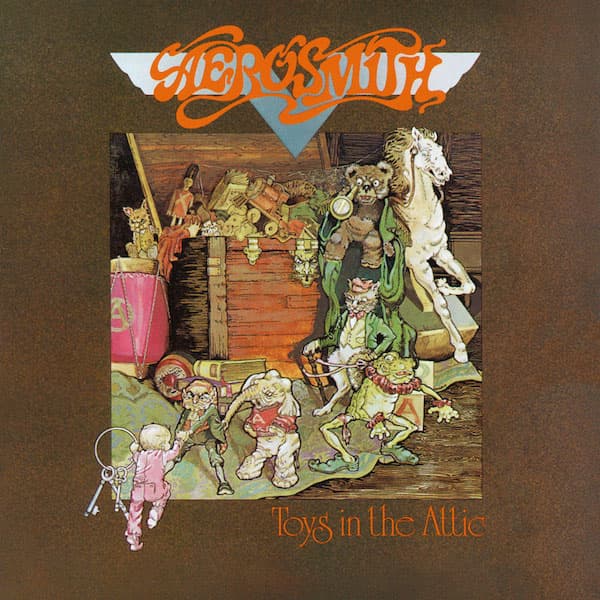
The title of Walk This Way came from a line in Young Frankenstein, which the band went to see during a break in the sessions.
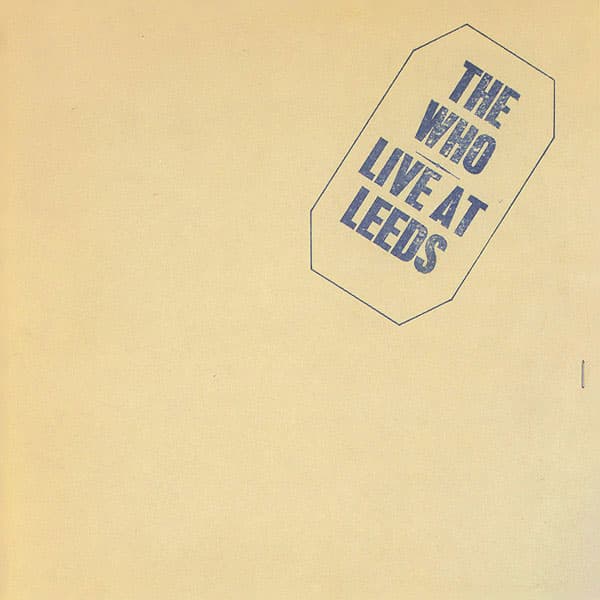
They burned the tapes of every other show on the tour and kept this one, packaged deliberately to look like a bootleg.

The first record after Tosh and Bunny left, with three women, one of them Marley's wife, singing behind him from then on.

The title track runs sixteen minutes and was cut with the band playing together in the room, audience noise dubbed on afterward.
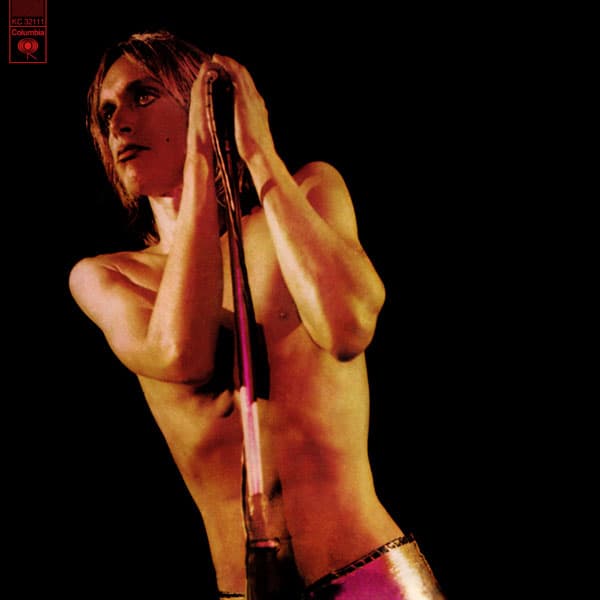
David Bowie mixed it and everyone including Iggy Pop hated the result. Iggy remixed the whole thing himself twenty-four years later.
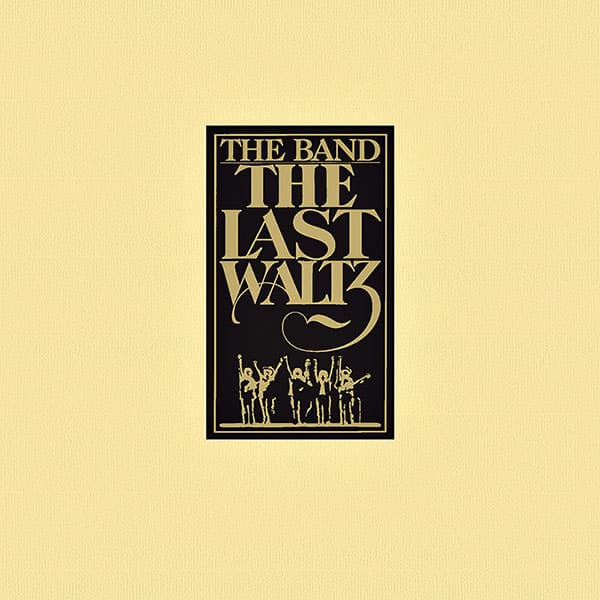
Martin Scorsese shot it with seven cameras and a written shot list keyed to the lyrics. Neil Diamond and Muddy Waters both turn up.
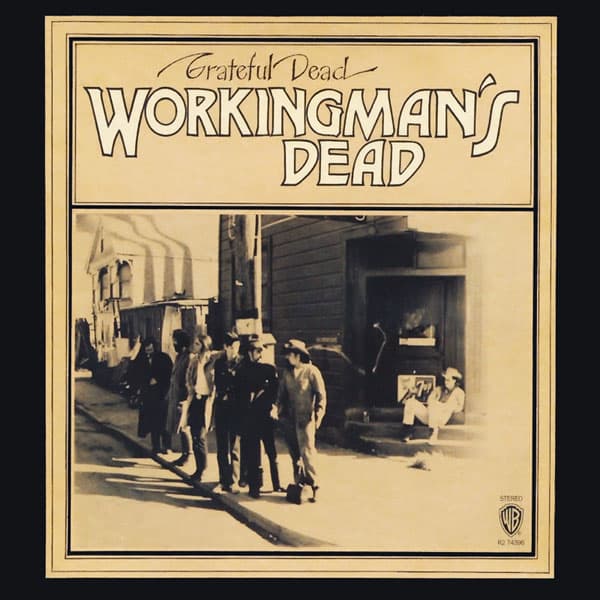
They made it in about nine days, in debt and facing charges after a New Orleans arrest, singing harmonies learned from Crosby, Stills and Nash.
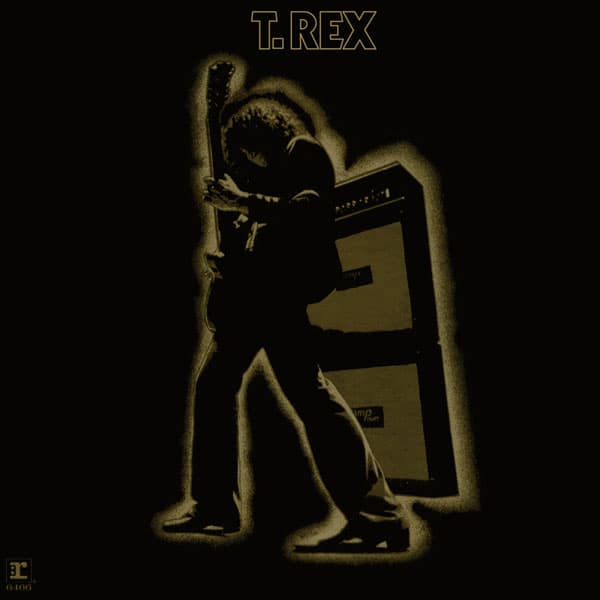
Marc Bolan sings everything with the same wobbling vibrato over two-chord boogie, and producer Tony Visconti buried strings underneath it.

The mandolin on Maggie May was played by a session man paid fifteen pounds, whose name Stewart admitted he had forgotten in the sleeve notes.
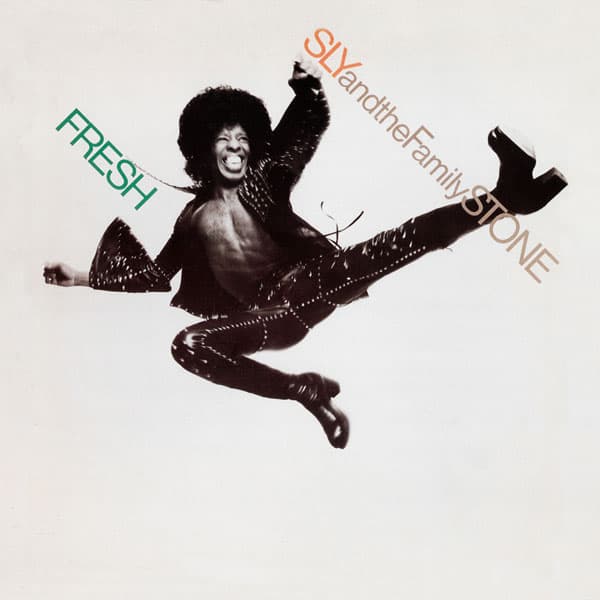
The drums land just behind the beat all the way through. Miles Davis is said to have played one track over and over for his band.
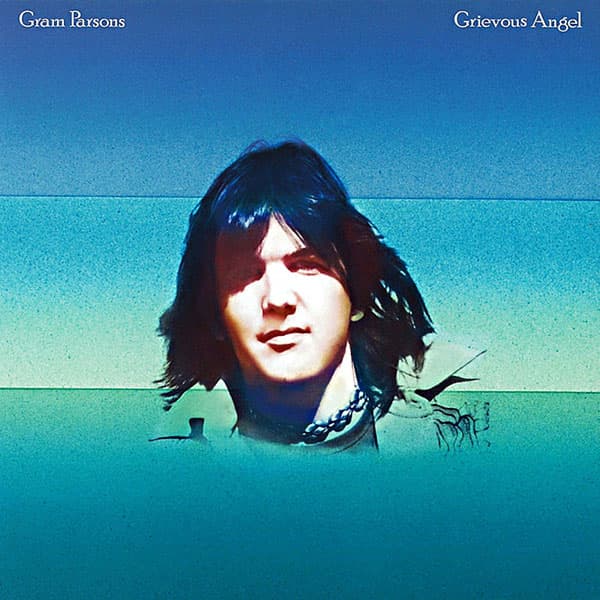
Parsons died before it came out, and his road manager stole the body from the airport and burned it in Joshua Tree, as promised.
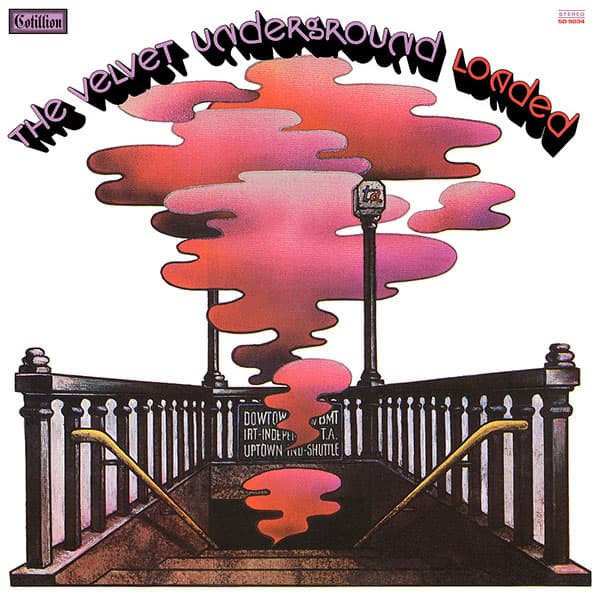
The label asked for an album loaded with hits, so they called it that. Lou Reed quit the band before it was released.

Jimmy Cliff starred in the film as well as singing on it, and for years this was the only reggae record most Americans owned.

Costello recorded it on days off from his job at a cosmetics factory, backed by an American bar band that included Huey Lewis.
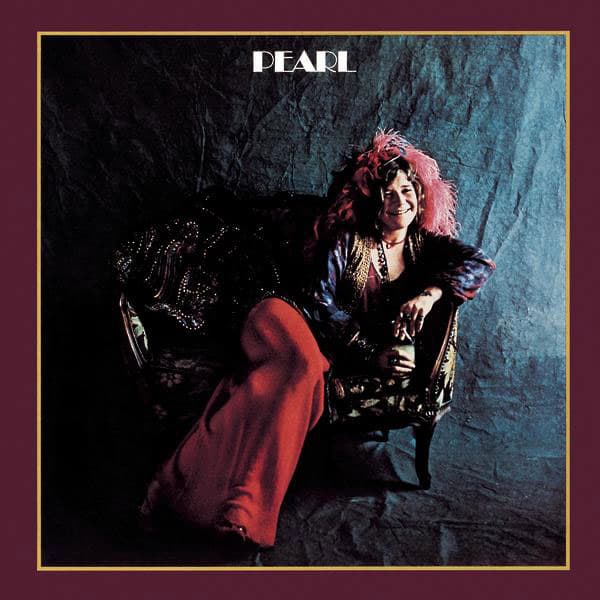
Joplin died before recording her vocal for one song, so it appears as an instrumental with the space where she should be.
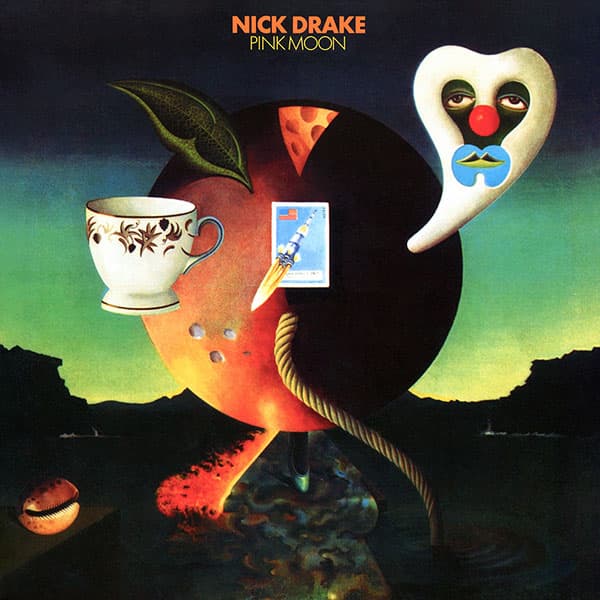
Twenty-eight minutes, recorded in two late-night sessions with nobody else playing. Drake left the tapes at his label's reception desk and walked out.

The band named themselves after a gym teacher who kept sending them home over their hair. Free Bird's guitar outro runs five minutes.
They were openly chasing a hit single and never got one. The harmonies come straight off the girl-group records they grew up on.