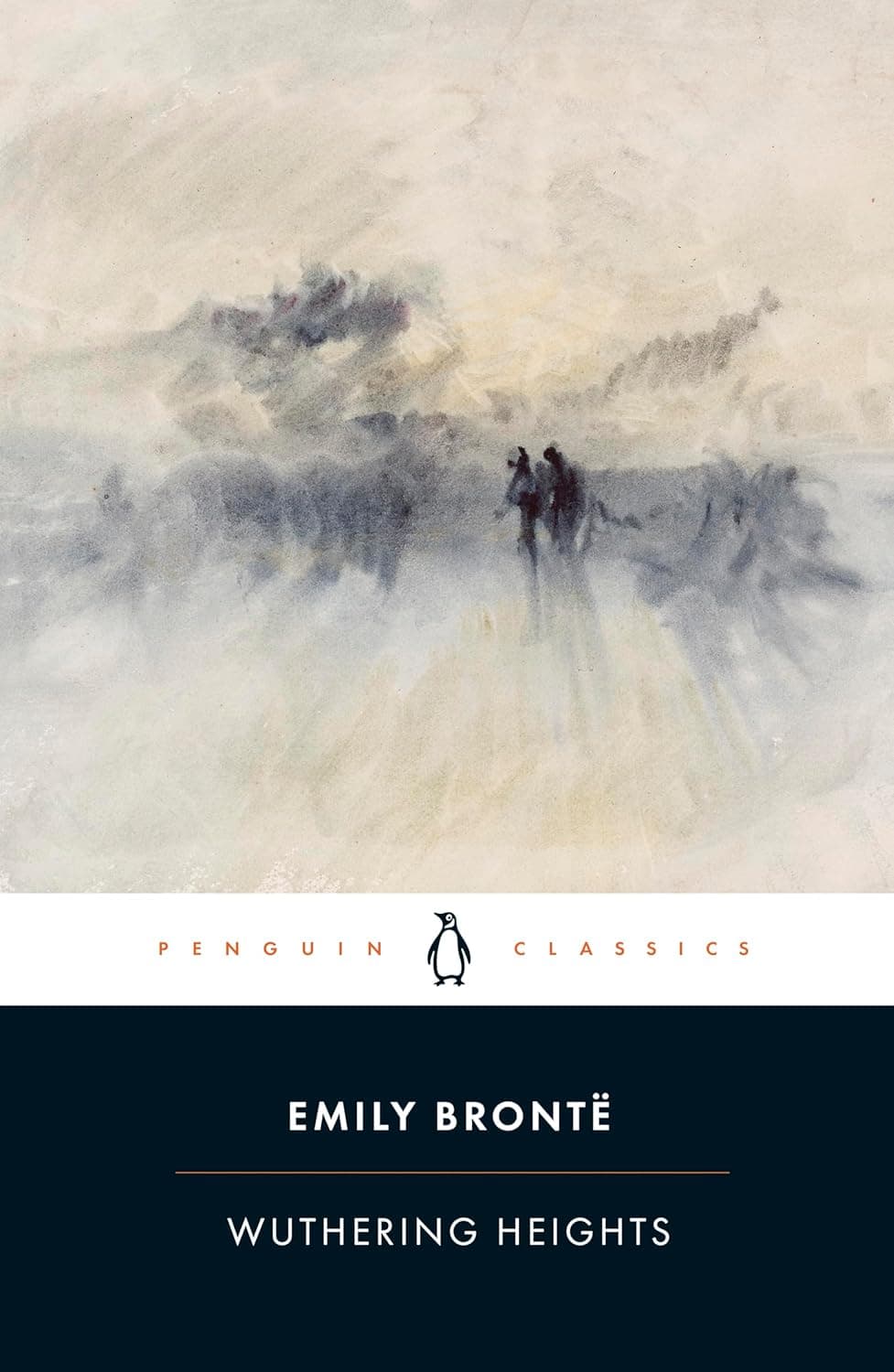
Wuthering Heights
1847 · 353 pages
Heathcliff, a foundling on a Yorkshire farm, spends his life destroying two families over the girl he loves. The poet Rossetti called it a fiend of a book, its action laid in hell.
★ 8.8
 skopia
Heathcliff, a foundling on a Yorkshire farm, spends his life destroying two families over the girl he loves. The poet Rossetti called it a fiend of a book, its action laid in hell.
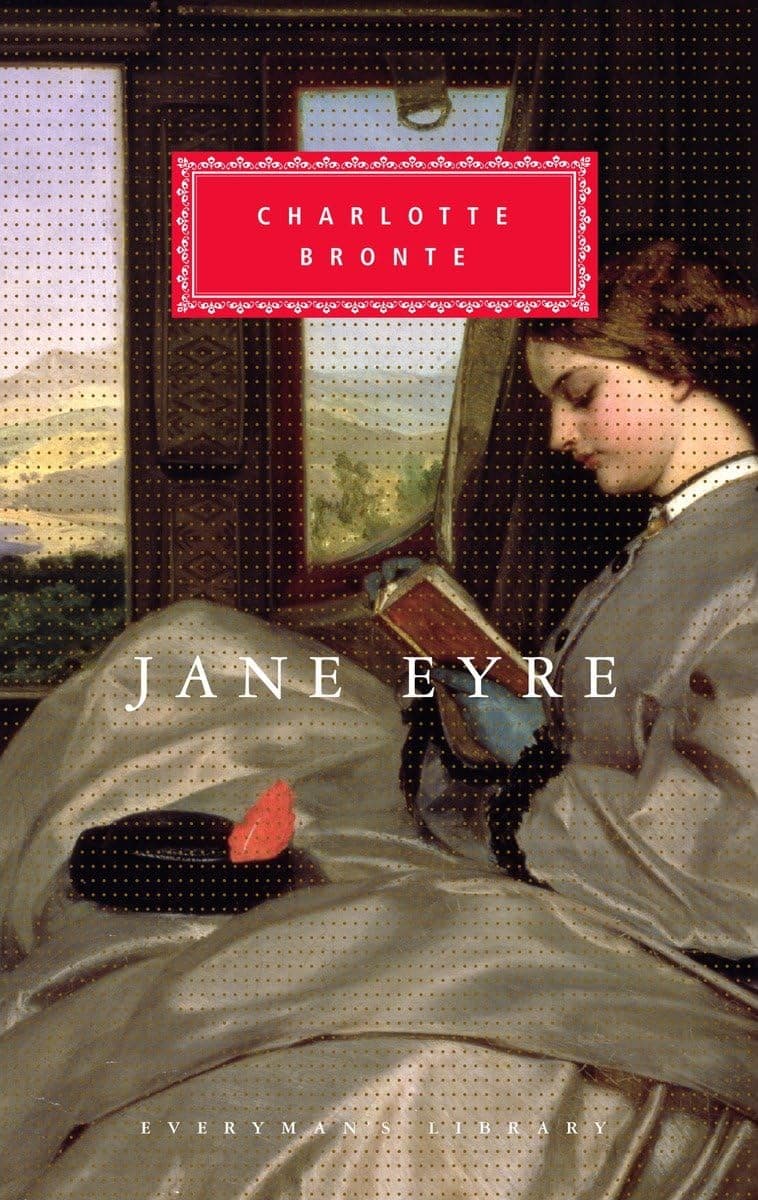
English fiction found its first fierce female voice in Jane, plain and poor and conceding nothing. She survives a brutal charity school, becomes a governess, and loves an employer with a secret.

No foreigner has ever read America this well. Touring the young republic in 1831, Tocqueville found equality rather than liberty the engine of the place, and warned that majority opinion smothers free minds.
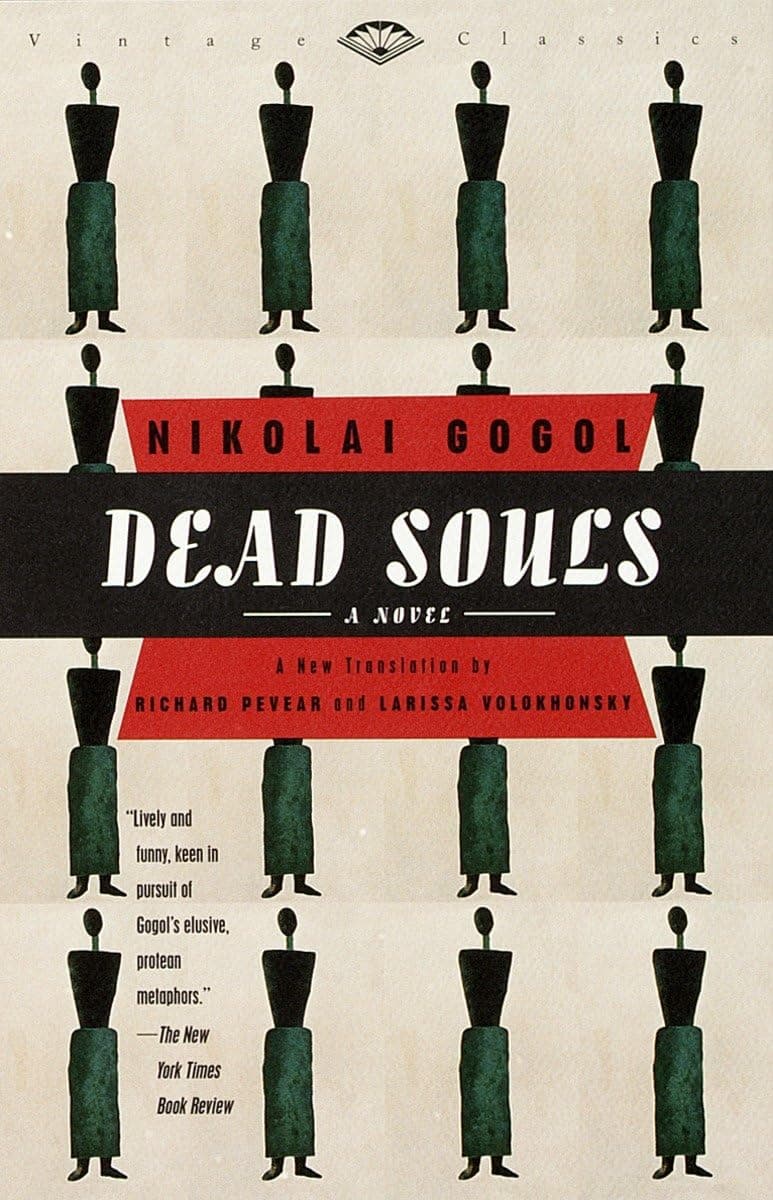
Traveling the Russian provinces, a charming stranger buys serfs who have died but still count on the tax rolls. Gogol's landowners are grotesque and hilarious, and then the laughter turns on you.
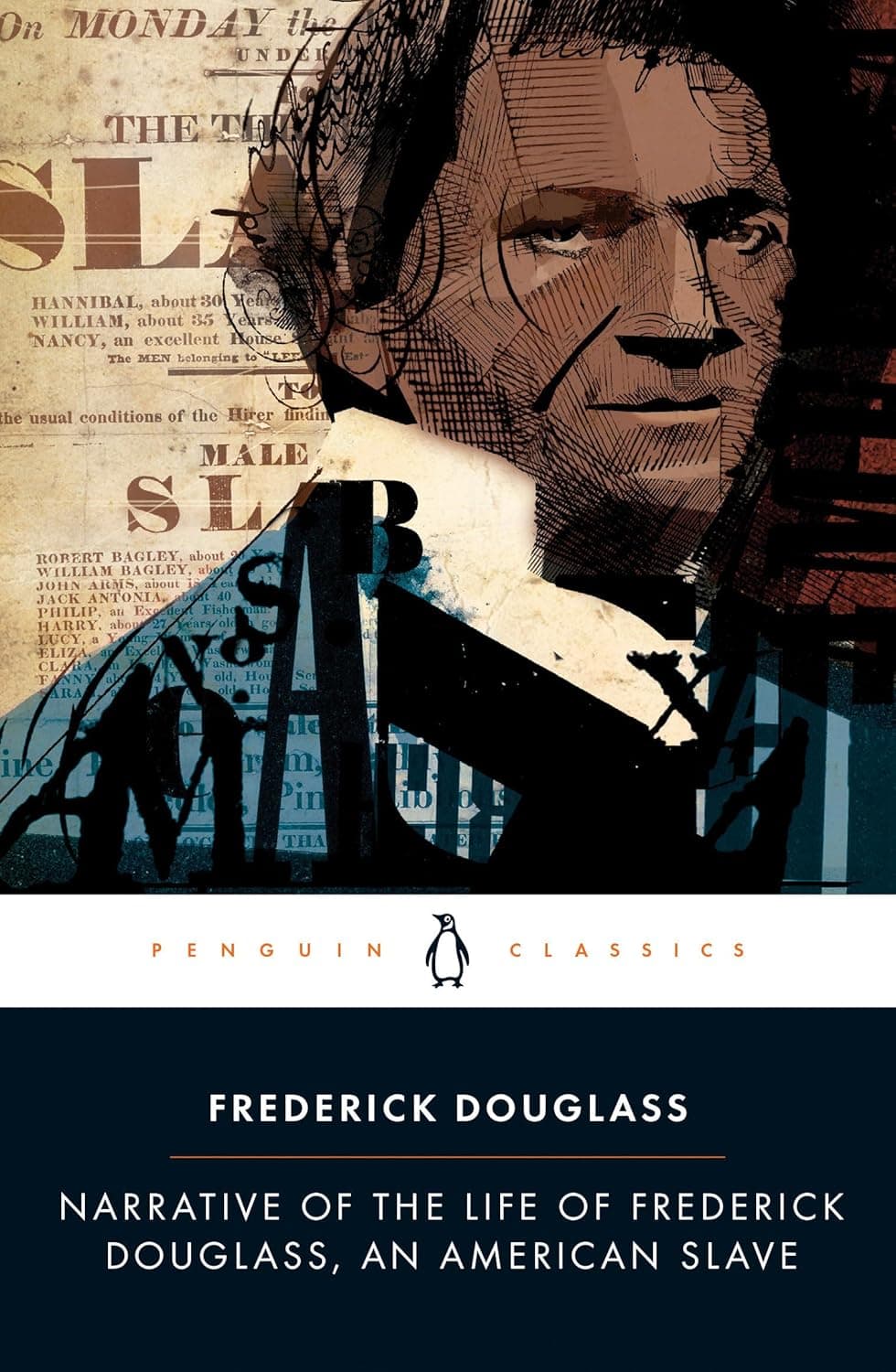
Born into slavery, Douglass taught himself to read in secret, fought the slave-breaker he was hired out to, and escaped. Naming his owners in print at twenty-seven forced him out of the country.

You work a machine you do not own, making something you never see again, and it hollows you out. Marx calls this alienation, and the Manifesto makes it a demand for revolution.

Becky Sharp leaves school with no money and claws her way through English society while her friend Amelia wastes her love on a worthless man. Thackeray spares nobody, and Becky is magnificent company.

Poe invented the detective story and perfected the tale of terror. His narrators wall people up alive, hear a heart beating under the floorboards, and watch a house split apart.
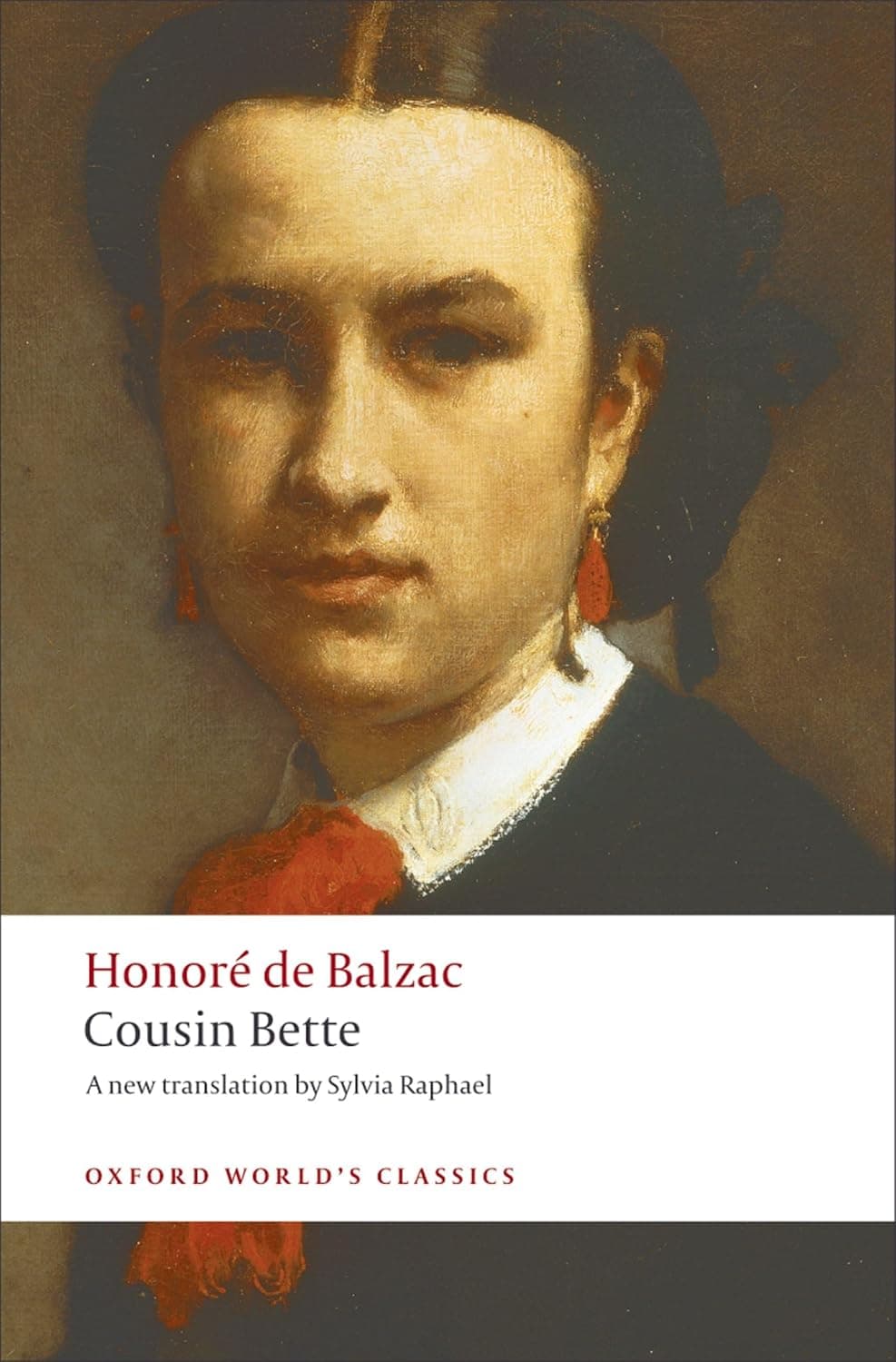
Passed over by her rich relations, a poor spinster sets out to ruin them, helped by a wife who bankrupts men for a living. Balzac makes envy a protagonist and never looks away.

Scrooge hates Christmas until his dead business partner turns up wrapped in chains and three spirits walk him through his own life. The modern Christmas takes its shape from this book.

Abraham climbs the mountain to sacrifice Isaac, and Kierkegaard asks how obedience to God can require a murder. Faith suspends ethics altogether, and the believer cannot explain himself to anyone.
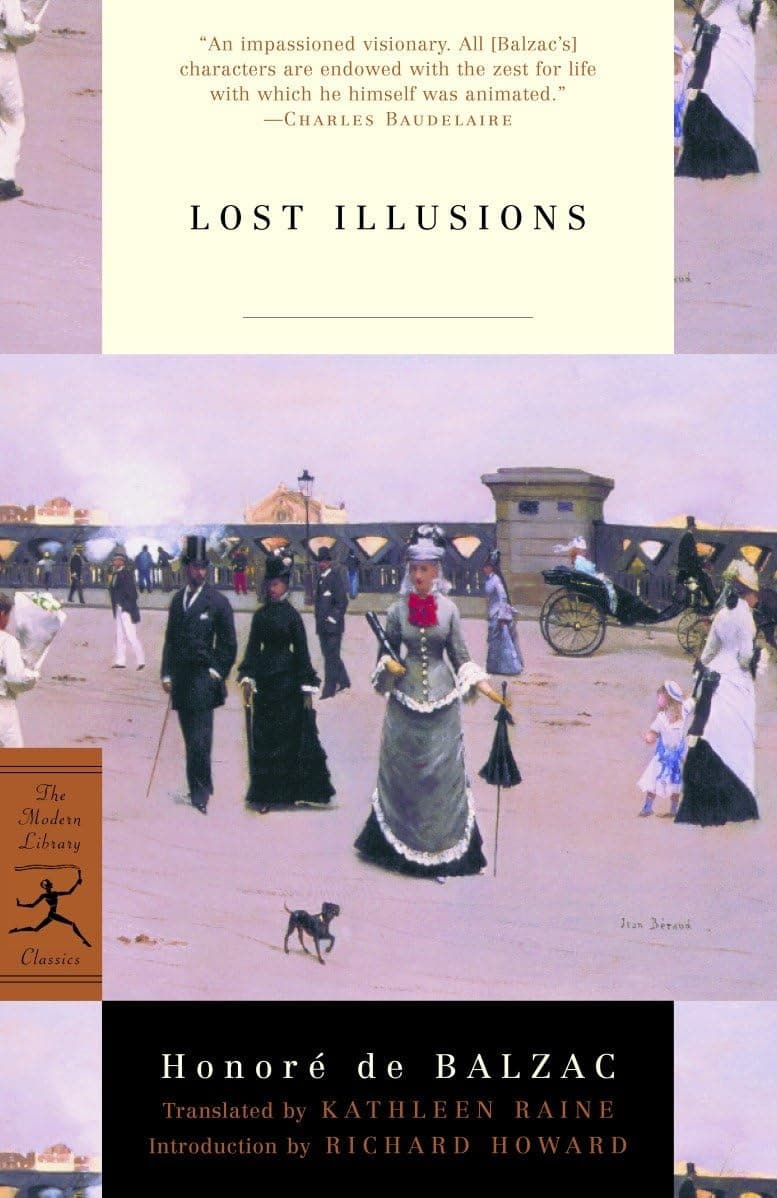
Lucien leaves Angouleme certain his poems will make him famous in Paris, and finds literature there is a trade in favors and paid reviews. Balzac invented the modern story of selling out.
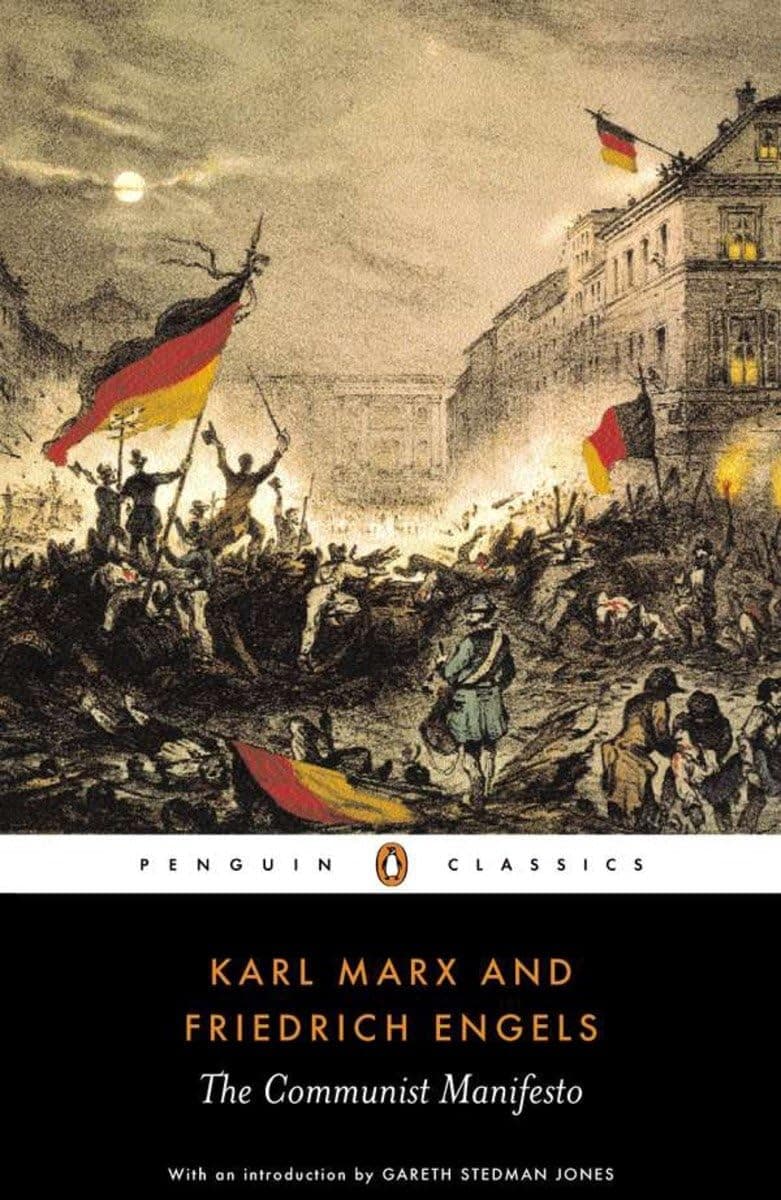
A spectre is haunting Europe, Marx and Engels announce, then read all recorded history as class struggle and hand the workers of the world a program. No pamphlet has moved more people.
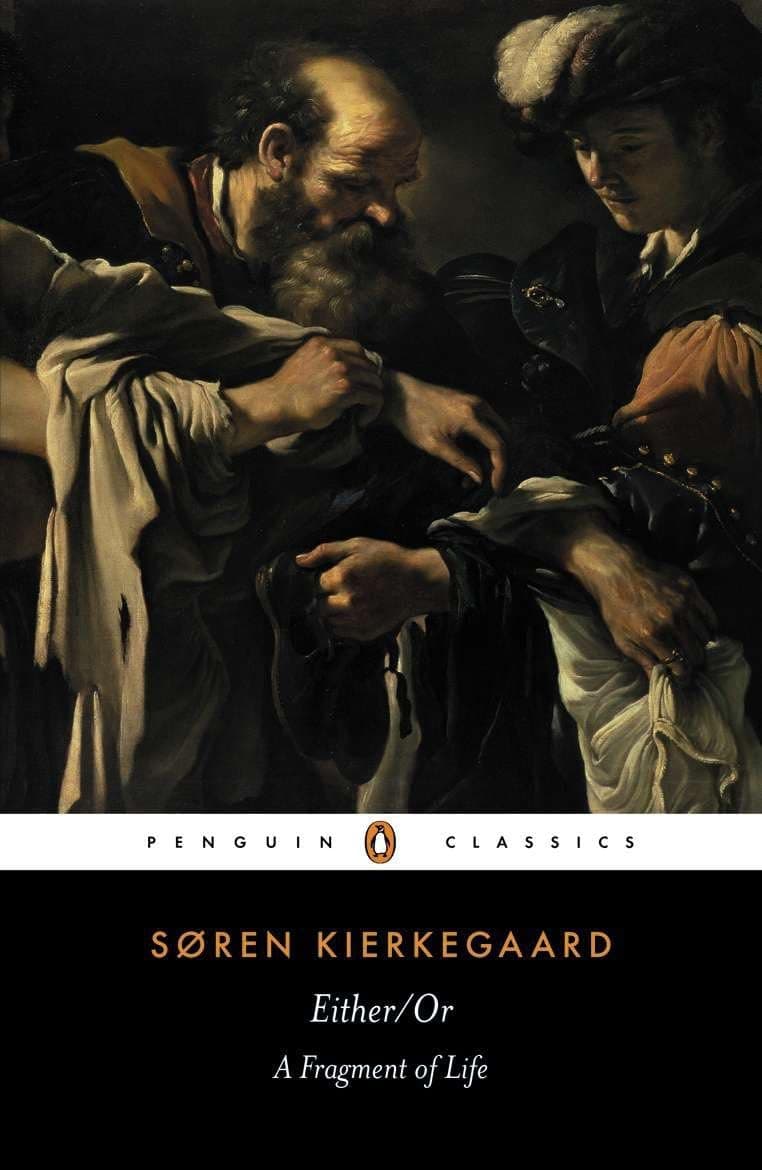
Two ways of living stand side by side, unreconciled: the aesthete who lives for the interesting moment and whose papers include a seducer's diary, and the judge who defends marriage and duty.

Edmond Dantes, a sailor about to marry, is denounced by rivals and buried in an island prison for fourteen years. He returns rich and unrecognizable, and revenge fiction still runs on his design.

Despair, Kierkegaard argues, is not a passing mood but the standing condition of a self refusing to be itself. He catalogs its forms with clinical precision, and the diagnosis reaches everyone.

Pechorin seduces, duels, and wrecks lives across the Caucasus, then records in his diary exactly why he does it. Russian fiction took its habit of merciless self-analysis from this bored young officer.

Arriving in Paris from Gascony, d'Artagnan duels Athos, Porthos, and Aramis into friendship, then serves the queen against Cardinal Richelieu. No adventure novel has ever moved faster or been better company.

Helen Graham bolts her bedroom door against a drunk husband, takes her son, and lives by selling paintings. Victorian reviewers called it coarse and unfit to put in a girl's hands.

Property is theft, Proudhon answered, meaning property that lets one man live off another's labor. Nobody had called himself an anarchist before, and his quarrel with Marx still splits the left.