
Hamlet, Prince of Denmark
1603 · 406 pages
Hamlet's father appears as a ghost and demands revenge, and the prince spends the play failing to take it. Four centuries of readers have found their own divided minds in his hesitation.
★ 9.9
 skopia
Hamlet's father appears as a ghost and demands revenge, and the prince spends the play failing to take it. Four centuries of readers have found their own divided minds in his hesitation.

God makes the world, loses the people in it, and spends the rest of the book getting them back. The English of this translation is the English later writers have had to answer.
An old king divides his kingdom by asking his daughters how much they love him, and the truthful one says least. Shakespeare wrote nothing bleaker, and the last scene is unbearable.
An old man reads himself mad on chivalry, names himself a knight, and rides out with a farmer for a squire. Four hundred years on the book is still hilarious and still heartbreaking.
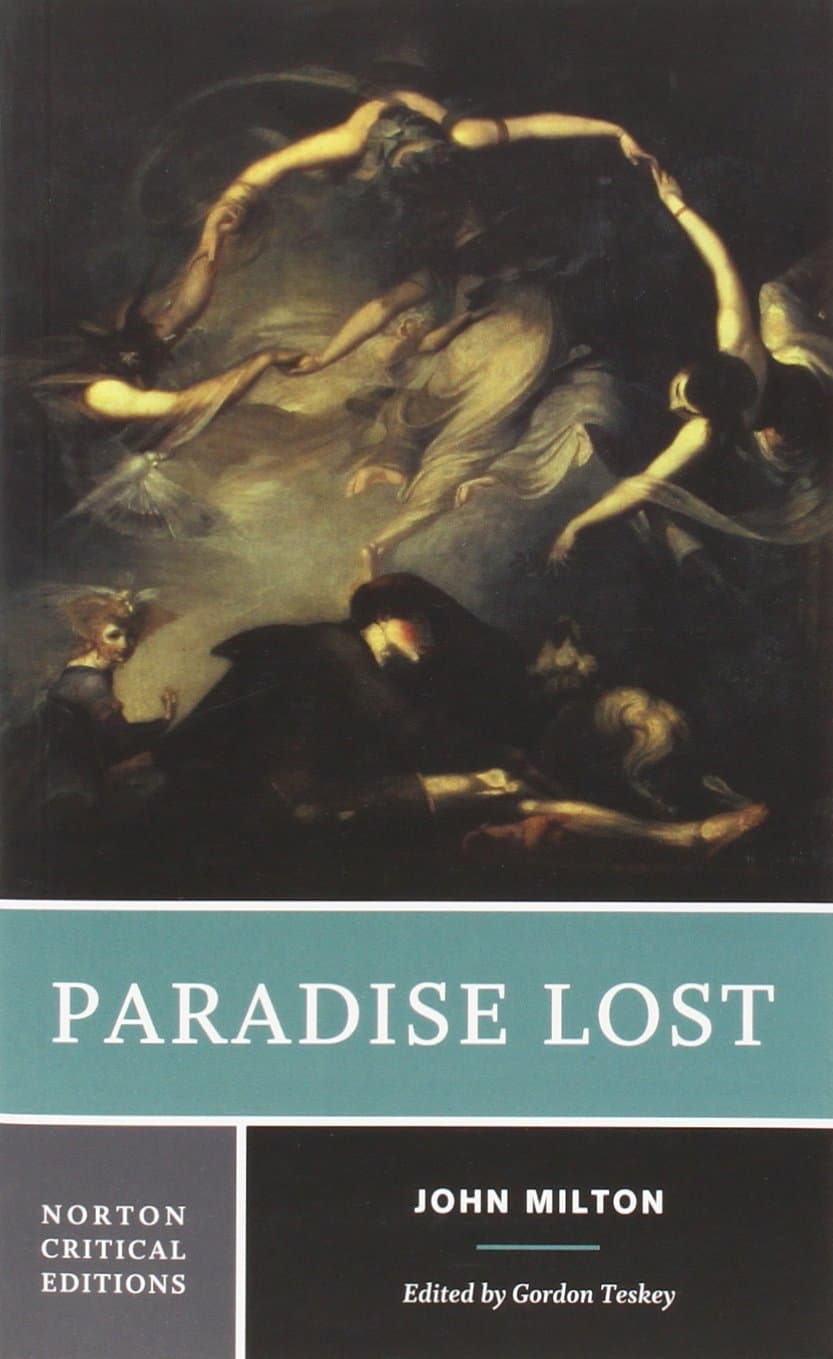
Satan rebels in heaven, loses, and comes for the first two people. Milton meant to justify God and produced a devil so magnificent he nearly walks off with the greatest poem in English.
Witches promise a soldier the crown, and he and his wife murder their way to it. Shakespeare's shortest tragedy moves like a nightmare, and the guilt arrives before the blood dries.
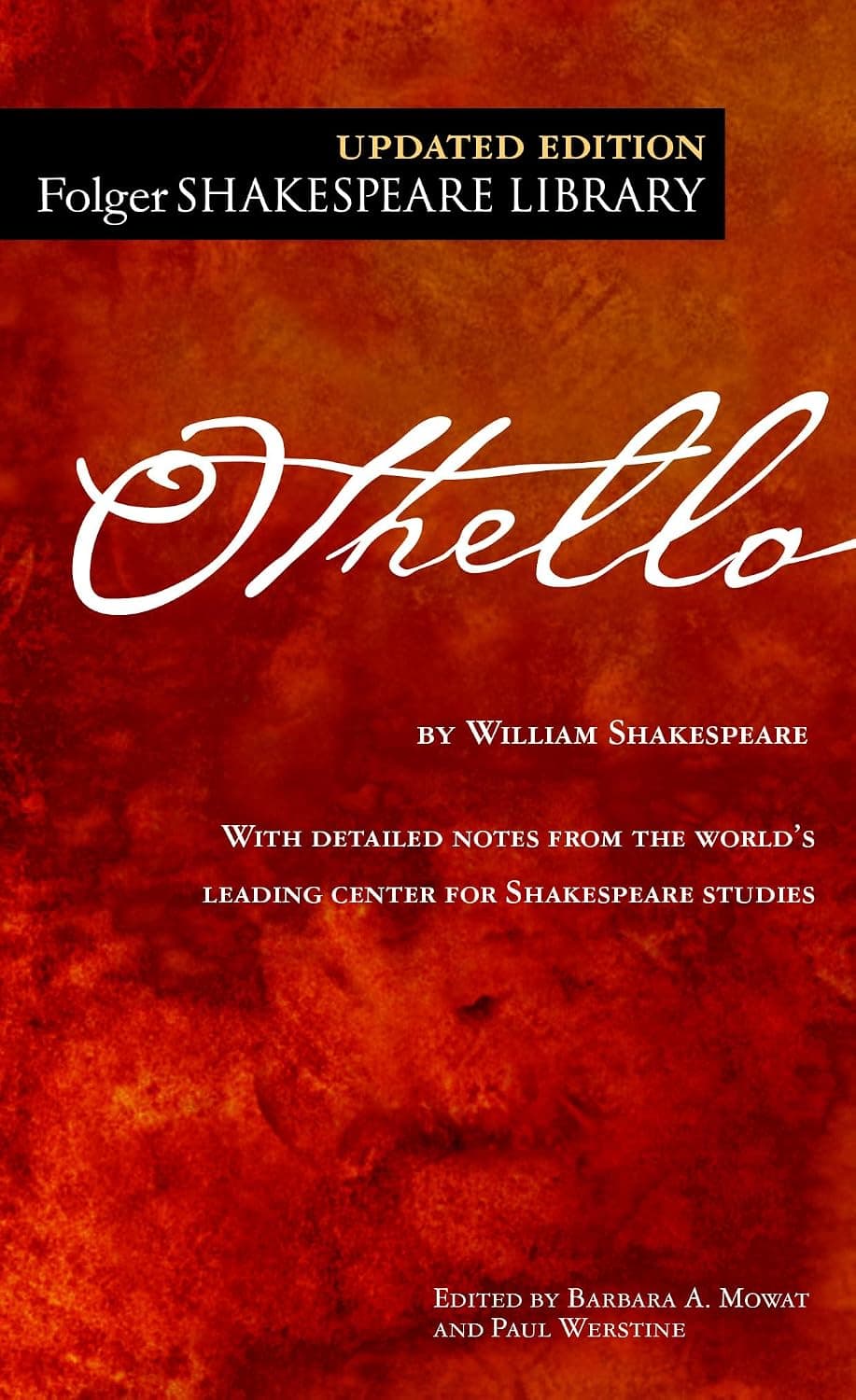
Iago tells the audience exactly how he will destroy his general, then does it with a handkerchief and patient lying. His reasons never explain it, and watching Othello believe him is agony.
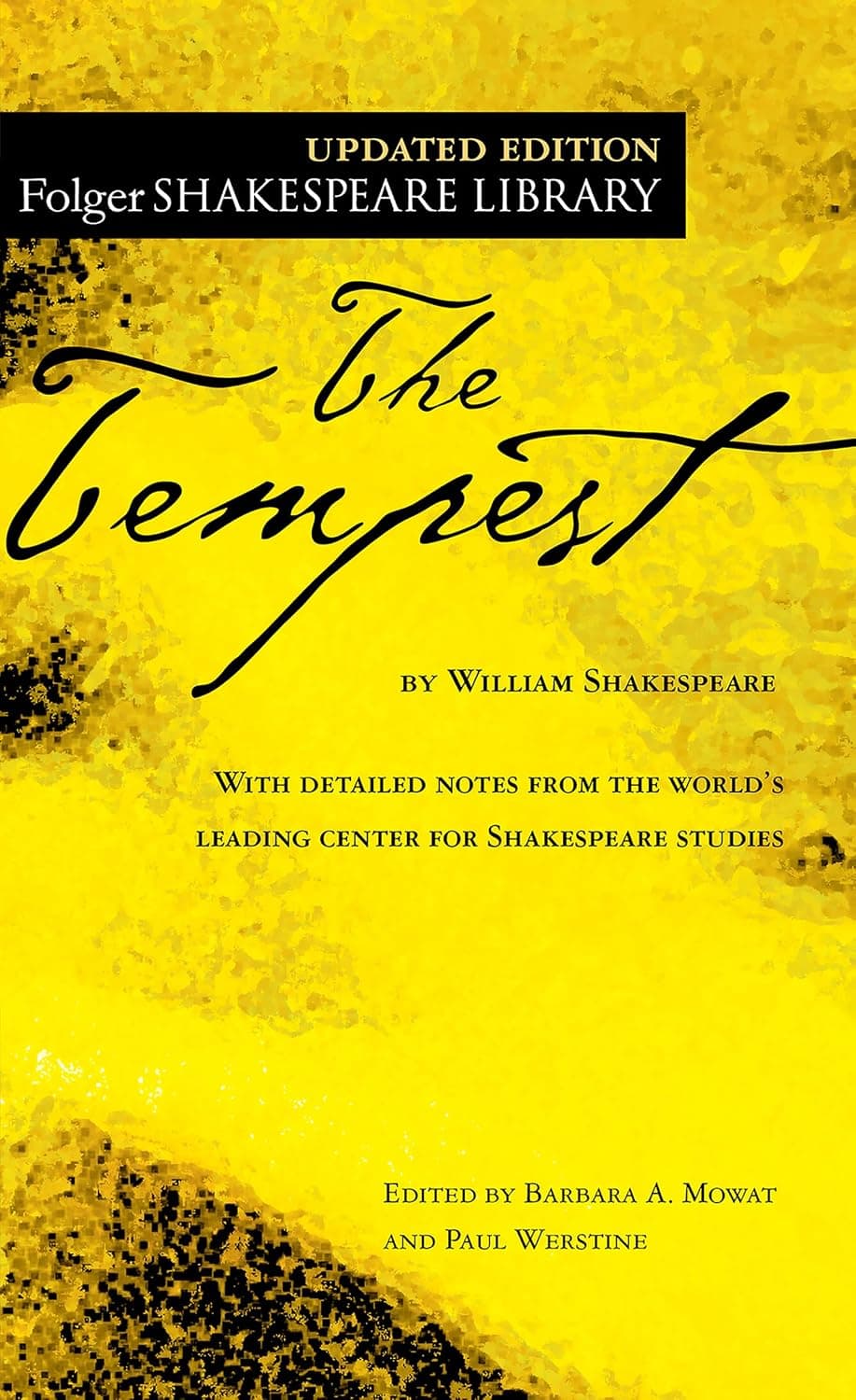
Prospero raises a storm to strand the men who stole his dukedom on an island where a spirit and a monster obey him. What he does with that power reads as Shakespeare's farewell.
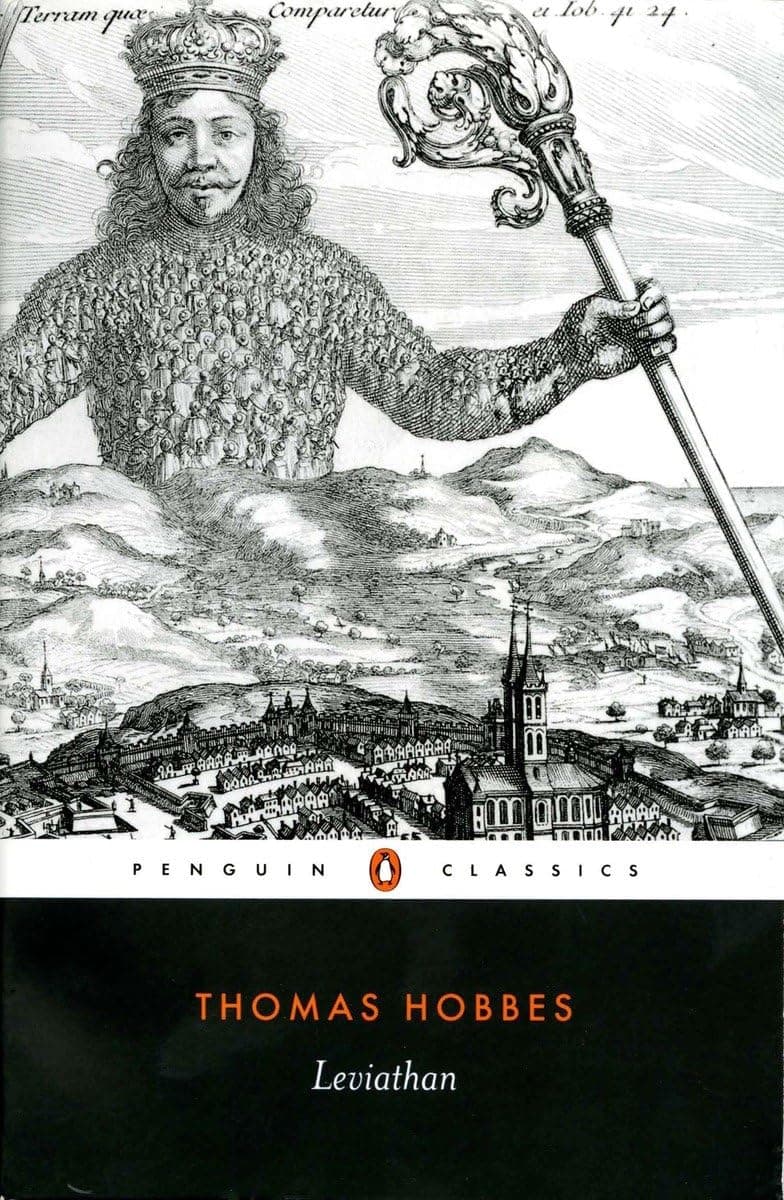
Strip away the state, Hobbes argues, and life becomes a war of everyone against everyone, nasty, brutish, and short. The remedy is to hand all our power to one sovereign.

Descartes sits by a fire and doubts everything, down to whether a demon feeds him the world. What survives is the thinking, and philosophy has argued from there ever since.
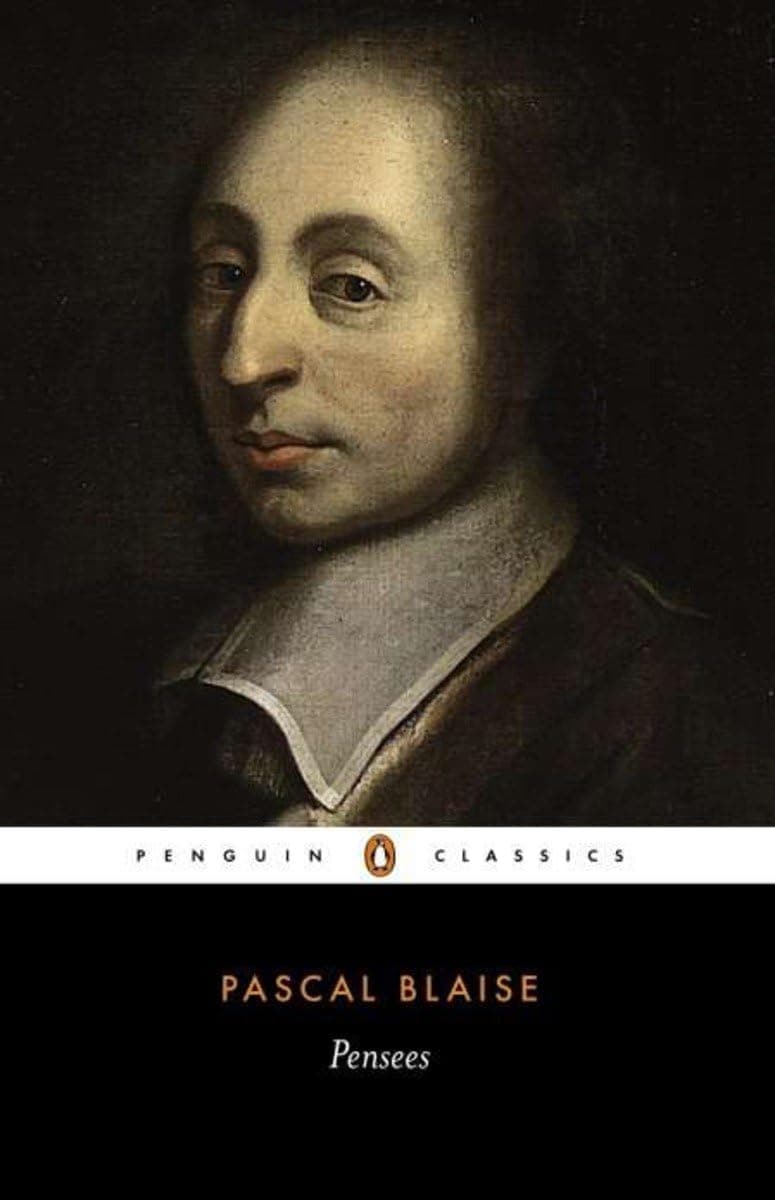
You are already betting on whether God exists, Pascal says, since refusing to choose is a choice. Around that wager sit fragments on why no one can sit alone in a room.
Bacon names four idols that warp human thinking: our species, our upbringing, our sloppy words, and the philosophies we inherit. Clear them away, gather evidence patiently, and nature gives up its secrets.

People are born free and equal, Locke argues, own what their labor makes, and create government by consent. One that breaks the trust may be thrown out. Jefferson took the argument whole.
Spinoza proves, in numbered propositions, that God and nature are one substance and that everything follows from it as necessarily as a theorem. Freedom is understanding that necessity, not escaping it.
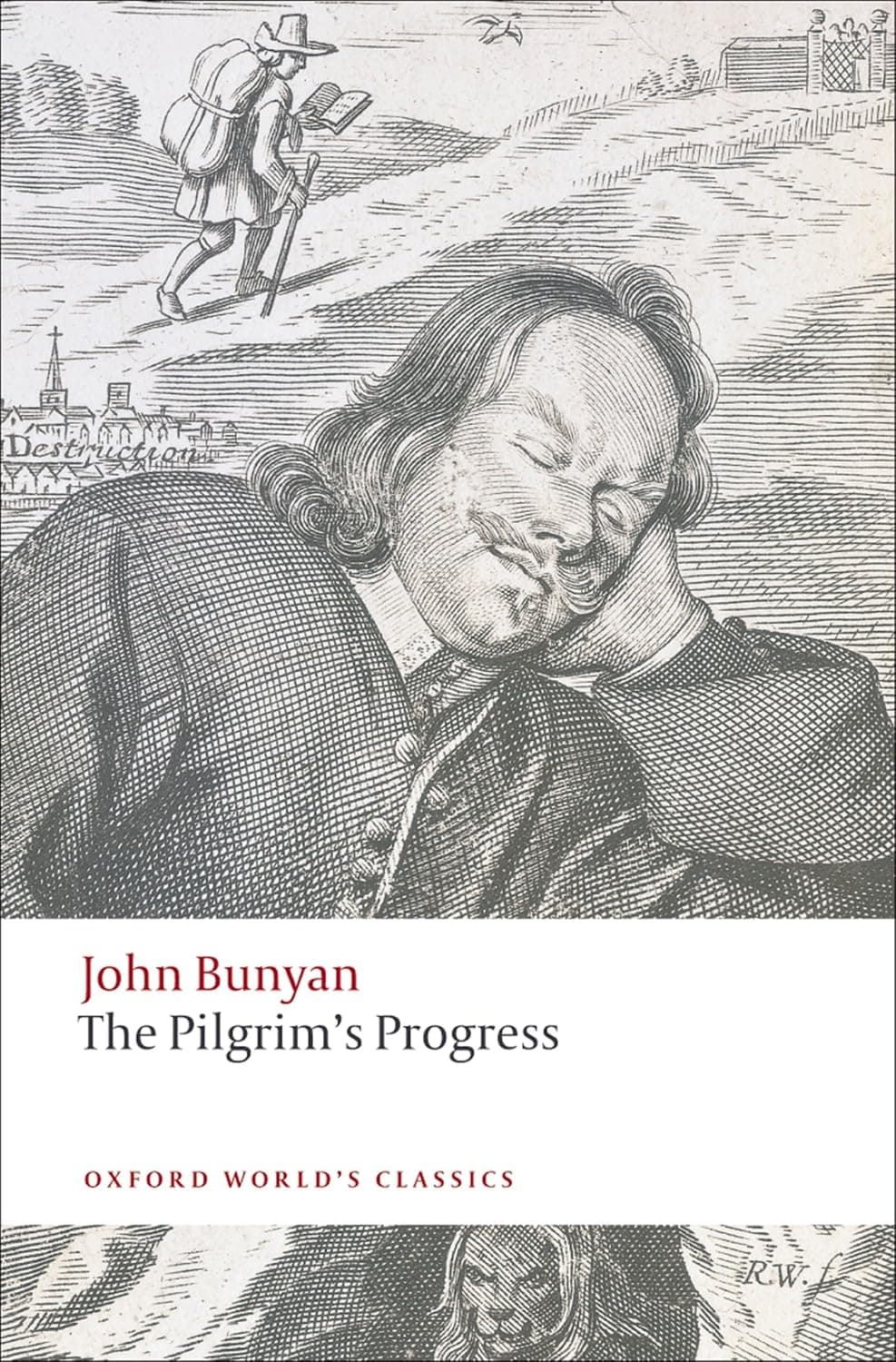
Christian sets out with a burden on his back toward the Celestial City, through the Slough of Despond and Vanity Fair. For two centuries only the Bible was read more widely in English.

Phaedra confesses she wants her stepson, a father is ordered to sacrifice his daughter for a favorable wind, and a hidden boy threatens a usurping queen. Racine packs this into polite rhymed couplets.

Melancholy comes from everything, the Oxford scholar Robert Burton concludes, from diet and air to love and religion. A thousand pages of quotation follow, and his one prescription is not to be idle.

Don Juan seduces, dodges his creditors, and believes in nothing, while his servant argues feebly for God and a stone statue accepts an invitation to dinner. Moliere never wrote anything more dangerous.

Nothing is in the mind at birth, Locke says. It is blank paper, and everything you know arrives through the senses or through watching your mind work. British empiricism runs out from there.

Good sense is the most equally distributed thing in the world, Descartes begins, then shows how to use it: doubt all you can, divide each problem, and rebuild only on what survives.