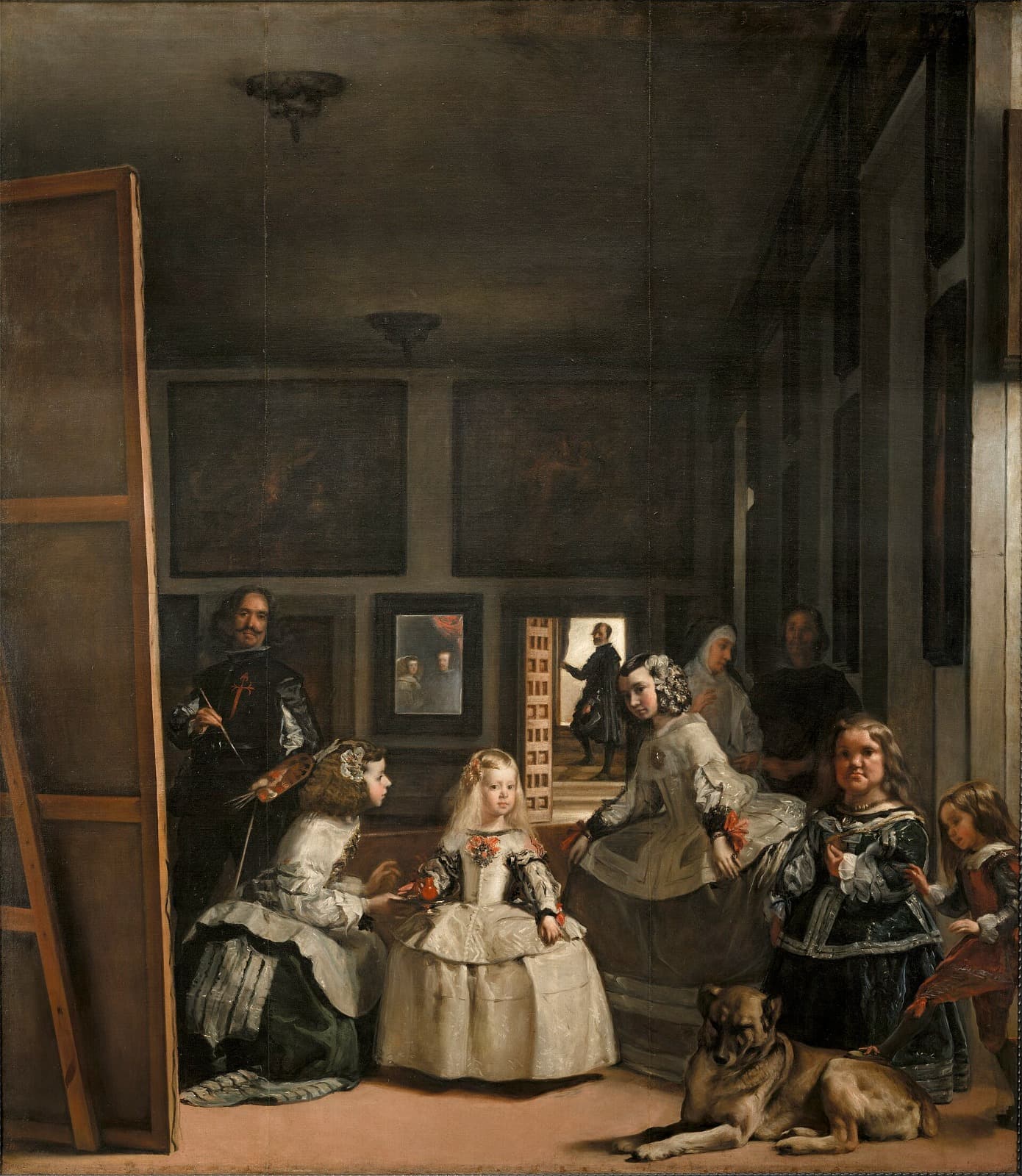
Las Meninas
1656 · El Prado, Madrid
The Infanta and her maids fill the room, but Velázquez has put himself at his easel and the king and queen in a mirror behind.
★ 9.8
 skopia
The Infanta and her maids fill the room, but Velázquez has put himself at his easel and the king and queen in a mirror behind.
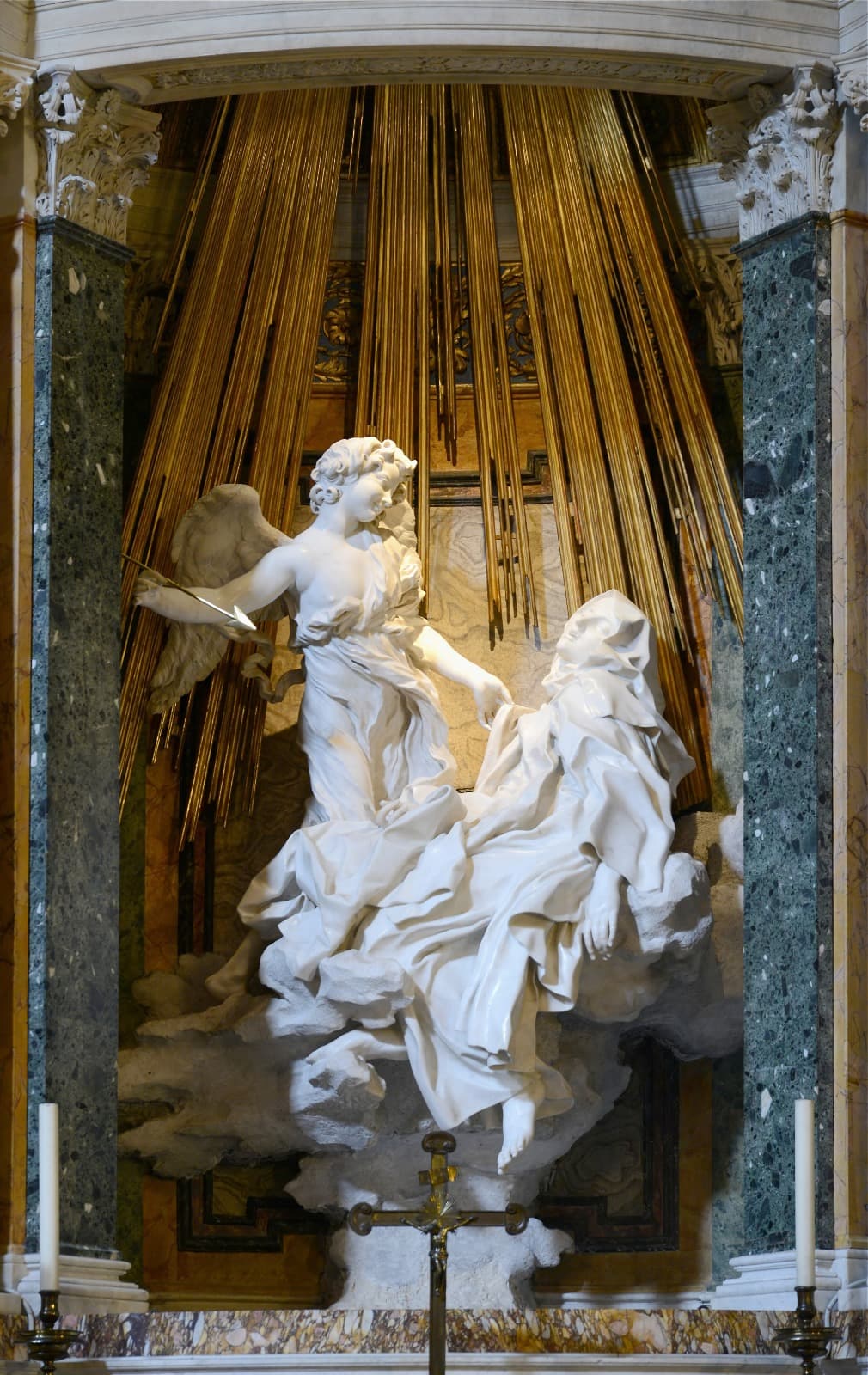
Bernini staged the saint's own account of her vision as theater, lit from a window he hid above and watched by marble spectators in boxes.
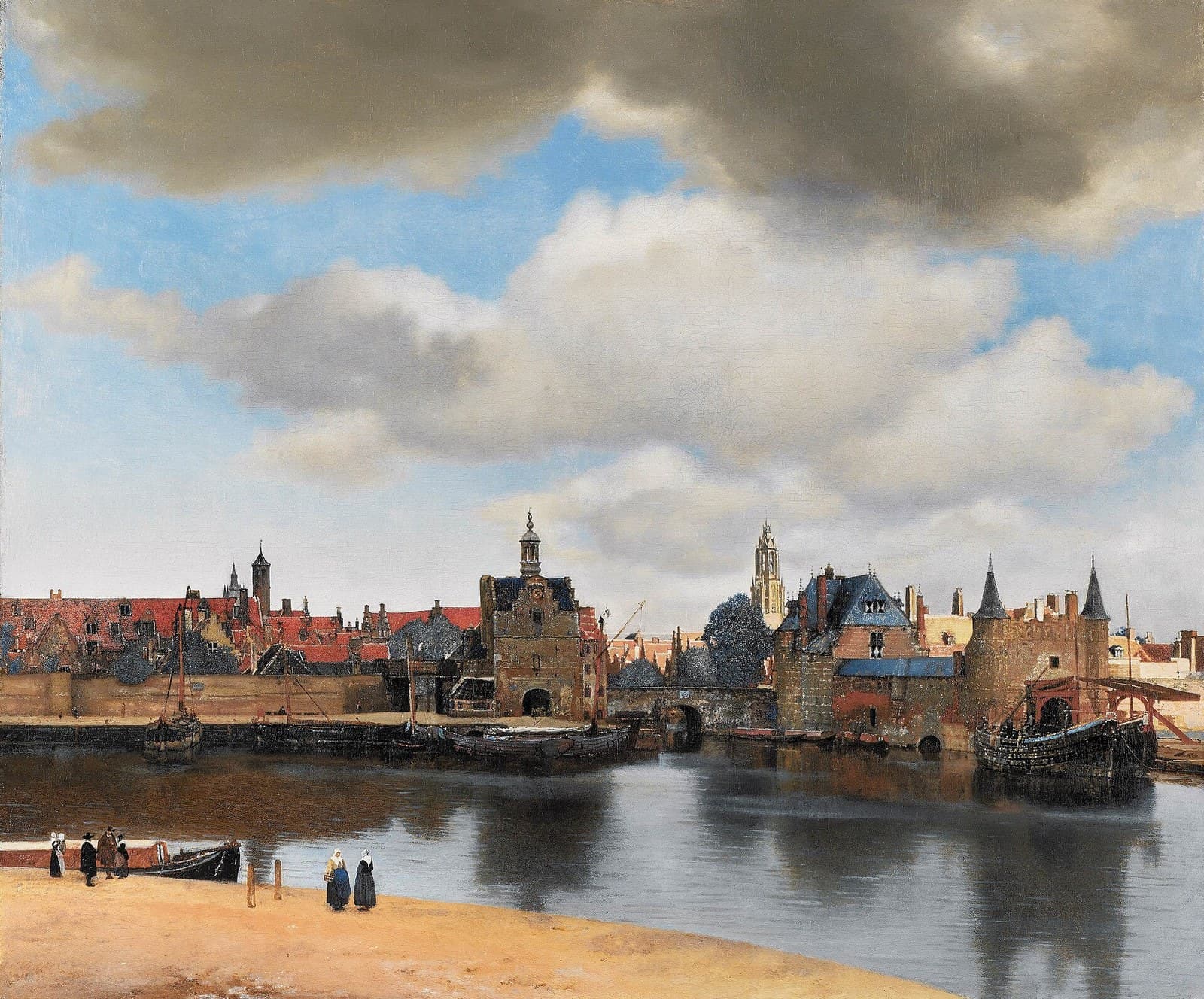
Vermeer painted his own city from across the harbor, almost his only townscape. Proust called it the most beautiful painting in the world.

A militia company surges out of the shadow with a dog barking and a girl glowing among the men. Varnish, not night, made it dark.

Bernini was in his mid-twenties when he cut this, catching Daphne at the moment bark closes over her thigh and leaves push from her fingers.

Judith and her maid hold Holofernes down together and work the blade through his throat. Artemisia painted it a decade after her rape trial.

Rembrandt was twenty-five and new in Amsterdam when the surgeons' guild hired him, and he built every head in the room around one lifted tendon.

The Spanish general stops the defeated Dutchman from kneeling and lays a hand on his shoulder. Spaniards still call the picture The Lances.

Velázquez caught every wary line in the pope's face, and Innocent reportedly said it was troppo vero, too true. Francis Bacon reworked it for years.

The son kneels with his shorn head against his father's chest and the old man's hands come down on his back. Rembrandt painted it near death.

Not a portrait of anyone in particular but a tronie, a study of a type, which somehow made her the most looked-at girl in art.
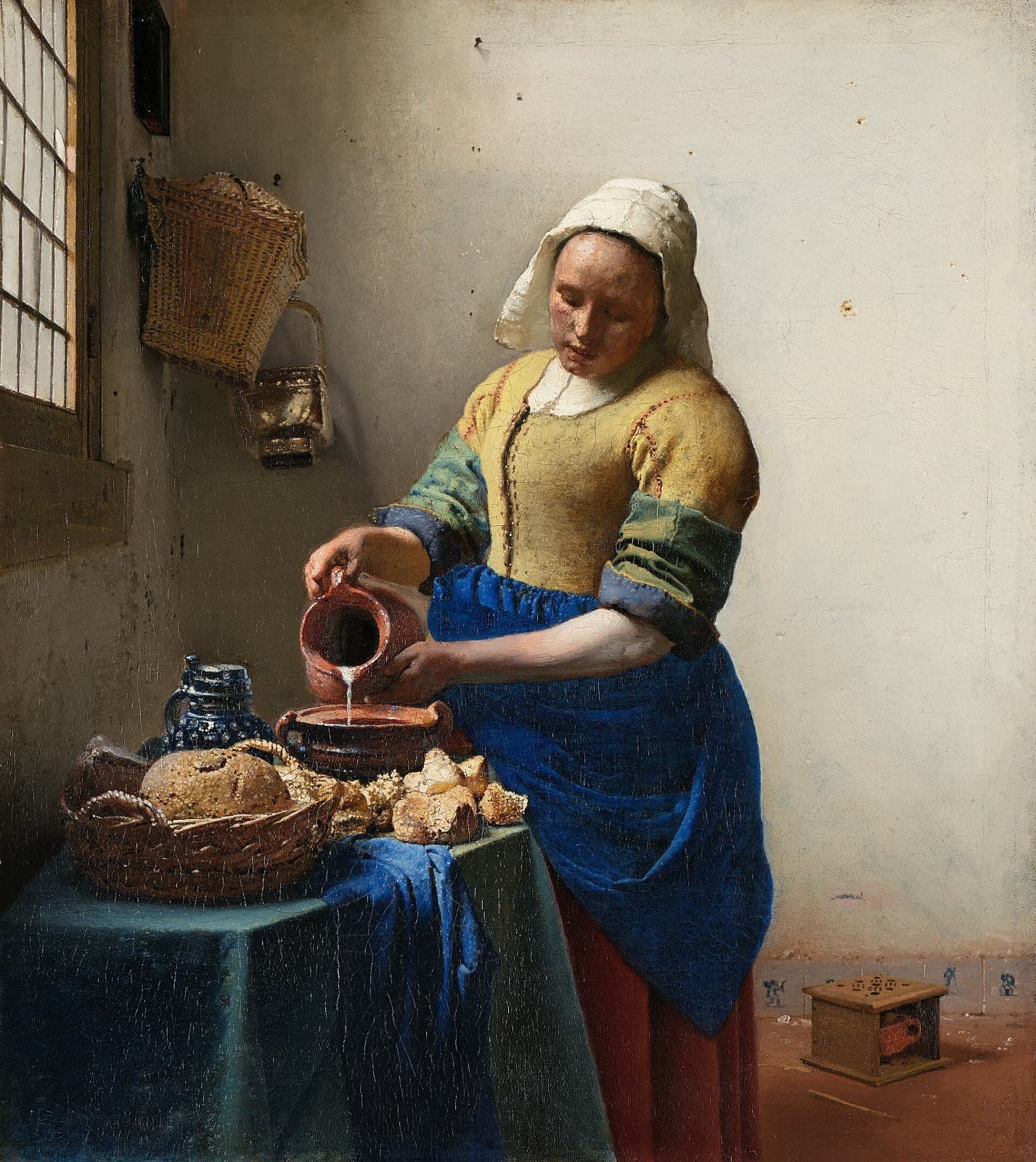
A kitchen maid pours a thin stream of milk in ordinary daylight, given the weight and stillness usually reserved for saints.

Christ's body slides down one long diagonal onto a white shroud. It still stands on the altar in Antwerp Cathedral that Rubens painted it for.

The only canvas Caravaggio ever signed, and he signed it in the blood running from the saint's throat, for the knights of Malta.

Caravaggio's first attempt at the subject, turned down by the patron, before he threw out the angels and left one man, one horse and the light.
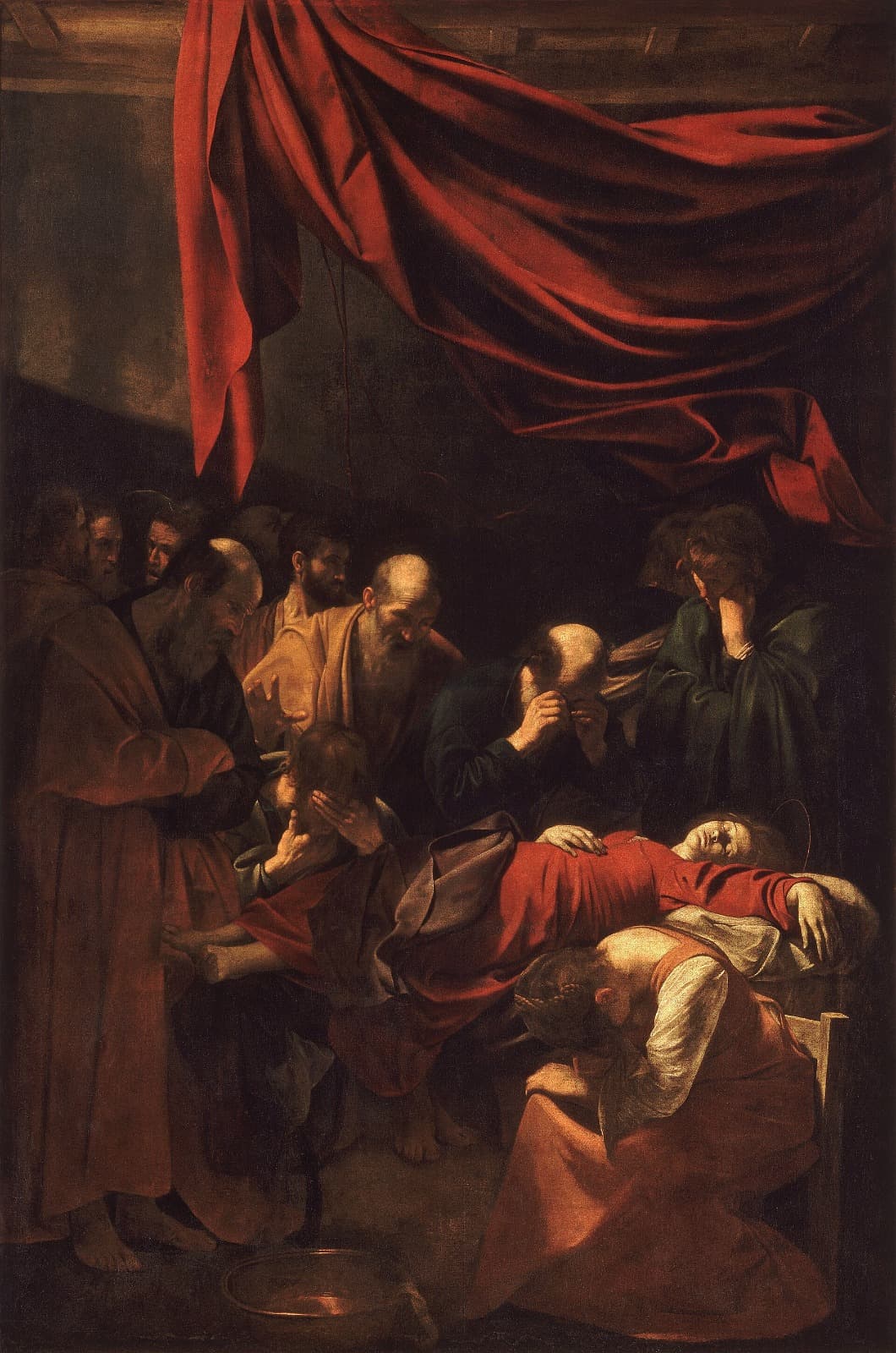
The Virgin lies barefoot and swollen like any corpse. The church that ordered it refused delivery, and Rubens told his duke to buy it.
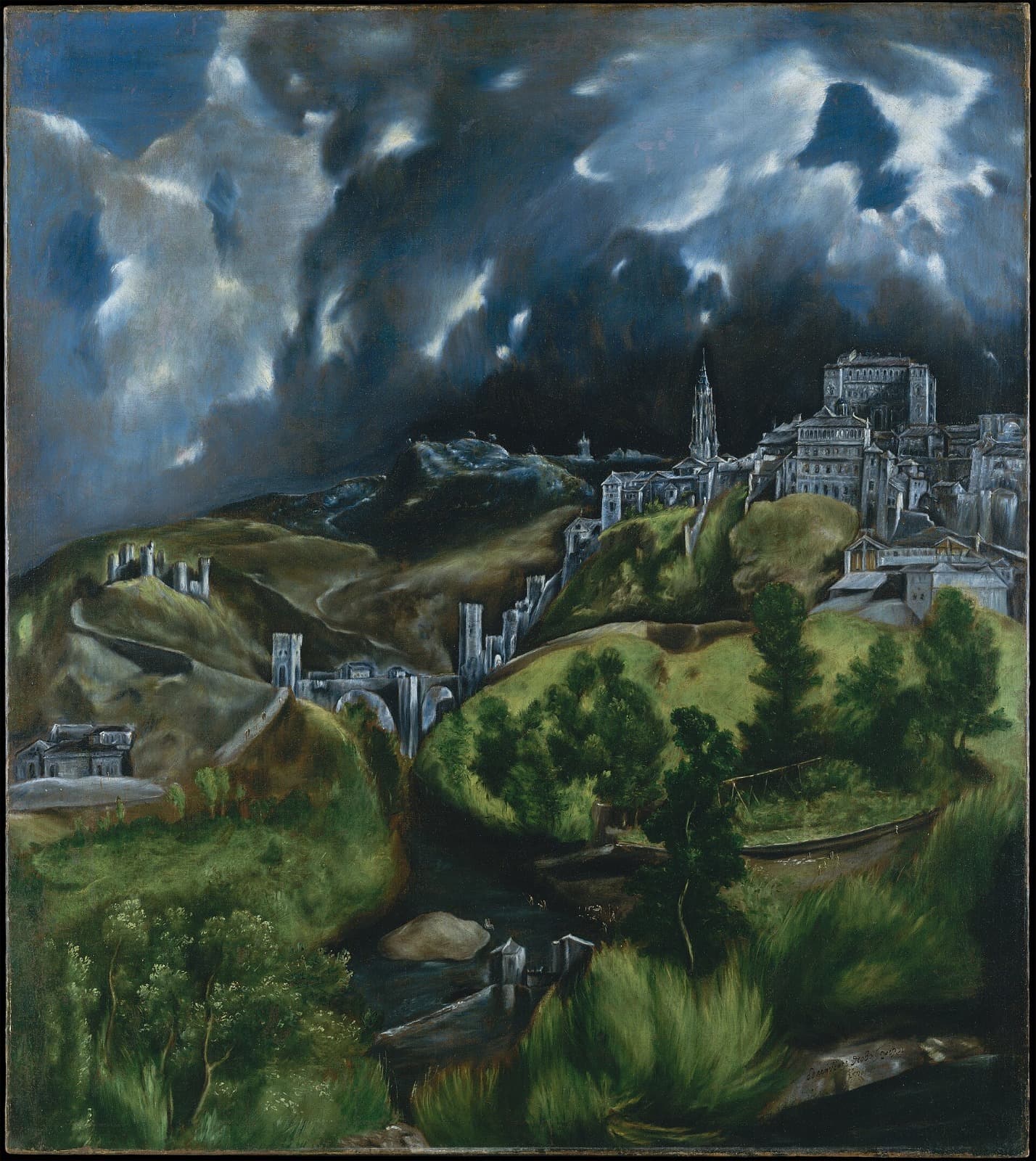
El Greco moved the cathedral tower off its real site for the sake of the composition and lit the whole city with a green storm.
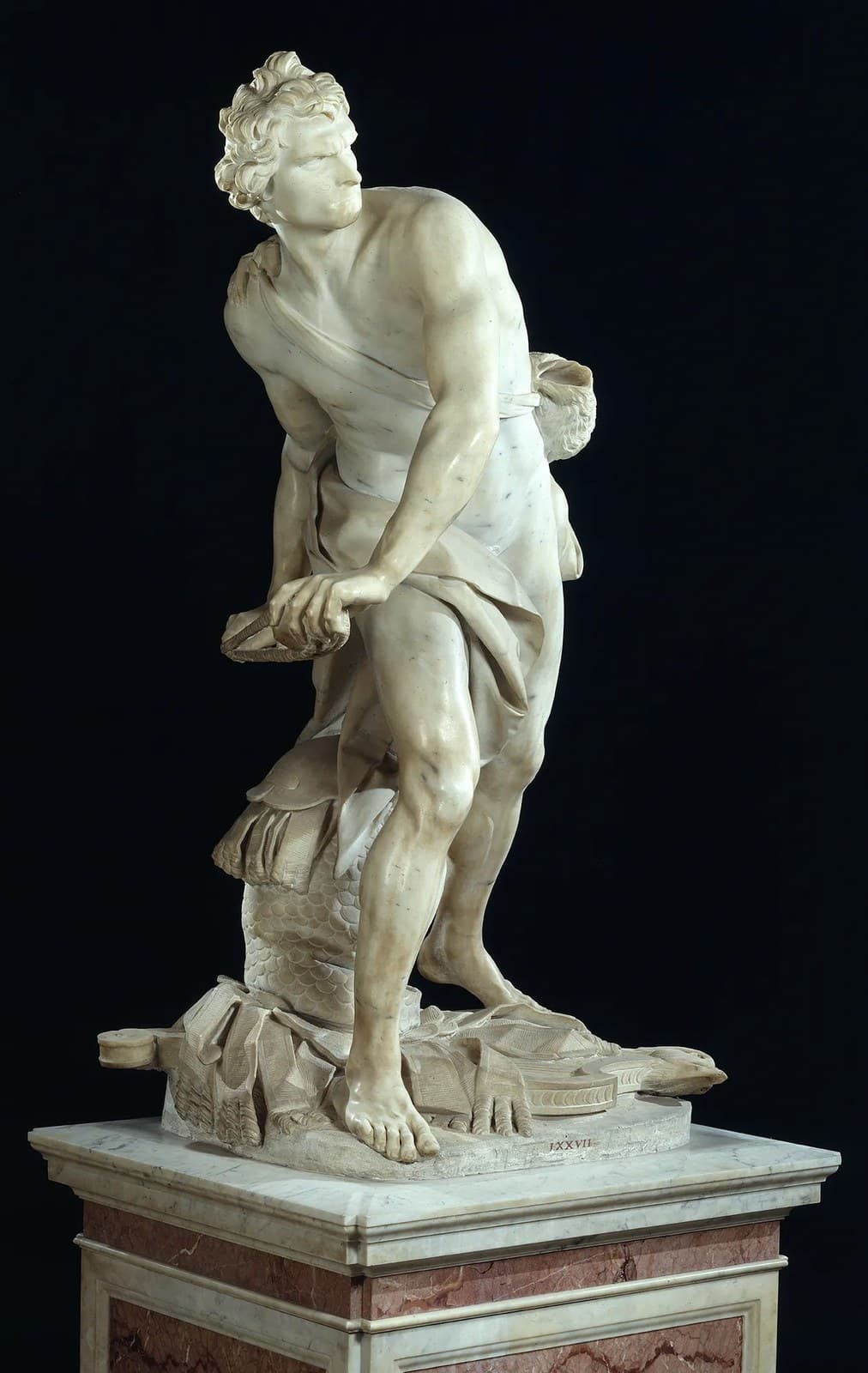
Bernini put the viewer where Goliath must be standing, so the sling is being wound up to throw straight past your head.

Vermeer never sold this one. The model poses as Clio, muse of history, with a great map of the Netherlands filling the wall behind.

The two gods hurtle in from opposite edges and Sotatsu leaves the whole middle empty, so the bare gold reads as sky.