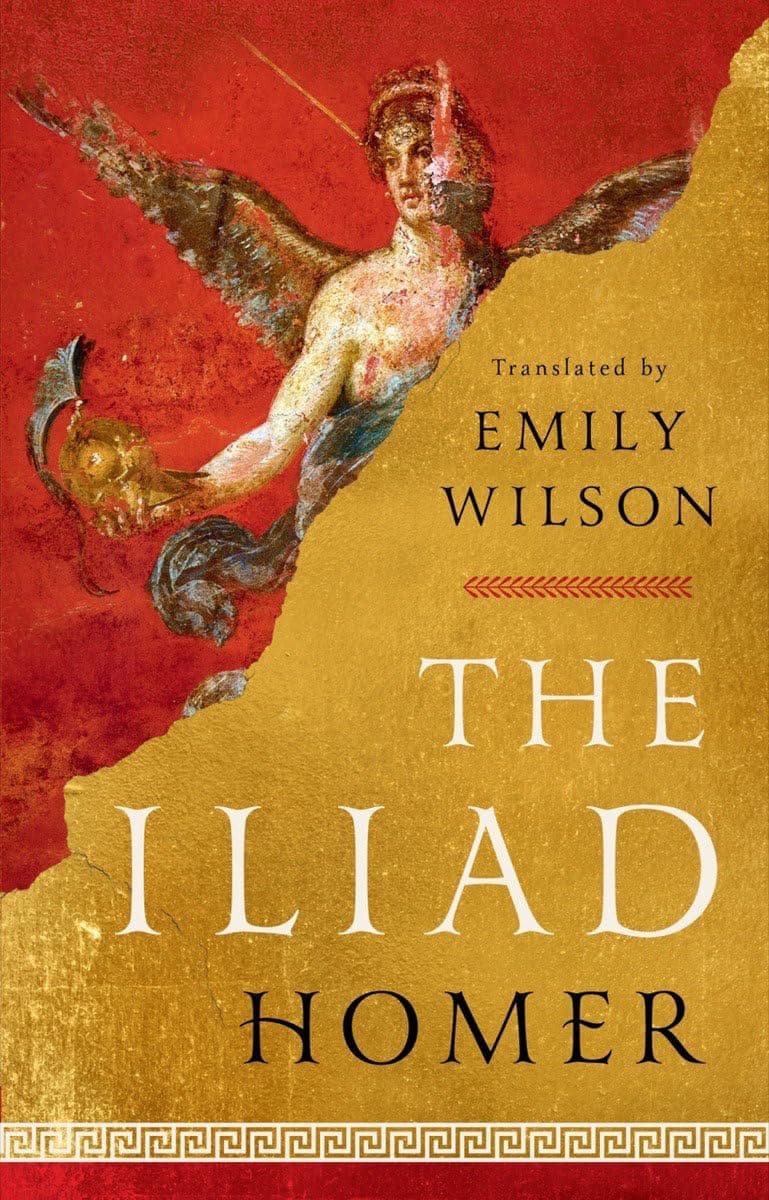
The Iliad
750 BC · 848 pages
Achilles withdraws from the fighting over a stolen prize and his friends die outside Troy for it. Nothing written about war since has matched Homer's fury, or the mercy of the final scene.
★ 9.9
 skopia
Achilles withdraws from the fighting over a stolen prize and his friends die outside Troy for it. Nothing written about war since has matched Homer's fury, or the mercy of the final scene.

Hamlet's father appears as a ghost and demands revenge, and the prince spends the play failing to take it. Four centuries of readers have found their own divided minds in his hesitation.
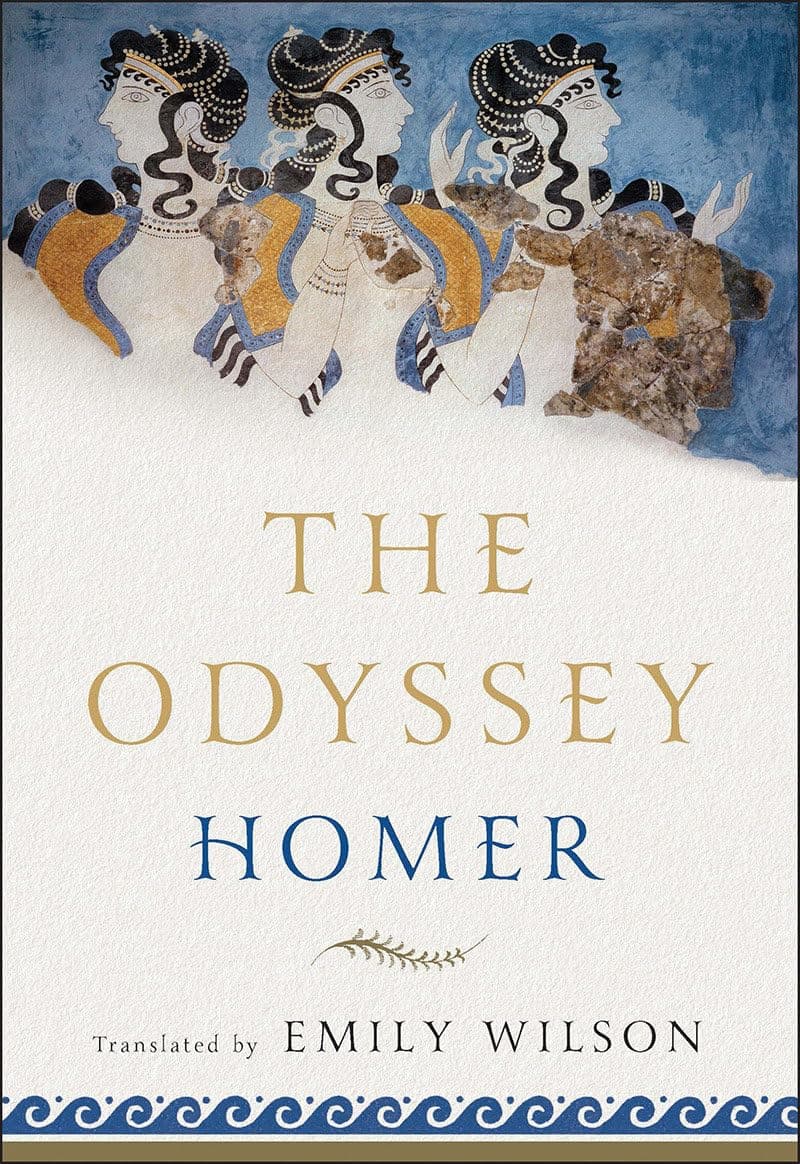
Ten years of storms, monsters, and a goddess who will not let him go stand between a soldier and his own front door. Every adventure story since descends from Odysseus.

Five families carried through Napoleon's invasion of Russia, with battle, marriage, farming, and a theory of history held in one design. You finish it knowing these people better than your own friends.
An old king divides his kingdom by asking his daughters how much they love him, and the truthful one says least. Shakespeare wrote nothing bleaker, and the last scene is unbearable.
An old man reads himself mad on chivalry, names himself a knight, and rides out with a farmer for a squire. Four hundred years on the book is still hilarious and still heartbreaking.
Leopold Bloom walks Dublin for one day in June 1904, and Joyce pours the whole English language into it. Bloom, advertising canvasser and cuckold, is the kindest man in fiction.

The most complete account of memory ever written. A man tastes a madeleine, and three thousand pages of remembered love, jealousy, and vanished aristocrats change permanently how you look at your own past.

Old Karamazov is murdered and each of his three sons had reason. Around the crime Dostoevsky stages the fiercest argument fiction has ever made about God and the suffering of children.
Anna leaves her husband for a young officer while, in the other half of the book, Levin farms and marries and worries about God. Tolstoy gives both lives the same total sympathy.

Raskolnikov murders a pawnbroker to prove he stands above ordinary morality, then comes apart as a magistrate circles him. It reads like a thriller and works like a confession.
Dorothea Brooke marries a dry scholar for the wrong reasons and a gifted doctor lets small compromises close around him. Eliot knows more about how people actually fail than any English novelist.
Elizabeth Bennet and Darcy dislike each other on sight and spend the novel being wrong. Austen wrote conversation better than anyone in English, and readers return to it their whole lives.
Emma Bovary reads romances, takes lovers, and runs up debts trying to feel something in a provincial town. Flaubert weighed every sentence, and modern fiction's idea of style begins with him.

Witches promise a soldier the crown, and he and his wife murder their way to it. Shakespeare's shortest tragedy moves like a nightmare, and the guilt arrives before the blood dries.
Montaigne wrote short pieces on friendship, fear, sleep, and his kidney stones, and invented the essay doing it. As company on the page he remains unmatched in four centuries.

At a summer house by the sea a trip to the lighthouse keeps being postponed, and Woolf gets so close to how a mind works that years pass and grief arrives in passing.

Three sisters long for Moscow, a family loses its cherry orchard, and everyone talks around what hurts. Chekhov made the unspoken the real action, and modern theater took its shape from him.
Hans Castorp goes to a Swiss sanatorium to visit his tubercular cousin for three weeks and stays seven years. Time comes loose there while the patients debate everything and Europe drifts into war.
Iago tells the audience exactly how he will destroy his general, then does it with a handkerchief and patient lying. His reasons never explain it, and watching Othello believe him is agony.
Clarissa Dalloway buys the flowers herself and gives a party, one June day in London, while a veteran wrecked by the war comes apart nearby. Woolf moves between strangers' minds without warning.

At Yalta a married man meets a woman walking a small dog and cannot shake her. Chekhov judges no one and resolves nothing, and the stories come out quietly devastating.

Solzhenitsyn served eight years in the camps, then gathered hundreds of survivors' accounts into a single prisoner's journey from arrest through interrogation to the labor gangs. Publishing it got him deported.

Chaucer's thirty pilgrims ride to Canterbury swapping stories, the knight a courtly romance and the miller a filthy joke, and he wrote them in English when serious poetry meant Latin or French.
Asked why anyone should be just when nobody is watching, Socrates answers by building an entire city in conversation. The allegory of the cave has never stopped explaining people to themselves.
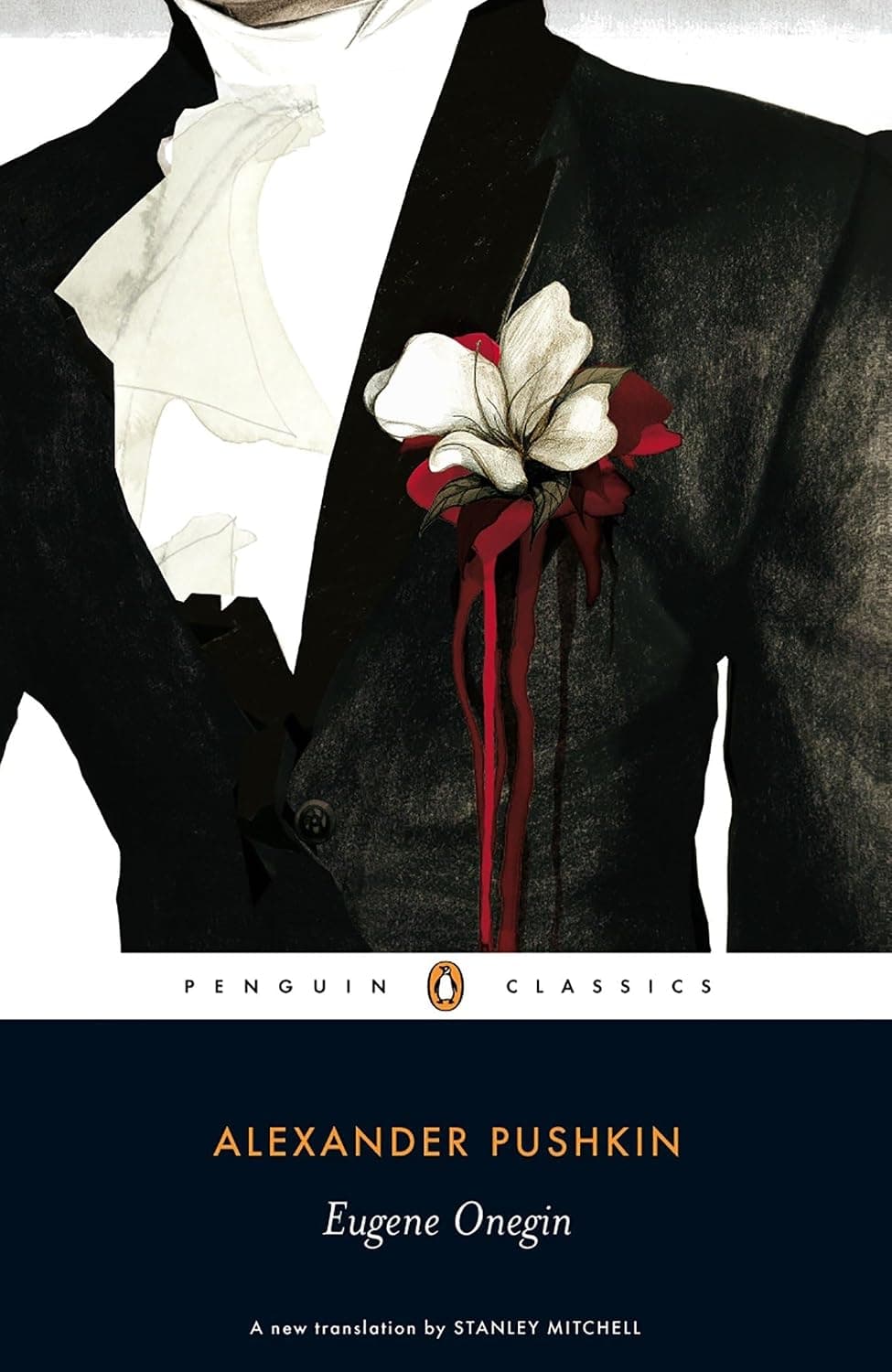
Onegin coolly refuses a country girl's love letter, then kills a friend in a pointless duel. Pushkin wrote it in verse so quick and alive that Russians still know stanzas by heart.
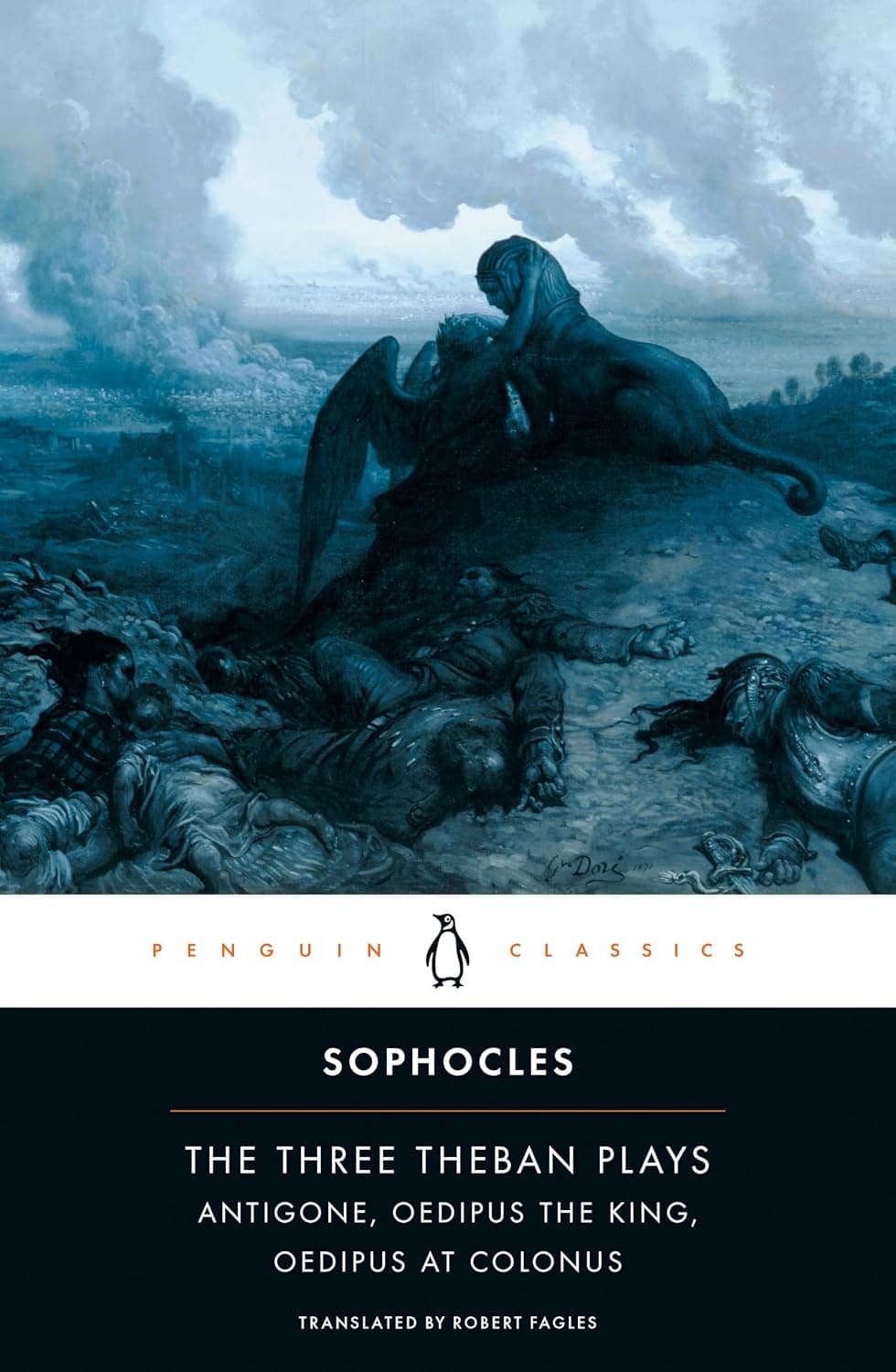
No drama has matched the moment Oedipus understands. He investigates the crime poisoning his city and the trail turns toward him. His daughter later defies the state to bury her brother.

Gibbon follows Rome from its imperial peak to the fall of Constantinople thirteen centuries later, in the finest prose English history possesses. His contempt for Christianity still makes readers laugh.

Pip, a blacksmith's boy, is handed a fortune by an unknown benefactor and turns snob. Miss Havisham waits in her rotted wedding dress, and Dickens makes the shame of low birth unbearable.
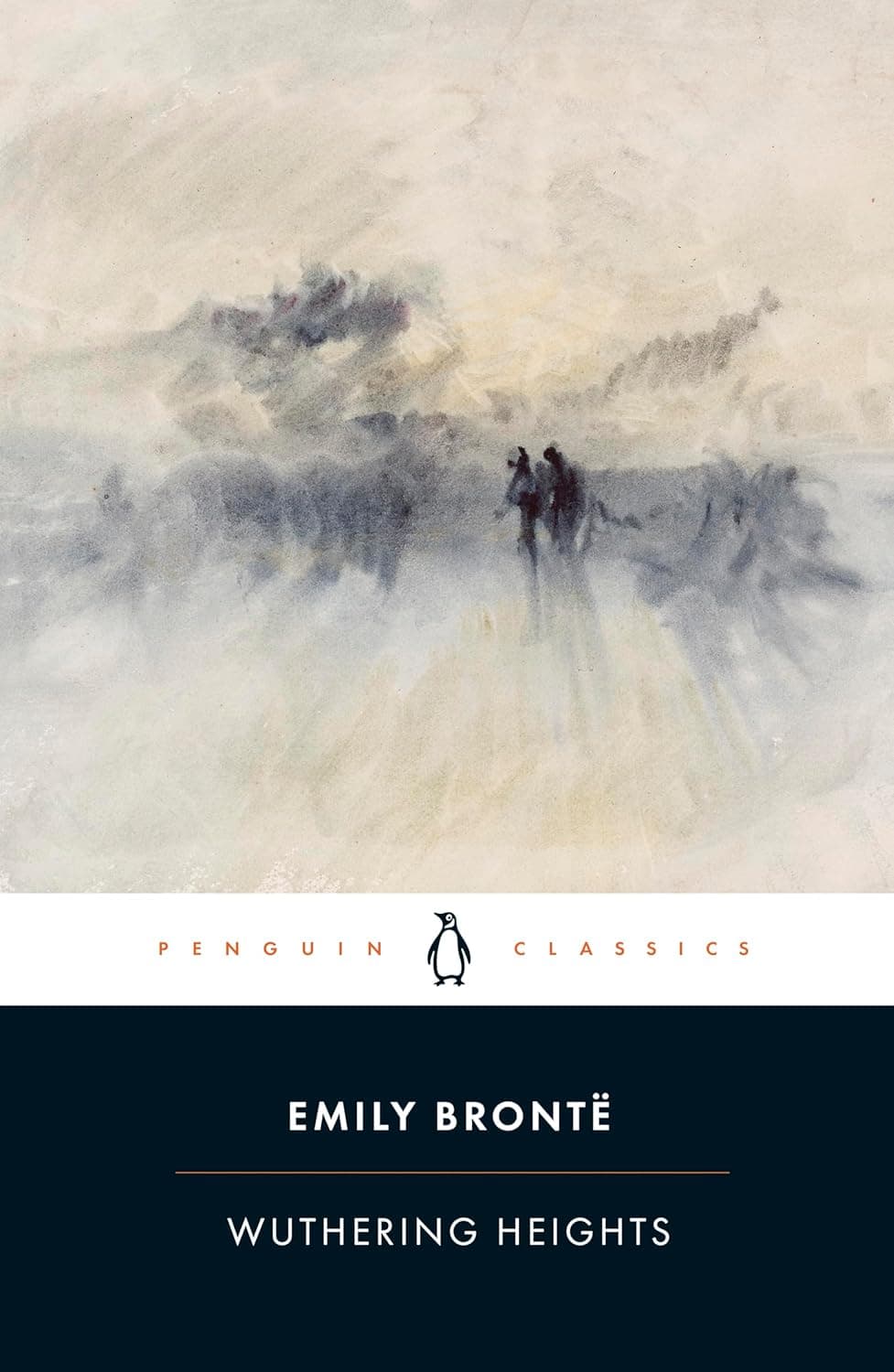
Heathcliff, a foundling on a Yorkshire farm, spends his life destroying two families over the girl he loves. The poet Rossetti called it a fiend of a book, its action laid in hell.
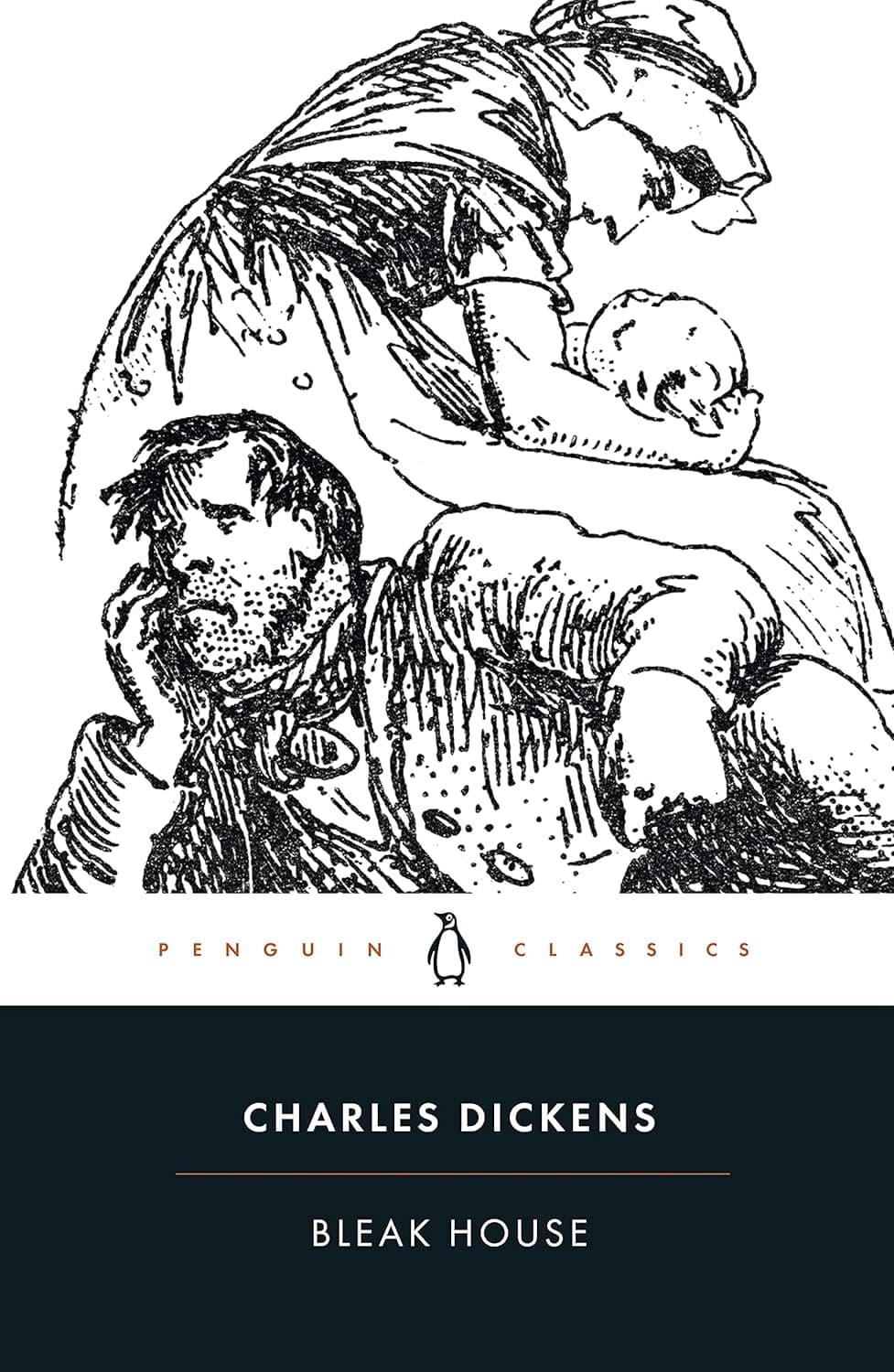
Dickens's supreme achievement, and his angriest. A lawsuit over a will has dragged through the courts so long that nobody alive understands it, and its fog settles over every life in England.
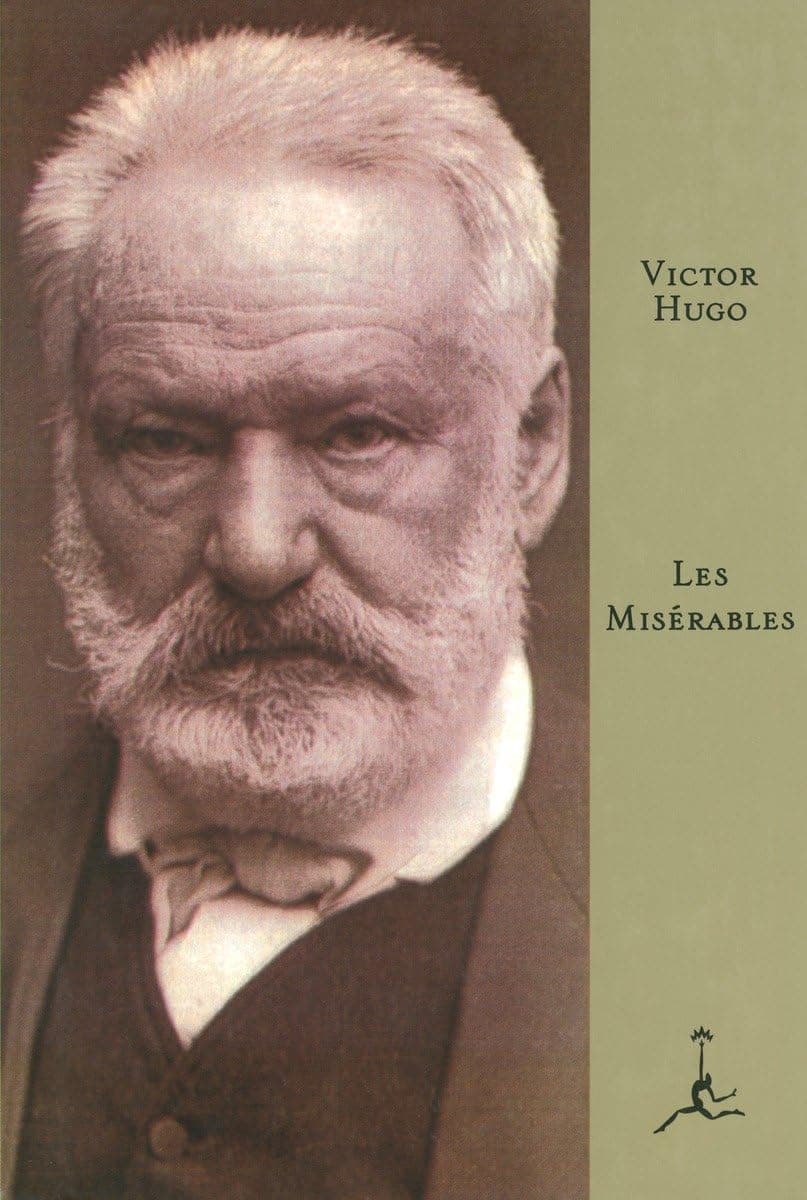
Jean Valjean serves nineteen years for stealing bread, breaks parole, and is hunted the rest of his life by a relentless policeman. Around them Hugo builds the century's great argument for mercy.
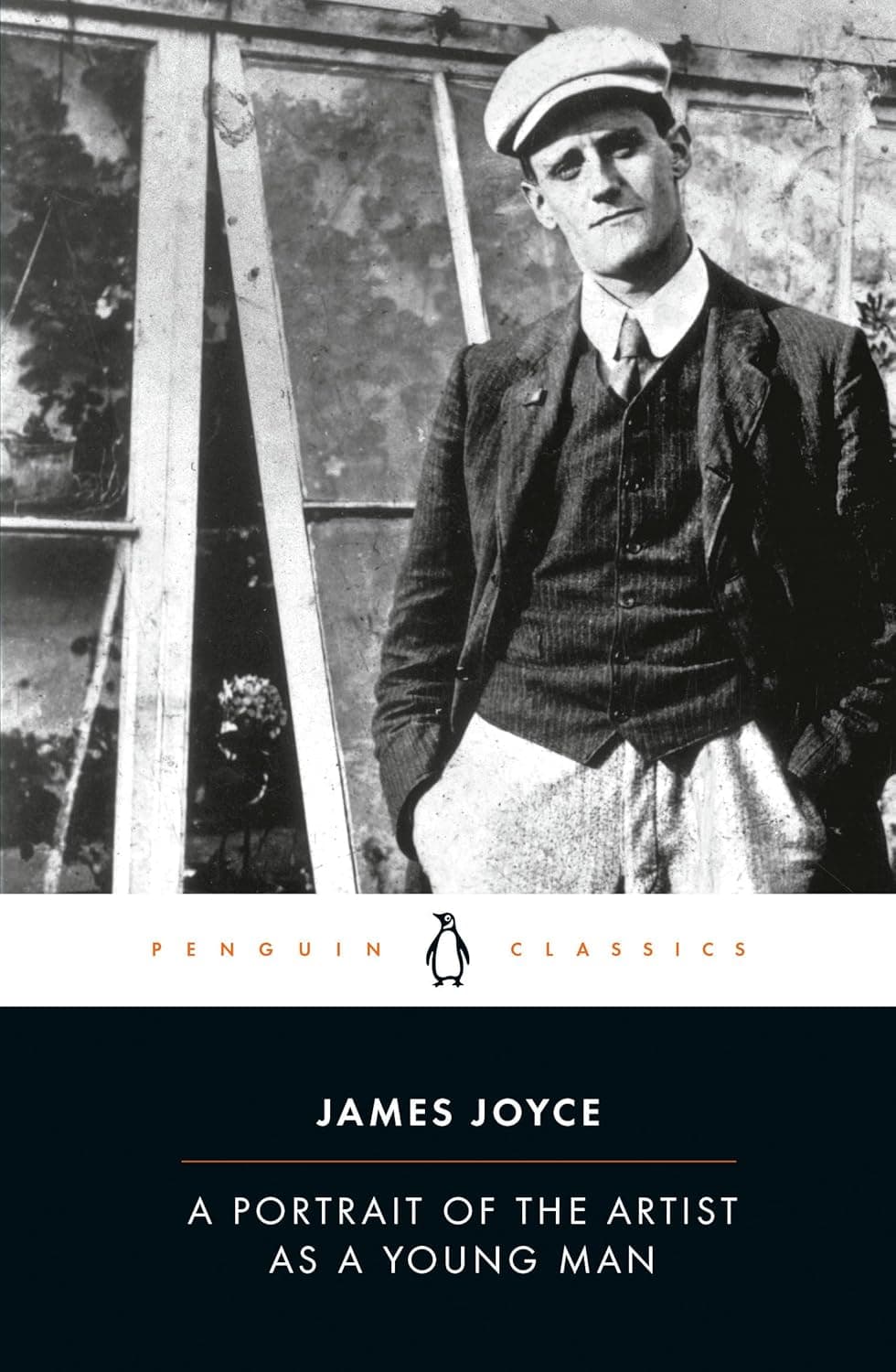
Stephen Dedalus grows from a small boy into a young man set on leaving Ireland to make art. The prose matures sentence by sentence with him, from baby talk to fierce argument.

The devil arrives in Stalin's Moscow with a retinue that includes an enormous talking cat, and the literary bureaucrats never recover. Threaded through it runs a stark short novel about Pontius Pilate.
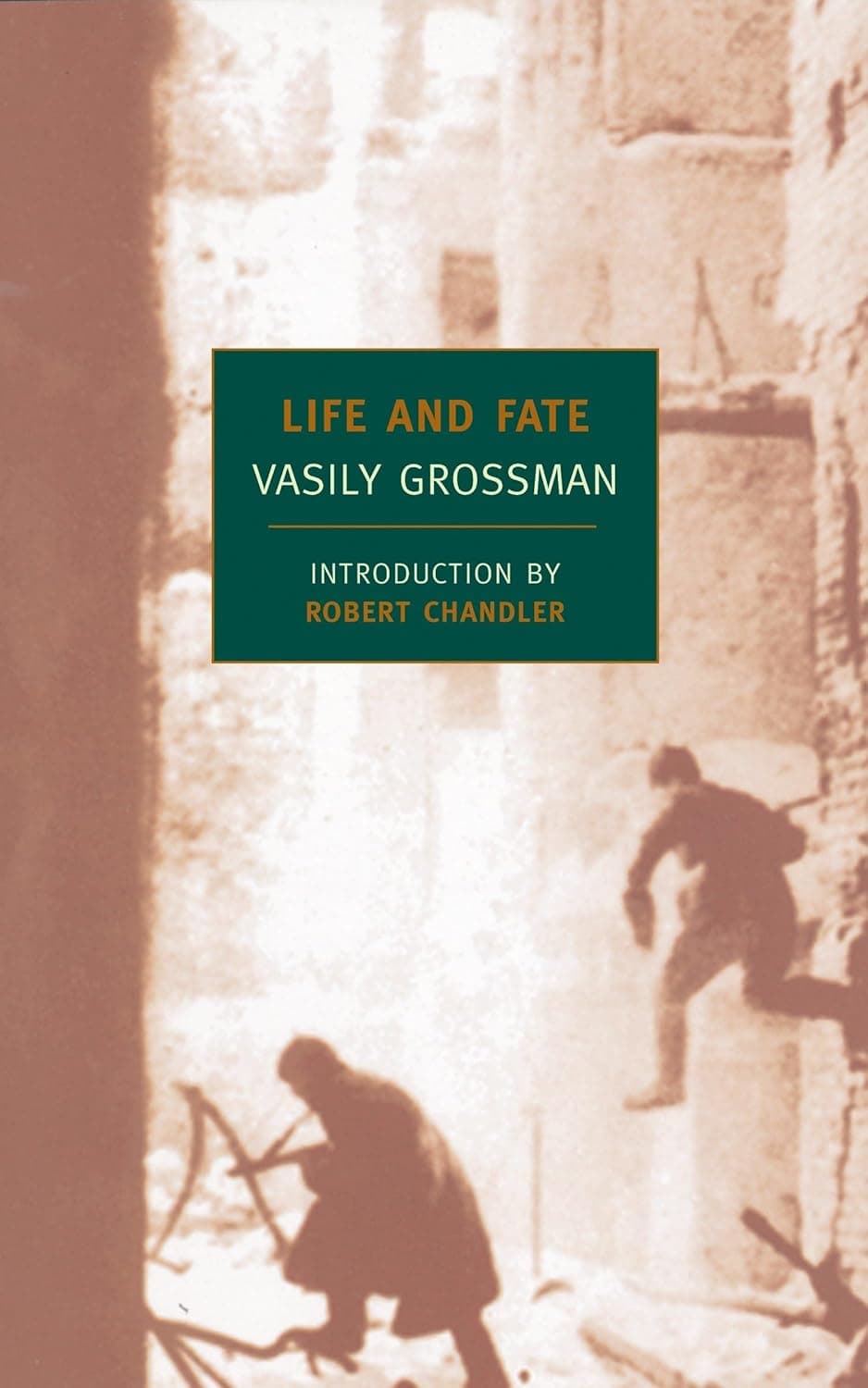
During the siege of Stalingrad, a Soviet physicist receives his mother's last letter from a Nazi ghetto. Grossman wrote the war at Tolstoy's scale and said plainly that both tyrannies were one thing.

In London in 1944 the army notices that an American officer's sexual conquests keep predicting where German rockets fall. What follows is the filthiest, funniest chase ever run across a ruined continent.

Two years in hiding behind an Amsterdam office, set down by a girl who wrote about her mother, her boredom, and who she meant to become. She was fifteen when they were found.
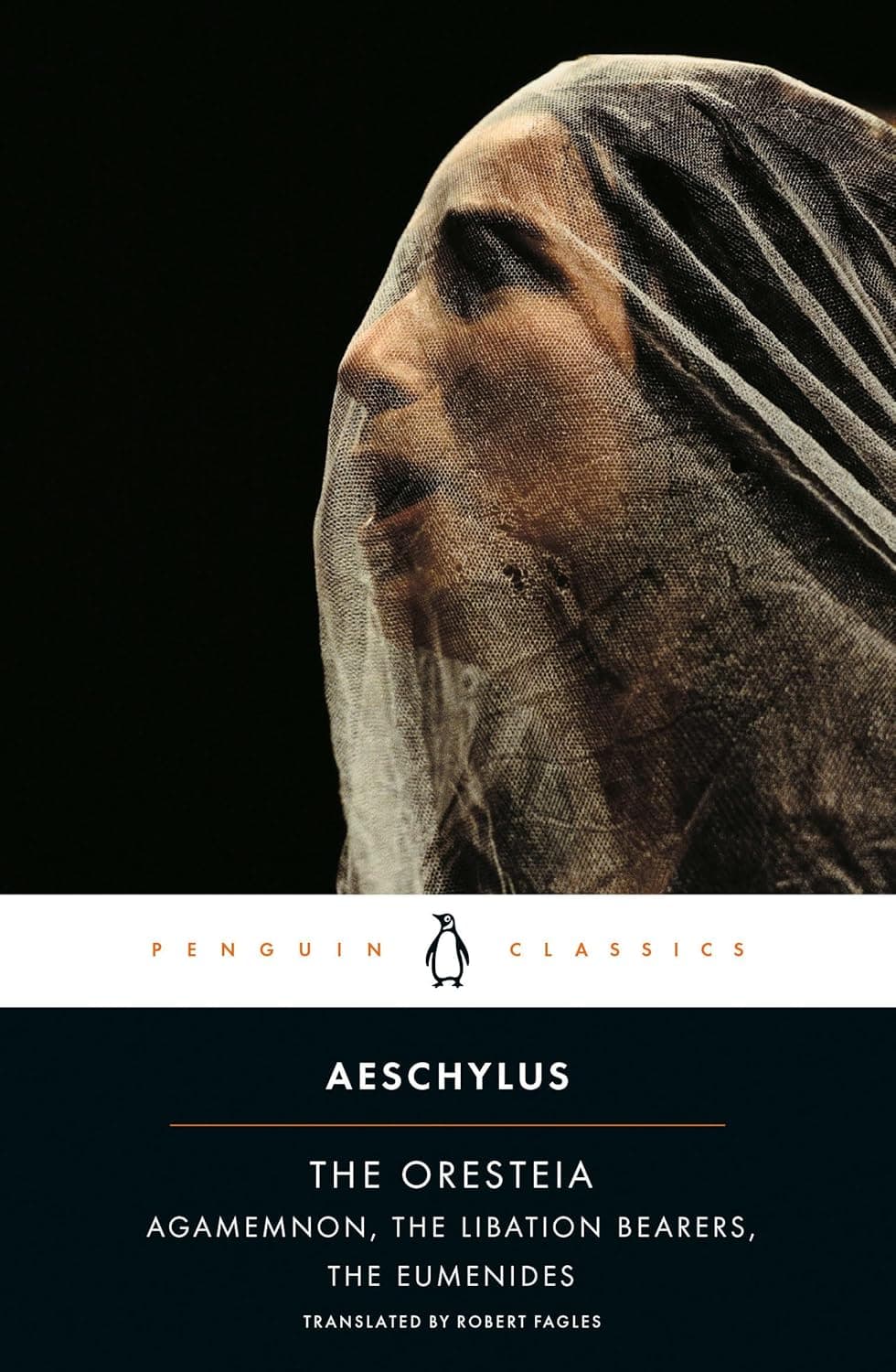
Agamemnon comes home from Troy to a wife who has spent ten years planning her welcome, and the killing runs down the generations until Athena stops it by seating the first jury.

Holed up in a shabby Petersburg room, a spiteful clerk talks at you, insisting people will wreck their own lives to prove they are free. Every alienated narrator since speaks in his voice.

Julien Sorel, a carpenter's son with a memorized Bible and enormous nerve, climbs out of provincial France into Paris society by way of two women. Stendhal reports each calculation without excusing him.
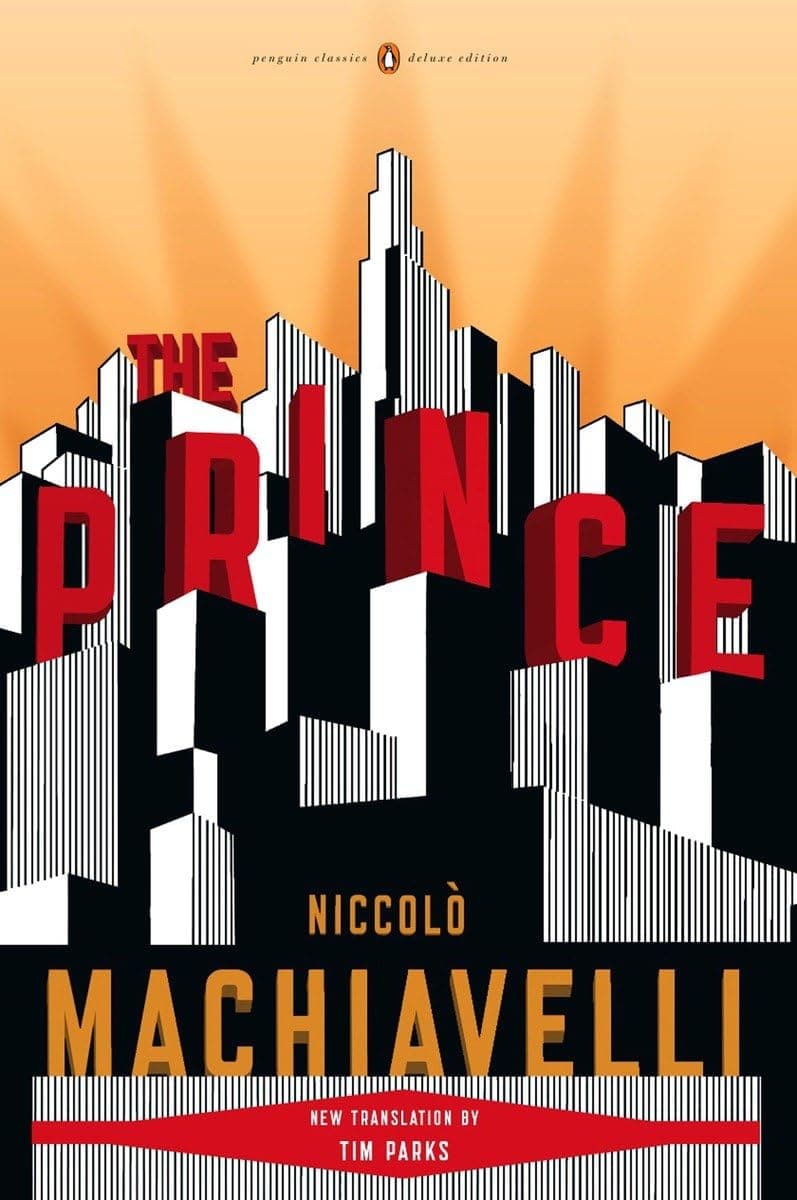
Machiavelli threw out the question of how a ruler ought to behave and asked how power is taken and kept. His answer, that a prince does better feared than loved, still unsettles people.
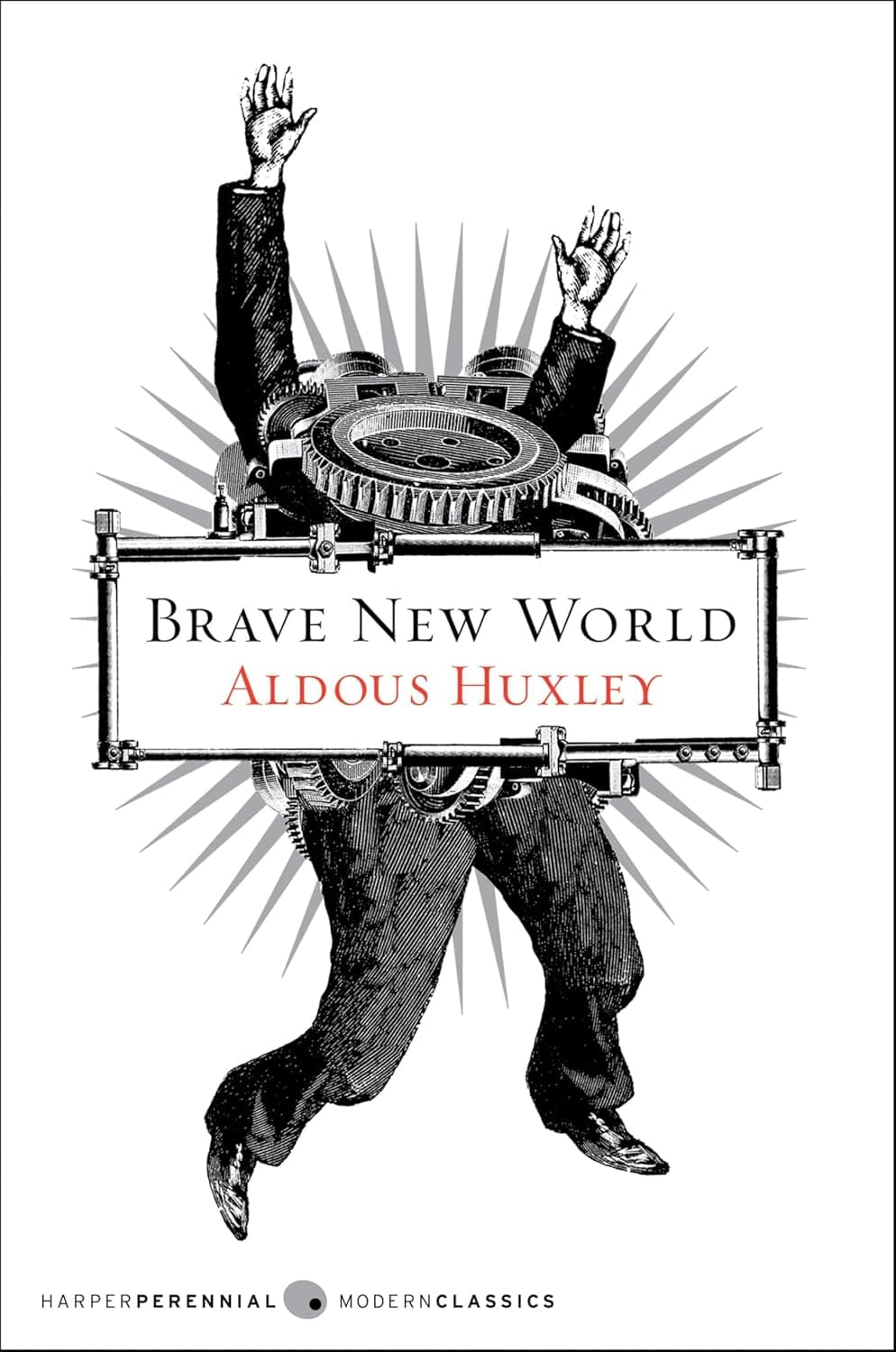
Babies are decanted from bottles into castes, everyone takes a drug called soma, and nobody is unhappy. Huxley saw that a tyranny of pleasure would hold better than one of fear.

Yuri Zhivago, a doctor who writes poetry, is carried through war and revolution and away from the women he loves. Pasternak lets history arrive like weather, and the Soviets banned it outright.

Everything must change so that everything can stay the same, says the prince's nephew as Garibaldi's rebels land in Sicily. Lampedusa writes a class watching itself end with autumnal calm and beauty.
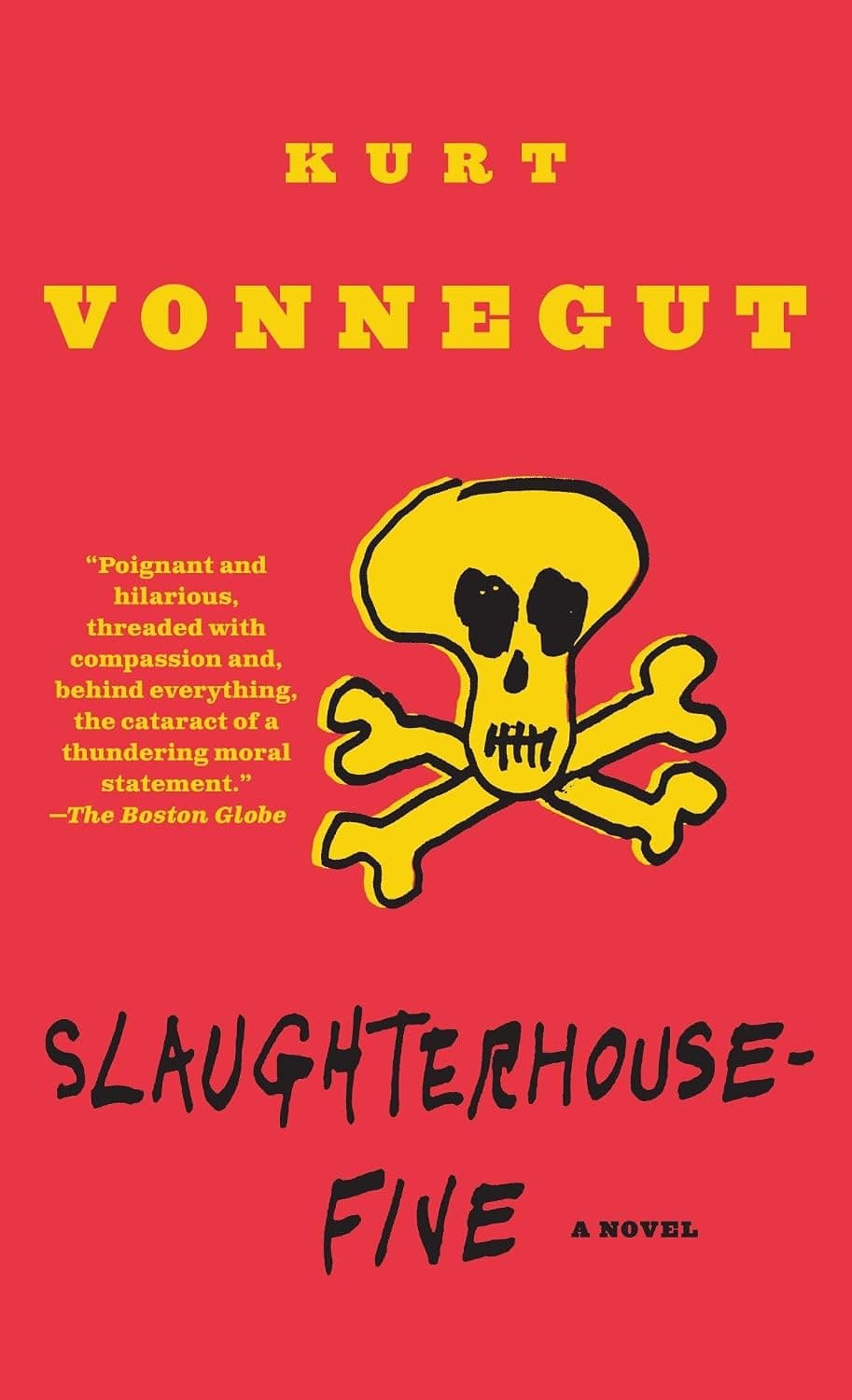
Billy Pilgrim comes unstuck in time, between a Dresden meat locker during the firebombing and a zoo on another planet. Vonnegut was in that cellar, and writes "So it goes" after every death.
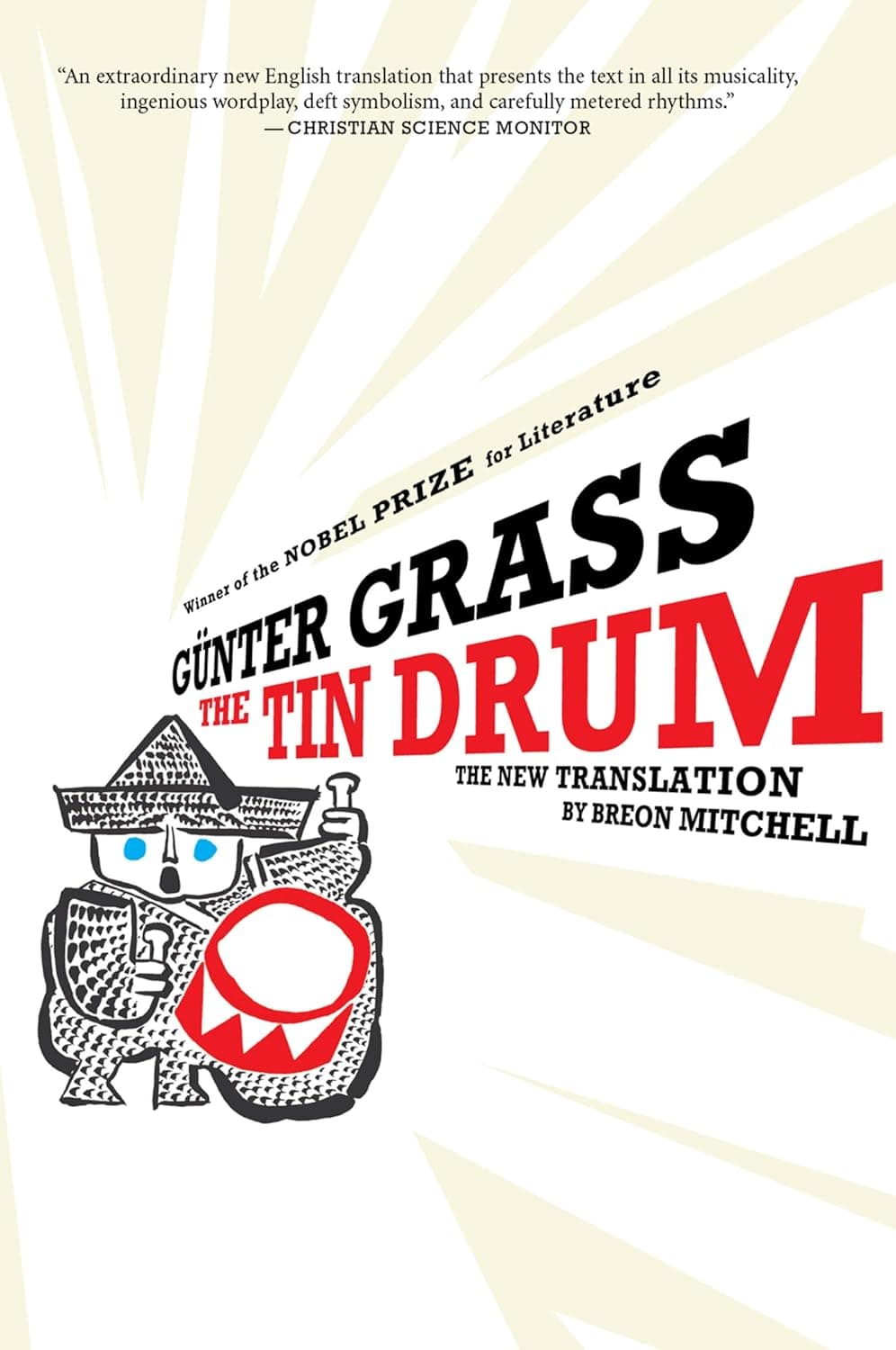
Oskar decides on his third birthday to stop growing, keeps his tin drum, and screams glass to pieces while the Nazis take Danzig. Grass forced postwar Germany to look at itself through him.
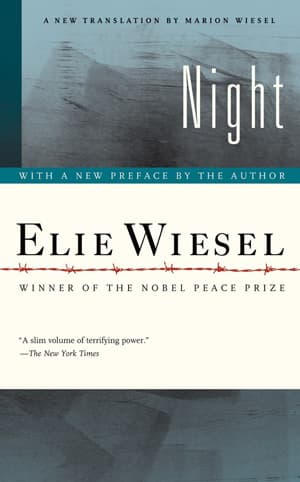
Wiesel was a religious teenager when his town was emptied and he arrived at Auschwitz with his father. He tells it in short flat sentences, and the flatness is unbearable.

Exiled after losing a city, Thucydides wrote the war that ruined Athens, explaining it by fear and self-interest, not the gods. At Melos his Athenians say the strong do what they can.

At a party in Verona two teenagers from feuding families meet, marry the next day, and are gone inside a week. Everything they say to each other still sounds newly invented.

Isabel Archer, an American with opinions and a sudden fortune, turns down good proposals and marries badly in Italy. James stays so close inside her mind that her mistakes feel like your own.
Emma Woodhouse is rich, clever, and sure she knows what everyone needs, so she arranges marriages and ruins them. Austen puts you inside her head until you miss what she misses.

Tess, a poor farm girl, is sent to claim kinship with rich relatives, and what happens there decides the rest of her life. Hardy called her a pure woman and Victorian England erupted.
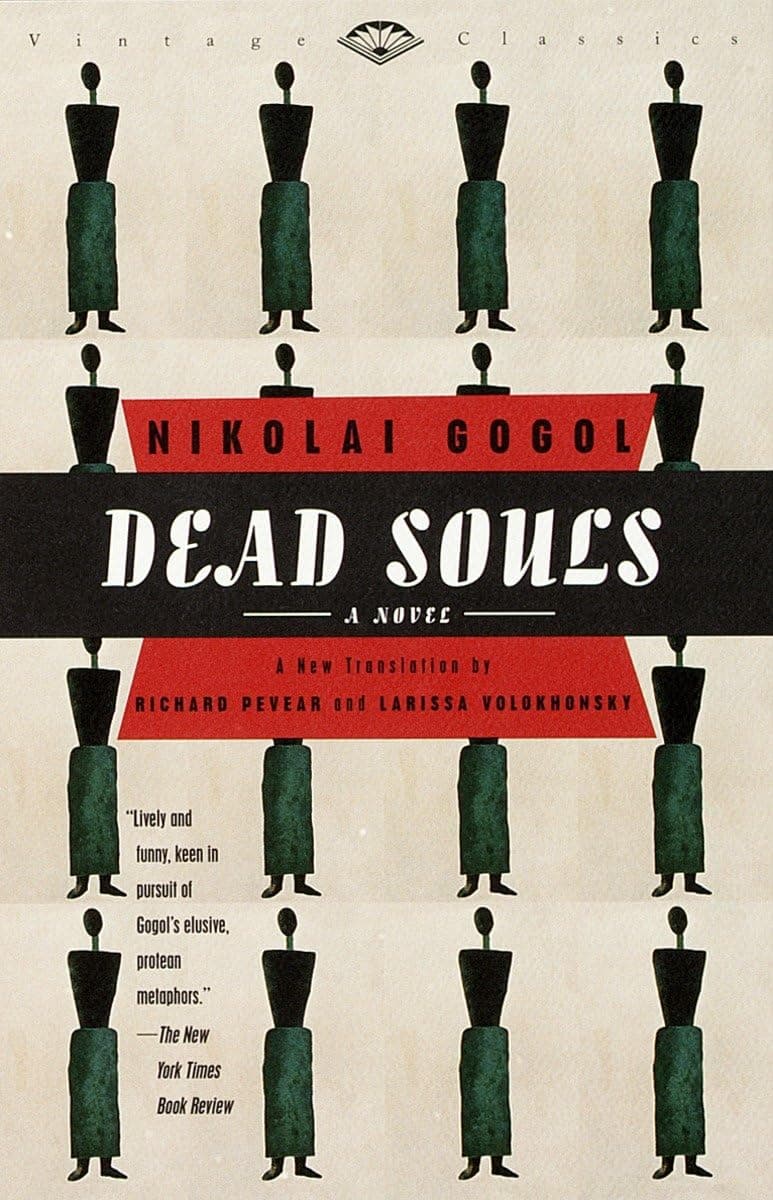
Traveling the Russian provinces, a charming stranger buys serfs who have died but still count on the tax rolls. Gogol's landowners are grotesque and hilarious, and then the laughter turns on you.

Prince Myshkin returns to Russia from a Swiss clinic, epileptic and incapable of guile, and Petersburg cannot decide whether to adore him or use him. The world takes a genuinely good man apart.
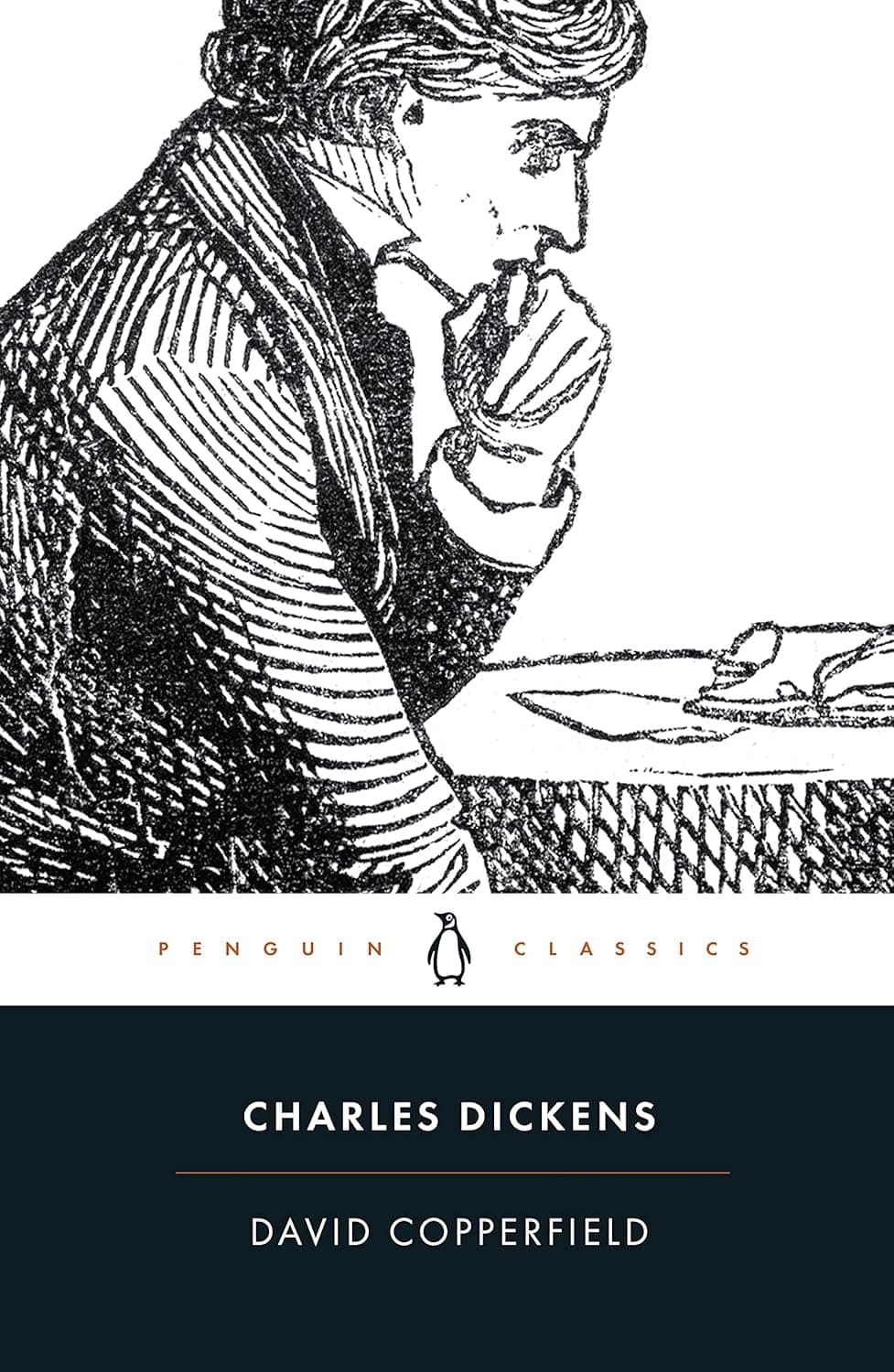
Put to work in a warehouse as a boy, David escapes to an aunt he has never met. Dickens gave him his own childhood, and loved this novel above all the others.
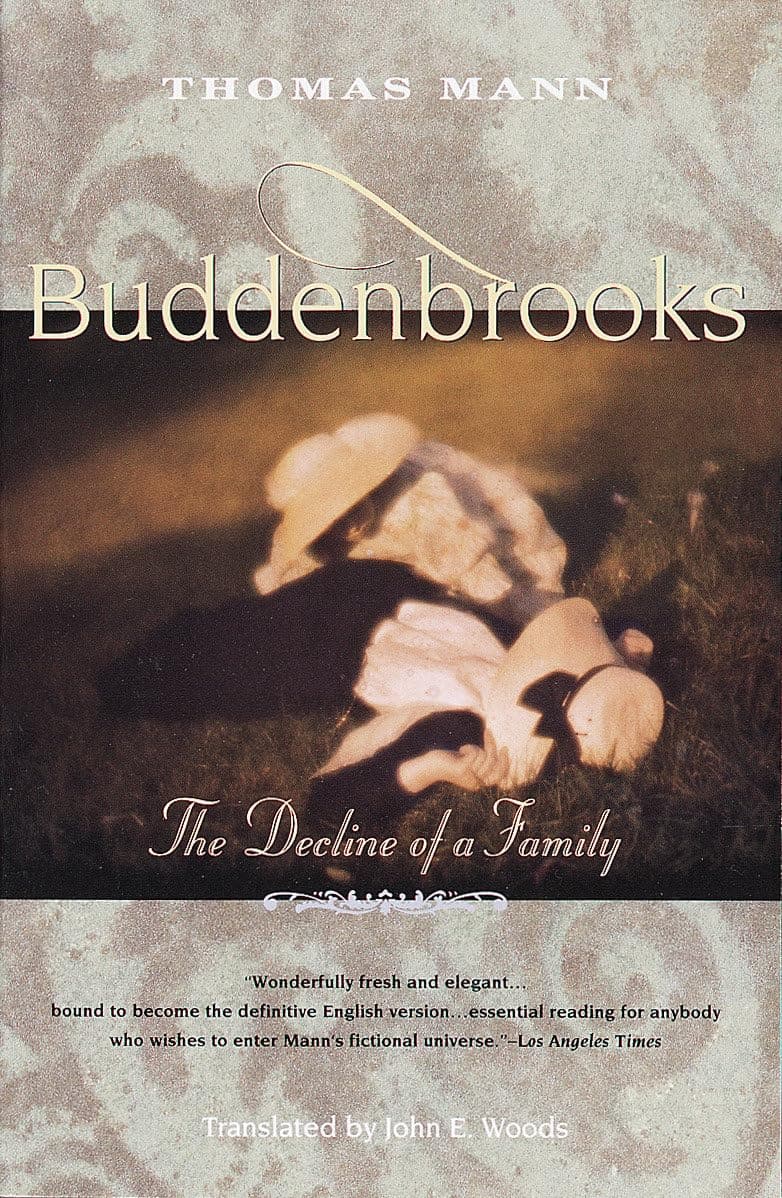
Four generations of a north German grain family run the firm, growing more refined and less fit to survive. Mann counts every dinner and funeral until the decline turns personal.
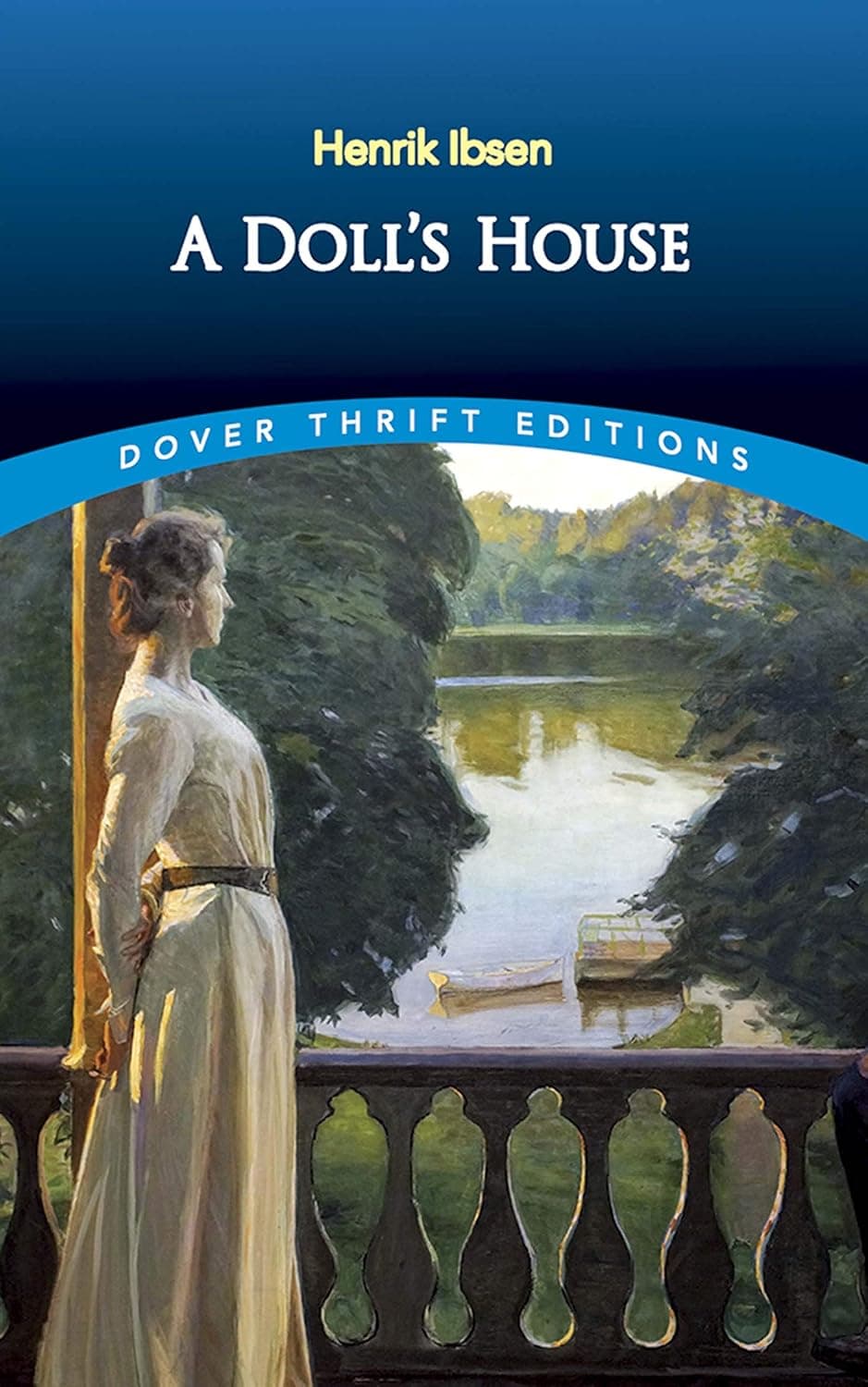
Nora Helmer forged a signature to save her husband's life and has been paying the debt in secret ever since. The play ends on a closing door that modern theater still hears.

Wilde gives two idle men imaginary people, a wicked brother and an invalid friend, to escape their obligations, then sets them courting women who will marry no one but a man named Ernest.

German schoolboys enlist after a teacher's patriotic speech and find mud, lice, and men dying badly. Remarque was in those trenches, and no book has done more damage to the idea of glory.

From the cafes of Paris to the bullring at Pamplona, expatriates drink and travel and love the wrong people. Hemingway leaves the wound unnamed, and what nobody says sits under every line.

Driving ambulances for the Italian army, an American falls in love with an English nurse while the front collapses around them. Hemingway's plain sentences leave you completely undefended by the last page.
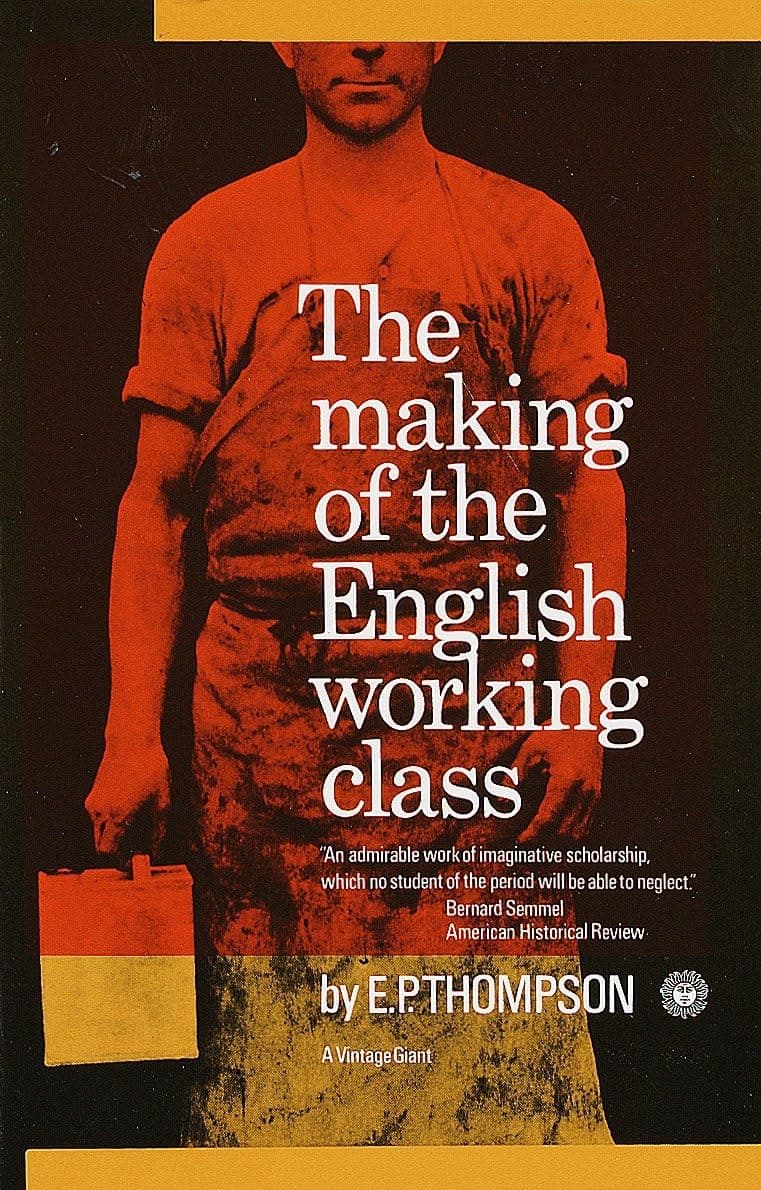
Thompson follows English weavers, artisans, and radicals from the 1780s to the 1830s and shows them making themselves into a class. He wrote to rescue them from the enormous condescension of posterity.

Reveille to lights out in a Soviet labor camp, where the prisoner Shukhov scrounges an extra crust and lays bricks well in the cold. He counts it almost a happy day.

Monks are dying at an Italian abbey in 1327, the library is a labyrinth no one may enter, and a Franciscan detective and his novice go in. Eco made medieval theology a thriller.

Kundera puts a Prague surgeon who cannot stop having affairs, the woman who loves him, and the Soviet tanks of 1968 together, then asks whether a life lived once can weigh anything.

Driving across England in 1956 to see the housekeeper he worked beside, a butler remembers the Nazi sympathizer he served with pride. What he cannot bring himself to say is the whole novel.
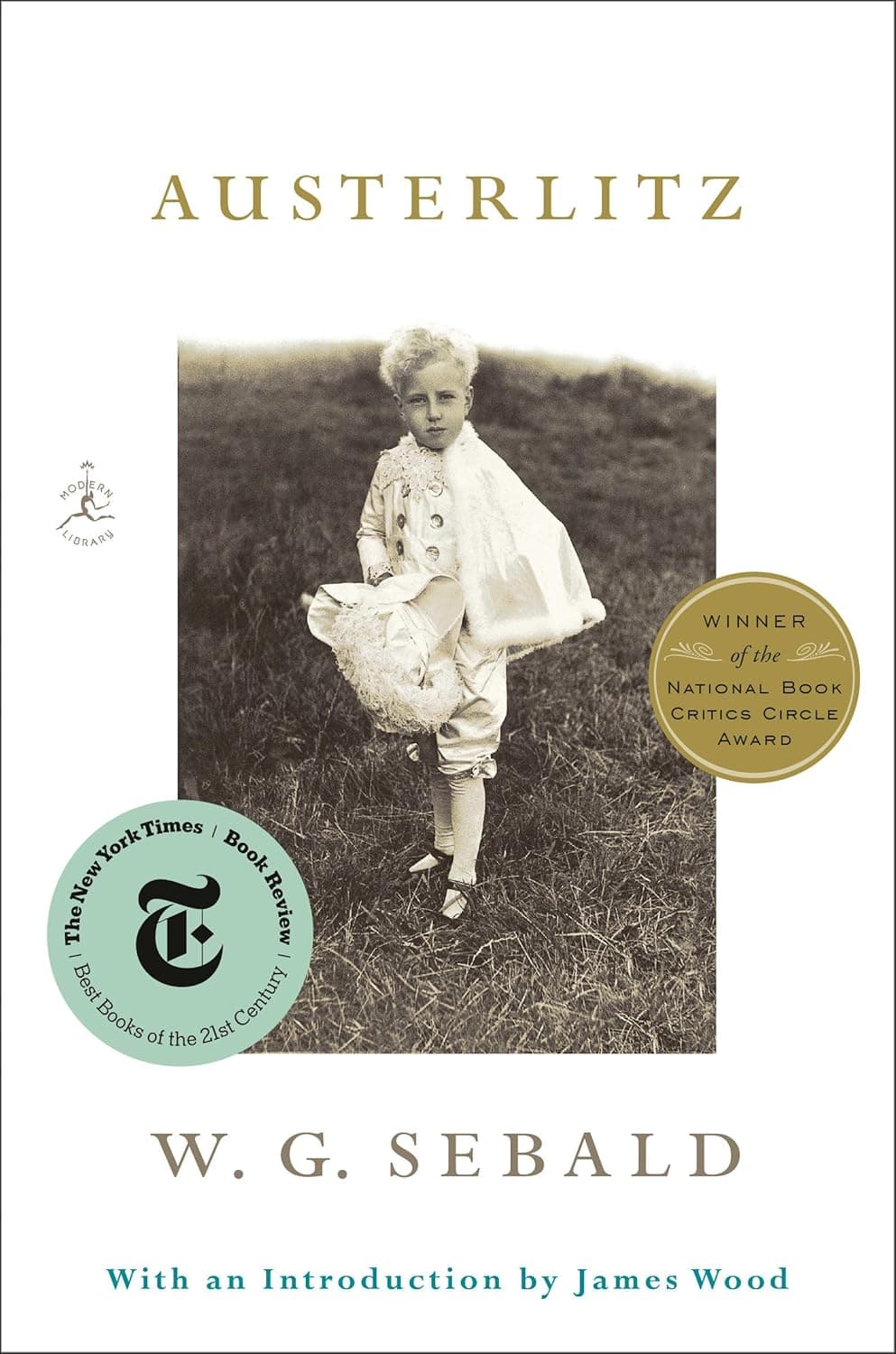
A stranger in an Antwerp waiting room talks about architecture, and over years of meetings tells how he was sent out of Prague on a train in 1939. The grief is never named.
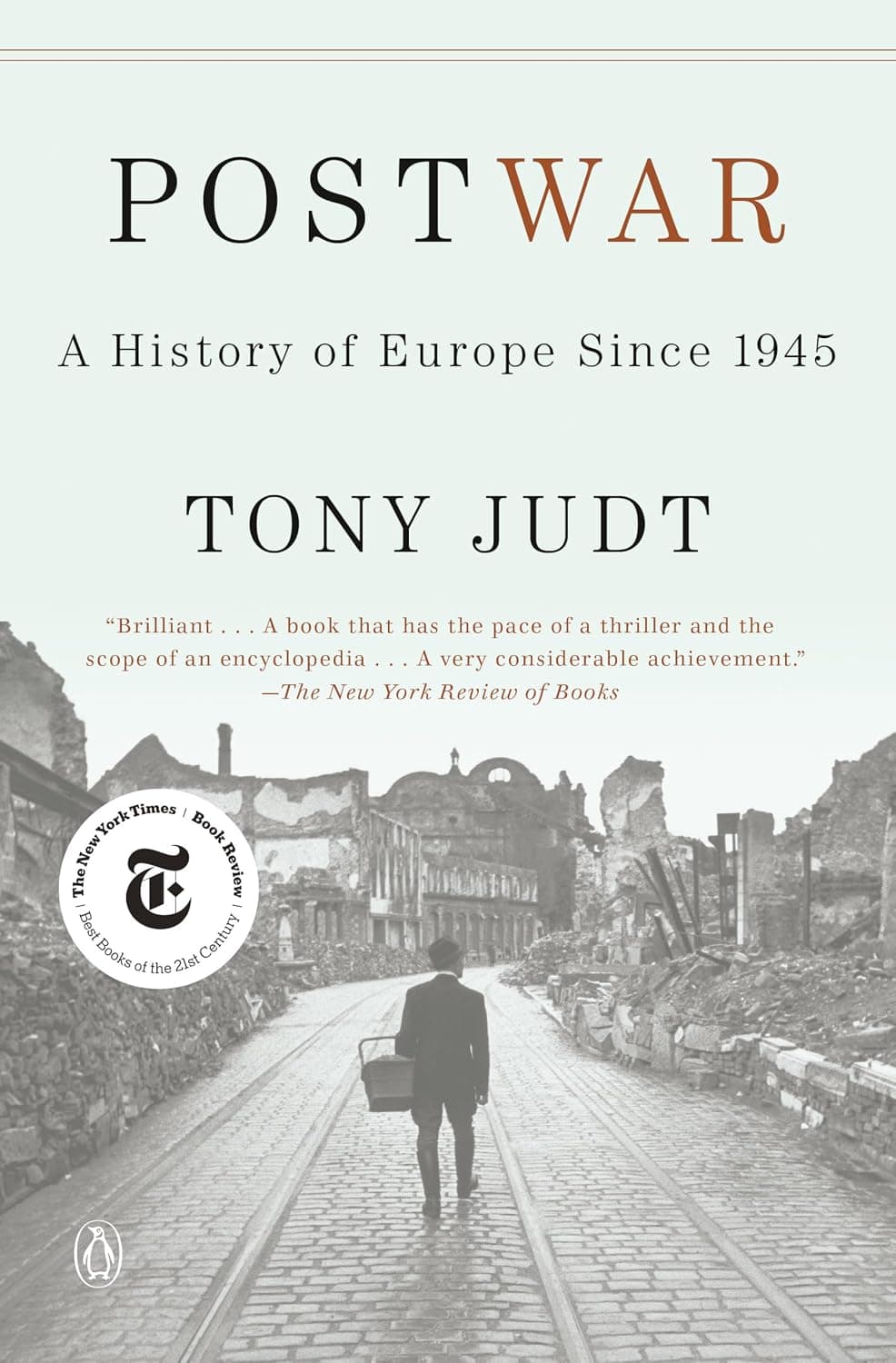
Judt carries Europe from the rubble of 1945 to 2005, east and west in one story, showing a continent that rebuilt itself by forgetting the war and then defined itself by remembering it.

Callicles tells Socrates that morality is a con the weak run on the strong, who should take whatever they want. Socrates answers that doing wrong harms you more than suffering it ever could.
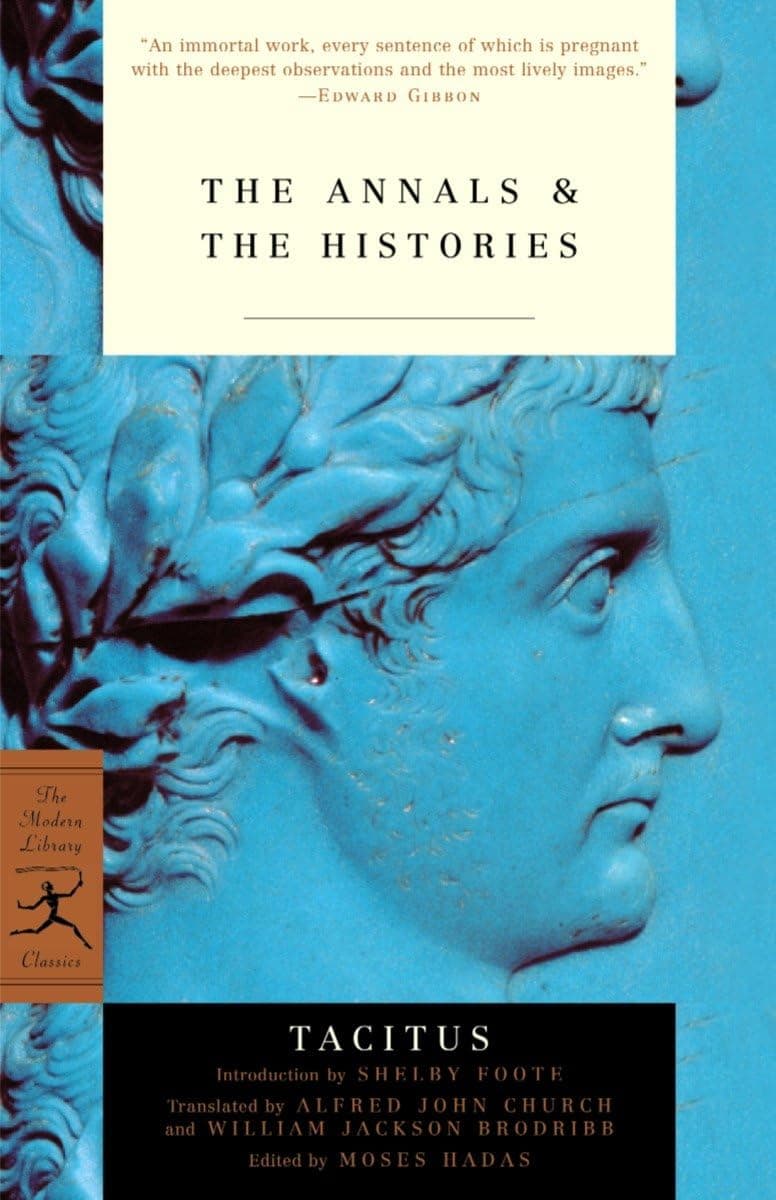
Tacitus promises to write without anger or partiality, then follows Rome from Augustus through Tiberius, Claudius, and Nero, ruining each of them in half a sentence. Power has never had a colder witness.
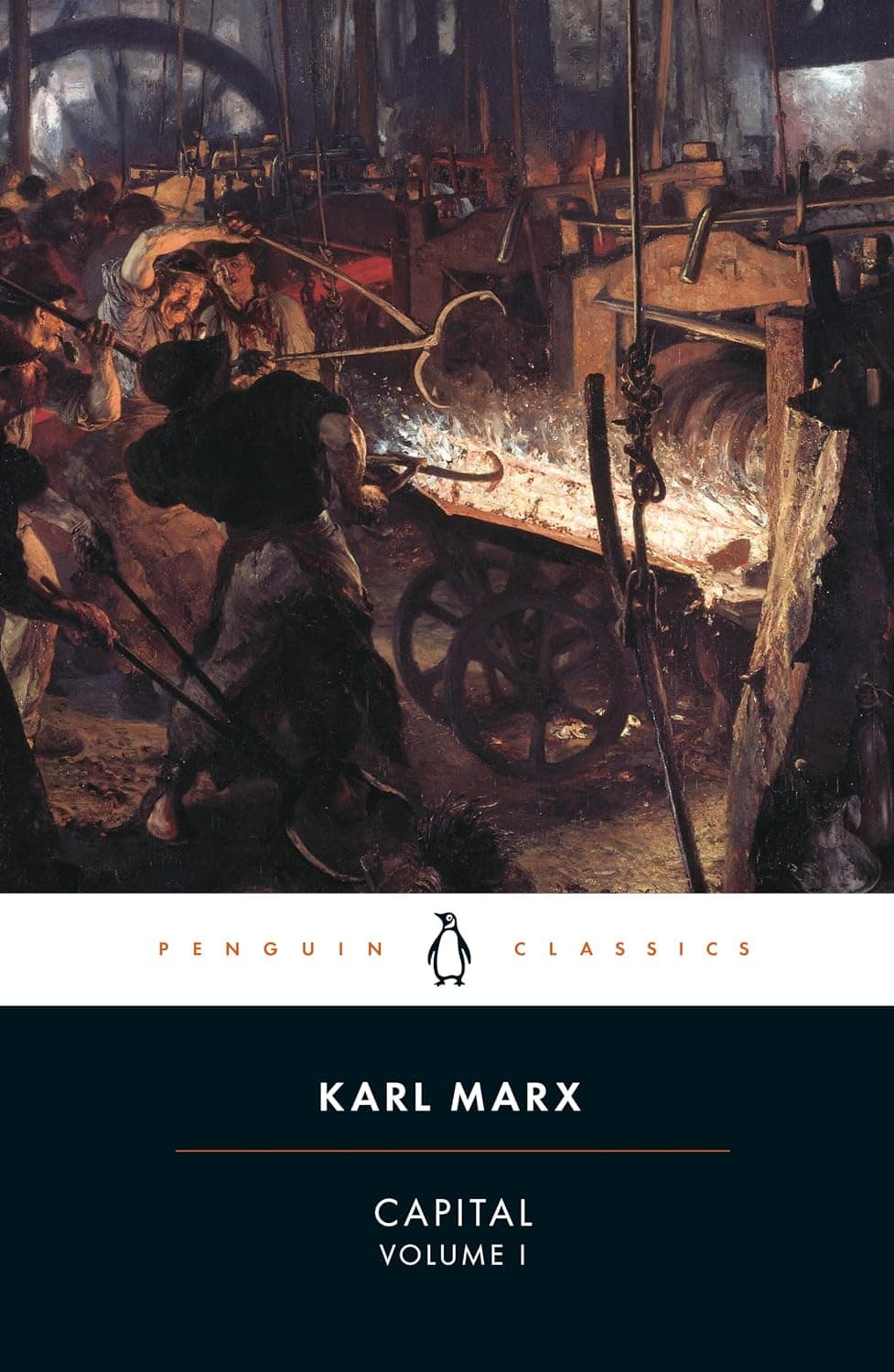
Workers create more value than their wages return, Marx argues, and that gap is profit. No economic book has reshaped politics more, and the chapter on the working day still burns.

Charged with corrupting the young and denying the gods, Socrates defends himself, refuses the escape his friends arrange, argues that the soul survives, then drinks the poison. His calm is the hard part.
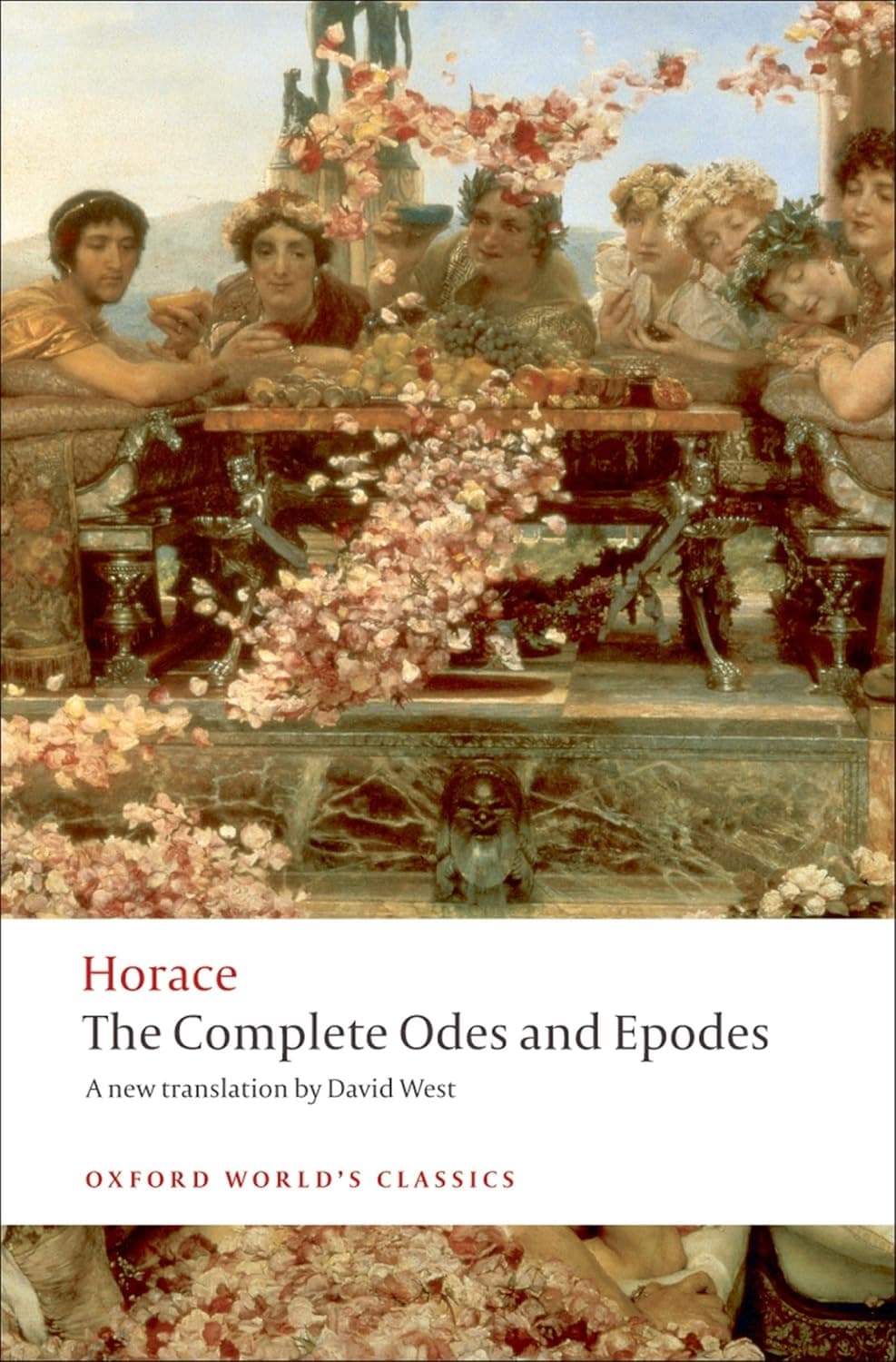
Horace compresses wine, friendship, and the certainty of death into stanzas of exact and unhurried form, the summit of Latin lyric. Carpe diem is his line, and in context it is not cheerful.

Rome fell to the Goths in 410 and pagans blamed the Christians. Augustine answers by sorting all history into two cities, one built on love of God and one on love of self.
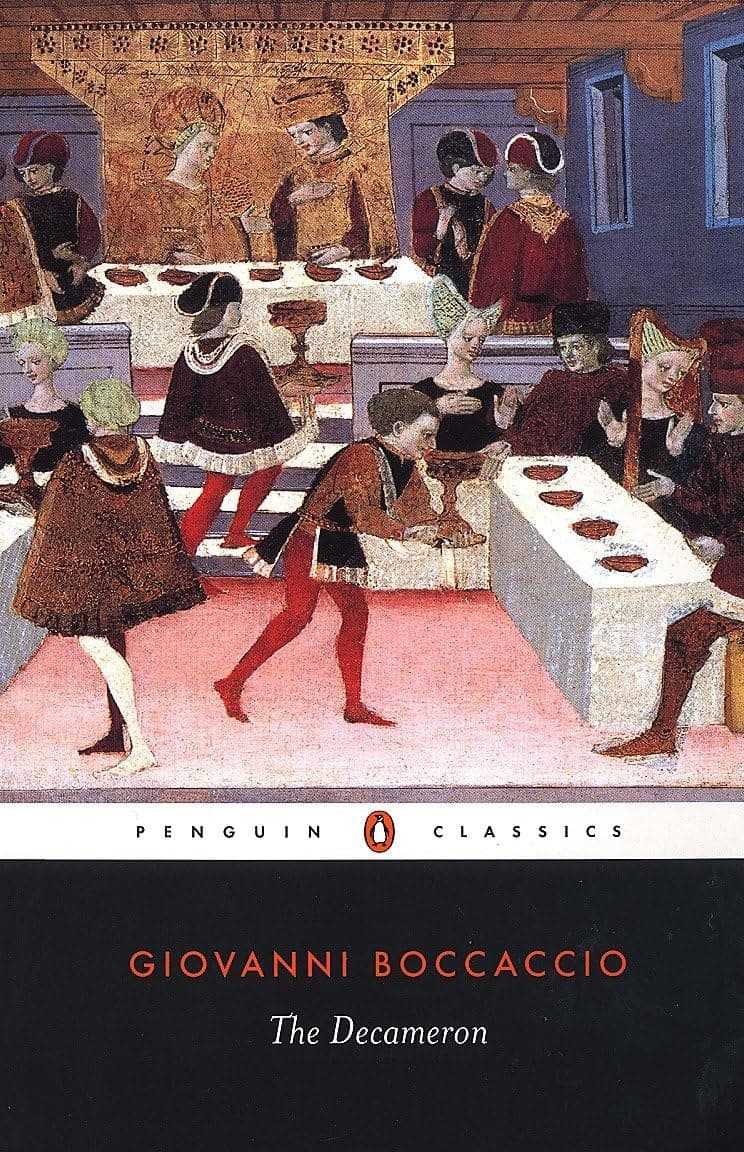
Ten young Florentines flee the plague to a country house and spend ten days telling a hundred stories of seduced wives, crooked friars, and lucky fools. The jokes still land six centuries later.

For twelve years a monster has emptied a Danish king's hall, until a young warrior sails over to wait for it in the dark. Fifty years on, the poem comes back for him.

At Arthur's Christmas court a huge green man offers his neck to anyone willing to take the same blow a year later. Gawain swings, and the real test waits in a bedroom.
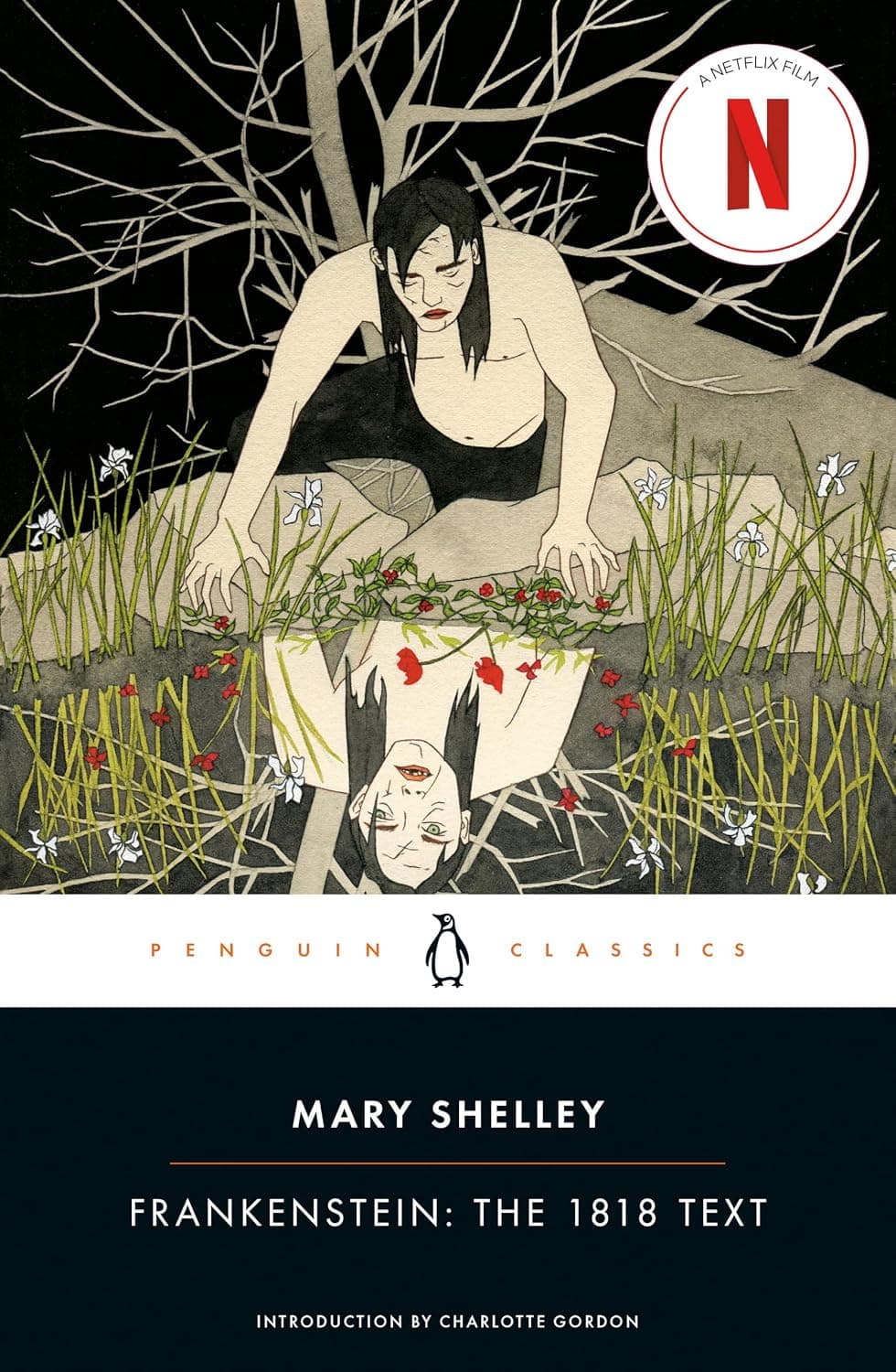
Victor Frankenstein builds a man from corpses and flees when it opens its eyes. The creature teaches itself to read, then comes back to bargain with its horrified maker for one companion.