To the Lighthouse
1927 · 209 pages
At a summer house by the sea a trip to the lighthouse keeps being postponed, and Woolf gets so close to how a mind works that years pass and grief arrives in passing.
★ 9.2
 skopia
At a summer house by the sea a trip to the lighthouse keeps being postponed, and Woolf gets so close to how a mind works that years pass and grief arrives in passing.
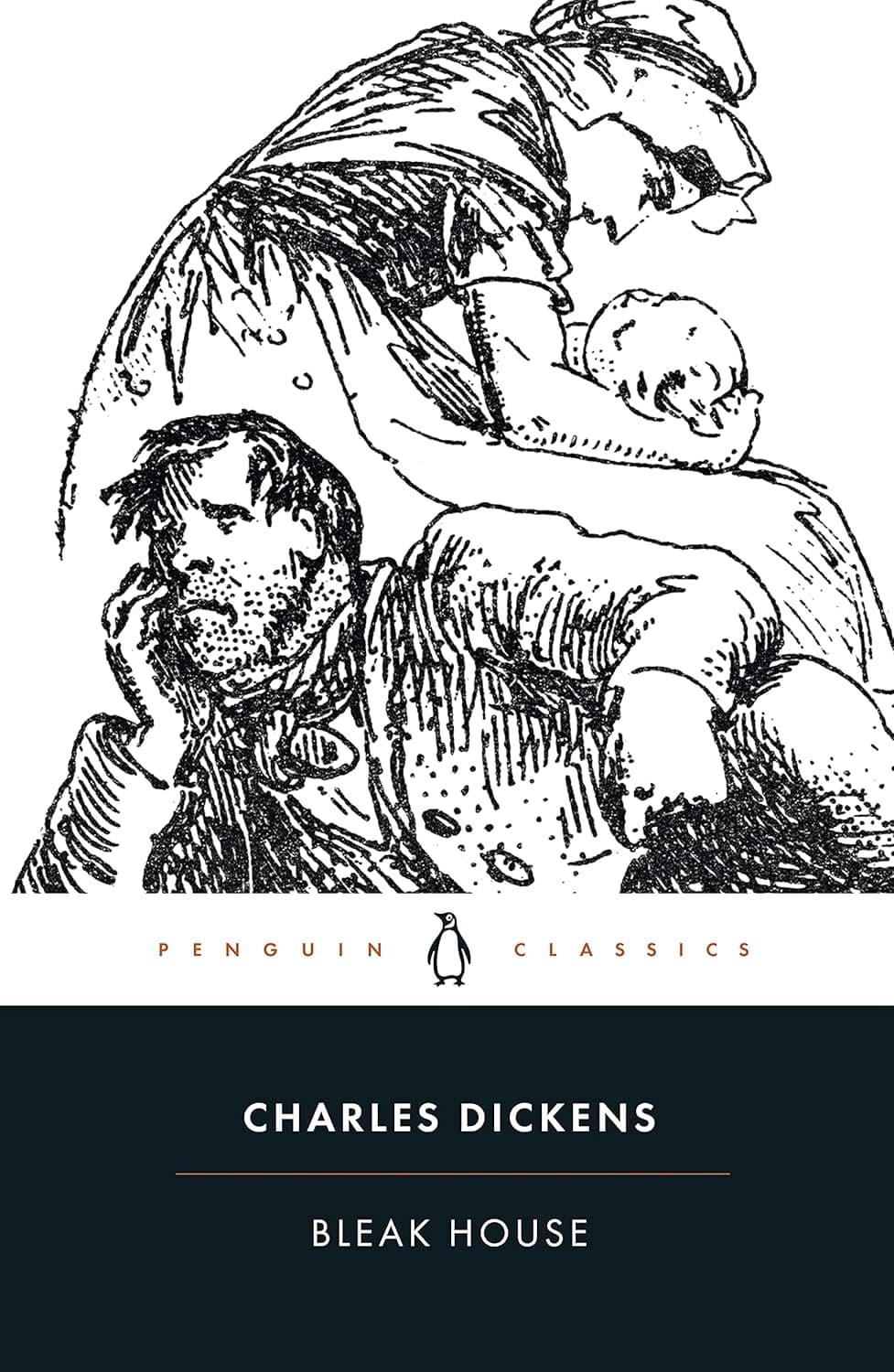
Dickens's supreme achievement, and his angriest. A lawsuit over a will has dragged through the courts so long that nobody alive understands it, and its fog settles over every life in England.

Blanche DuBois arrives at her sister's New Orleans apartment with nothing left, and her brother-in-law Stanley sets about destroying what remains. No American play has staged desire and cruelty this nakedly.

Isabel Archer, an American with opinions and a sudden fortune, turns down good proposals and marries badly in Italy. James stays so close inside her mind that her mistakes feel like your own.

From the cafes of Paris to the bullring at Pamplona, expatriates drink and travel and love the wrong people. Hemingway leaves the wound unnamed, and what nobody says sits under every line.
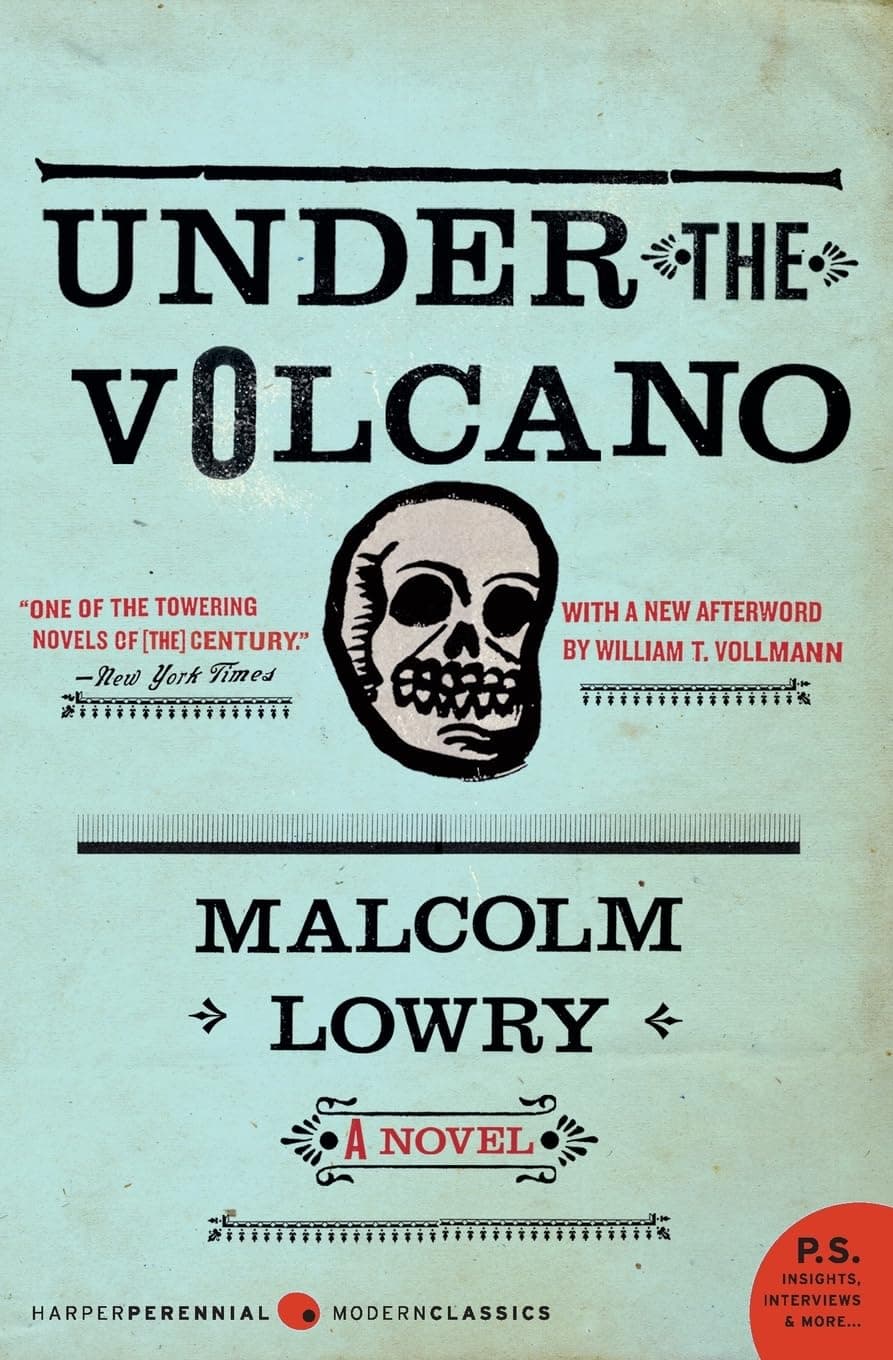
Drinking himself to death in Mexico, a British ex-consul is visited by the wife who left him. Lowry gives them one Day of the Dead, written from inside the bottle.
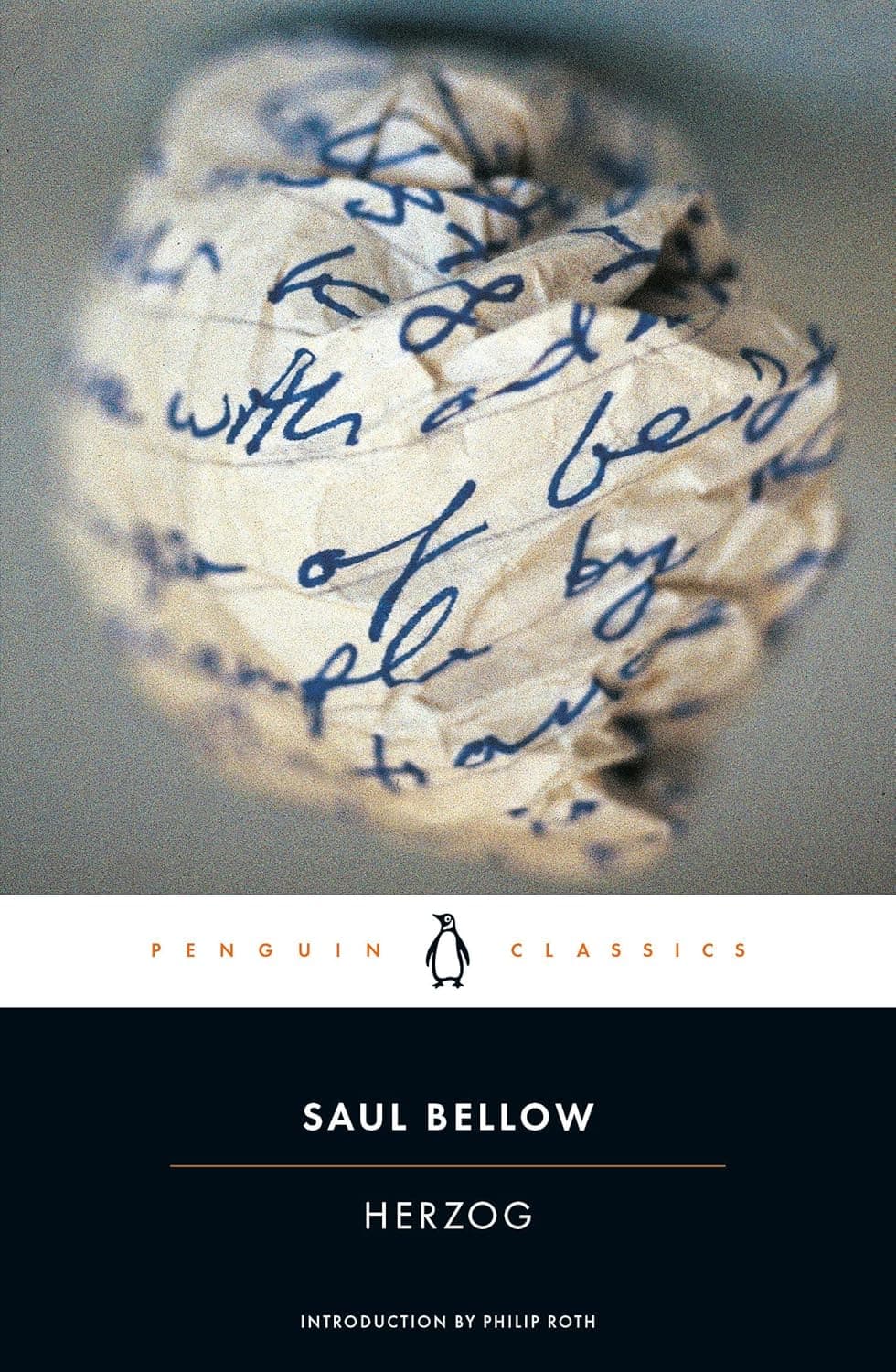
Moses Herzog, a professor whose wife left him for his closest friend, comes apart and writes furious unsent letters to philosophers, ex-wives, and the dead. Bellow makes a breakdown enormous fun.

Somewhere there is a film so entertaining that anyone who watches it stops eating. Wallace chases it through a tennis academy and a halfway house full of addicts he writes with real love.
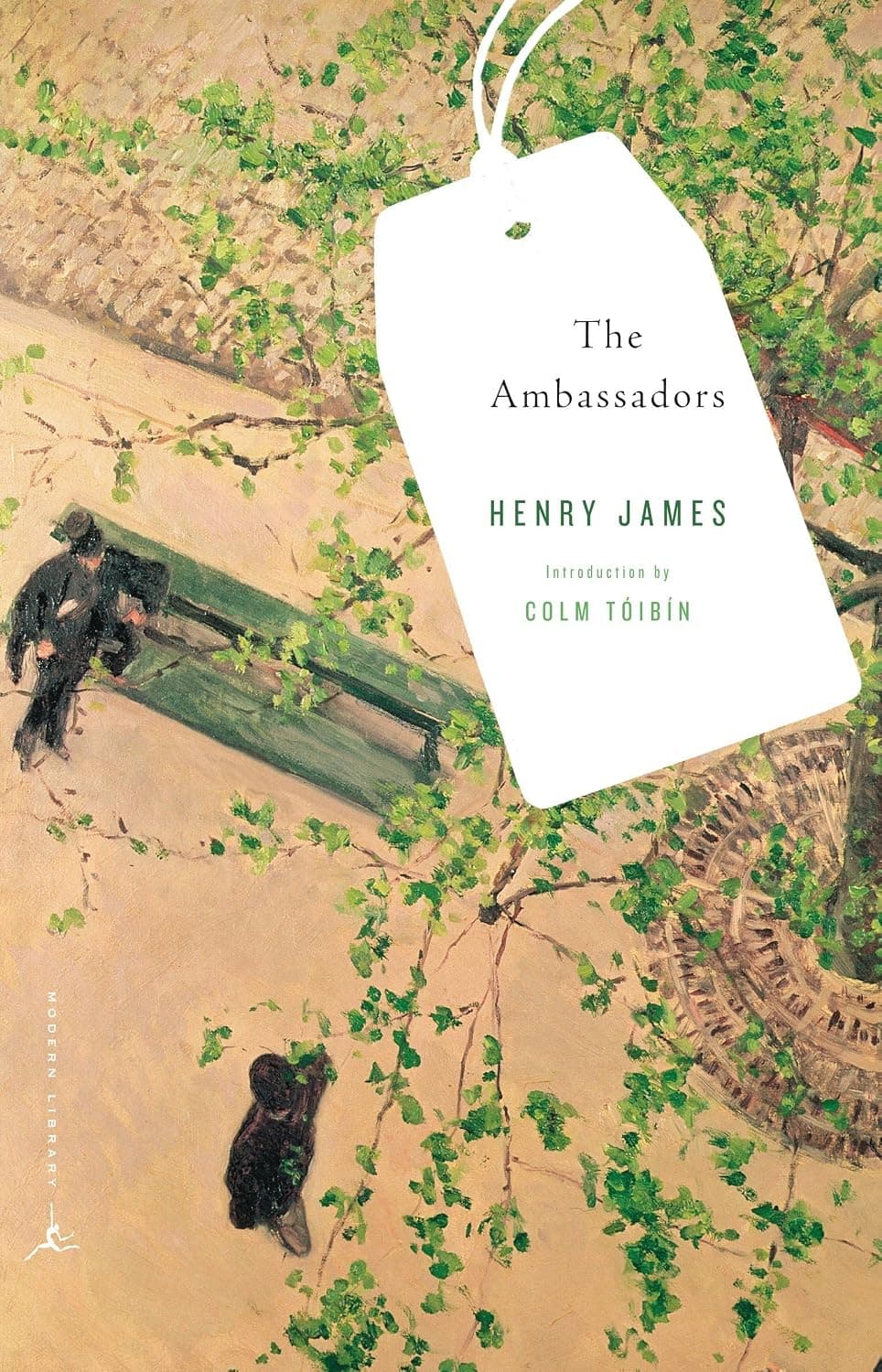
Sent to Paris to pry a young American away from a Frenchwoman, a middle-aged emissary looks around and tells a young painter to live all he can. James called it his best novel.

Frédéric Moreau spends his youth in Paris loving a married woman he will never have and drifting through the 1848 revolution. Flaubert made wasted life a permanent subject for the novel.

Tom narrates the St. Louis apartment he escaped, where his mother relives the seventeen gentlemen callers of her girlhood and his limping sister tends her glass animals. Everything turns on one visitor.
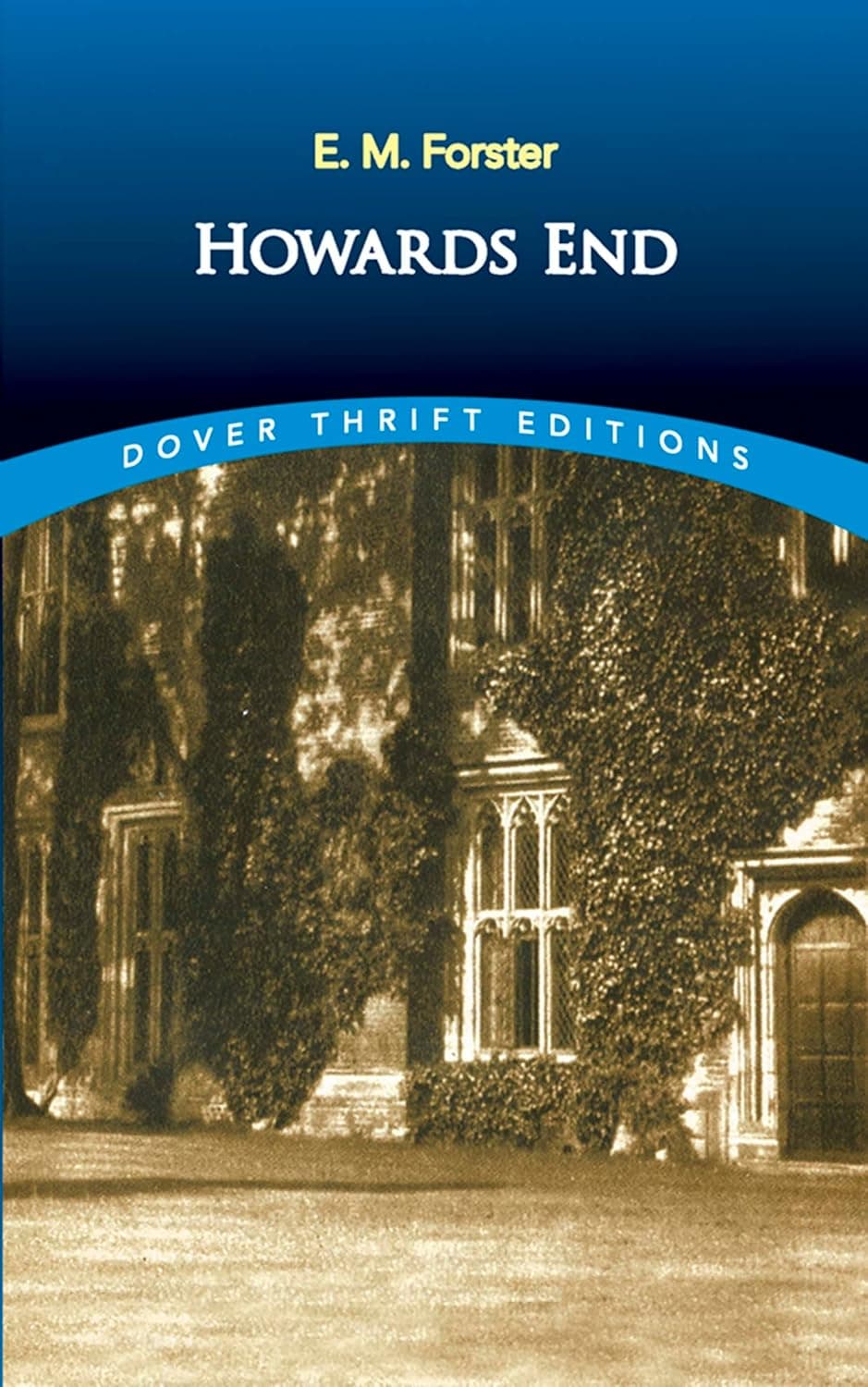
Two families and one house. Forster sets the cultured Schlegel sisters against the money-making Wilcoxes, drags a poor clerk into the collision, and makes the question of who inherits England literal.

Dick Diver, a young psychiatrist, marries the rich patient he treated and spends her money charming the French Riviera. Fitzgerald tracks the exact cost of being the most delightful man in the room.

Four people in a Georgia mill town confide everything to John Singer, a deaf man who lip-reads them and answers little. McCullers fills the place with people who cannot reach each other.
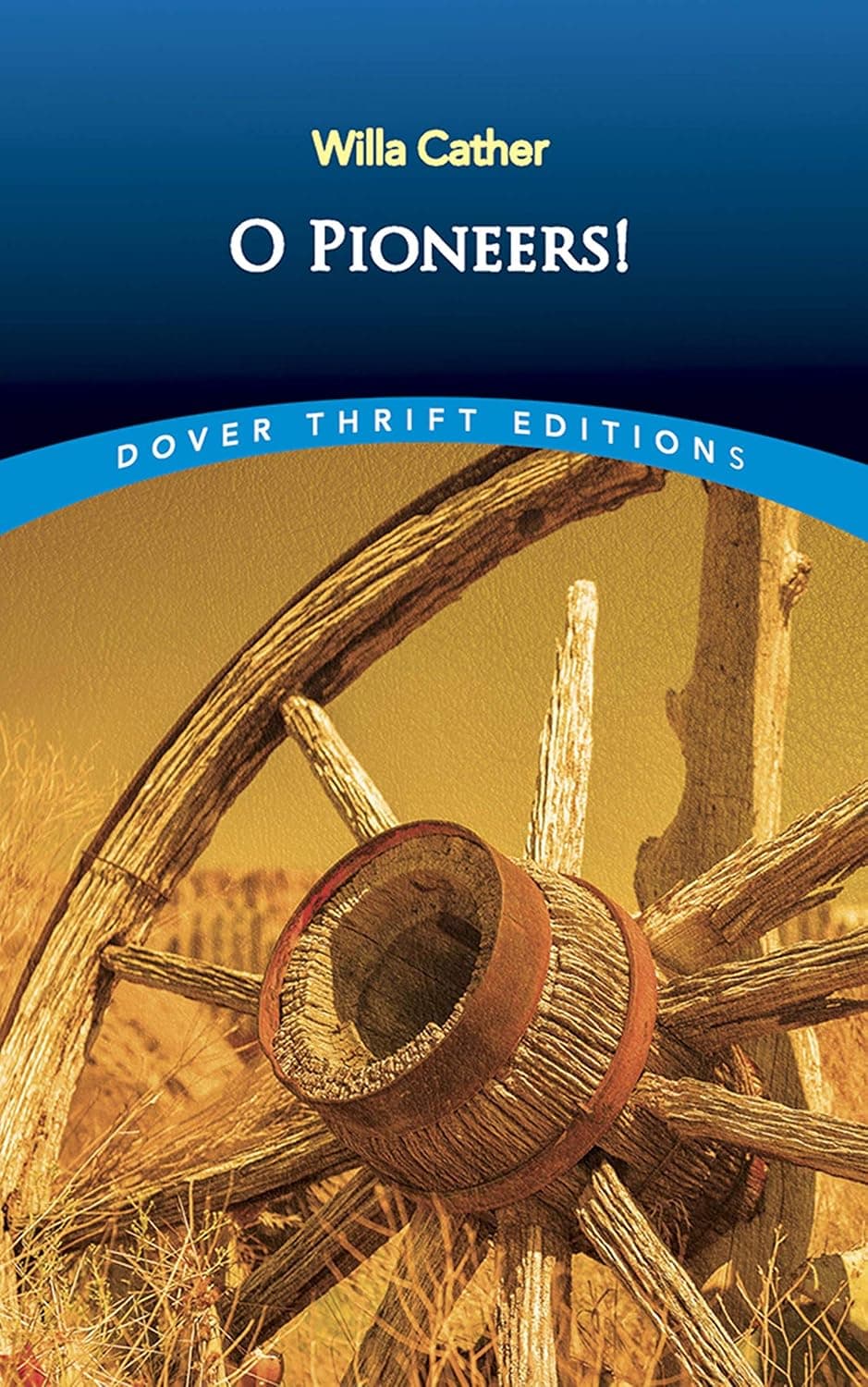
Alexandra Bergson inherits her father's failing Nebraska claim and mortgages it to buy more land while the neighbors give up and leave. Cather made the American prairie a landscape fit for epic.
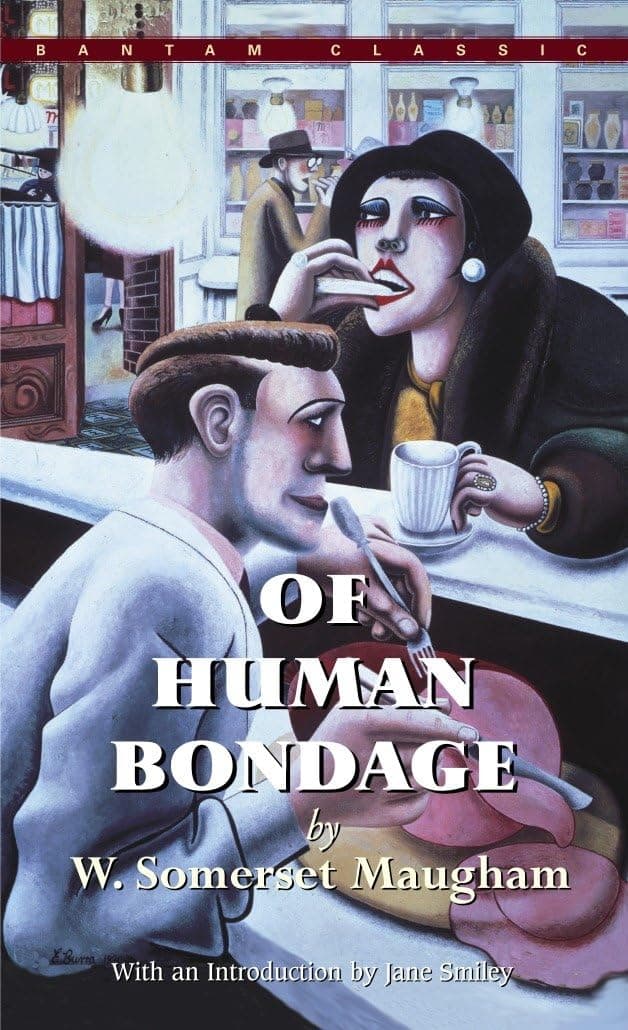
Orphaned and clubfooted, Philip Carey tries Germany, Paris, painting, and medicine, then wrecks himself on a waitress who despises him. Nobody has written the humiliation of unreturned love more exactly.
Miller in Paris, broke and writing about sex and squalor with an appetite nothing in English had matched. Grove Press fought dozens of obscenity suits before the Supreme Court cleared it in 1964.
Jim Dixon loathes lecturing in medieval history, his professor's madrigal weekends, and the colleague trapping him with fake suicide threats. His drunken Merrie England lecture is the great set piece of English comedy.

Ray Smith takes up Zen and mountaineering under Japhy Ryder, drawn from the poet Gary Snyder, who foresees a rucksack revolution. Young Americans read it and went to the mountains by the thousand.
Hearing the Beatles song years later, a man returns to 1969 Tokyo, where his best friend's suicide left him loving two women at once. Murakami dropped the fantastic entirely, and Japan devoured it.

Iris Chase, old and unforgiving, tells how her sister Laura drove off a bridge in 1945. Inside her account sits a scandalous novel, and inside that a pulp tale of blind child assassins.
Fame arrived and Kerouac could not survive it. His narrator retreats to a friend's cabin above the Pacific to dry out, drinks instead, and comes apart in a night of delirium.