King Lear
1607 · 316 pages
An old king divides his kingdom by asking his daughters how much they love him, and the truthful one says least. Shakespeare wrote nothing bleaker, and the last scene is unbearable.
★ 9.8
 skopia
An old king divides his kingdom by asking his daughters how much they love him, and the truthful one says least. Shakespeare wrote nothing bleaker, and the last scene is unbearable.
Dorothea Brooke marries a dry scholar for the wrong reasons and a gifted doctor lets small compromises close around him. Eliot knows more about how people actually fail than any English novelist.
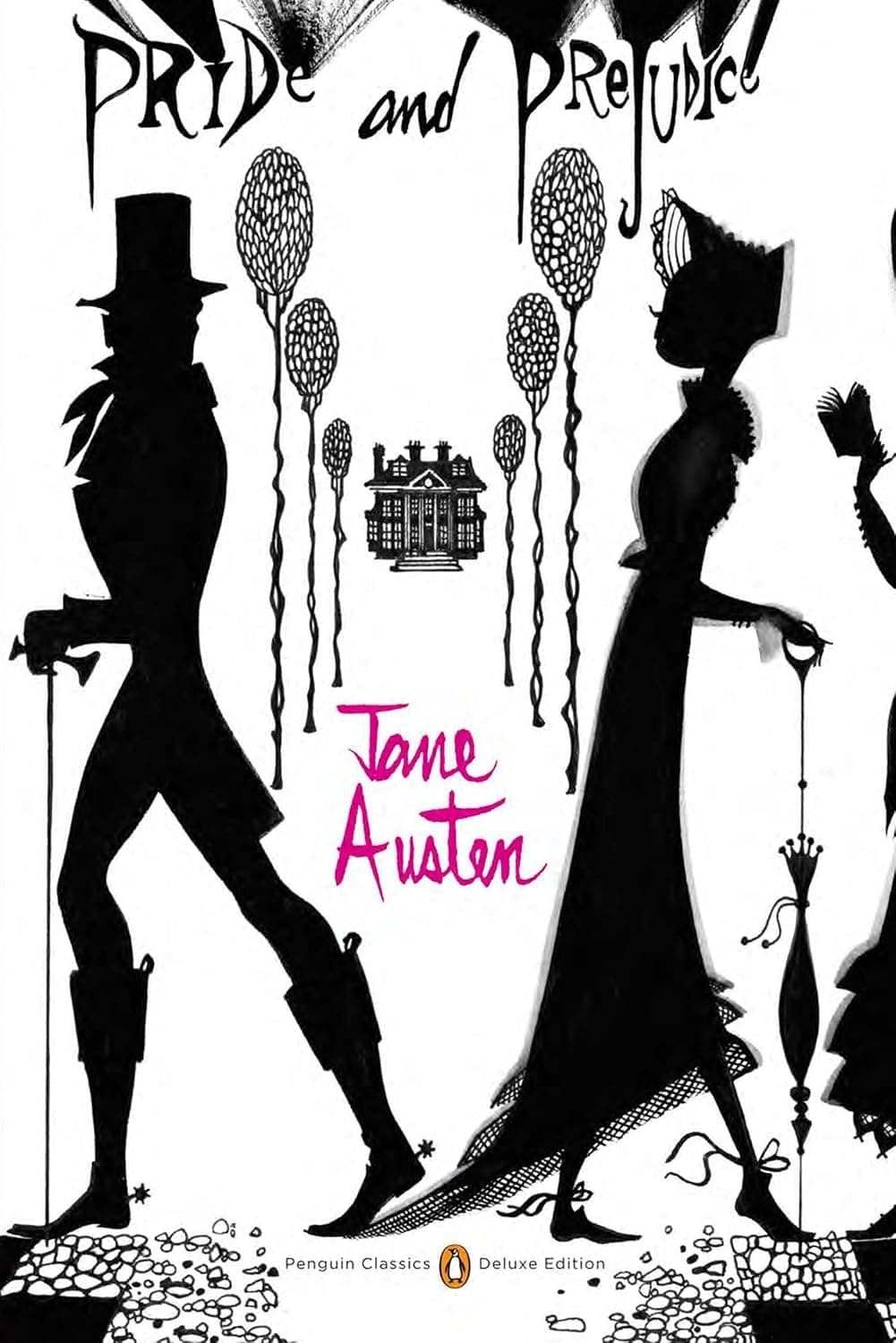
Elizabeth Bennet and Darcy dislike each other on sight and spend the novel being wrong. Austen wrote conversation better than anyone in English, and readers return to it their whole lives.
Witches promise a soldier the crown, and he and his wife murder their way to it. Shakespeare's shortest tragedy moves like a nightmare, and the guilt arrives before the blood dries.
At a summer house by the sea a trip to the lighthouse keeps being postponed, and Woolf gets so close to how a mind works that years pass and grief arrives in passing.
Clarissa Dalloway buys the flowers herself and gives a party, one June day in London, while a veteran wrecked by the war comes apart nearby. Woolf moves between strangers' minds without warning.

Chaucer's thirty pilgrims ride to Canterbury swapping stories, the knight a courtly romance and the miller a filthy joke, and he wrote them in English when serious poetry meant Latin or French.

Pip, a blacksmith's boy, is handed a fortune by an unknown benefactor and turns snob. Miss Havisham waits in her rotted wedding dress, and Dickens makes the shame of low birth unbearable.
Heathcliff, a foundling on a Yorkshire farm, spends his life destroying two families over the girl he loves. The poet Rossetti called it a fiend of a book, its action laid in hell.
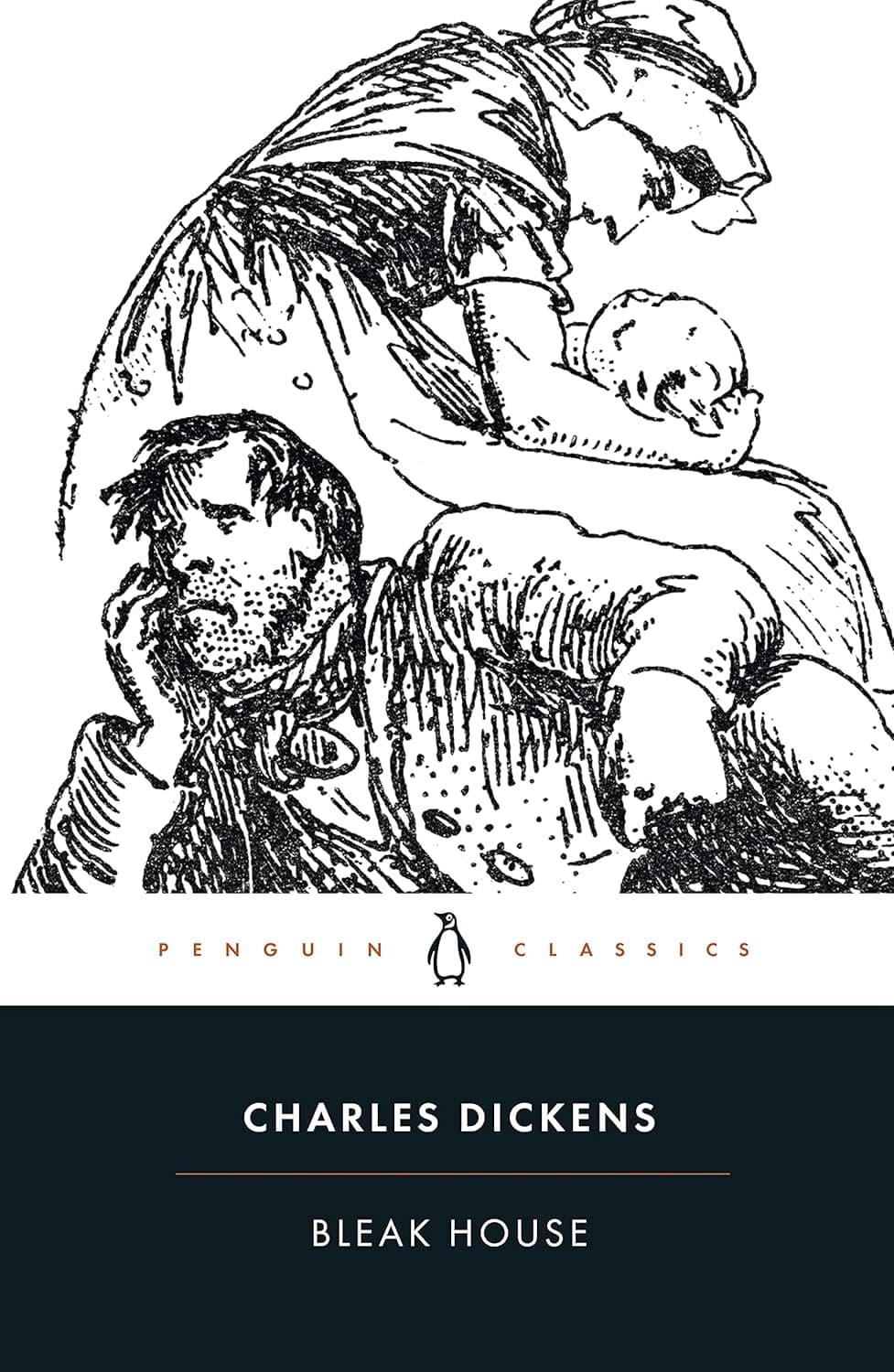
Dickens's supreme achievement, and his angriest. A lawsuit over a will has dragged through the courts so long that nobody alive understands it, and its fog settles over every life in England.

In London in 1944 the army notices that an American officer's sexual conquests keep predicting where German rockets fall. What follows is the filthiest, funniest chase ever run across a ruined continent.
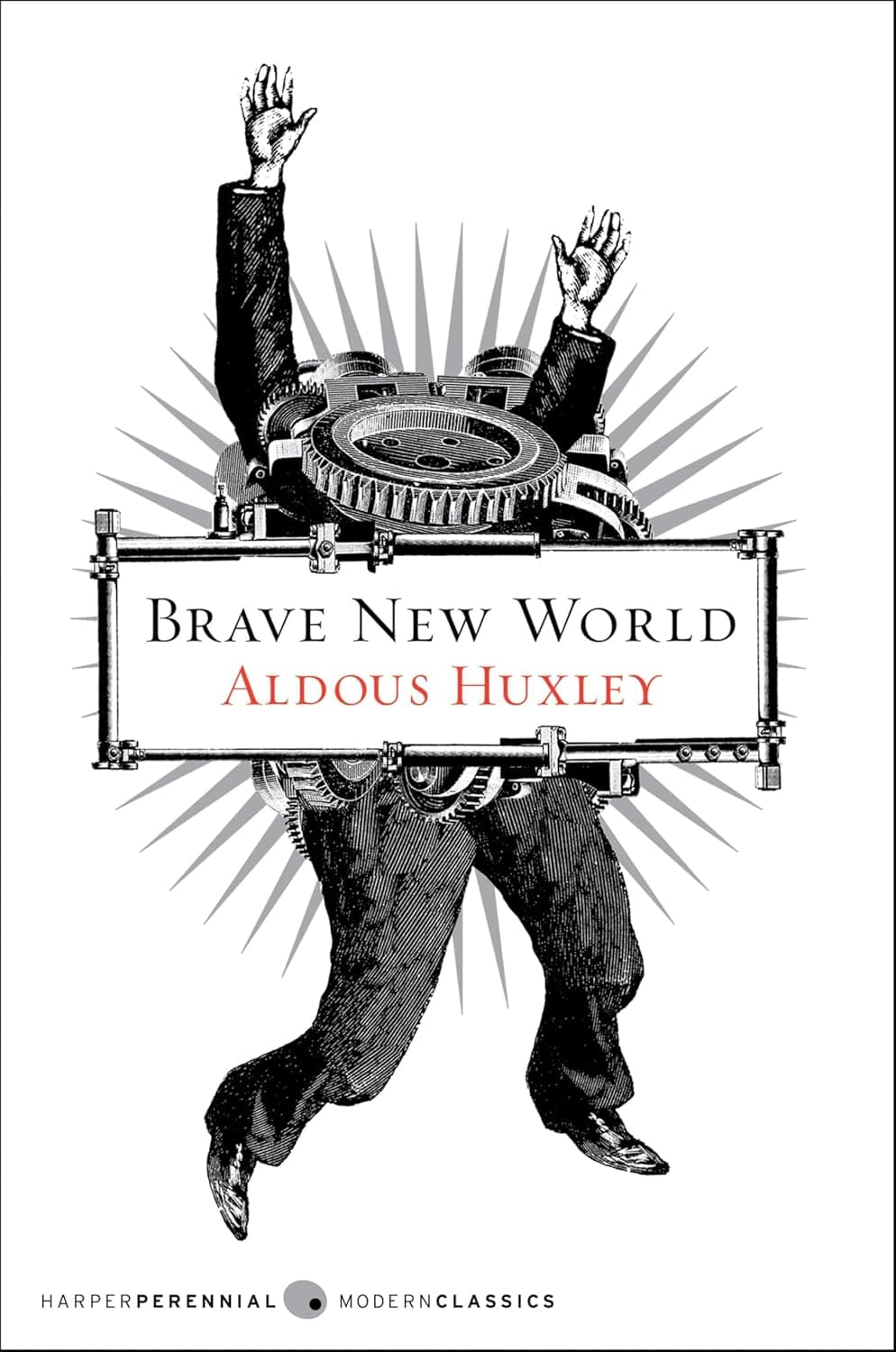
Babies are decanted from bottles into castes, everyone takes a drug called soma, and nobody is unhappy. Huxley saw that a tyranny of pleasure would hold better than one of fear.
Emma Woodhouse is rich, clever, and sure she knows what everyone needs, so she arranges marriages and ruins them. Austen puts you inside her head until you miss what she misses.

Tess, a poor farm girl, is sent to claim kinship with rich relatives, and what happens there decides the rest of her life. Hardy called her a pure woman and Victorian England erupted.
Put to work in a warehouse as a boy, David escapes to an aunt he has never met. Dickens gave him his own childhood, and loved this novel above all the others.

Wilde gives two idle men imaginary people, a wicked brother and an invalid friend, to escape their obligations, then sets them courting women who will marry no one but a man named Ernest.
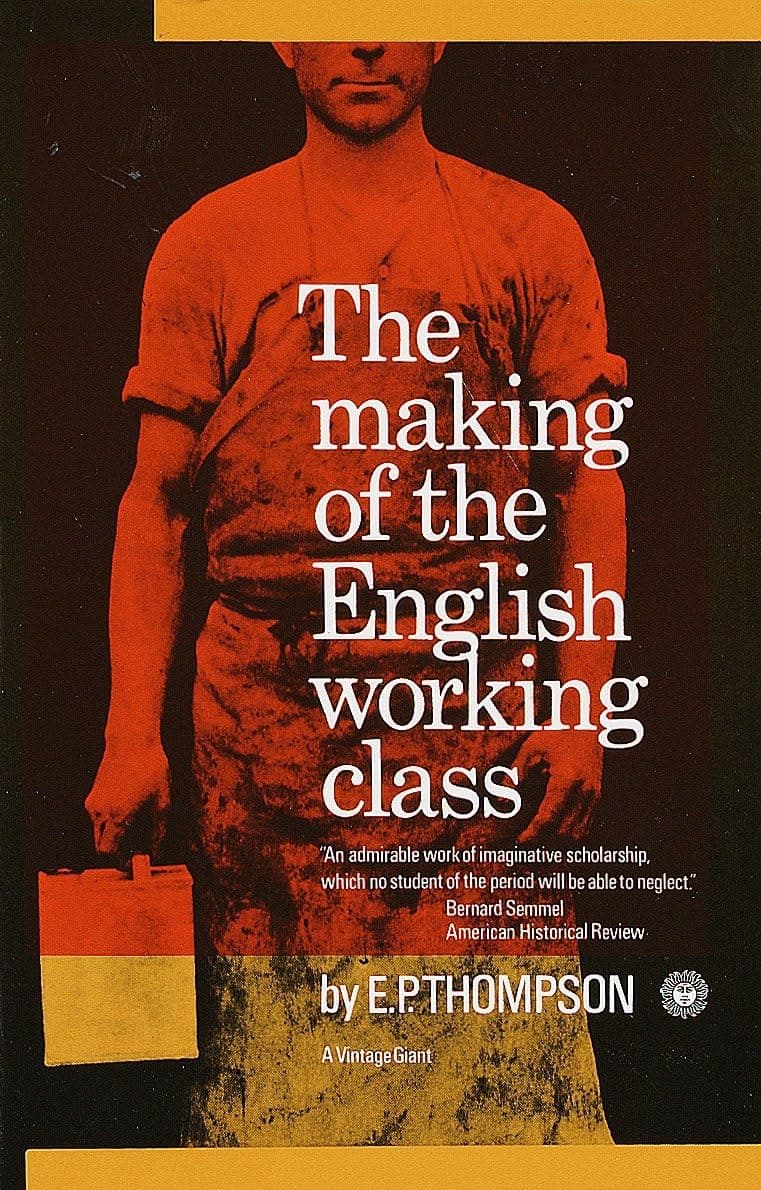
Thompson follows English weavers, artisans, and radicals from the 1780s to the 1830s and shows them making themselves into a class. He wrote to rescue them from the enormous condescension of posterity.

Driving across England in 1956 to see the housekeeper he worked beside, a butler remembers the Nazi sympathizer he served with pride. What he cannot bring himself to say is the whole novel.
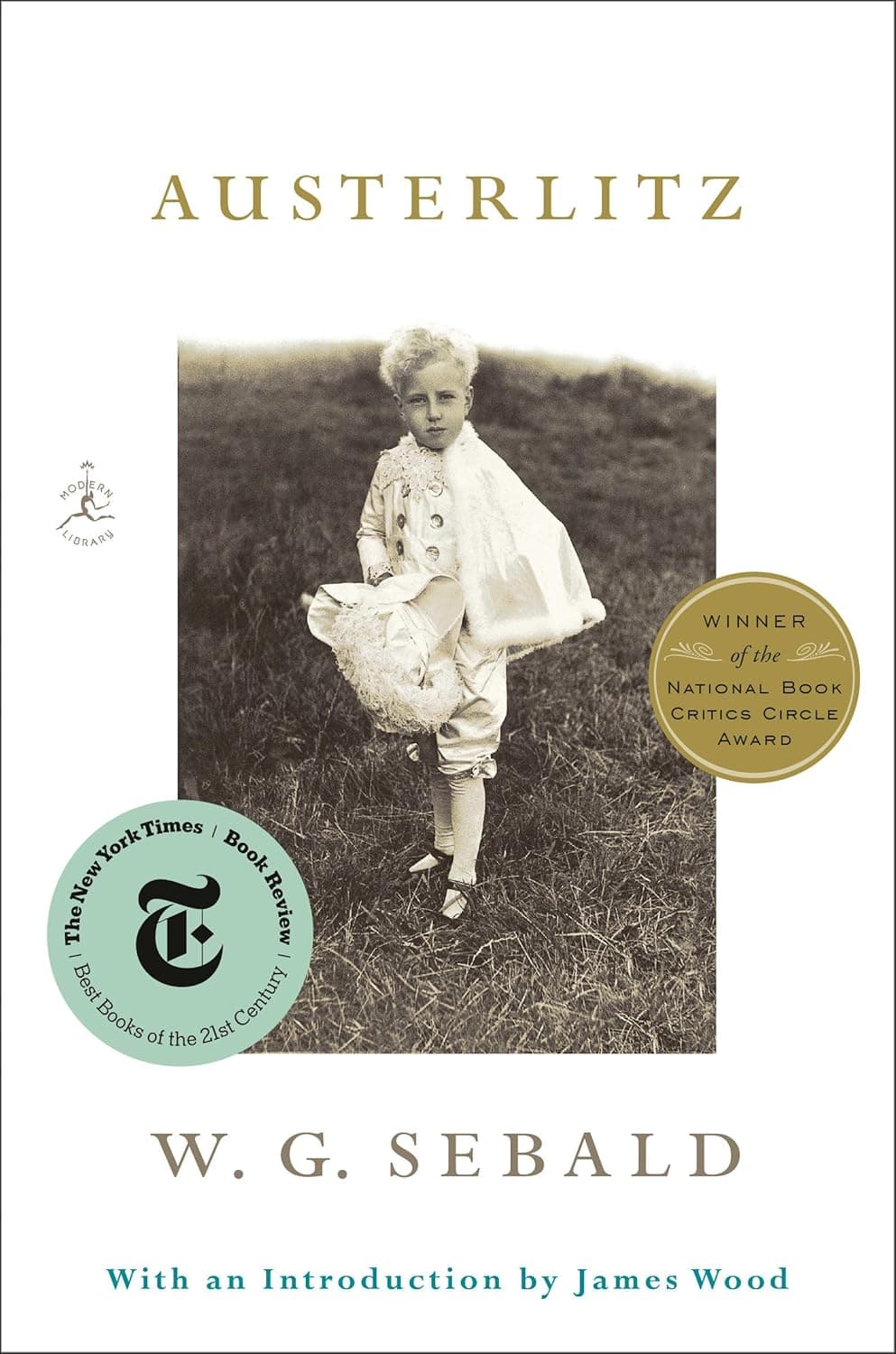
A stranger in an Antwerp waiting room talks about architecture, and over years of meetings tells how he was sent out of Prague on a train in 1939. The grief is never named.
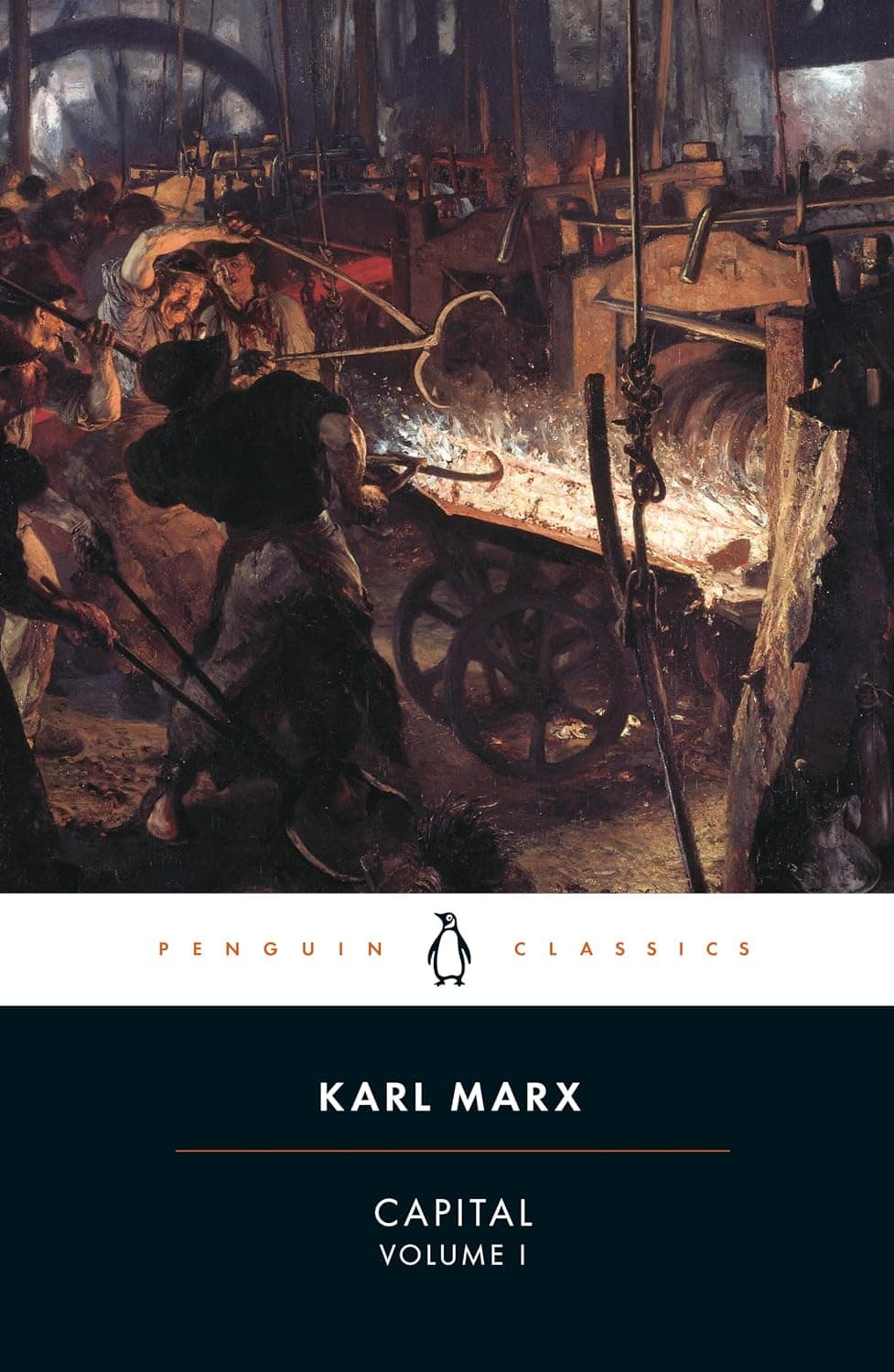
Workers create more value than their wages return, Marx argues, and that gap is profit. No economic book has reshaped politics more, and the chapter on the working day still burns.

At Arthur's Christmas court a huge green man offers his neck to anyone willing to take the same blow a year later. Gawain swings, and the real test waits in a bedroom.
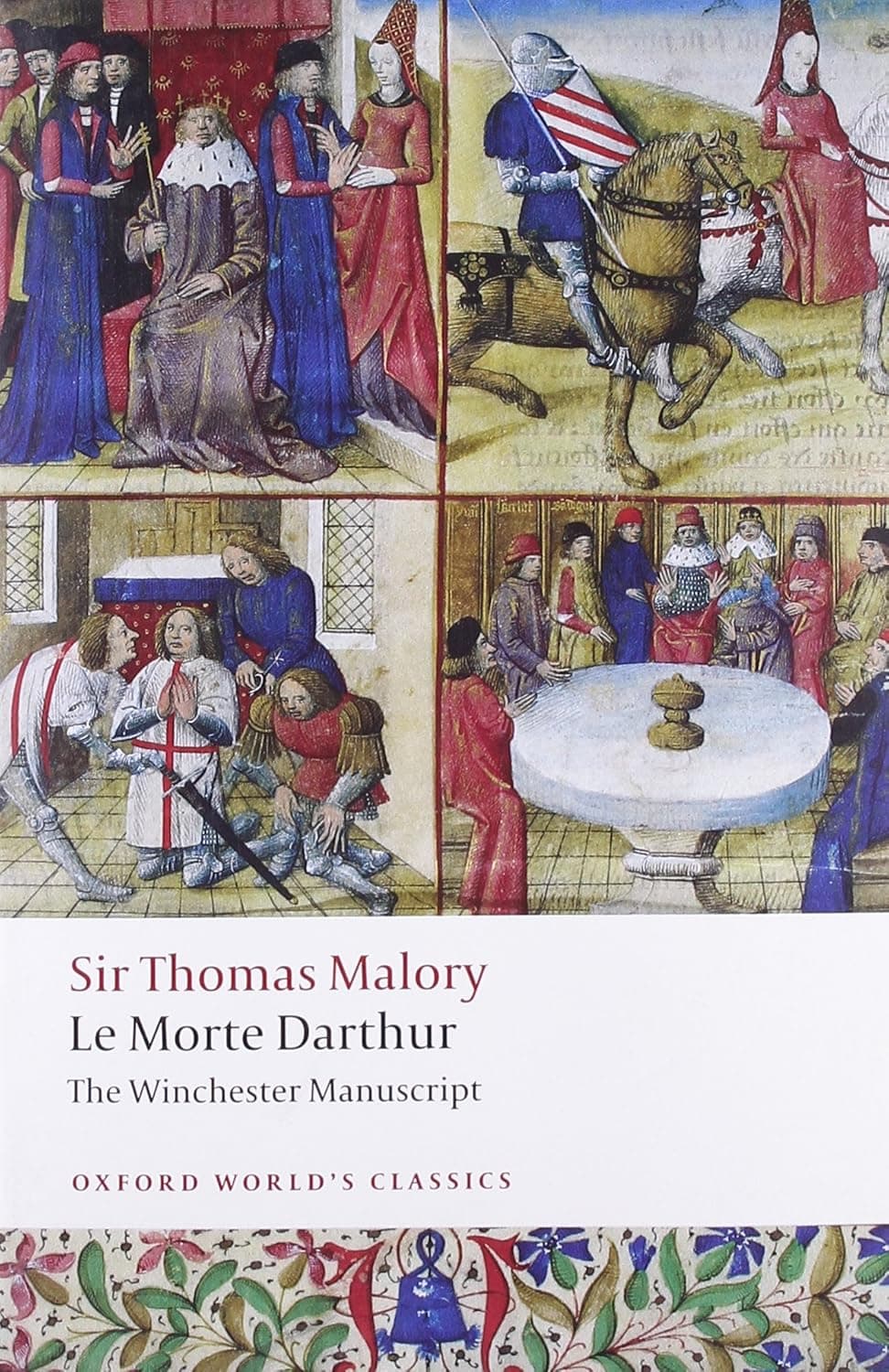
Arthur pulls the sword from the stone and the finest knights come to his table, until his wife's love for Lancelot brings it down. Every Camelot since comes from Malory.

In a Northumbrian monastery in 731, Bede gave the English an origin story, telling their conversion through scenes like the sparrow that flies through a warm hall and back out into the dark.

Found as a baby in a squire's bed, Tom grows up generous and reckless, loses his home, and follows Sophia Western to London. Coleridge ranked the plot beside that of Oedipus.

Boswell met Samuel Johnson, who had written the English dictionary, in 1763 and wrote down his talk for twenty years. Johnson steps off the page as somebody you have actually met.
Outnumbered in France, a young king talks his army into fighting at Agincourt, promising that whoever survives will remember the day forever. After the battle he reads out the names of the dead.

Falstaff is the greatest comic creation in English, a fat knight who lies about everything, and Prince Hal wastes his youth drinking with him while rebellion gathers against his father the king.
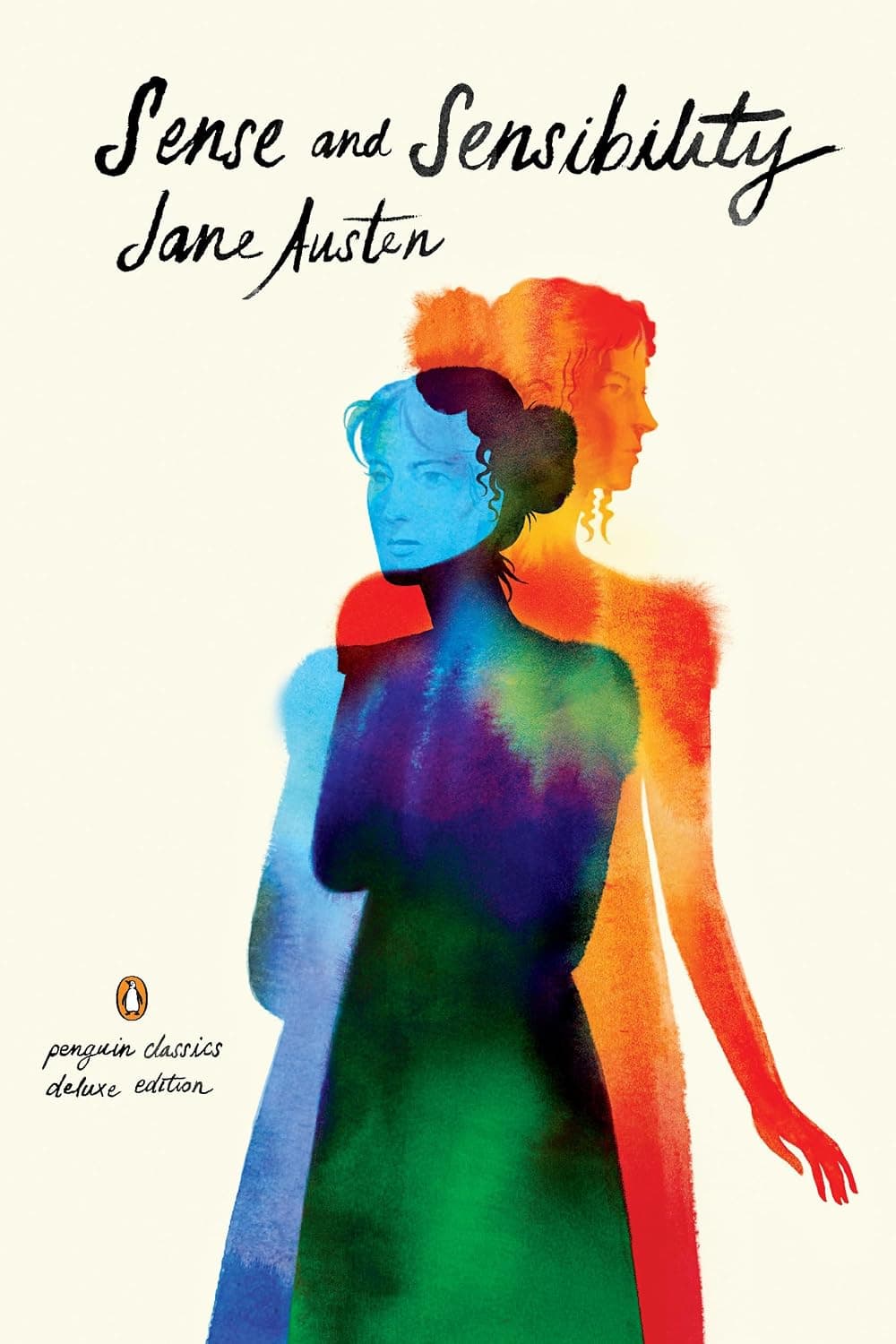
Left poor by their father's death, Elinor Dashwood hides her heartbreak while her sister Marianne broadcasts hers. Austen weighs the two ways of feeling and gives the sisters the real love story.

Becky Sharp leaves school with no money and claws her way through English society while her friend Amelia wastes her love on a worthless man. Thackeray spares nobody, and Becky is magnificent company.
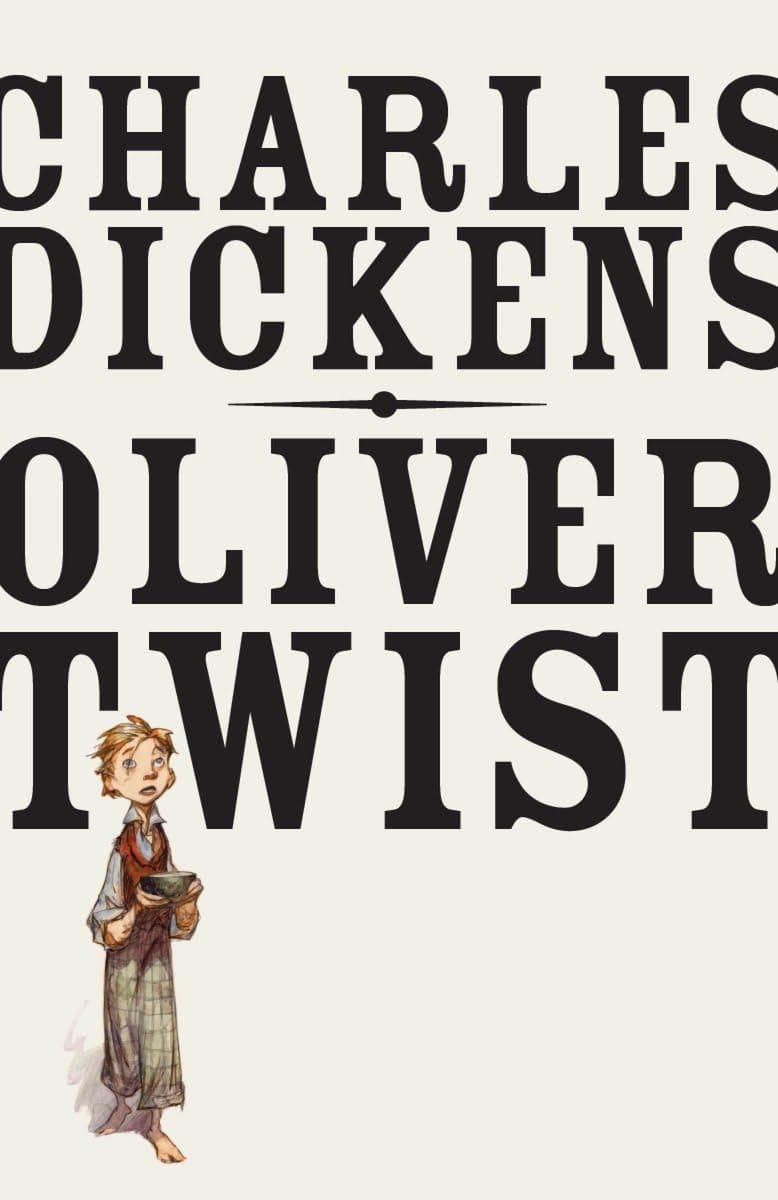
Born in a workhouse, Oliver asks for more, is sold off, and runs to London, where Fagin's gang of child pickpockets takes him in. Dickens made child poverty impossible to ignore.
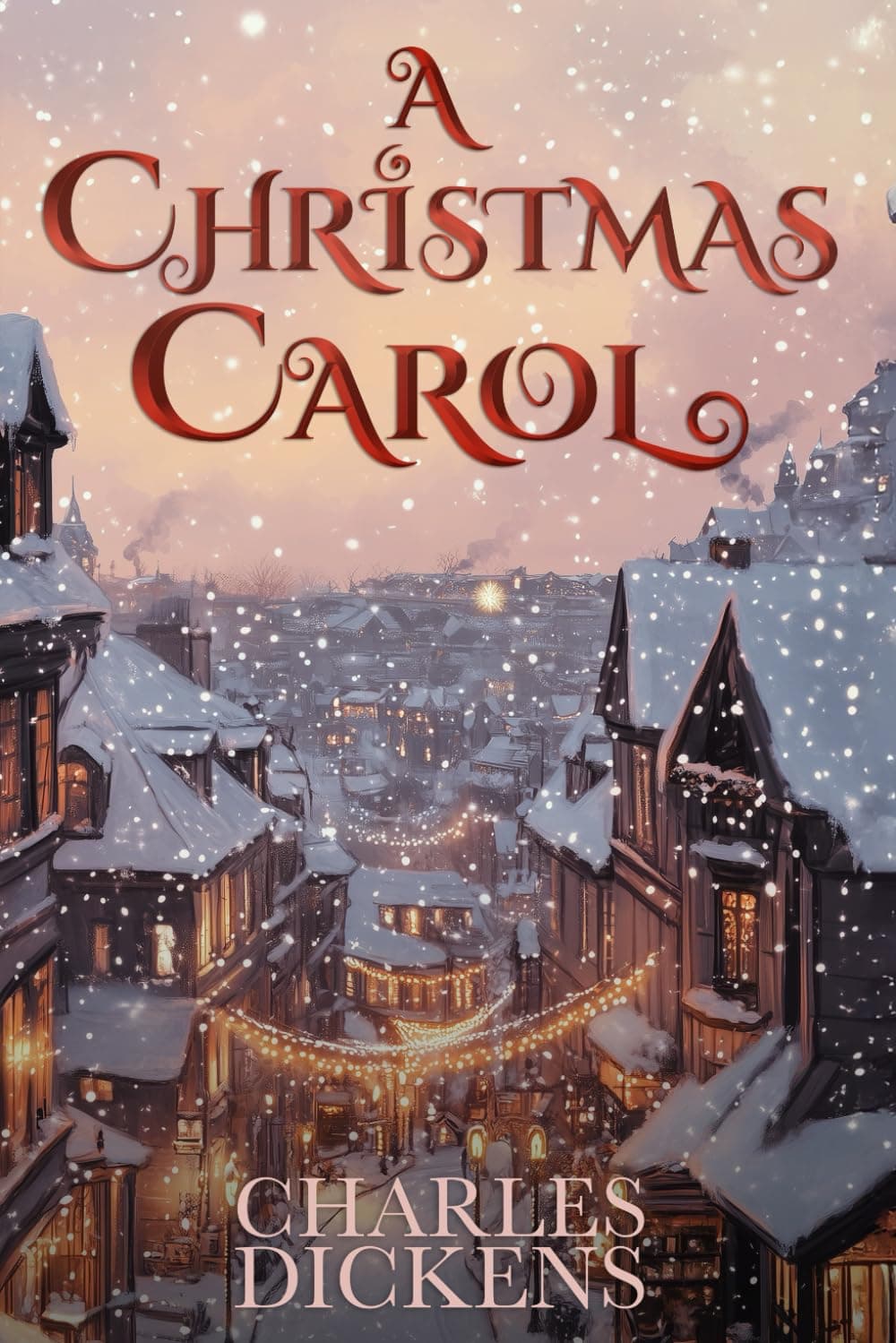
Scrooge hates Christmas until his dead business partner turns up wrapped in chains and three spirits walk him through his own life. The modern Christmas takes its shape from this book.

Told by a charming aristocrat that beauty is everything, Dorian Gray wishes his portrait would age in his place, and it does. Wilde's epigrams carry every page, and the horror arrives beneath them.

Lucy Honeychurch is kissed among violets on a hillside outside Florence, and Forster makes the rest a sunlit comedy about whether English respectability is worth the lie it demands of her.

Four Victorian idols go under Strachey's scalpel: Cardinal Manning, Florence Nightingale, the headmaster Thomas Arnold, and General Gordon at Khartoum. The malice is so elegant that English biography never went back to reverence.
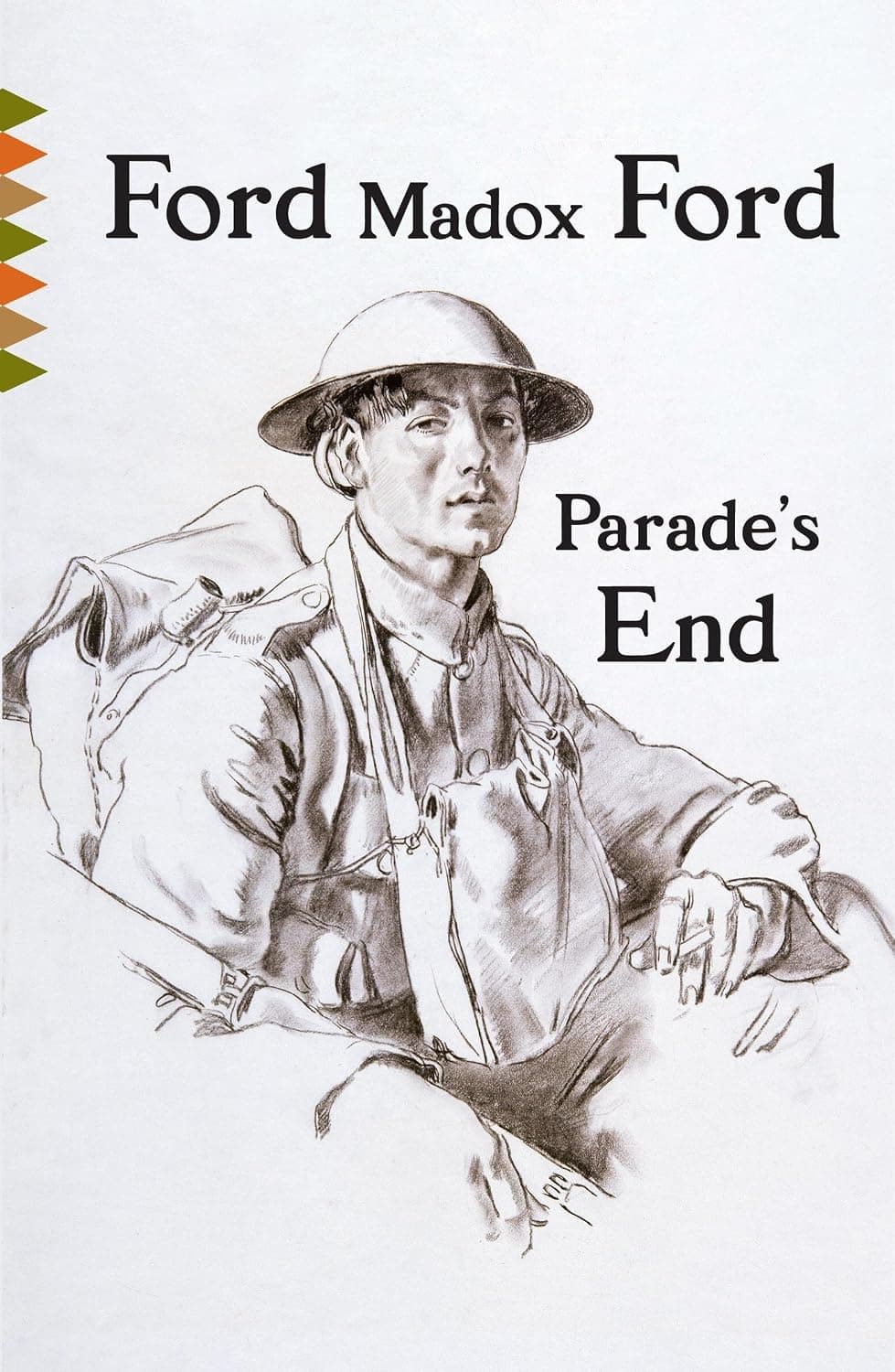
Christopher Tietjens, a government statistician called the last Tory, endures a wife bent on ruining him and a war in France that takes apart the England he was raised to defend.
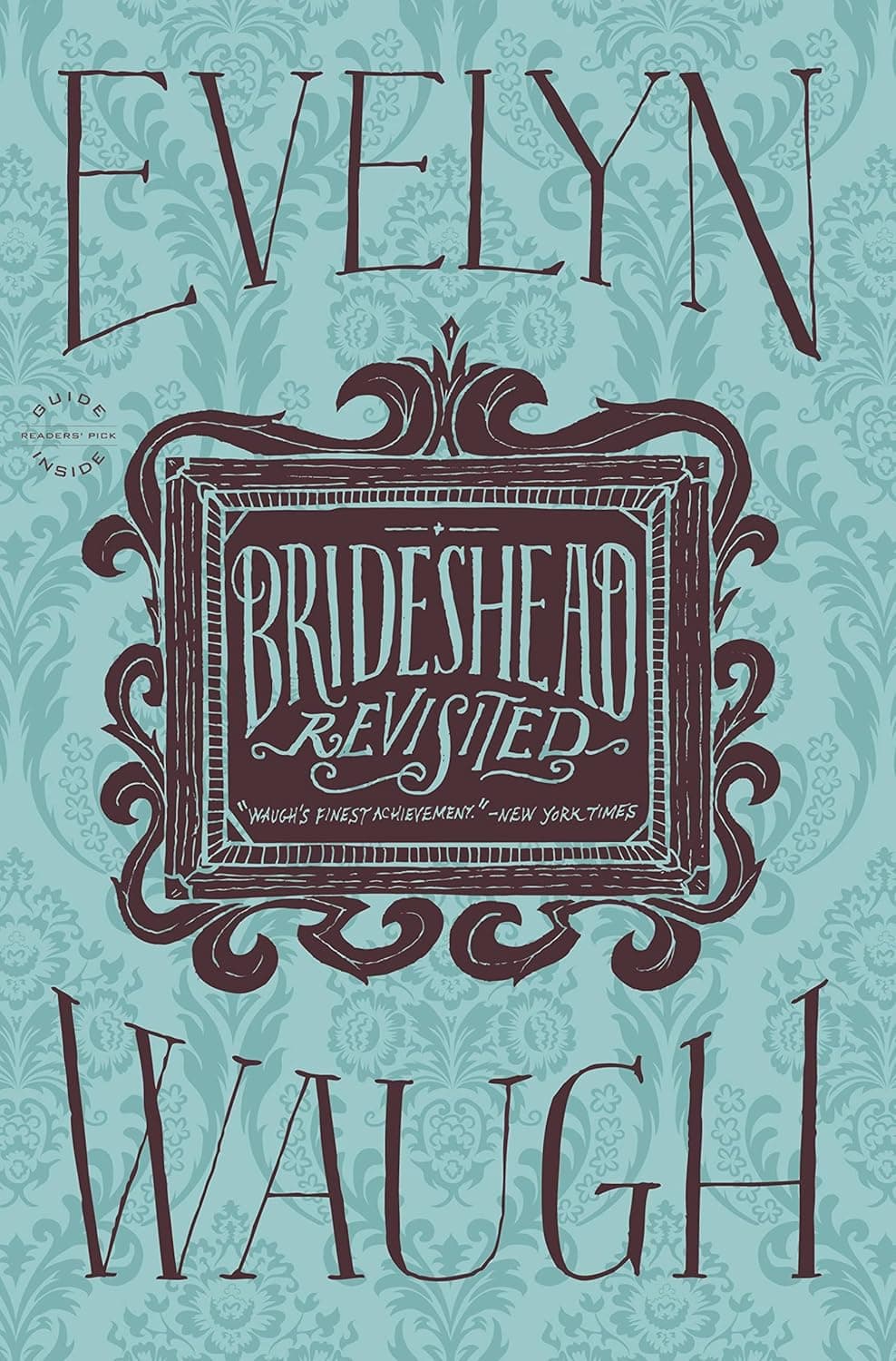
Charles Ryder, an officer billeted at a requisitioned country house, remembers the Catholic family who owned it: the ruined son he loved at Oxford, the sister he wanted later, and grace closing in.
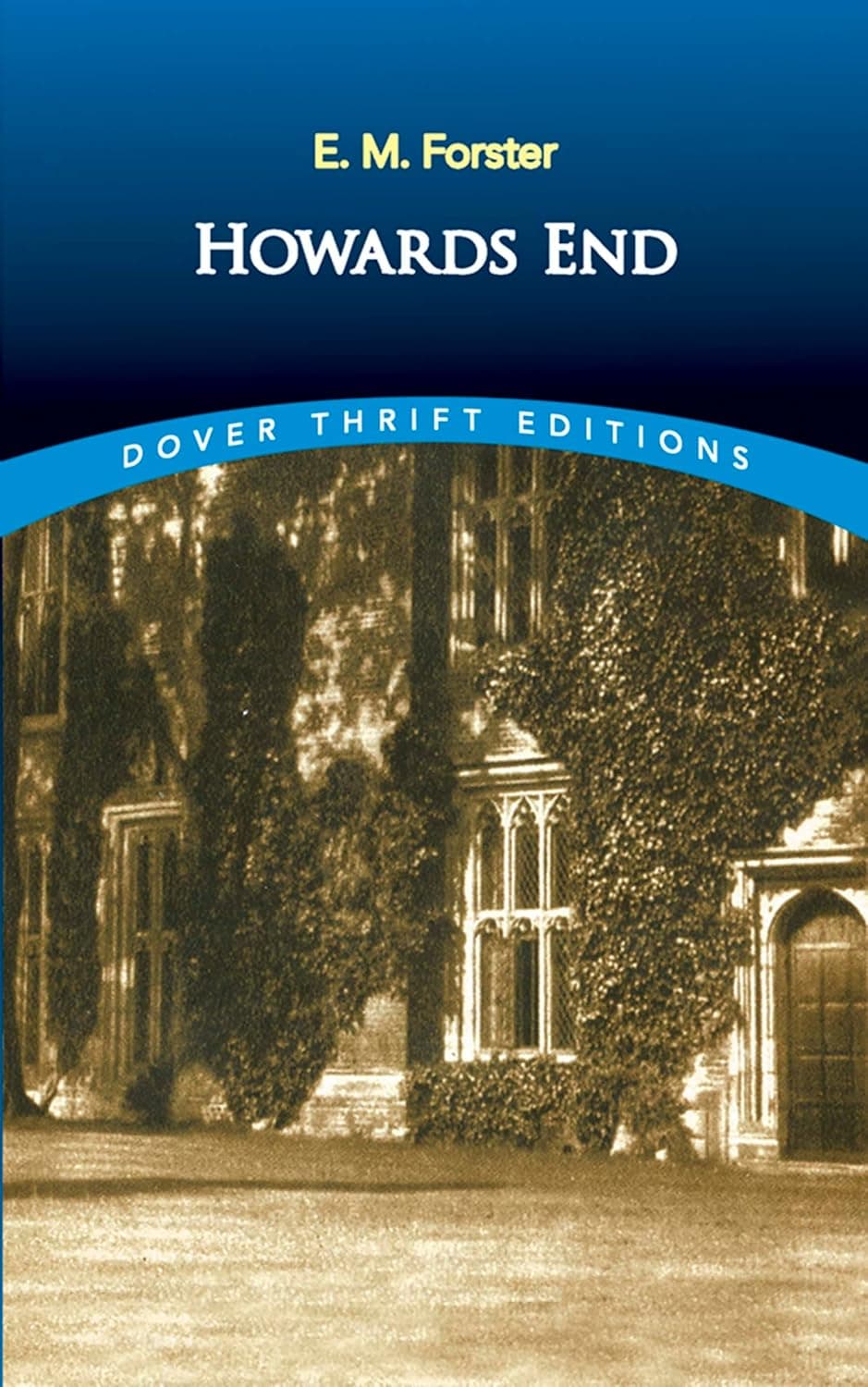
Two families and one house. Forster sets the cultured Schlegel sisters against the money-making Wilcoxes, drags a poor clerk into the collision, and makes the question of who inherits England literal.

Nine years of Restoration London set down every night in shorthand. Pepys watched the Great Fire from a boat and he was as frank about his own adulteries as about the plague.
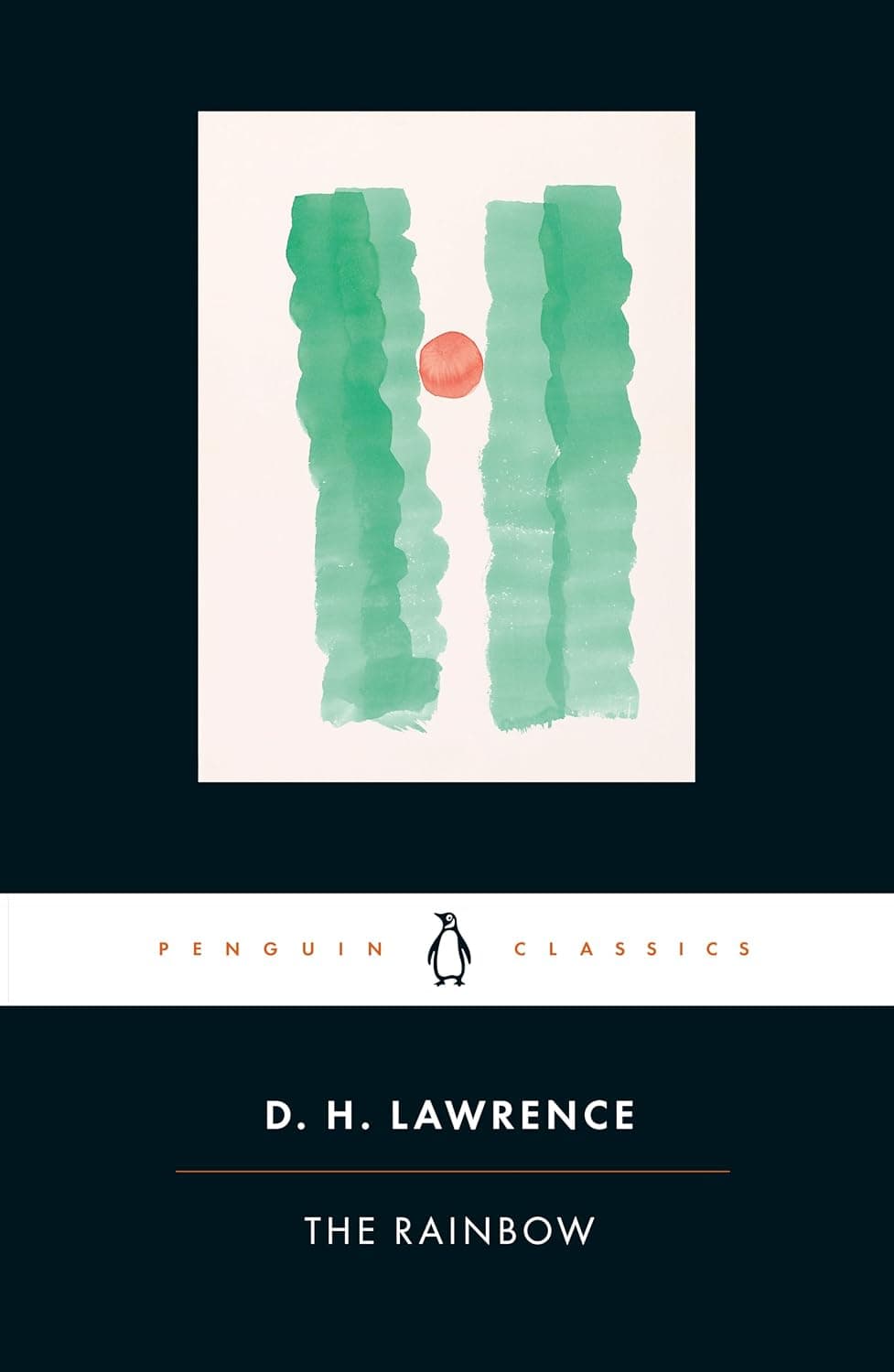
Three generations of one Nottinghamshire family, and Lawrence writes their marriages from inside the body: what draws two people together, what turns cold, and what the granddaughter Ursula cannot find.

Orlando starts as a boy at Queen Elizabeth's court and ends as a woman in 1928 London, changing sex without fuss. Woolf wrote it for her lover Vita Sackville-West, and the joy shows.