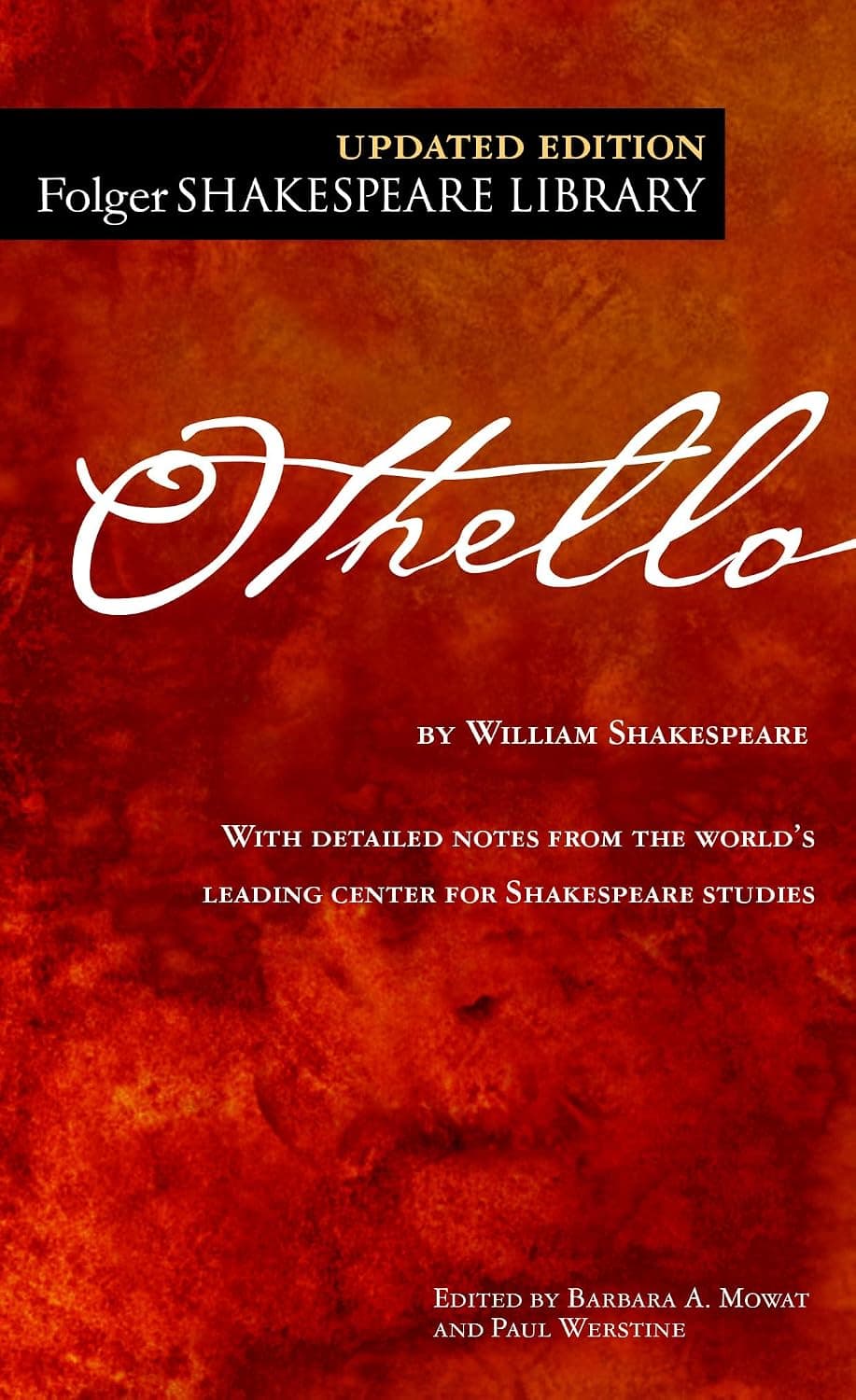
Othello
1603 · 314 pages
Iago tells the audience exactly how he will destroy his general, then does it with a handkerchief and patient lying. His reasons never explain it, and watching Othello believe him is agony.
★ 9.0
 skopia
Iago tells the audience exactly how he will destroy his general, then does it with a handkerchief and patient lying. His reasons never explain it, and watching Othello believe him is agony.

Gibbon follows Rome from its imperial peak to the fall of Constantinople thirteen centuries later, in the finest prose English history possesses. His contempt for Christianity still makes readers laugh.
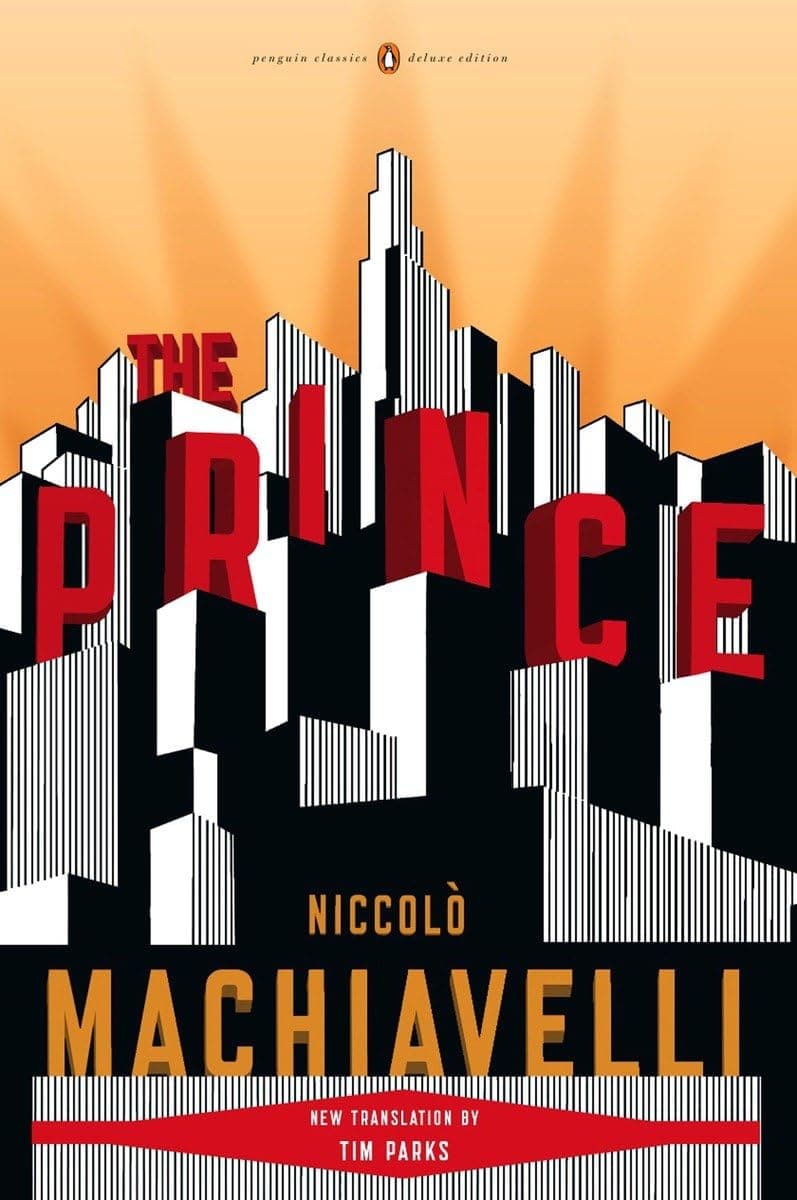
Machiavelli threw out the question of how a ruler ought to behave and asked how power is taken and kept. His answer, that a prince does better feared than loved, still unsettles people.

Everything must change so that everything can stay the same, says the prince's nephew as Garibaldi's rebels land in Sicily. Lampedusa writes a class watching itself end with autumnal calm and beauty.

At a party in Verona two teenagers from feuding families meet, marry the next day, and are gone inside a week. Everything they say to each other still sounds newly invented.

Driving ambulances for the Italian army, an American falls in love with an English nurse while the front collapses around them. Hemingway's plain sentences leave you completely undefended by the last page.

Monks are dying at an Italian abbey in 1327, the library is a labyrinth no one may enter, and a Franciscan detective and his novice go in. Eco made medieval theology a thriller.
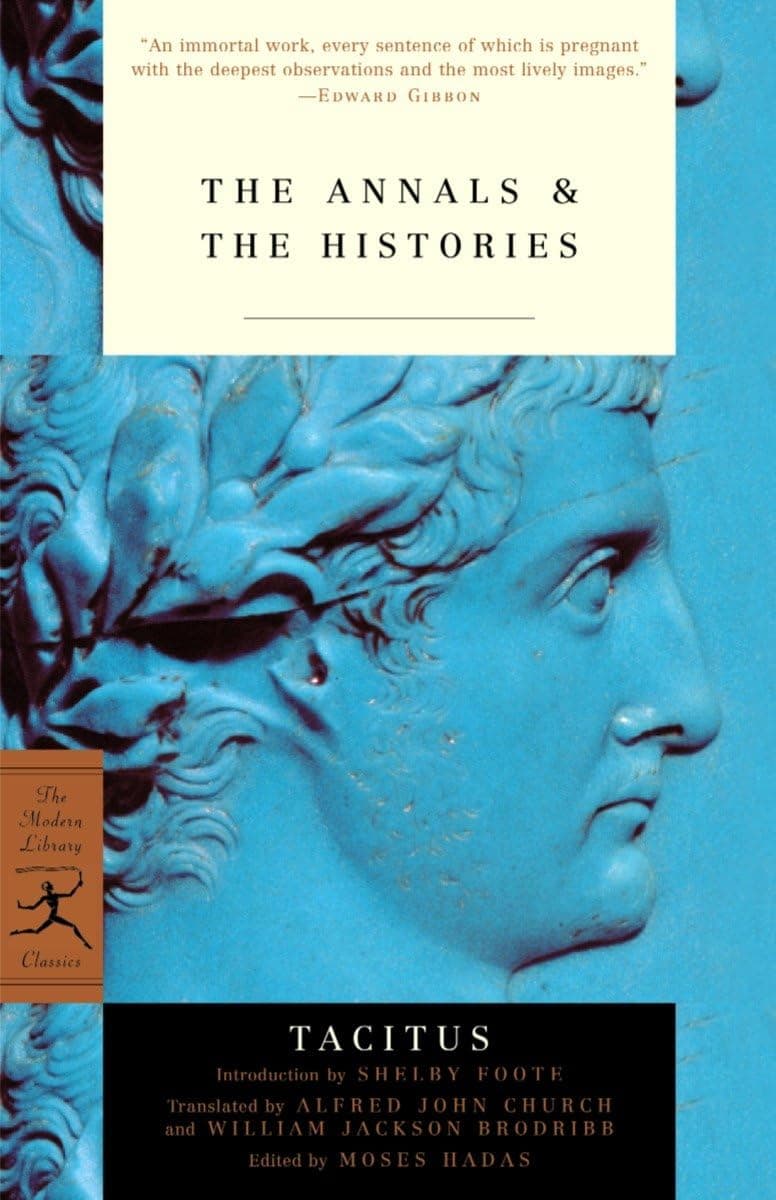
Tacitus promises to write without anger or partiality, then follows Rome from Augustus through Tiberius, Claudius, and Nero, ruining each of them in half a sentence. Power has never had a colder witness.
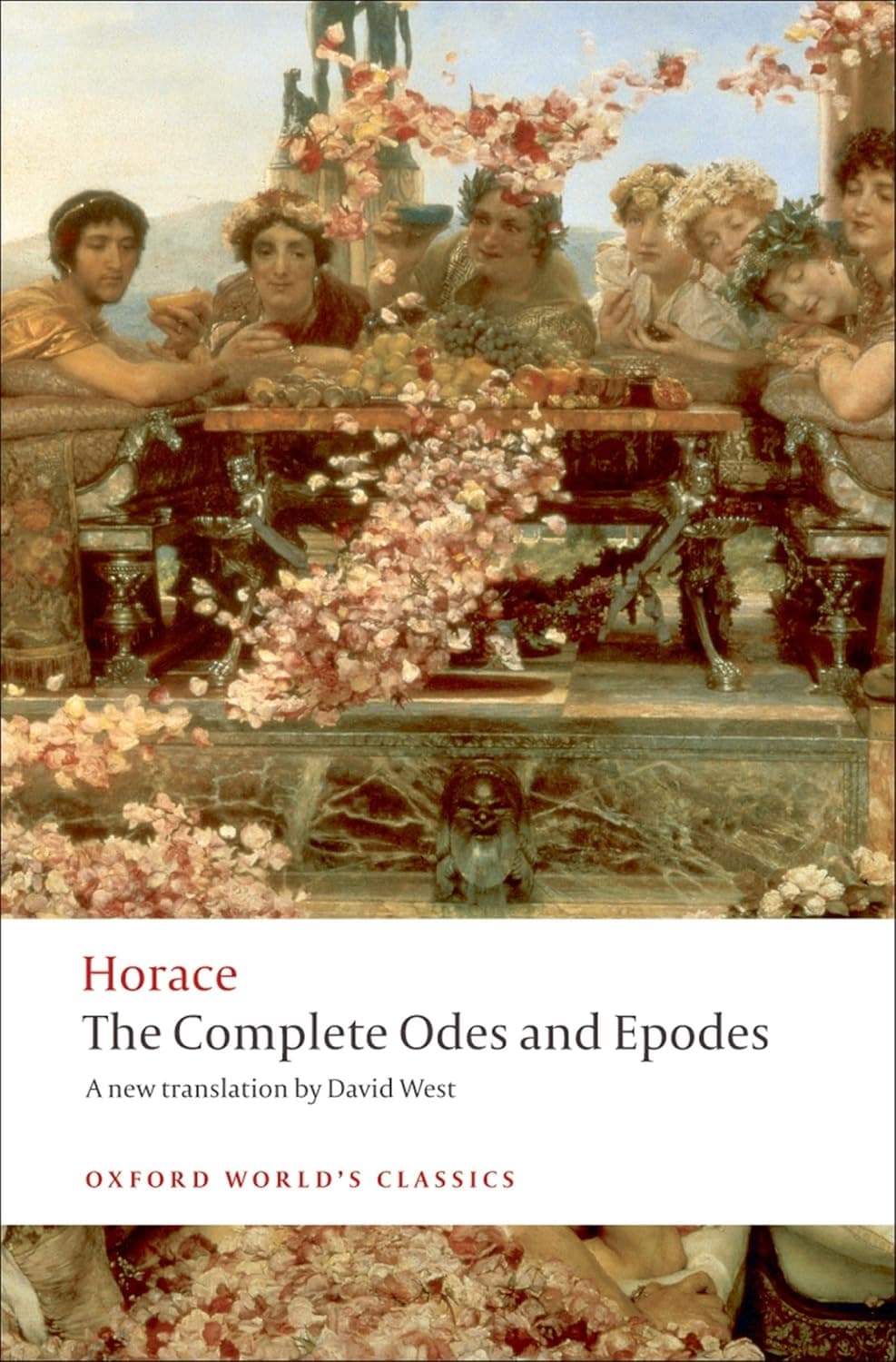
Horace compresses wine, friendship, and the certainty of death into stanzas of exact and unhurried form, the summit of Latin lyric. Carpe diem is his line, and in context it is not cheerful.

Rome fell to the Goths in 410 and pagans blamed the Christians. Augustine answers by sorting all history into two cities, one built on love of God and one on love of self.
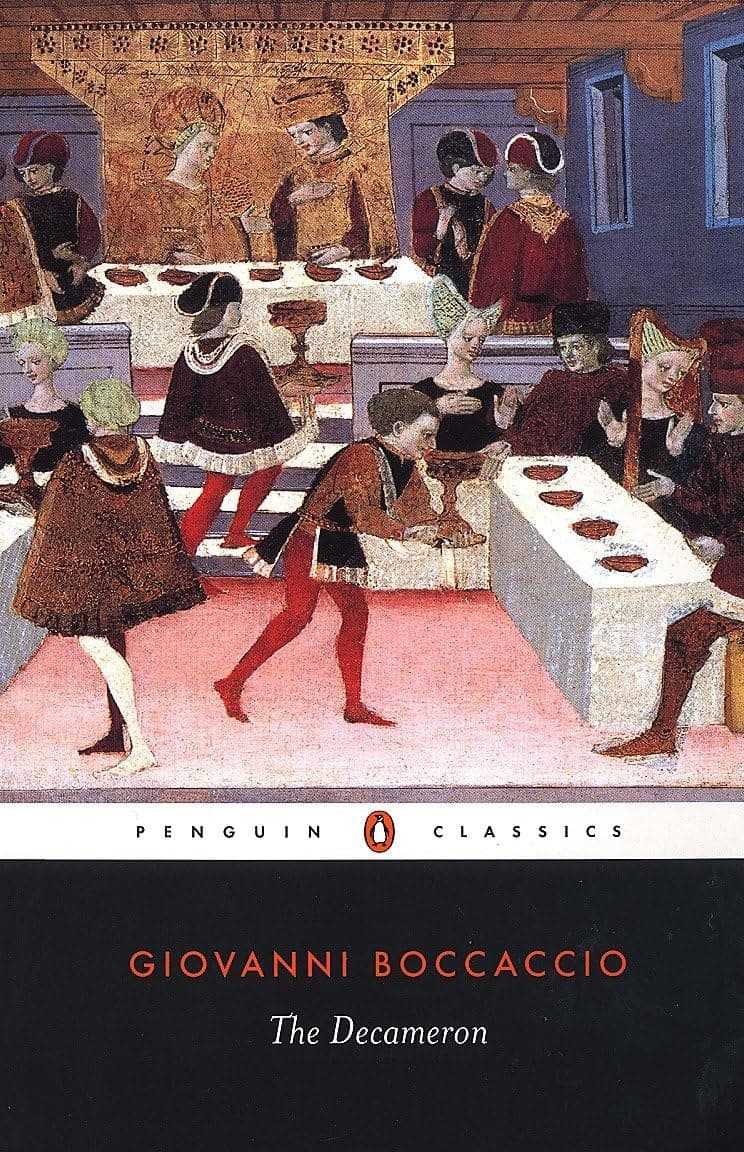
Ten young Florentines flee the plague to a country house and spend ten days telling a hundred stories of seduced wives, crooked friars, and lucky fools. The jokes still land six centuries later.
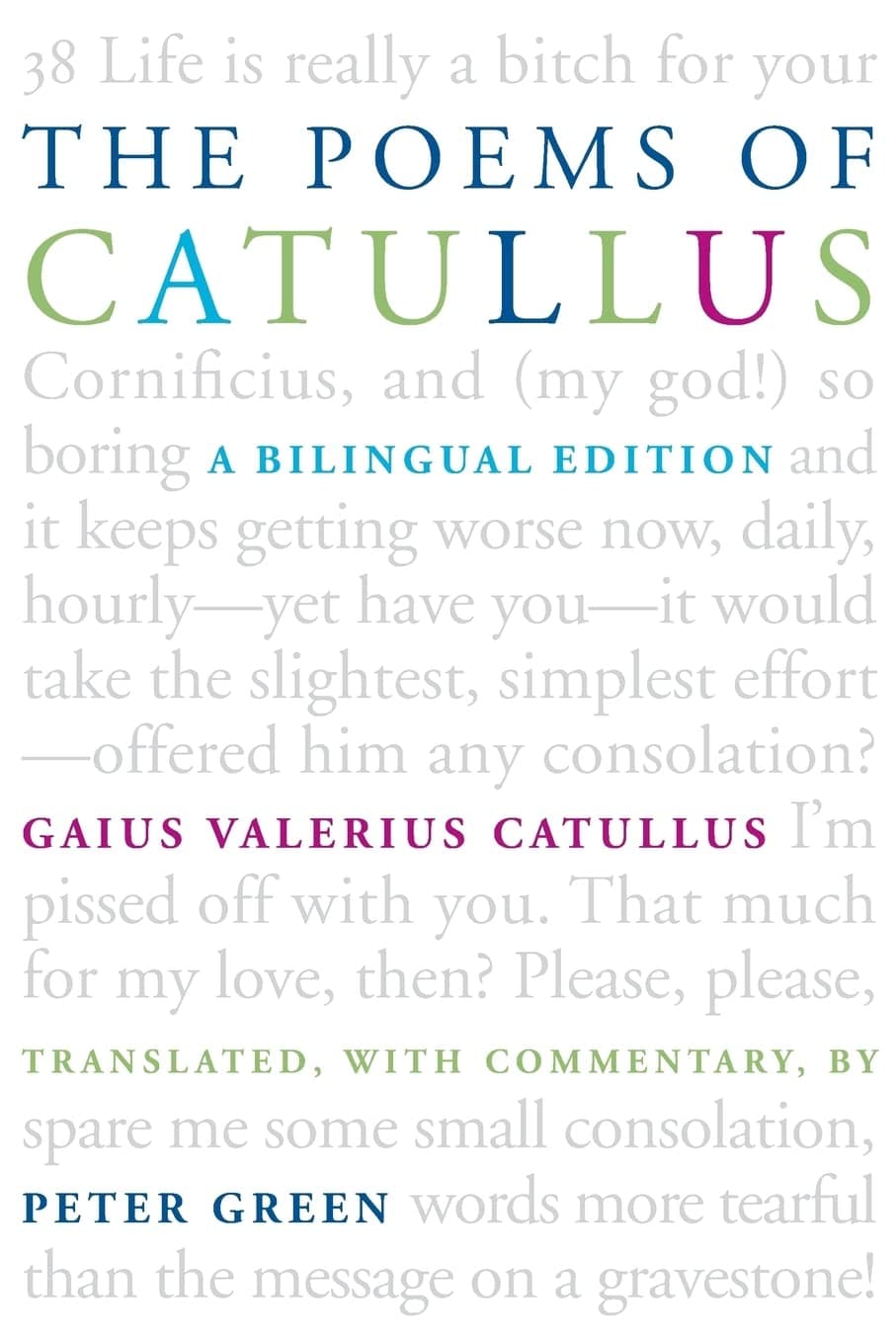
Latin love poetry begins with Catullus, counting kisses by the thousand for the aristocrat he calls Lesbia and then admitting he hates and loves her at once. The obscenity still stings.
Cicero tells his son what a decent person owes everyone: keep your word, harm nobody, and stop believing a shameful act can pay. Real Roman cases of profit against honesty carry the argument.

Vasari was a working painter who knew Michelangelo. His lives of the Italian artists, from Cimabue onward, mix workshop technique with pure gossip, and gave us most of what we believe about genius.

Burckhardt invented cultural history by looking past popes and battles at how Renaissance Italians lived, finding the moment people began to think of themselves as individuals. We still see the period his way.
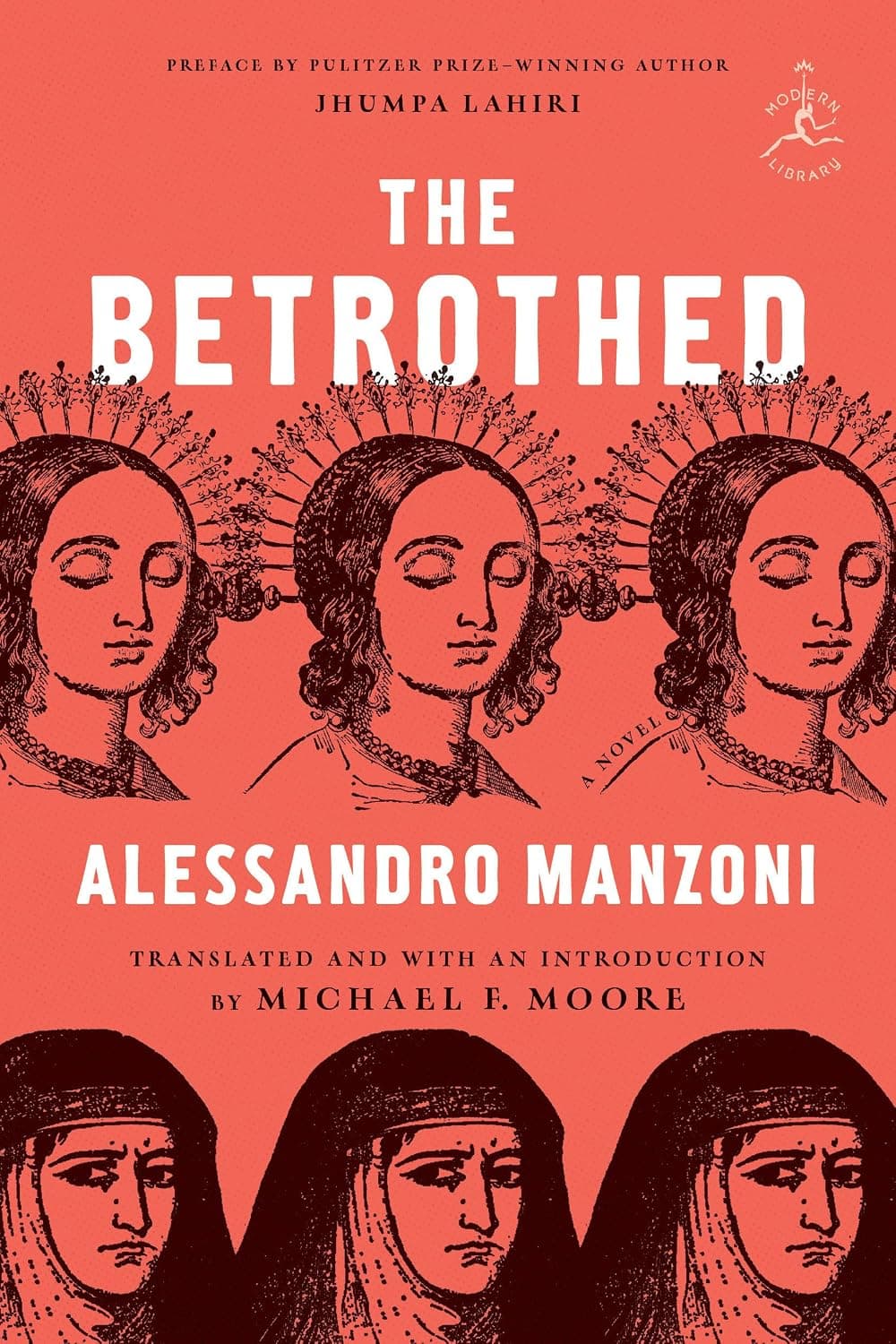
In seventeenth-century Lombardy two peasants want to marry, and a lord who wants the bride frightens their priest into refusing. Riot, famine, and plague come between them. Italian prose was remade on it.

In Venice a merchant borrows from Shylock, a Jewish moneylender he has spat on, pledging a pound of his flesh. Shylock asks whether a Jew does not bleed, and the comedy never recovers.
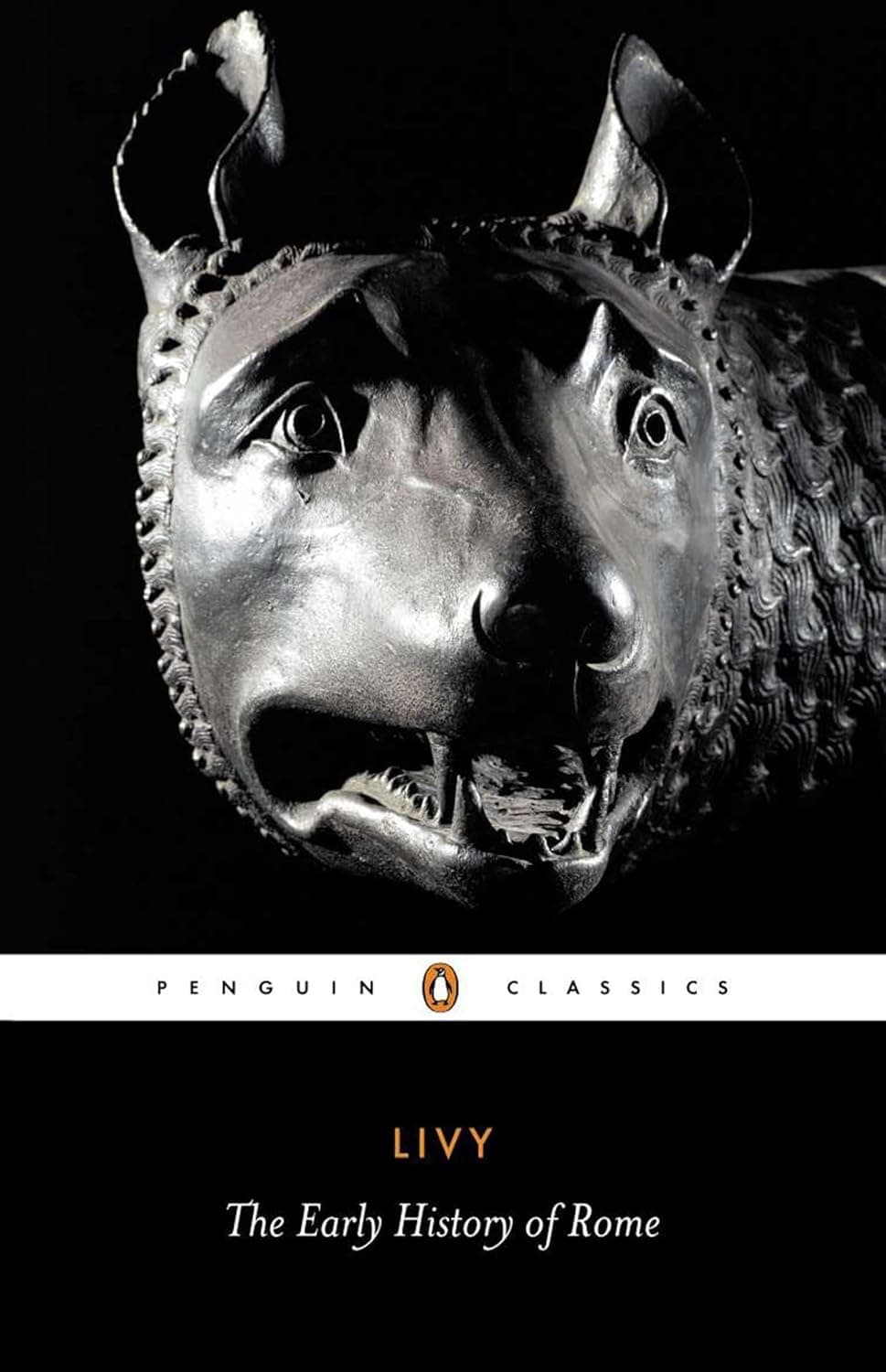
Livy tells Rome's story from the wolf and the twins onward, pausing on the people whose conduct he believes made the city. These are the legends Europe retold for two thousand years.
Beatrice and Benedick insult each other so expertly that their friends trick each into believing the other is secretly in love. Their war of words gave English comedy its model for courtship.
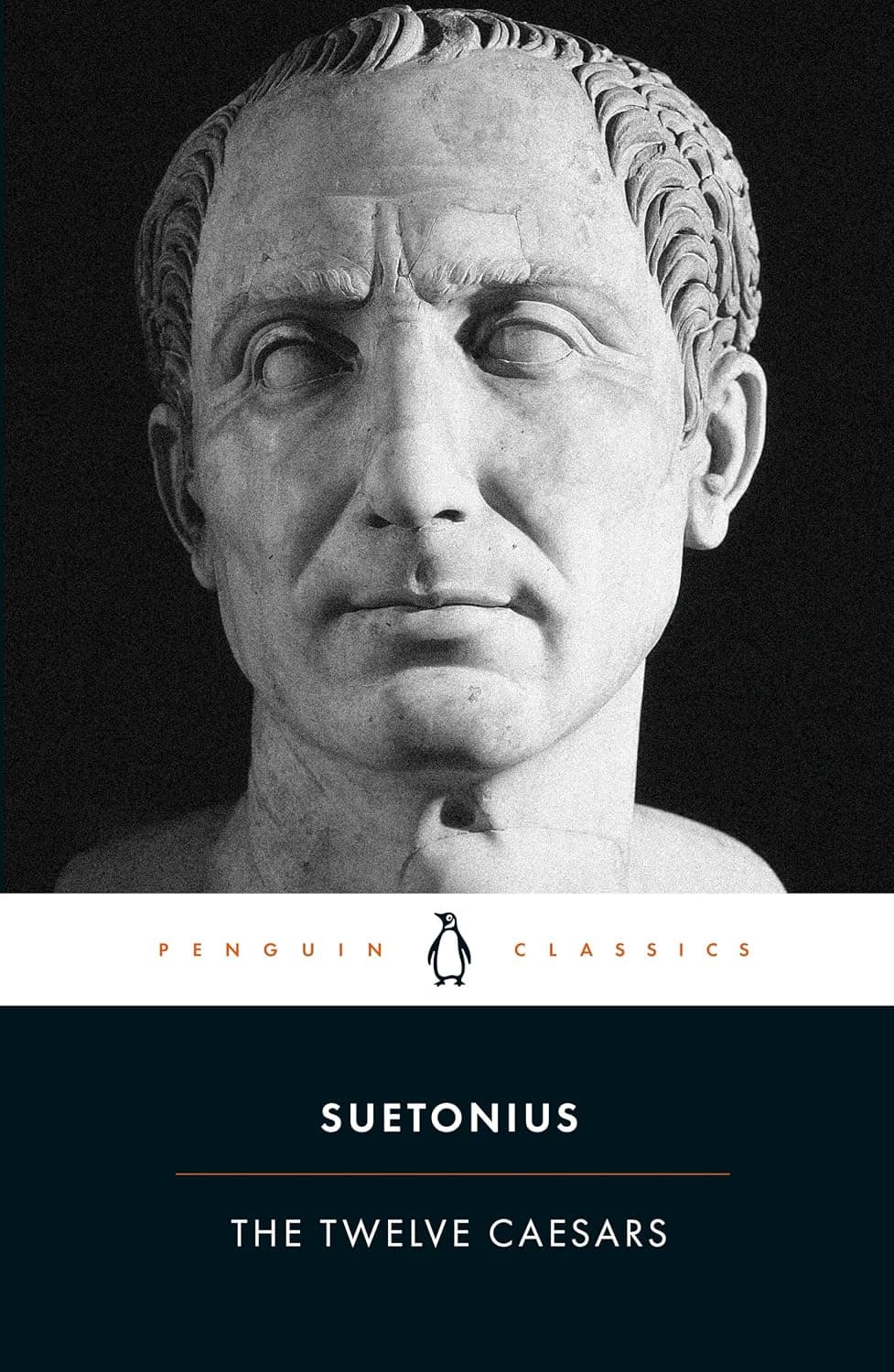
Secretary to the emperor Hadrian, Suetonius wrote the lives of Julius Caesar and eleven emperors after him, omens, gossip, last words and all. Our picture of Nero comes straight from these pages.

Seventeen years old, Fabrice del Dongo wanders onto the field at Waterloo and cannot tell whether he fought there. What follows is court intrigue, a prison tower, and love signaled through a window.

Lucy Honeychurch is kissed among violets on a hillside outside Florence, and Forster makes the rest a sunlit comedy about whether English respectability is worth the lie it demands of her.
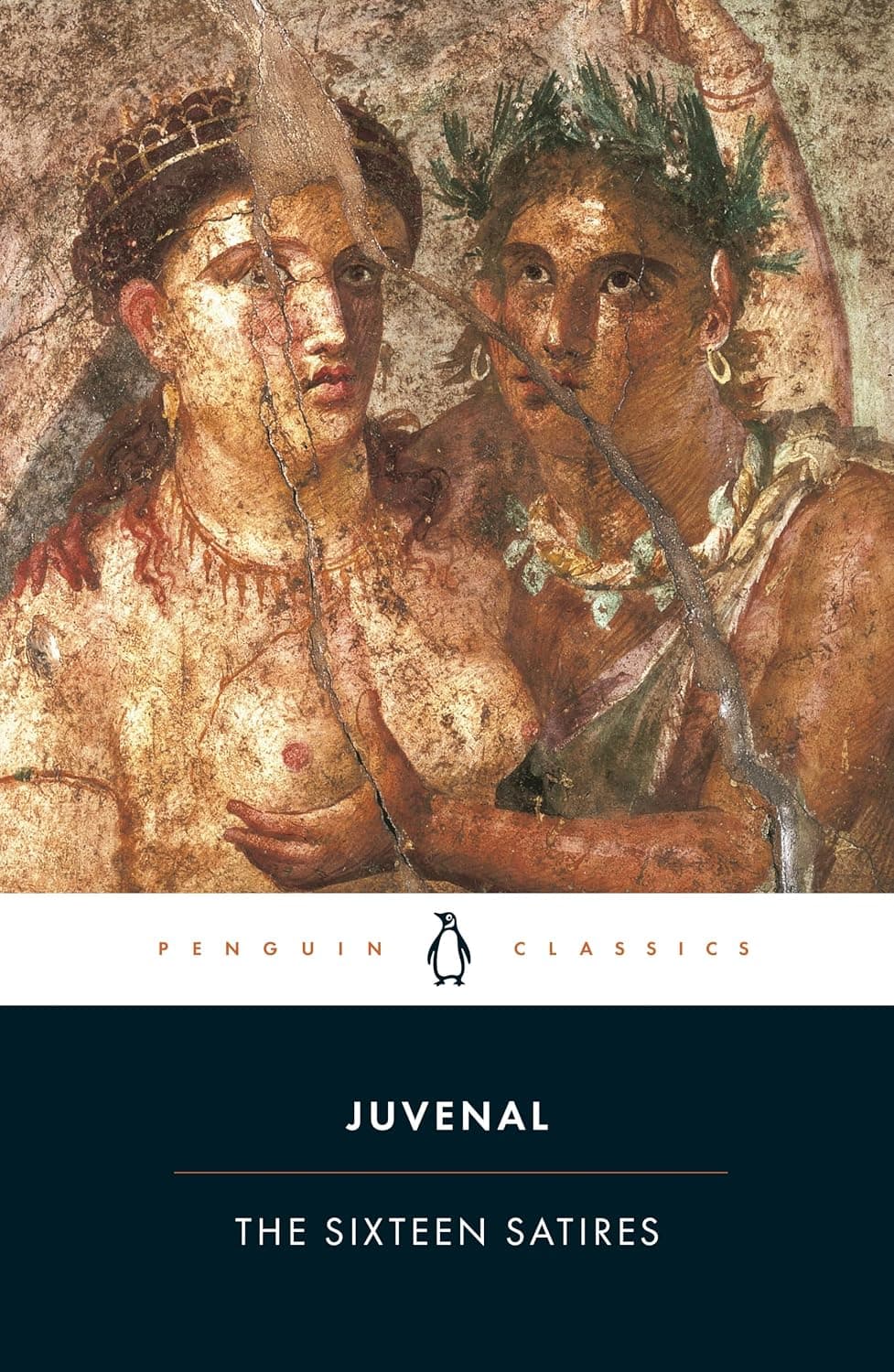
Bread and circuses came from here, and so did the line about guarding the guards. Juvenal turns sixteen poems of fury on imperial Rome, where an honest man cannot afford to live.
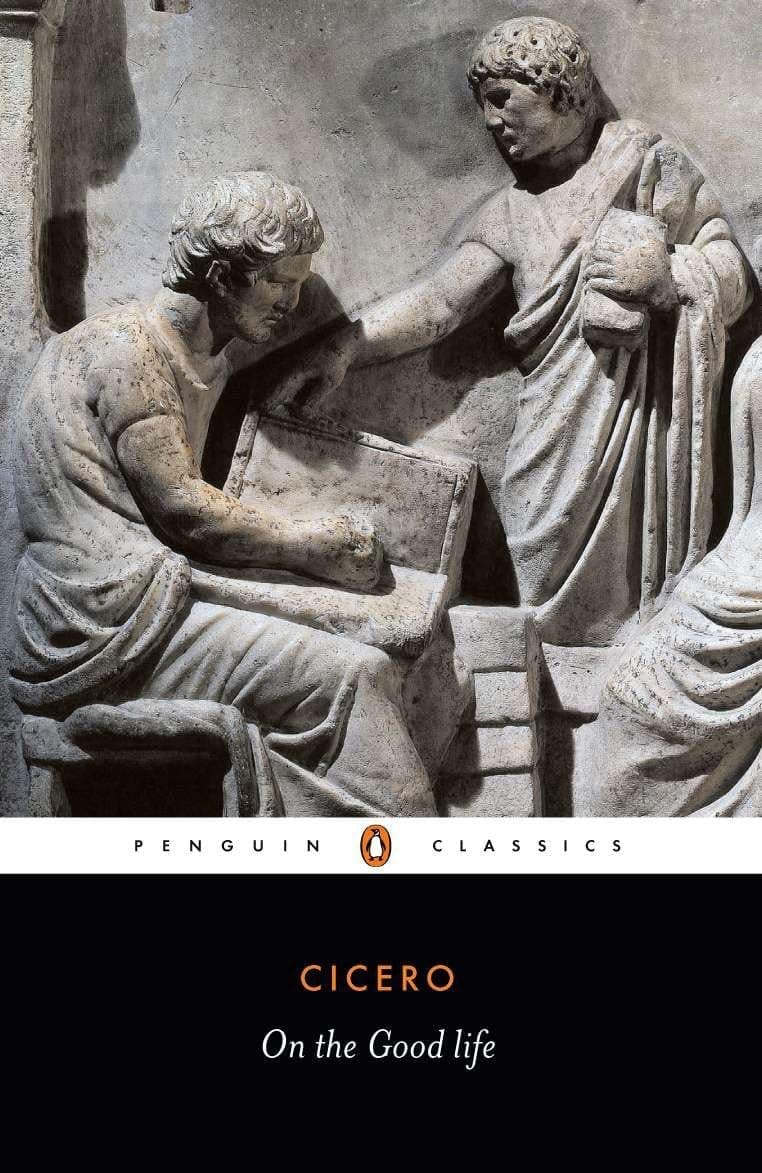
Cicero gives the argument to Laelius, a statesman grieving his dead friend: real friendship binds only good men, is wanted for nothing beyond itself, and makes fortune brighter and hardship lighter.
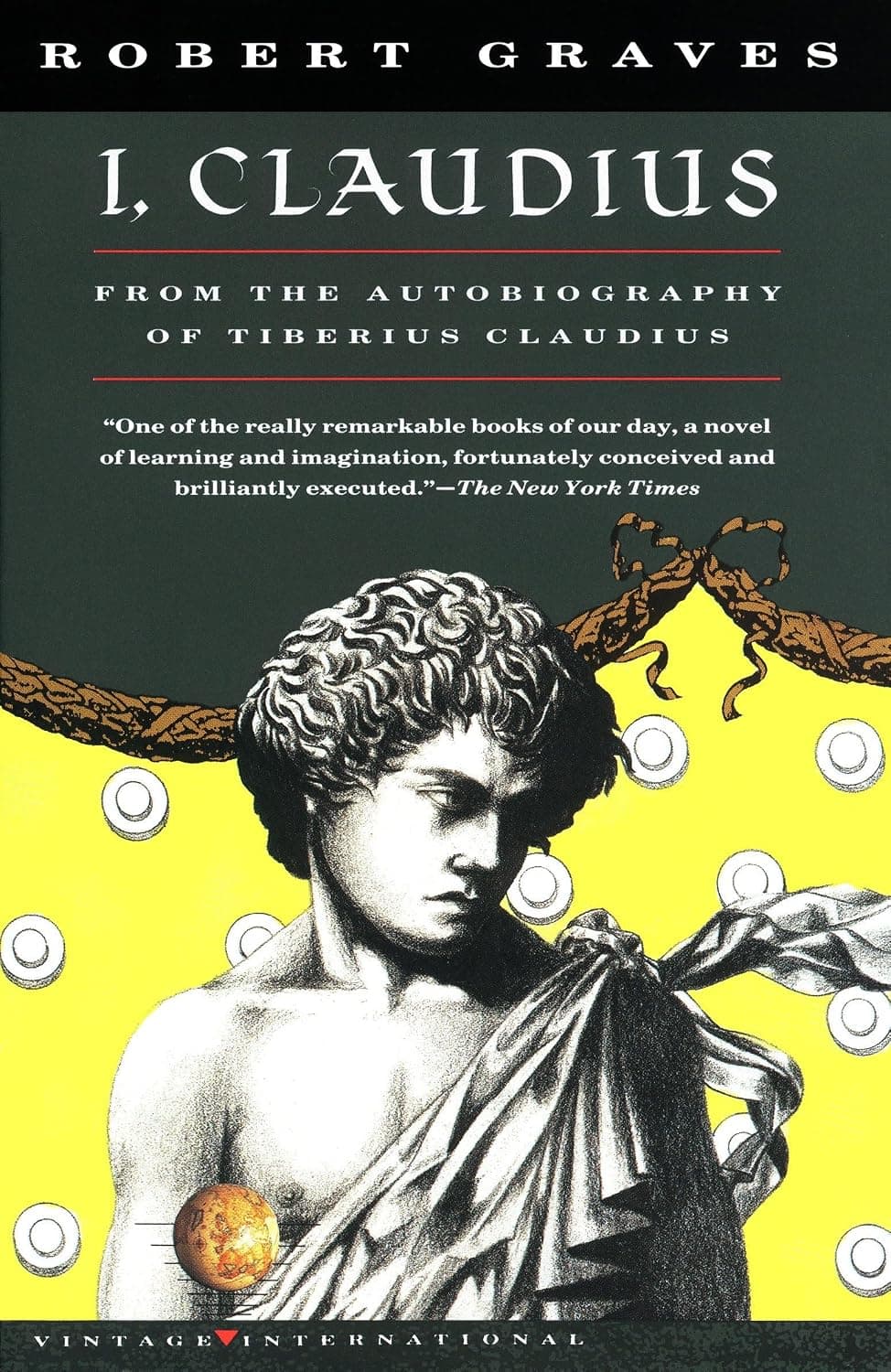
Stammering, limping, and dismissed as an idiot, Claudius survives the Roman imperial family as it murders its way through Augustus, Tiberius, and Caligula, then sets down the secret history of what he watched.
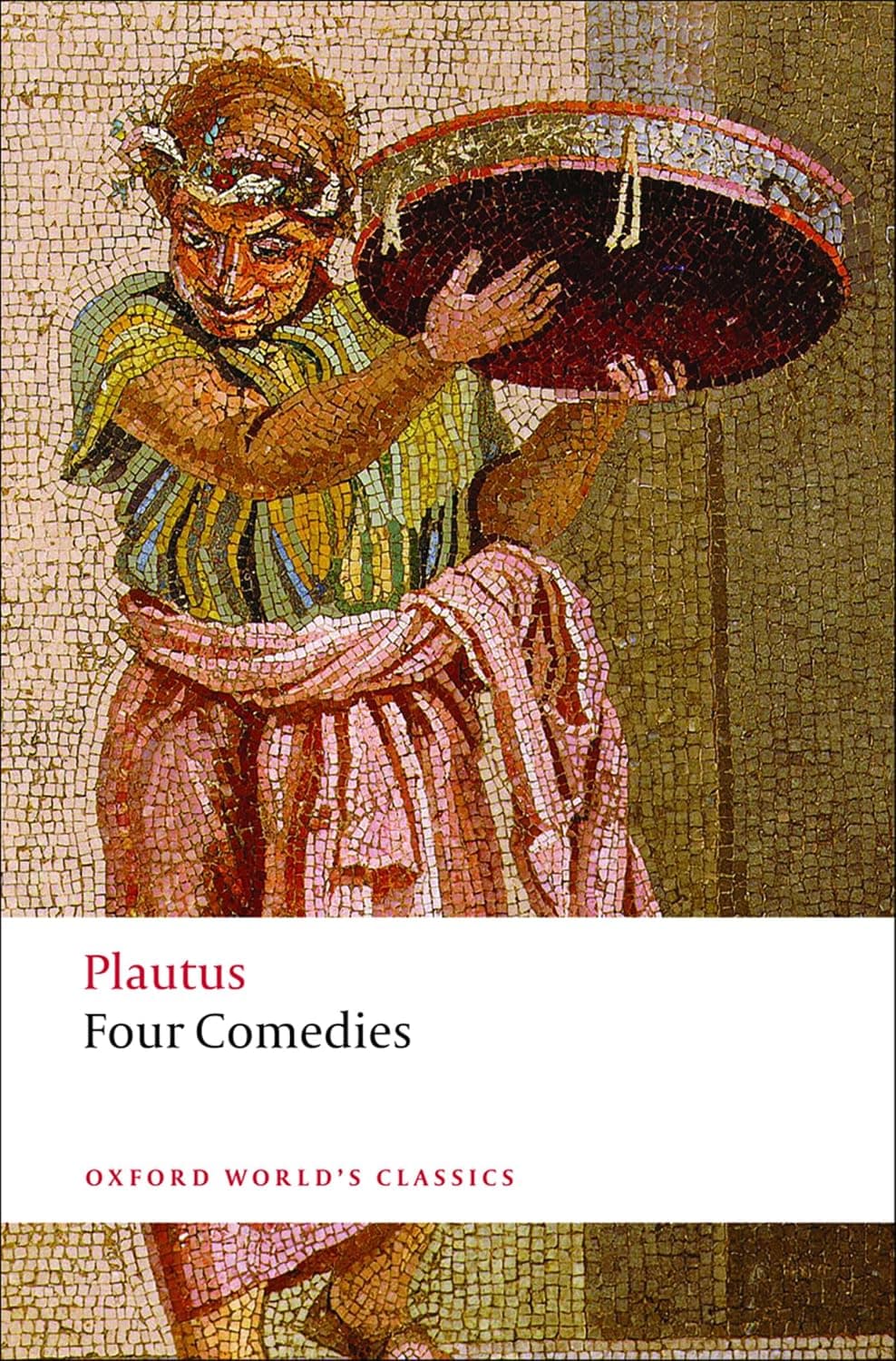
Plautus stole Greek plots and made them Roman, vulgar and fast. Shakespeare lifted his mistaken twins for The Comedy of Errors, Moliere lifted his miser, and farce has run on that machinery since.

At twelve, refusing a plate of snails his father demands he eat, Cosimo climbs into an oak and never touches ground again. He reads, loves, and fights the eighteenth century from the branches.

A sixteenth-century Italian miller told the Inquisition that the world formed as cheese forms from milk, and the angels were worms in it. From that file Ginzburg reconstructs an entire peasant mind.
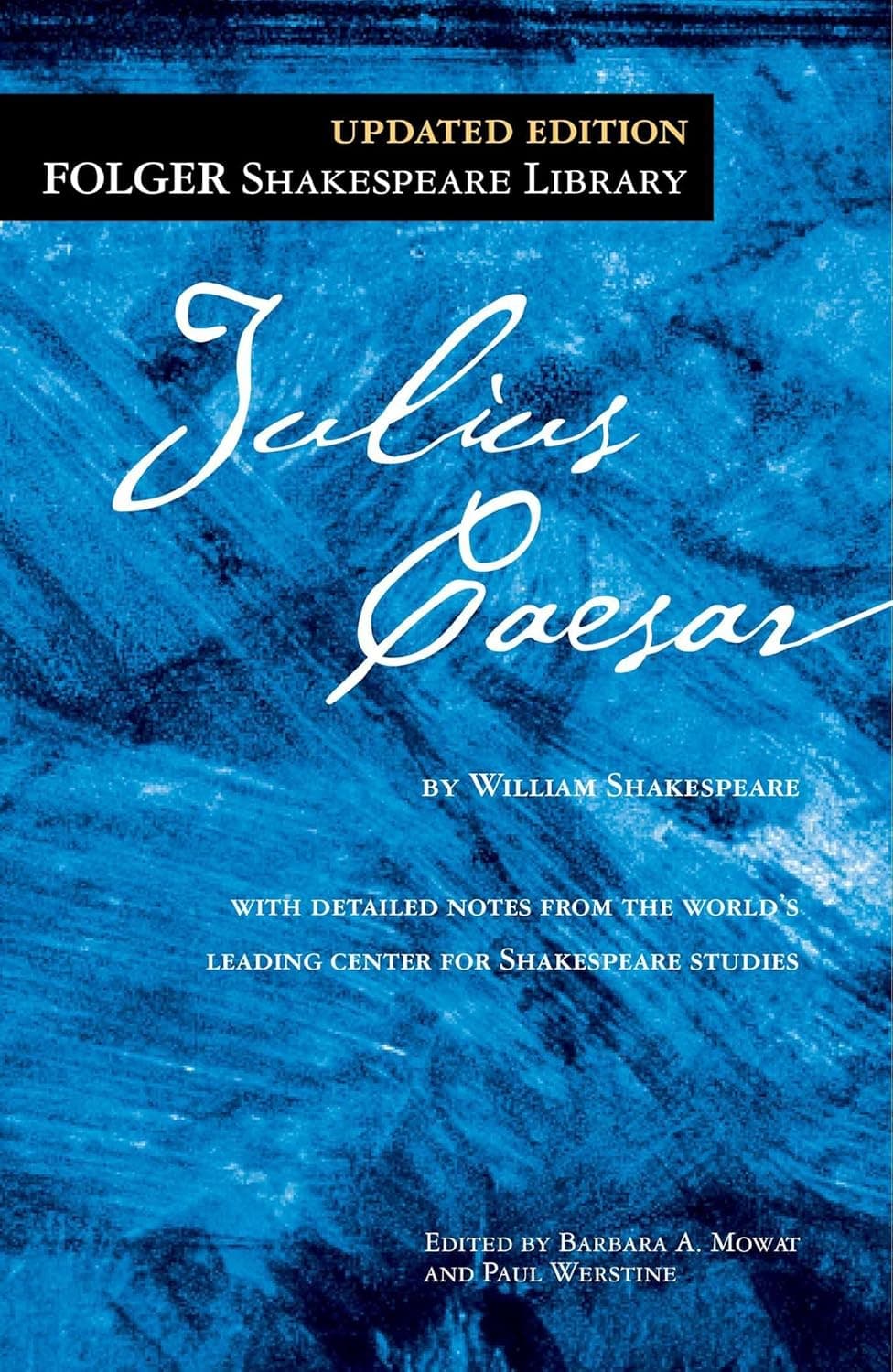
Brutus is persuaded that killing his friend will save the republic. Antony stands over the body, says he comes to bury Caesar and not to praise him, and turns Rome around.
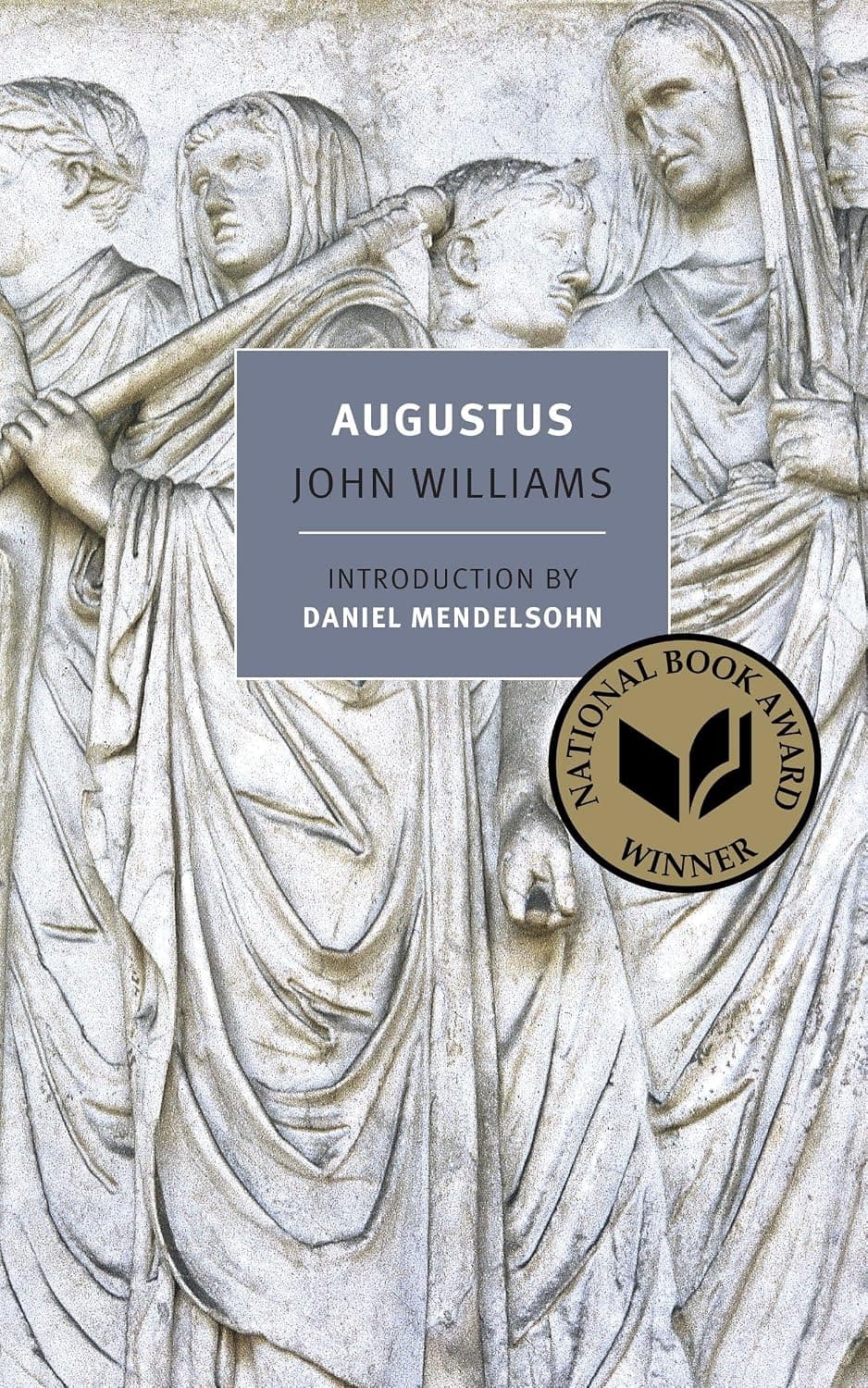
Rome's first emperor assembled from other people's letters: soldiers, poets, conspirators, and the daughter he sends into exile. Williams shows how a sickly boy became master of the world and what it cost.

No novelist has written female friendship with this much competition. Elena and Lila grow up in a violent Naples neighborhood in the 1950s, and only one is allowed to stay in school.

Beard covers a thousand years of Rome, opening on Catiline's conspiracy and closing the day Caracalla made every free inhabitant a citizen, and she cares as much about slaves as emperors.
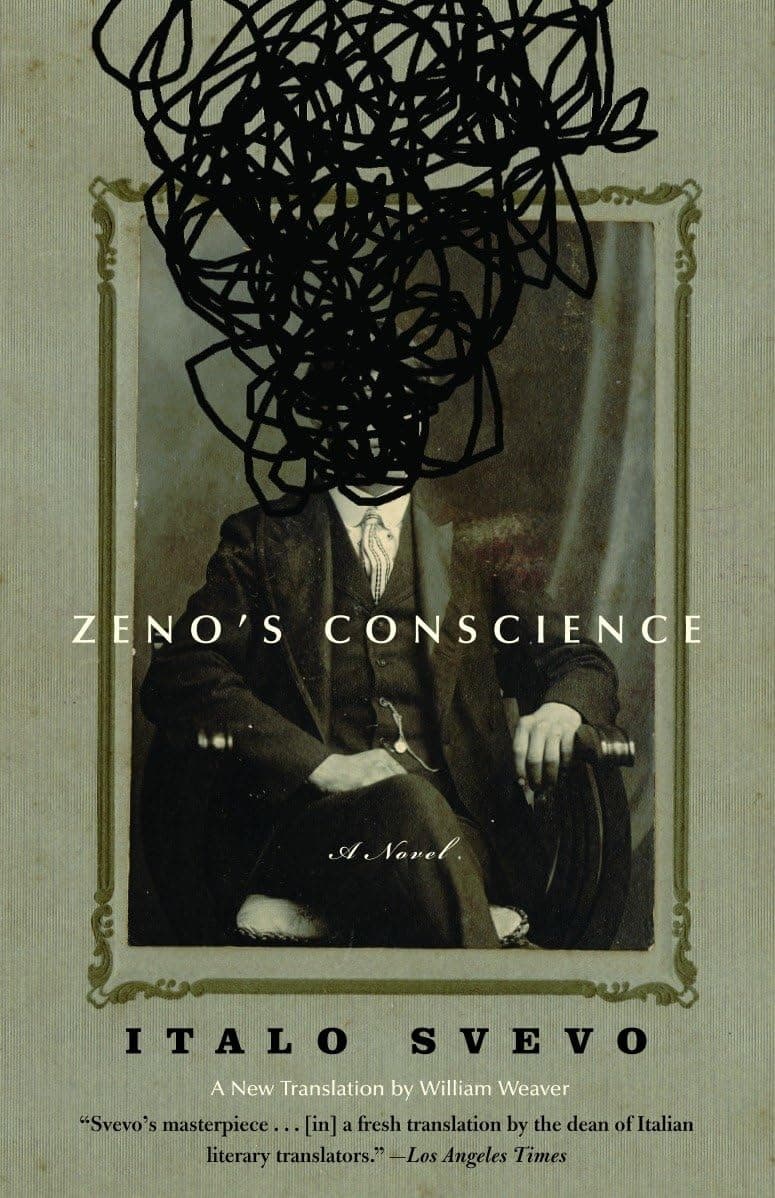
Zeno quits smoking constantly and never quits. Told by his analyst to write his life, he sets down a marriage begun by proposing to three sisters in one evening, and lies gorgeously throughout.

Banished by Mussolini to a village in the Italian south, a Turin doctor found peasants convinced Christ had stopped short of them. The book made postwar Italy confront a region it had abandoned.

A small-time builder is shot running for a bus in a Sicilian square, and every passenger saw nothing. Sciascia named the Mafia as an organization while Italy still insisted it did not exist.

Sent to Italy to fetch a shipping magnate's son, Tom Ripley falls for the life instead, murders his friend, and wears his name. Highsmith makes you want him to get away with it.
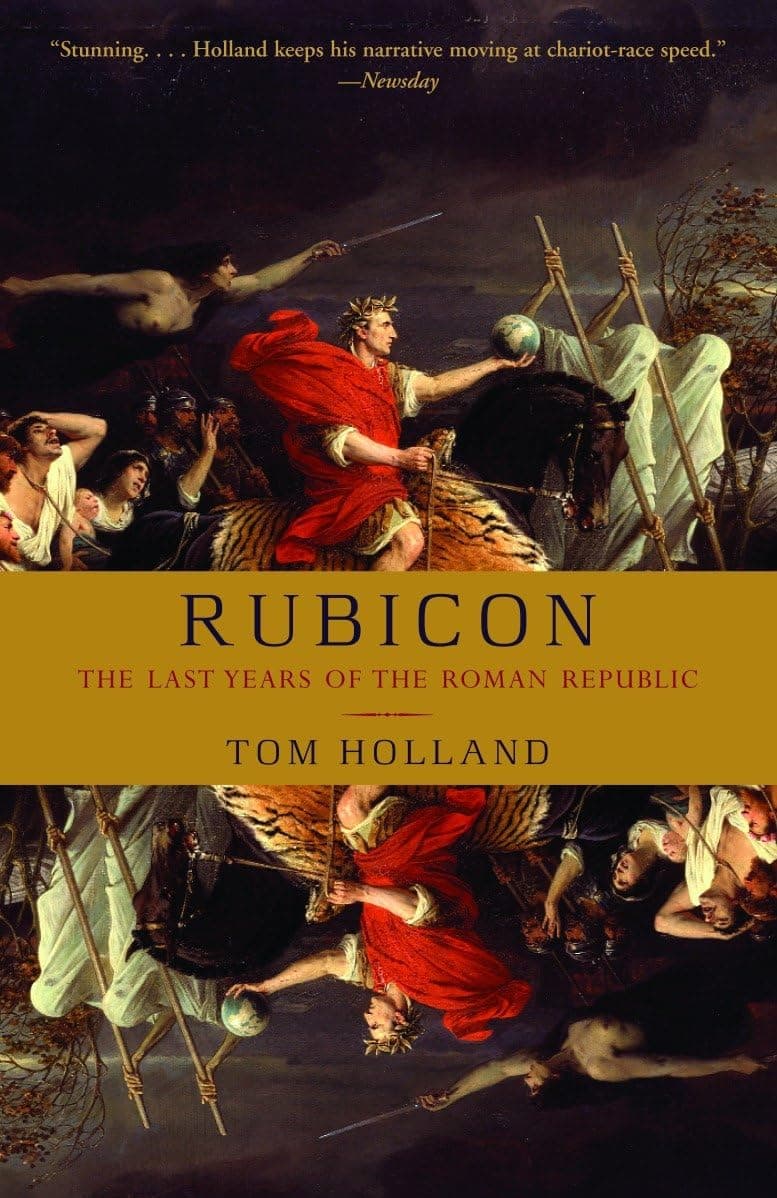
The Roman Republic destroyed itself, and Tom Holland tells it at the pace of a thriller. Caesar reaches the Rubicon with a single legion, knowing crossing it means war against his own state.
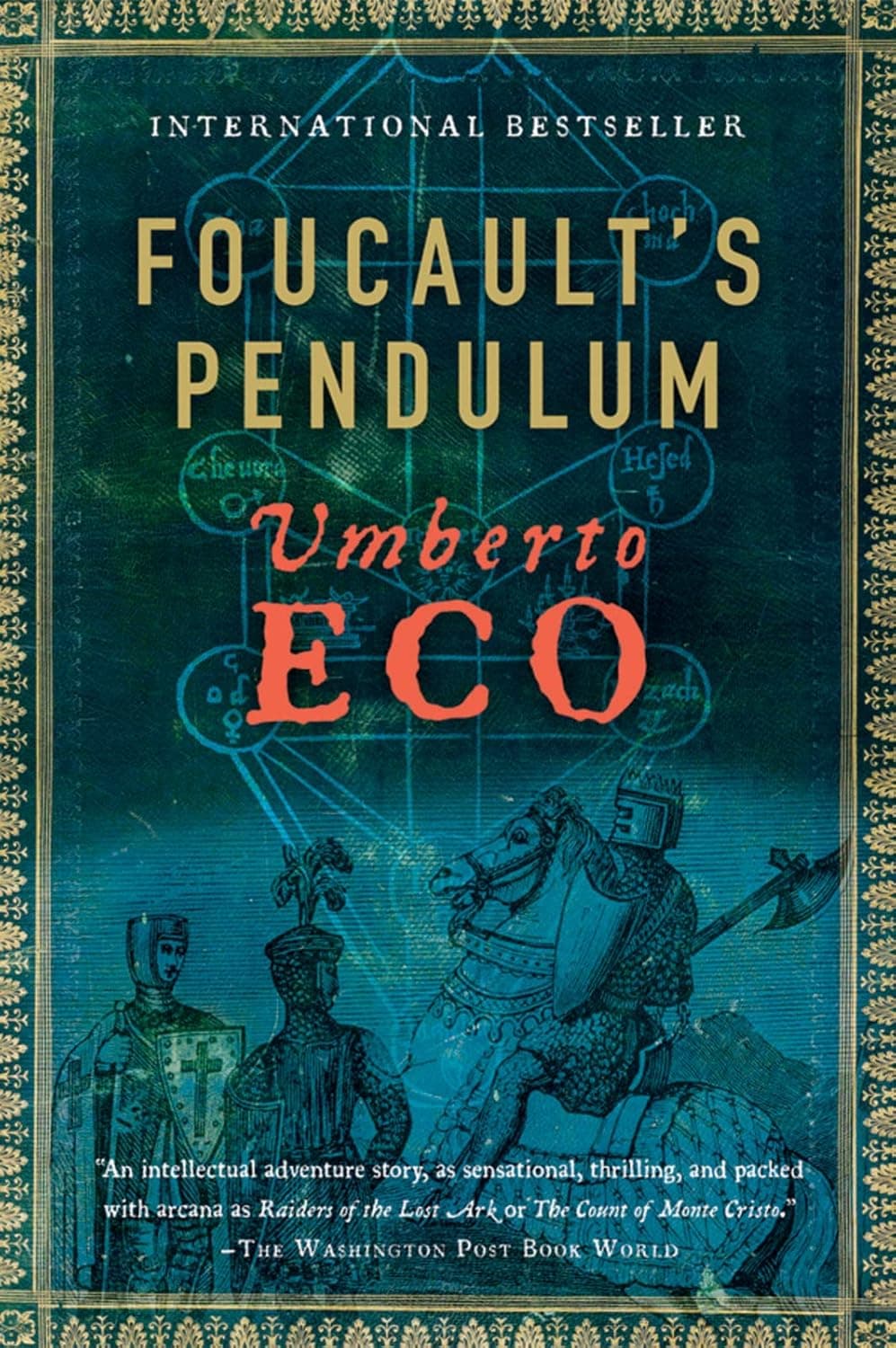
Three editors, buried in crank manuscripts about the Templars, invent a secret history of the world as a joke and feed it to a computer. Then the actual occultists arrive, wanting the secret.

Elio is seventeen the summer a visiting scholar stays six weeks at his family's house on the Italian coast. Aciman renders desire from the inside, every calculation and humiliation of wanting someone.
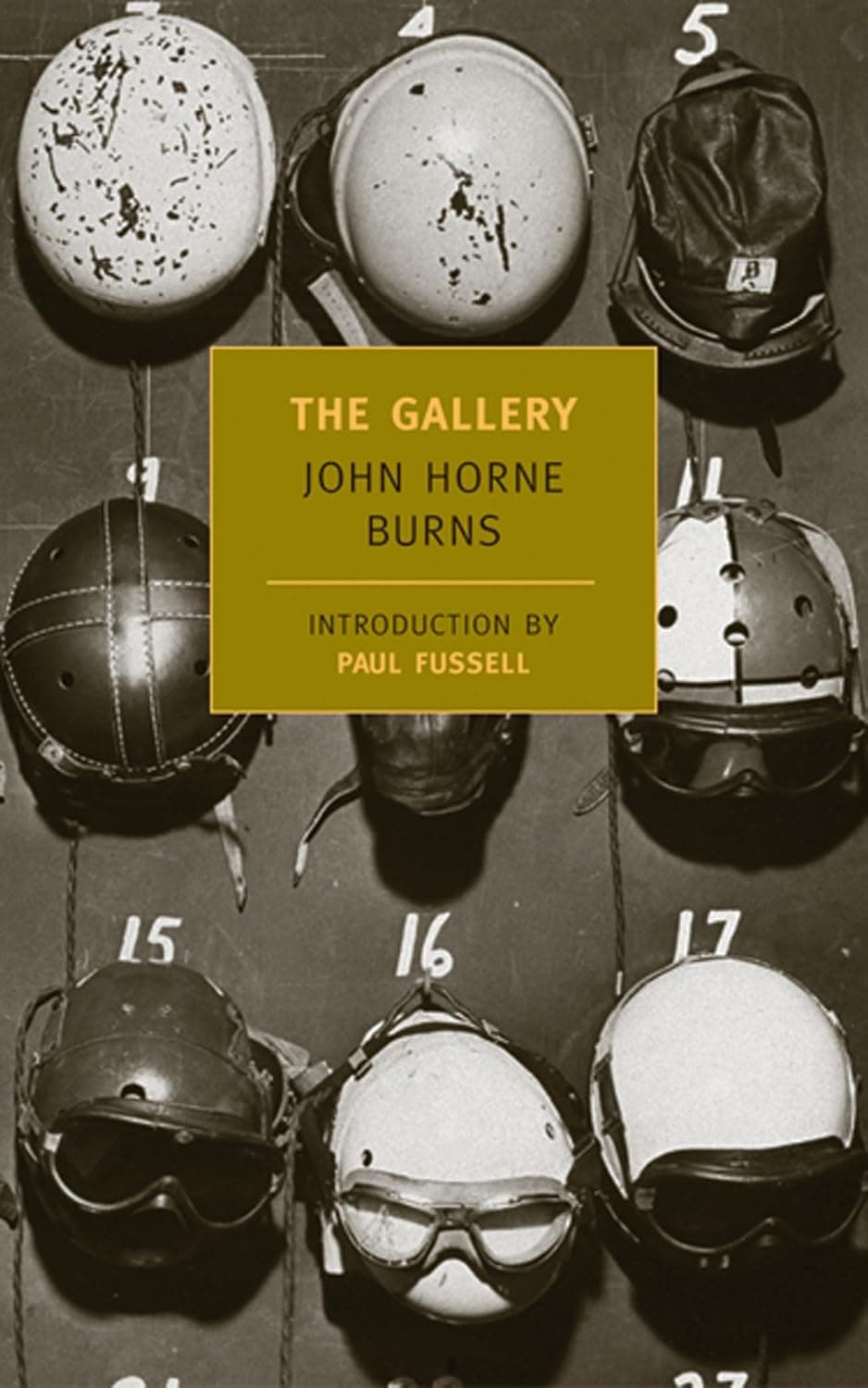
Occupied Naples, 1944: soldiers and civilians trading cigarettes, sex, and rumor under the arcade. Burns writes Americans who understand nothing of the country they hold, and a bar where gay soldiers breathe.