
The Tale of Genji
1021 · 1182 pages
Murasaki Shikibu, a lady at the Japanese imperial court, wrote a thousand pages about a prince, his loves, and his decline, reaching a psychological depth Europe would not manage for six hundred years.
★ 9.3
 skopia
Murasaki Shikibu, a lady at the Japanese imperial court, wrote a thousand pages about a prince, his loves, and his decline, reaching a psychological depth Europe would not manage for six hundred years.

Bao-yu, born with a jade in his mouth, would rather write poems with his cousins than study for the exams, while his great eighteenth-century Chinese family slides toward ruin. Their world is ending.
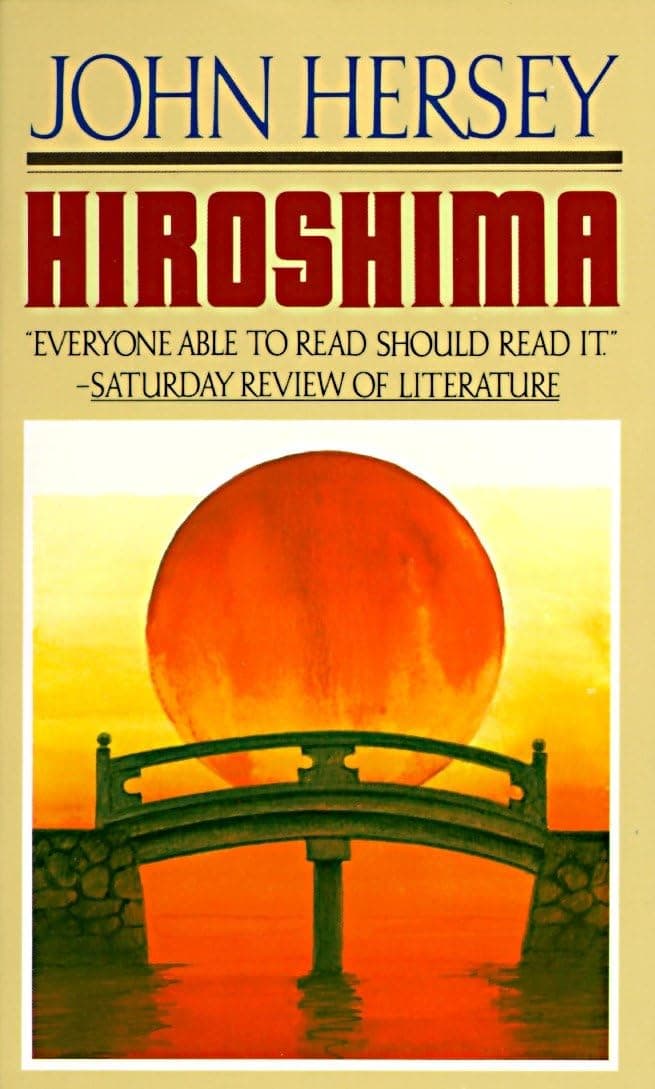
Six people survived the bomb at Hiroshima and Hersey follows them through the year after: a clerk, a widow, two doctors, and two clergymen. He writes flatly and it is unbearable.

O'Brien lists what a platoon in Vietnam hauled around, down to the ounce, then tells war stories and takes them back. The invented ones carry the war more exactly than facts could.
Zhuang Zhou dreams he is a butterfly and wakes unsure which one is dreaming. The jokes, tall tales, and arguments with logicians that follow work to loosen your grip on your own categories.

Castrated rather than executed for defending a general, Sima Qian lived to finish his history: twenty-five centuries of China told through emperors, assassins, and merchants. The portraits are alive on the page.
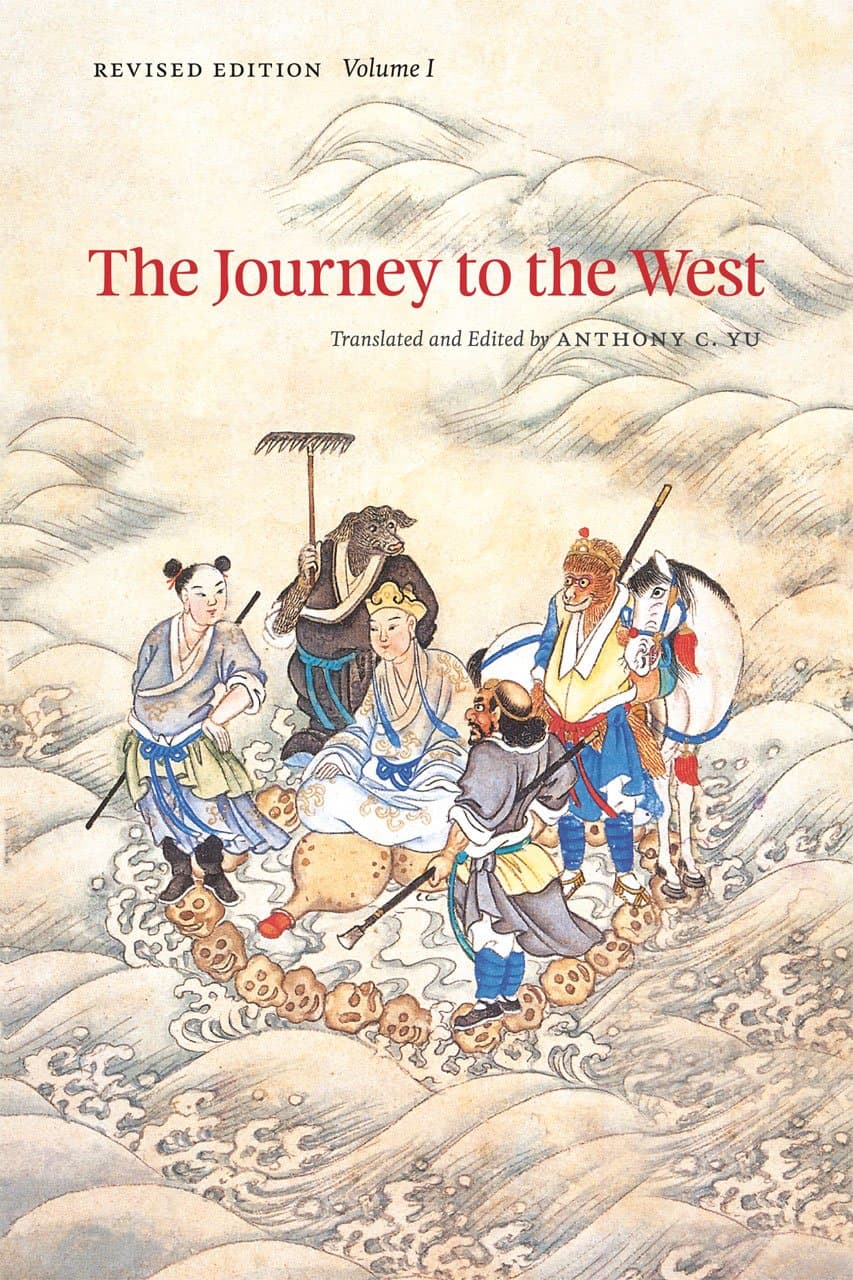
A monkey born from stone storms heaven, is pinned under a mountain for five hundred years, then escorts a monk to India for Buddhist scriptures. Eighty-one disasters later it is still funny.
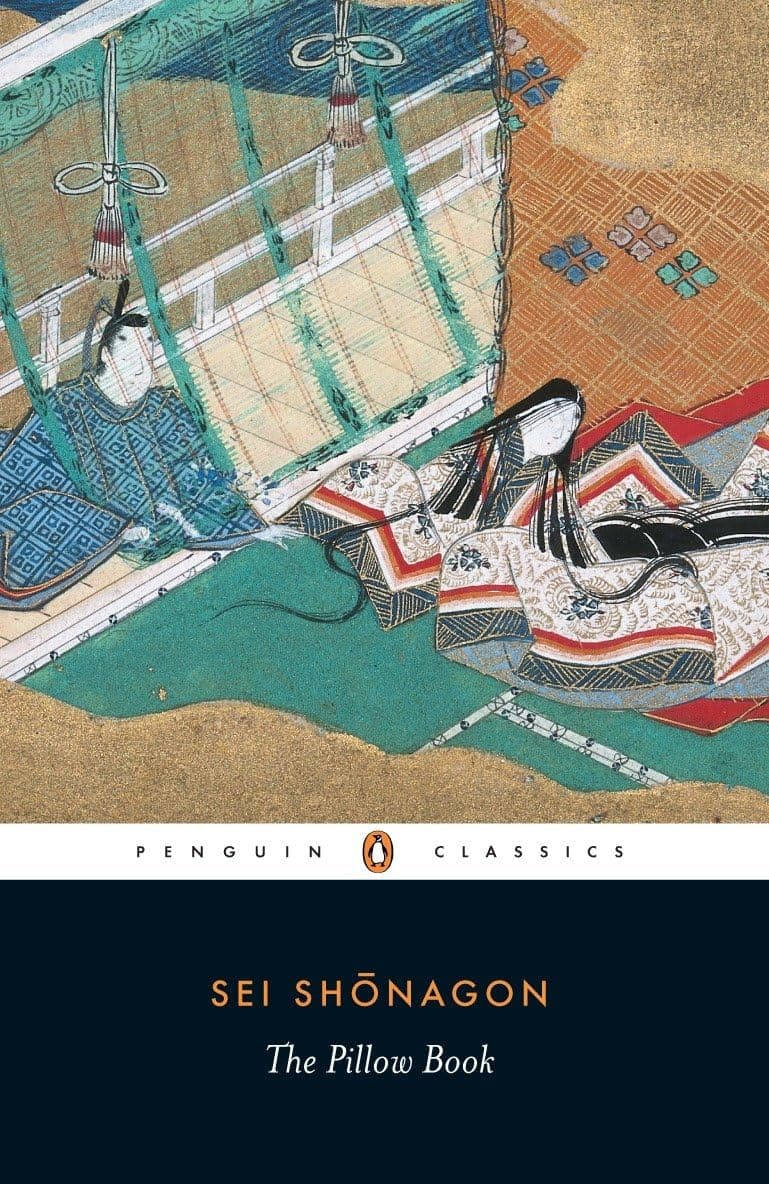
A thousand years ago in the Japanese court, a lady-in-waiting kept lists of things that make the heart beat faster and things she found hateful. Her snobbery is part of the pleasure.
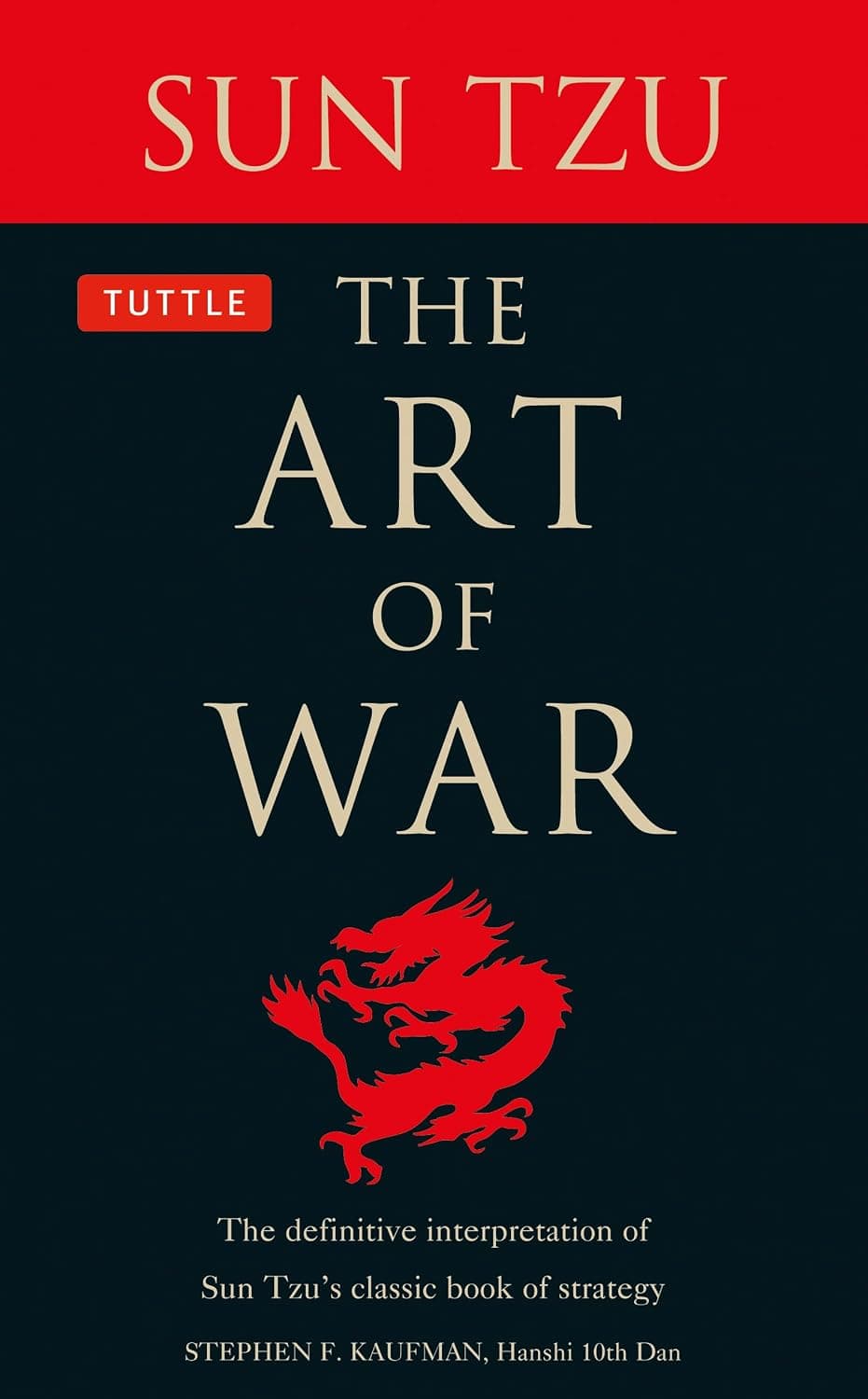
Win without fighting, Sun Tzu writes, and he means it literally. Twenty-five centuries ago this Chinese general reduced war to deception, terrain, and knowing the enemy as thoroughly as you know yourself.
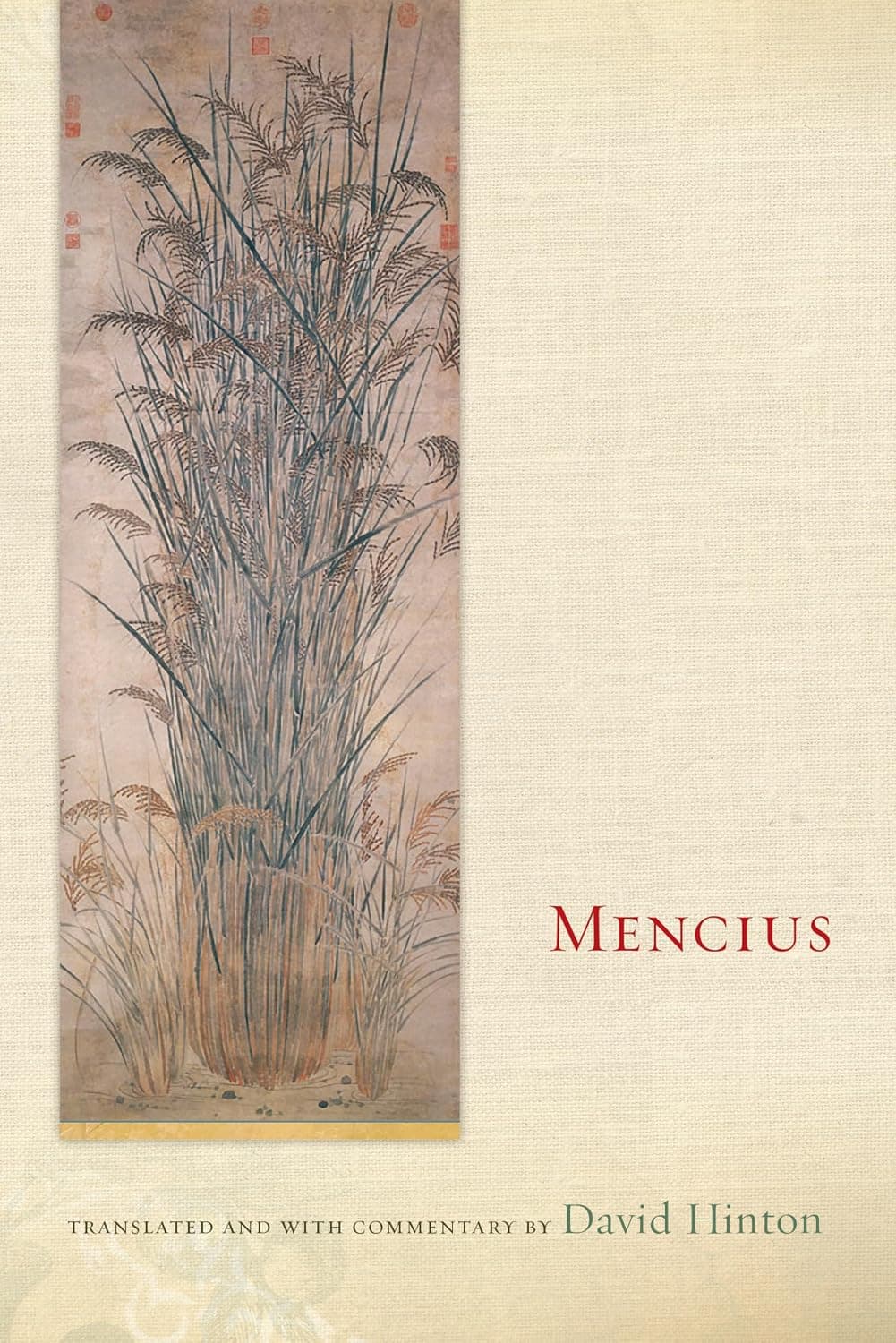
Seeing a child about to fall into a well, anyone feels alarm before thinking. Human nature is therefore good, Mencius argues, and a ruler who starves his people forfeits the throne.
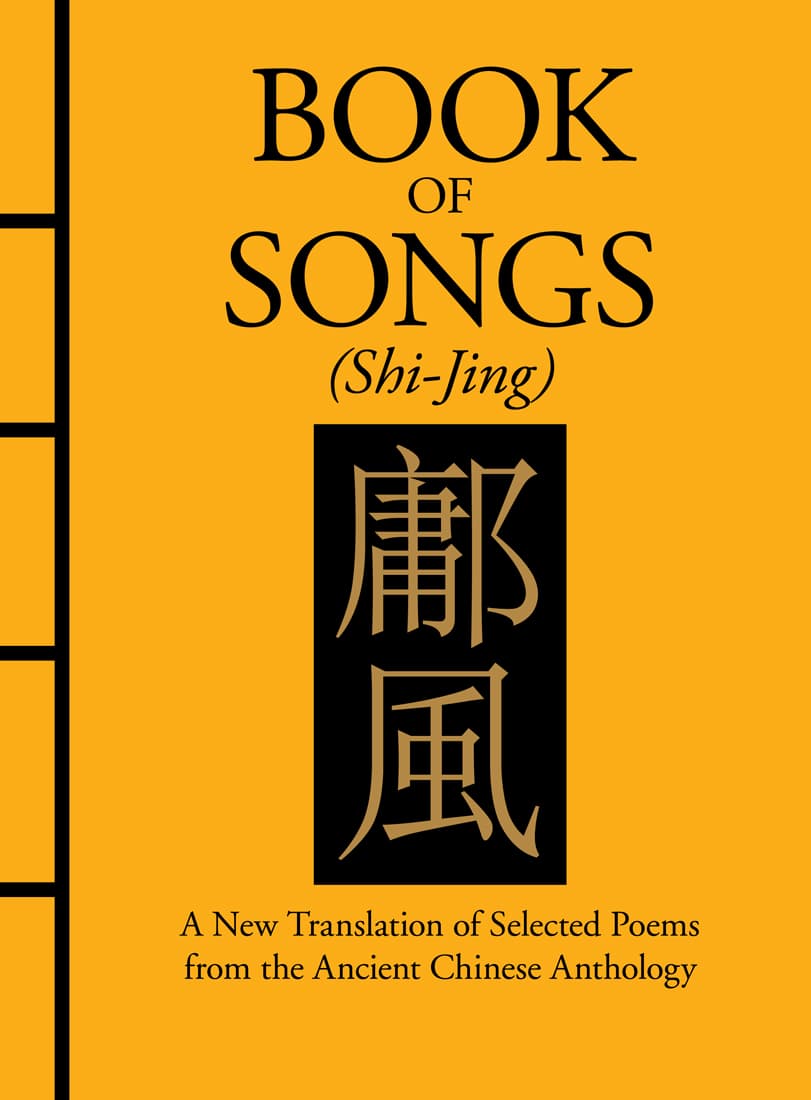
Three hundred and five songs from ancient China about courtship, harvest, soldiers on campaign, and bad government. Confucius taught from them, and every Chinese poet since has written with them in earshot.
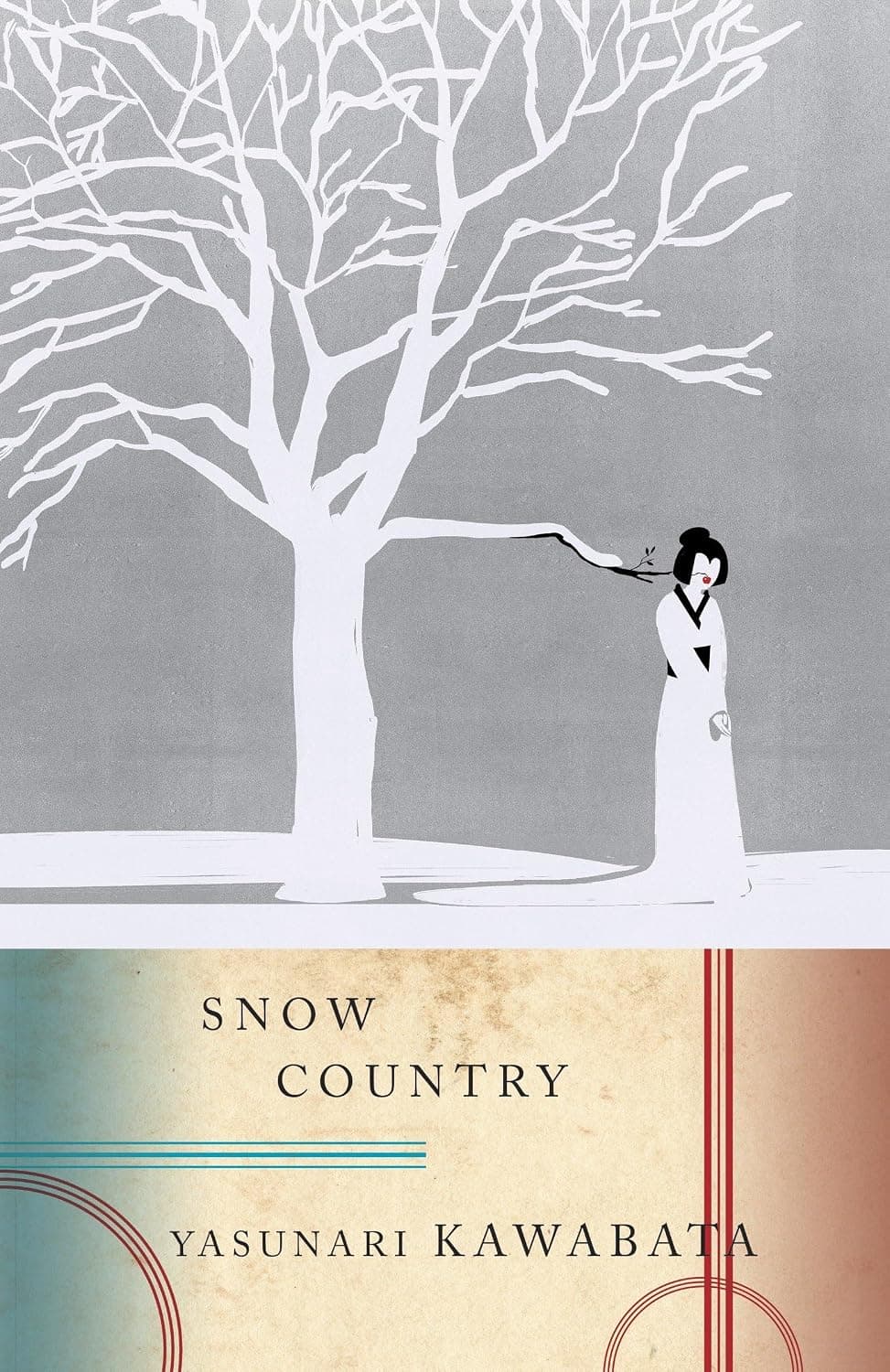
At a hot spring in Japan's snow country, a wealthy Tokyo idler keeps visiting a geisha who loves him past anything he can give. Kawabata states almost nothing and it lands anyway.
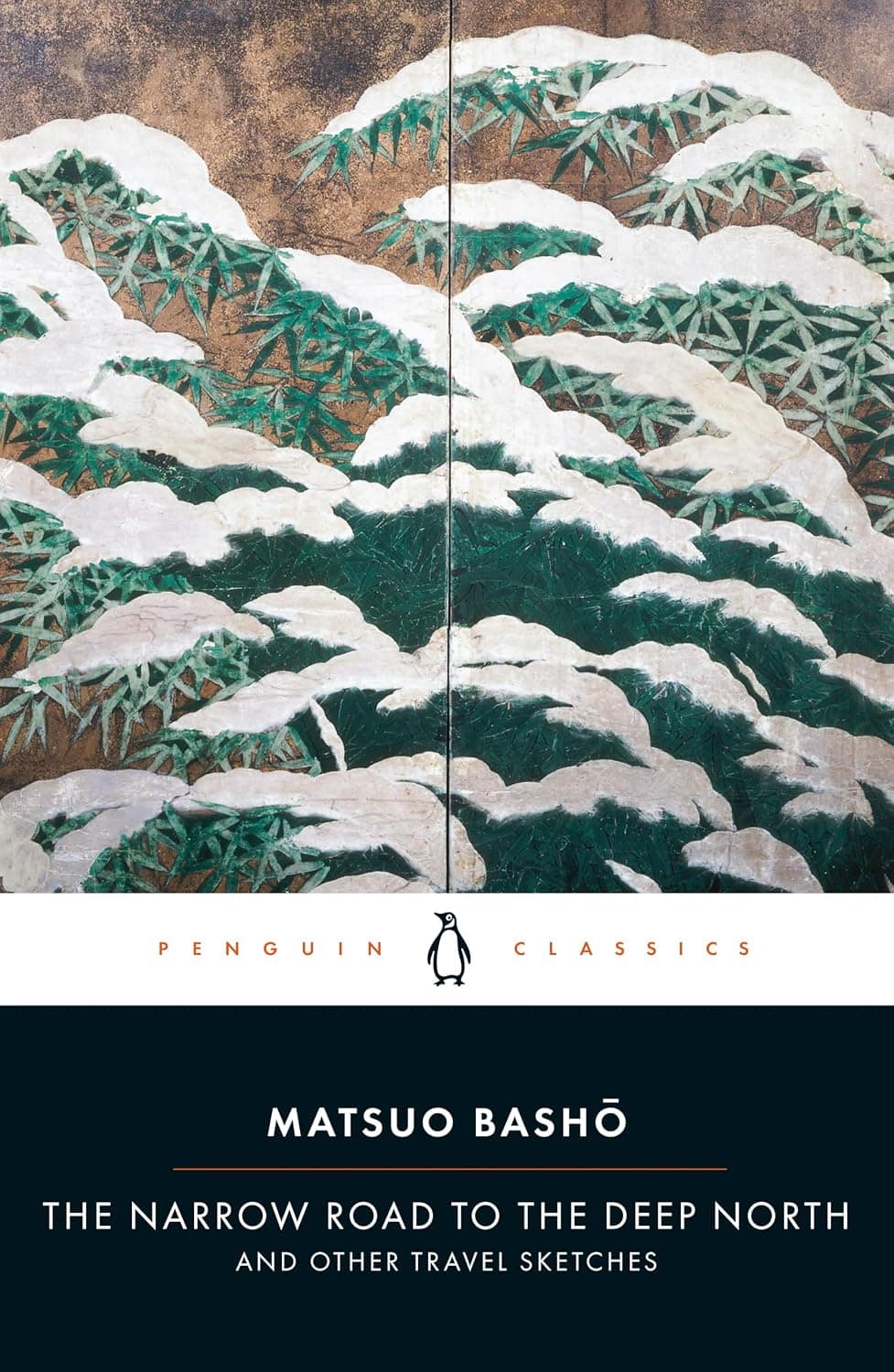
Basho sold his house and walked hundreds of miles into northern Japan, writing prose that stops for a haiku. At a battlefield he finds summer grass, all that remains of warriors' dreams.
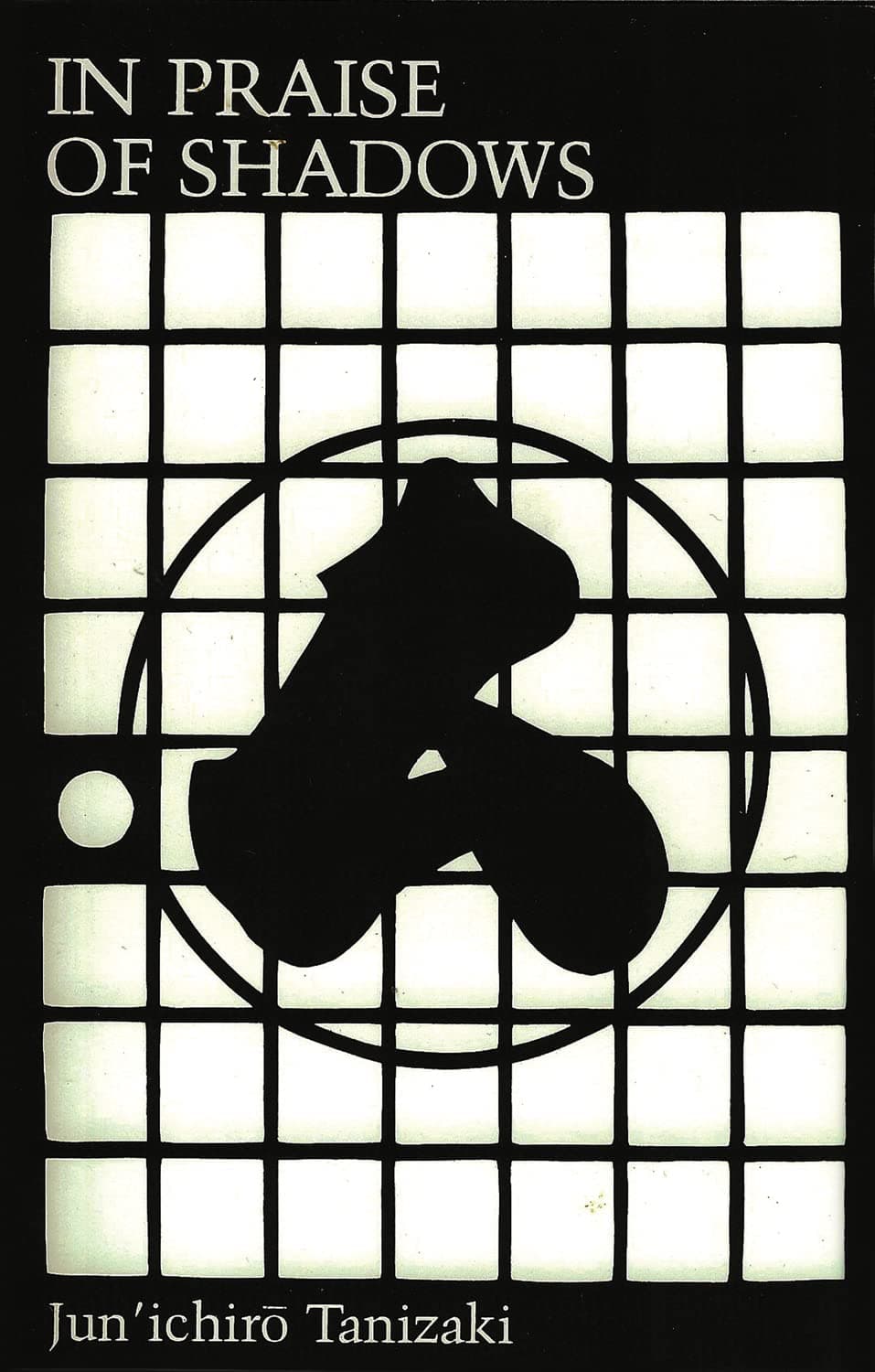
Tanizaki, a Japanese novelist, argues in earnest that the beauty of his country was made for dim rooms and wrecked by electric light. Lacquer, gold leaf, and old toilets all make his case.
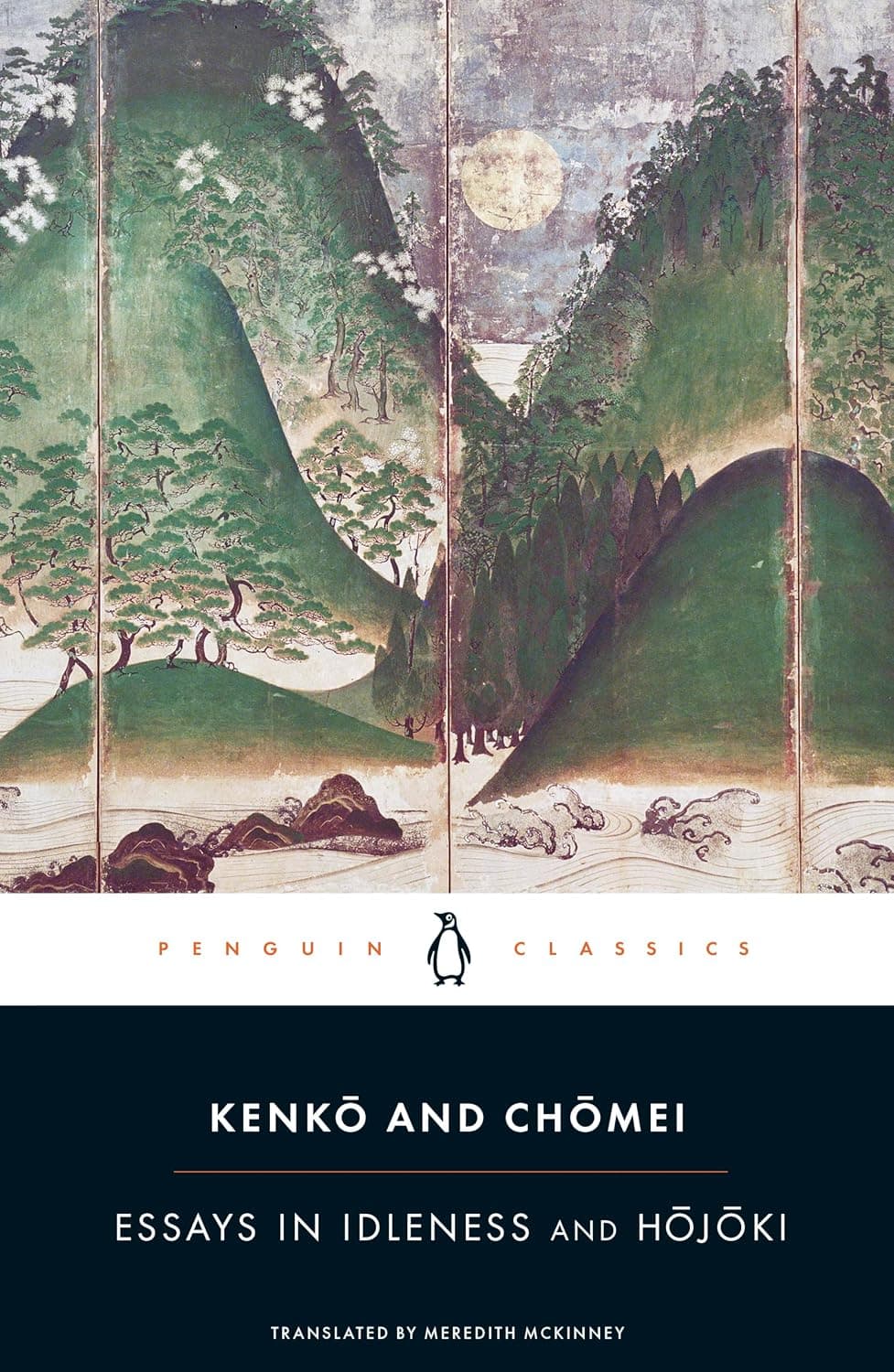
Writing in fourteenth-century Japan, the monk Kenko set down fragments on manners, boredom, and death, asking why we look at cherry blossoms only in full bloom. Impermanence makes attention urgent.

Modern Chinese literature begins here. Ah Q, a village laborer, turns every beating into a spiritual victory, and a madman reads the Confucian classics until the words eat people surface between the lines.
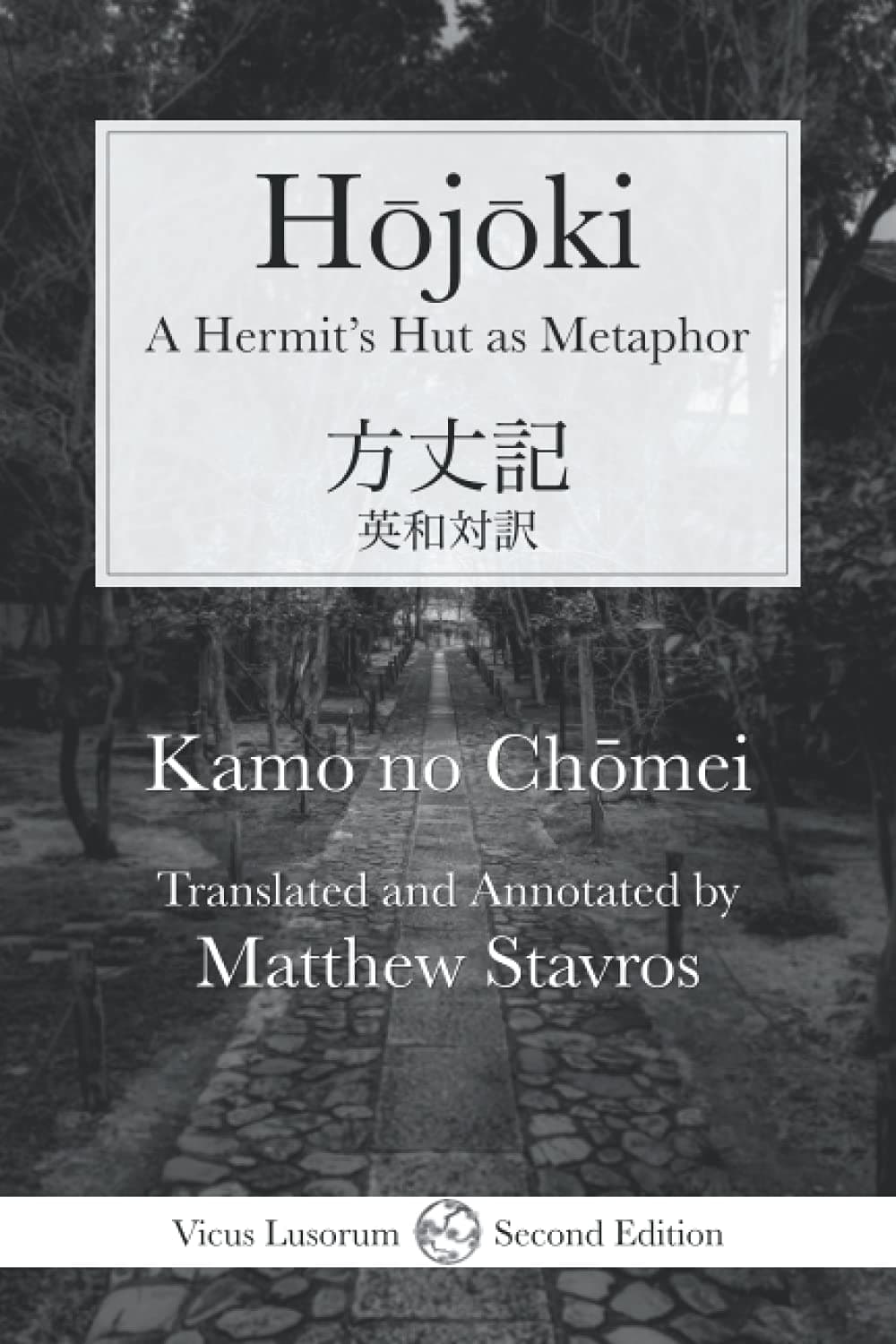
Writing from a hut ten feet square, a Kyoto recluse recalls the fire, whirlwind, famine, and earthquake that destroyed the capital, and concludes that nothing built by people is meant to stay.
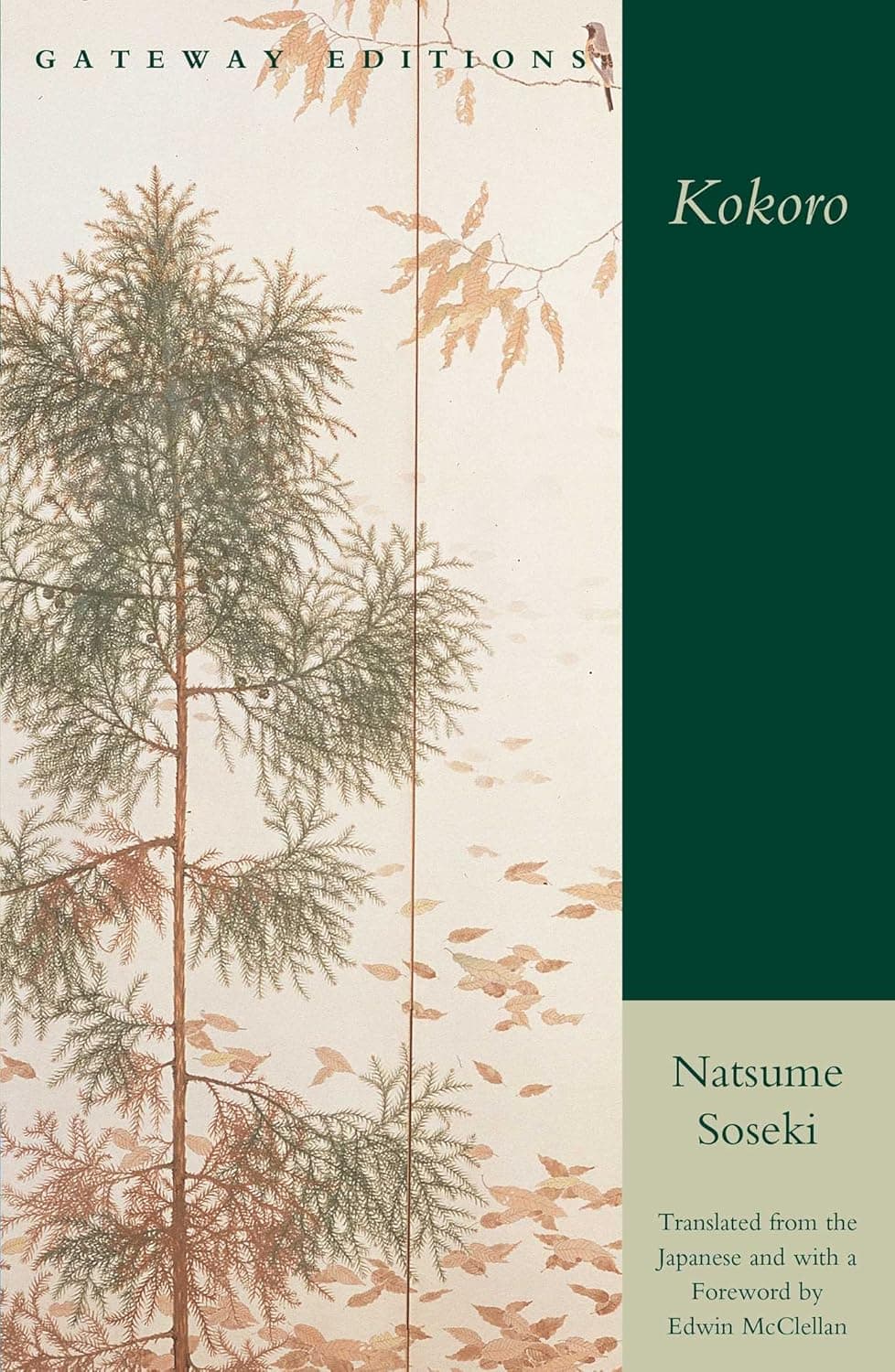
Modern Japanese literature turns on this book. A student attaches himself to a withdrawn man he calls Sensei, and the letter that finally explains him confesses a betrayal that has never healed.

Crossing the Mekong by ferry in 1929, a French girl of fifteen meets the Chinese man who becomes her lover. Duras writes it in fragments that refuse both romance and pity.

Bai Liusu, a divorcee her Shanghai family treats as a disgrace, follows a rich bachelor to Hong Kong. Chang writes their courtship as cold accounting until the Japanese bombardment reaches the city.

Bandits waylay a bride bound for a leprous distiller, and the son conceived in the sorghum grows up under Japanese occupation. Mo Yan makes rural Shandong's violence gorgeous and unbearable at once.
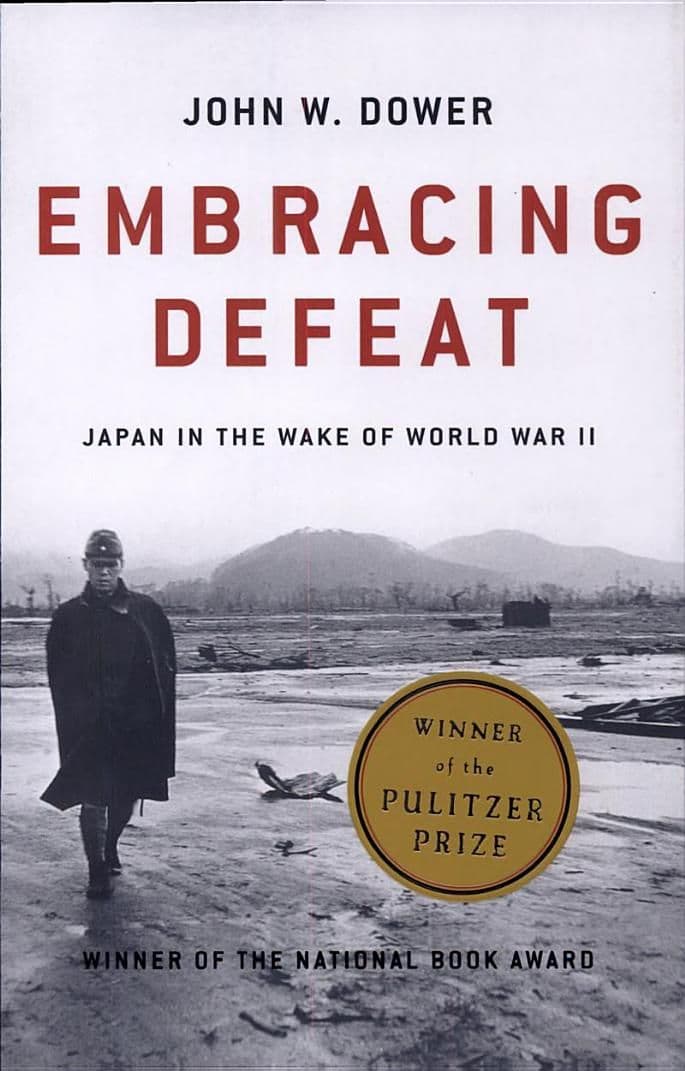
Defeated Japan is starving and occupied. Dower tells the years after 1945 from street level, through black markets, pulp magazines, and letters to MacArthur. The Japanese emerge remaking themselves rather than remade.
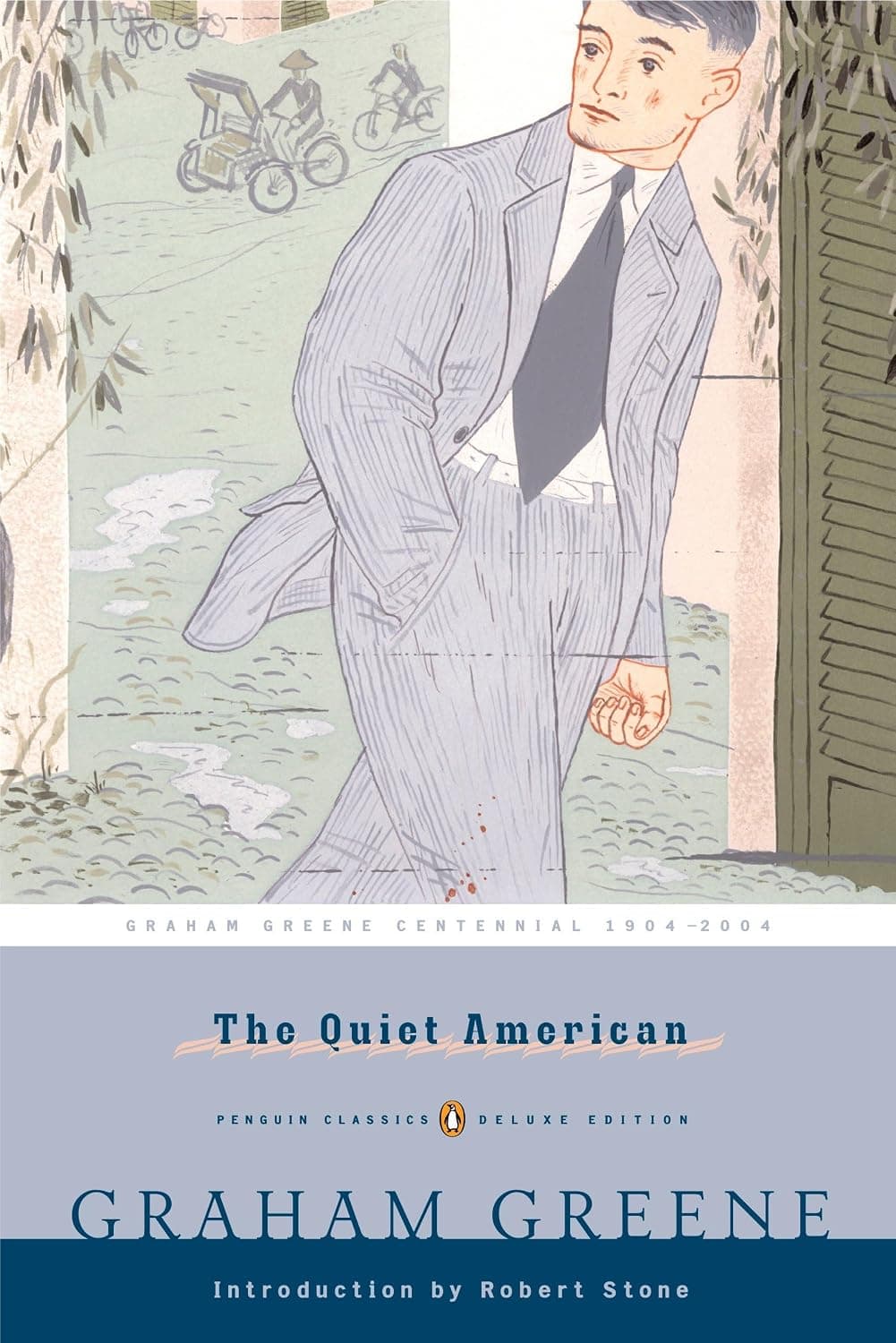
Greene put a British correspondent and an idealistic young American in Saigon, fighting over the same woman and over a theory. He saw the American war in Vietnam a decade before it started.

A maid hid 264 Japanese carvings in her mattress while the Nazis stripped the Vienna palace of the Ephrussi bankers. De Waal, their descendant, follows the objects through his family's rise and ruin.
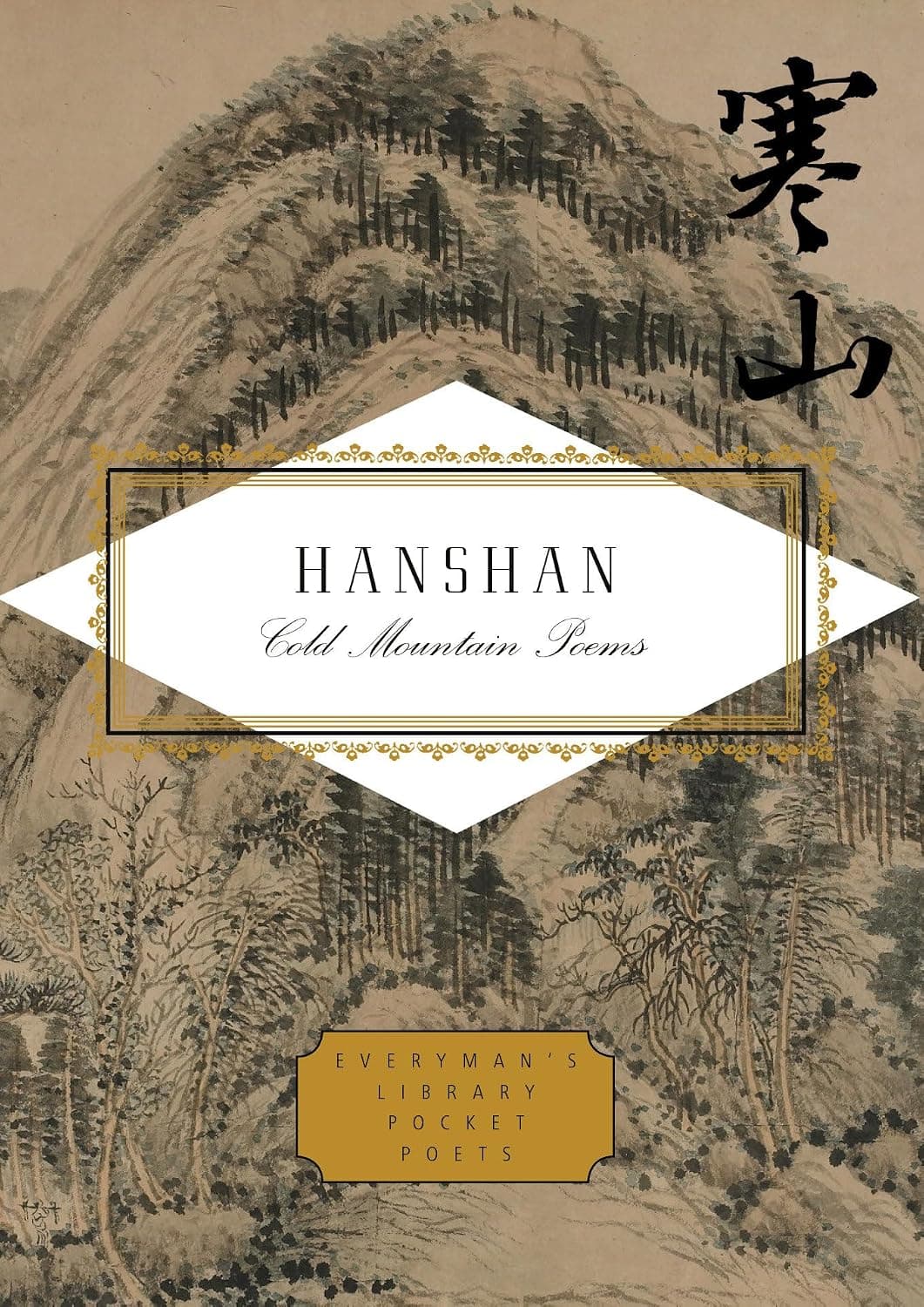
A recluse calling himself Cold Mountain scratched more than three hundred poems onto rocks in Tang China, plain about hunger, cold, and the folly of ambition. Kerouac dedicated The Dharma Bums to him.
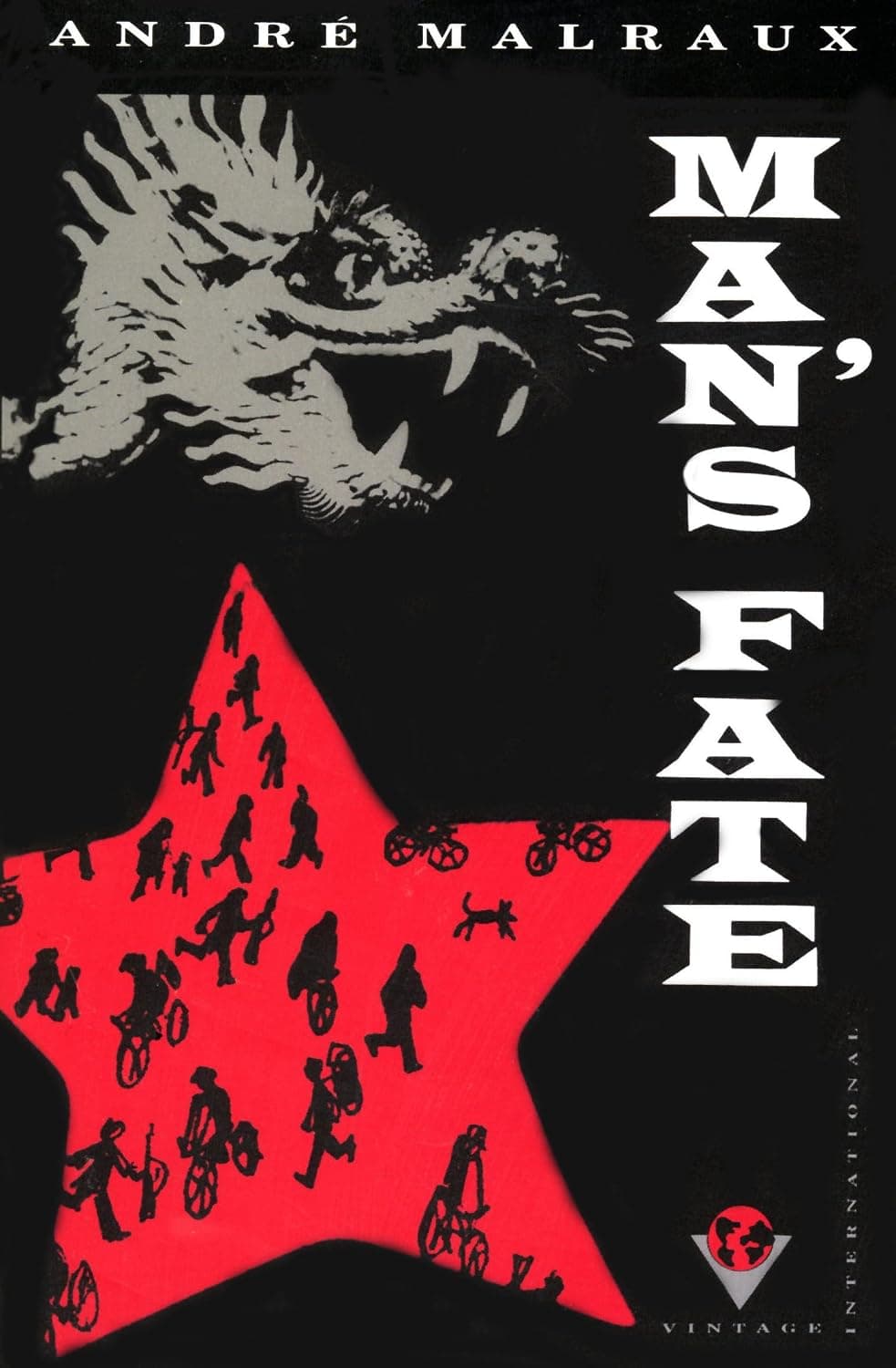
Shanghai, 1927: a young terrorist stands over a sleeping man with a knife, and Malraux makes the doomed communist uprising a test of what a man can give his life to.
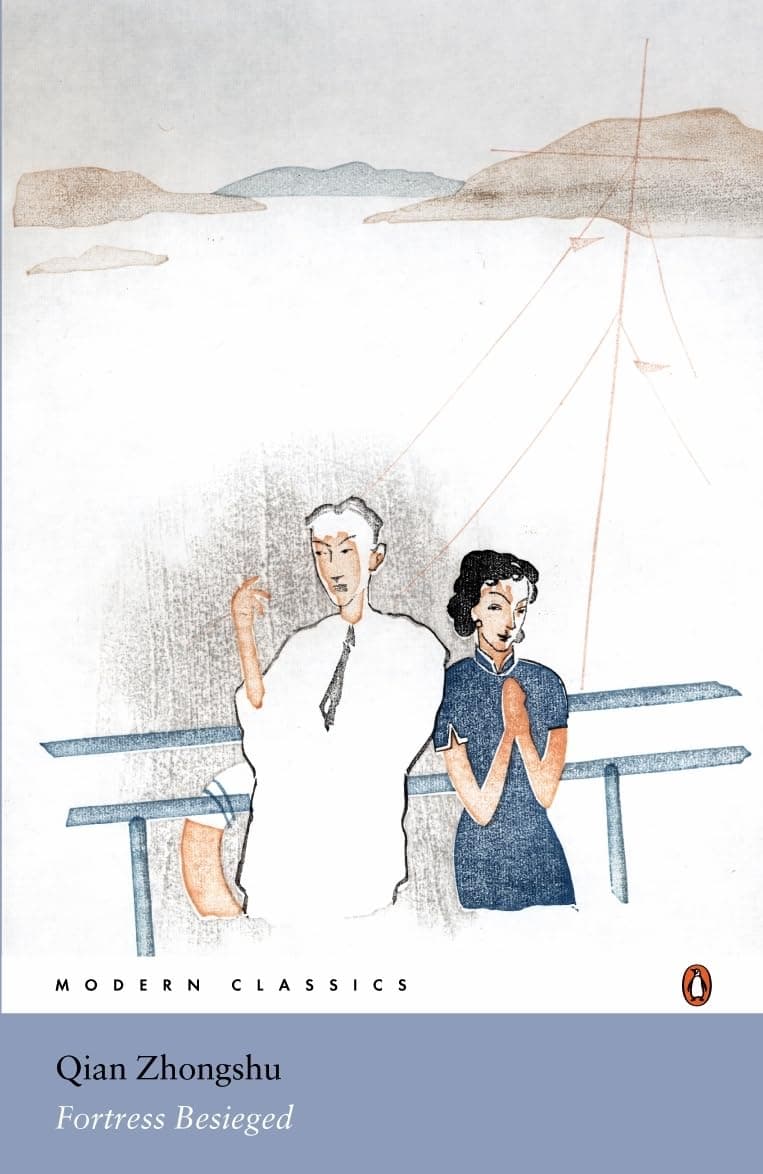
Fang Hongjian returns to wartime China with a mail-order diploma and no plan. Qian gave Chinese its image of the besieged life: those outside the fortress want in, those inside want out.
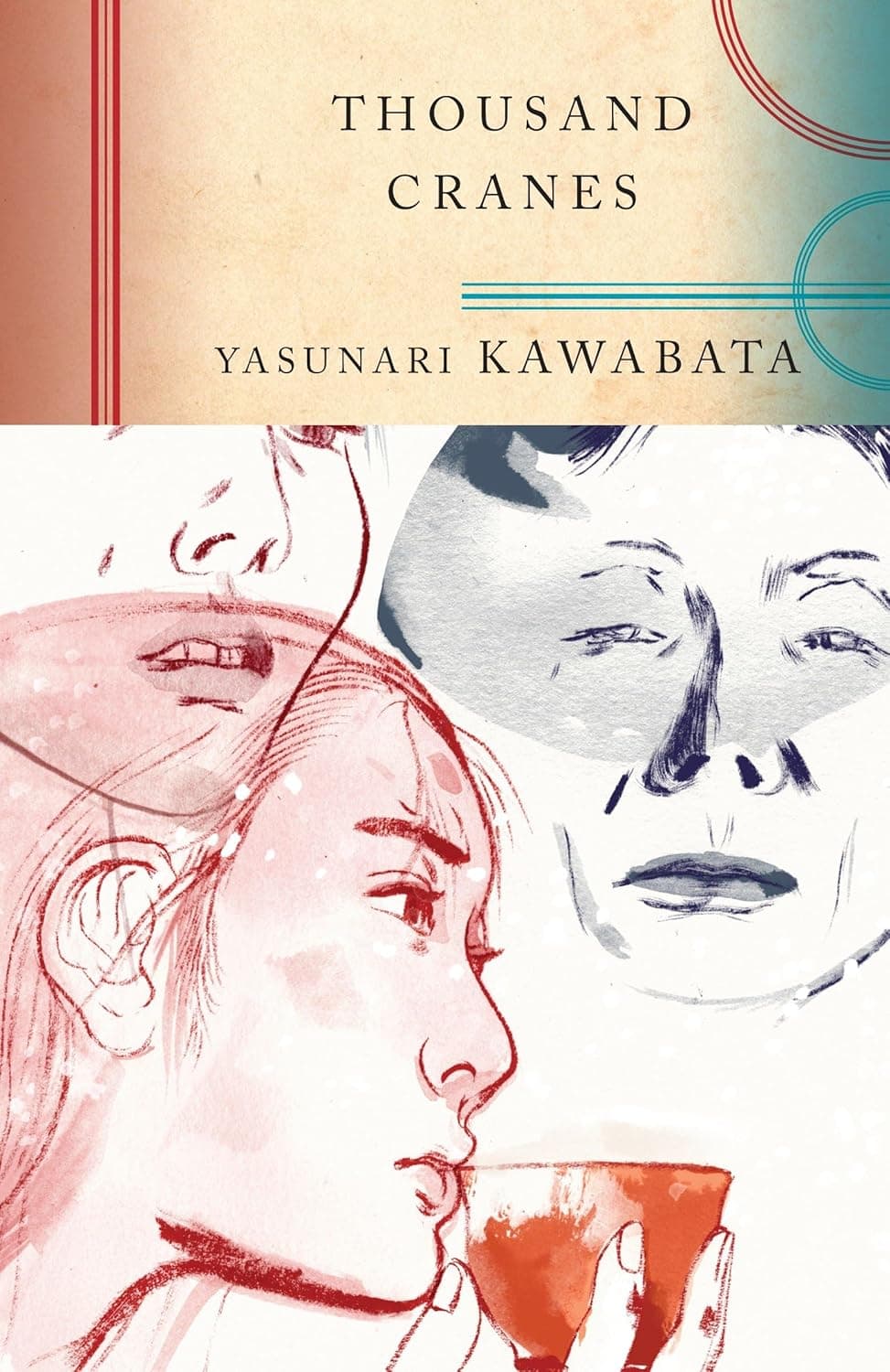
At a tea ceremony in postwar Japan, a young man is steered toward a bride and finds his dead father's mistresses waiting. Kawabata routes the affair entirely through inherited tea bowls.

Korea's supreme classical novel banishes a young monk, undone by eight fairies on a bridge, into a life of examinations, armies and love, granted in full so it can be seen through.

Two stories alternate: a man who encrypts data inside his mind, and a newcomer to a walled town reading dreams from unicorn skulls. Murakami has been returning to that architecture for forty years.
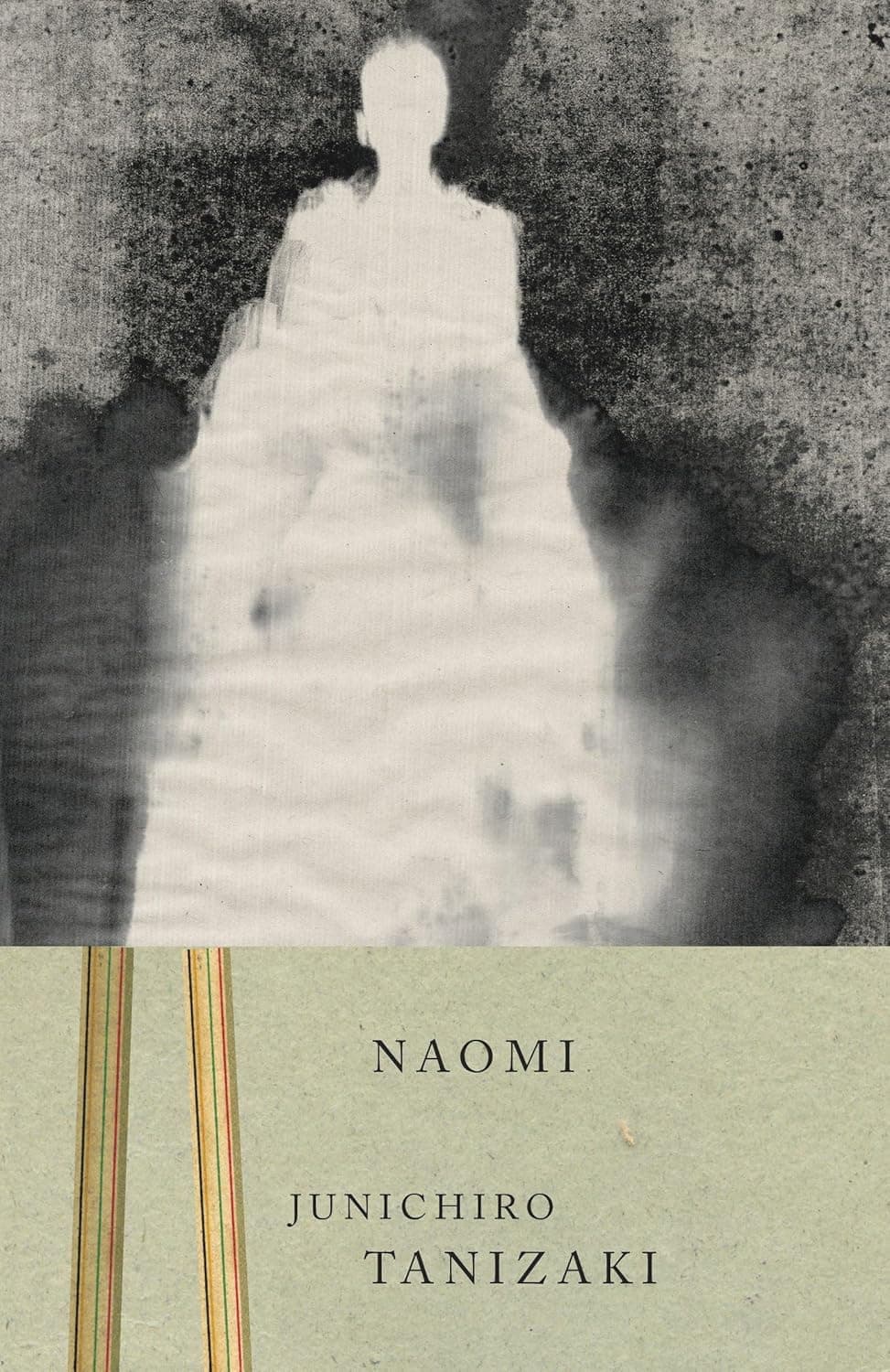
Joji, a Tokyo engineer, takes home a fifteen-year-old cafe waitress to raise into a Western-style wife, and she ruins him instead. Naomi became the emblem of Japan's modern girl and scandalized older readers.
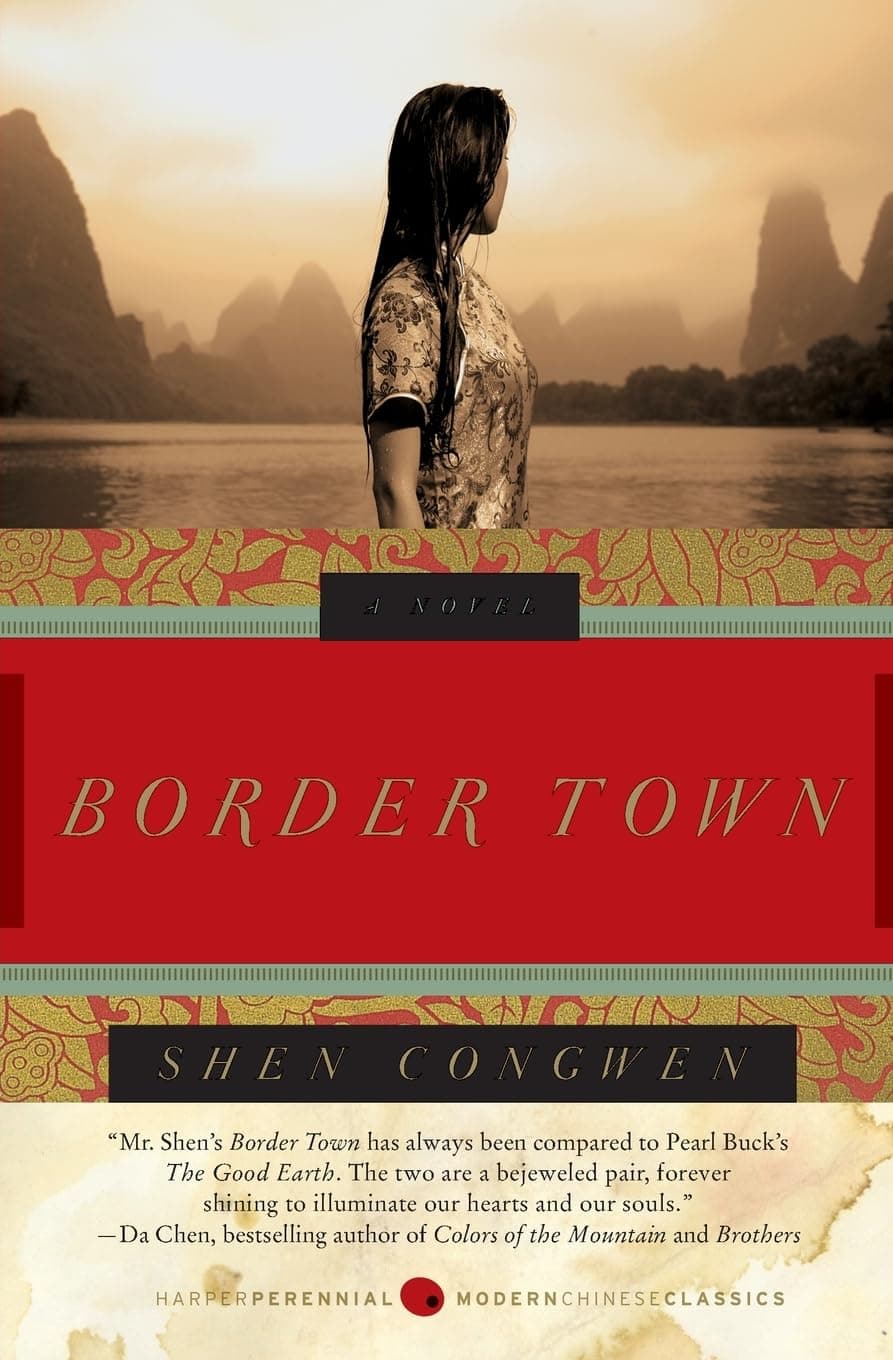
Shen Congwen's river country: an old ferryman and his granddaughter work a crossing in west Hunan while two brothers from the richest family court her, one singing across the water at night.
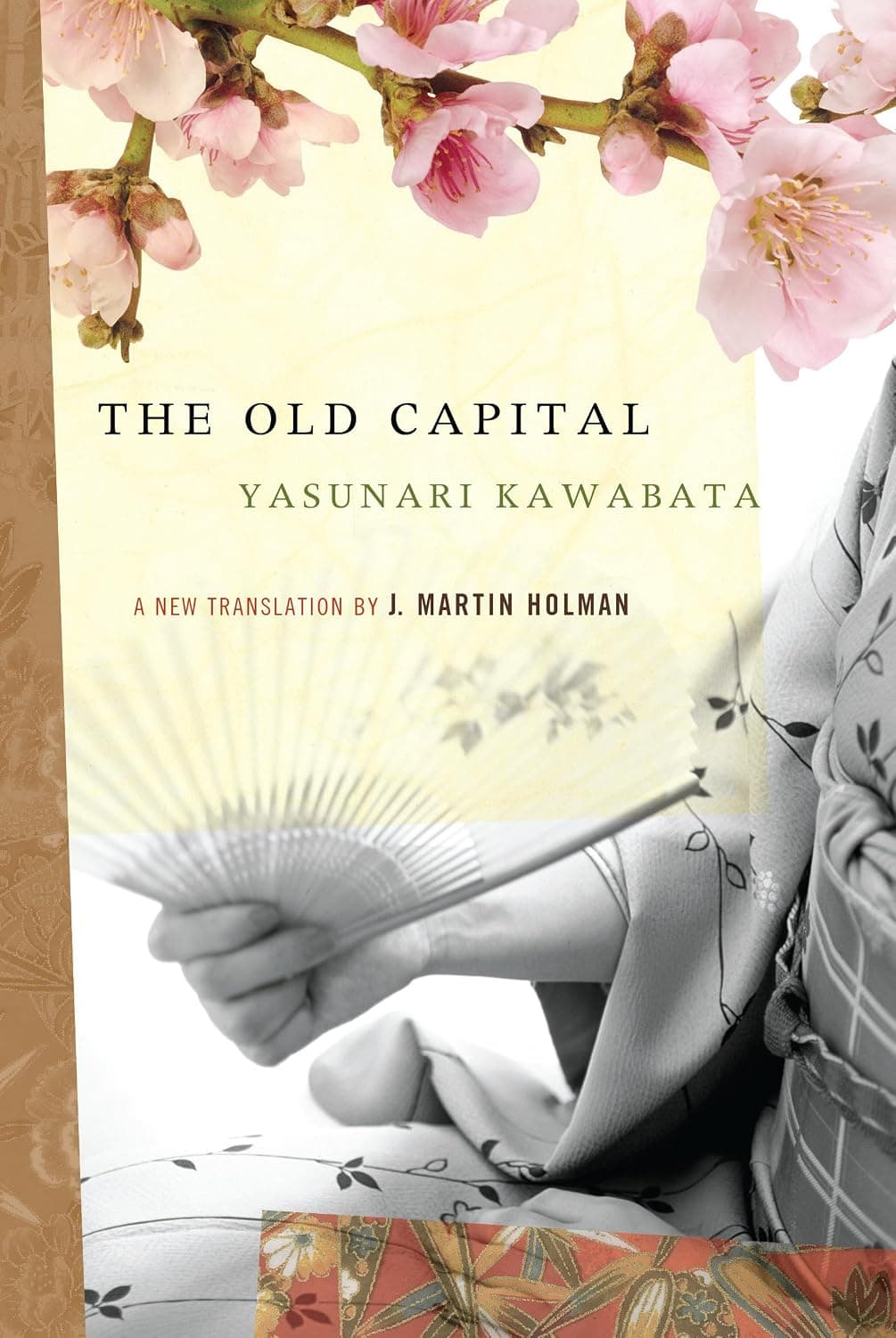
Chieko, a foundling raised by a Kyoto kimono merchant, meets the twin sister who logs cedar in the mountains. Kawabata carries them through a year of festivals in a city losing its crafts.
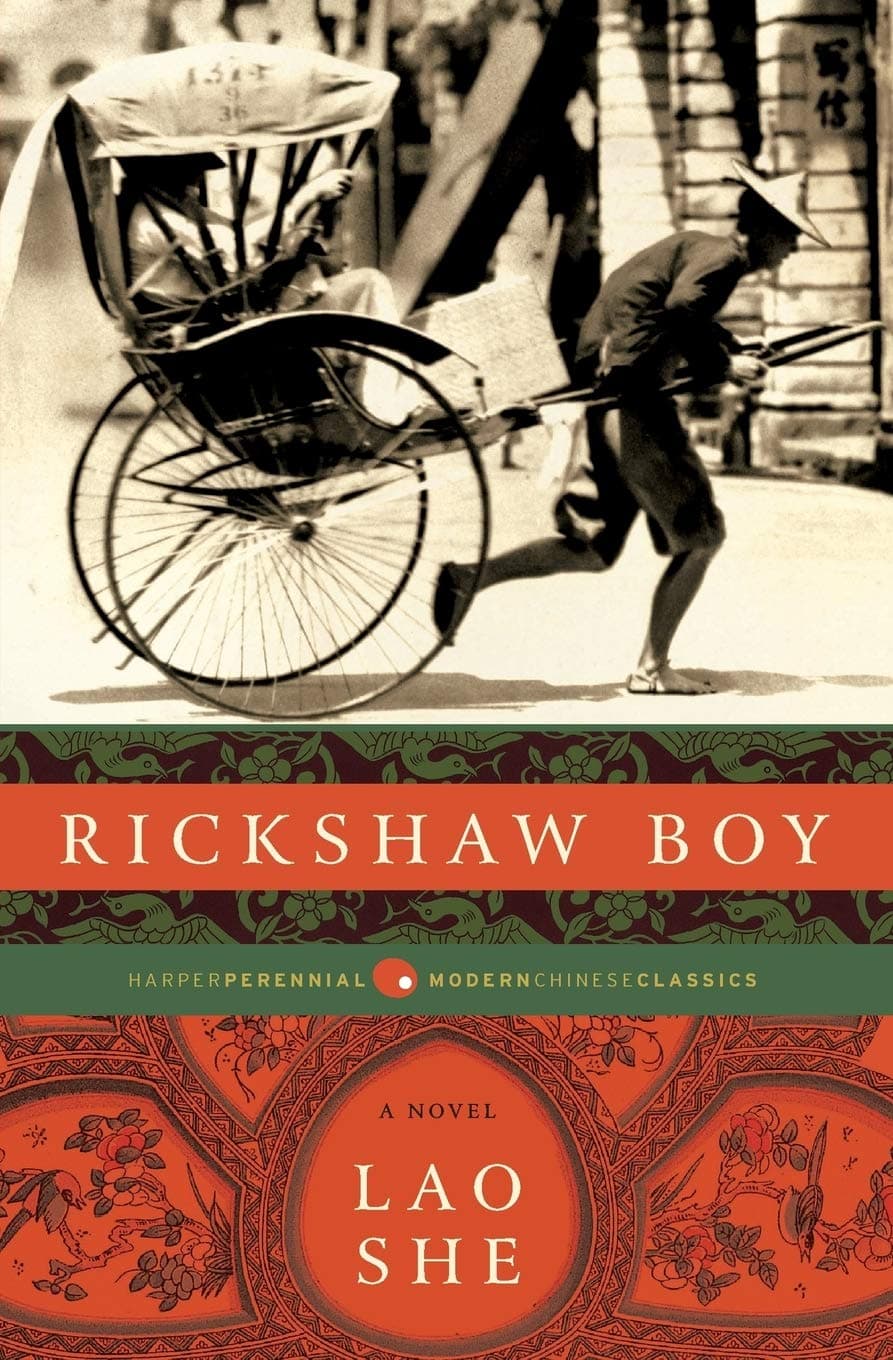
Xiangzi pulls a rented rickshaw through 1920s Beijing and wants a cart of his own. Soldiers seize the first he buys, a policeman takes his savings, and Lao She grinds him to nothing.

Shinji fishes off a Japanese island and loves Hatsue, the pearl diver whose father owns the boats. Mishima set the Greek romance Daphnis and Chloe in postwar Japan and left the darkness out.
Herr covered Vietnam for Esquire at twenty-seven and wrote the siege of Khe Sanh and the ruins of Hue at the pitch of a bad trip. Apocalypse Now took its narration from him.

Americans in Vietnam were fighting a country they never tried to understand, FitzGerald argues, explaining Confucian village order and the mandate of heaven to readers whose sons were still being sent there.
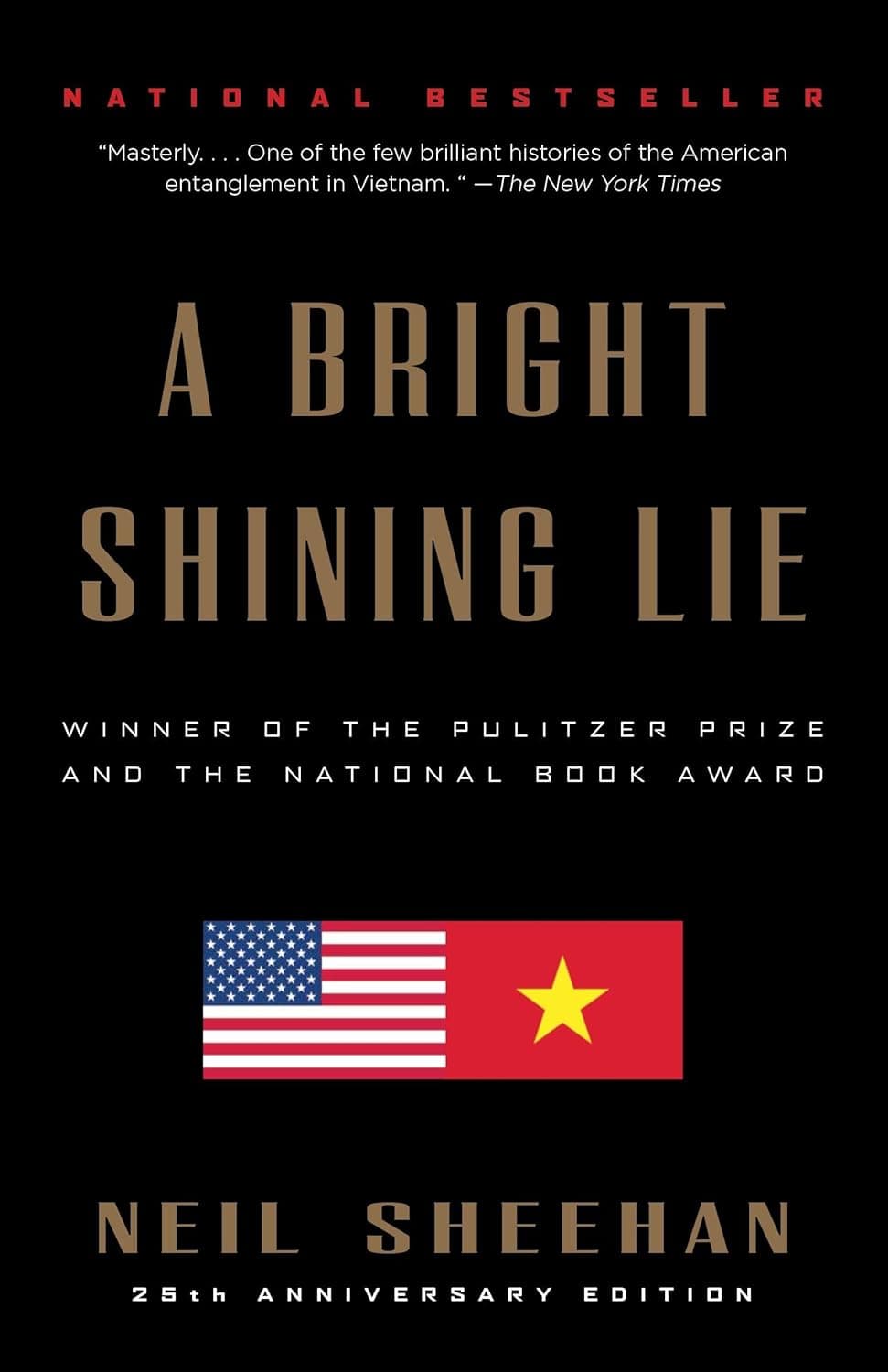
Army adviser John Paul Vann fed reporters the truth about Vietnam while the generals lied, then spent ten years insisting the war could be won. Sheehan reports his private ruin alongside the courage.

Kien spends the peace gathering the dead from the jungle that swallowed his battalion, and the war returns out of sequence. Bao Ninh enlisted at seventeen among five hundred, and ten came home.

Caputo landed at Da Nang in 1965 with the first American ground troops, eager for it. His tour ended with murder charges over two Vietnamese civilians his men shot, and he excuses nothing.