
The Tale of Genji
1021 · 1182 pages
Murasaki Shikibu, a lady at the Japanese imperial court, wrote a thousand pages about a prince, his loves, and his decline, reaching a psychological depth Europe would not manage for six hundred years.
★ 9.3
 skopia
Murasaki Shikibu, a lady at the Japanese imperial court, wrote a thousand pages about a prince, his loves, and his decline, reaching a psychological depth Europe would not manage for six hundred years.

Bao-yu, born with a jade in his mouth, would rather write poems with his cousins than study for the exams, while his great eighteenth-century Chinese family slides toward ruin. Their world is ending.
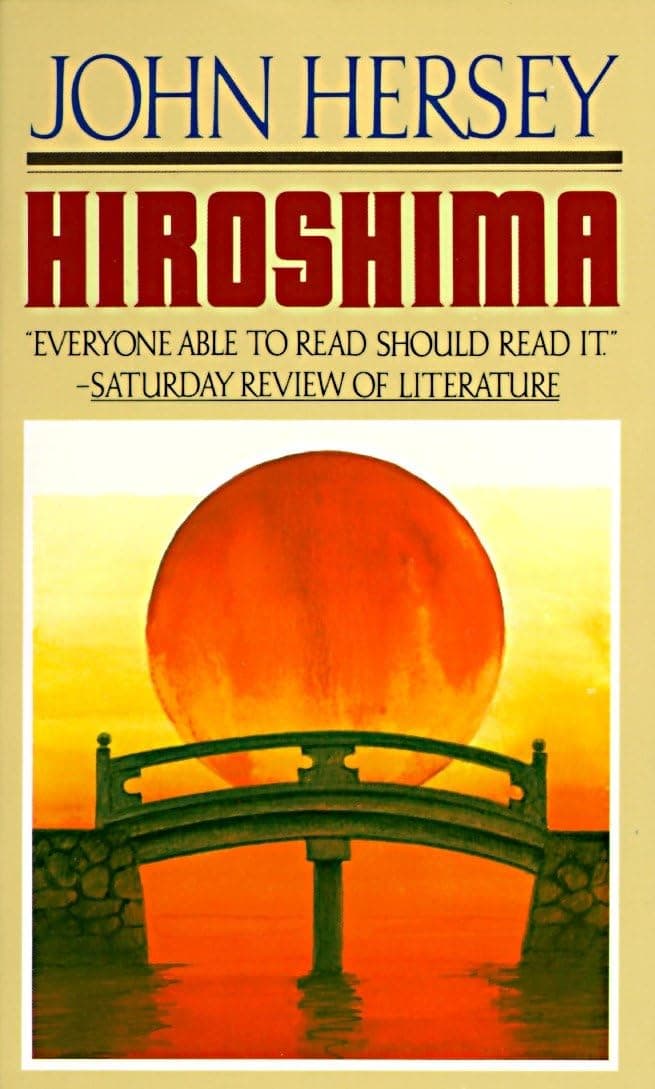
Six people survived the bomb at Hiroshima and Hersey follows them through the year after: a clerk, a widow, two doctors, and two clergymen. He writes flatly and it is unbearable.

O'Brien lists what a platoon in Vietnam hauled around, down to the ounce, then tells war stories and takes them back. The invented ones carry the war more exactly than facts could.
Zhuang Zhou dreams he is a butterfly and wakes unsure which one is dreaming. The jokes, tall tales, and arguments with logicians that follow work to loosen your grip on your own categories.

Castrated rather than executed for defending a general, Sima Qian lived to finish his history: twenty-five centuries of China told through emperors, assassins, and merchants. The portraits are alive on the page.
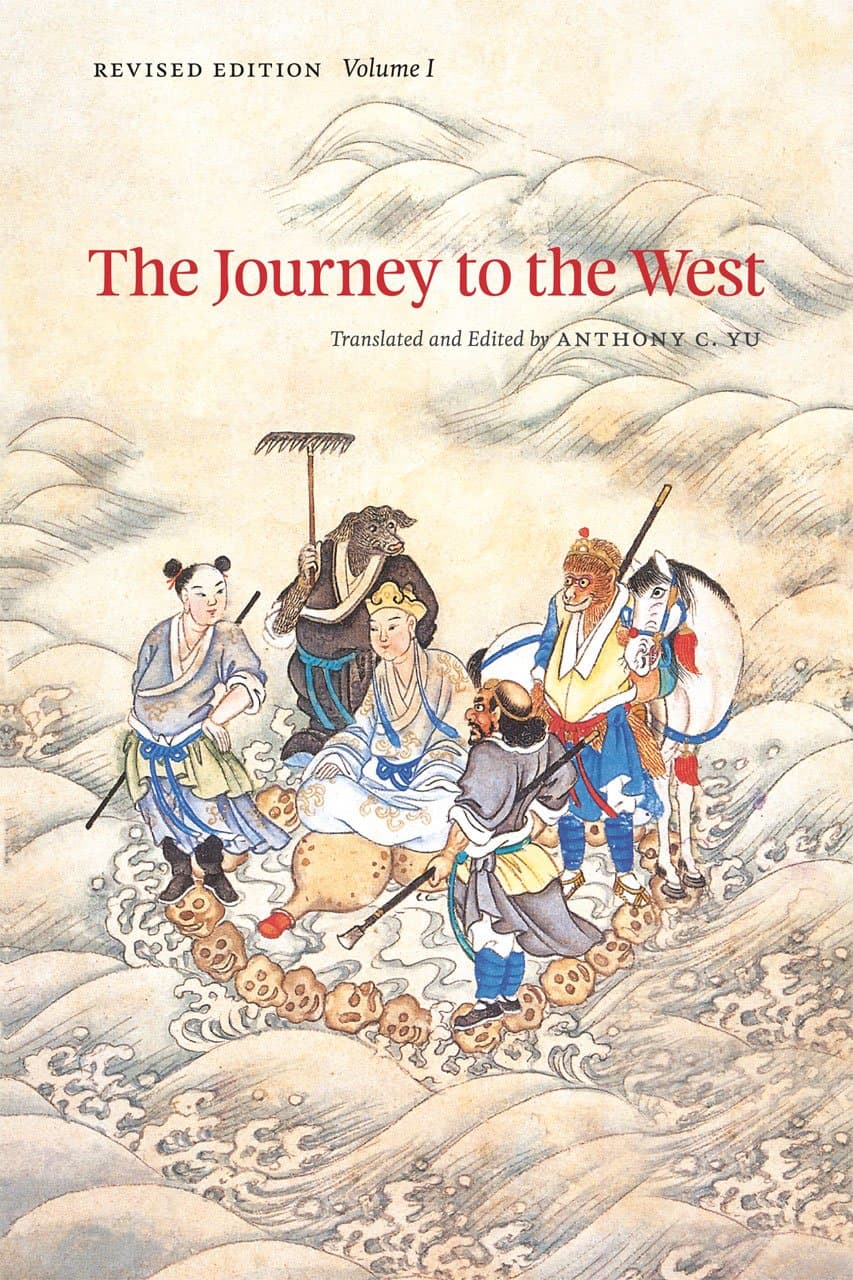
A monkey born from stone storms heaven, is pinned under a mountain for five hundred years, then escorts a monk to India for Buddhist scriptures. Eighty-one disasters later it is still funny.
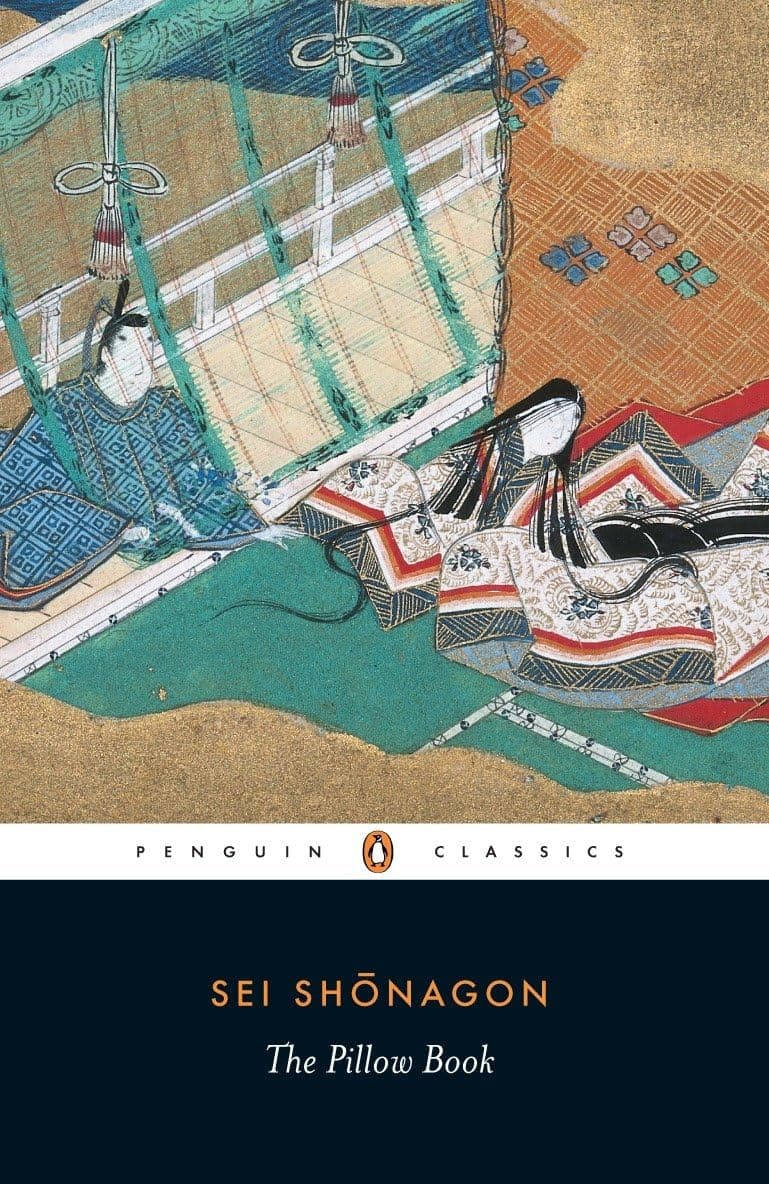
A thousand years ago in the Japanese court, a lady-in-waiting kept lists of things that make the heart beat faster and things she found hateful. Her snobbery is part of the pleasure.
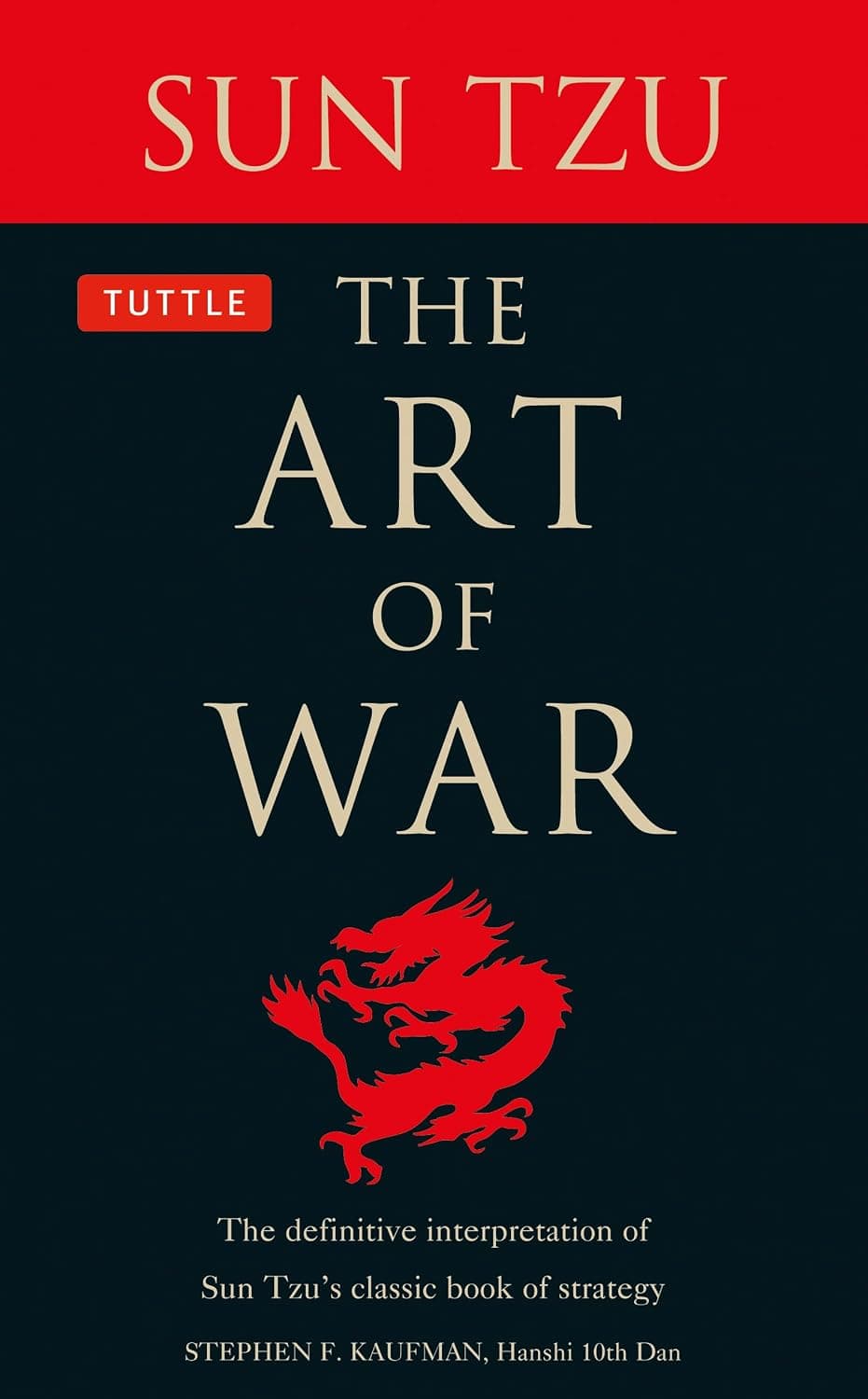
Win without fighting, Sun Tzu writes, and he means it literally. Twenty-five centuries ago this Chinese general reduced war to deception, terrain, and knowing the enemy as thoroughly as you know yourself.
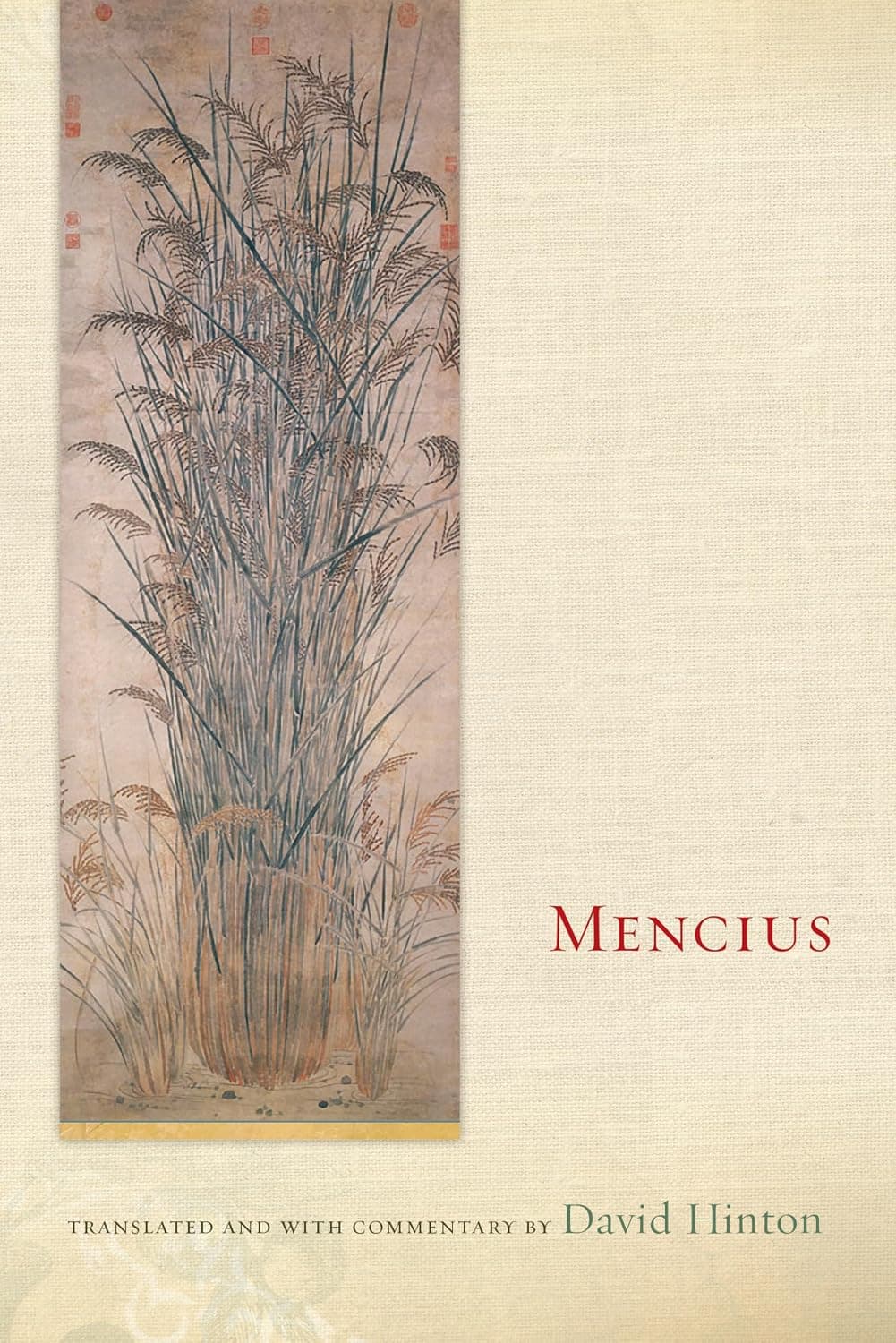
Seeing a child about to fall into a well, anyone feels alarm before thinking. Human nature is therefore good, Mencius argues, and a ruler who starves his people forfeits the throne.
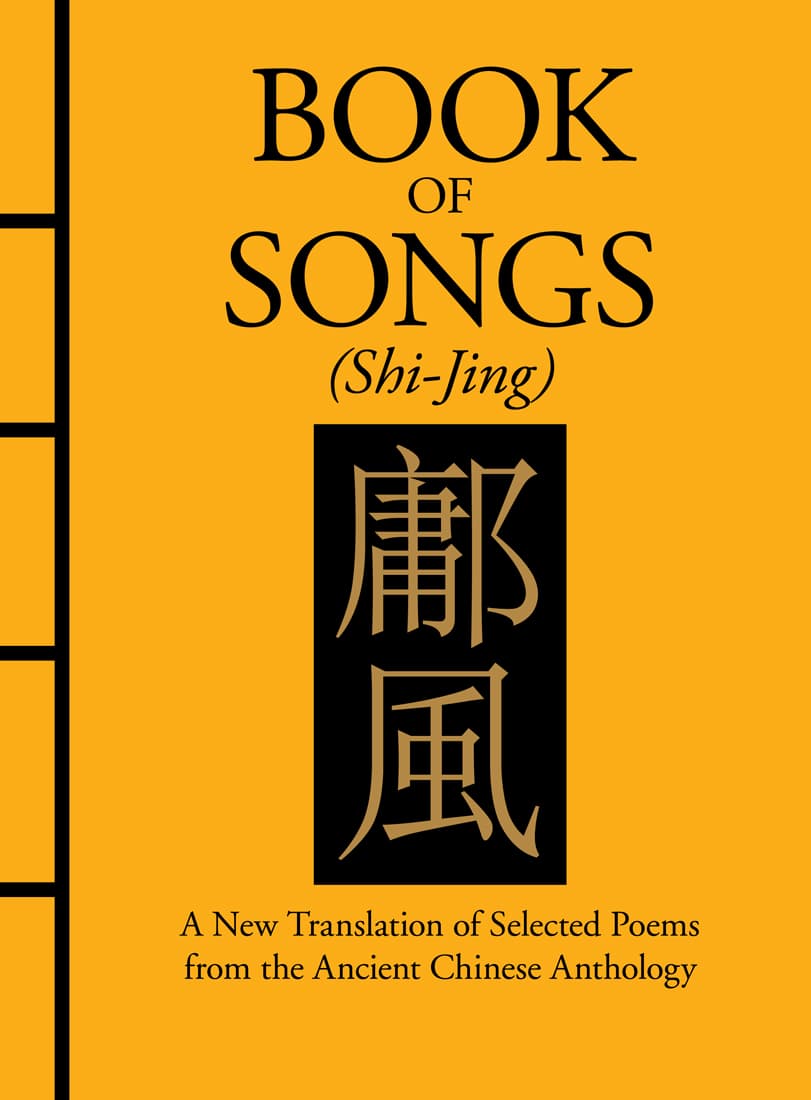
Three hundred and five songs from ancient China about courtship, harvest, soldiers on campaign, and bad government. Confucius taught from them, and every Chinese poet since has written with them in earshot.
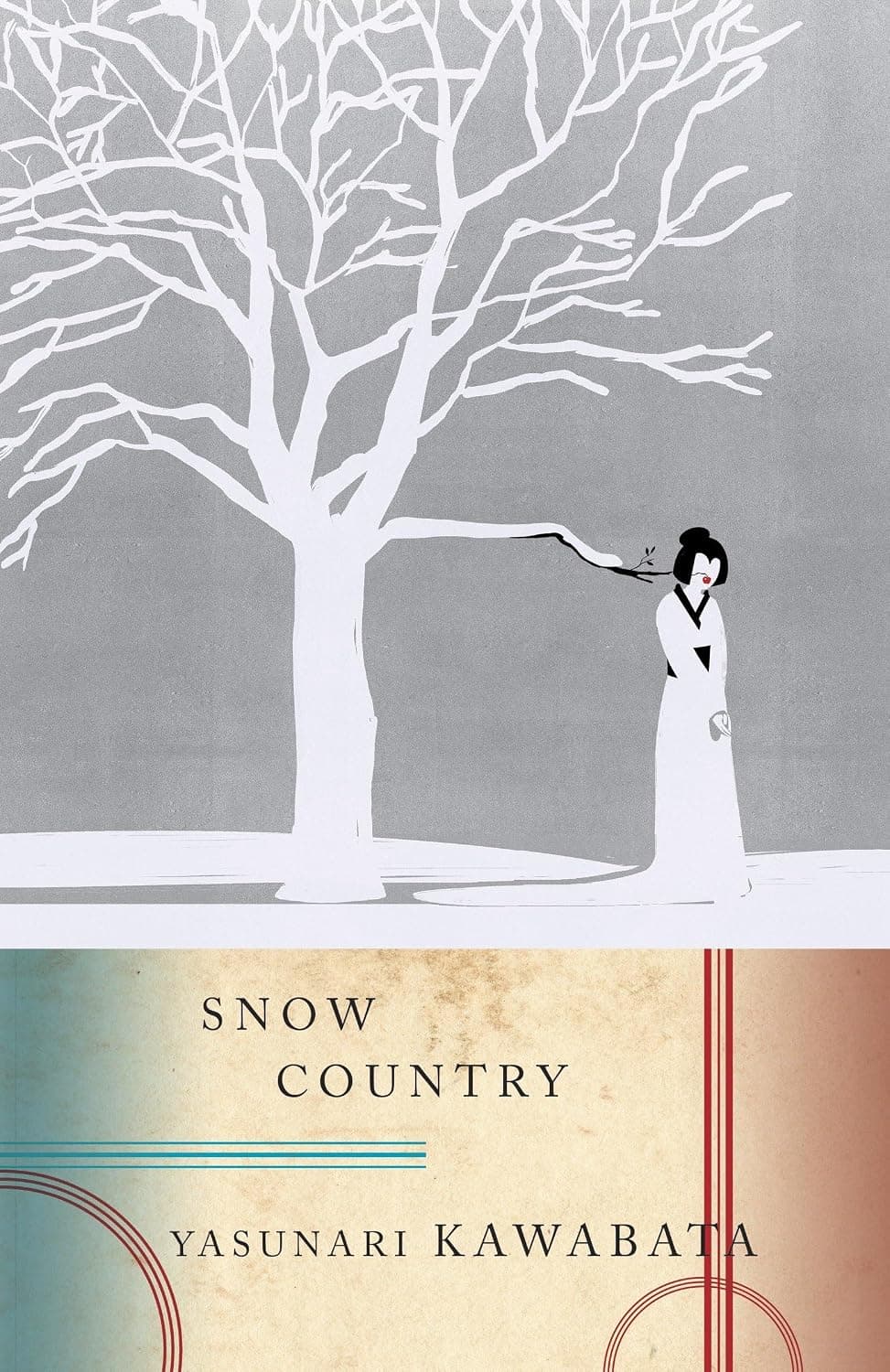
At a hot spring in Japan's snow country, a wealthy Tokyo idler keeps visiting a geisha who loves him past anything he can give. Kawabata states almost nothing and it lands anyway.
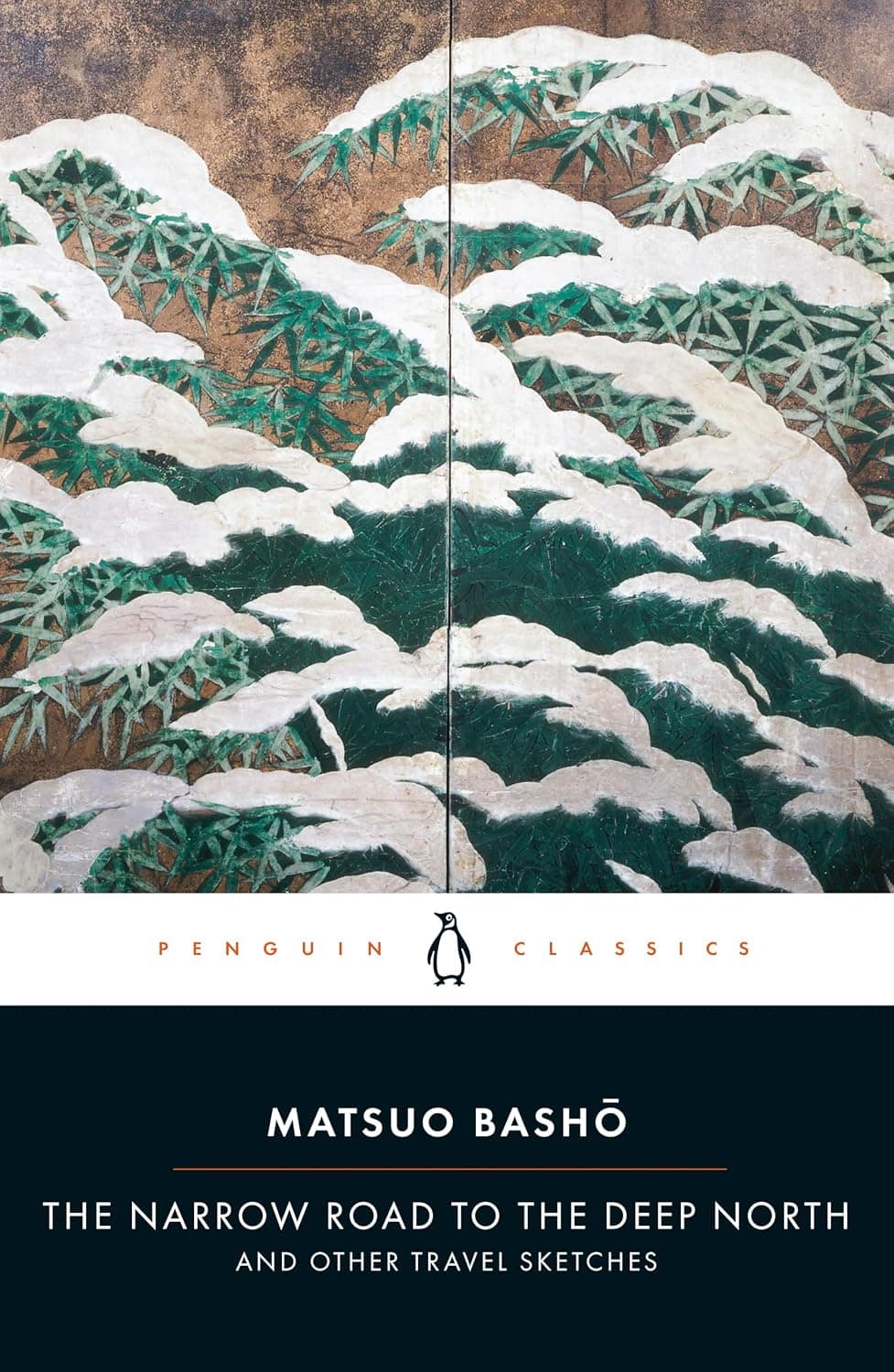
Basho sold his house and walked hundreds of miles into northern Japan, writing prose that stops for a haiku. At a battlefield he finds summer grass, all that remains of warriors' dreams.
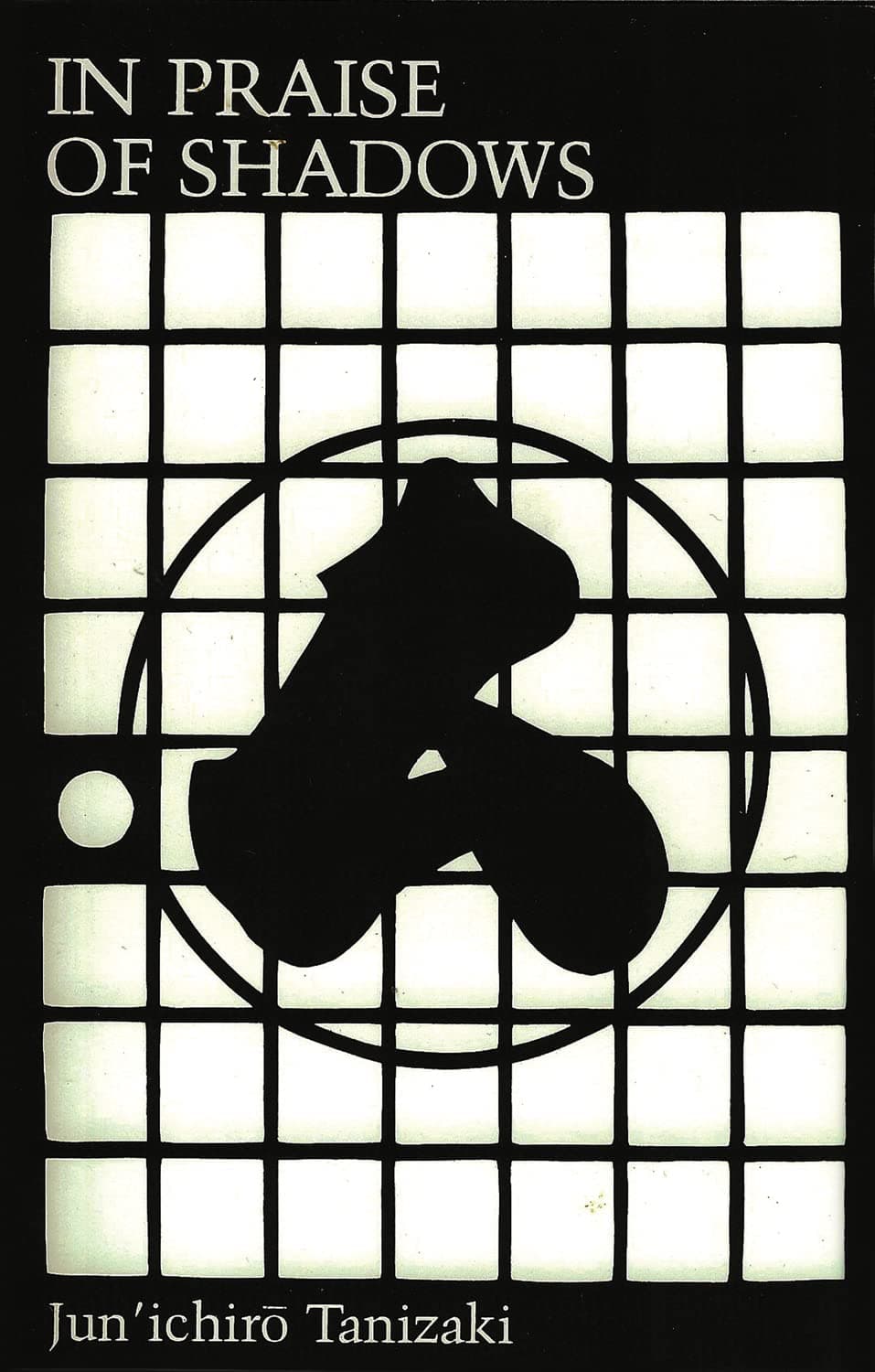
Tanizaki, a Japanese novelist, argues in earnest that the beauty of his country was made for dim rooms and wrecked by electric light. Lacquer, gold leaf, and old toilets all make his case.
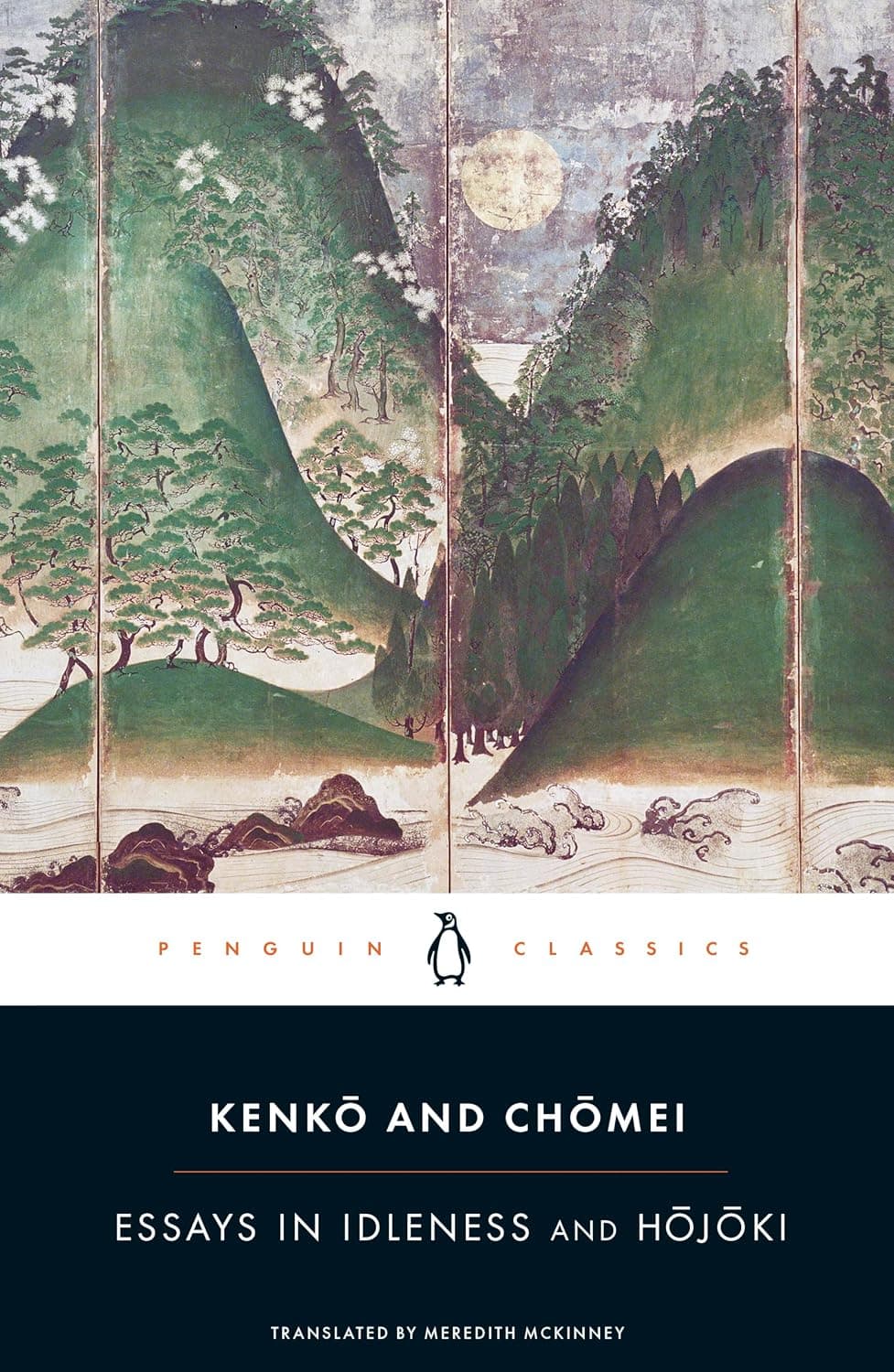
Writing in fourteenth-century Japan, the monk Kenko set down fragments on manners, boredom, and death, asking why we look at cherry blossoms only in full bloom. Impermanence makes attention urgent.

Modern Chinese literature begins here. Ah Q, a village laborer, turns every beating into a spiritual victory, and a madman reads the Confucian classics until the words eat people surface between the lines.
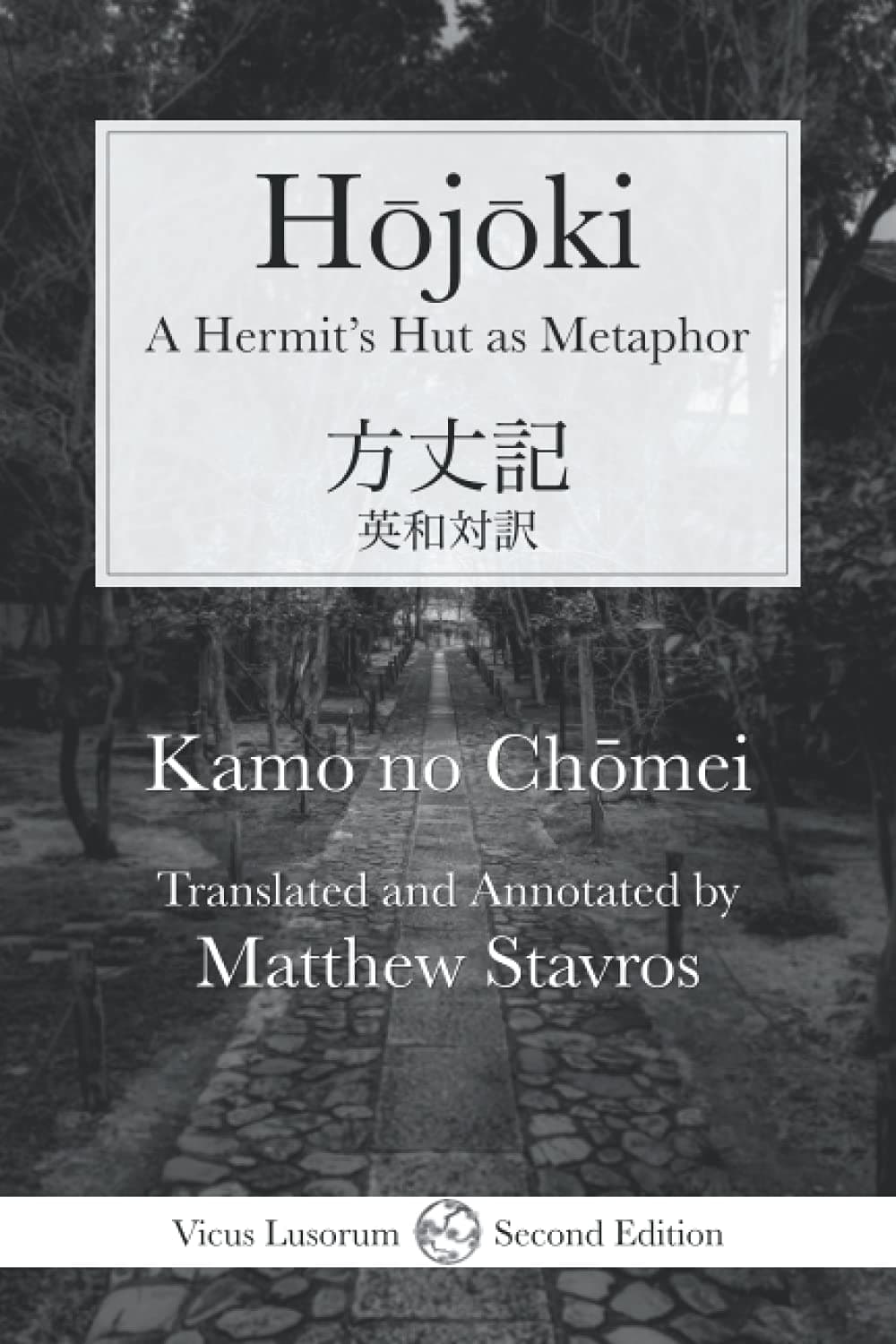
Writing from a hut ten feet square, a Kyoto recluse recalls the fire, whirlwind, famine, and earthquake that destroyed the capital, and concludes that nothing built by people is meant to stay.
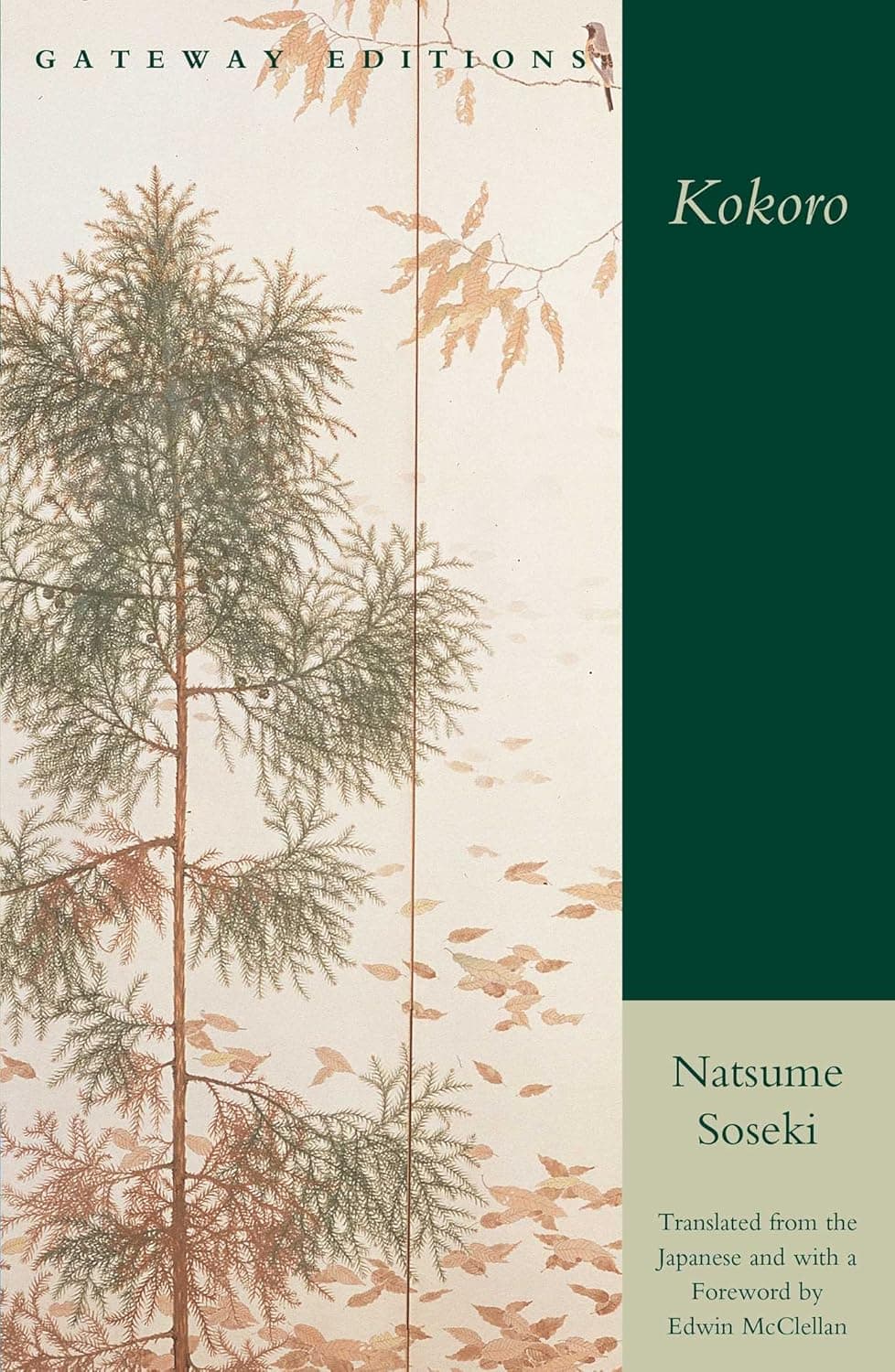
Modern Japanese literature turns on this book. A student attaches himself to a withdrawn man he calls Sensei, and the letter that finally explains him confesses a betrayal that has never healed.

Crossing the Mekong by ferry in 1929, a French girl of fifteen meets the Chinese man who becomes her lover. Duras writes it in fragments that refuse both romance and pity.

Bai Liusu, a divorcee her Shanghai family treats as a disgrace, follows a rich bachelor to Hong Kong. Chang writes their courtship as cold accounting until the Japanese bombardment reaches the city.