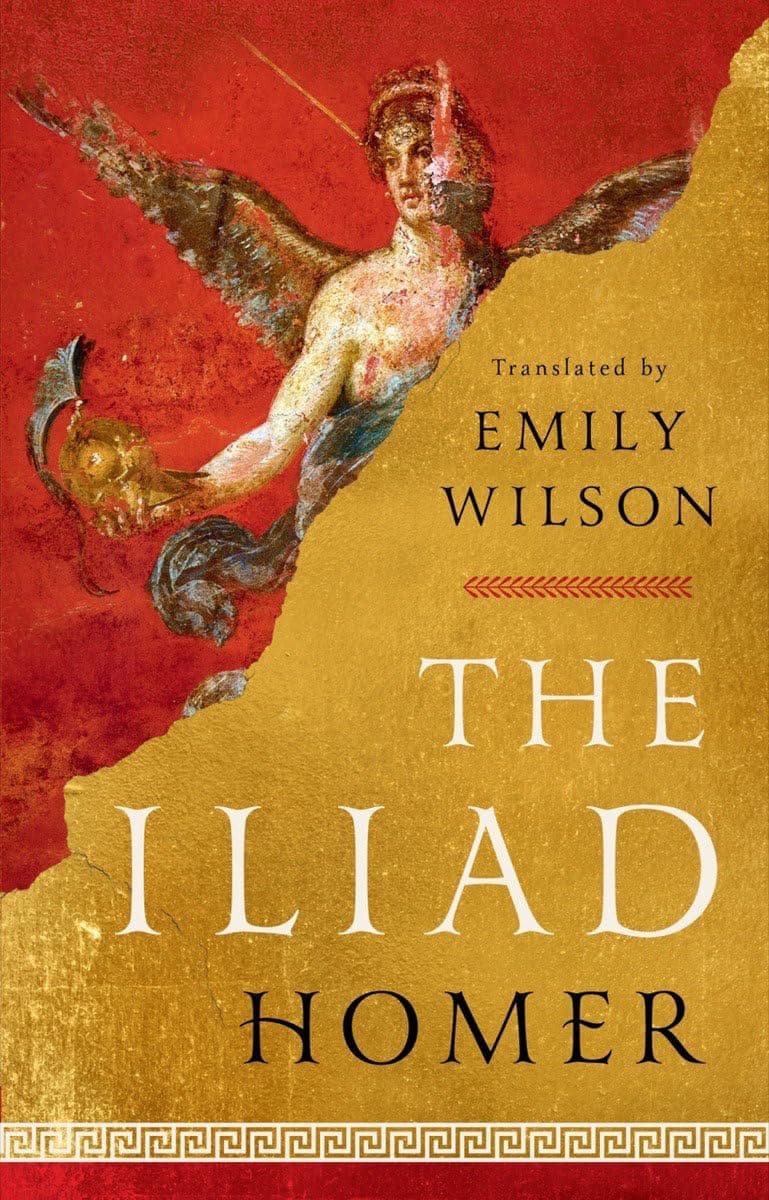
The Iliad
750 BC · 848 pages
Achilles withdraws from the fighting over a stolen prize and his friends die outside Troy for it. Nothing written about war since has matched Homer's fury, or the mercy of the final scene.
★ 9.9
 skopia
Achilles withdraws from the fighting over a stolen prize and his friends die outside Troy for it. Nothing written about war since has matched Homer's fury, or the mercy of the final scene.
Five families carried through Napoleon's invasion of Russia, with battle, marriage, farming, and a theory of history held in one design. You finish it knowing these people better than your own friends.
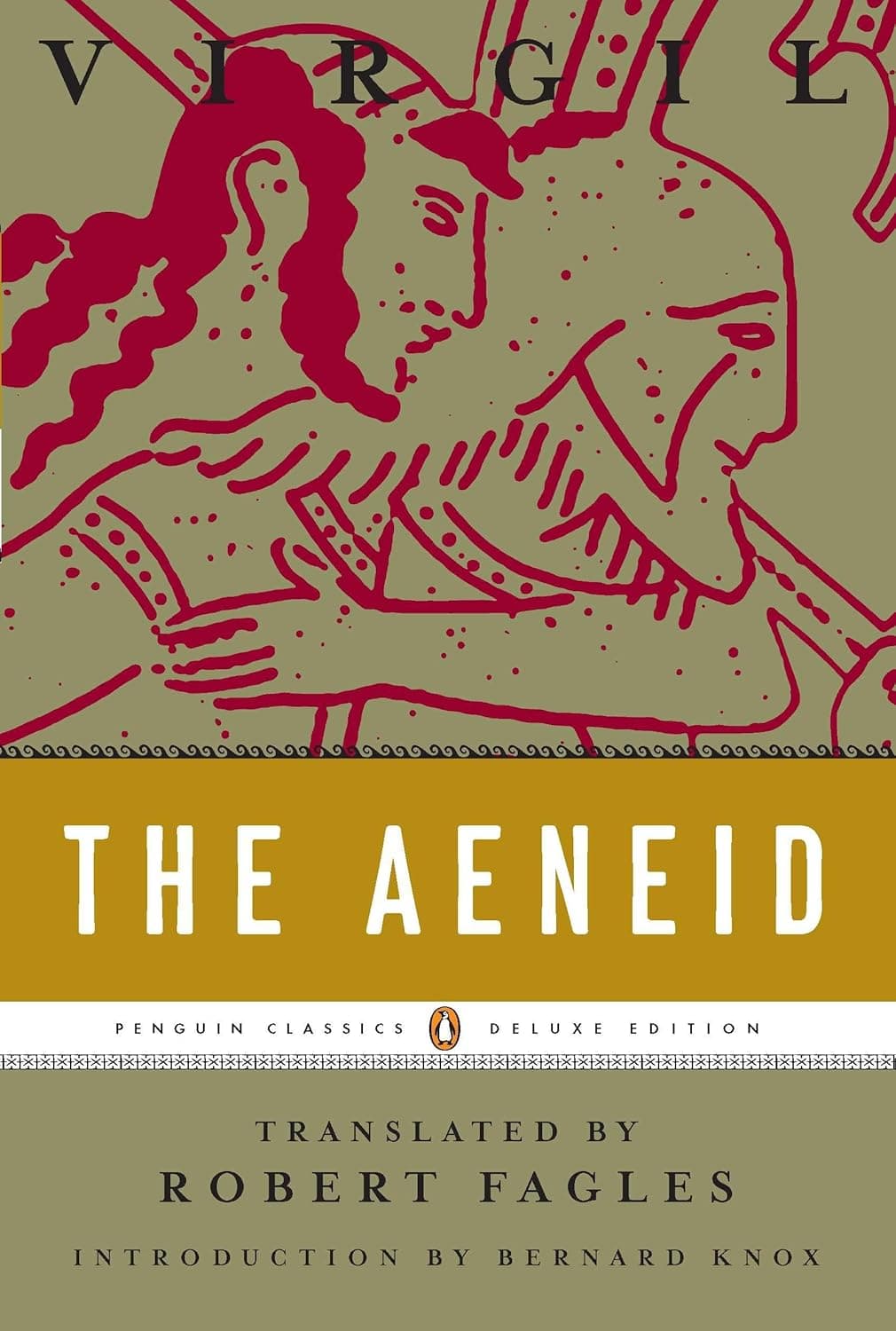
Aeneas carries his father out of burning Troy and is sent to found Rome, abandoning the queen who loves him. Duty wins, and Dido's grief is the greatest passage in Latin poetry.
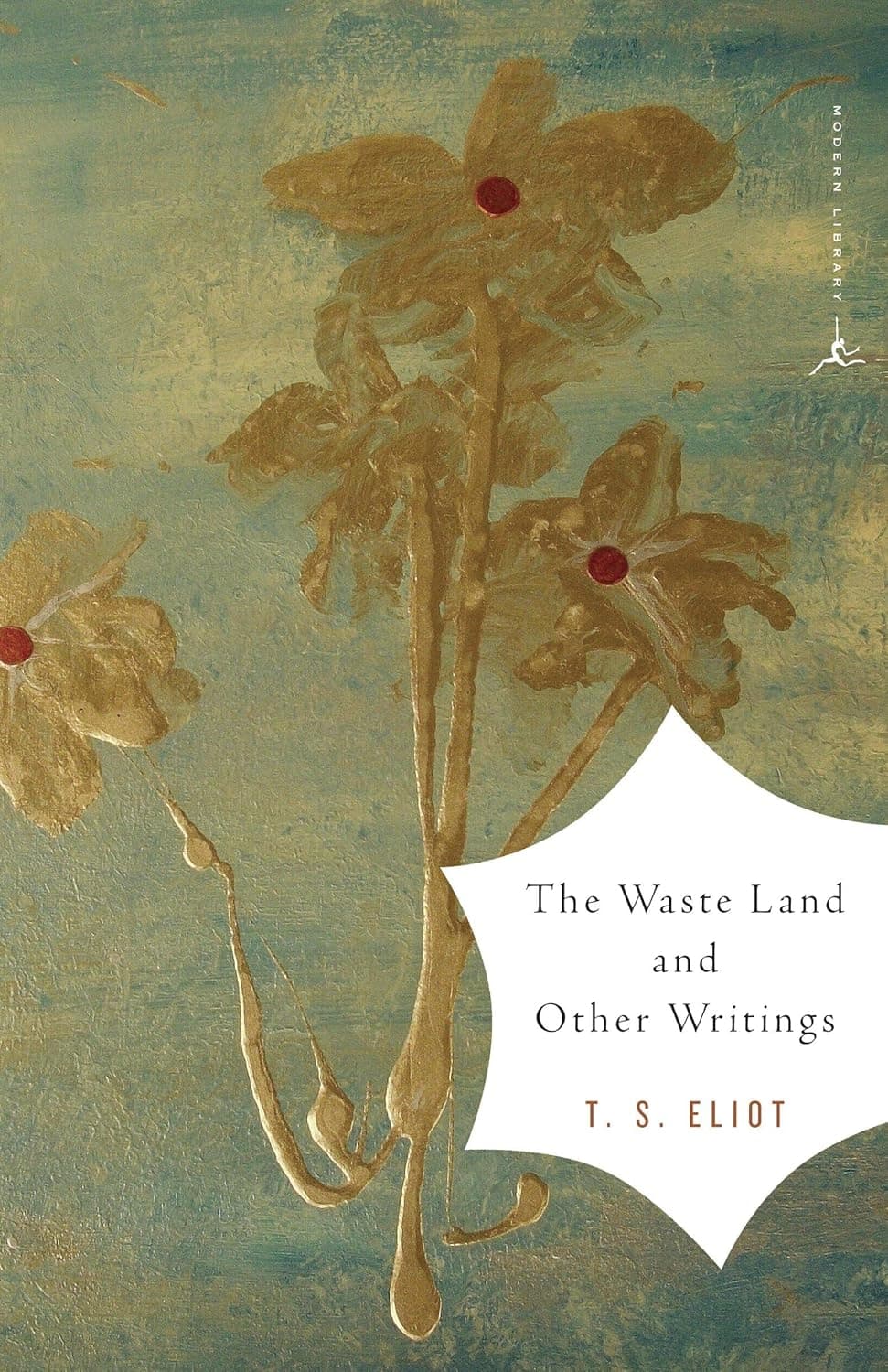
April is the cruellest month, and from that line Eliot assembles a ruined Europe out of voices, tarot cards, and pub talk. The fragments lodge in the memory for good.

In London in 1944 the army notices that an American officer's sexual conquests keep predicting where German rockets fall. What follows is the filthiest, funniest chase ever run across a ruined continent.
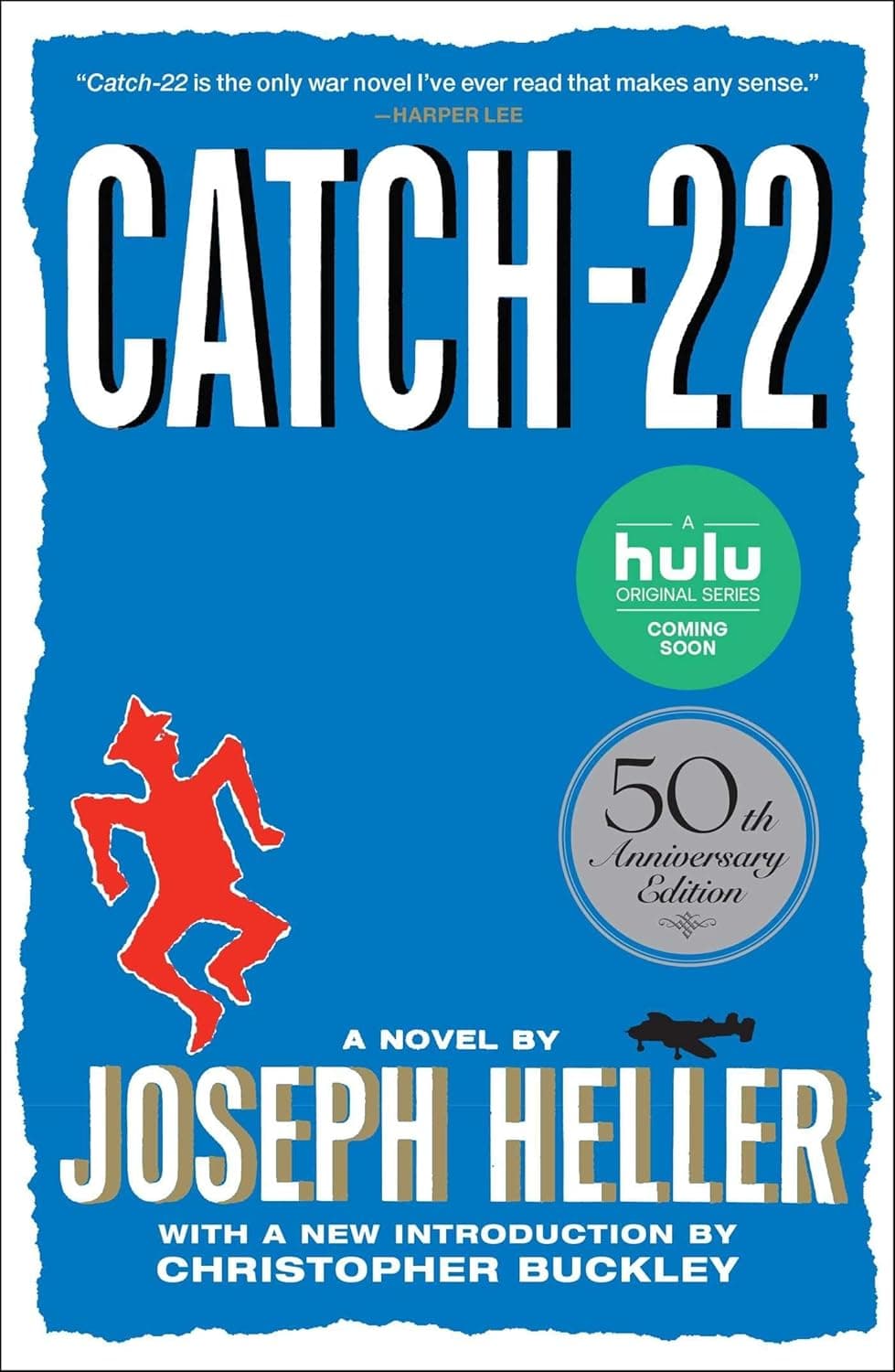
Trying to get grounded for insanity, a bombardier learns that asking to be grounded proves he is sane. Heller runs that loop through a whole war until the deaths stop being funny.
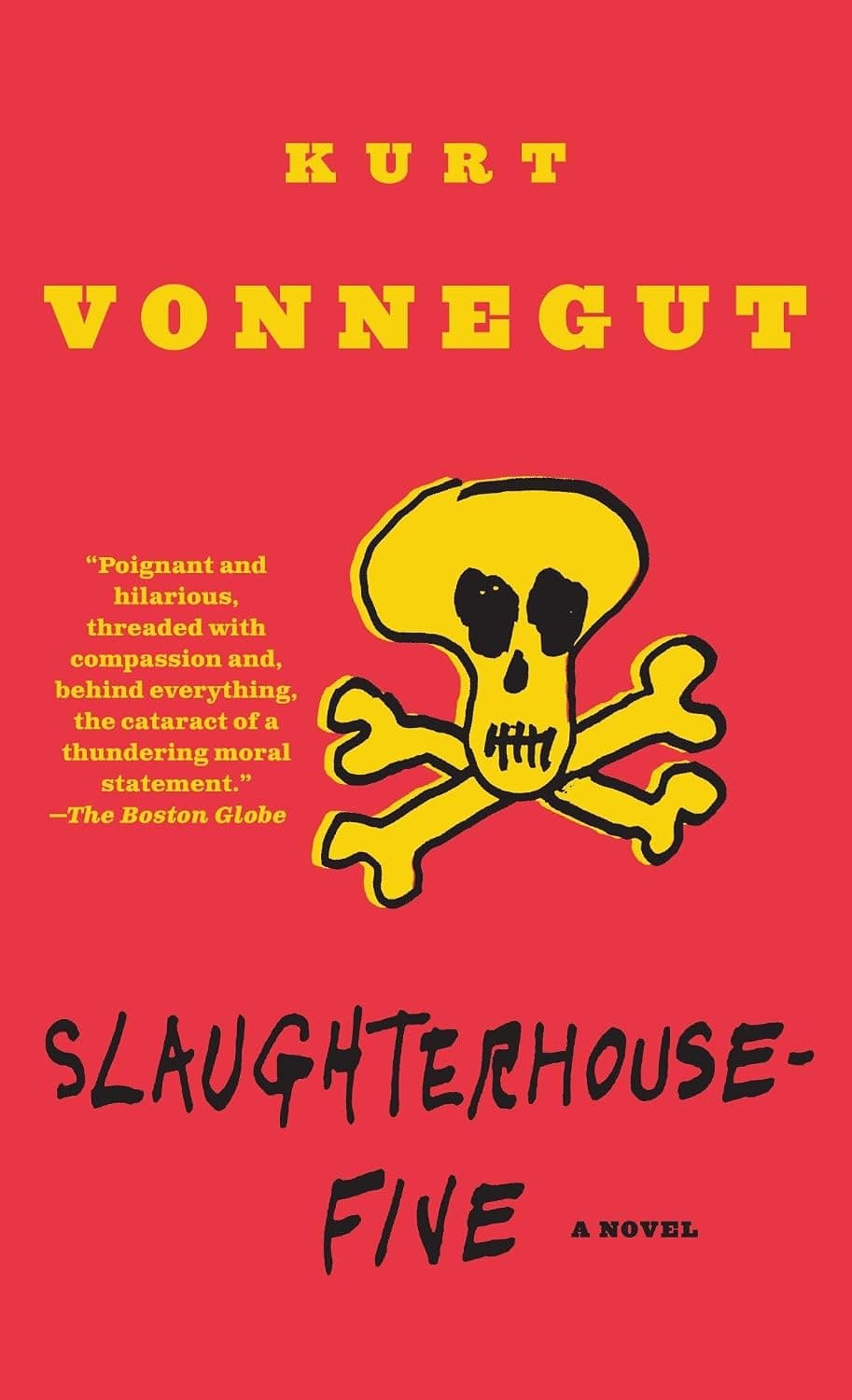
Billy Pilgrim comes unstuck in time, between a Dresden meat locker during the firebombing and a zoo on another planet. Vonnegut was in that cellar, and writes "So it goes" after every death.
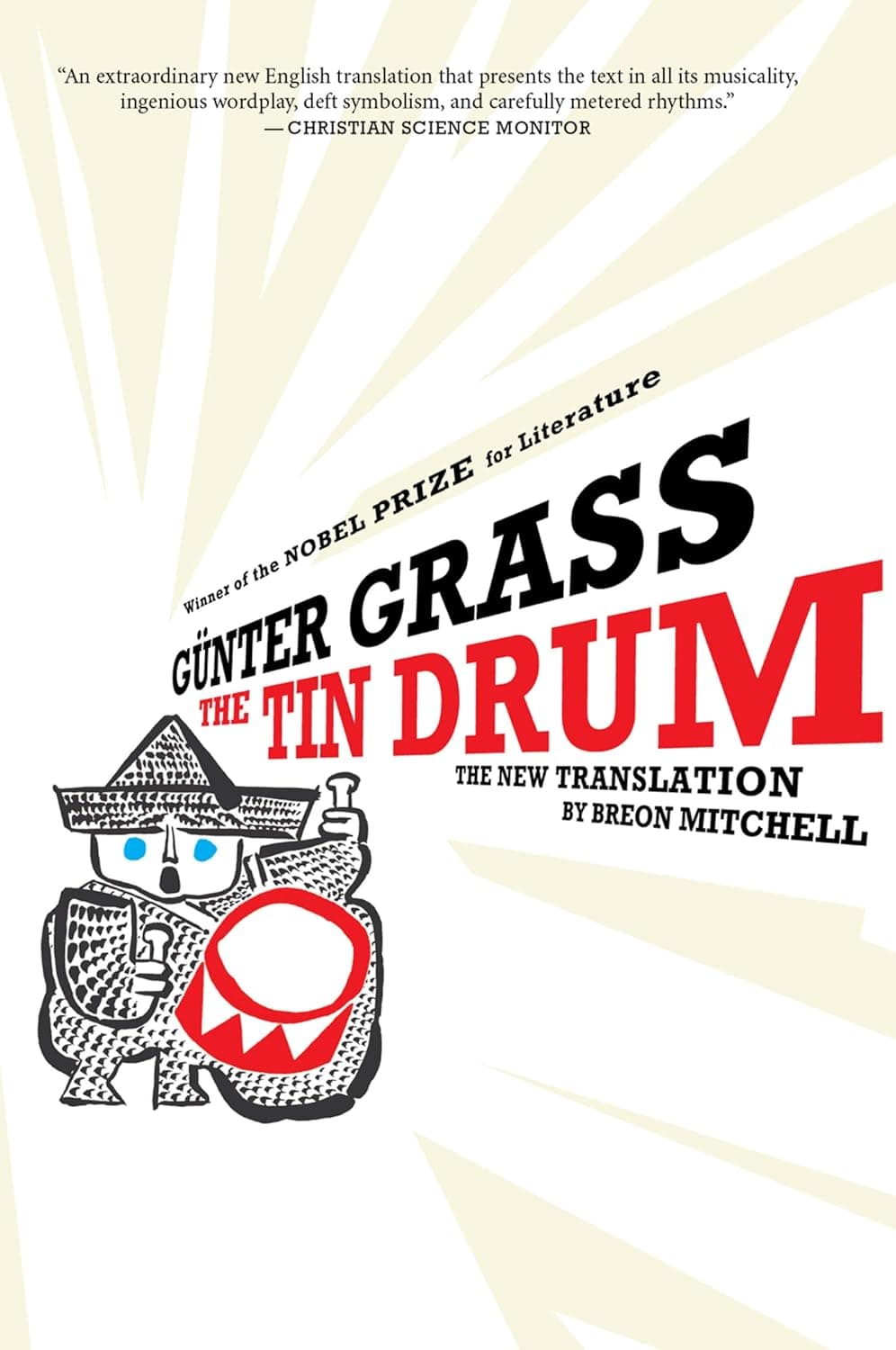
Oskar decides on his third birthday to stop growing, keeps his tin drum, and screams glass to pieces while the Nazis take Danzig. Grass forced postwar Germany to look at itself through him.

Exiled after losing a city, Thucydides wrote the war that ruined Athens, explaining it by fear and self-interest, not the gods. At Melos his Athenians say the strong do what they can.

German schoolboys enlist after a teacher's patriotic speech and find mud, lice, and men dying badly. Remarque was in those trenches, and no book has done more damage to the idea of glory.

Driving ambulances for the Italian army, an American falls in love with an English nurse while the front collapses around them. Hemingway's plain sentences leave you completely undefended by the last page.

Celine's narrator carries his disgust from the First World War to colonial Africa, a Ford assembly line in Detroit, and a Paris suburb. He dragged spoken French into literature and made loathing exhilarating.

McPherson carries the whole Civil War in one volume, from the fights over slavery in the 1840s through Antietam to the surrender at Appomattox, and it reads like dispatches filed the same day.

O'Brien lists what a platoon in Vietnam hauled around, down to the ounce, then tells war stories and takes them back. The invented ones carry the war more exactly than facts could.
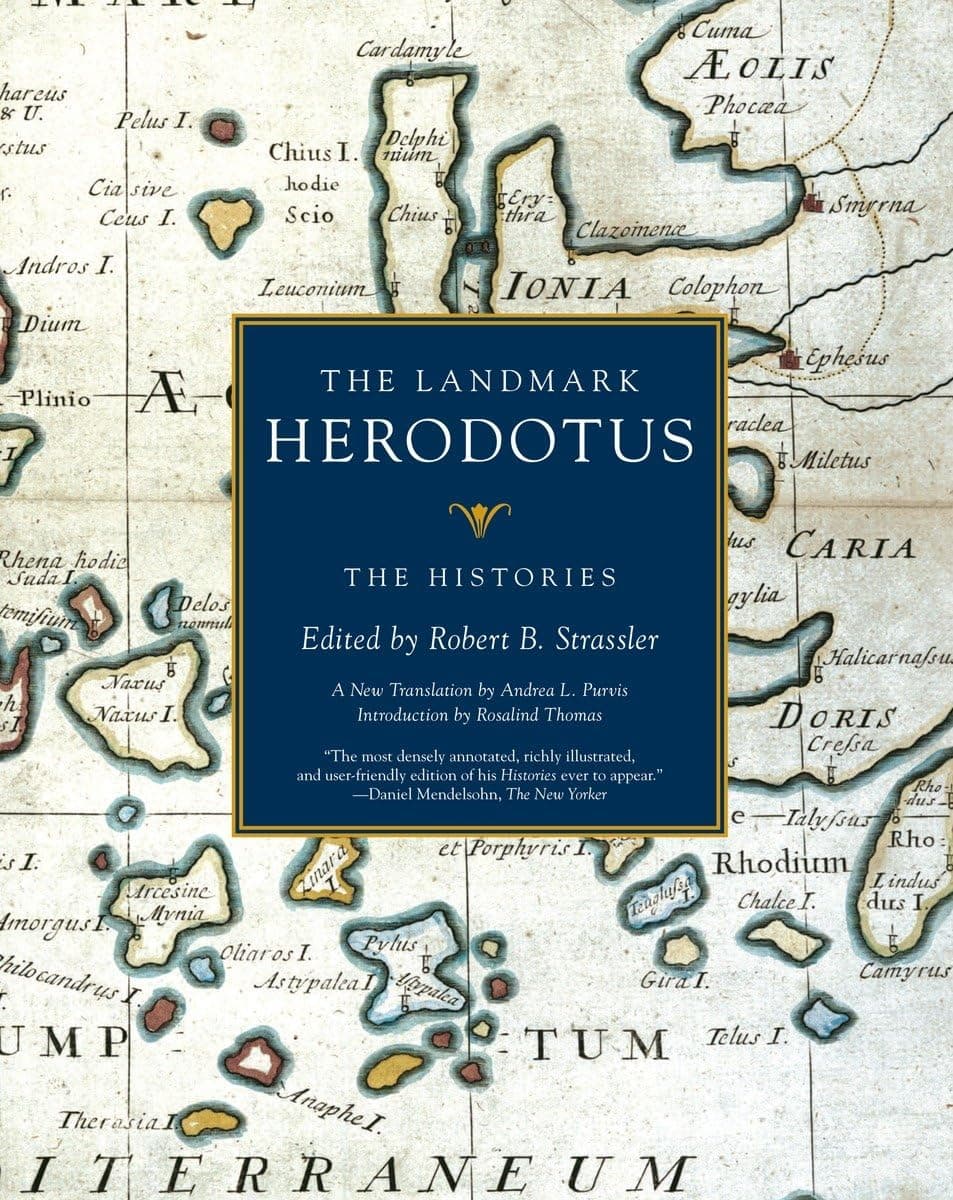
History begins with Herodotus asking why Greeks and Persians fought, and reaching Thermopylae by way of Egyptian mummies and gold-digging ants. He reports the rumors too, and lets you judge.

Five brothers gamble away a kingdom and their wife, then return from exile to a war that swallows their world. Carole Satyamurti's English verse holds the whole Sanskrit epic, Krishna's counsel included.
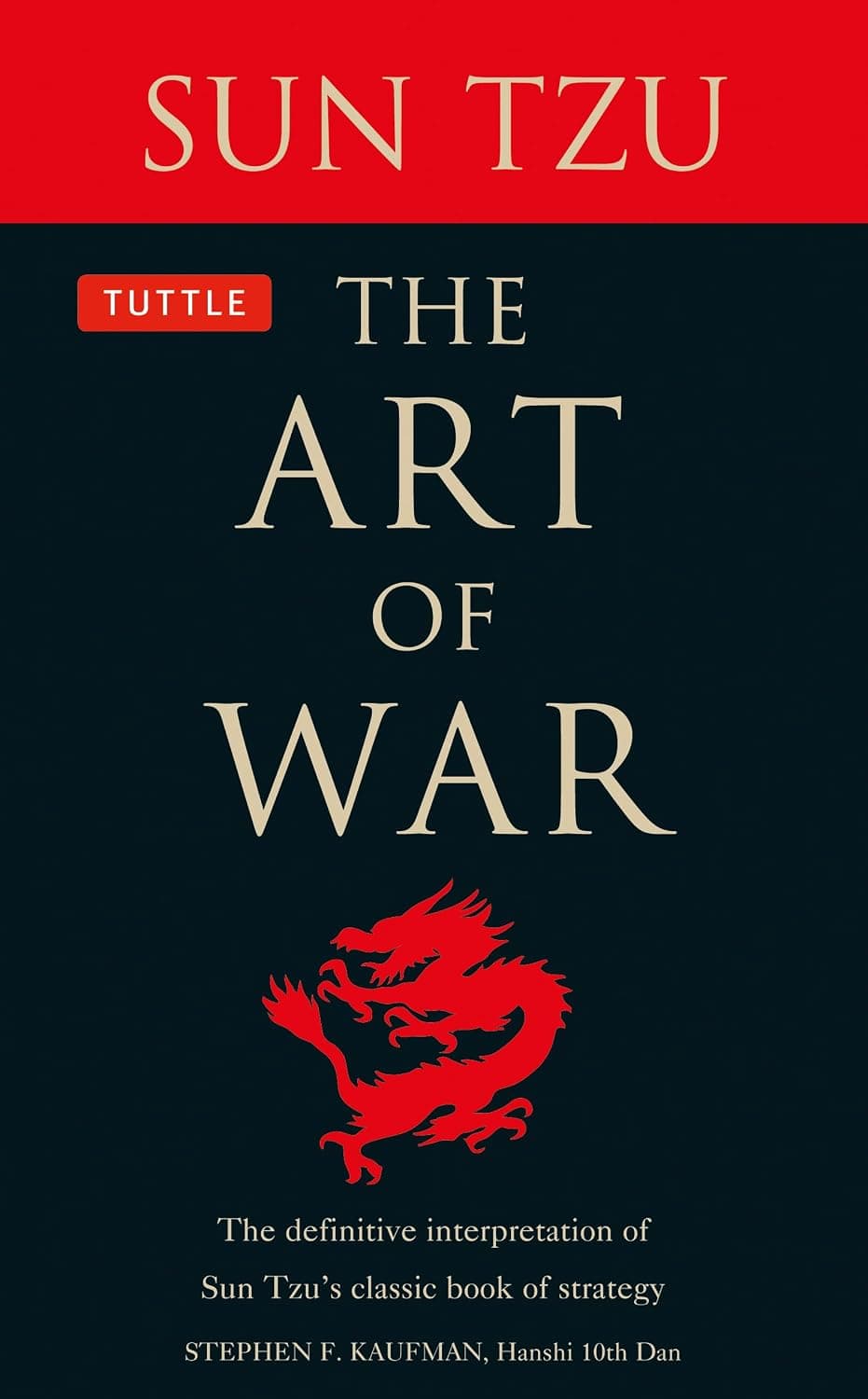
Win without fighting, Sun Tzu writes, and he means it literally. Twenty-five centuries ago this Chinese general reduced war to deception, terrain, and knowing the enemy as thoroughly as you know yourself.

Outnumbered in France, a young king talks his army into fighting at Agincourt, promising that whoever survives will remember the day forever. After the battle he reads out the names of the dead.

Falstaff is the greatest comic creation in English, a fat knight who lies about everything, and Prince Hal wastes his youth drinking with him while rebellion gathers against his father the king.
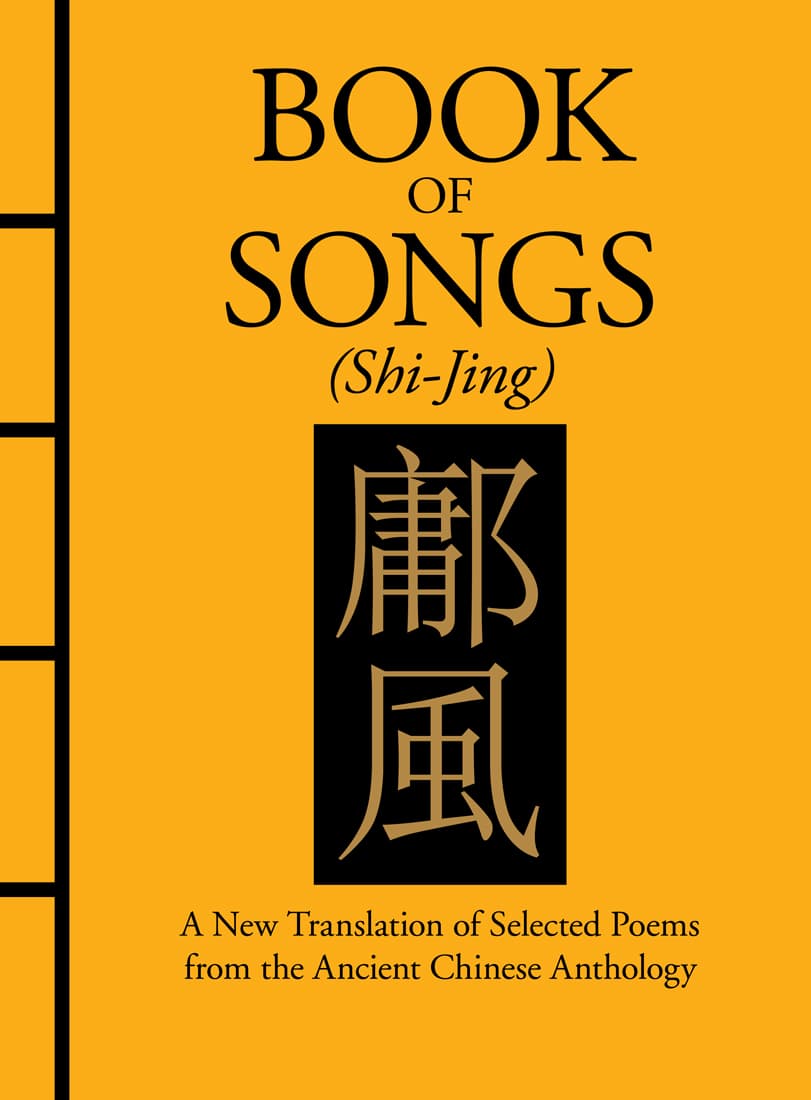
Three hundred and five songs from ancient China about courtship, harvest, soldiers on campaign, and bad government. Confucius taught from them, and every Chinese poet since has written with them in earshot.
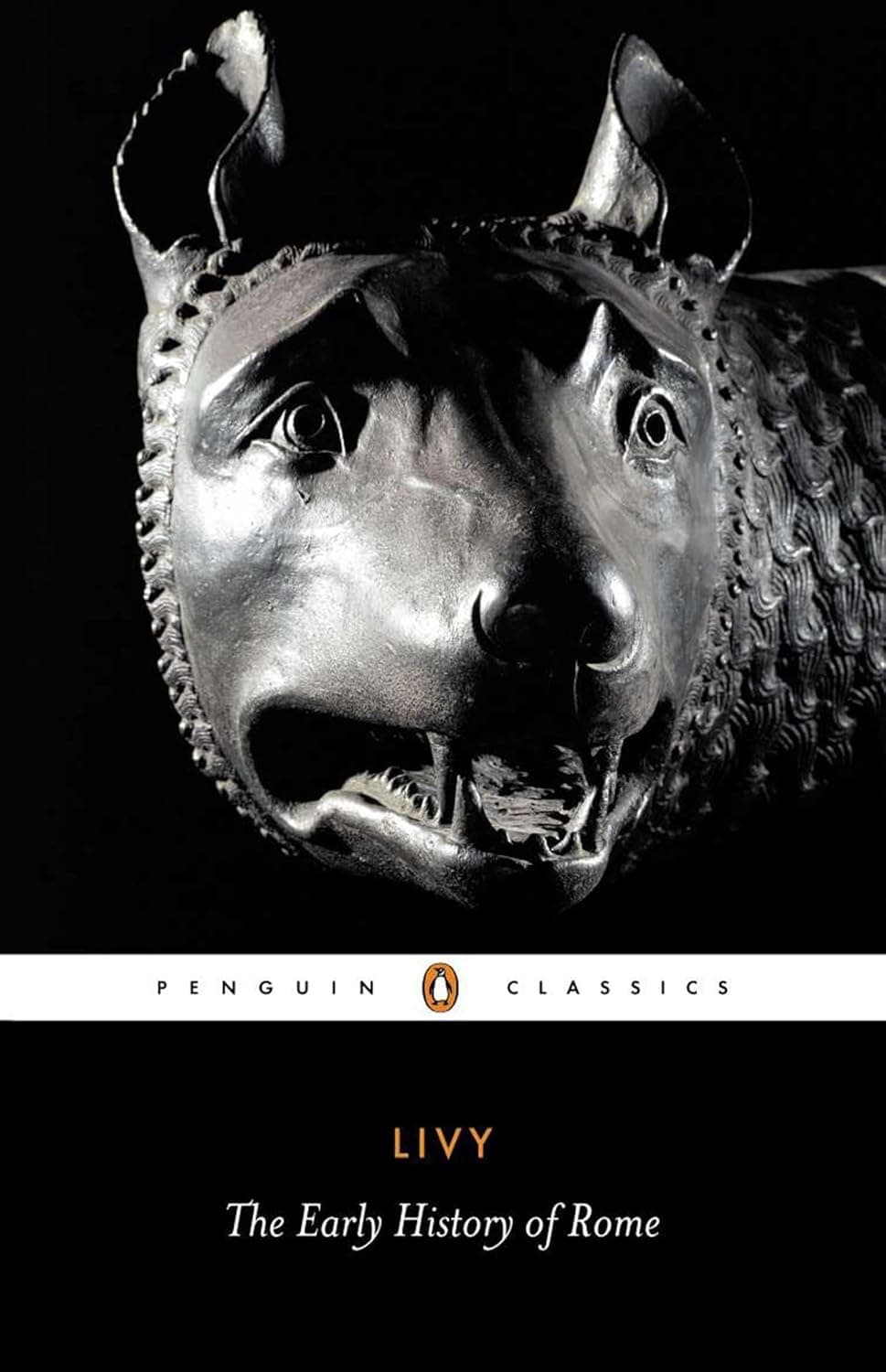
Livy tells Rome's story from the wolf and the twins onward, pausing on the people whose conduct he believes made the city. These are the legends Europe retold for two thousand years.
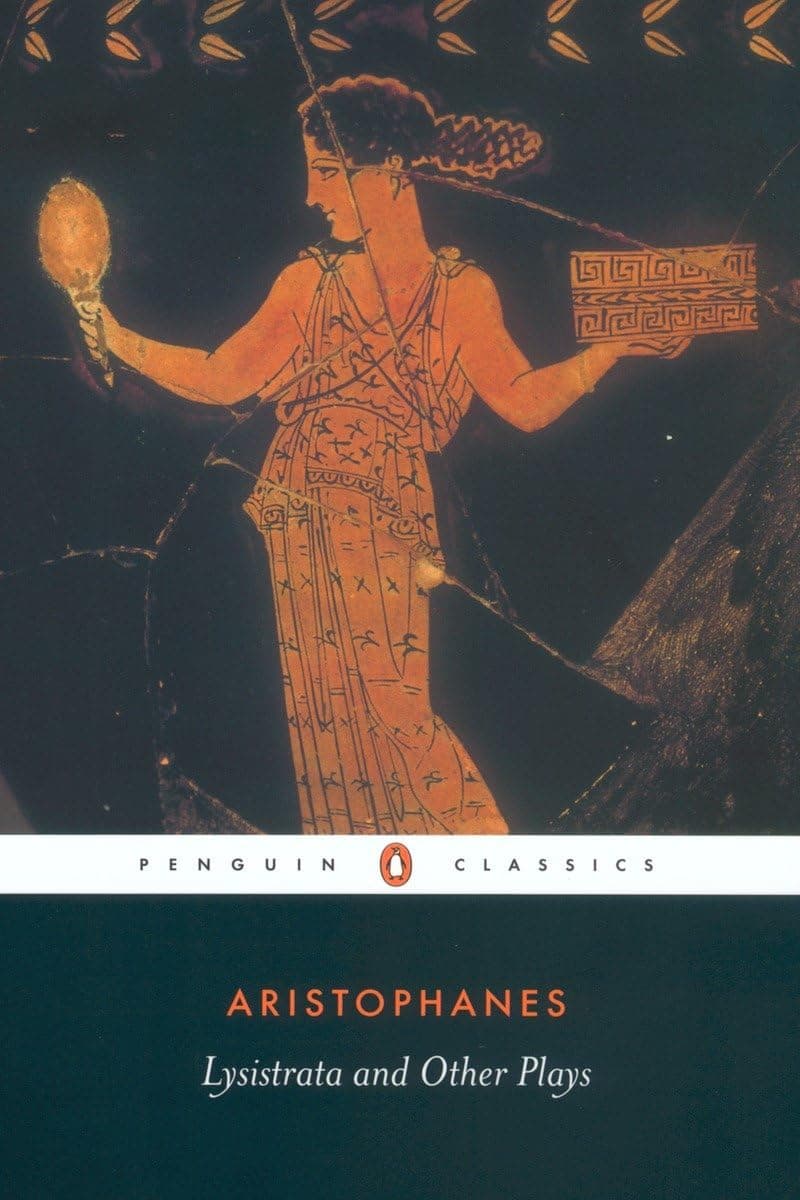
Twenty years into a war they never voted for, the women of Greece refuse their husbands until the men make peace. Aristophanes also hoists Socrates over the stage in a basket.
Caesar reports his own conquest of Gaul in the third person, equally calm about bridge building and massacre. The Latin is so clean that students still learn the language on it.

Ten thousand Greek mercenaries, stranded in Persia with their prince dead and their generals murdered, elect Xenophon and march north through snow until the men in front shout that they see the sea.
Christopher Tietjens, a government statistician called the last Tory, endures a wife bent on ruining him and a war in France that takes apart the England he was raised to defend.
Riding with Bolshevik Cossacks through Poland in 1920, a Jewish intellectual watches them sack towns and kill prisoners. Babel writes the atrocity in sentences so beautiful that the effect is obscene.

Runciman tells the Crusades from Constantinople looking west, and the men in armor come off badly. Three volumes of grand narrative build toward his verdict: one long act of intolerance in God's name.

The greatest of the epic-theater plays follows Anna Fierling, a canteen woman hauling her wagon through the Thirty Years' War, selling to whichever army is winning and losing all three children to it.
Keegan asked what a battle feels like to the man standing in it, and answered through Agincourt, Waterloo, and the Somme. He put the reader inside the ranks and remade military history.
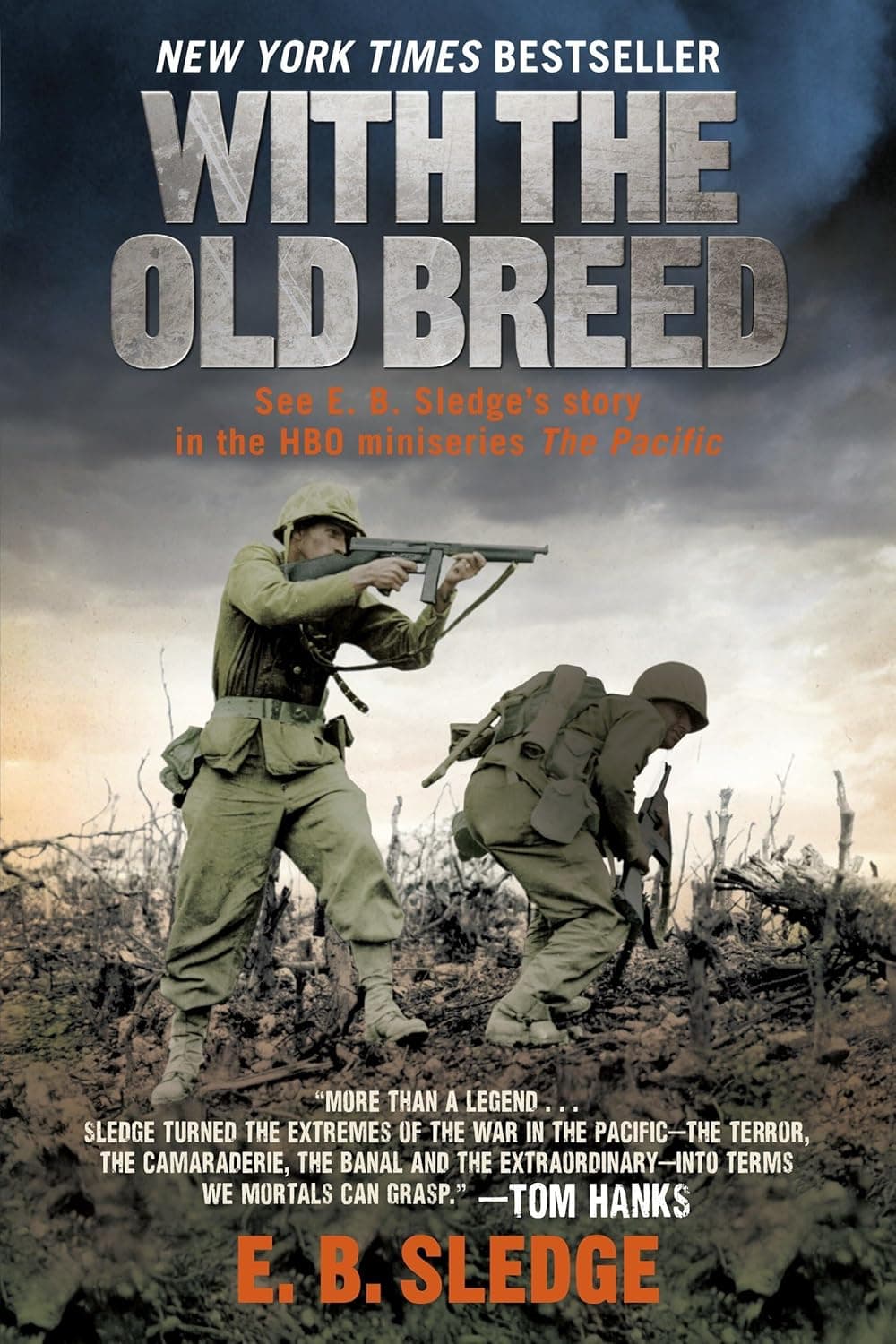
Sledge fought as a Marine mortarman on Peleliu and Okinawa, then set down the mud, the maggots, and the looting of corpses. The critic Paul Fussell ranked it with the finest war memoirs.
Richard tells the audience in his first speech that he means to be a villain, then makes them accomplices. He courts a widow beside the corpse of the king he murdered.

Bai Liusu, a divorcee her Shanghai family treats as a disgrace, follows a rich bachelor to Hong Kong. Chang writes their courtship as cold accounting until the Japanese bombardment reaches the city.
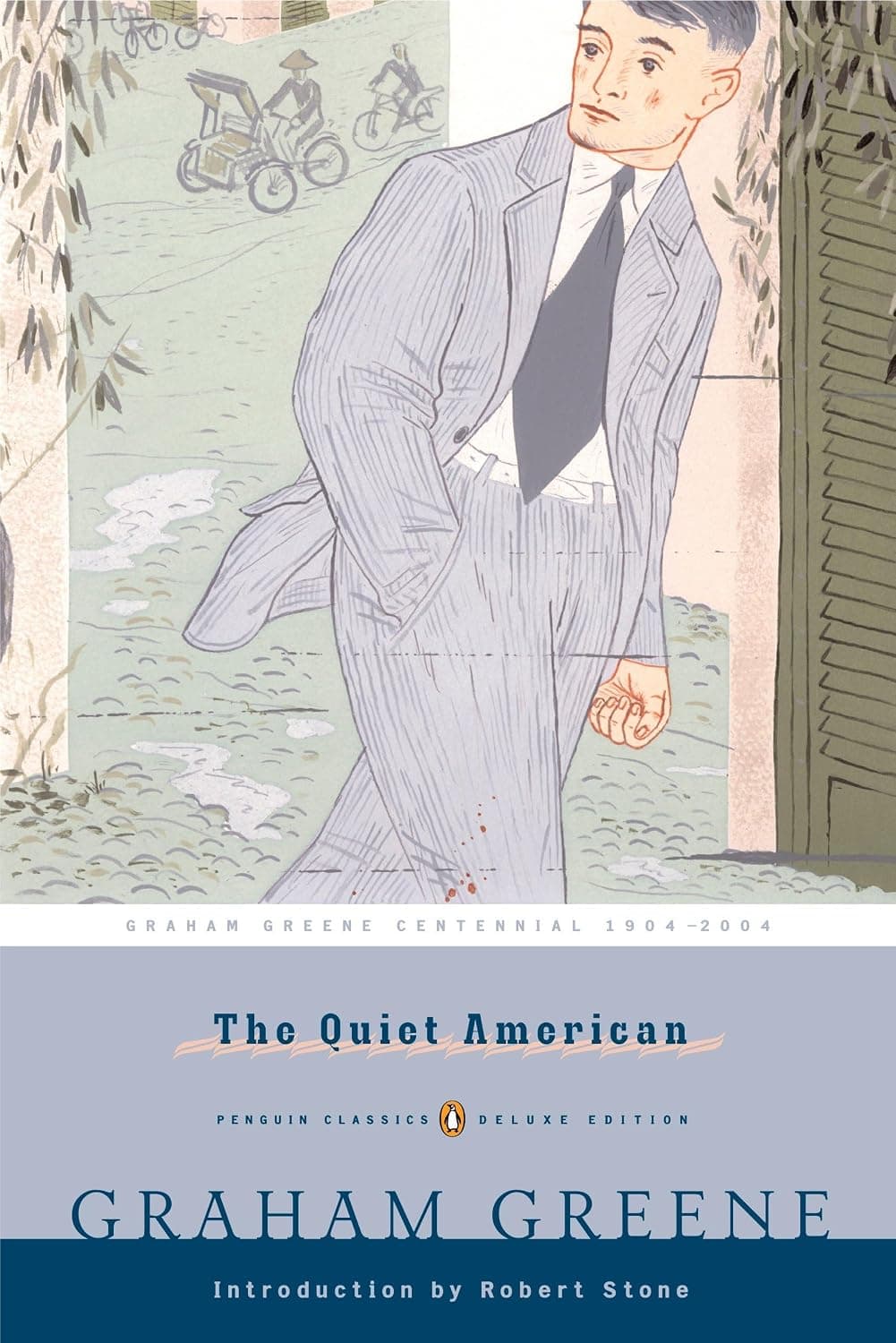
Greene put a British correspondent and an idealistic young American in Saigon, fighting over the same woman and over a theory. He saw the American war in Vietnam a decade before it started.

Clark reconstructs the July crisis of 1914 and finds no villain, only leaders watchful but unseeing, each rational step carrying Europe closer. He reopened the fiercest fight over war guilt in decades.
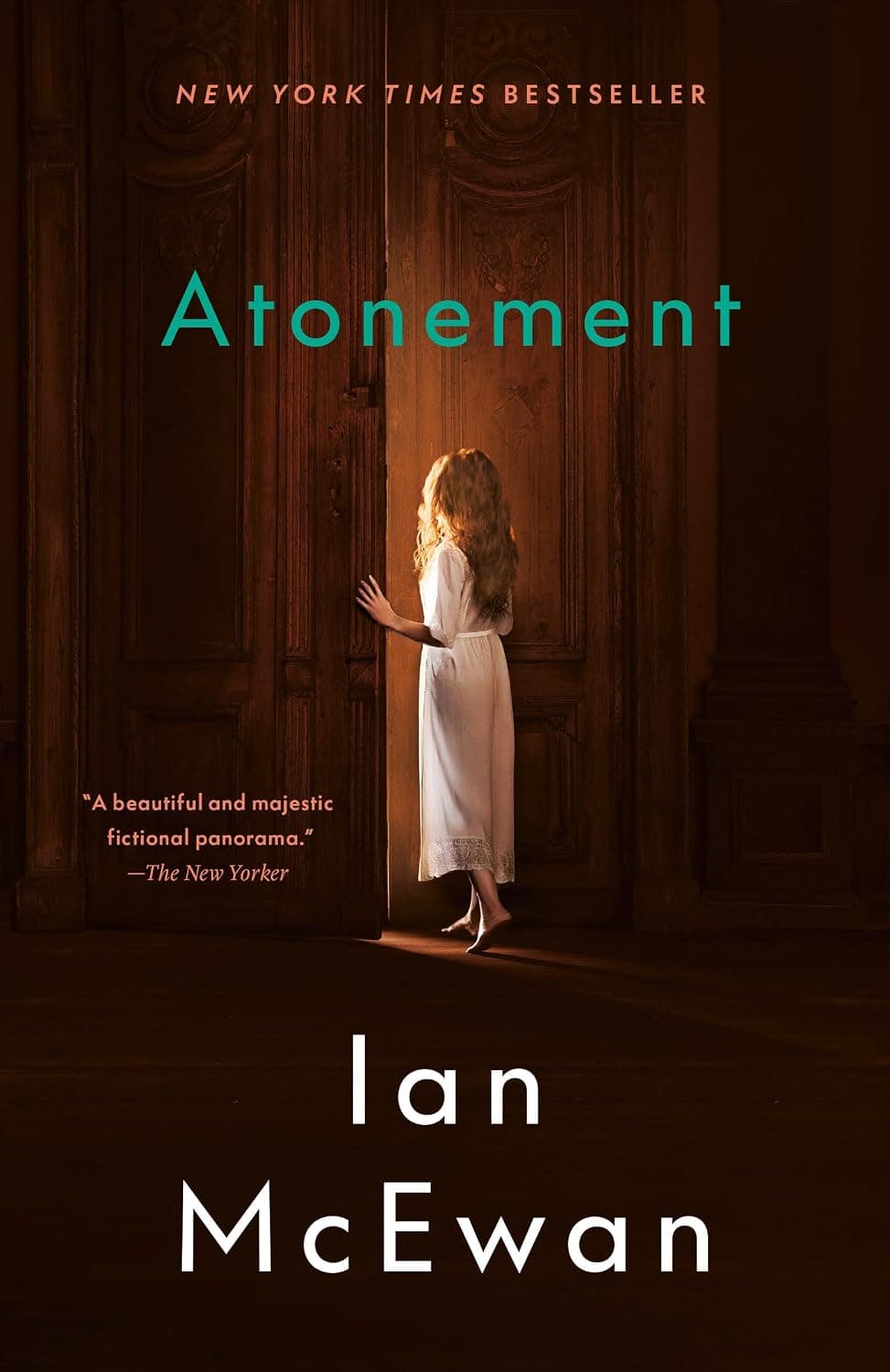
In 1935 a thirteen-year-old girl watches her sister and the charwoman's son by a fountain, misreads what she sees, and accuses him of a crime. McEwan follows the wreckage through Dunkirk.

Still the fullest American novel of army life. Private Prewitt refuses to box for his company and the army sets about breaking him, on a Hawaii post months before Pearl Harbor.

Hadji Murat quits the rebel imam Shamil for the Russians, hoping to free his captive family, and both sides use him. The critic Harold Bloom ranked it the best story in the world.

Josef Svejk, a Prague dealer in stolen dogs officially certified an idiot, is swept into the Austro-Hungarian army and obeys every order so eagerly that the whole war machine looks ridiculous.
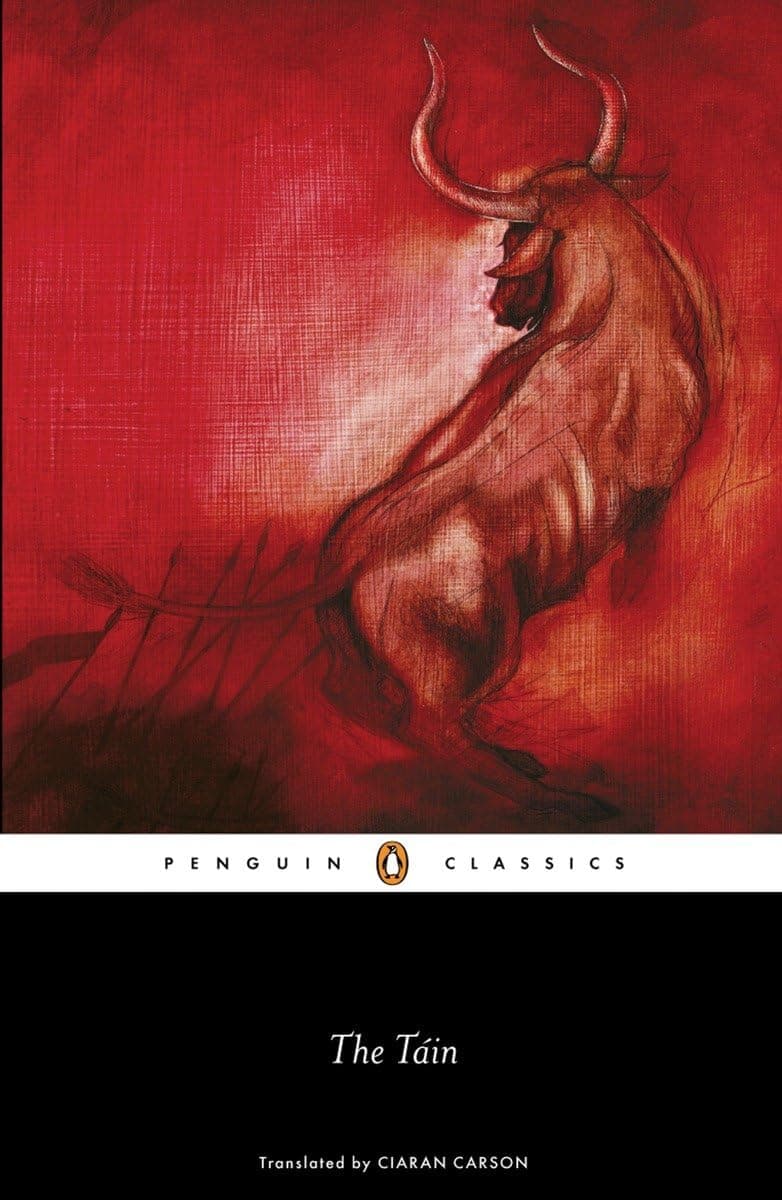
Seventeen years old, Cu Chulainn holds the fords against the army Medb of Connacht raised to steal a bull, with Ulster's warriors paralyzed by birth pangs. Yeats built a national mythology on him.

Reported dead to his family at the Somme, Graves came home from the trenches unable to sleep. This is his farewell to England and to the whole world that sent him there.