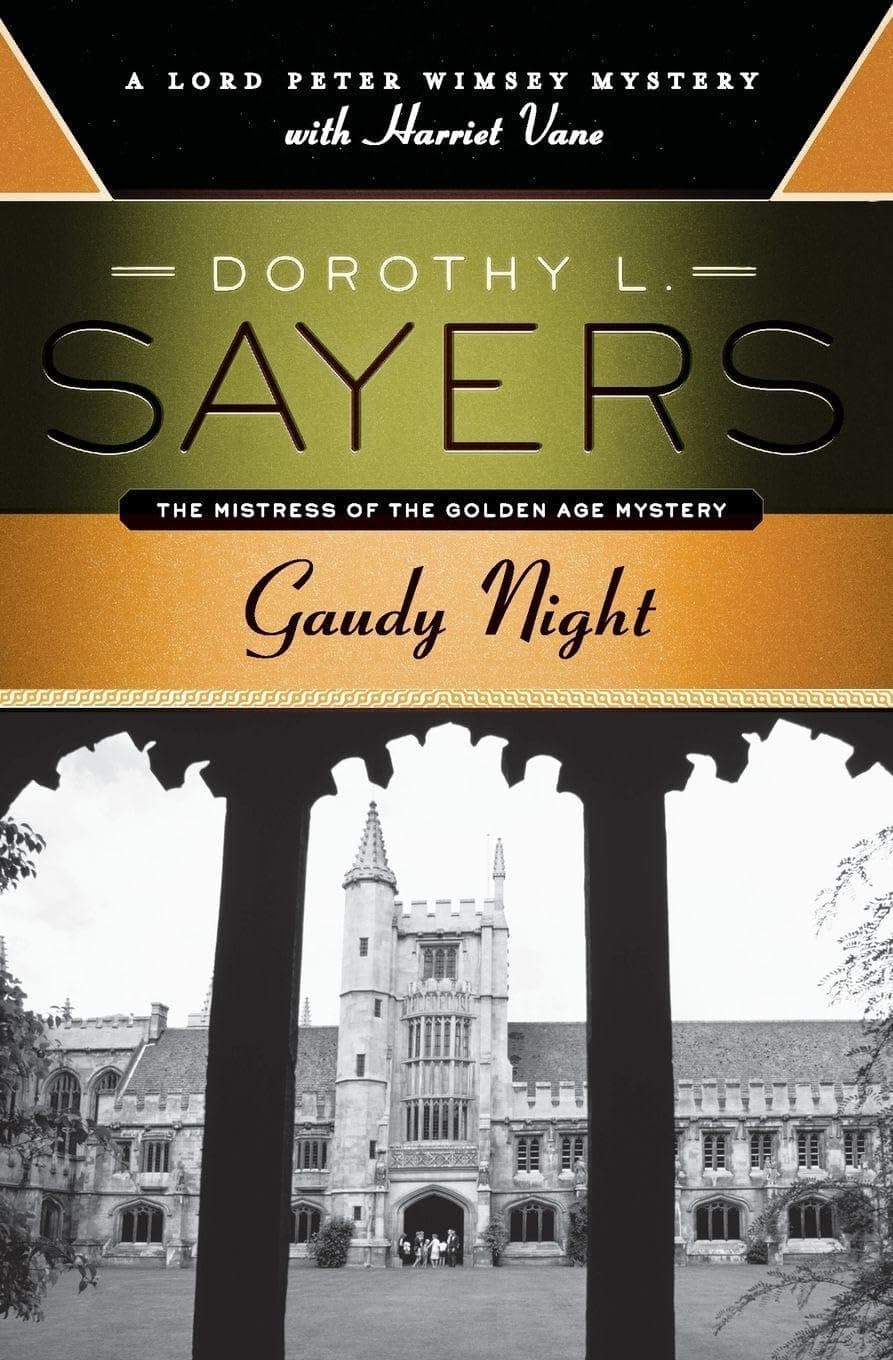
Gaudy Night
1935 · 544 pages
Harriet Vane, mystery novelist, returns to her Oxford women's college, where someone is sending obscene letters and destroying scholarship. Nobody dies. The question is whether a woman can have both work and love.
★ 4.7
 skopia
Harriet Vane, mystery novelist, returns to her Oxford women's college, where someone is sending obscene letters and destroying scholarship. Nobody dies. The question is whether a woman can have both work and love.
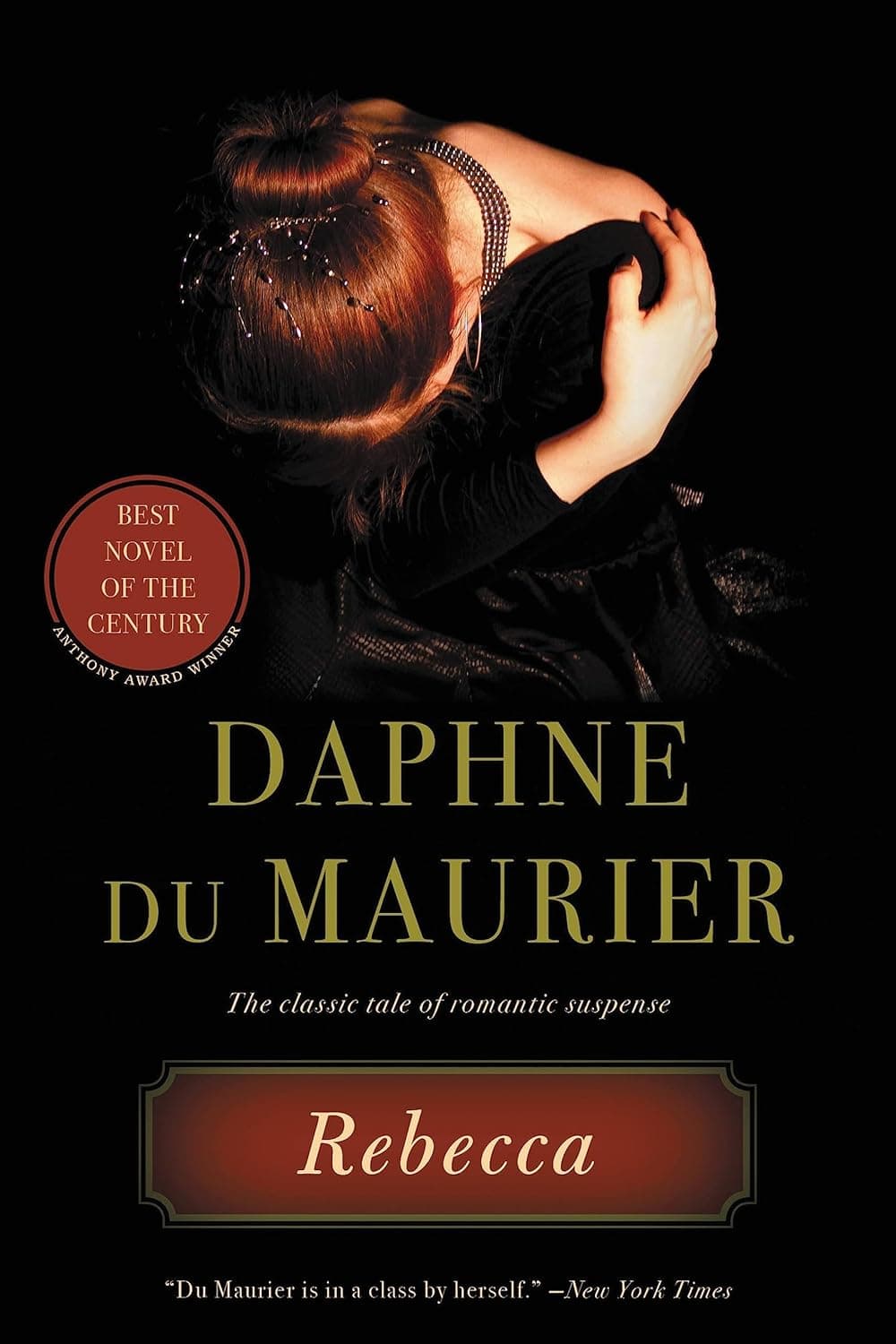
The second Mrs. de Winter is never given a name, which is the point. She marries a widower, arrives at his Cornish estate, Manderley, and finds the drowned first wife occupying every room.

Iris Chase, old and unforgiving, tells how her sister Laura drove off a bridge in 1945. Inside her account sits a scandalous novel, and inside that a pulp tale of blind child assassins.

Two couples meet as junior faculty in Depression-era Madison and stay bound to each other for forty years. Stegner locates the drama of a life in devotion, illness, and one woman's will.

Cleared of poisoning her husband because her family closes ranks, Therese rides home through the pine forests of the Landes trying to explain herself. Mauriac makes provincial Catholic marriage feel like slow suffocation.

Harpagon keeps a cash box buried in his garden, intends to marry his son's beloved himself, and gives his daughter to whoever asks no dowry. Moliere made him Europe's byword for greed.
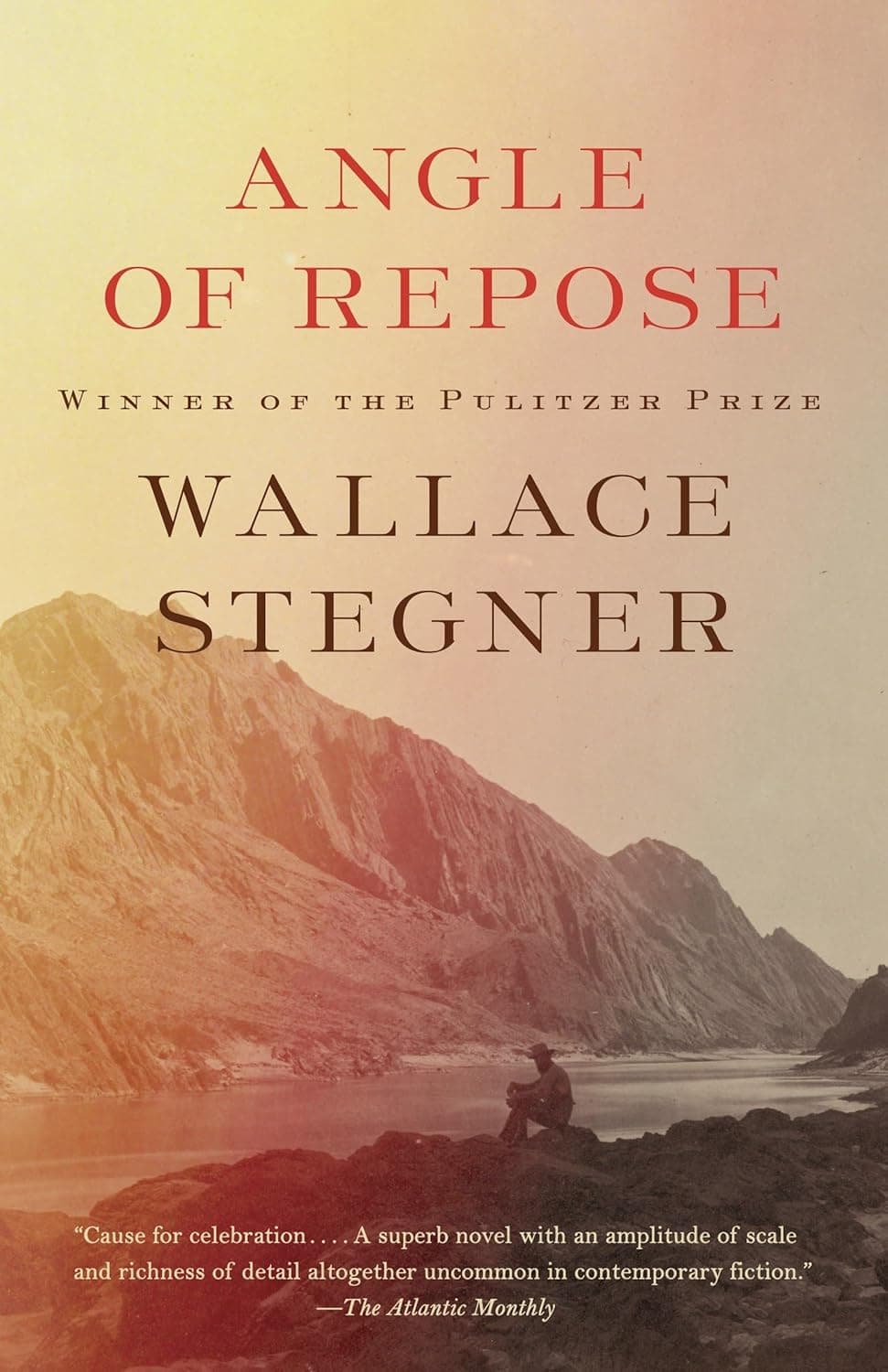
From his wheelchair a historian rebuilds his grandmother's life from her letters: a New York illustrator who followed a mining engineer west. Stegner's Pulitzer novel holds a region in one marriage.

Widowed after thirty years, a Senegalese teacher writes to her closest friend about the husband who took her daughter's teenage friend as a second wife. It won the first Noma Award.

Nine stories of Indians and Indian Americans living between two countries, told with a calm that makes the losses land late. A married couple confess things to each other during nightly power cuts.

A woman returns from her honeymoon, goes to the bathroom, and shoots herself while the family eats lunch. Marías gives the story to her nephew, an interpreter afraid to know.

Two in the morning, a history professor and his wife receive a younger couple after a faculty party, and the drinking turns into a night of games designed to strip them bare.
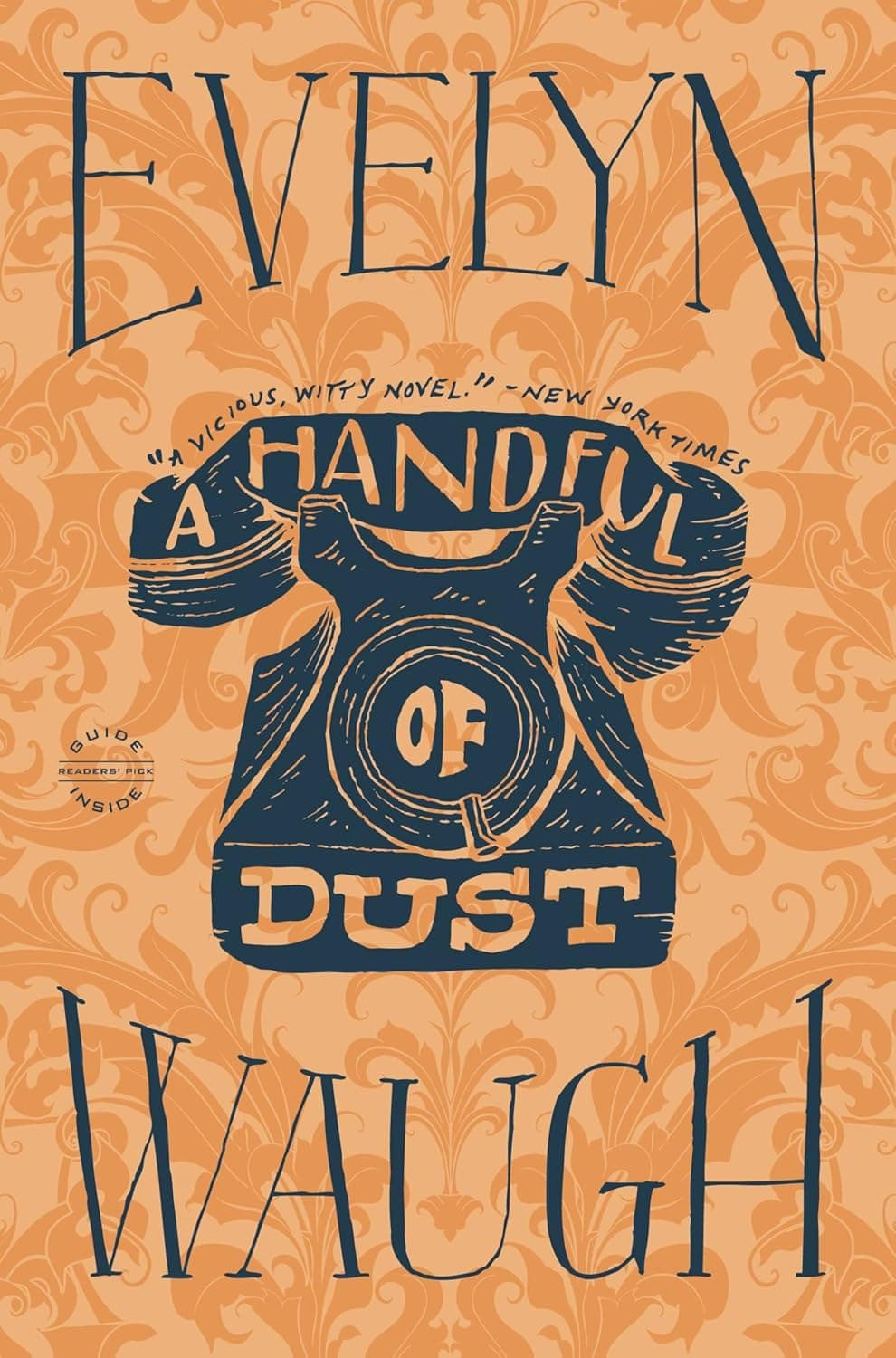
Tony Last loves his ugly Gothic house and believes his wife Brenda is content. Waugh gives her a dull London lover, kills the thing Tony cannot lose, and strands him far from England.
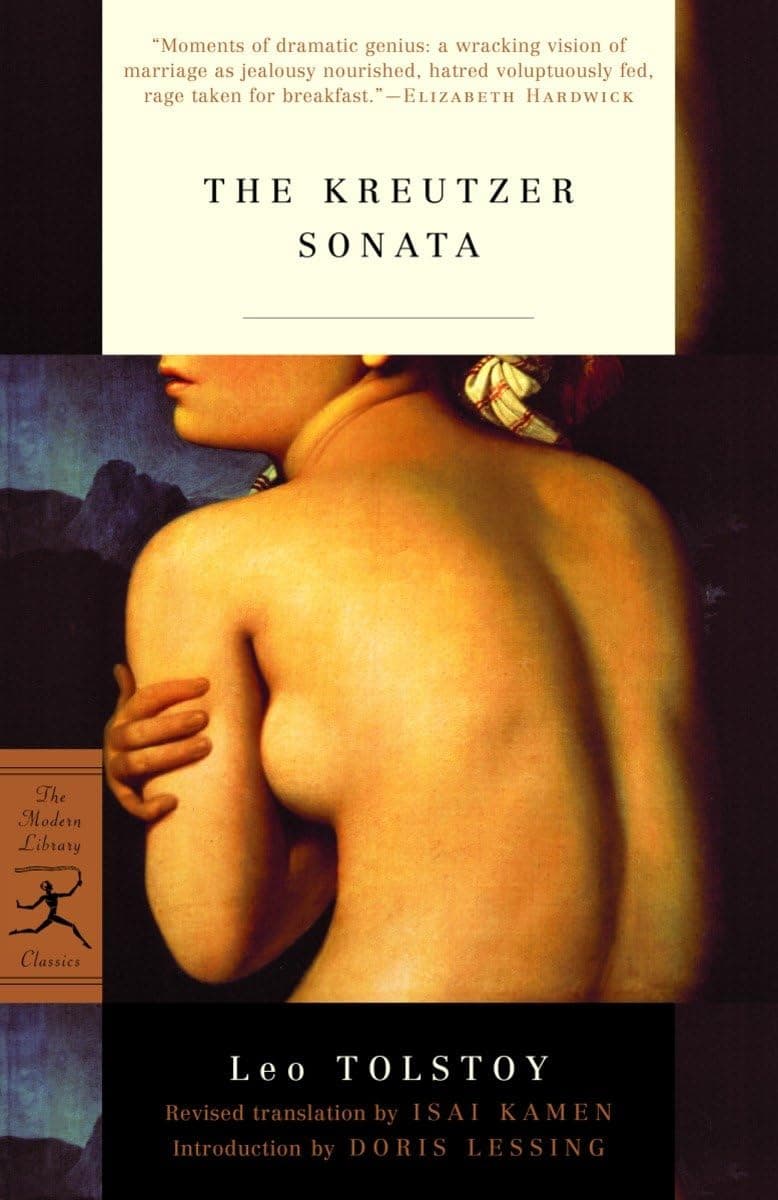
On a night train, a man tells strangers how he came to kill his wife, then turns the confession into an assault on marriage and desire itself. Russia's censors suppressed it.
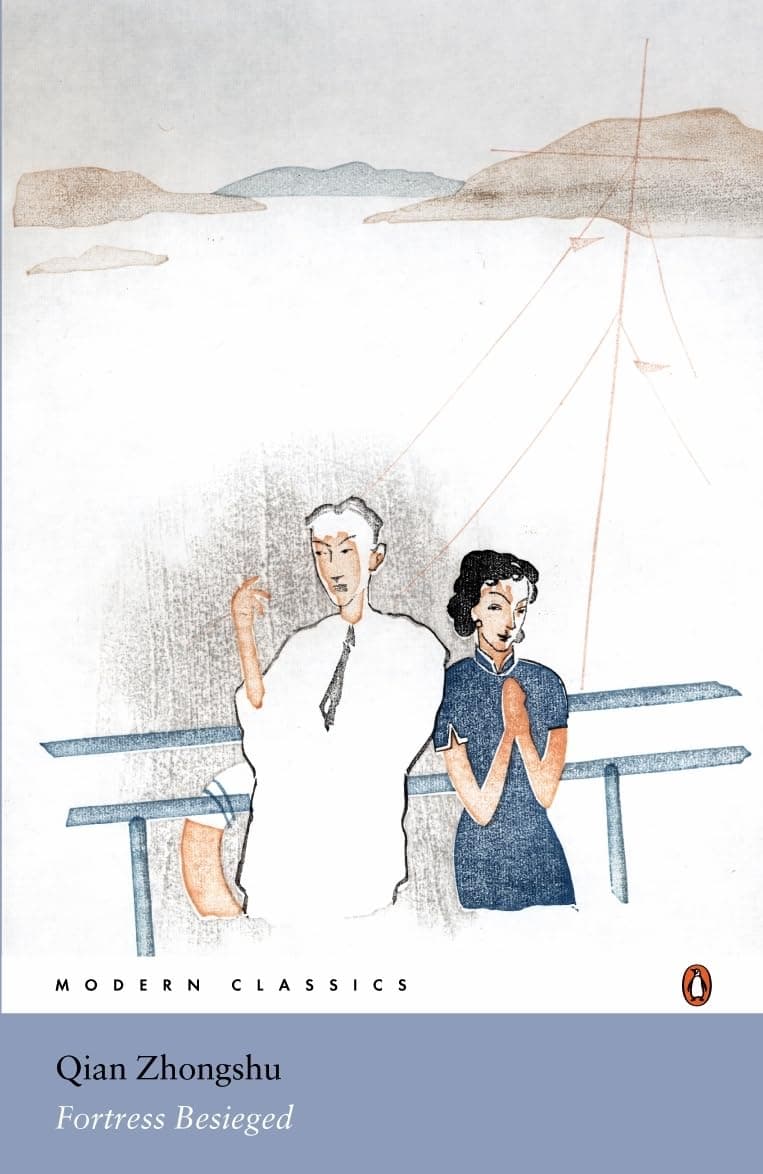
Fang Hongjian returns to wartime China with a mail-order diploma and no plan. Qian gave Chinese its image of the besieged life: those outside the fortress want in, those inside want out.
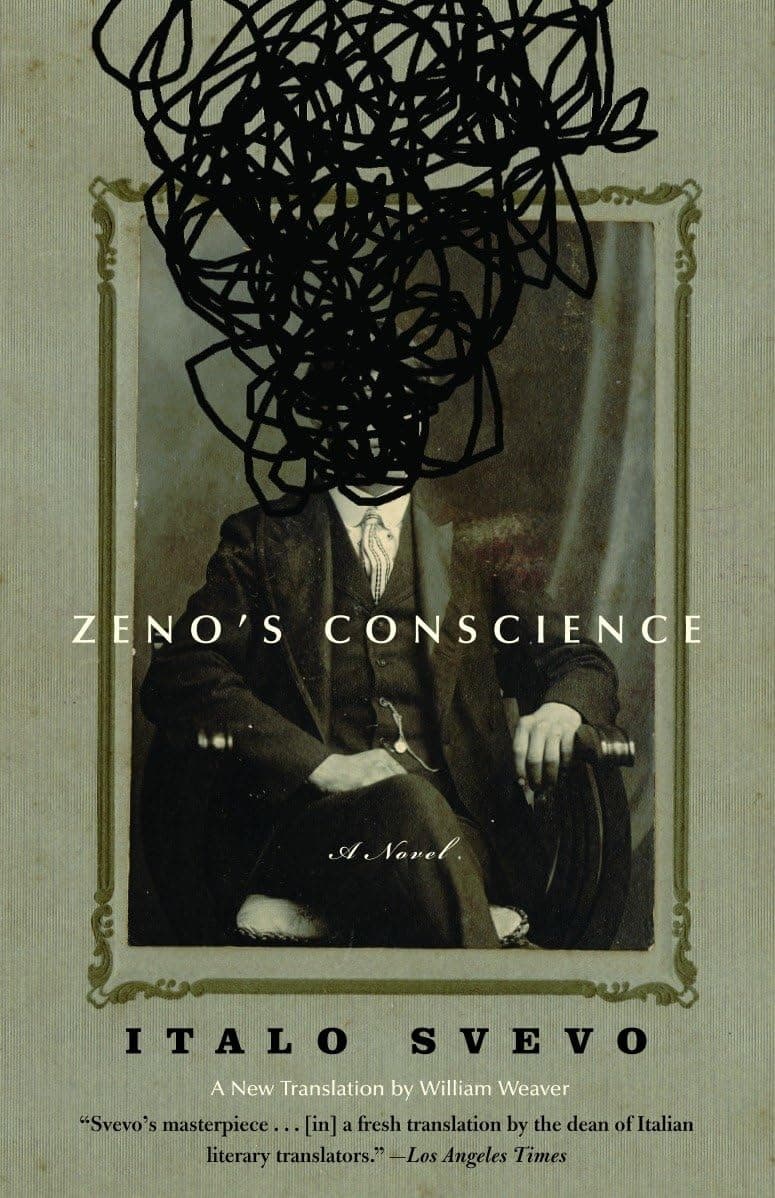
Zeno quits smoking constantly and never quits. Told by his analyst to write his life, he sets down a marriage begun by proposing to three sisters in one evening, and lies gorgeously throughout.
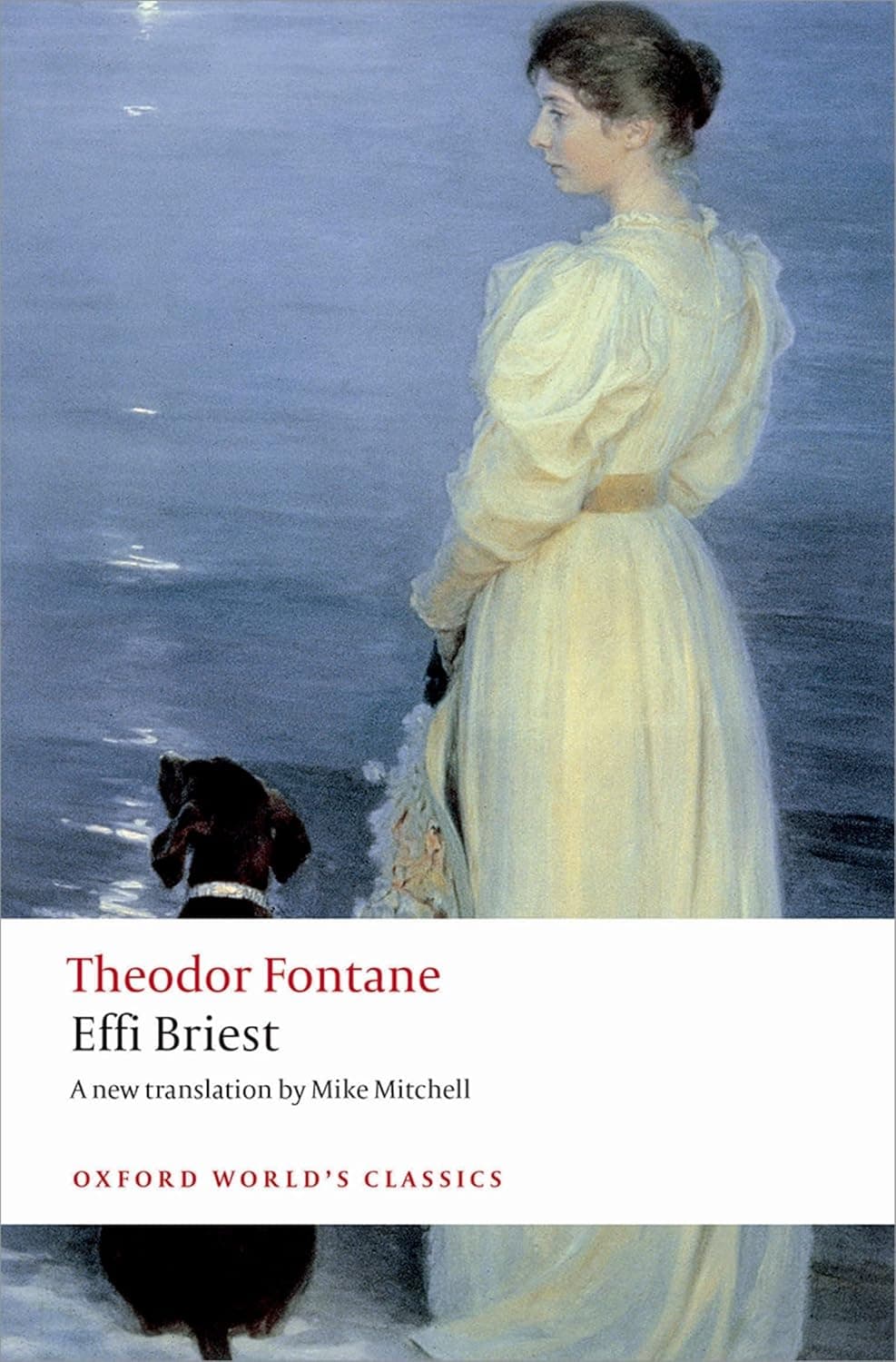
Married at seventeen to a baron of thirty-eight who once courted her mother, Effi is stranded in a bleak Baltic town. Fontane lets a code nobody believes in destroy her anyway.

Helen Graham bolts her bedroom door against a drunk husband, takes her son, and lives by selling paintings. Victorian reviewers called it coarse and unfit to put in a girl's hands.

Bai Liusu, a divorcee her Shanghai family treats as a disgrace, follows a rich bachelor to Hong Kong. Chang writes their courtship as cold accounting until the Japanese bombardment reaches the city.

Harry Angstrom peaked at eighteen on a basketball court and now demonstrates kitchen gadgets. He leaves his pregnant wife and drives south. Updike gave the American suburb prose nobody thought it deserved.
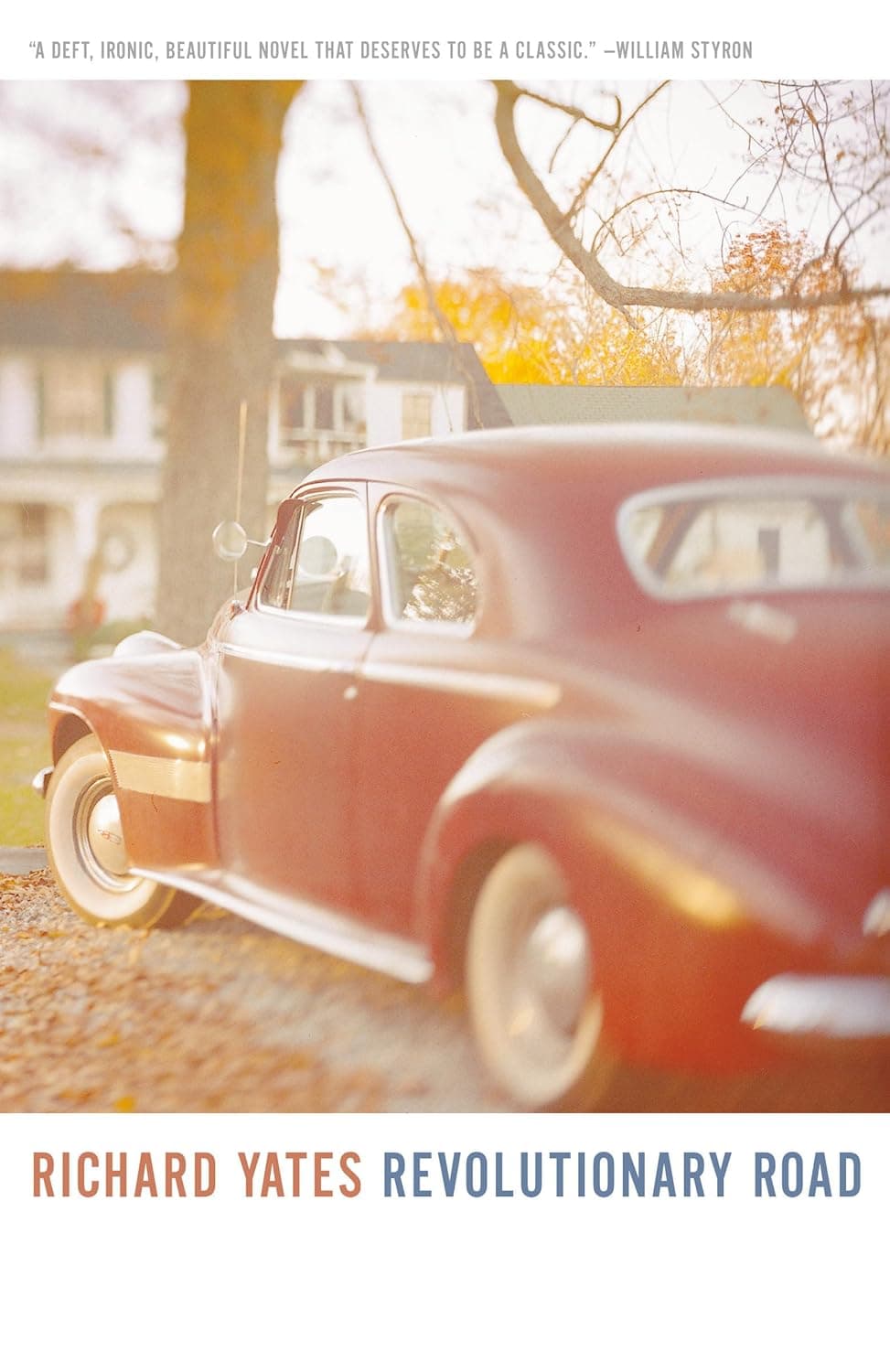
Frank and April Wheeler tell themselves they are too fine for Connecticut and plan an escape to Paris. Yates tracks every evasion and self-flattering lie until the marriage has nothing underneath it.