
Philosophy in the Boudoir
1795 · 173 pages
Two libertines take a girl of fifteen through atheism, pleasure and cruelty, pausing for a pamphlet urging the Republic to abolish God with the king. Sade takes reason to its worst conclusion.
★ 4.2
 skopia
Two libertines take a girl of fifteen through atheism, pleasure and cruelty, pausing for a pamphlet urging the Republic to abolish God with the king. Sade takes reason to its worst conclusion.
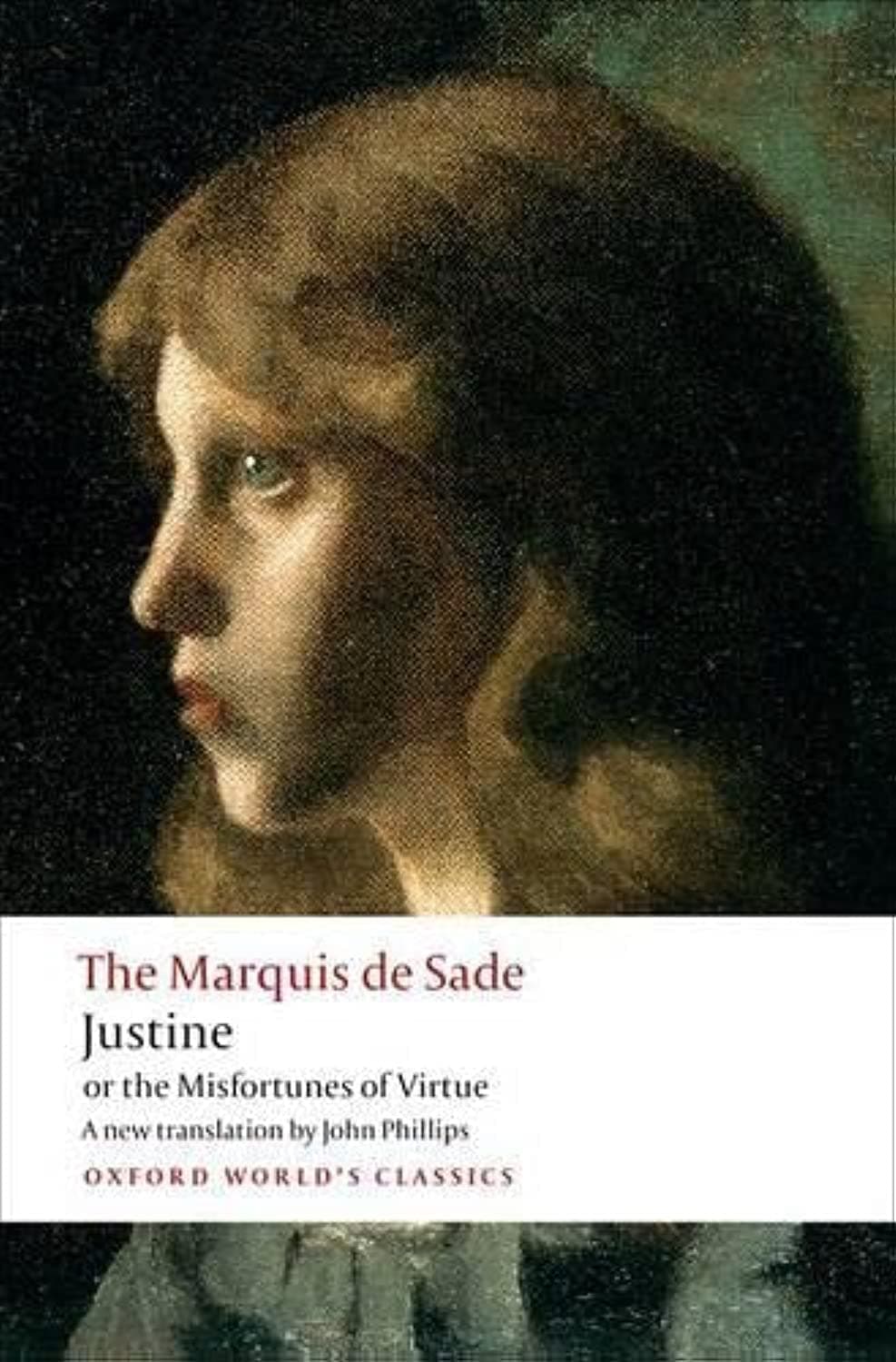
Twelve years old and orphaned, Justine chooses virtue and is punished for it by monks, surgeons, and noblemen who argue at length that nature rewards cruelty. Napoleon had Sade arrested for writing it.

A Berkeley merchant drives France cellar by cellar, buying from small growers and arguing that filtering a wine bright strips out what you want to drink. Lynch taught Americans to taste for place.
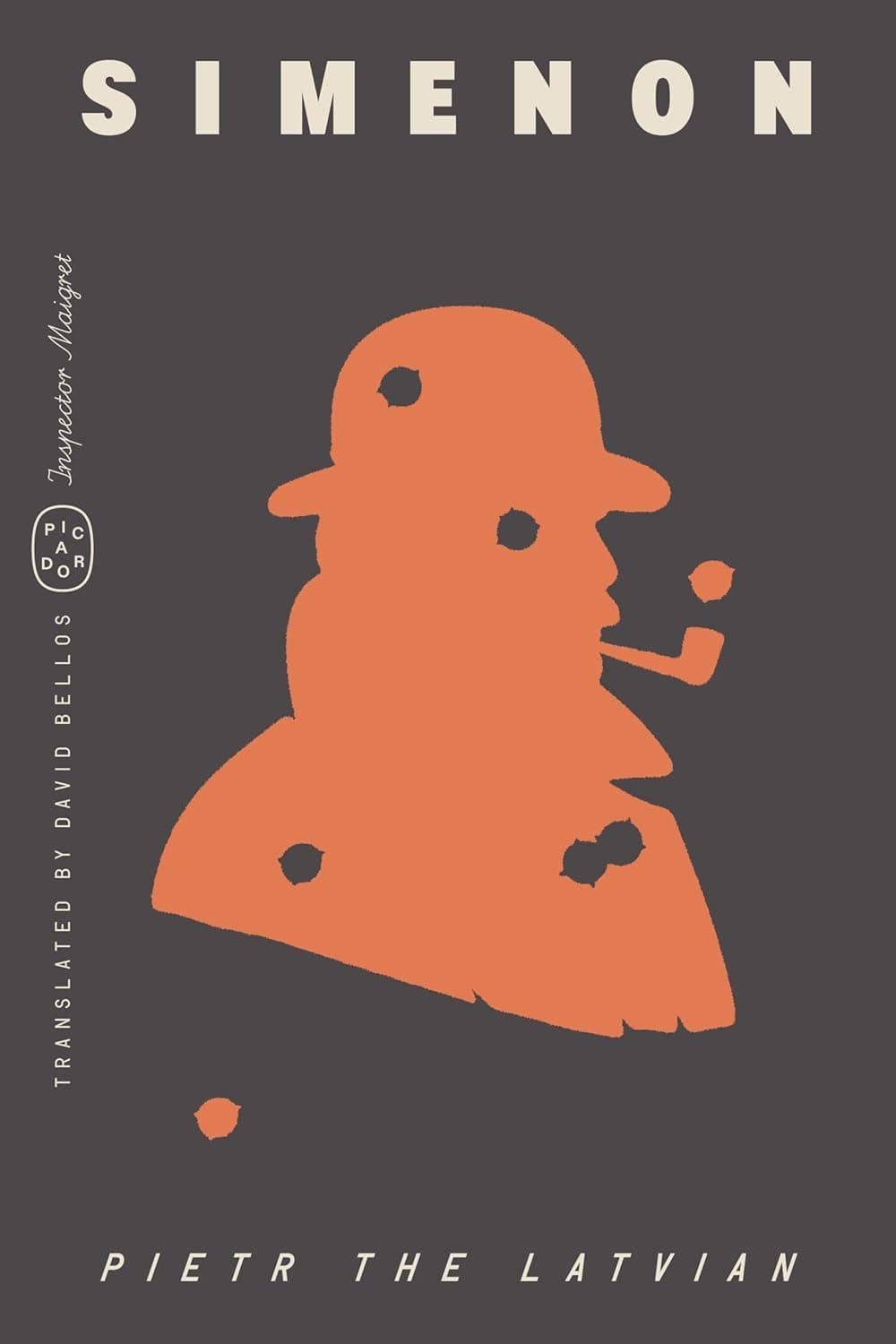
Inspector Maigret arrives fully formed in his first case, following a con man off the Paris express to a Normandy fishing port. He solves people rather than puzzles, and Simenon wrote seventy-four more.

Aimee Joubert kills for hire. She arrives in a smug French seaside town, learns everyone's secrets over dinner, and sets the notables to destroying each other. Manchette writes crime as class war.

Easy Company jumped into Normandy on D-Day, held Bastogne through the snow short of ammunition and coats, and finished the war at Hitler's alpine retreat. Ambrose built it from the men's own accounts.
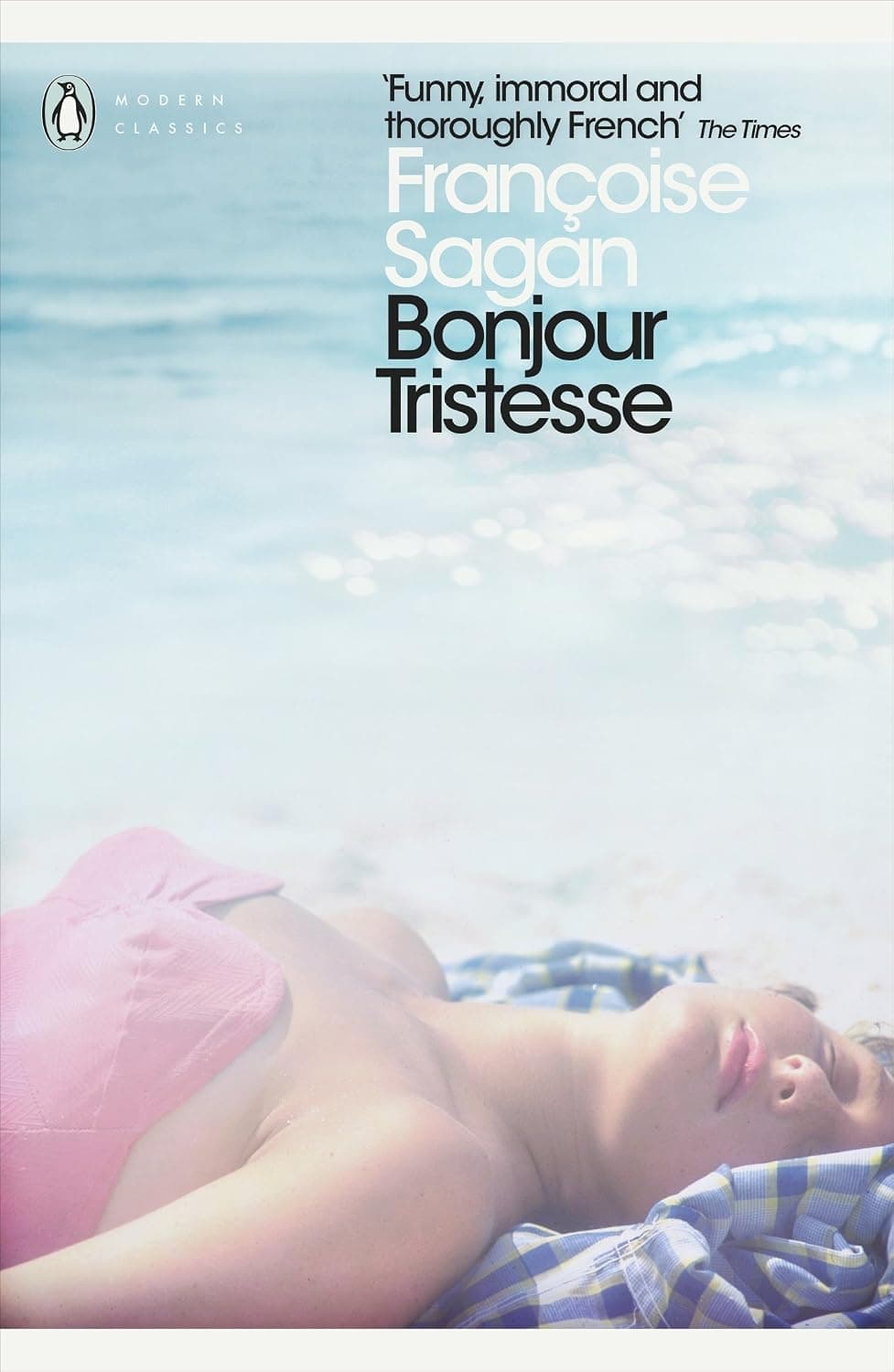
On the Riviera, seventeen-year-old Cécile sets out to break up her widowed father's engagement to an elegant, exacting woman, and finds she is good at it. Sagan wrote it at eighteen.

For three days in October 1974, Perec sat in cafes on the Place Saint-Sulpice and wrote down every bus, pigeon, and passerby. Look long enough, he shows, and nothing is background.

A stroke left the editor of French Elle able to move one eyelid. Blinking while an assistant recited the alphabet, Bauby composed a memoir of appetite, his children, and the body holding him.

Jed Martin, an artist, makes his name photographing Michelin road maps and painting people at their trades. Houellebecq writes himself into the novel, has himself murdered, and gives Jed a dying father.

In a dead Provencal valley a shepherd pushes acorns into the ground, one at a time. Thirty years and two wars later the forest holds ten thousand people who never learn his name.
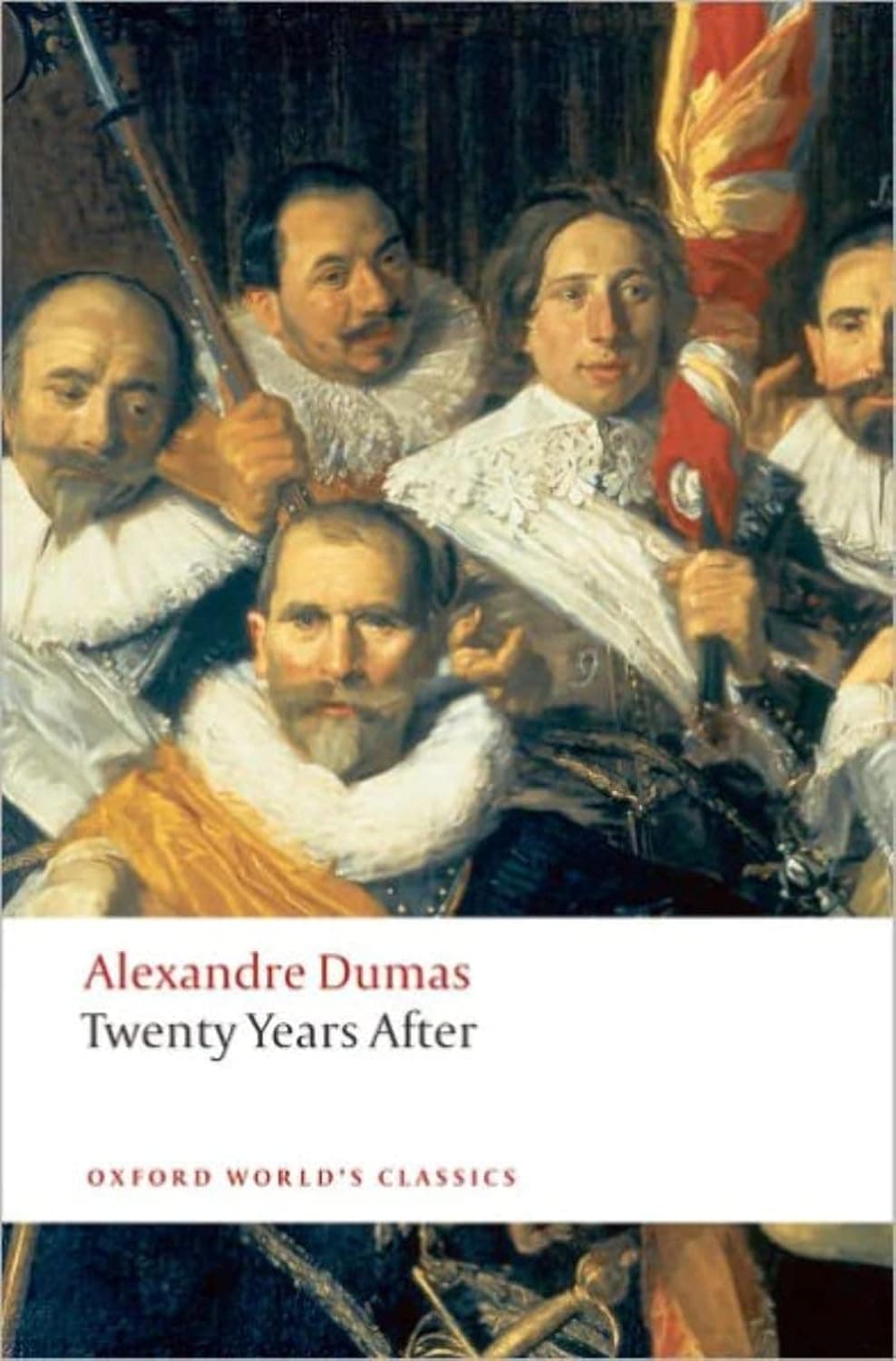
Twenty years on the musketeers are older and on opposite sides: d'Artagnan and Porthos serve Cardinal Mazarin, Athos and Aramis the rebels, and the quarrel carries all four to Charles I's scaffold.

Sent to the Sorbonne in 1926, Liebling studied restaurants instead. Proust, he argues, simply lacked the appetite to eat properly. What follows is a young man's gluttonous education in Paris.

Brillat-Savarin, a French magistrate, made the table a subject for philosophy: tell me what you eat, he wrote, and I will tell you what you are. No food writer has bettered him.

Ernaux's father ran a café and grocery in Normandy, terrified all his life of using the wrong word. Educated out of his class, she writes him in flat sentences that never condescend.
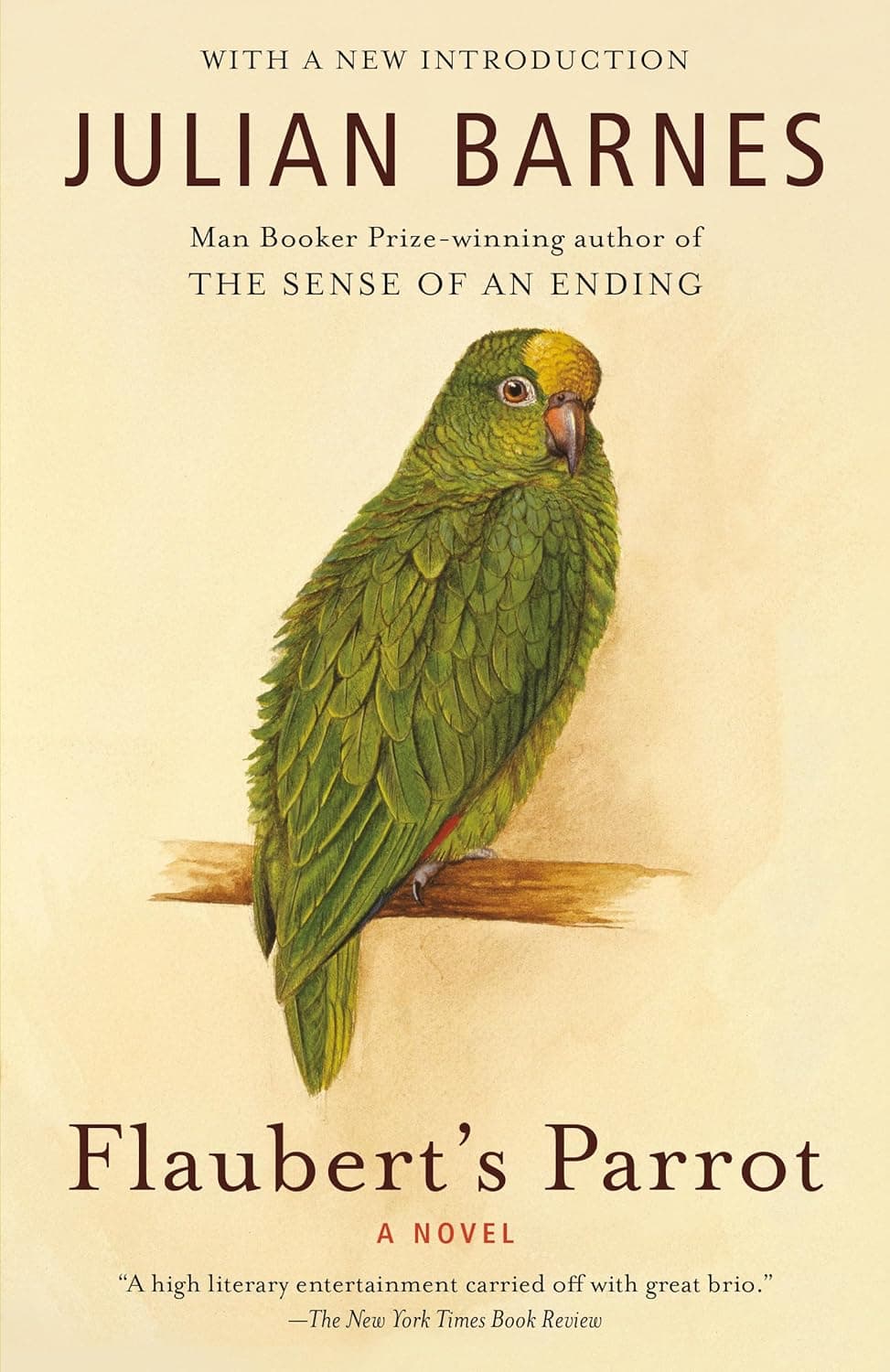
Barnes sends a retired English doctor after the stuffed parrot once on Flaubert's desk. The search becomes chronologies, a bestiary, a mock exam, and under all of it the doctor's dead wife.

1789 was four revolutions at once, Lefebvre shows: nobles against the king, the bourgeoisie against nobles, Paris crowds against bread prices, and peasants burning the records of what they owed.
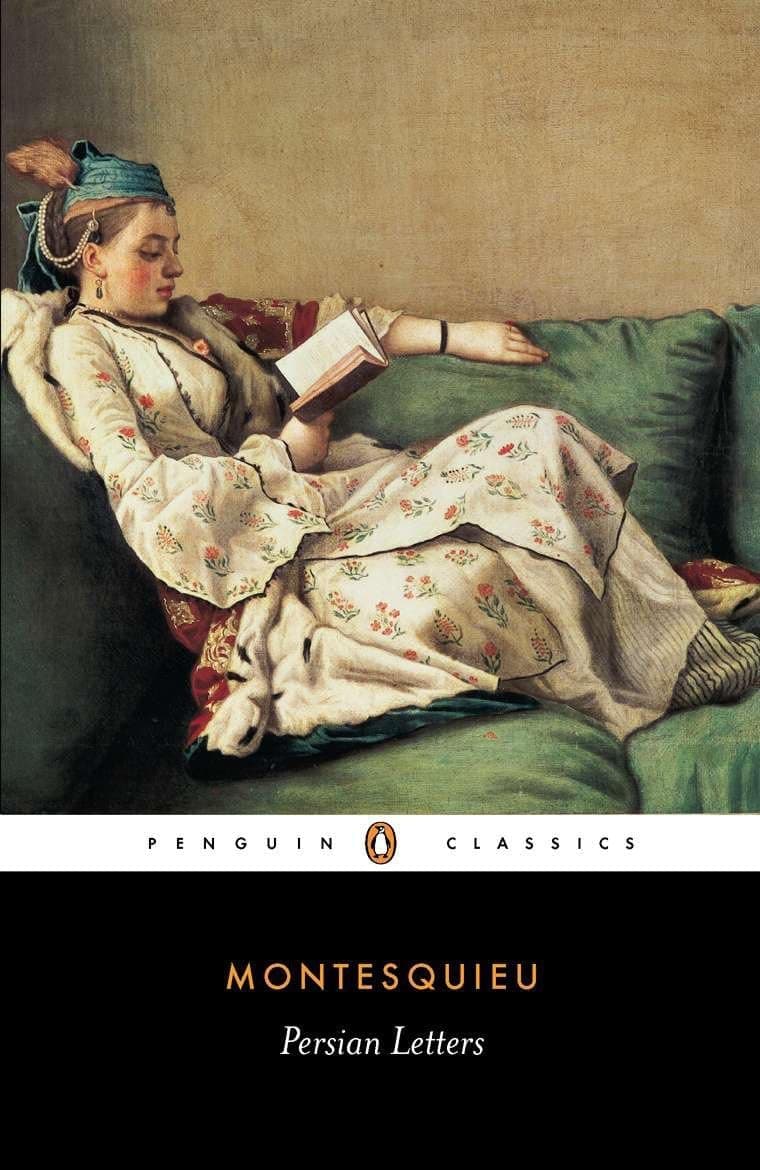
Two Persian travelers in Paris write home about a king who conjures money from paper and a pope who makes bread into flesh. In Isfahan, the harem one of them left is collapsing.

Louis, a rich dying lawyer, fills a long letter to his wife with decades of hatred and the fortune he means to withhold from his children. Mauriac tracks the moment the hardness breaks.

Cleared of poisoning her husband because her family closes ranks, Therese rides home through the pine forests of the Landes trying to explain herself. Mauriac makes provincial Catholic marriage feel like slow suffocation.