Pietr the Latvian (Inspector Maigret)
Inspector Maigret arrives fully formed in his first case, following a con man off the Paris express to a Normandy fishing port. He solves people rather than puzzles, and Simenon wrote seventy-four more.

Inspector Maigret arrives fully formed in his first case, following a con man off the Paris express to a Normandy fishing port. He solves people rather than puzzles, and Simenon wrote seventy-four more.

For three days in October 1974, Perec sat in cafes on the Place Saint-Sulpice and wrote down every bus, pigeon, and passerby. Look long enough, he shows, and nothing is background.

Sent to the Sorbonne in 1926, Liebling studied restaurants instead. Proust, he argues, simply lacked the appetite to eat properly. What follows is a young man's gluttonous education in Paris.

1789 was four revolutions at once, Lefebvre shows: nobles against the king, the bourgeoisie against nobles, Paris crowds against bread prices, and peasants burning the records of what they owed.

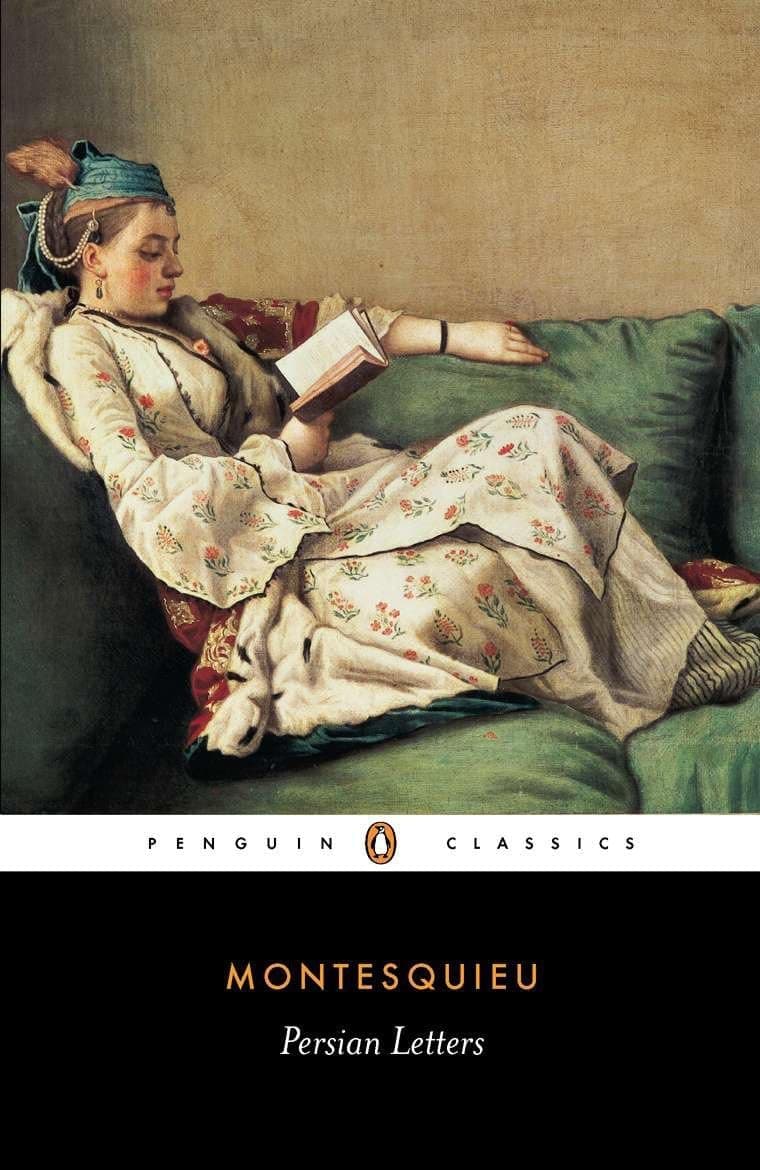
Two Persian travelers in Paris write home about a king who conjures money from paper and a pope who makes bread into flesh. In Isfahan, the harem one of them left is collapsing.

Harpagon keeps a cash box buried in his garden, intends to marry his son's beloved himself, and gives his daughter to whoever asks no dowry. Moliere made him Europe's byword for greed.

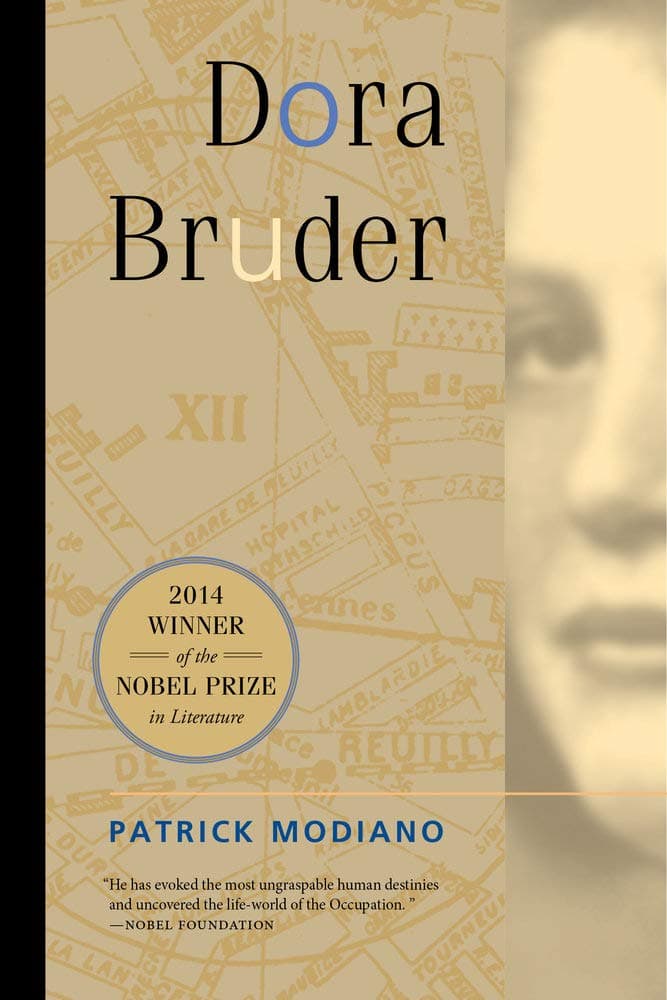
A missing-person notice from December 1941 sends Modiano into Paris archives after Dora Bruder, a Jewish fifteen-year-old who fled her convent school. He recovers her addresses and the date she was deported.

Violence was not the French Revolution's tragic accident but its engine, Schama argues, and the Terror merely 1789 with a higher body count. The book drew furious rebuttals from historians on the left.

Heloise wrote to Abelard, the Paris philosopher who had been her tutor and lover, years after her uncle's men castrated him. From her abbey she refused to call their love a sin.

Christine de Pizan, the first woman in Europe to live by her pen, answers centuries of learned misogyny by building an allegorical city whose every stone is the life of a woman.

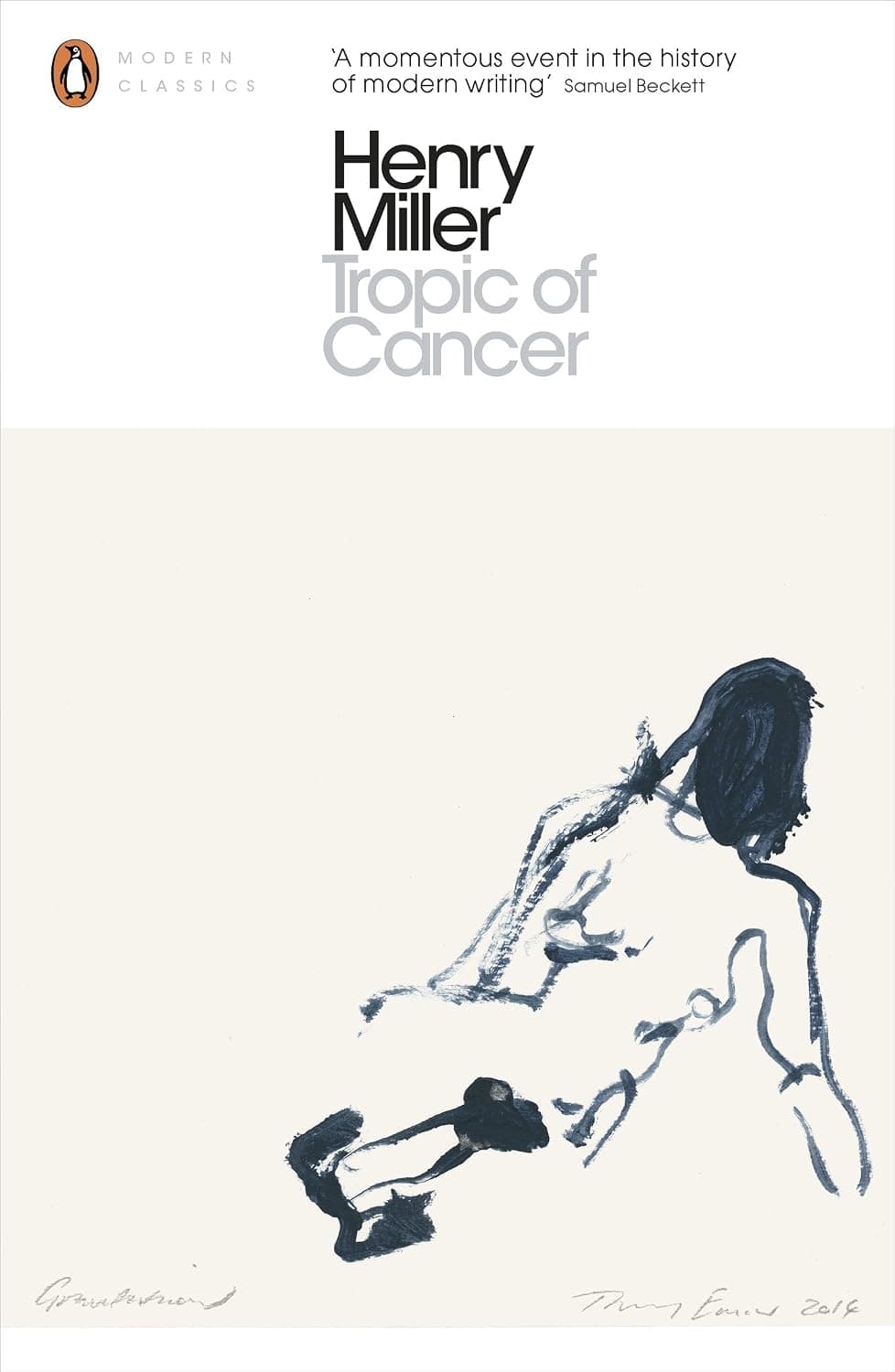
Miller in Paris, broke and writing about sex and squalor with an appetite nothing in English had matched. Grove Press fought dozens of obscenity suits before the Supreme Court cleared it in 1964.

Every life in Gide's novel is a forgery: boys passing false coins, adults faking passions they do not feel, and a novelist inside the book writing a novel called The Counterfeiters.

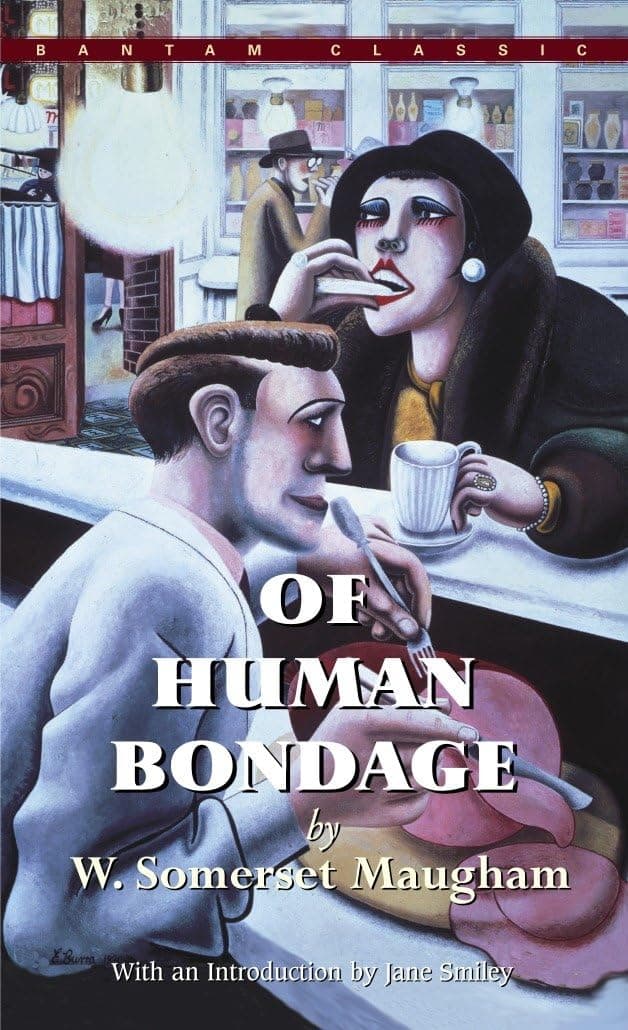
Orphaned and clubfooted, Philip Carey tries Germany, Paris, painting, and medicine, then wrecks himself on a waitress who despises him. Nobody has written the humiliation of unreturned love more exactly.

Medieval Paris rebuilt around the cathedral, where a deaf bell-ringer loves a dancer the archdeacon also wants. The novel made crumbling Notre-Dame a national cause and saved it from the wreckers.

Des Esseintes, the last of a spent aristocratic line, retreats to a house outside Paris filled with perfumes, poisonous flowers, and a jeweled tortoise. Wilde and the English aesthetes read it as scripture.

Take the facade off a Paris apartment house: Perec fills every room with a life and threads them around an Englishman whose fifty-year project is designed to leave no trace on the world.

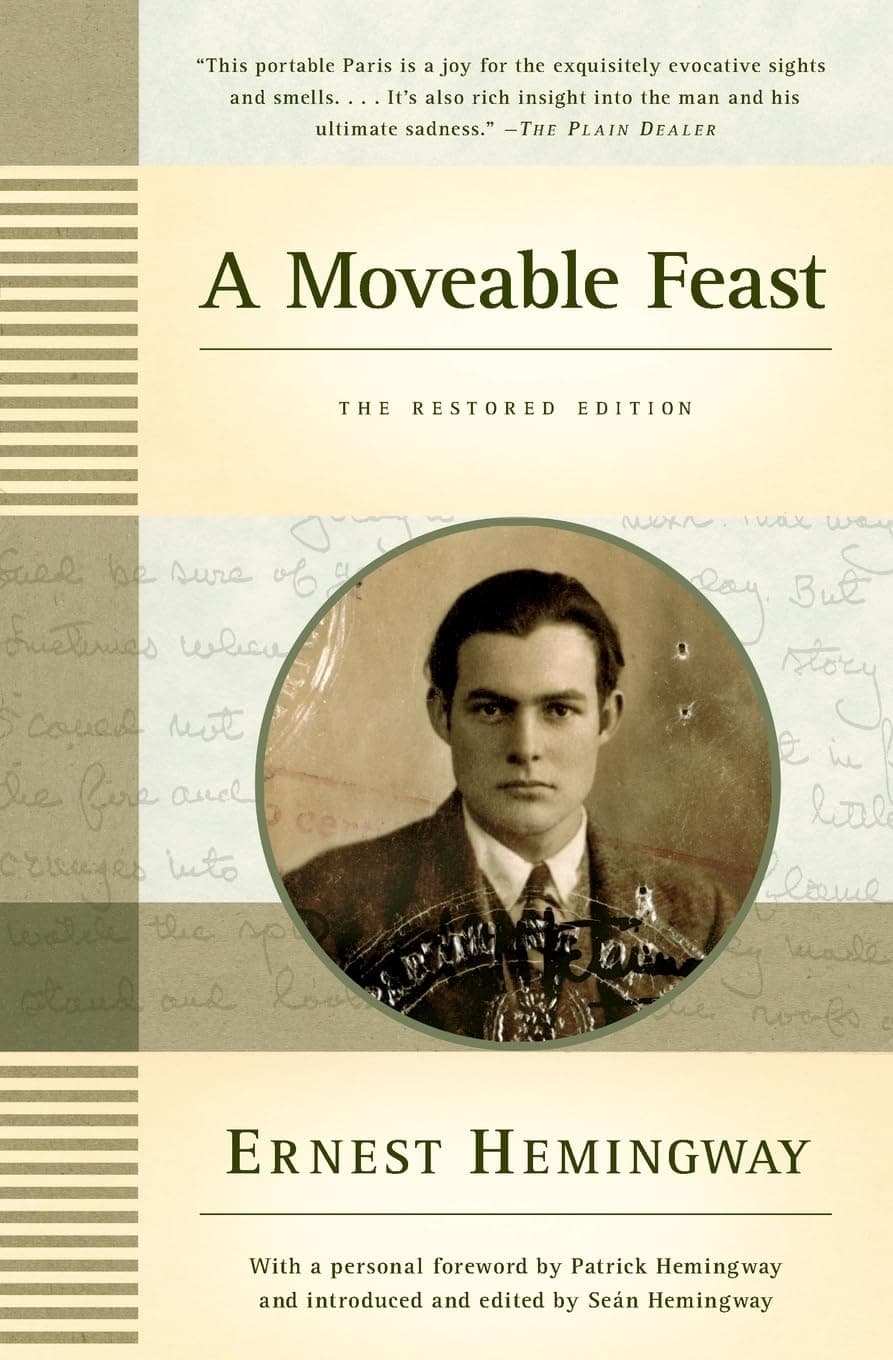
Paris in the 1920s, where a young writer works in cafes, borrows books from the bookseller Sylvia Beach, and takes the measure of Gertrude Stein and Scott Fitzgerald. Hunger sharpens everything he sees.

Carlyle writes the Revolution in the present tense, as though standing in the crowd. The Bastille falls and the Terror arrives as things still happening, history delivered as thunder rather than explanation.

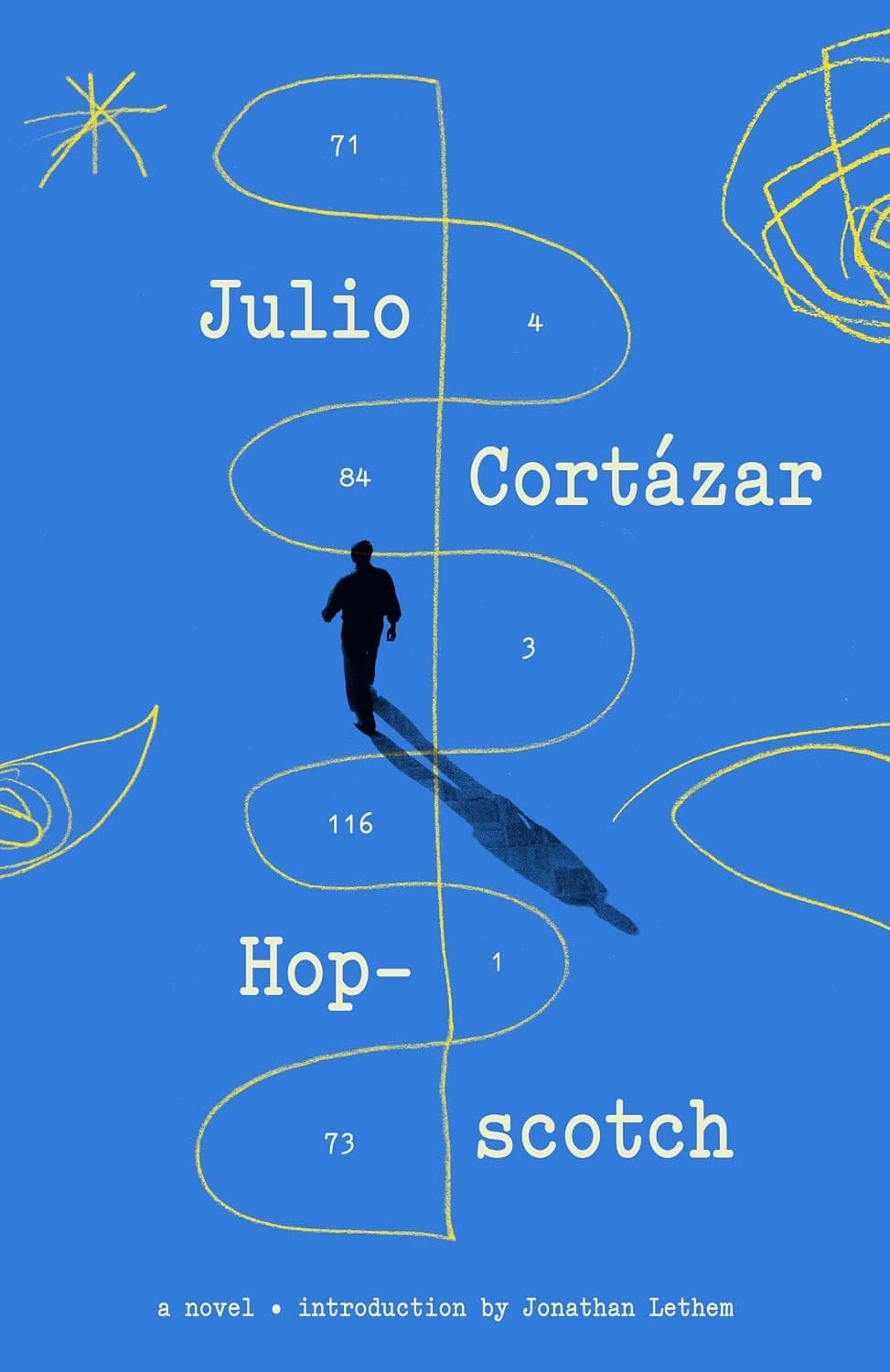
You can read it straight through to chapter 56 or take Cortazar's table of instructions through nearly all 155. Either way an Argentine exile drifts through Paris after a woman called La Maga.

Seventeen-hour shifts in a Paris restaurant kitchen, then the tramps' road between London workhouses. Orwell went into poverty himself and came back able to describe what hunger does to a mind.

Alceste cannot tell a lie and is destroying himself over a woman who lives on flattery. Tartuffe, the fake holy man eating his host's house, is hypocrisy caught whole and played for laughs.

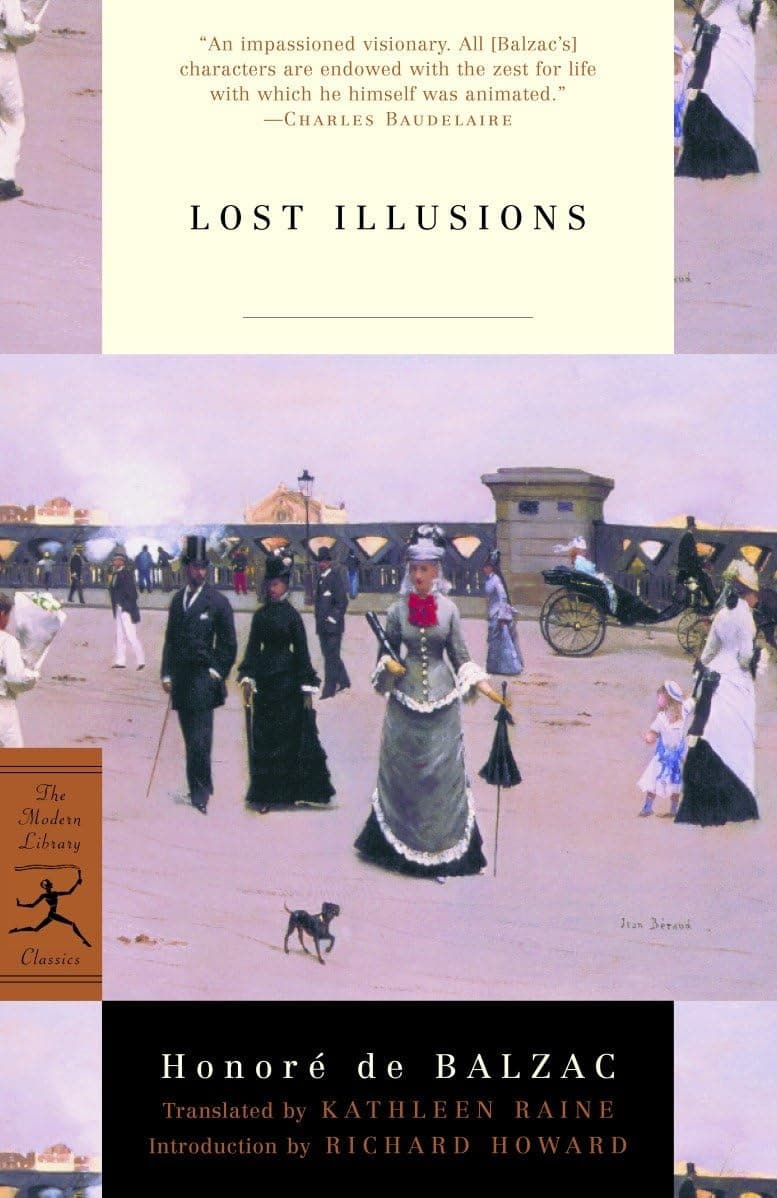
Lucien leaves Angouleme certain his poems will make him famous in Paris, and finds literature there is a trade in favors and paid reviews. Balzac invented the modern story of selling out.

Eighteen years in the Bastille have left Doctor Manette making shoes in the dark. Dickens carries his daughter's household from London into the Terror, where Madame Defarge knits a death list.

Frédéric Moreau spends his youth in Paris loving a married woman he will never have and drifting through the 1848 revolution. Flaubert made wasted life a permanent subject for the novel.

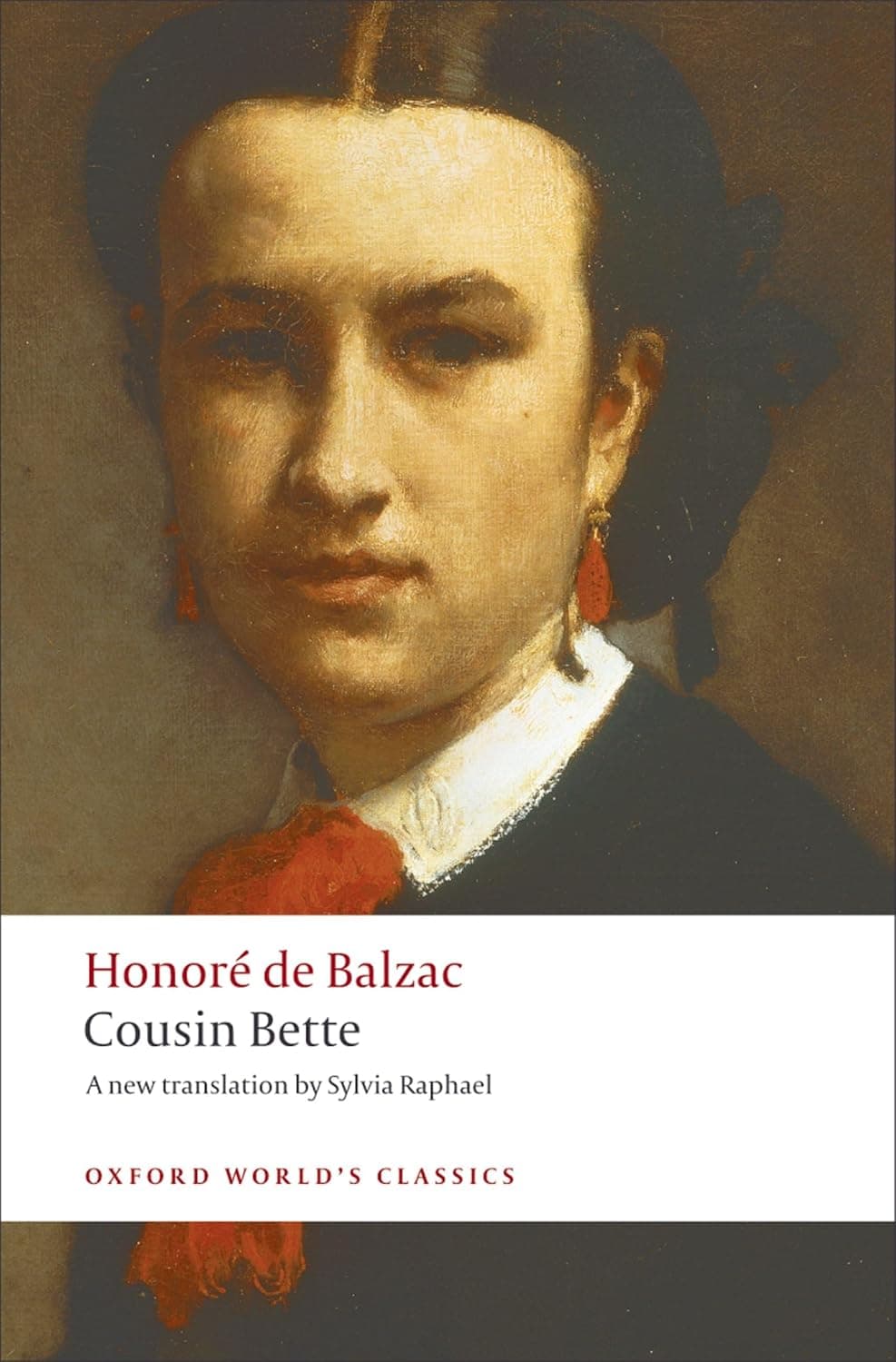
Passed over by her rich relations, a poor spinster sets out to ruin them, helped by a wife who bankrupts men for a living. Balzac makes envy a protagonist and never looks away.

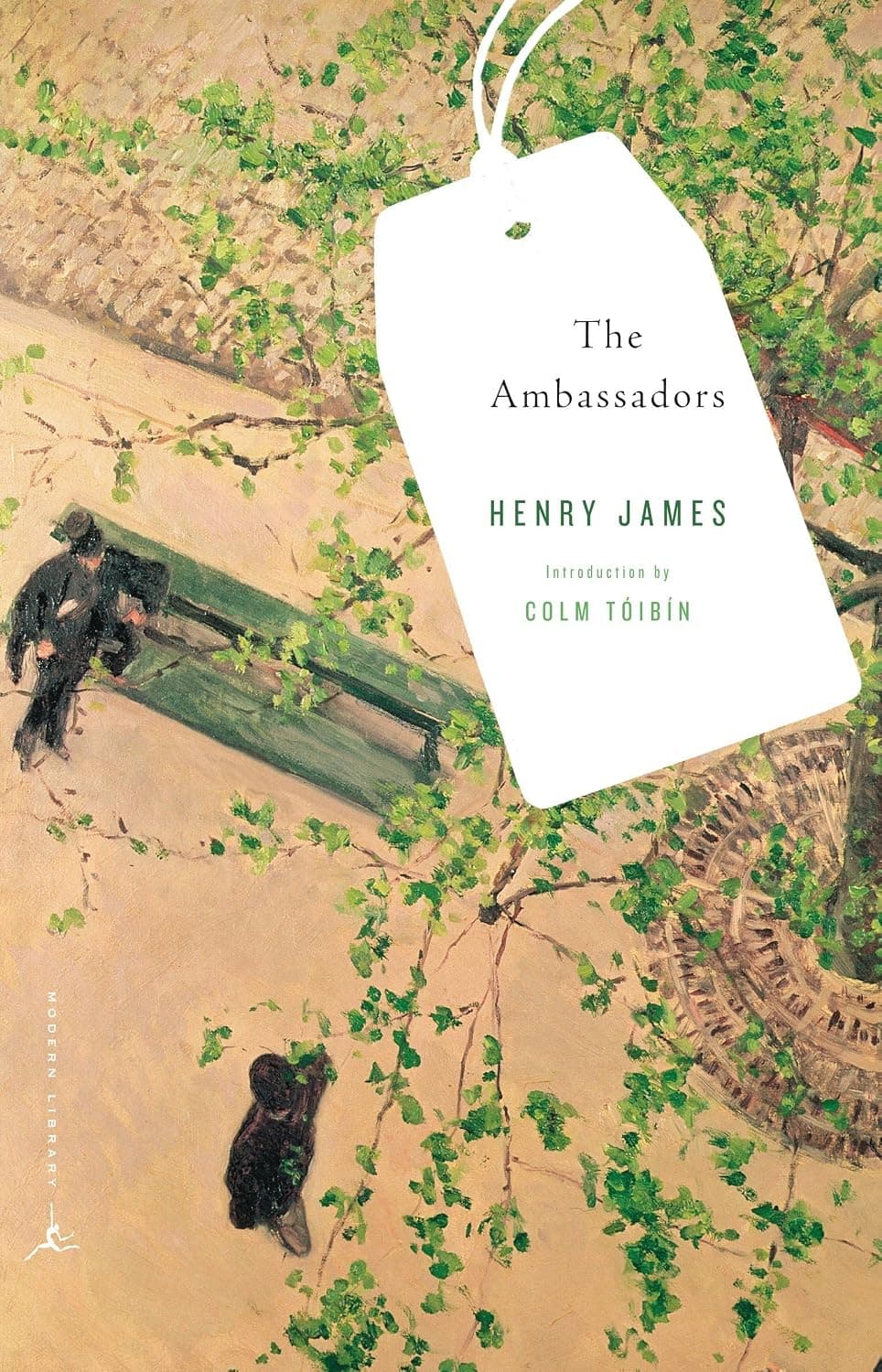
Sent to Paris to pry a young American away from a Frenchwoman, a middle-aged emissary looks around and tells a young painter to live all he can. James called it his best novel.

In a shabby Paris boarding house, an old man sells off everything for two daughters ashamed to be seen with him. Balzac counts every franc and shows what money does to love.

Julien Sorel, a carpenter's son with a memorized Bible and enormous nerve, climbs out of provincial France into Paris society by way of two women. Stendhal reports each calculation without excusing him.

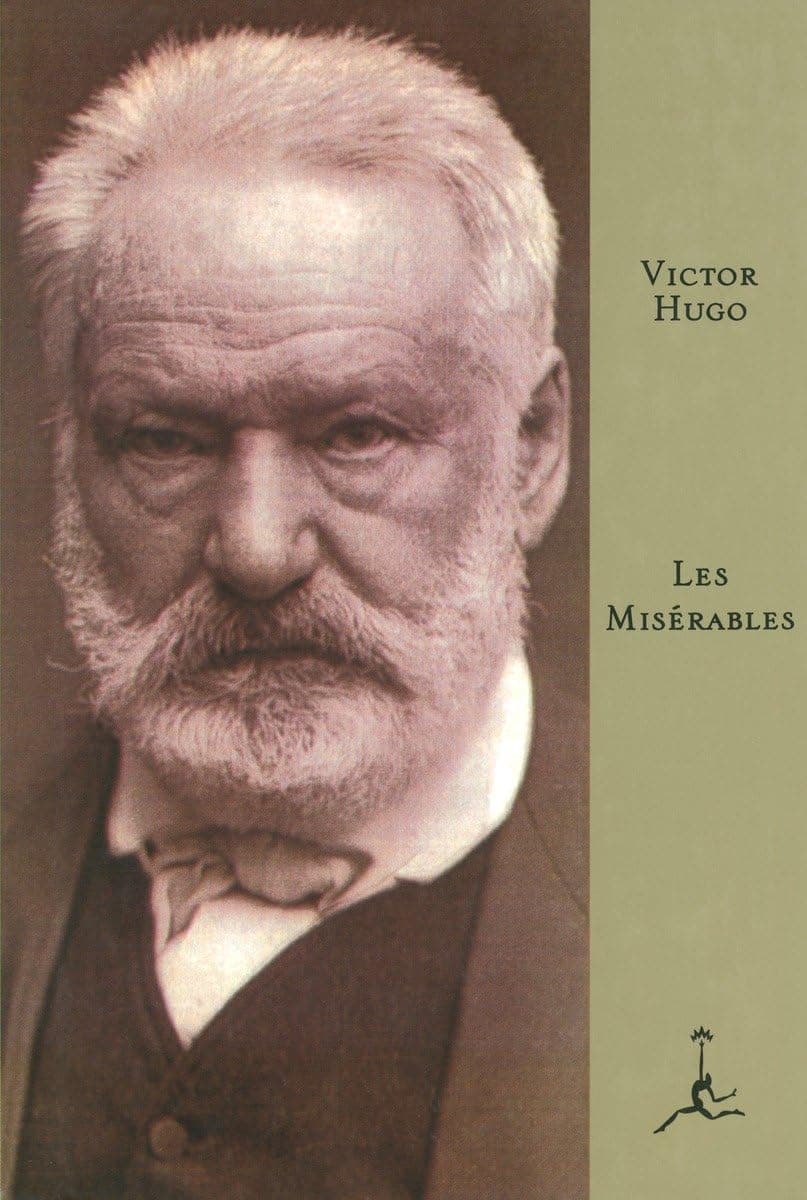
Jean Valjean serves nineteen years for stealing bread, breaks parole, and is hunted the rest of his life by a relentless policeman. Around them Hugo builds the century's great argument for mercy.

The most complete account of memory ever written. A man tastes a madeleine, and three thousand pages of remembered love, jealousy, and vanished aristocrats change permanently how you look at your own past.