The Books canon

Sourced and shelved.

Every book chosen by hand and annotated for why it matters.
Browse all 1,178 books or filter by subject, era, place, and author.

There and Back

Photographs from the Edge
2021 · 320 pages

Chin skied from the summit of Everest and hung off El Capitan to film Alex Honnold climbing it without a rope. His photographs come with what it cost to stand there.

★ 4.2

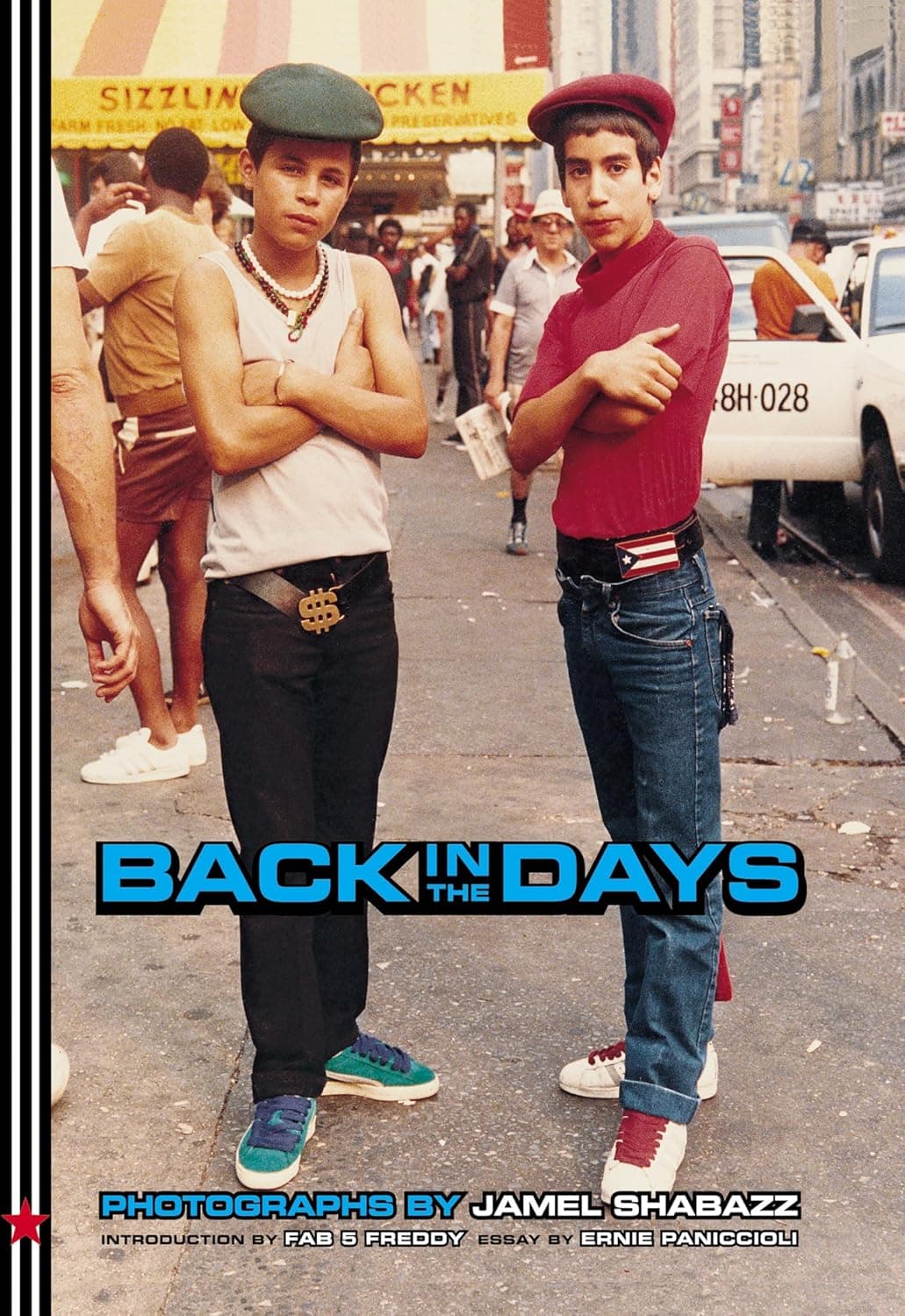
Back in the Days

2001 · 128 pages

Between 1980 and 1989, Shabazz stopped young New Yorkers on the street and photographed them in shell-toe Adidas, sheepskin coats, and gold ropes. Everything hip hop later sold the world is already here.

★ 4.3

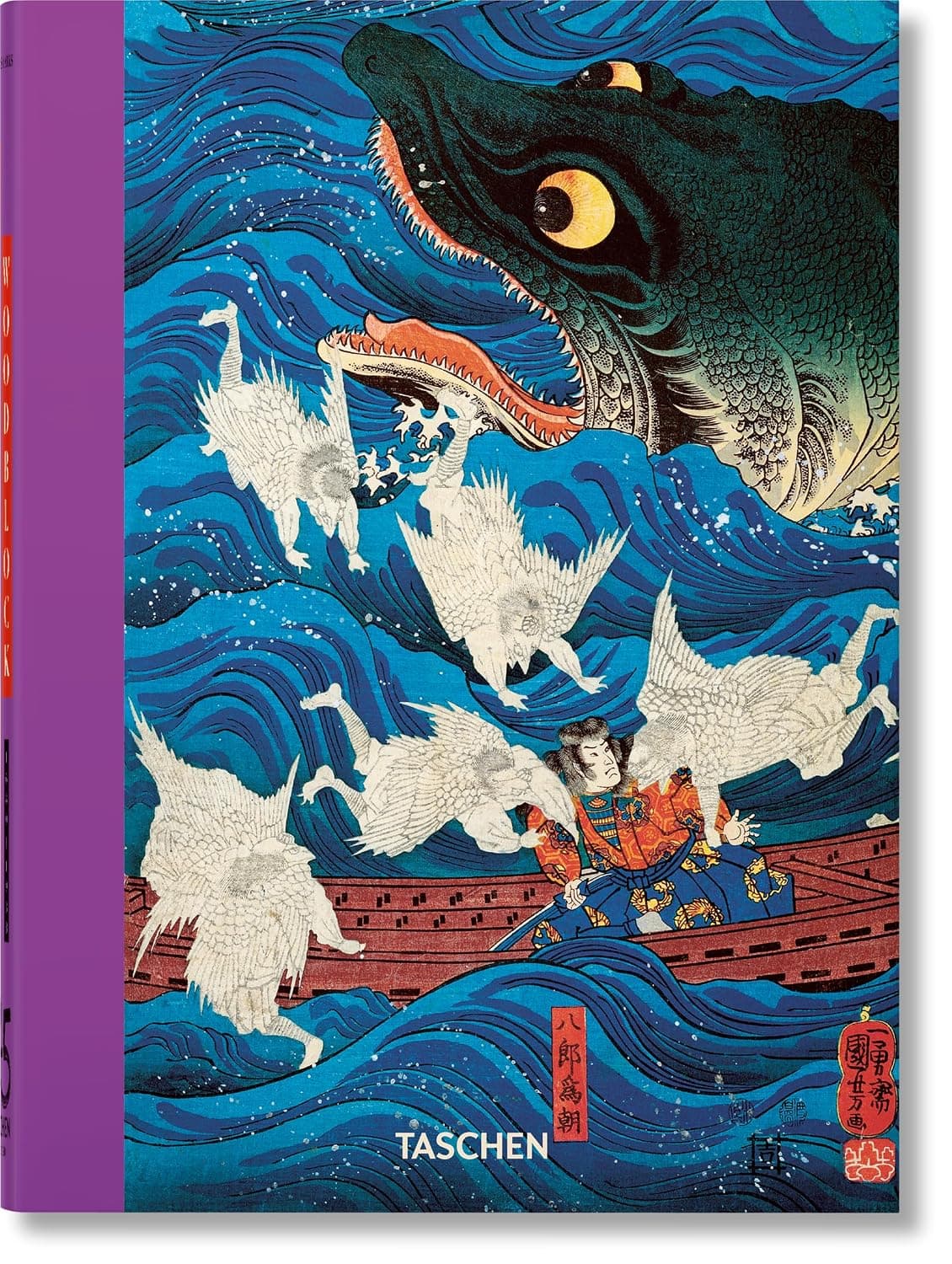
Japanese Woodblock Prints

2019 · 512 pages

Two hundred prints run chronologically from 1680 to 1938, black-and-white sheets giving way to the full-color glut of Utamaro's beauties, Hiroshige's roads, and Hokusai's wave. Marks names the publisher behind every design.

★ 4.3

Case Study Houses

Elizabeth A. T. Smith
2002 · 440 pages

A Los Angeles magazine asked architects how postwar America should live, and Eames, Koenig, and Neutra answered in steel and glass on hillsides. Julius Shulman's photographs sold California modernism to the world.

★ 4.3

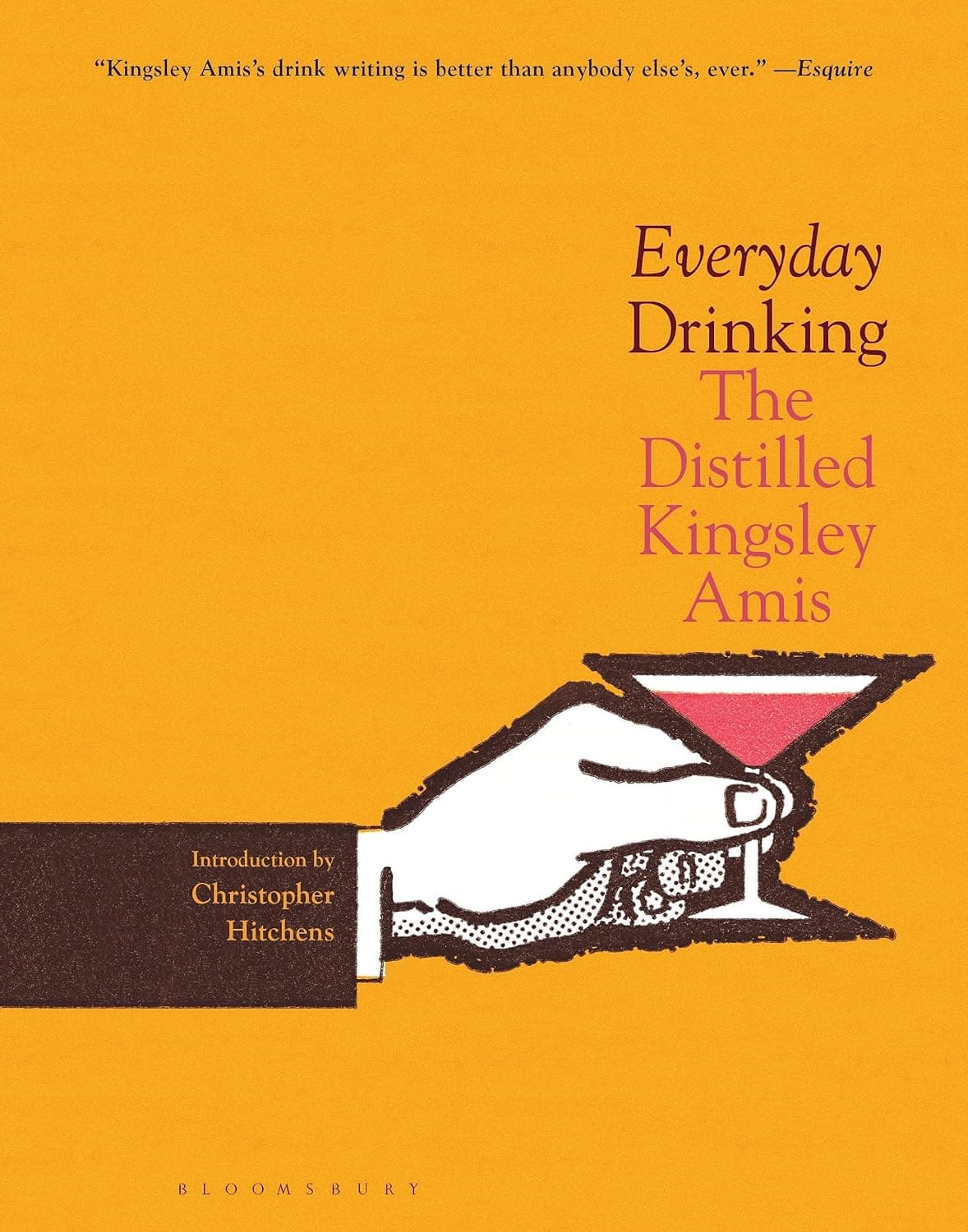
Everyday Drinking

The Distilled Kingsley Amis
2008 · 336 pages

Nobody has written funnier prose about drink. Kingsley Amis separates the physical hangover from the metaphysical one, calculates what a party will actually consume, and hands down recipes he plainly tested.

★ 4.3

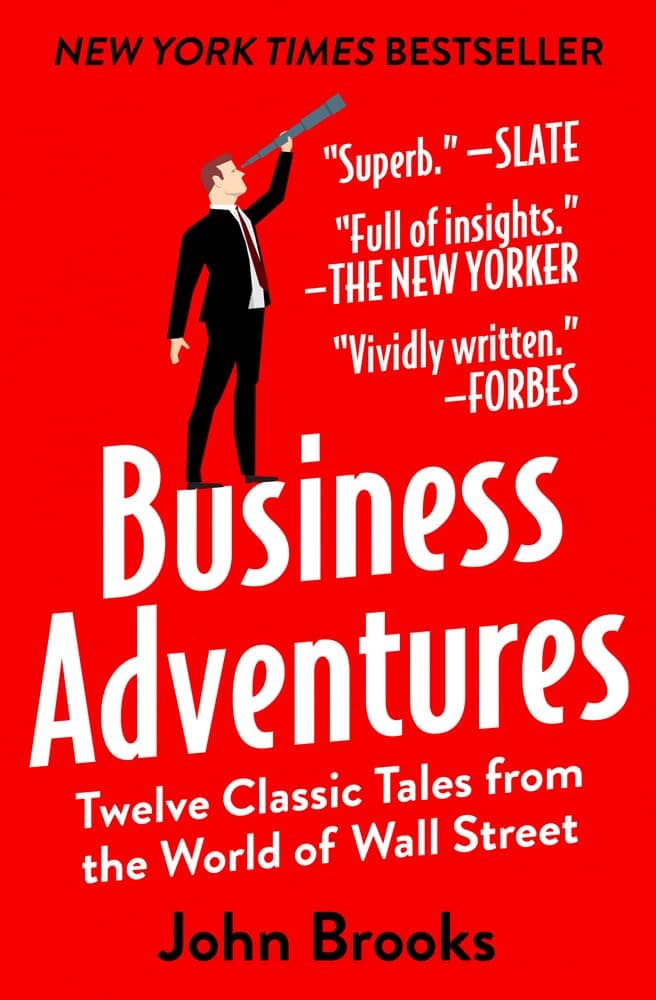
Business Adventures

1969 · 464 pages

Twelve New Yorker reports on how companies behave: Ford burning millions on the Edsel, a grocer trying to corner his own stock. Bill Gates calls it the best business book he has read.

★ 4.3

Uncommon Grounds

The History of Coffee and How It Transformed Our World
1999 · 480 pages

Pendergrast traces coffee from an Ethiopian hillside to the corner cafe, through Brazilian slave plantations and the US-backed coup in Guatemala, and shows how grocery marketing wars made American coffee undrinkable.

★ 4.4

Thoughts on Design

1947 · 95 pages

Beauty and utility generate each other, Paul Rand argues, and the designer's job is fusing idea with image. He pulled European modernism into American advertising and made the trade take design seriously.

★ 4.5

Adventures on the Wine Route

A Wine Buyer's Tour of France
1988 · 288 pages

A Berkeley merchant drives France cellar by cellar, buying from small growers and arguing that filtering a wine bright strips out what you want to drink. Lynch taught Americans to taste for place.

★ 4.5

River of Colour

The India of Raghubir Singh
1998 · 168 pages

Serious photography meant black and white when Singh shot India in color, insisting a country this saturated demanded it. He packs pilgrims, monsoon light, and painted walls into frames borrowed from Indian painting.

★ 4.5

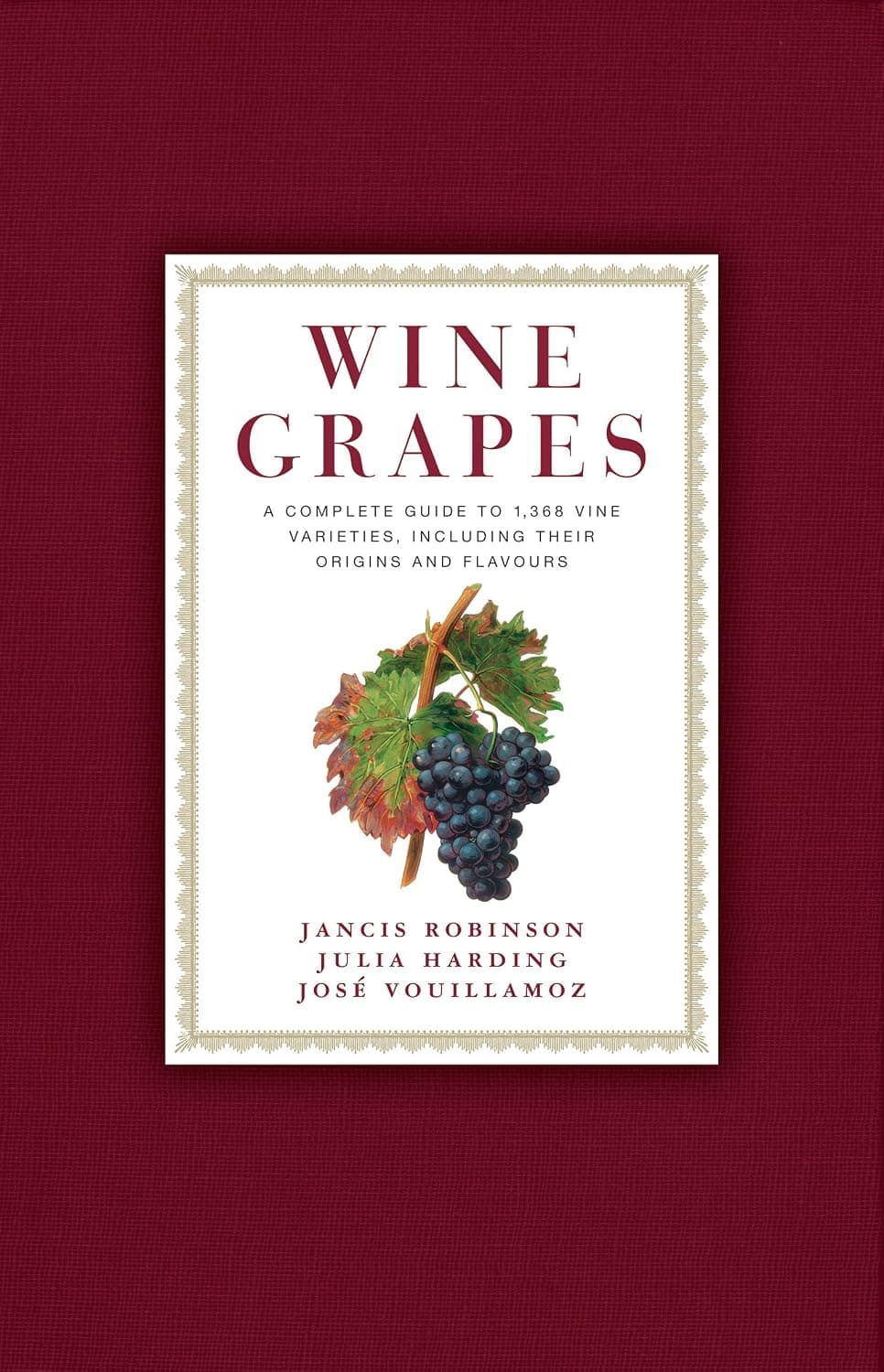
Wine Grapes

A Complete Guide to 1,368 Vine Varieties, Including Their Origins and Flavours
2012 · 1280 pages

Every grape that makes wine, 1,368 of them, traced by DNA to its parents and described by flavor. Zinfandel is revealed as a Croatian vine, and Sauvignon Blanc descends from Savagnin.

★ 4.5

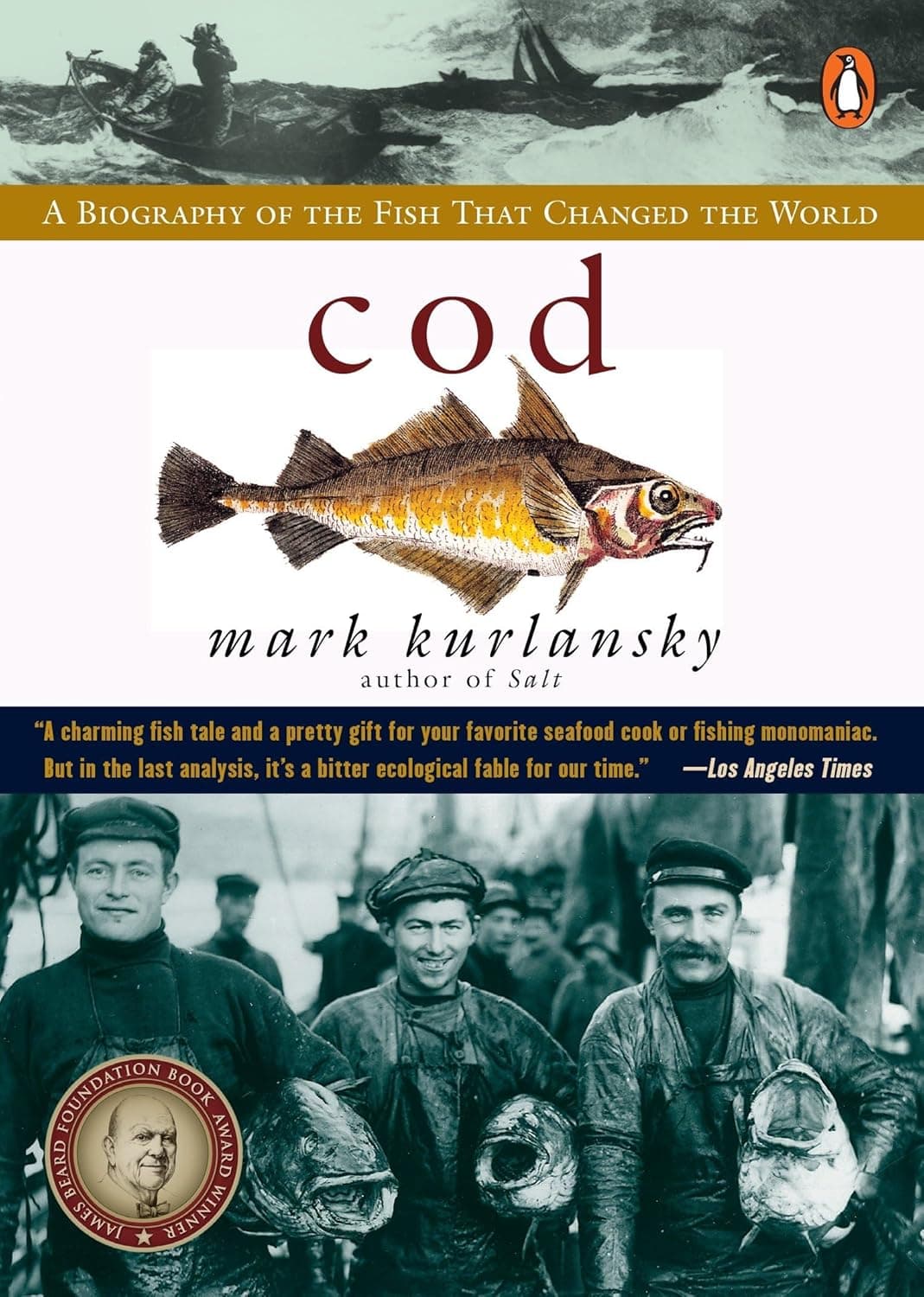
Cod

1997 · 304 pages

One fish shaped the whole Atlantic world. Kurlansky follows cod from the Basques and their secret fishing grounds through the slave-trade economies it fed to the Grand Banks collapse of 1992.

★ 4.5

Cash

The Autobiography
1997 · 320 pages

Cash tells it in his own voice: picking cotton in Dyess, Arkansas, the brother a saw killed at fifteen, the amphetamine decades, and the night he crawled into Nickajack Cave to die.

★ 4.6

Me Talk Pretty One Day

2000 · 272 pages

Speech therapy for a lisp, a methamphetamine phase of conceptual art, then a Paris classroom where a French teacher reduces grown adults to stammering. Sedaris finds humiliation funny and never spares himself.

★ 4.6

A Season on the Brink

1986 · 368 pages

Feinstein spent the 1985-86 season inside coach Bob Knight's Indiana basketball program and printed all of it, the profanity and the fury and the players absorbing both. Sports reporters still envy that access.

★ 4.6

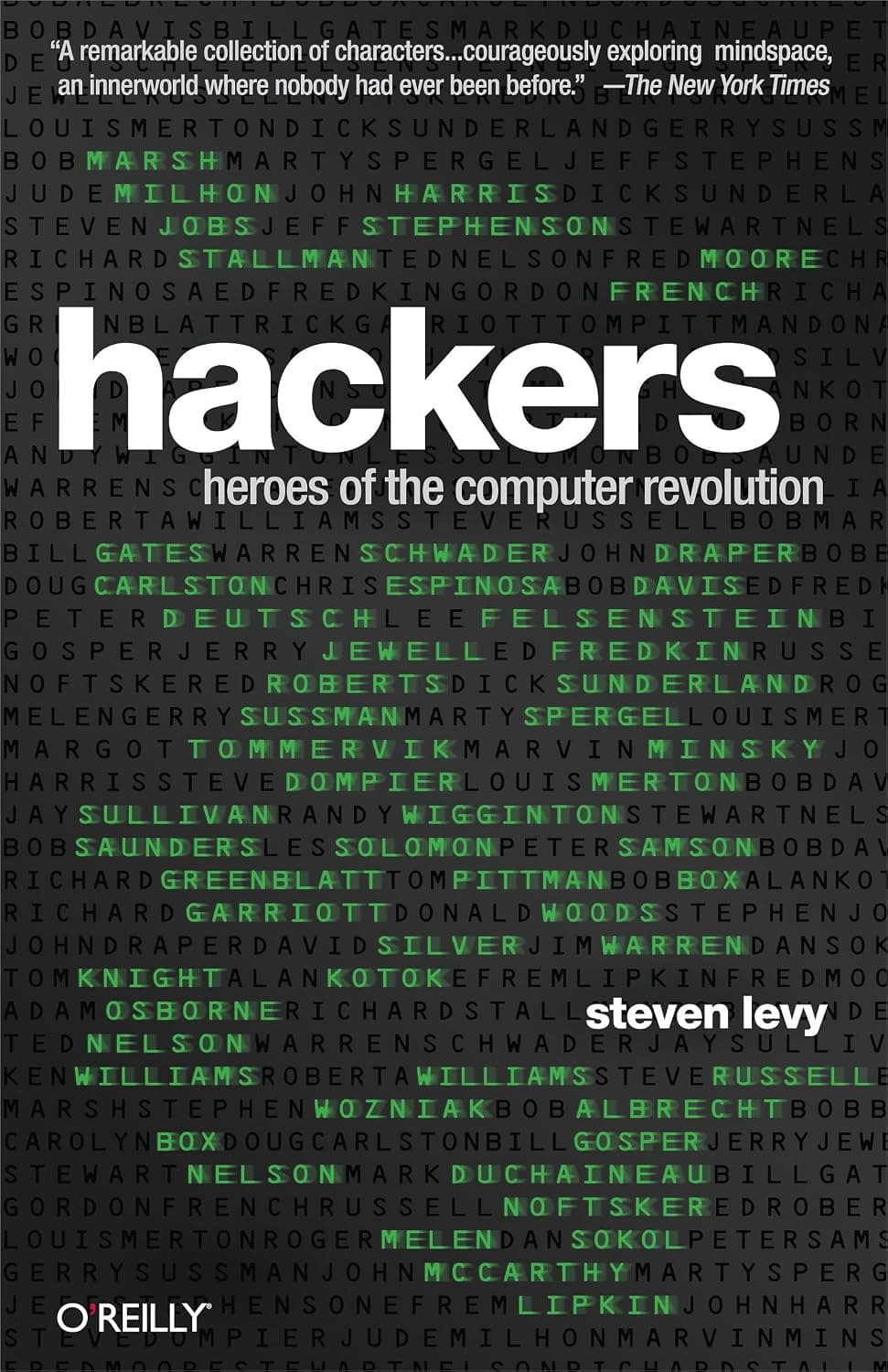
Hackers

1984 · 659 pages

Levy found the hacker ethic among MIT students who monopolized the university's computers all night: all information should be free, mistrust authority, judge a person by the code. Silicon Valley still recites it.

★ 4.7

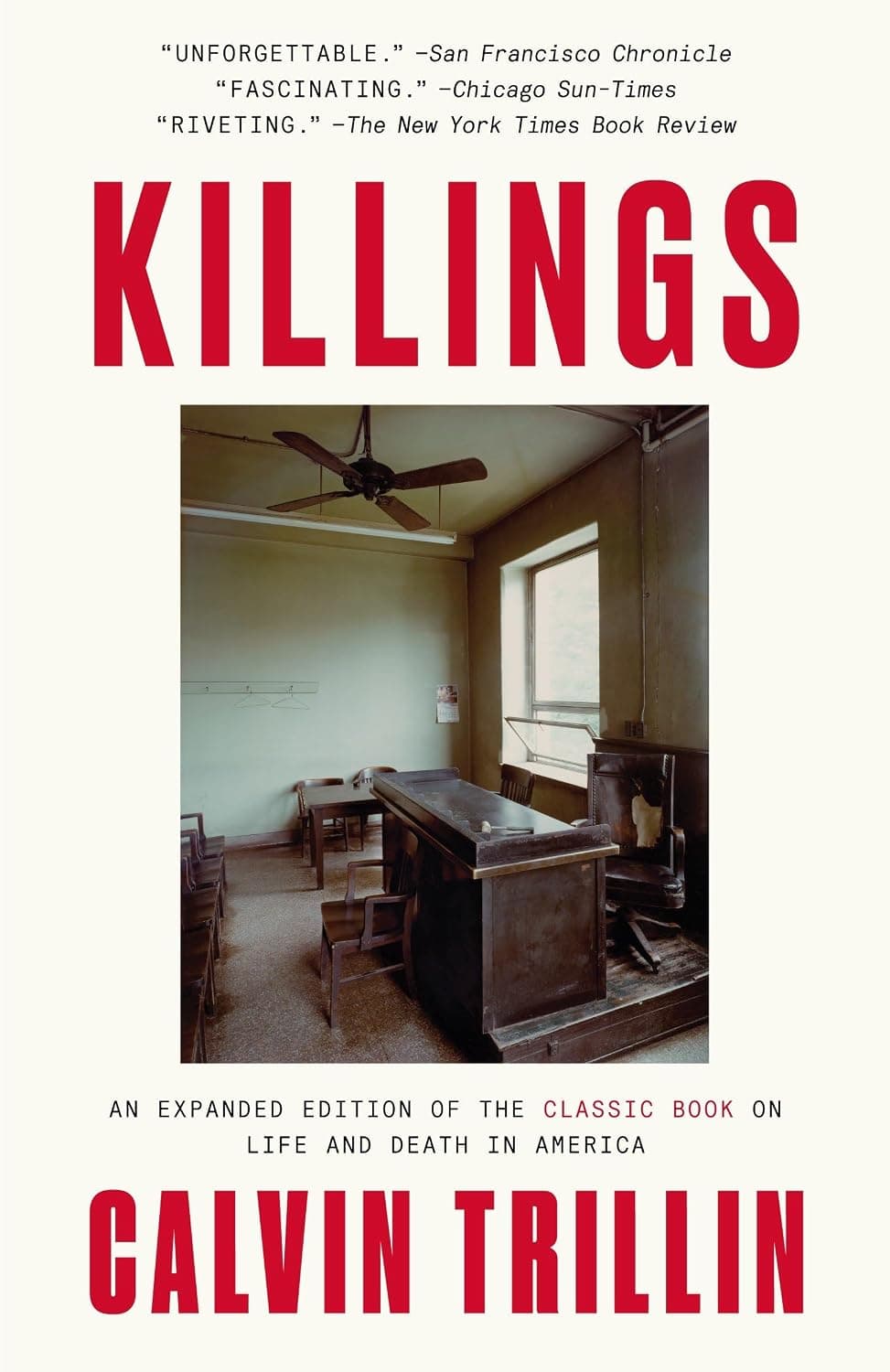
Killings

1984 · 320 pages

One killing per chapter, in towns no reporter usually visits, including a Kentucky landowner who shot a documentary filmmaker for trespassing. Trillin cares how these Americans lived, not how they died.

★ 4.7

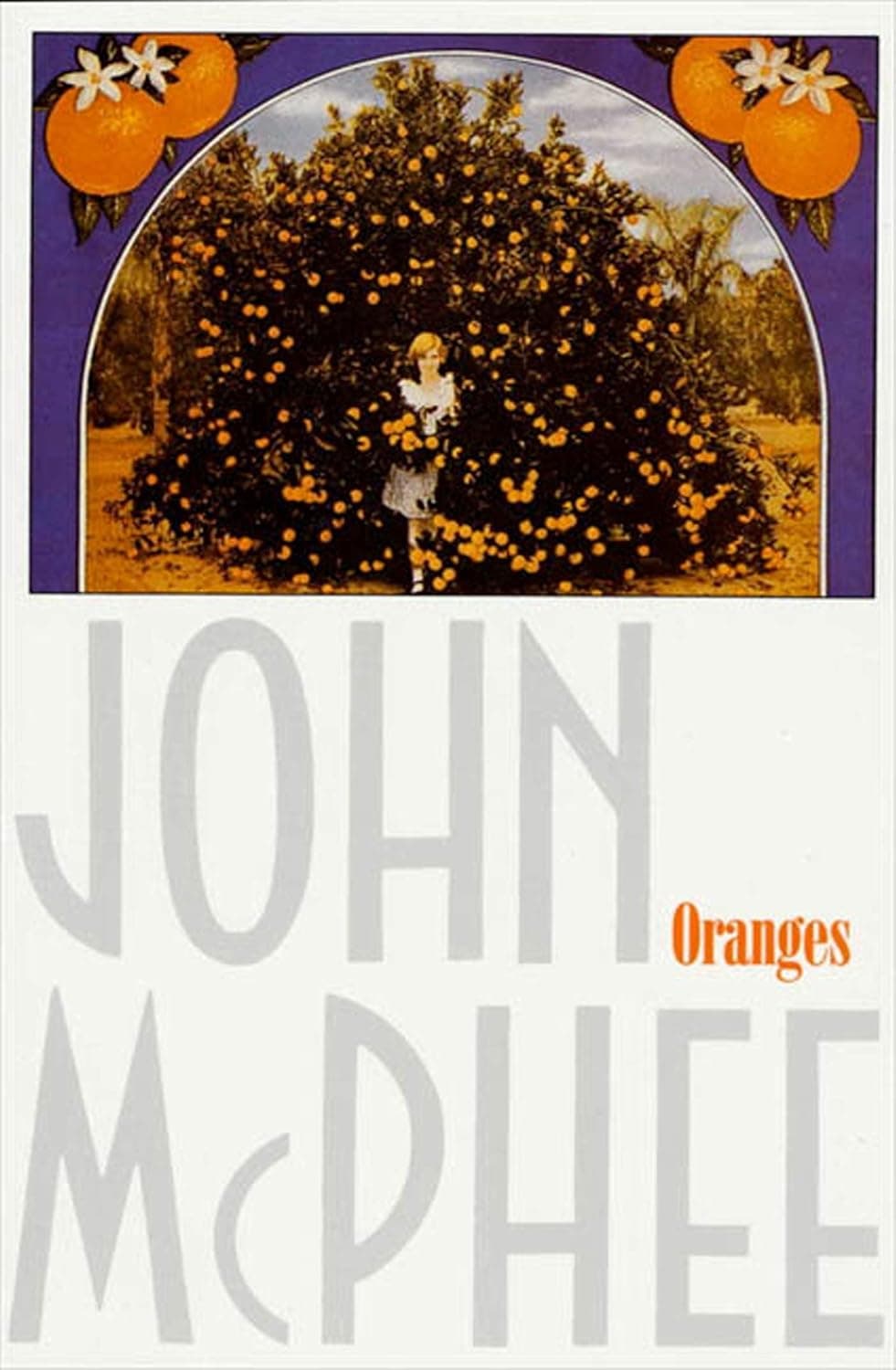
Oranges

1967 · 149 pages

Curious why the juice from a Penn Station machine changed color through the winter, McPhee went to Florida. He came back with citrus botany, grove barons, and the entire industry of frozen concentrate.

★ 4.7

Kitchen Confidential

2000 · 312 pages

Bourdain cooked for two decades, then told everything: the drugs, the immigrant crews who hold restaurants up, why you never order fish on Monday. He made the line cook a figure Americans envied.

★ 4.7

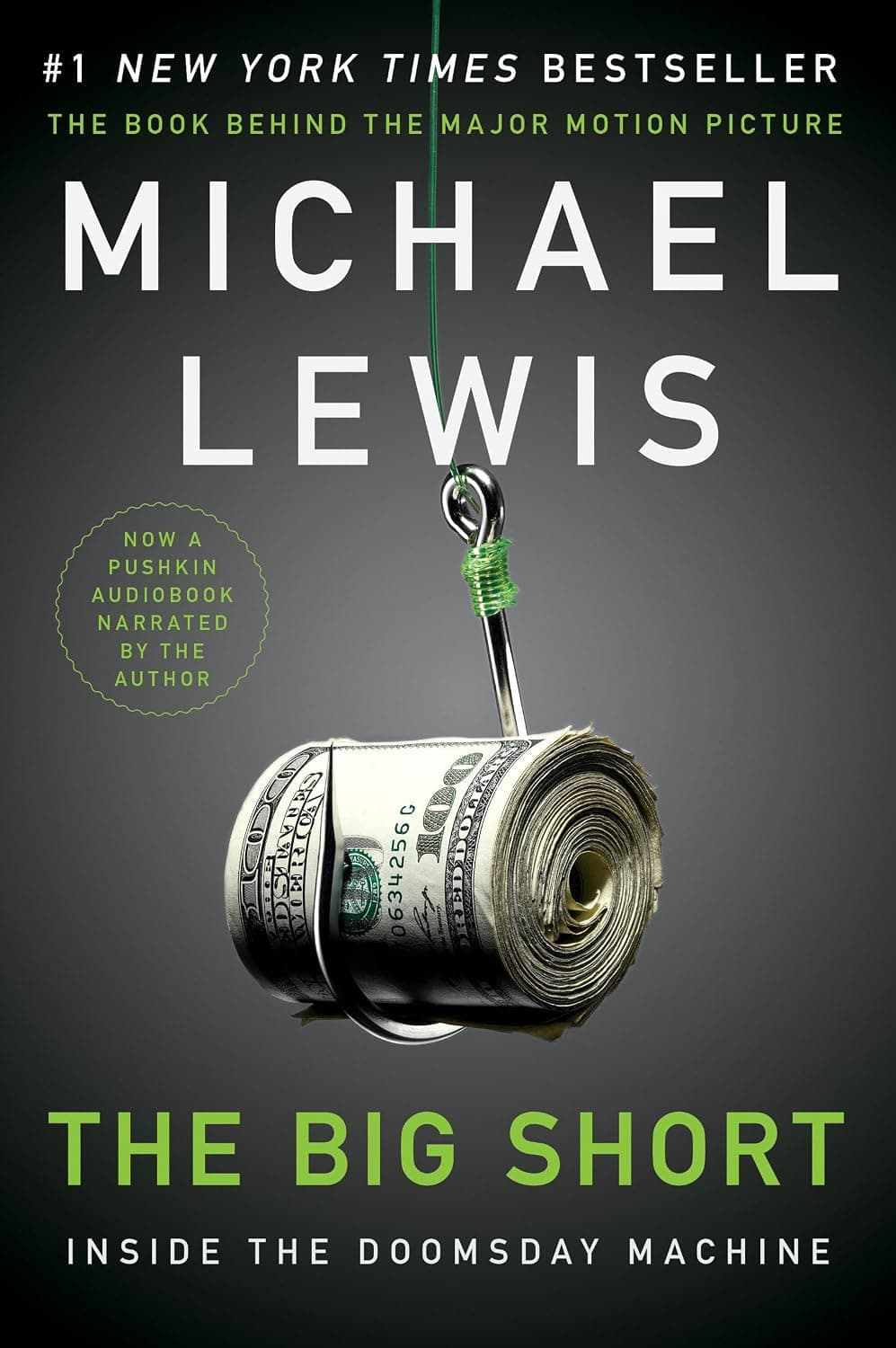
The Big Short

2010 · 291 pages

Michael Burry, a one-eyed doctor turned investor, read the mortgage documents no one else opened and bet against American housing. Lewis turns credit default swaps into a thriller about who saw it coming.

★ 4.7

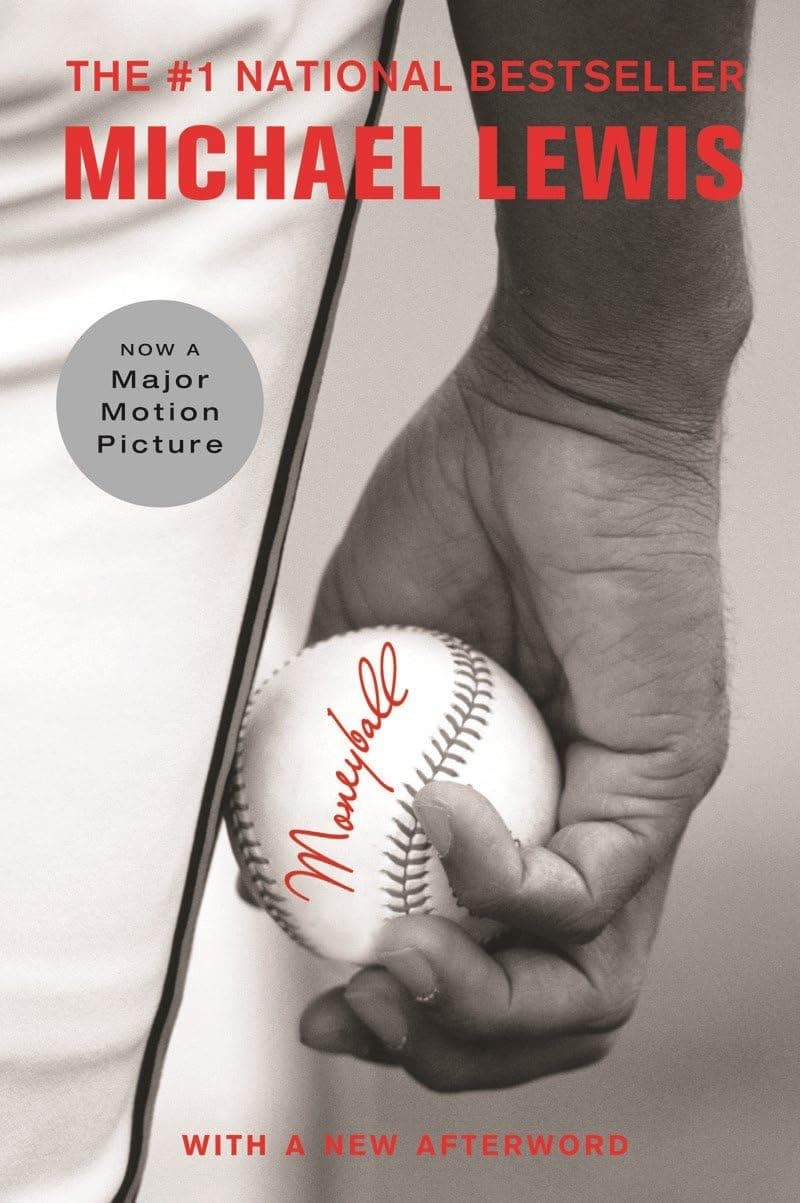
Moneyball

2003 · 320 pages

Oakland spent a third of what the Yankees spent and won as many games, buying the hitters scouts despised. Every team in baseball now runs on the arithmetic Lewis watched Billy Beane use.

★ 4.8

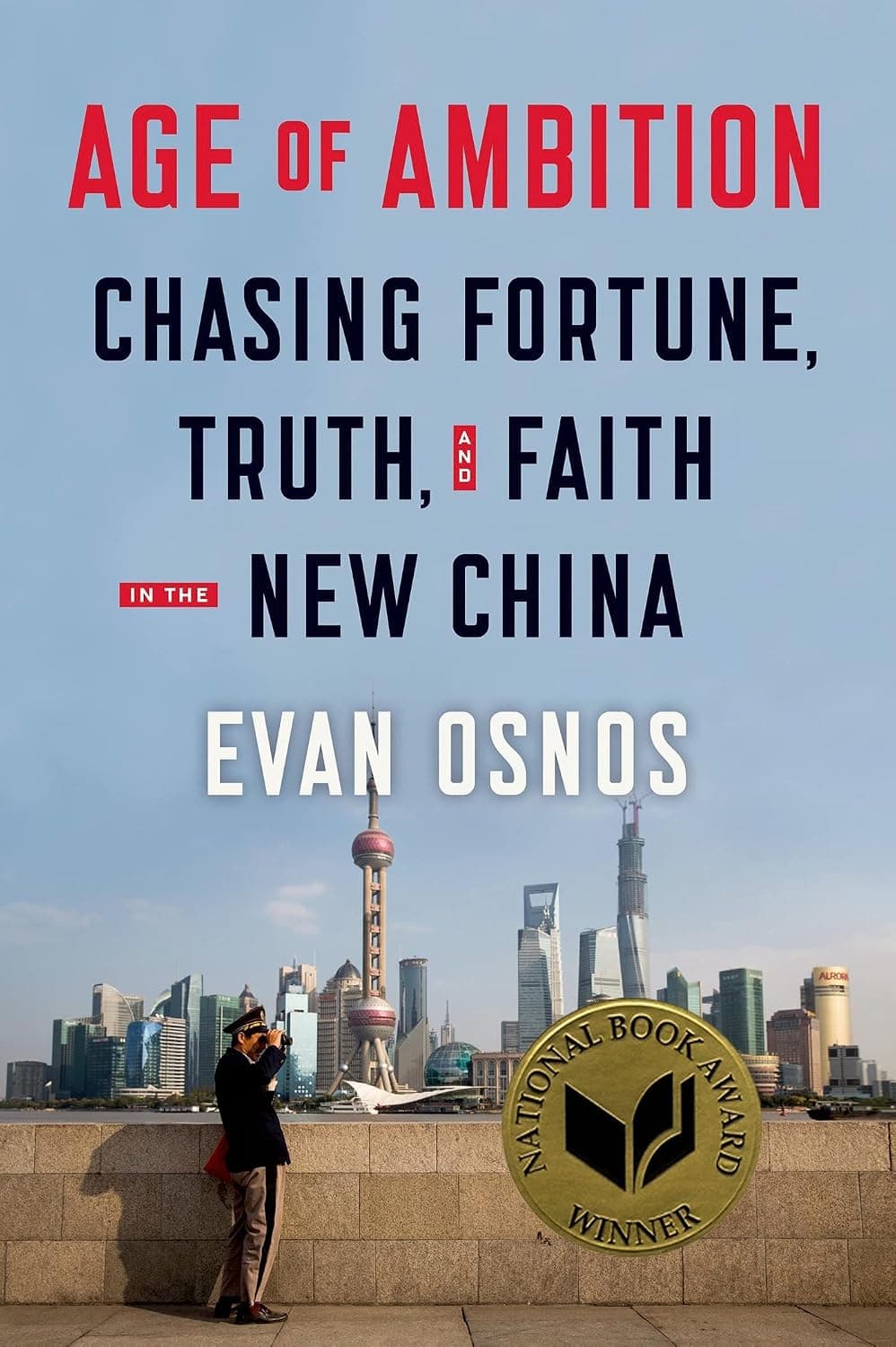
Age of Ambition

2014 · 403 pages

Osnos spent eight years watching China chase fortune faster than its politics allowed, and tells it through a soldier who swam the strait to defect and a blind lawyer who escaped house arrest.

★ 4.8

The Conscience of a Conservative

1960 · 126 pages

I have little interest in streamlining government, Goldwater declares, for I mean to reduce its size. A hundred pages of refusal that dragged the Republican Party rightward and made Reagan's presidency thinkable.

★ 4.8

The Clash of Civilizations

1996 · 367 pages

Ideology no longer divides the world, Huntington argued: culture does, along fault lines between seven or eight civilizations. After 9/11 nobody could discuss the West and Islam without answering him.

★ 4.8

A Brief History of Time

1988 · 248 pages

Twenty-five million people bought a physics book. Hawking explains black holes, the arrow of time, and whether the universe needed a beginning, carrying the argument on almost no mathematics at all.

★ 4.8

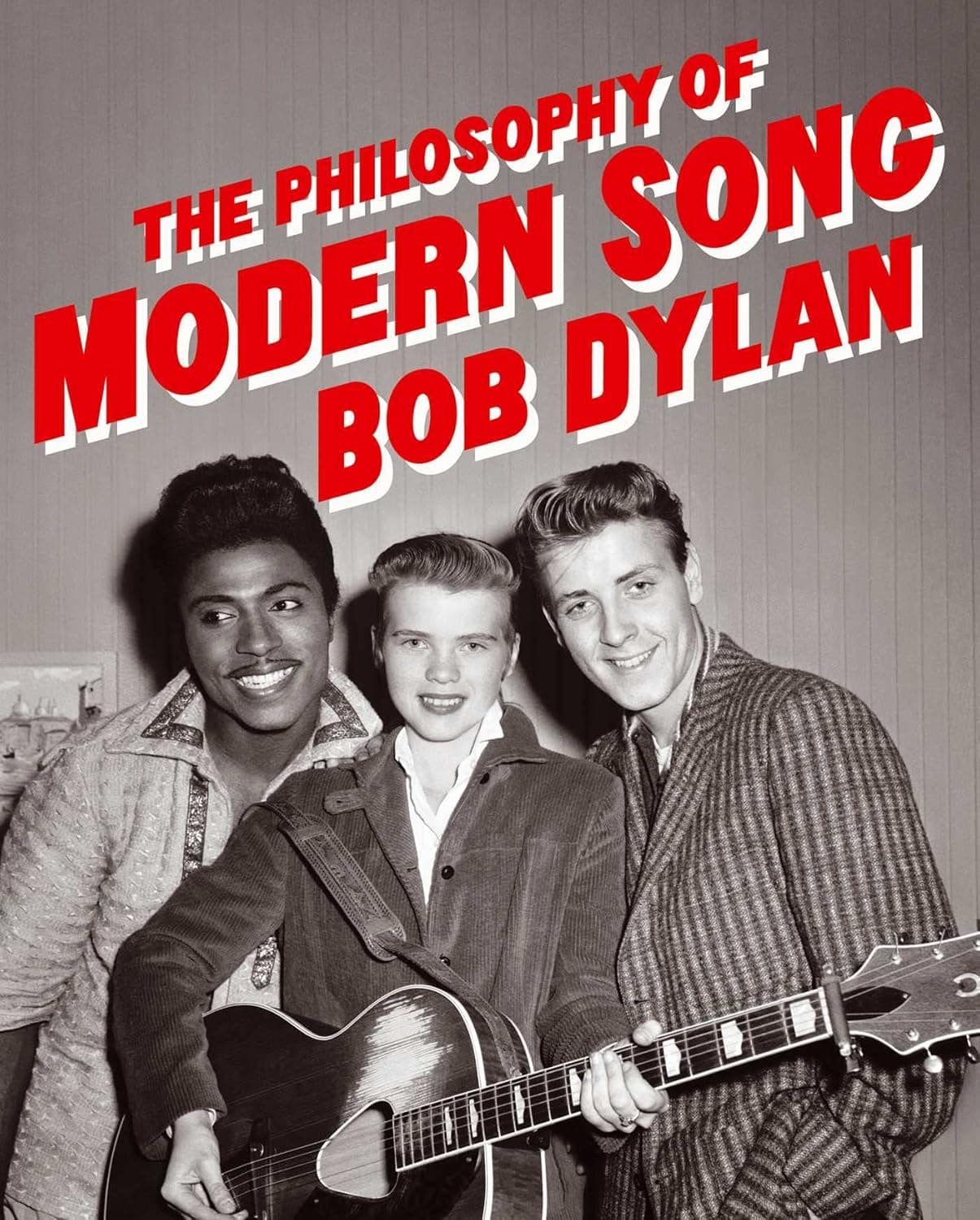
The Philosophy of Modern Song

2022 · 352 pages

Sixty-six songs, from Sinatra to the Who, each taken twice: Dylan writes his way inside the record in second person, then steps back and talks craft. Nobody listens to music this closely.

★ 4.9

Wiseguy

Life in a Mafia Family
1985 · 304 pages

Henry Hill spent twenty-five years as a Lucchese associate, from stolen cigarettes to the Lufthansa robbery, and Pileggi lets him tell it himself. Scorsese lifted whole scenes of Goodfellas straight from it.

★ 4.9

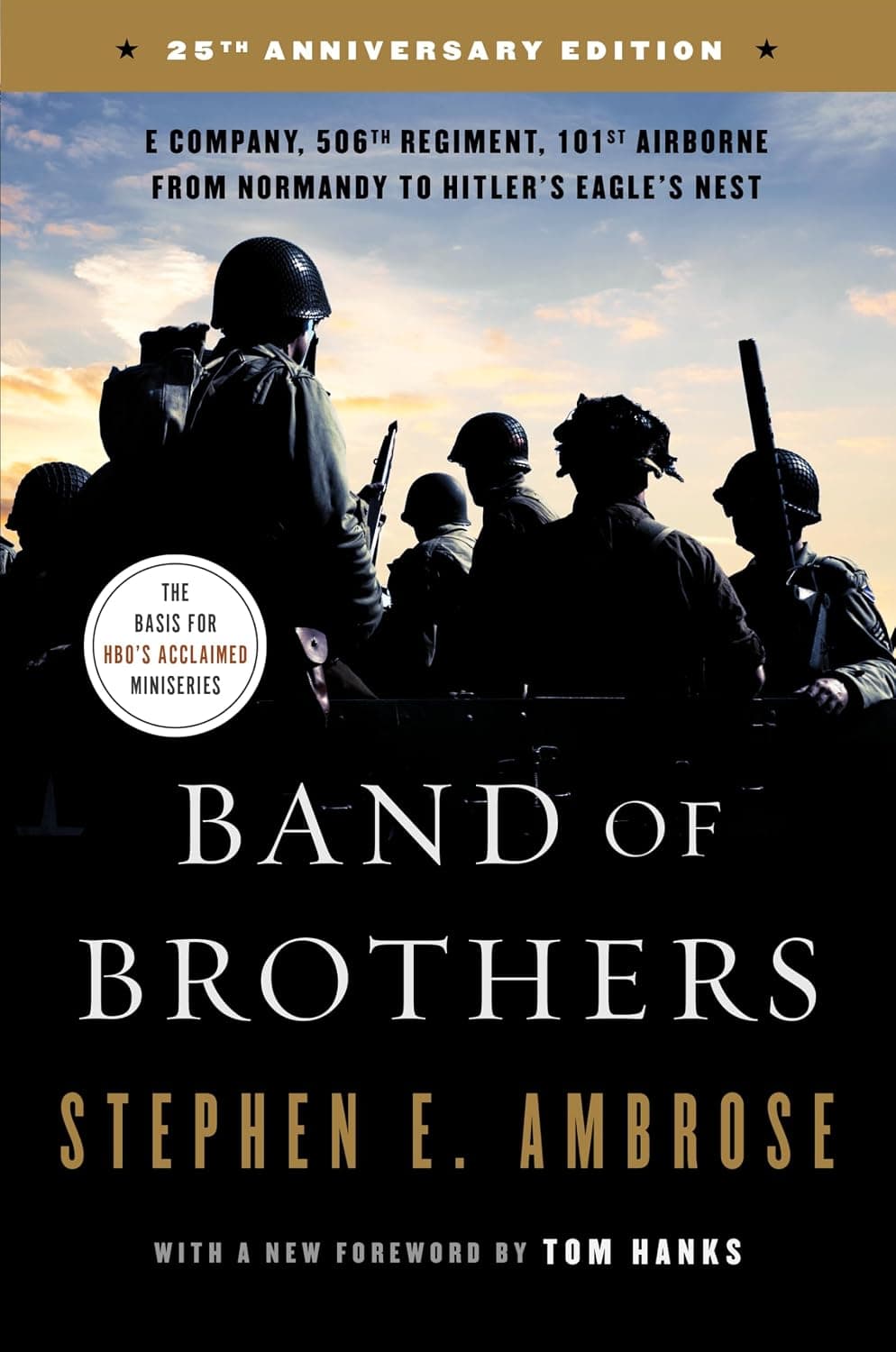
Band of Brothers

1992 · 336 pages

Easy Company jumped into Normandy on D-Day, held Bastogne through the snow short of ammunition and coats, and finished the war at Hitler's alpine retreat. Ambrose built it from the men's own accounts.

★ 4.9

Workers

An Archaeology of the Industrial Age
1993 · 400 pages

Fifty thousand men climb out of a Brazilian gold pit on wooden ladders, caked in mud. Salgado spent six years across twenty-six countries photographing manual labor as the machines took it away.

★ 4.9

Full Tilt

Ireland to India with a Bicycle
1965 · 256 pages

Murphy left Dunkirk in the frozen January of 1963 on a bicycle named Roz and rode to Delhi, fighting off wolves in Yugoslavia and thieves in Iran, and setting it down without drama.

★ 4.9

In the American West

1985 · 174 pages

Avedon spent five years photographing drifters, miners, waitresses, and slaughterhouse workers against plain white paper. Printed larger than life, the faces leave nothing to hide behind and no cowboy myth standing.

★ 4.9

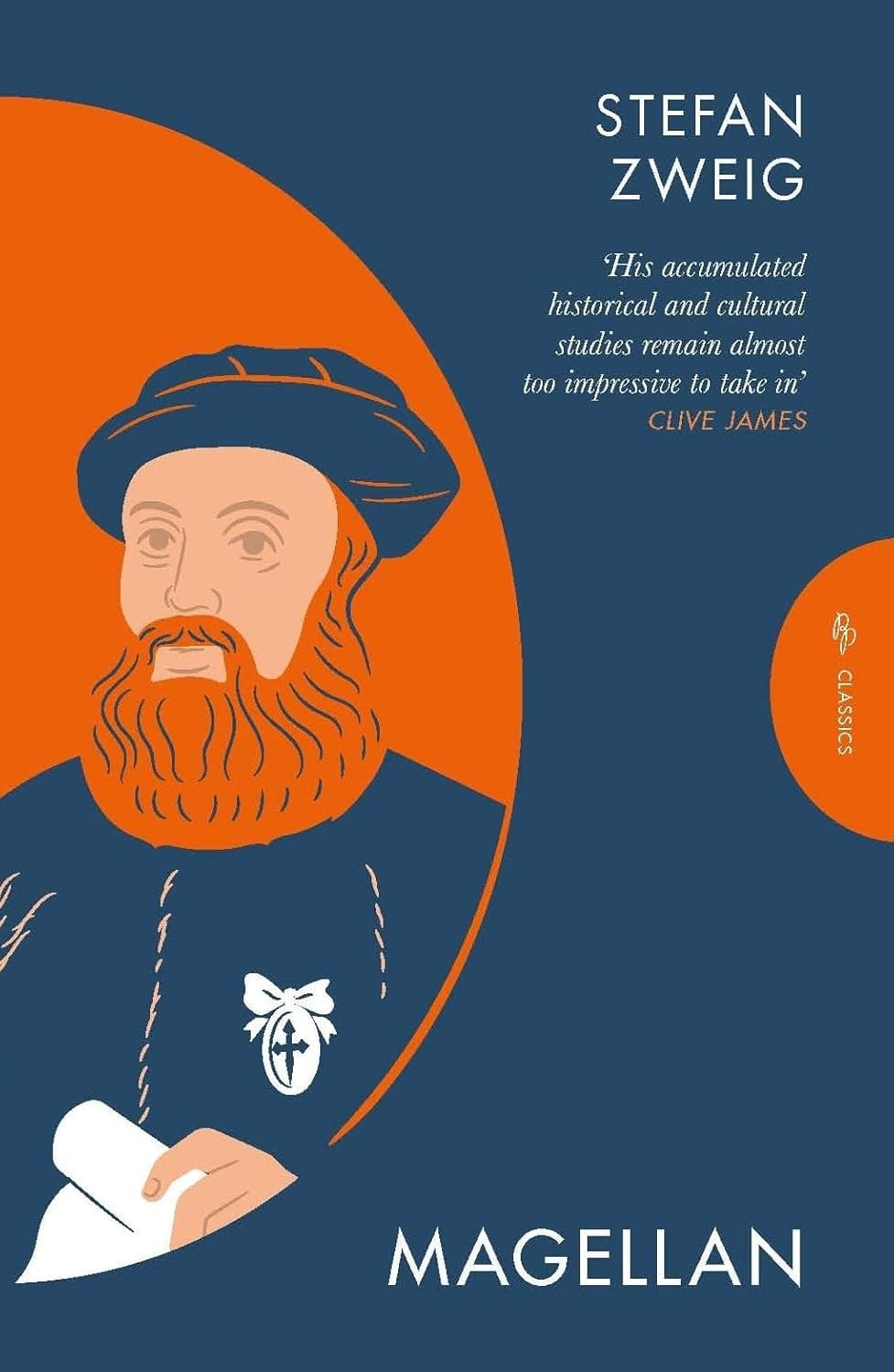
Magellan

Conqueror of the Seas
1938 · 352 pages

Five ships left Seville in 1519 and one came home three years later with eighteen men aboard. Zweig tells the circumnavigation as the story of an obstinate will set against an unmapped ocean.

★ 4.9

Gypsies

1975 · 240 pages

For a decade the Czech photographer Josef Koudelka lived among Roma families in Slovakia, waiting for his subjects to present themselves. The portraits are grave, formal, and free of pity.

★ 5.0

Revelations

2003 · 352 pages

Arbus met twins, giants, nudists and Westchester couples with the same level stare. Here are the prints with her notebooks and letters, and the argument American photography has never settled about her.

★ 5.0

Examples

The Making of 40 Photographs
1983 · 177 pages

Forty photographs, and Adams tells how each was made. His meter lost in New Mexico, he computed the exposure from the moon's known brightness and got one negative before the light went.

★ 5.0

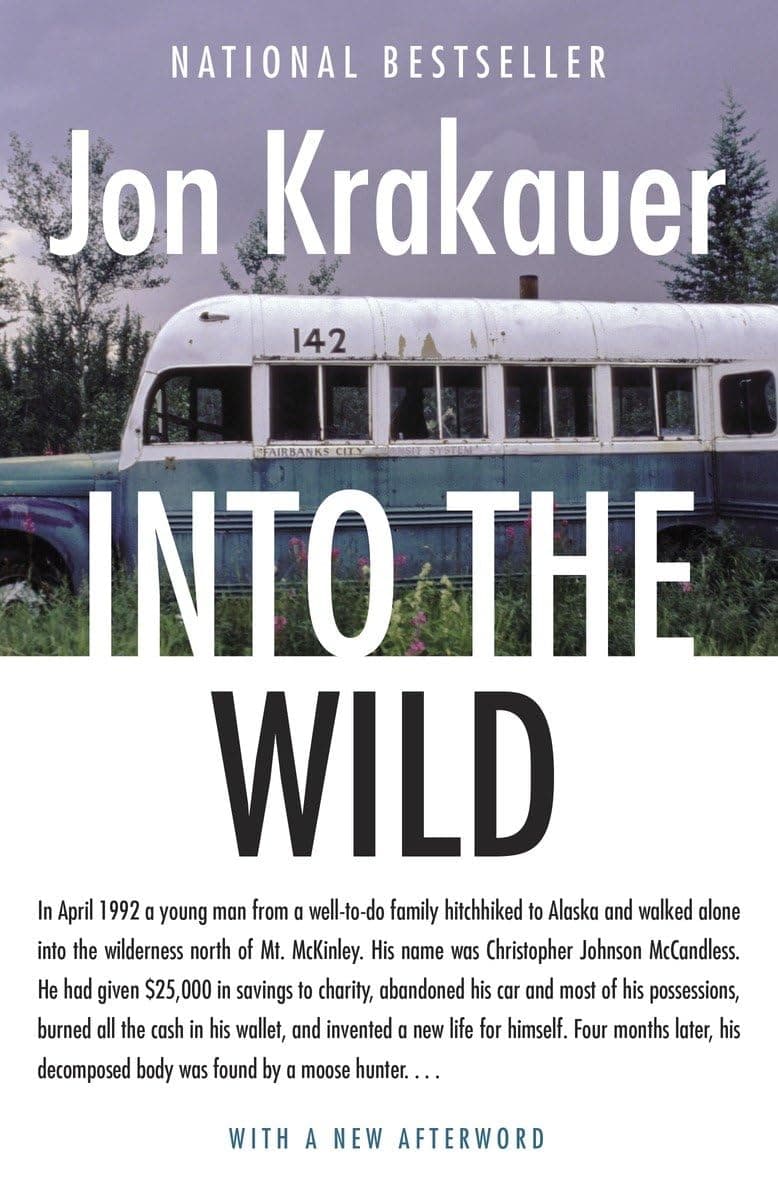
Into the Wild

1996 · 207 pages

Chris McCandless gave his savings to charity, burned the cash in his wallet, and walked into the Alaskan bush in April 1992. Krakauer refuses to file him under either fool or saint.

★ 5.0

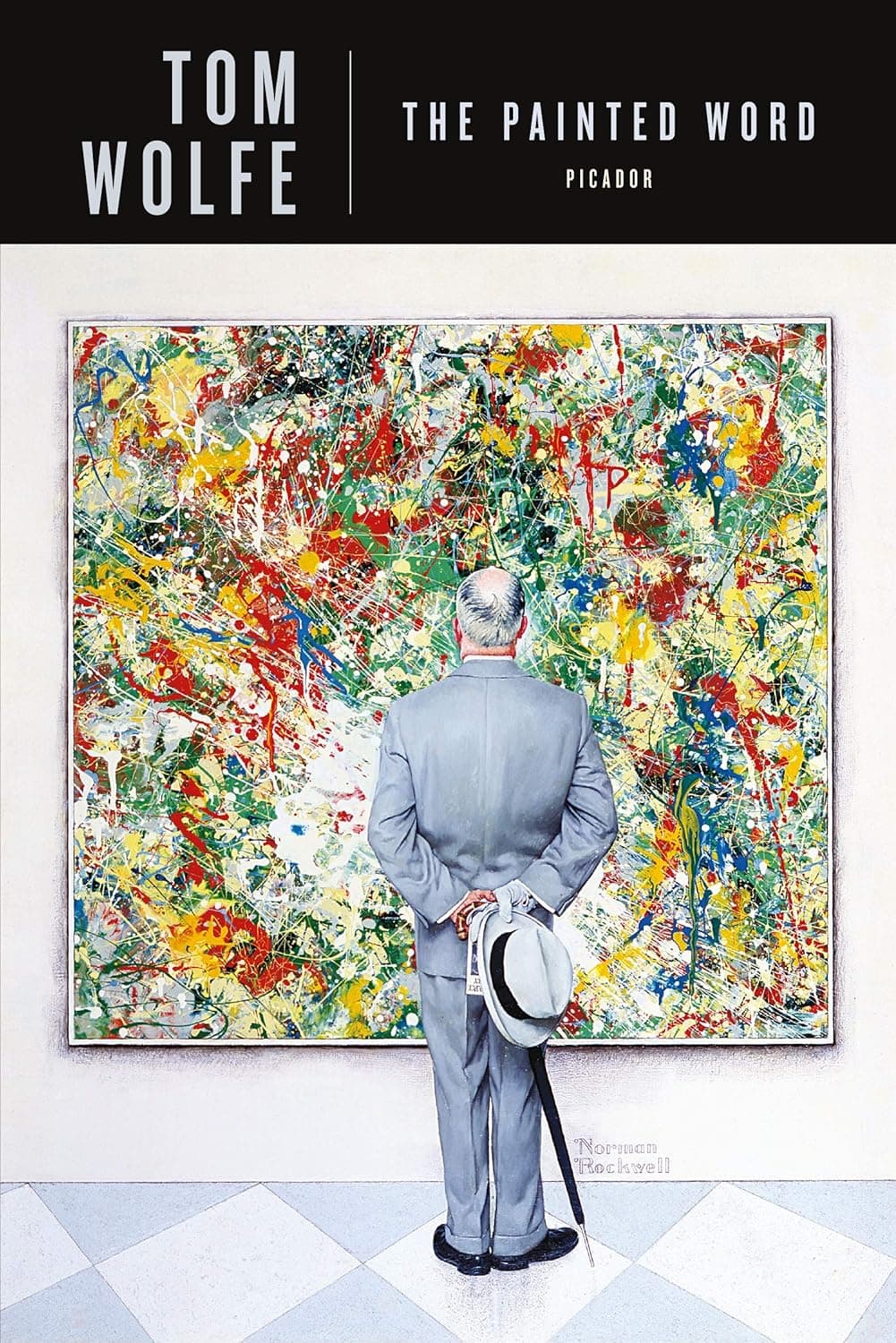
The Painted Word

1975 · 106 pages

Modern painting had become an illustration of theory, Wolfe argued, invisible without the words. He named the three critics who ruled taste in New York, and the art world came after him howling.

★ 5.1

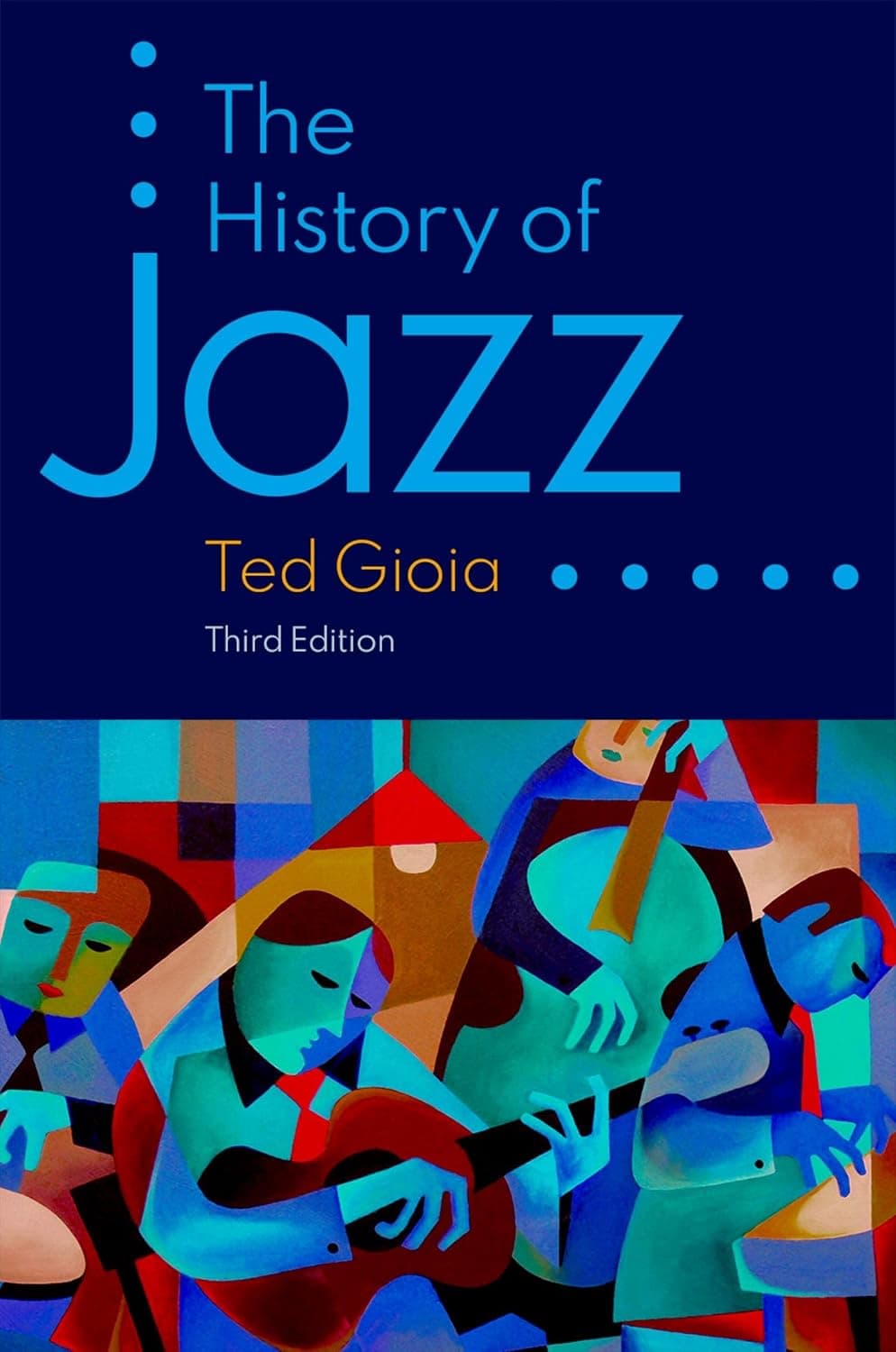
The History of Jazz

1997 · 608 pages

Gioia plays jazz piano and writes criticism, and both show in the single history worth owning, which runs from the New Orleans brass bands through bebop and Coltrane to what is played now.

★ 5.1

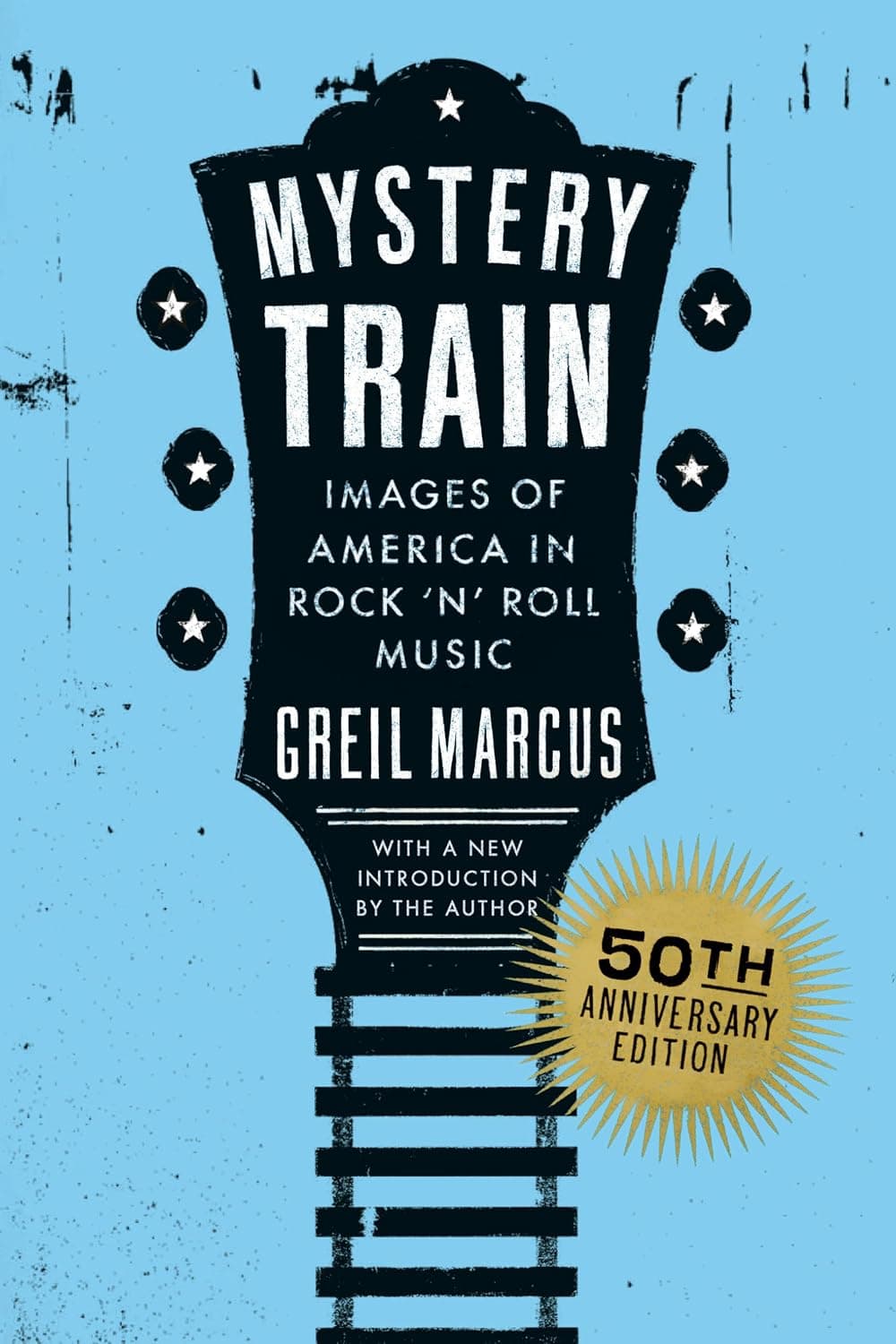
Mystery Train

1975 · 528 pages

Still the sharpest book written about rock and roll. Marcus treats Elvis, Robert Johnson, and Sly Stone as American artists on the scale of Melville, reading their records for what America is.

★ 5.1

Tally's Corner

A Study of Negro Streetcorner Men
1967 · 179 pages

Twelve months on a Washington corner with Black men without steady work. They fail as husbands and fathers, Liebow shows, not from any inherited culture but because the jobs cannot support a family.

★ 5.2

The Red Book

2009 · 582 pages

Jung induced his own visions and argued with the figures he met there, then set it down in medieval script and painted mandalas. He said everything he wrote afterward was mere elaboration.

★ 5.2
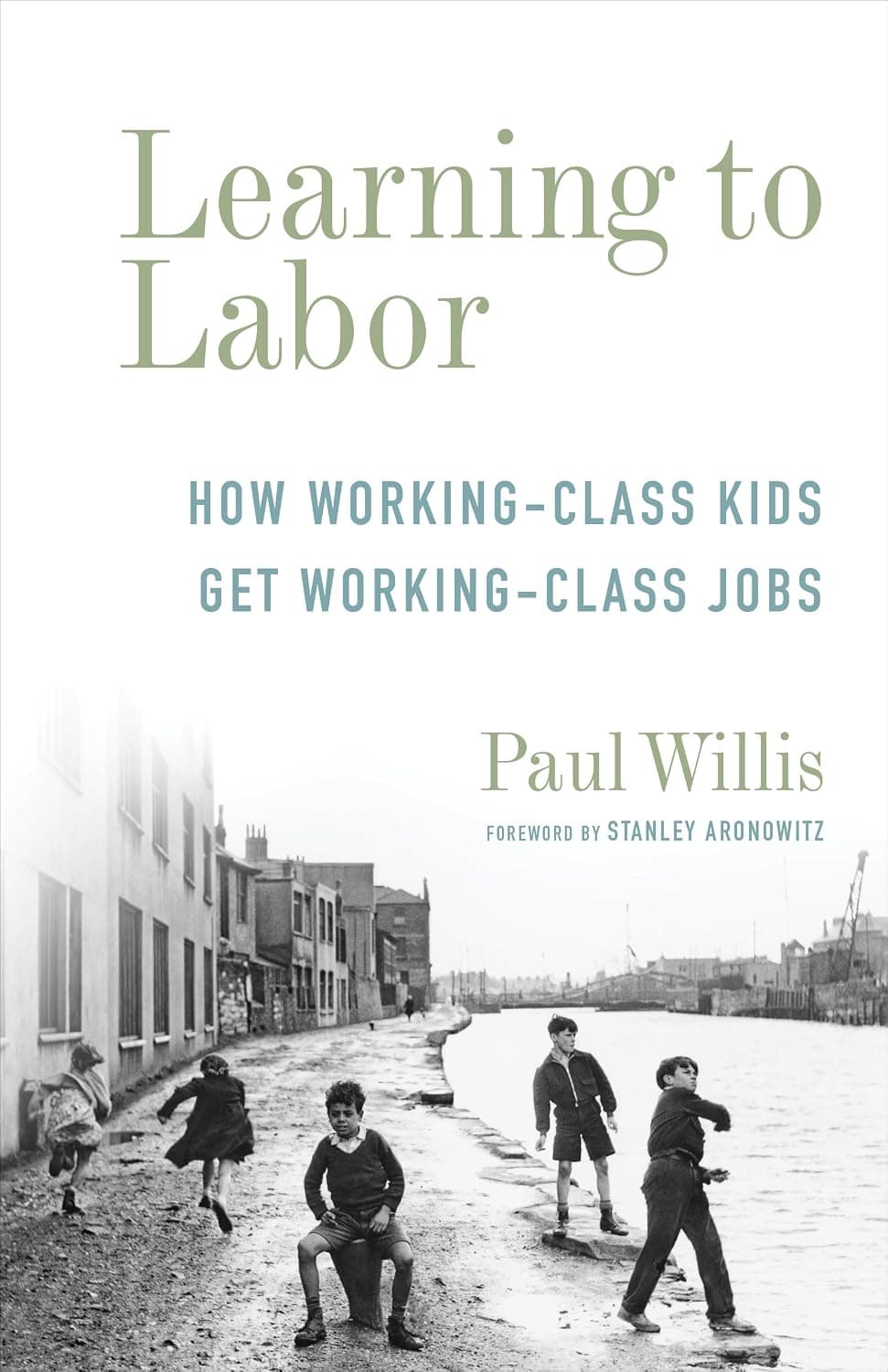
Learning to Labour

1977 · 336 pages

Working-class boys are not pushed into working-class jobs, Willis found: they choose them. Twelve lads at a Midlands comprehensive laugh their way through school and hand themselves to the factory floor.

★ 5.2
A Lover's Discourse

Fragments
1977 · 234 pages

Waiting in a café for someone who does not come, rereading a letter, saying I love you and hearing it fail: Barthes breaks obsession into figures, each spoken in the lover's voice.

★ 5.2

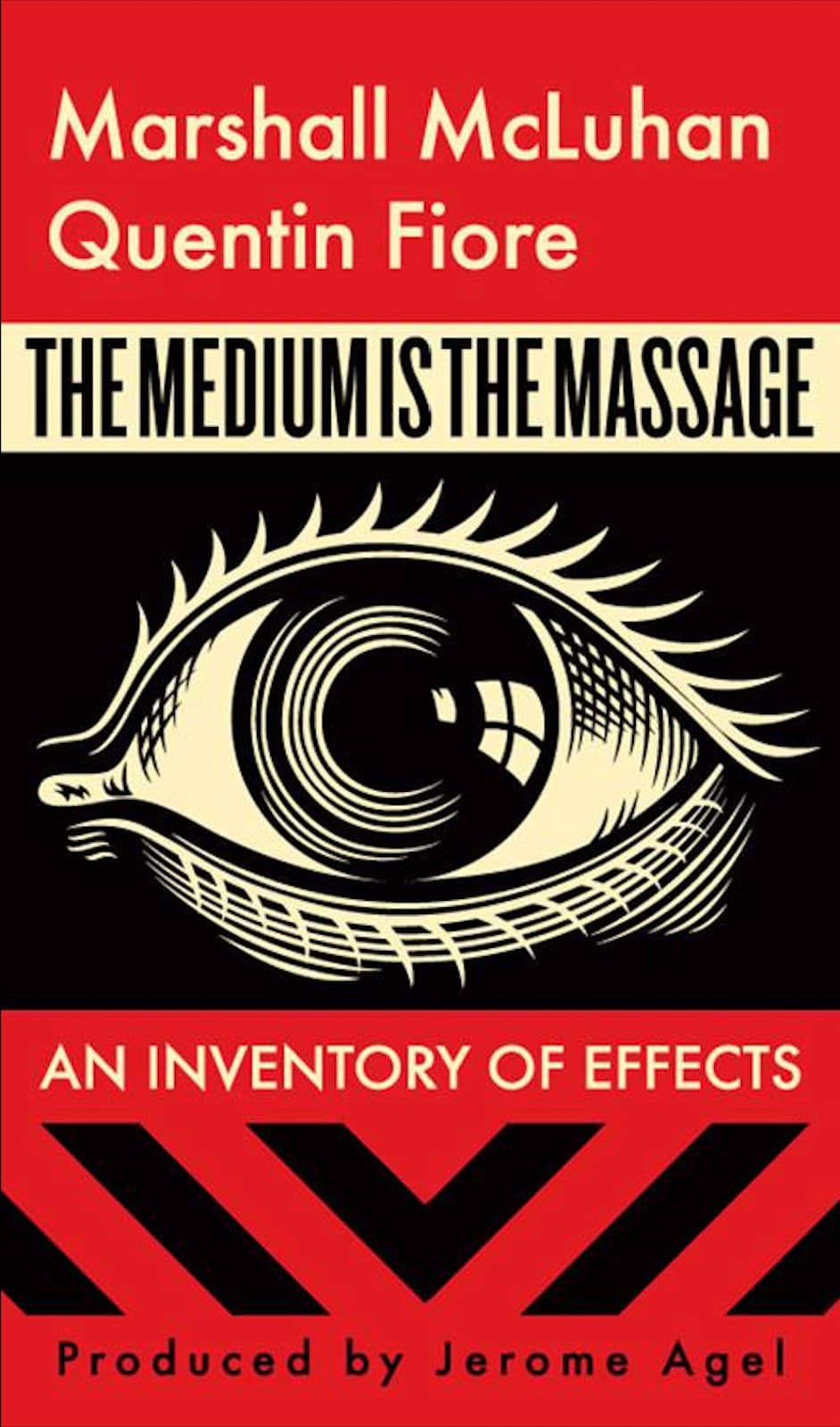
The Medium is the Massage

1967 · 159 pages

Working with the designer Quentin Fiore, McLuhan turned media theory into a paperback collage of aphorisms and pages printed backwards. Every technology remakes your senses before you notice what it carries.

★ 5.3

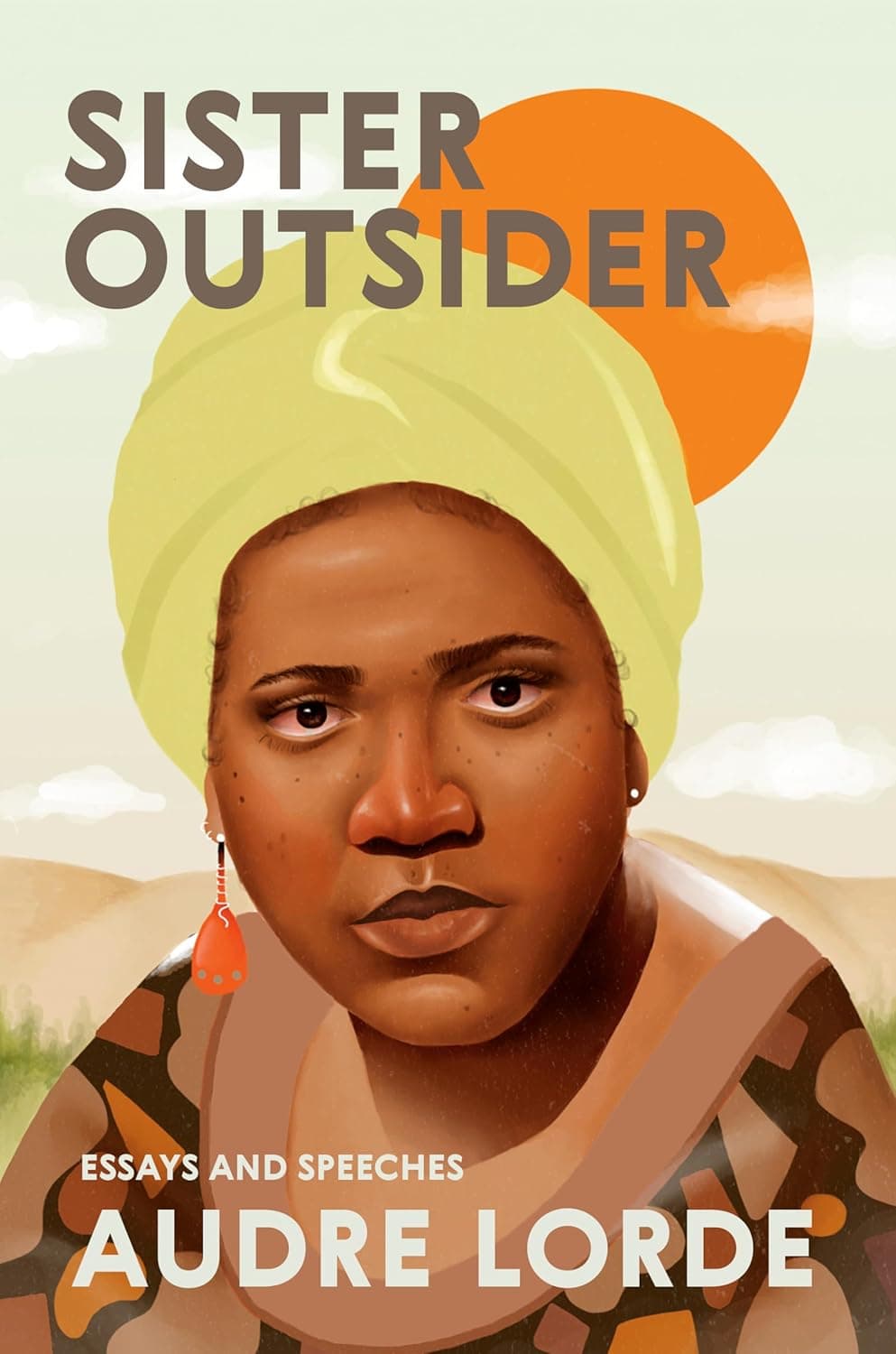
Sister Outsider

Essays and Speeches
1984 · 190 pages

At a 1979 feminist conference that had sidelined Black and lesbian women, Lorde said the master's tools will never dismantle the master's house. These essays turn anger and difference into working instruments.

★ 5.3

Honey from a Weed

1986 · 374 pages

Gray gave up an editor's job for stone quarries in Tuscany, Catalonia, Naxos, and Apulia, cooking wild greens, snails, and game over wood fires and setting down a Mediterranean already disappearing.

★ 5.3

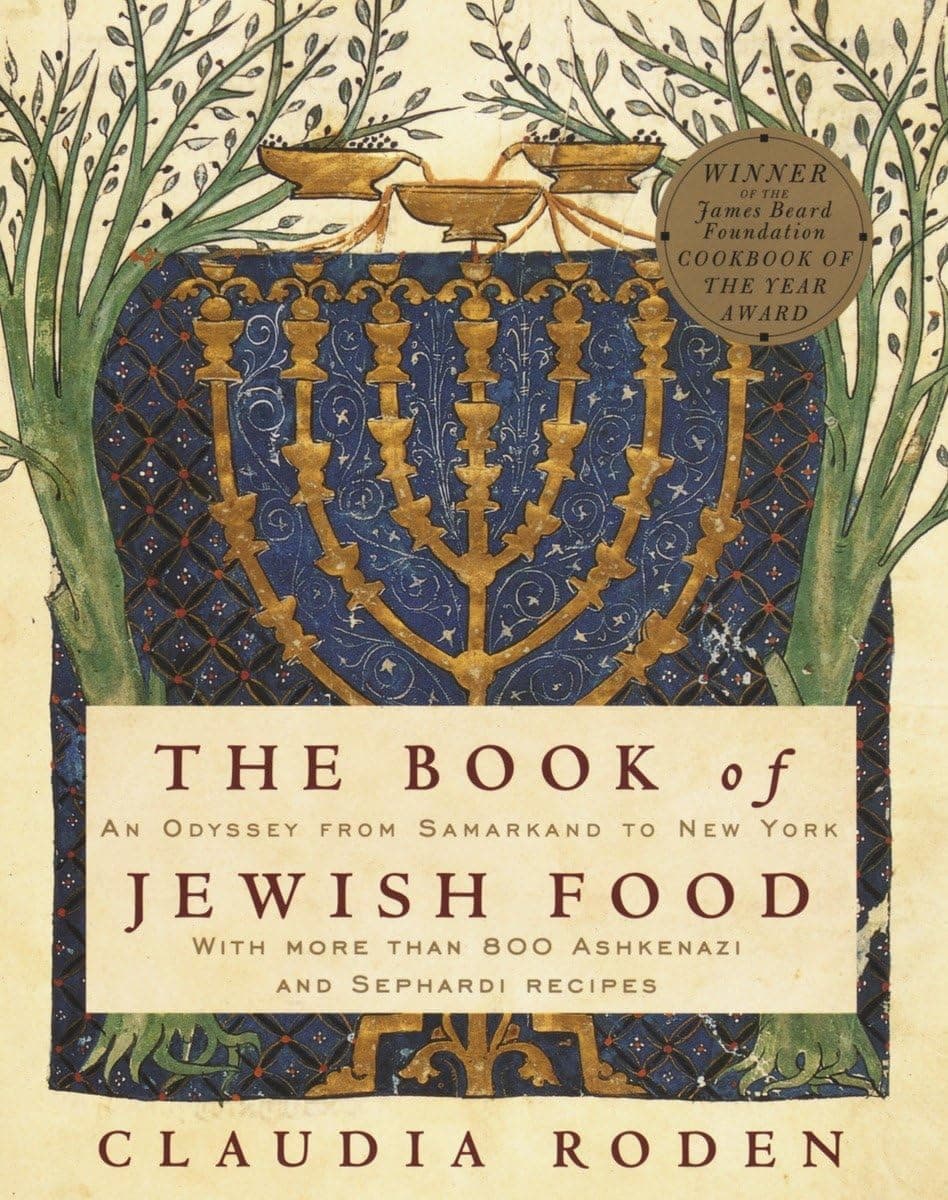
A Book of Middle Eastern Food

1968 · 513 pages

Egypt expelled its Jews after Suez, and Roden, exiled in London, collected recipes from displaced Sephardi and Arab families and the histories behind them. English-speaking kitchens learned hummus, tabbouleh, and mezze from her.

★ 5.3

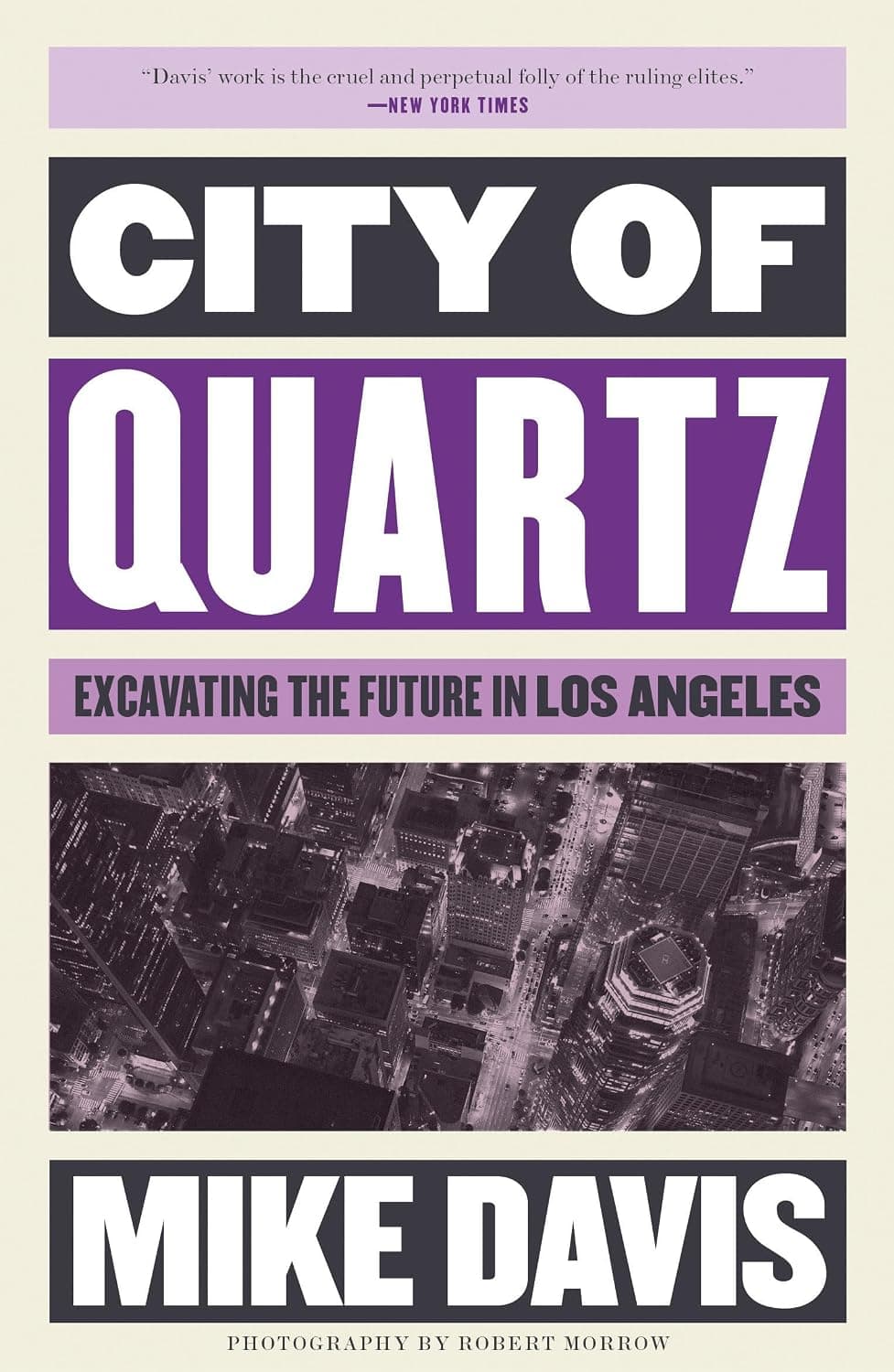
City of Quartz

Excavating the Future in Los Angeles
1990 · 512 pages

Los Angeles read as a machine for excluding people: Davis strips the sunshine myth to find speculators, bum-proof benches, and a police force patrolling from helicopters. Two years later the city burned.

★ 5.3

The House of Morgan

An American Banking Dynasty and the Rise of Modern Finance
1990 · 812 pages

Four generations of one bank, from Victorian London to the crash of 1987. Chernow's Pierpont Morgan locks New York's bankers in his library until they agree to end the Panic of 1907.

★ 5.3

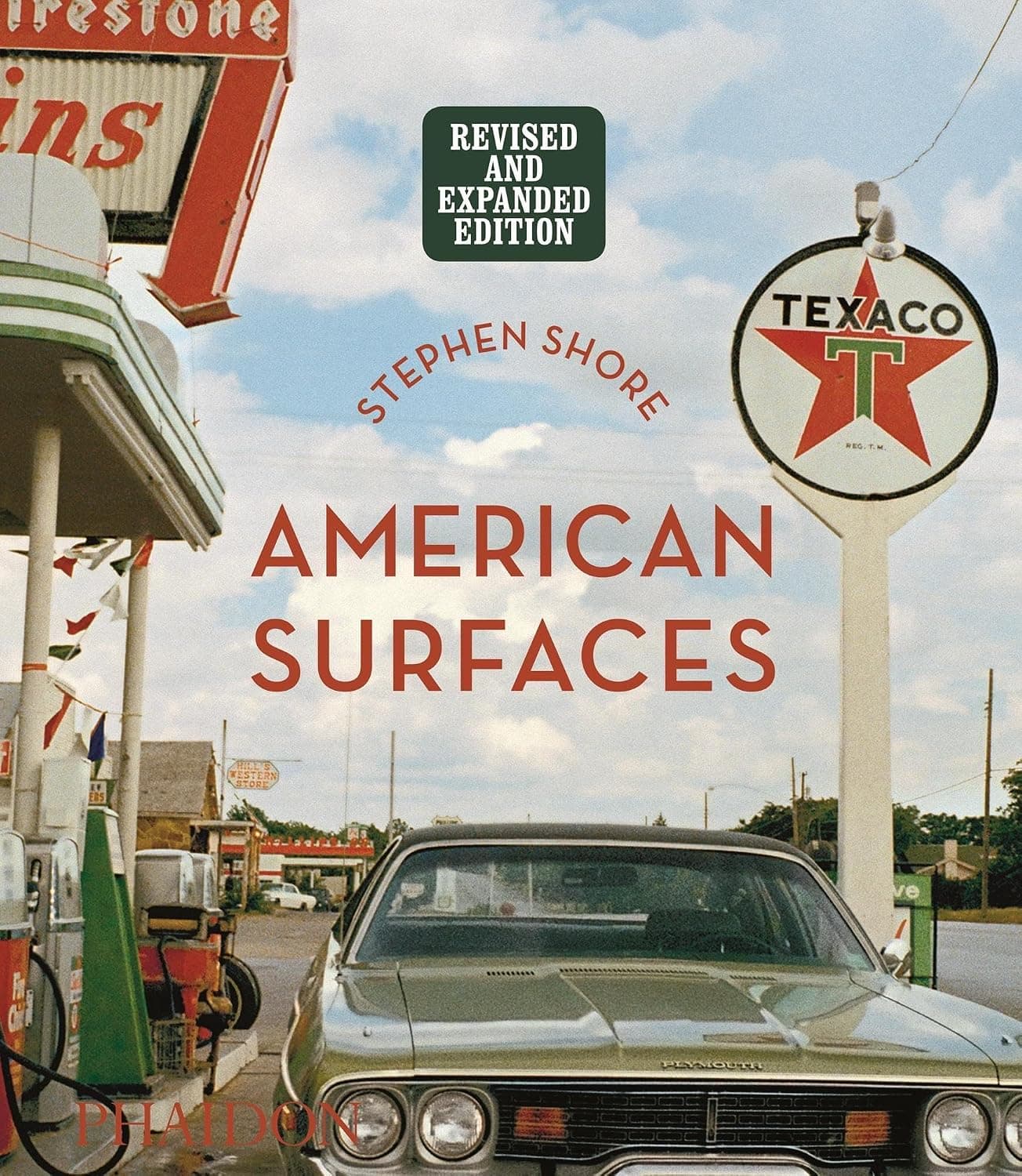
American Surfaces

1999 · 256 pages

Every meal, every motel bed, every stranger the photographer Stephen Shore met driving America in 1972, printed cheap at a drugstore. He made the throwaway snapshot into how America gets pictured.

★ 5.3

Between Meals

An Appetite for Paris
1962 · 185 pages

Sent to the Sorbonne in 1926, Liebling studied restaurants instead. Proust, he argues, simply lacked the appetite to eat properly. What follows is a young man's gluttonous education in Paris.

★ 5.3

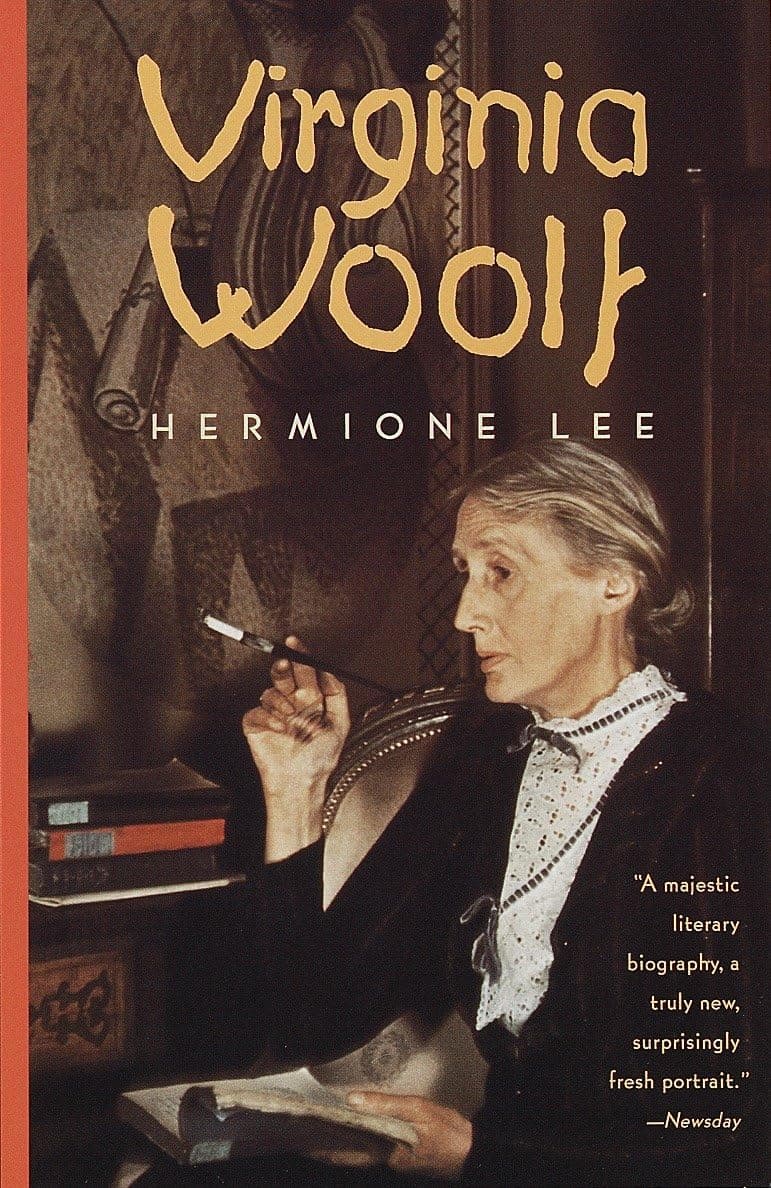
Virginia Woolf

1996 · 944 pages

Lee refuses the fragile madwoman of legend and gives back a working writer: funny, ambitious, hard on her friends. She holds the breakdowns and the novels together and lets neither explain the other.

★ 5.3

Coleridge

Early Visions
1989 · 622 pages

The finest modern life of a poet. Holmes walks Coleridge's roads and brings him back talking, from "The Ancient Mariner" and Wordsworth's company to the laudanum and the sailing for Malta.

★ 5.4

The Looming Tower

Al Qaeda and the Road to 9/11
2006 · 541 pages

The book that made 9/11 comprehensible. Wright traces al-Qaeda to an Egyptian educator radicalized in small-town Colorado, closing on the FBI's bin Laden hunter, dead in the towers he was guarding.

★ 5.4

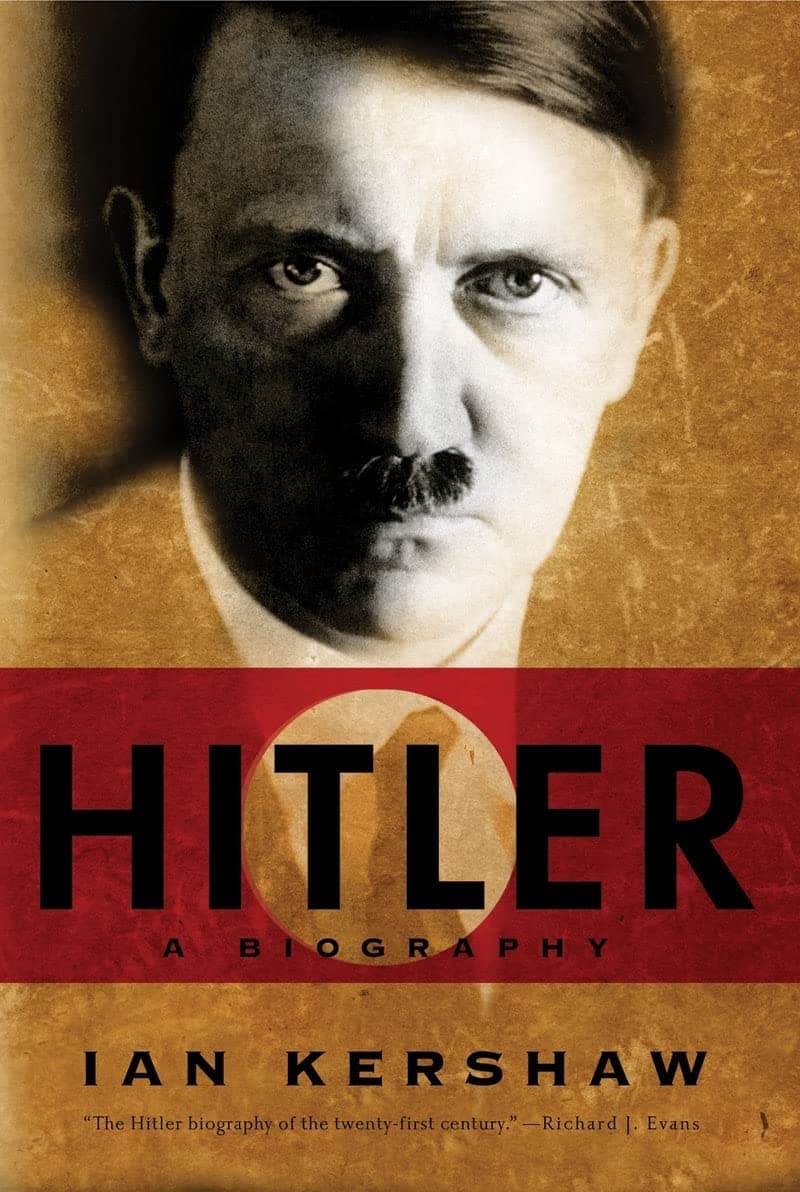
Hitler

A Biography
2008 · 1030 pages

Hitler kept lazy hours and rarely issued a written order. Kershaw explains the machine anyway: officials across Germany competing to anticipate what the Führer wanted, radicalizing policy from below into genocide.

★ 5.4

The World-Ending Fire

The Essential Wendell Berry
2017 · 368 pages

An economy that uses up land and people is not efficient but suicidal, Berry argues. He writes from a Kentucky hillside he farms with horses, and insists eating is an agricultural act.

★ 5.4

The Peace of Wild Things

2018 · 134 pages

When despair for the world wakes him at night, Berry goes down to the water where the heron feeds. Decades of farming one Kentucky hillside stand behind these poems of grief and consolation.

★ 5.4

Paul Verlaine

Selected Poems (Oxford World's Classics)
1896 · 368 pages

Music before everything else, Verlaine demanded, and wrote French verse so hushed composers could not leave it alone. Rain on the town becomes weeping in the heart, with no reason given.

★ 5.4

Ball Four

The Final Pitch
1970 · 540 pages

A knuckleballer hanging on with an expansion team, Bouton kept a diary of the 1969 season and put in the amphetamines, the womanizing, and Mantle drunk. Baseball's commissioner demanded he call it fiction.

★ 5.5

Selected Poems 1988-2013

2013 · 240 pages

Heaney's late poems turn from politics toward light and air. He writes his parents' deaths and his own stroke, and in "Postscript" an Atlantic wind off the Flaggy Shore blows the heart open.

★ 5.5

Secondhand Time

The Last of the Soviets
2013 · 496 pages

Kitchen by kitchen, Alexievich recorded Soviet citizens describing what the collapse did to them. They talk about lost savings and lost faith, and a bewildering grief for the country that jailed their parents.

★ 5.5

The Mind's Eye

1999 · 109 pages

The camera is a sketchbook, Cartier-Bresson insists, an instrument of intuition and not of art. These short essays hand you the working method that made modern photojournalism look the way it does.

★ 5.5

Being and Event

1988 · 526 pages

Set theory, Badiou insists, is the only language that can say what being is. Truth erupts as an event in politics, art, science, or love, and a subject is whoever stays faithful.

★ 5.5

A History of Christianity

The First Three Thousand Years
2009 · 1188 pages

Christianity as a three-thousand-year argument, beginning with Greece and Israel long before Christ. MacCulloch refuses to tell it as a Western story: after eight centuries, Baghdad looked a likelier capital than Rome.

★ 5.5

Against the Grain

A Deep History of the Earliest States
2017 · 336 pages

Grain built the first states, Scott argues, because it ripens on a schedule and can be counted while root crops hide underground. Early walls kept subjects in, and collapse came as relief.

★ 5.5

Arctic Dreams

1986 · 474 pages

Five years in the high Arctic, among narwhals and muskoxen and light that behaves like nothing further south. Lopez asks what Westerners have wanted from that country, and what the wanting cost.

★ 5.6

Marvelous Possessions

The Wonder of the New World
1991 · 202 pages

Wonder was never innocent, Greenblatt argues. Reading Columbus's landfall and the travel writers around him, he catches the moment when amazement at a new world hardens into a claim to own it.

★ 5.6

The Unwinding

An Inner History of the New America
2013 · 434 pages

Packer follows a Youngstown factory worker, a North Carolina biodiesel man and a Washington lobbyist from 1978 to 2012, and shows the institutions that once held Americans in place giving way to money.

★ 5.6

The Four Loves

1960 · 180 pages

To love at all is to be vulnerable, Lewis writes, then sorts the risk into affection, friendship, eros and charity. Each natural love turns demonic the moment it is made into a god.

★ 5.6

The Breaks of the Game

1981 · 400 pages

One collapsing season with the Portland Trail Blazers, three years after their title, and Halberstam turns it into an anatomy of how television money and race were remaking professional basketball from the inside.

★ 5.6

The Sweet Science

1956 · 267 pages

Liebling covered Rocky Marciano knocking out an aging Joe Louis, writing the trainers and cornermen with as much relish as the champions. He set the standard American boxing writing still works from.

★ 5.6

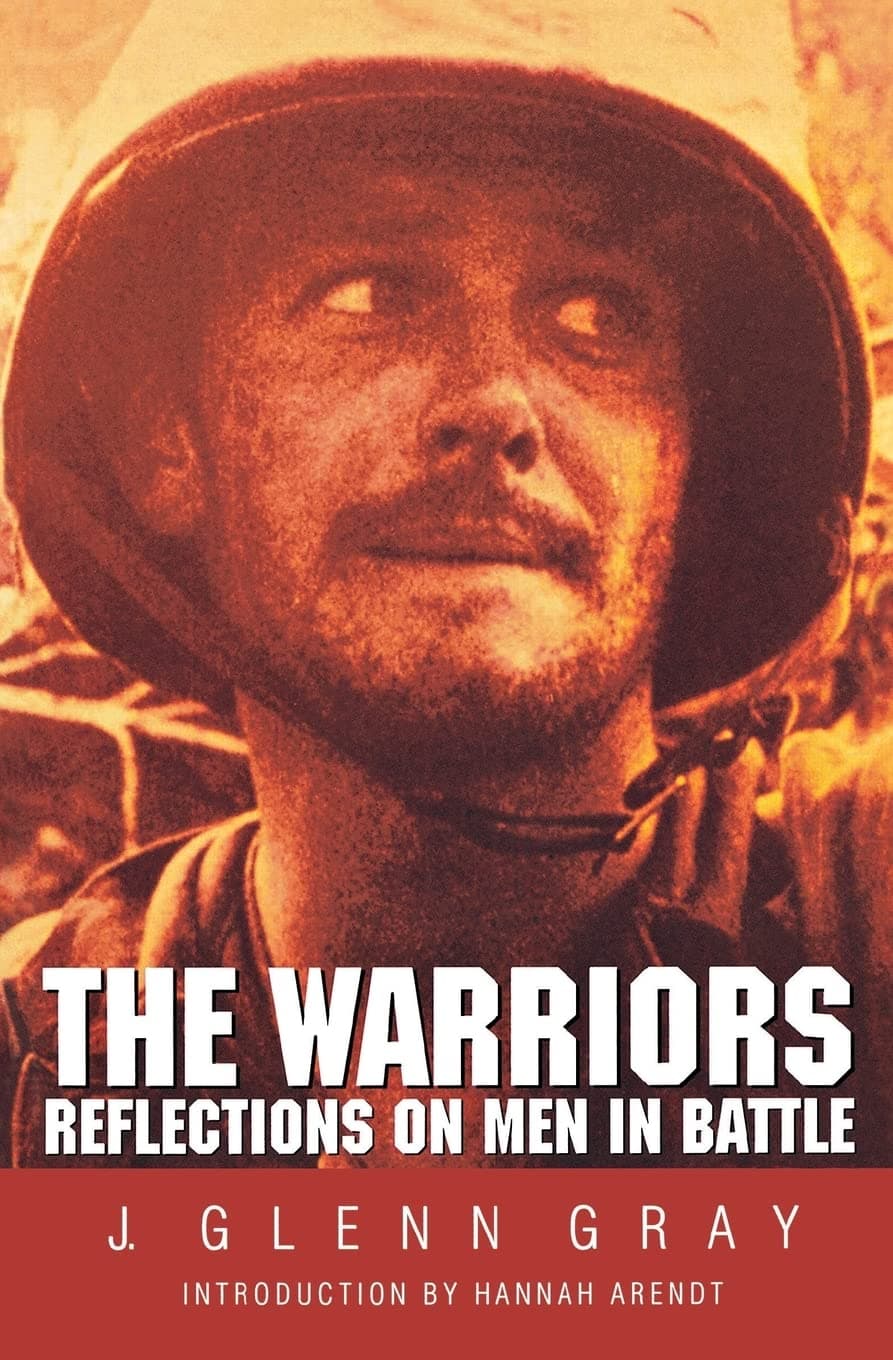
The Warriors

Reflections on Men in Battle
1959 · 242 pages

What holds men to war, Gray decided, is the spectacle, the comradeship, and a delight in destruction nobody admits to. The day his Columbia doctorate arrived, so did his draft notice.

★ 5.6

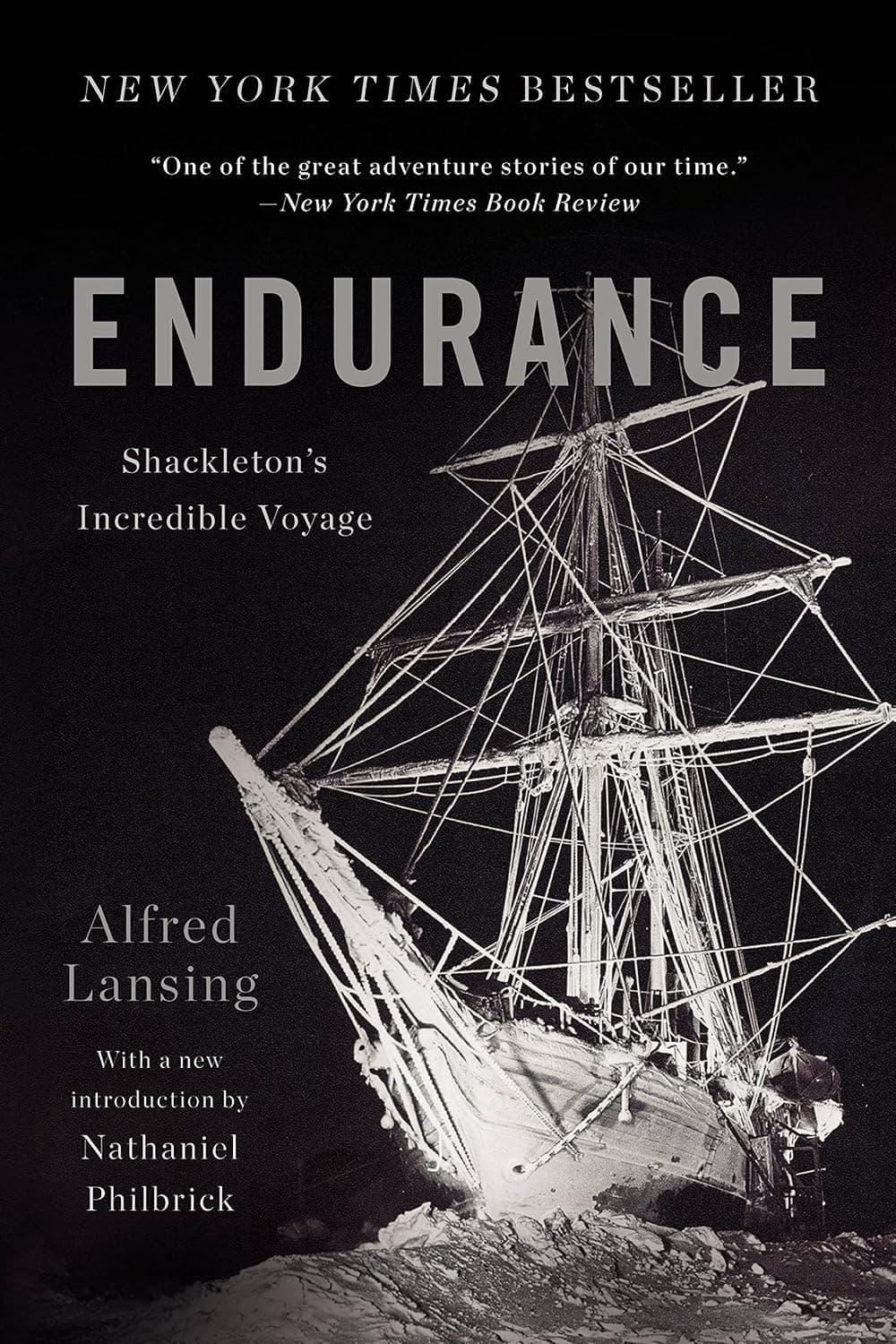
Endurance

Shackleton's Incredible Voyage
1959 · 357 pages

Antarctic pack ice crushes their ship in 1915, leaving twenty-eight men on a drifting floe. Shackleton sails an open boat eight hundred miles for help. Lansing reconstructed it all from the crew's diaries.

★ 5.6

In Patagonia

1977 · 204 pages

Chatwin traveled Patagonia chasing a scrap of giant sloth skin from his grandmother's cabinet, and collected Welsh settlers, anarchists and Butch Cassidy. He remade travel writing into something as strange as fiction.

★ 5.6

Arguably

2011 · 816 pages

No English-language essayist of his generation wrote with more range or less caution. These 107 pieces run from Orwell and Jefferson to Iraq and Afghanistan, and Hitchens had himself waterboarded before writing one.

★ 5.6

How We Die

1993 · 278 pages

There is little dignity in how we die, the surgeon Nuland writes, and he shows why: what heart failure, stroke, cancer, and Alzheimer's do to a body. Dignity belongs to the life before.

★ 5.7

On Television

1996 · 104 pages

Television censors without a censor, Bourdieu argues: the clock and the ratings guarantee that only fast thinkers trading in received ideas can speak, and journalism drags politics and scholarship down with it.

★ 5.7

Hard Times

An Oral History of the Great Depression
1970 · 462 pages

Evicted tenants, migrant pickers, stockbrokers, and a man who ran for president tell Terkel what the Depression did to them. What comes through hardest is how many took the collapse as personal failure.

★ 5.7

The Silk Roads

A New History of the World
2015 · 672 pages

Europe was a latecomer and a backwater, Frankopan argues: across two millennia wealth, faith and plague traveled the roads between Persia and China, and he sees the world's center moving back.

★ 5.7

Selected Poems

1918 · 320 pages

Under the Mirabeau Bridge the Seine runs on and the love does not. Apollinaire brought the machine age and the trenches into French verse, and coined the word that named surrealism.

★ 5.7

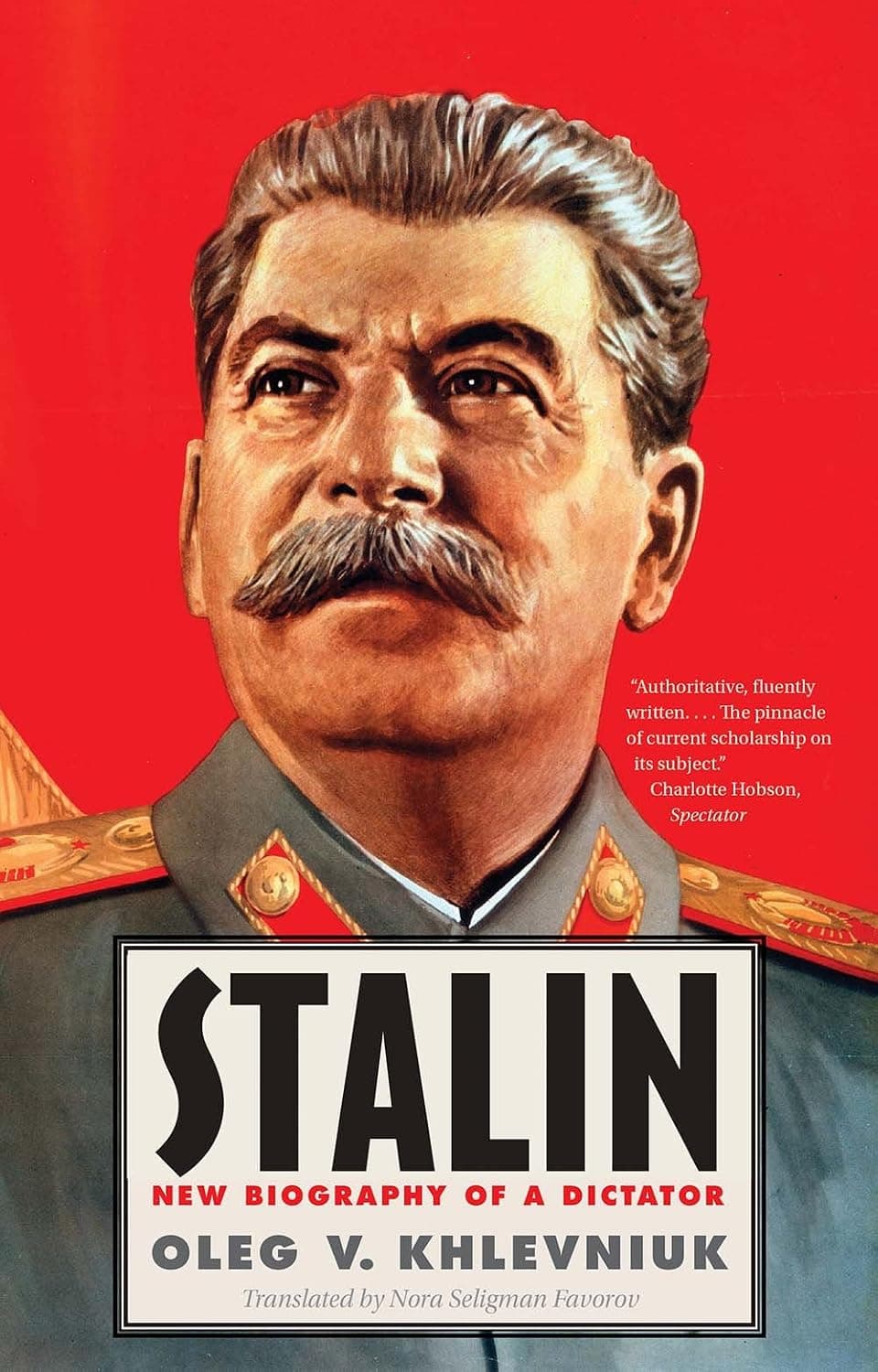
Stalin

New Biography of a Dictator
2015 · 424 pages

Each chapter opens with Stalin on his dacha floor in 1953, unattended for hours. From the archives Khlevniuk builds the rest: a micromanager who read everything and signed the death lists himself.

★ 5.7

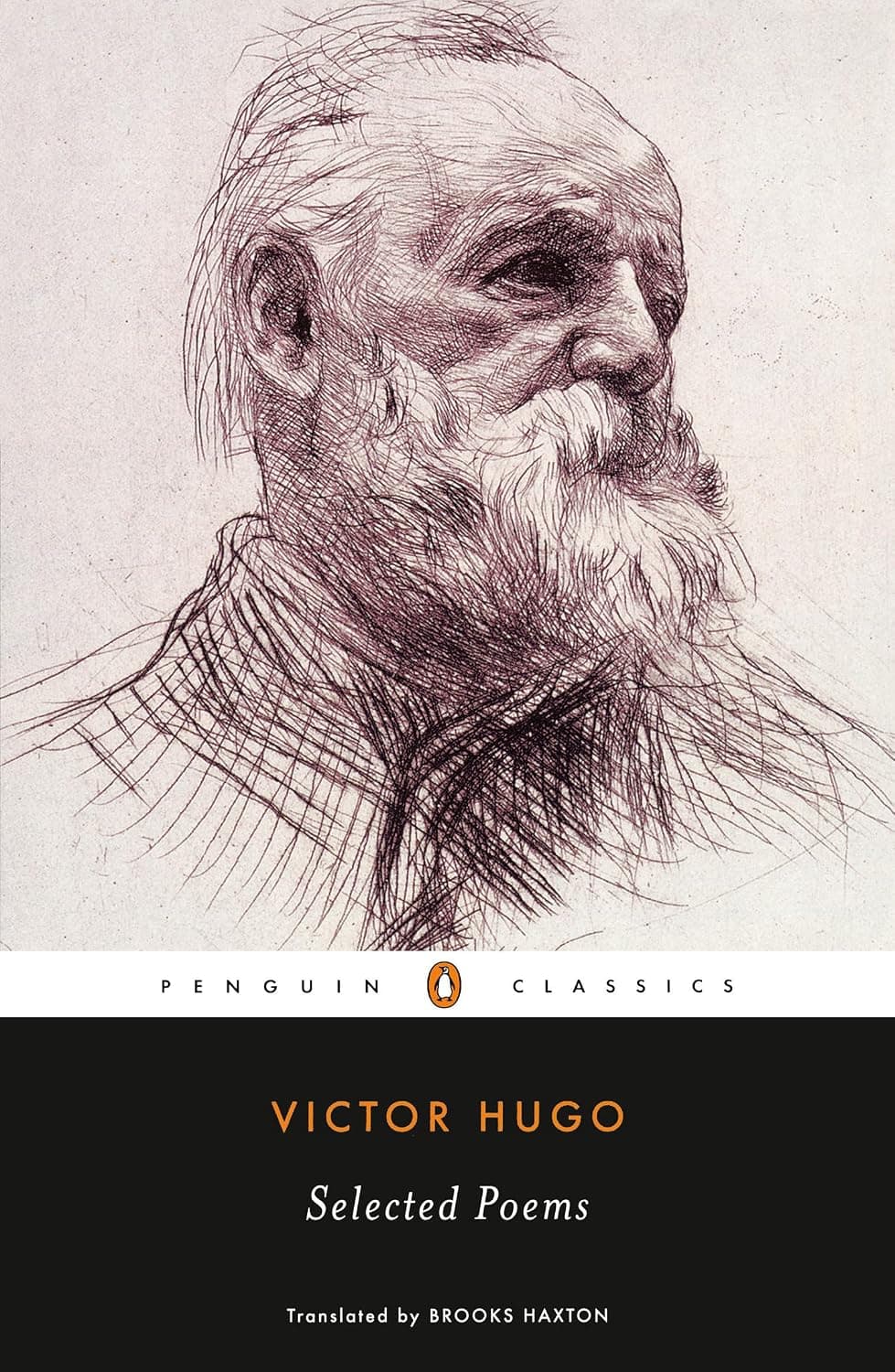
Selected Poems of Victor Hugo

1885 · 664 pages

Hugo was the largest voice in French poetry, and the range astonishes: political fury from exile against Napoleon III, and “Demain, dès l'aube,” a walk that ends at his drowned daughter's grave.

★ 5.8

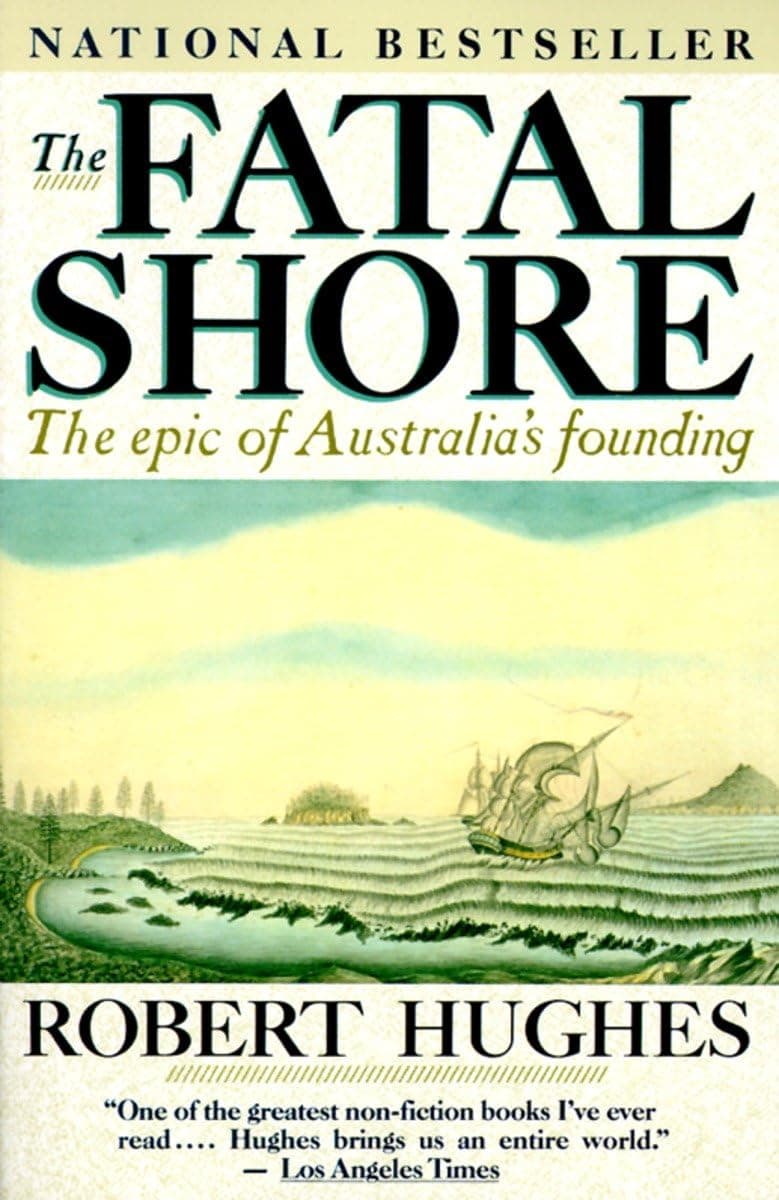
The Fatal Shore

1986 · 628 pages

Britain shipped 160,000 convicts to Australia between 1787 and 1868. Hughes takes you down into the floggings and the Norfolk Island cells, and out again into the nation they made there.

★ 5.8

Africa

A Biography of the Continent
1997 · 816 pages

Reader runs from the first hominids to apartheid, showing how Africa's exhausted soils and its diseases kept a vast continent thinly peopled, then how the slave trade turned people into its chief export.

★ 5.8

The Cold War

A New History
2005 · 333 pages

Gaddis lays the war's origins at Stalin's door, shows how nuclear terror kept the peace it threatened, and treats the outcome as a moral verdict. Forty-five years of standoff in one commanding volume.

★ 5.8

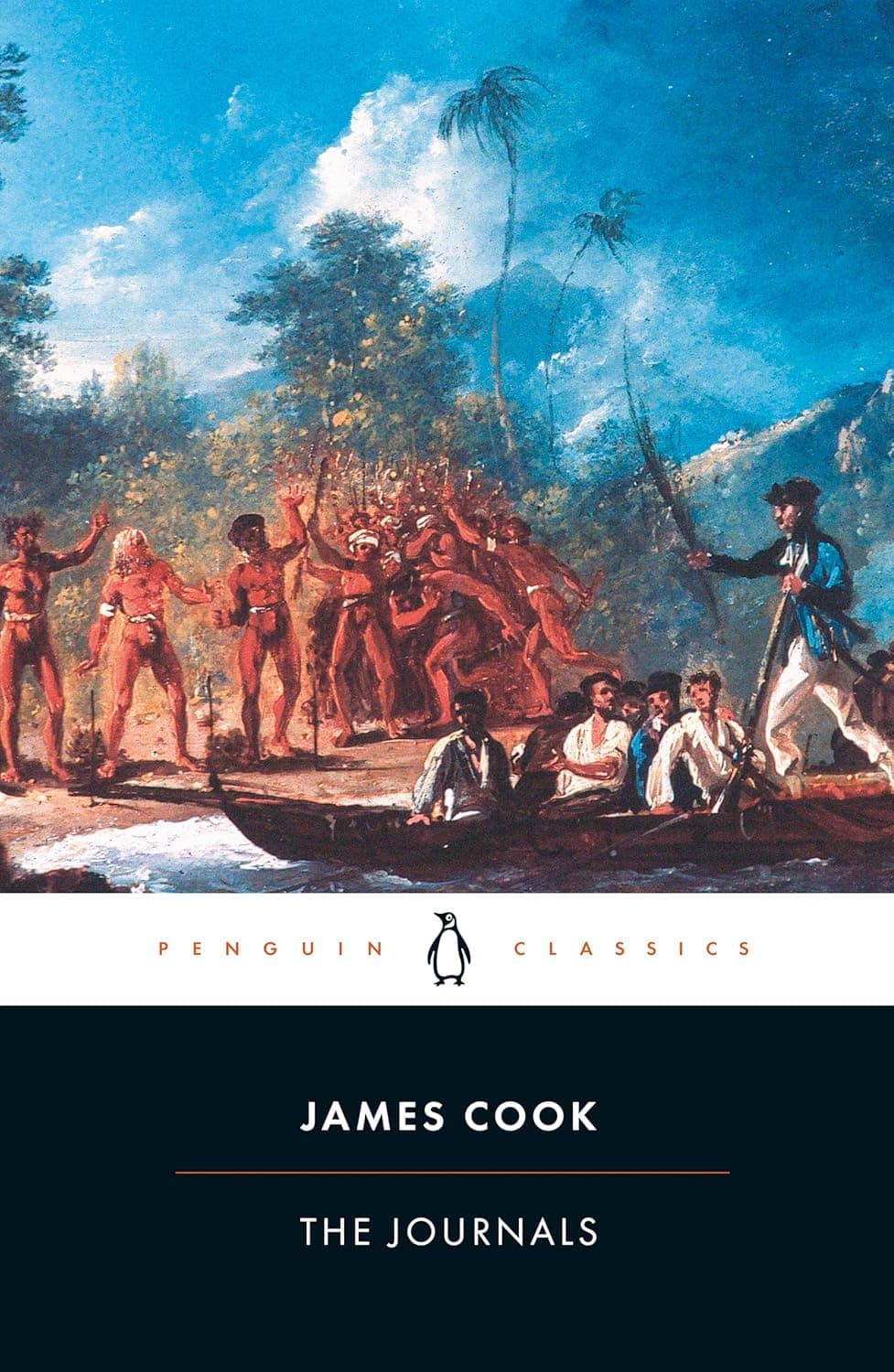
The Journals

1768 · 646 pages

Cook charts New Zealand and eastern Australia in his own hand, and sails until no southern continent is left to find. The log calls the Aborigines happier than Europeans, then claims their coast.

★ 5.8

The Organization Man

1956 · 429 pages

Whyte went into corporations and the new suburb of Park Forest and found Americans trading the old ethic of individual striving for belonging. The organization wanted the whole man, and got him.

★ 5.8

King Leopold's Ghost

A Story of Greed, Terror, and Heroism in Colonial Africa
1998 · 416 pages

A Liverpool shipping clerk noticed ships leaving the Congo loaded with rubber and arriving with only guns and chains. Hochschild pulls that thread into Leopold's private slave state and its millions of dead.

★ 5.8

1493

Uncovering the New World Columbus Created
2011 · 690 pages

Columbus rejoined two halves of a planet that had evolved apart. Mann shows Andean silver destabilizing Ming China and malaria deciding who could be worked to death in Virginia's tobacco fields.

★ 5.8

Of Plymouth Plantation

1651 · 256 pages

Plymouth's governor kept the record of his colony year by year, calling the coast a hideous and desolate wilderness. The early chapters carry the founding myth, the closing ones turn to lament.

★ 5.8

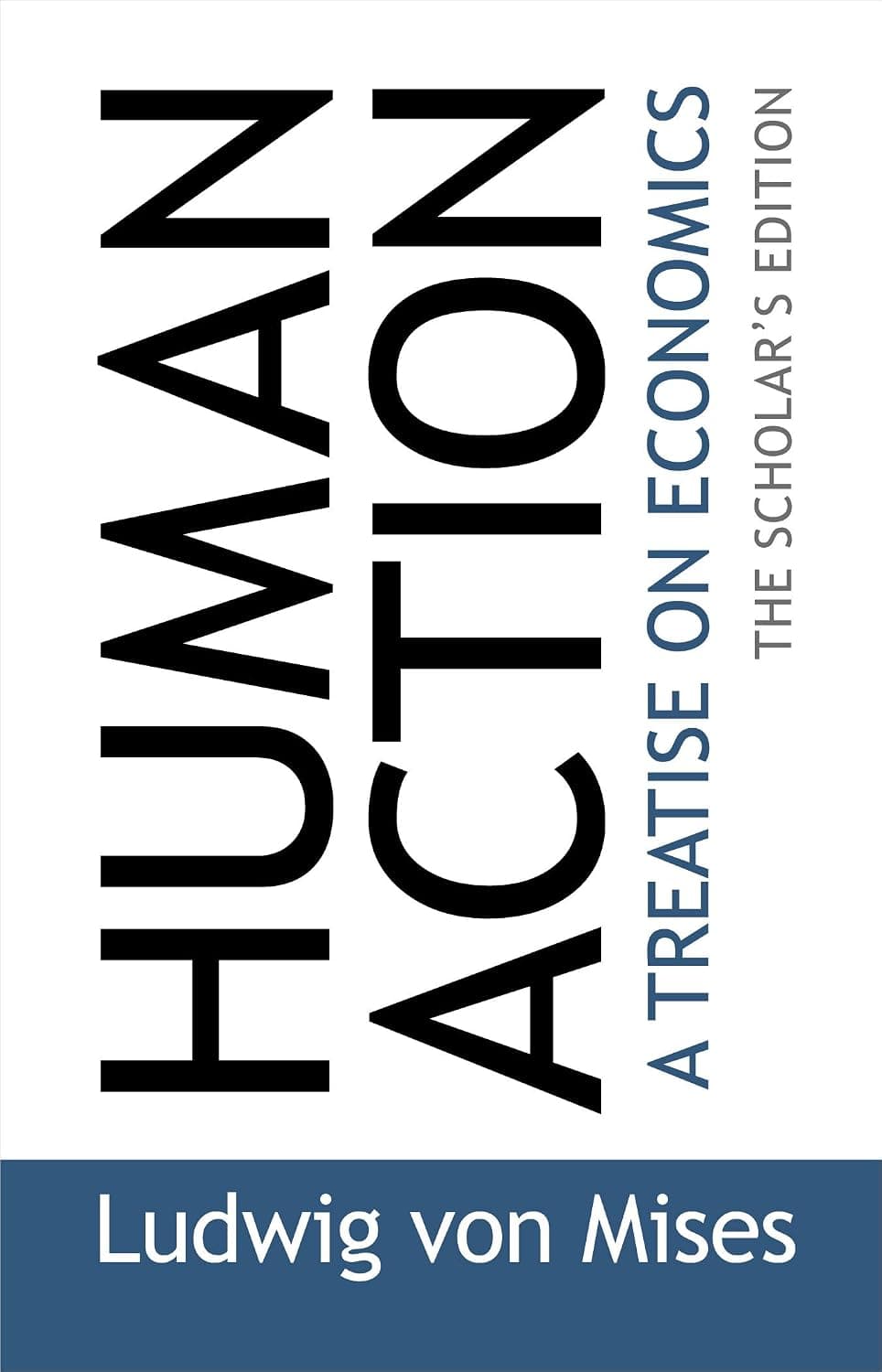
Human Action

1949 · 912 pages

Every economic law follows from one fact, Mises argues: people act to relieve uneasiness. Planners without market prices are blind, and three generations of the libertarian right have drawn their economics from him.

★ 5.8

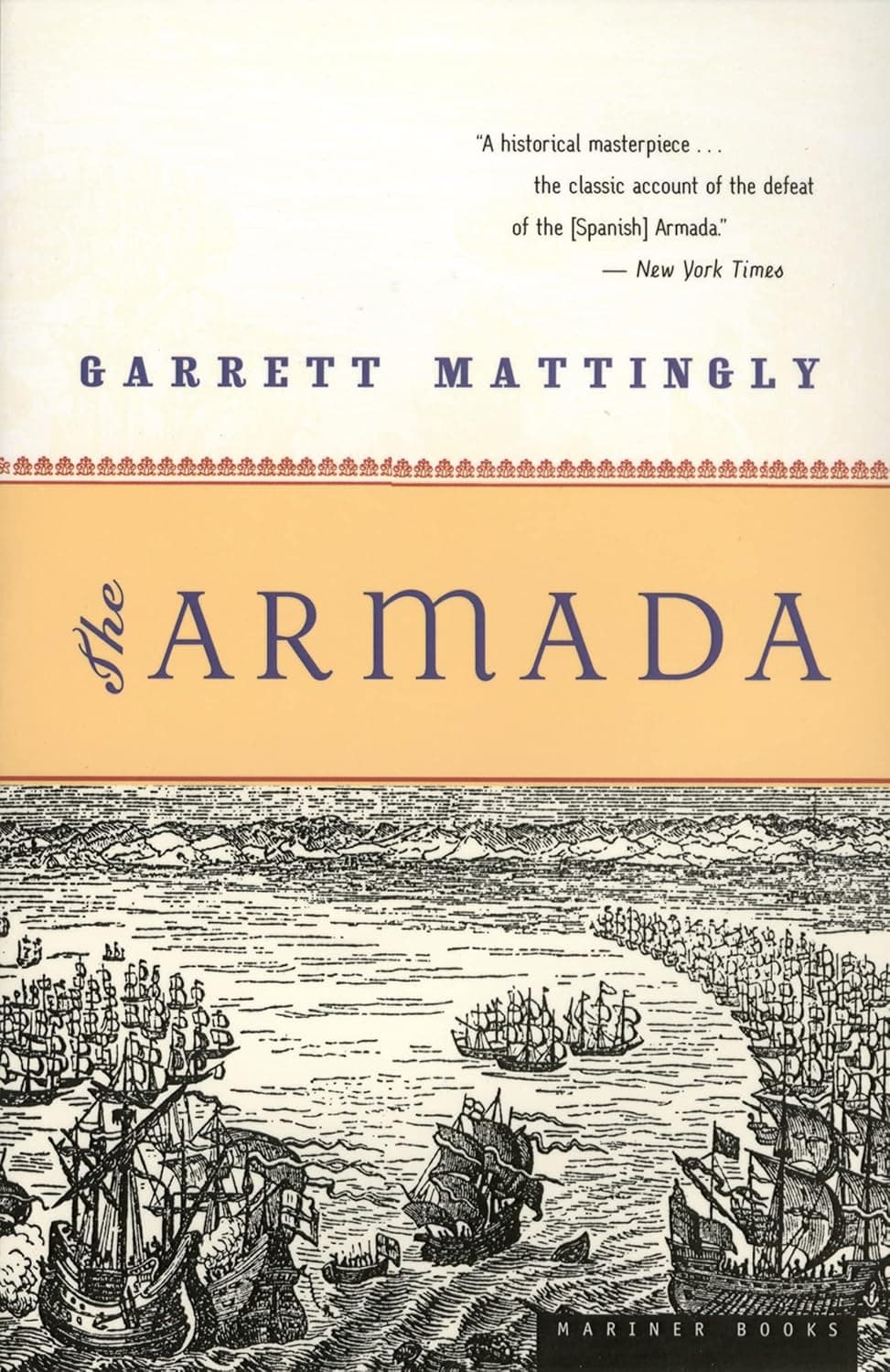
The Armada

1959 · 443 pages

Philip II handed his invasion fleet to a duke who pleaded seasickness. Mattingly tells 1588 as a European crisis, not an English one, and the defeat he reconstructs stops the Counter-Reformation's advance.

★ 5.8

The Empire of the Steppes

A History of Central Asia
1939 · 687 pages

Wave after wave of horsemen out of the grasslands, breaking settled empires from China to Hungary. Grousset made Attila, Genghis Khan, and Tamerlane one continuous history running from the Scythians to 1757.

★ 5.9

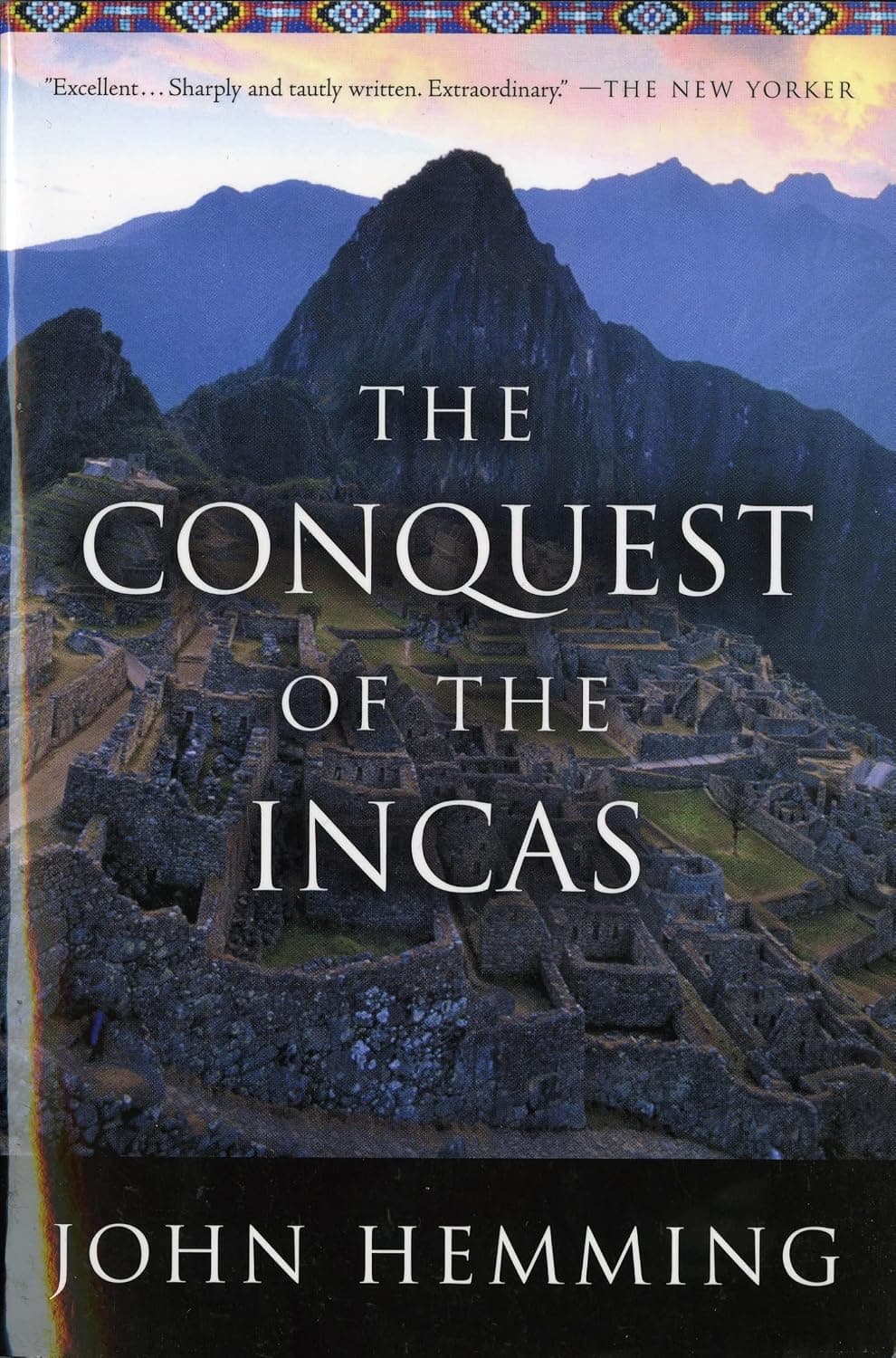
The Conquest of the Incas

1970 · 672 pages

Fewer than two hundred Spaniards seized the Inca emperor at Cajamarca in 1532, and Hemming traces the forty years of rebellion and reprisal that followed, giving Andean witnesses equal weight with Spanish ones.

★ 5.9

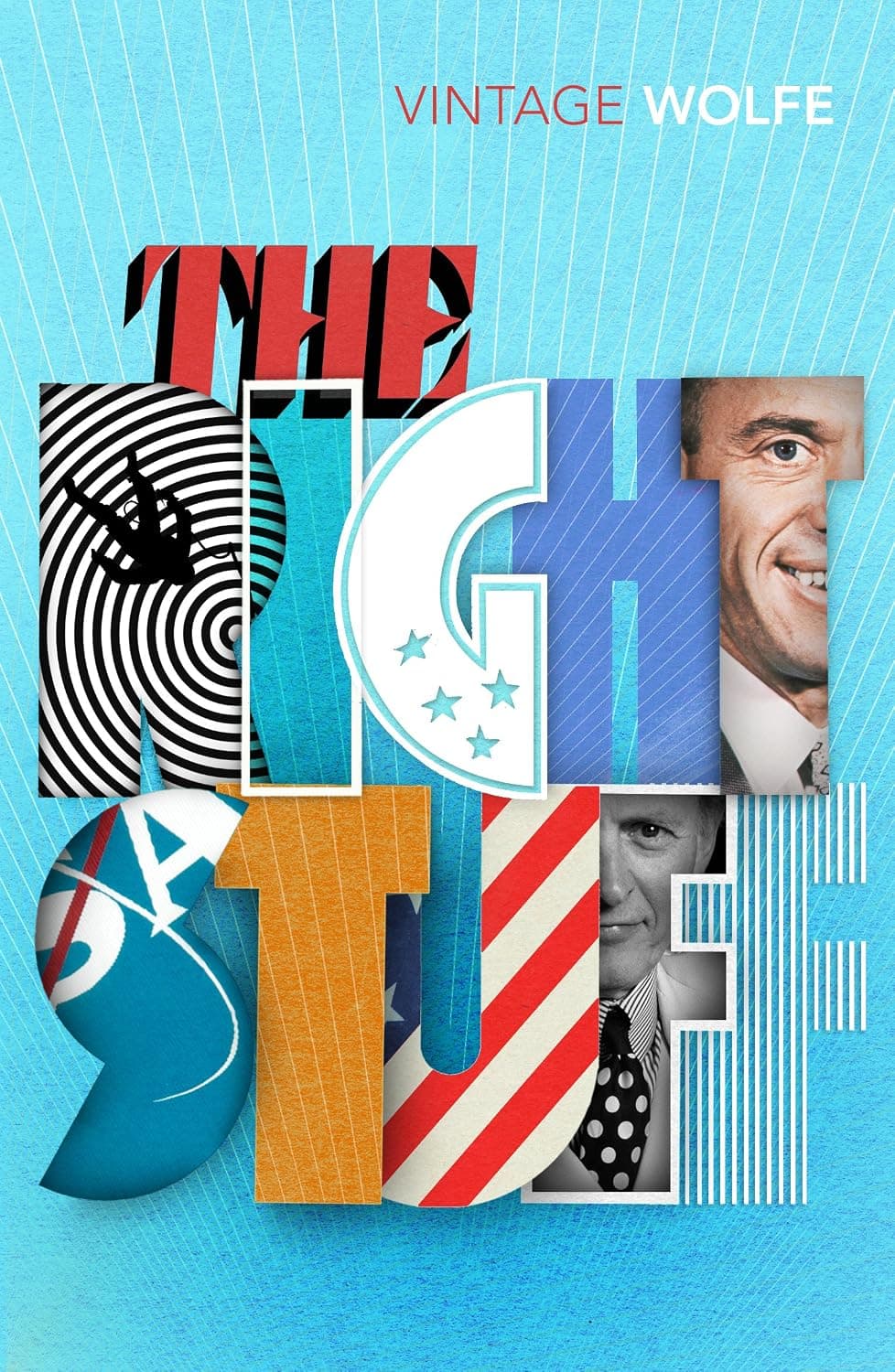
The Right Stuff

1979 · 448 pages

Chuck Yeager broke the sound barrier with two cracked ribs hidden from the flight surgeon. Wolfe named the code such men flew by, and America still tells the space race in his words.

★ 5.9

The Peculiar Institution

Slavery in the Ante-Bellum South
1956 · 435 pages

Stampp argued in 1956 that Southern slavery was a profitable labor system sustained by violence, not the benign paternalism white historians taught. The plantation legend never recovered its standing in American history departments.

★ 5.9

Fire in the Lake

1972 · 500 pages

Americans in Vietnam were fighting a country they never tried to understand, FitzGerald argues, explaining Confucian village order and the mandate of heaven to readers whose sons were still being sent there.

★ 5.9

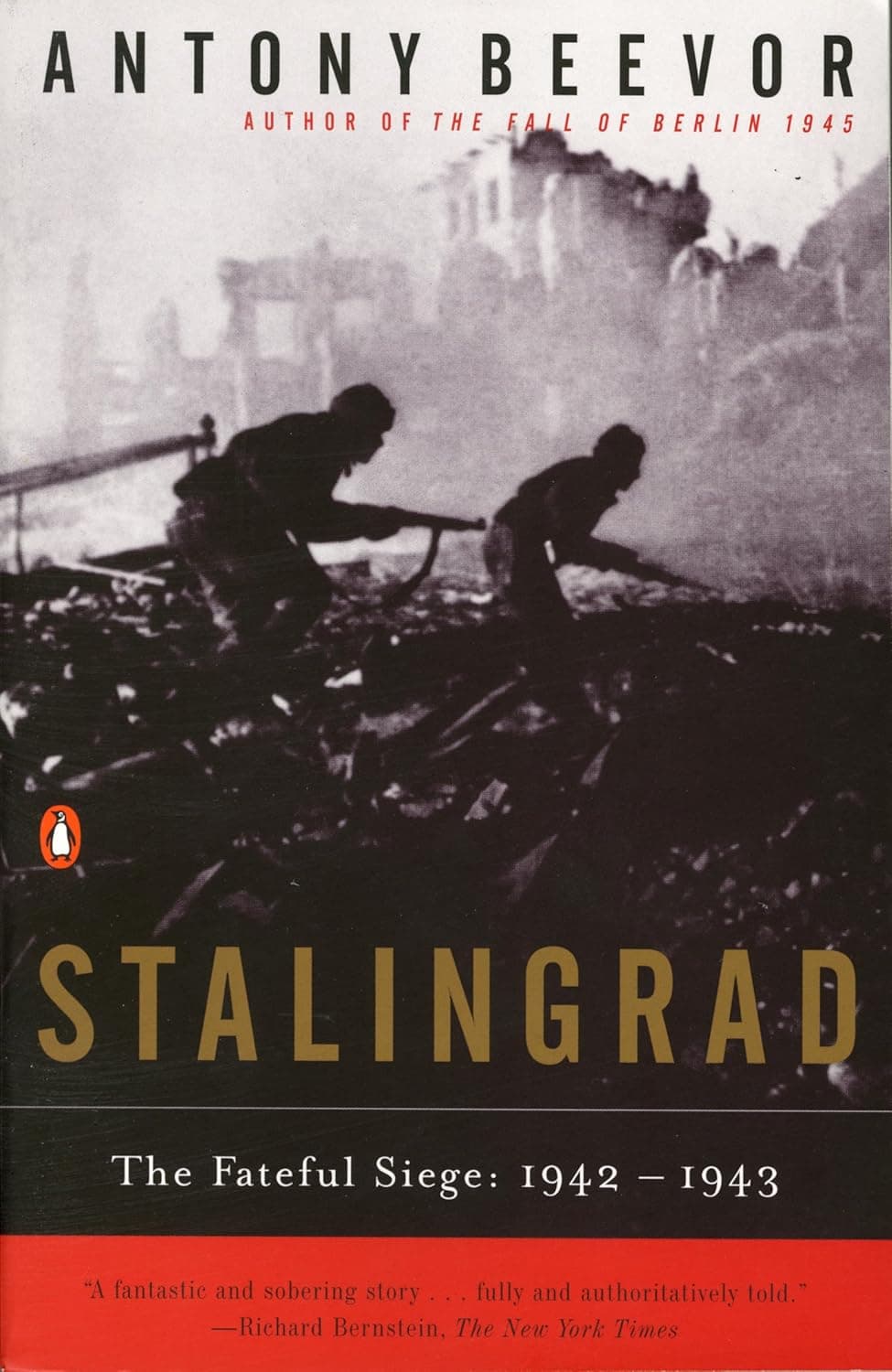
Stalingrad

1998 · 493 pages

Beevor follows the German Sixth Army from conquest through encirclement to starvation and surrender in a city ground to rubble, the Soviet defenders alongside. He made military history a bestselling genre.

★ 5.9

The Shock of the New

The Hundred-Year History of Modern Art--Its Rise, Its Dazzling Achievement, Its Fall
1980 · 444 pages

Modern art's century, from the Eiffel Tower to the moment modernism became the official culture it once attacked. Hughes explains what Picasso and Pollock were after in plain, unhurried English.

★ 5.9

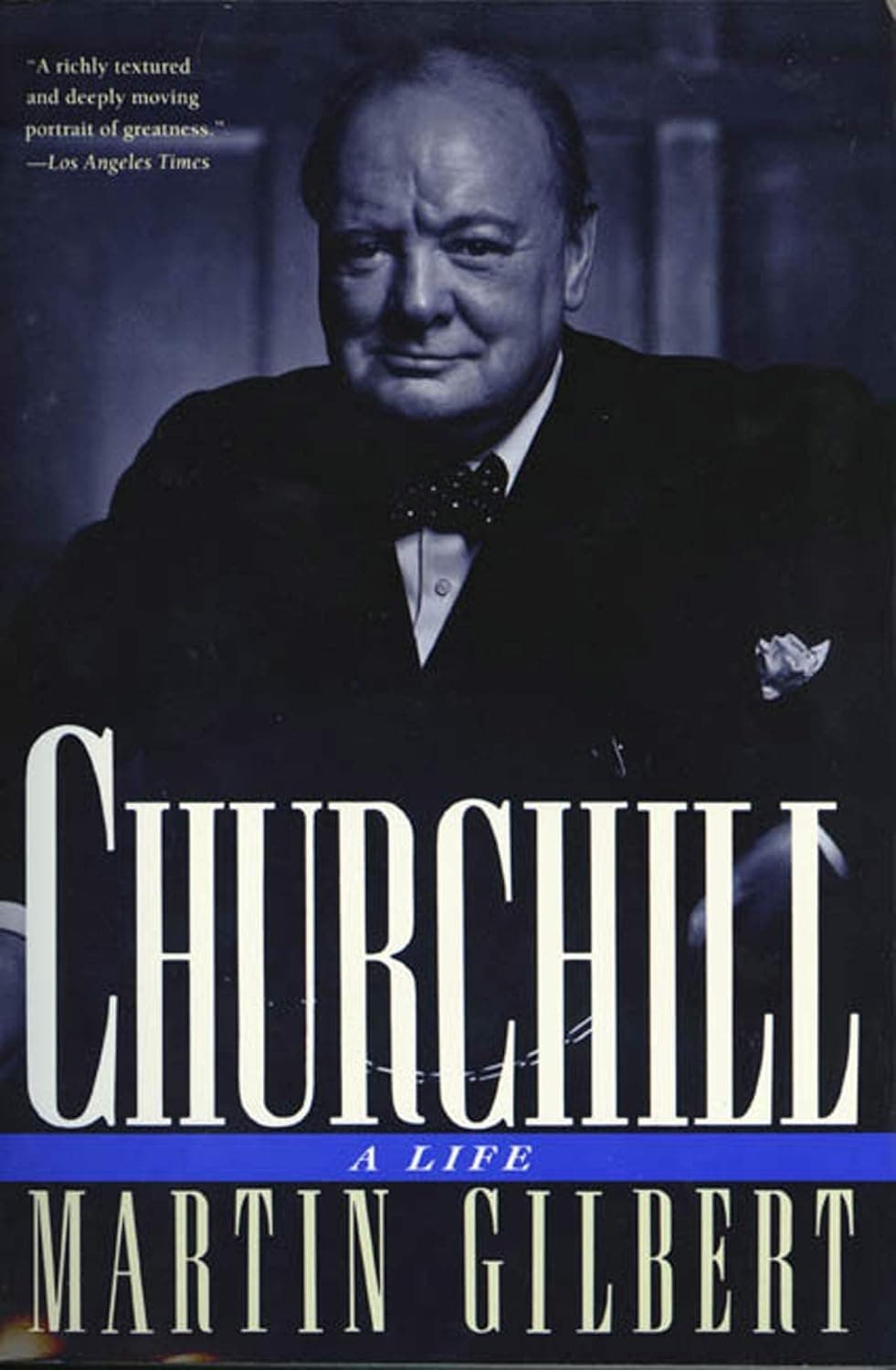
Churchill

A Life
1991 · 1088 pages

Having written six volumes of Churchill's official biography, Gilbert put the whole life into one book, from the cavalry charge at Omdurman to 1965, drawing on twenty years inside the papers.

★ 5.9

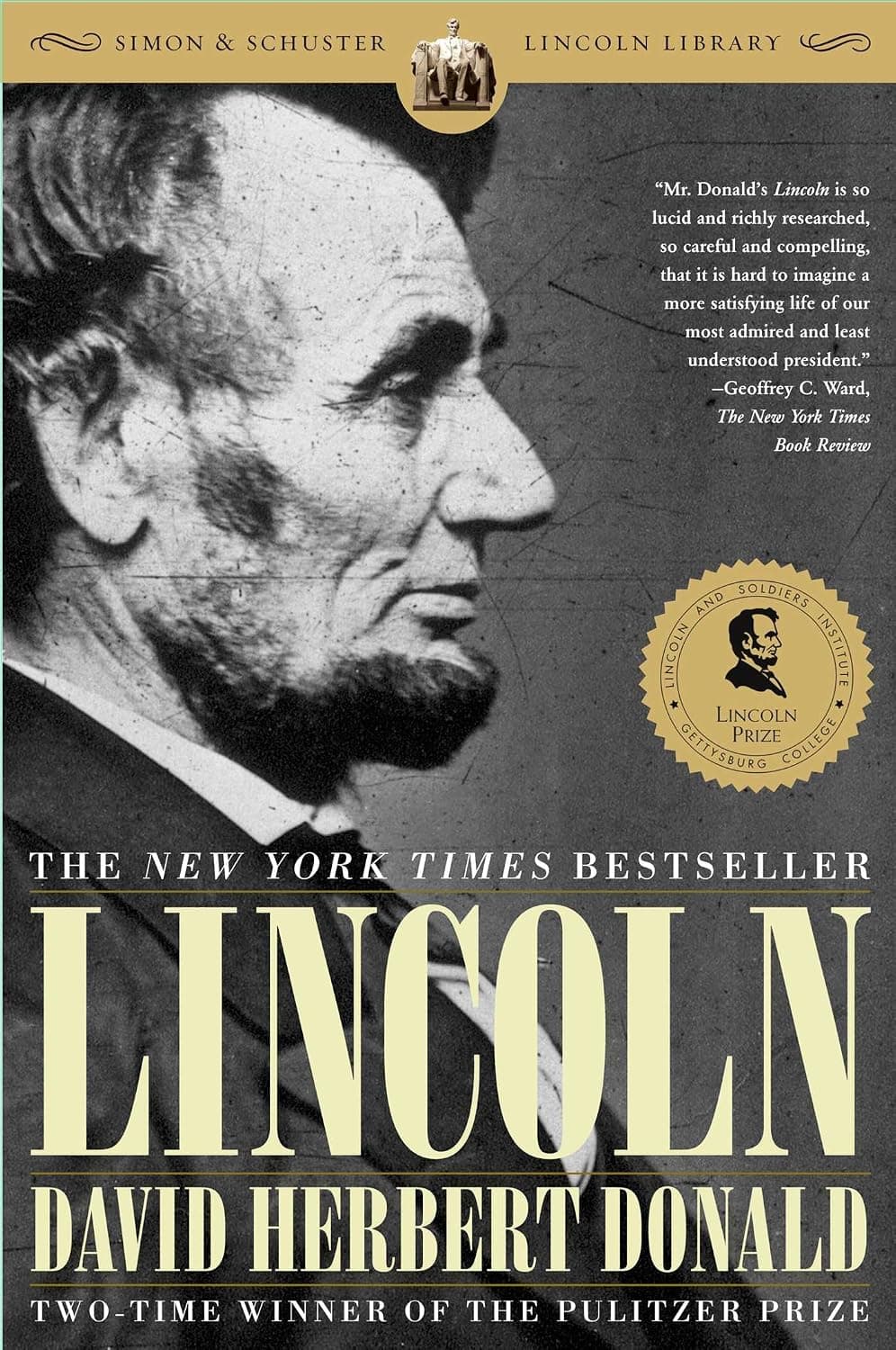
Lincoln

1995 · 714 pages

The standard one-volume Lincoln, and the method is severe: Donald allows him only the information he actually had when he acted. Out of it comes colossal ambition joined to a fatalist's passivity.

★ 5.9

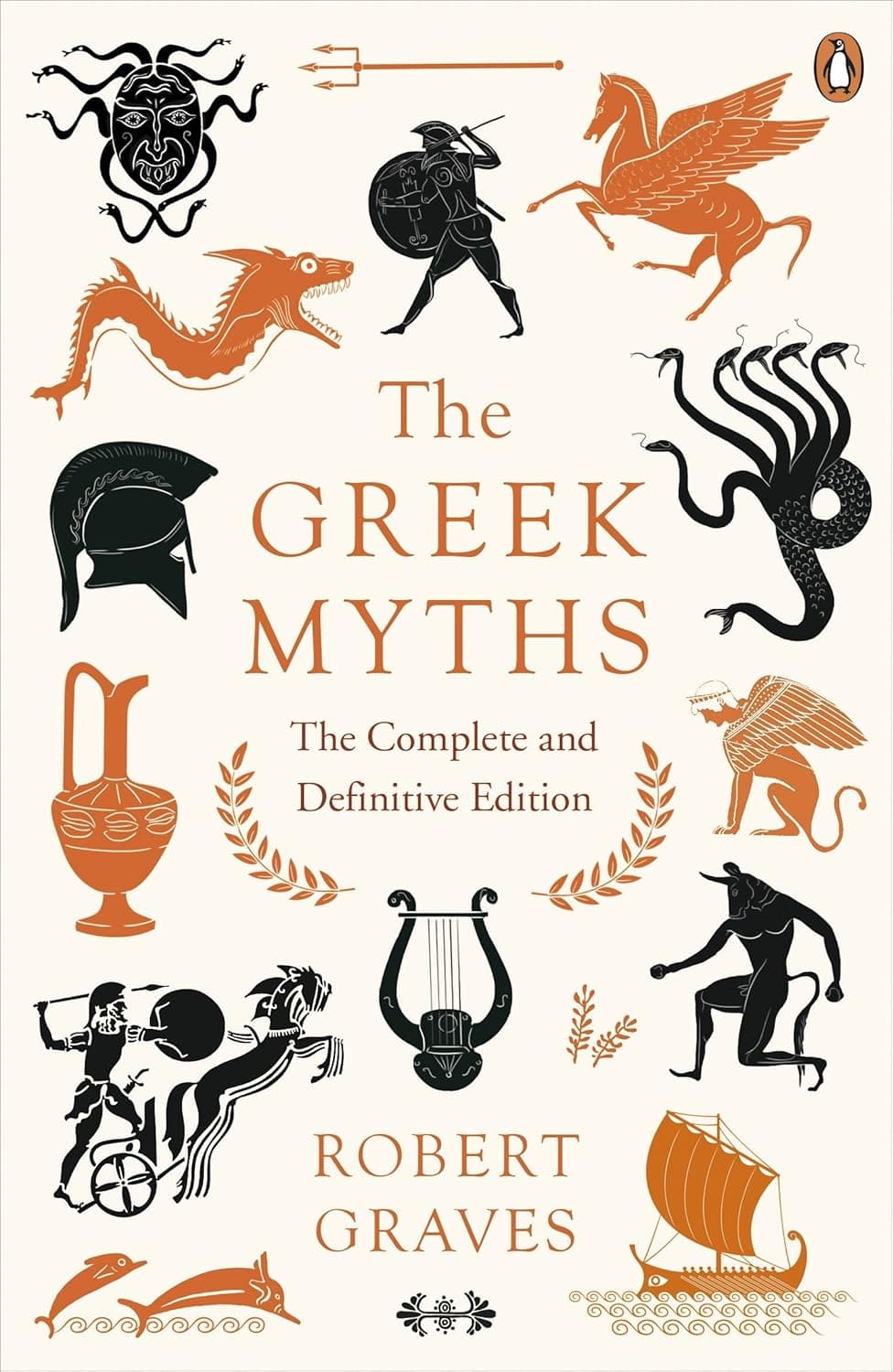
The Greek Myths

1955 · 784 pages

Graves retells every Greek myth, cites his ancient sources, then argues underneath that all of it encodes a matriarchal religion the Greeks overthrew. Generations of English readers got their mythology from him.

★ 5.9

The White Album

1979 · 222 pages

"We tell ourselves stories in order to live," the title essay begins, then takes the story apart: the Manson trial, a Doors session going nowhere, and a psychiatric report on Didion herself.

★ 5.9

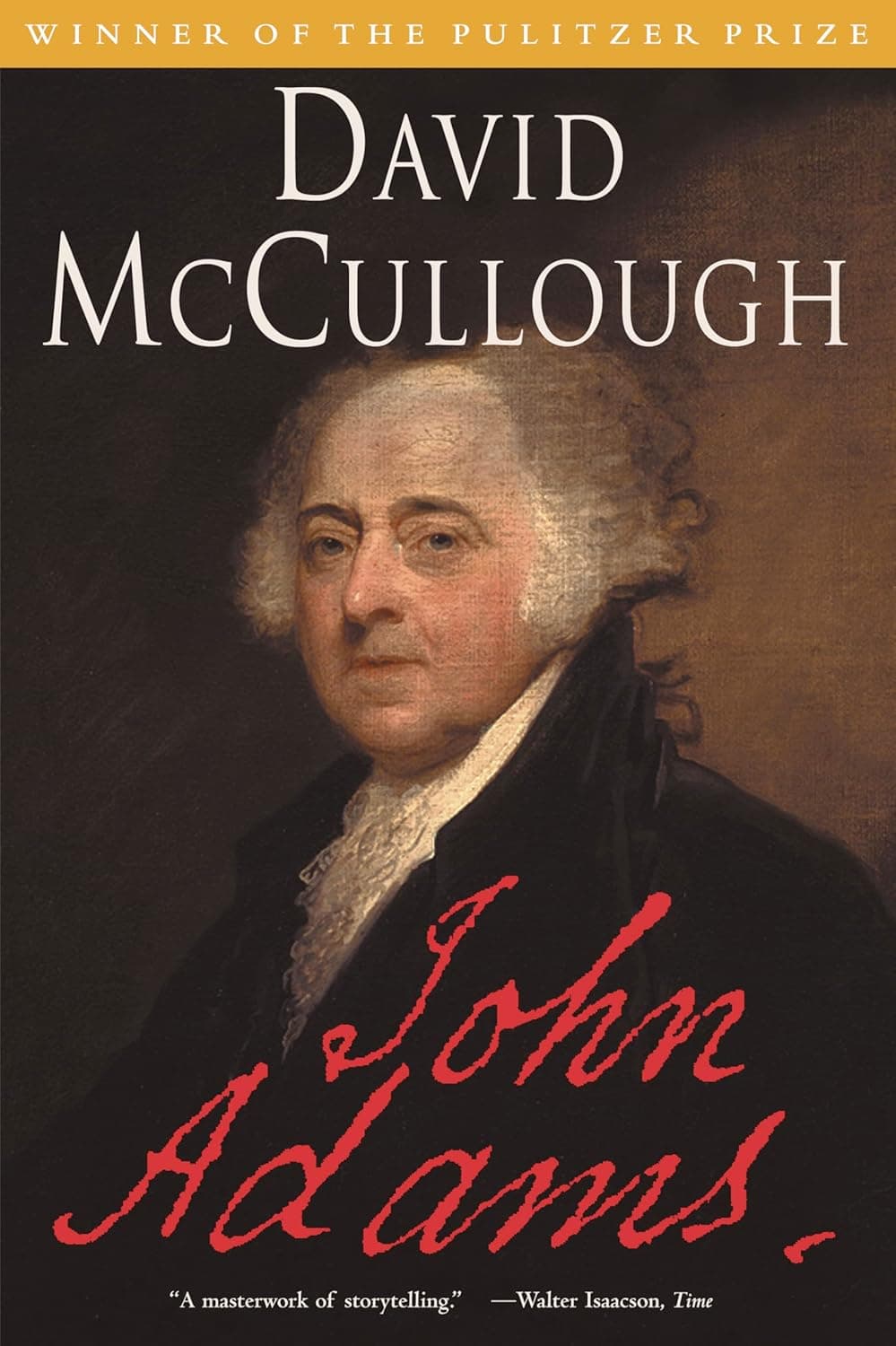
John Adams

2001 · 751 pages

McCullough gives the difficult, honest second president his full size: a marriage to Abigail conducted in letters across an ocean, and a friendship with Jefferson that broke and was repaired in old age.

★ 5.9

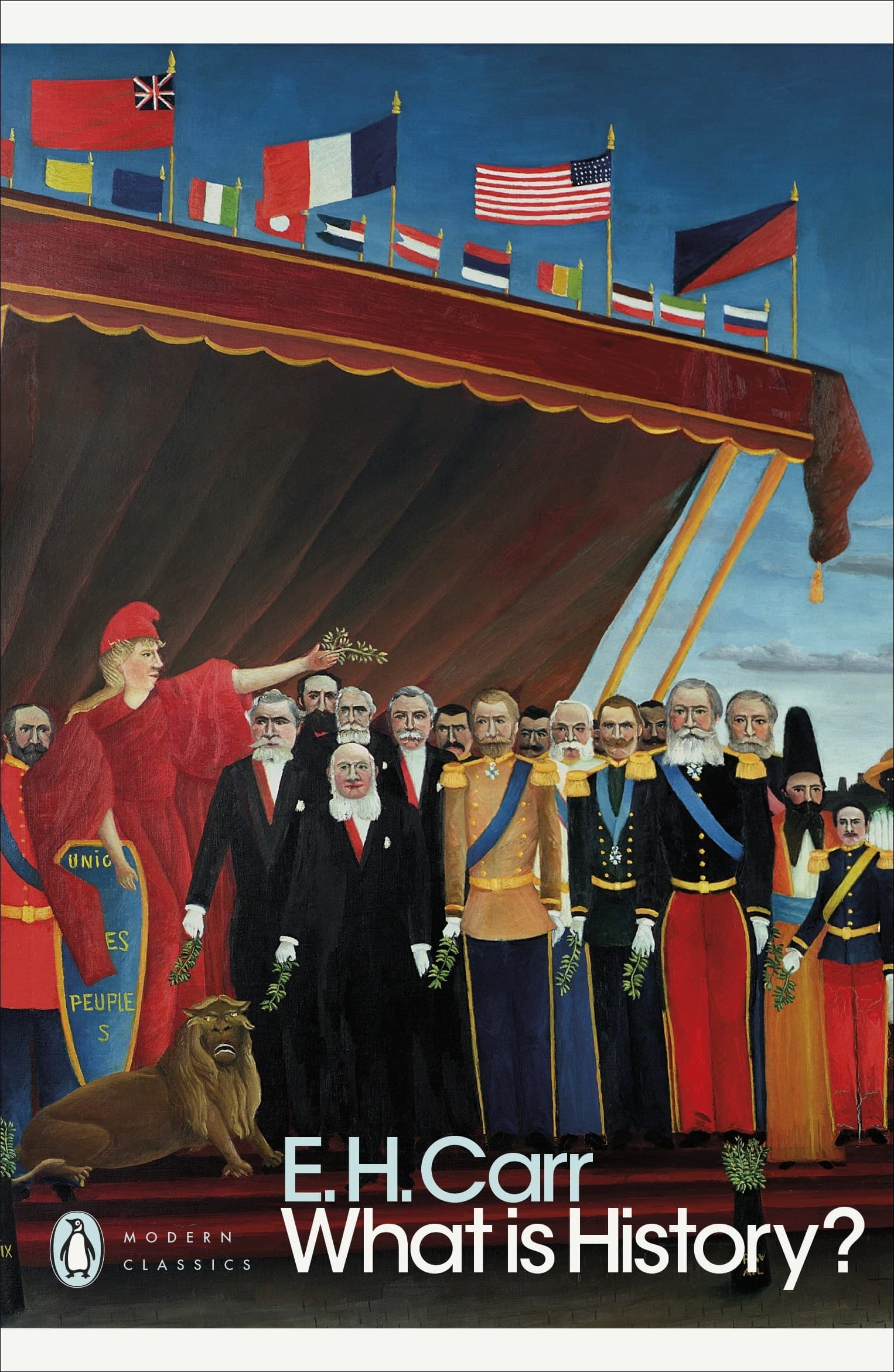
What Is History?

1961 · 272 pages

Facts do not speak for themselves, Carr insists. The historian decides which ones get to speak, so study the historian before the evidence. English-speaking historians are still arguing with him.

★ 6.0

A People's Tragedy

The Russian Revolution: 1891-1924
1996 · 923 pages

Figes runs the Russian Revolution from the 1891 famine to Lenin's death in 1924, following peasants, soldiers, and the writer Gorky. He shows the terror arriving with the Bolsheviks, not after them.

★ 6.0

Akenfield

Portrait of an English Village
1969 · 353 pages

Forty-nine Suffolk villagers talk about horse teams, hunger and the Great War. Blythe caught a rural England that machinery was erasing as he wrote, and English country life has had no better witness.

★ 6.0

Dispatches

1977 · 260 pages

Herr covered Vietnam for Esquire at twenty-seven and wrote the siege of Khe Sanh and the ruins of Hue at the pitch of a bad trip. Apocalypse Now took its narration from him.

★ 6.0

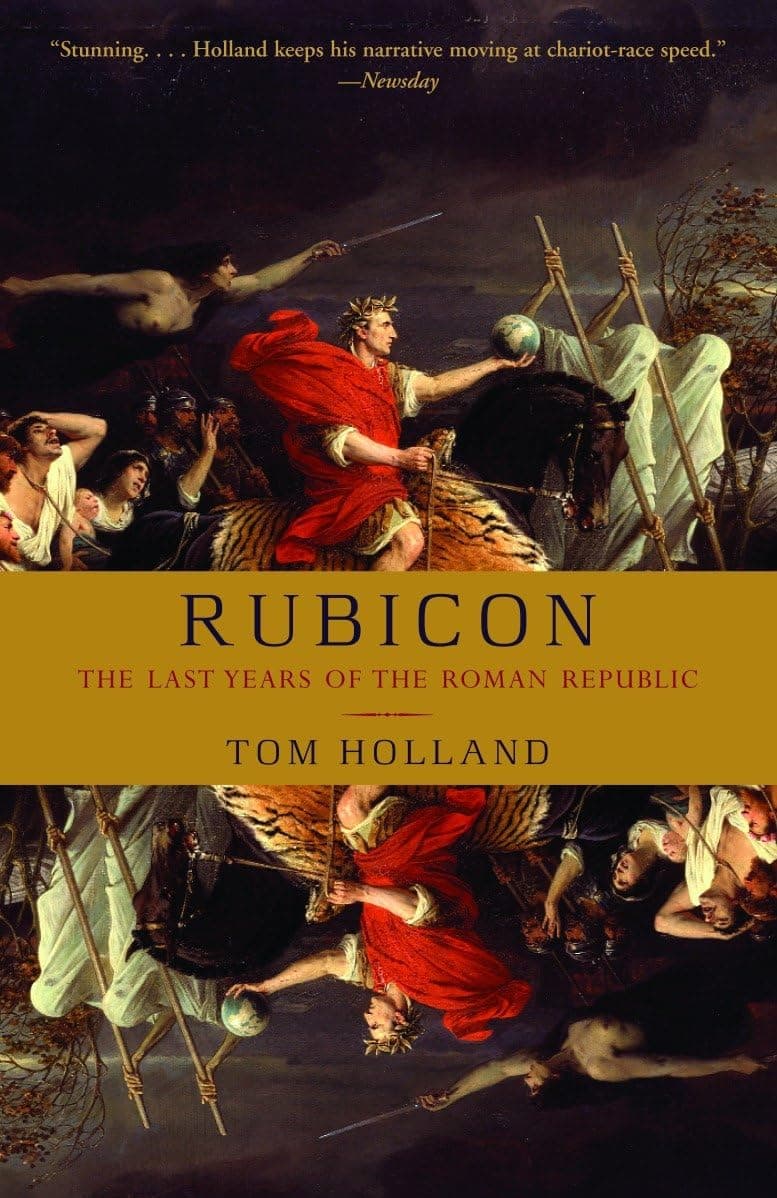
Rubicon

2003 · 464 pages

The Roman Republic destroyed itself, and Tom Holland tells it at the pace of a thriller. Caesar reaches the Rubicon with a single legion, knowing crossing it means war against his own state.

★ 6.0

W. E. B. Du Bois

Biography of a Race, 1868-1919
1993 · 715 pages

Du Bois took the first Harvard doctorate given a Black American, wrote The Souls of Black Folk, and helped found the NAACP. Lewis won Pulitzers for this volume and for its sequel.

★ 6.0

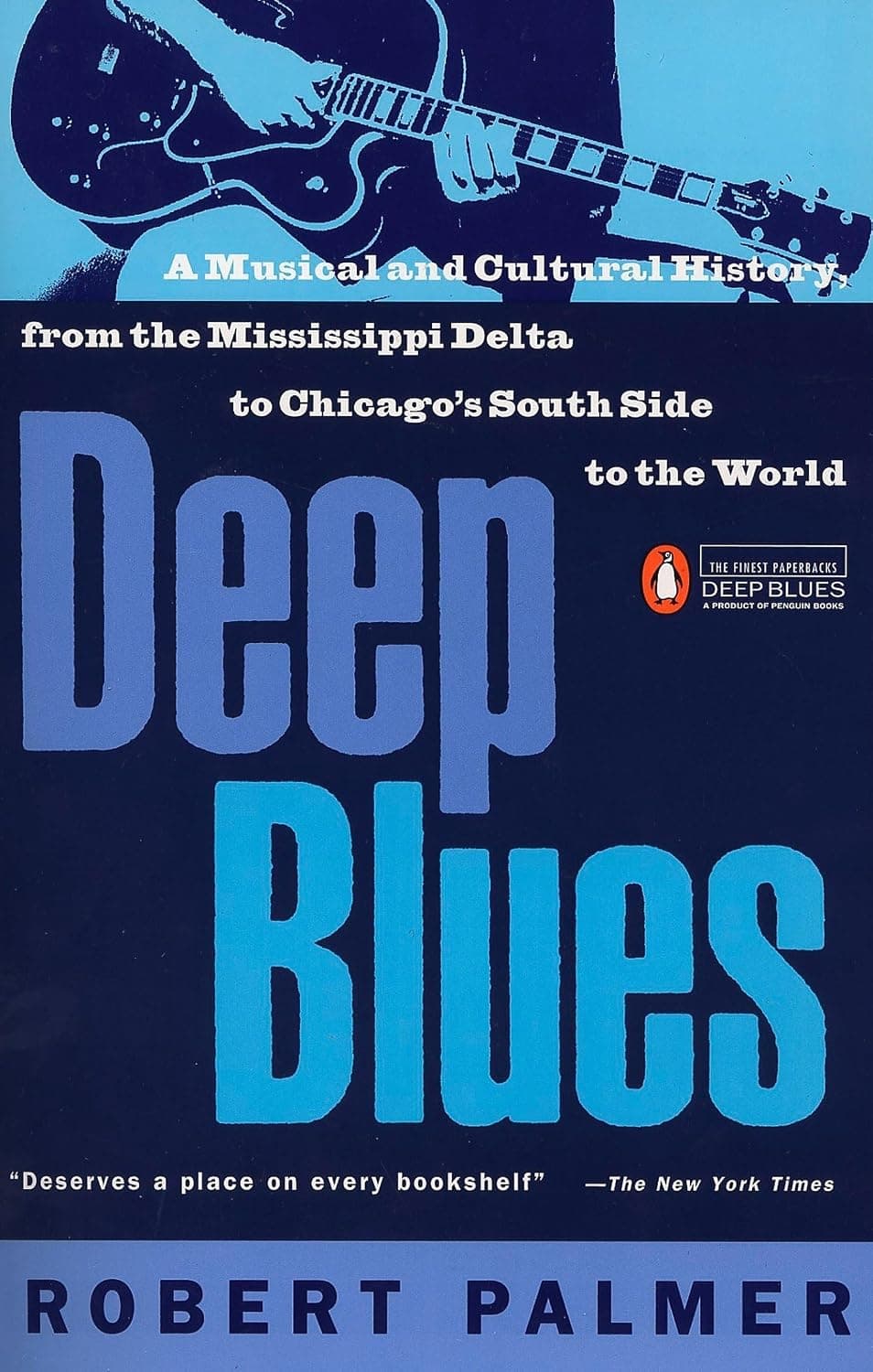
Deep Blues

1981 · 310 pages

Palmer traces the blues from Mississippi Delta plantations through Memphis to Chicago's South Side, and he hears exactly what Charley Patton, Robert Johnson, and Muddy Waters were doing on the strings.

★ 6.1

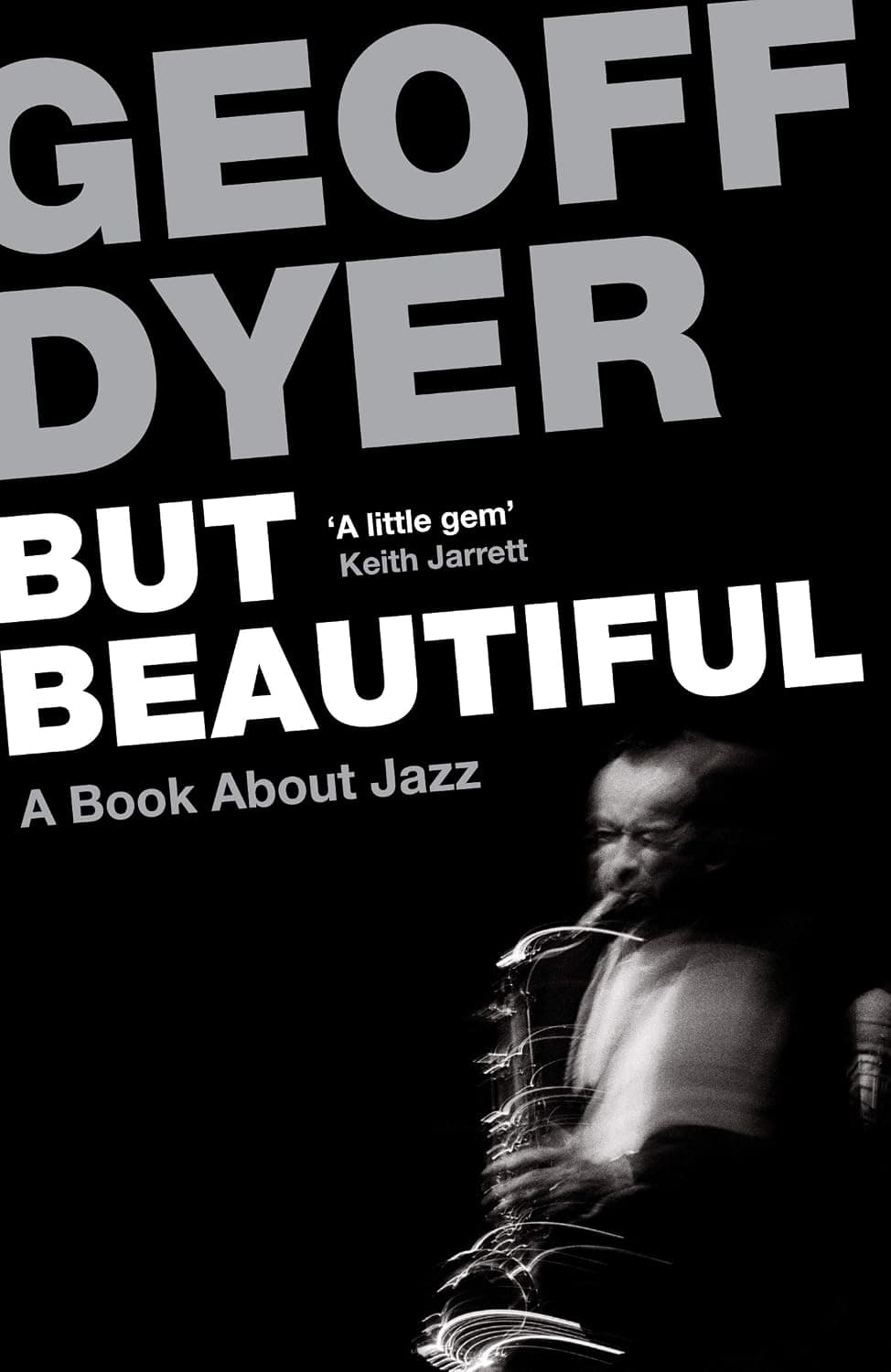
But Beautiful

1991 · 240 pages

Dyer imagines his way into the nights of jazz musicians, Lester Young after the army broke him and Thelonious Monk alone at a piano, inventing scenes to reach what no biography can.

★ 6.2

Roll, Jordan, Roll

The World the Slaves Made
1974 · 823 pages

Life on the plantation seen from the slave quarters outward: Genovese shows how the enslaved turned the master's claim of paternal care into leverage and made Christianity mean what the master never intended.

★ 6.2

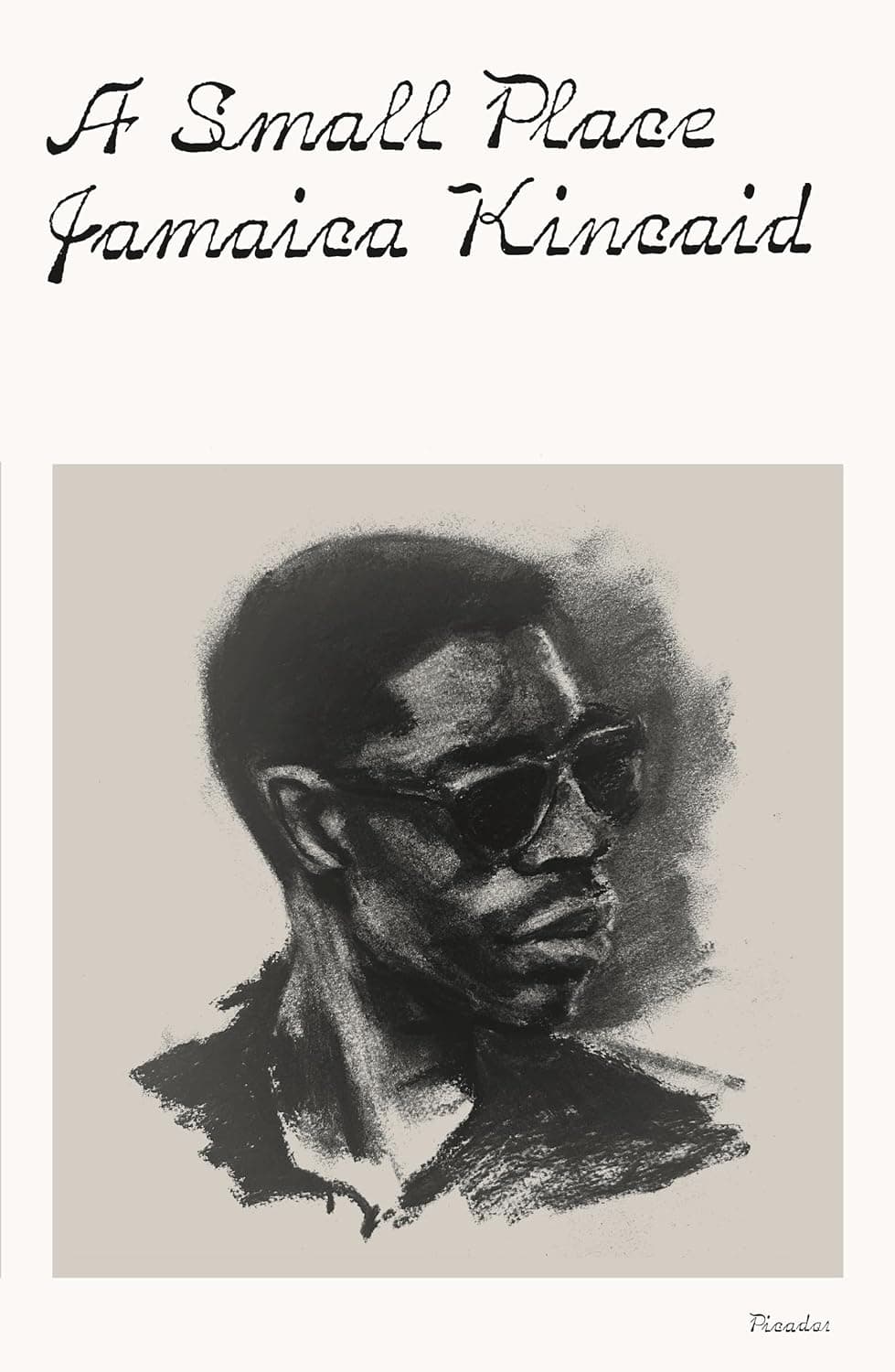
A Small Place

1988 · 96 pages

You arrive in Antigua as a tourist and Kincaid tells you what you look like to the people who live there, then turns on the empire and the government that wrecked the island.

★ 6.2

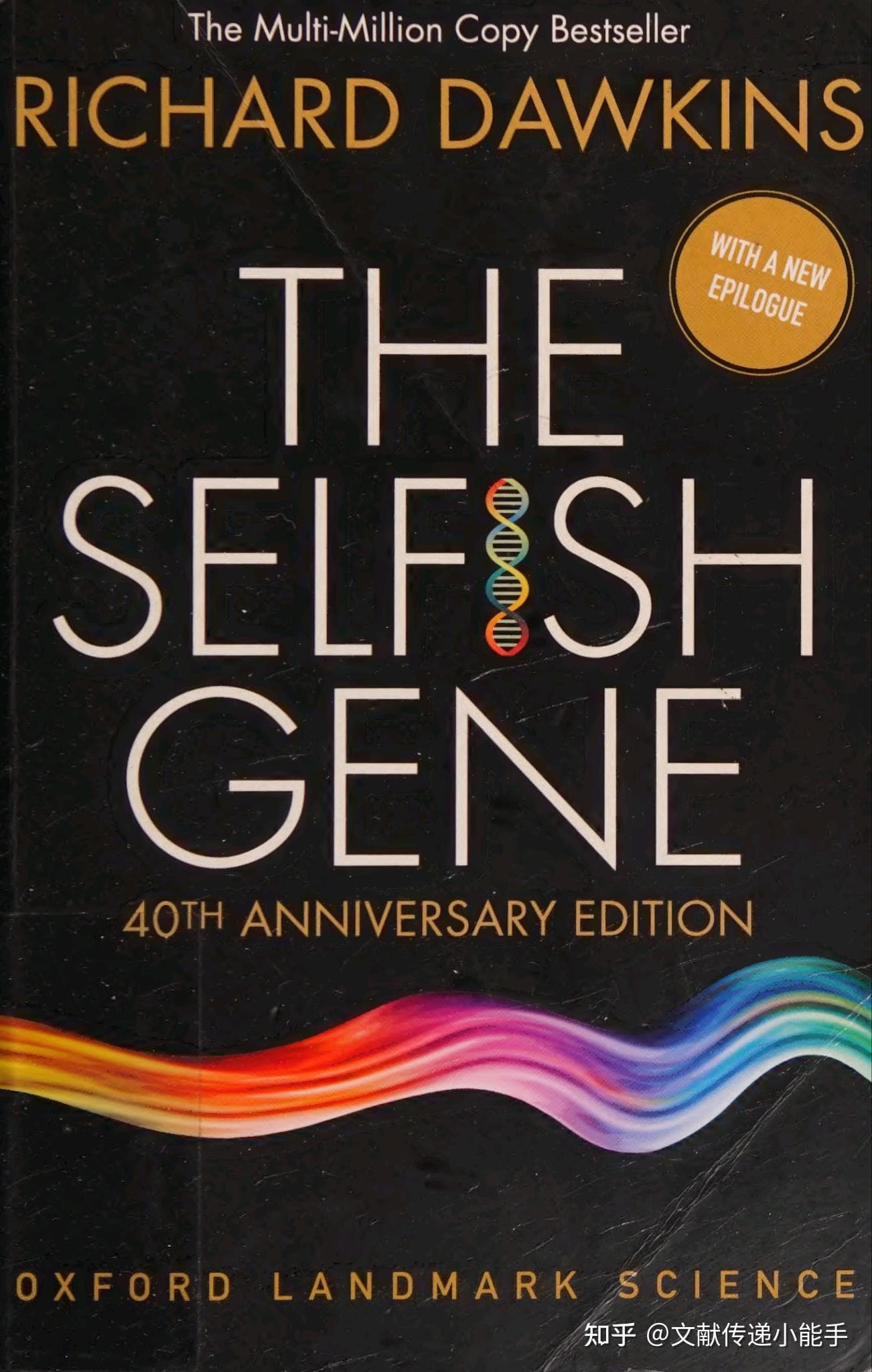
The Selfish Gene

1976 · 496 pages

Genes, not organisms, are what selection acts on, and bodies are the machines genes build to carry themselves forward. Dawkins turned that inversion into how biologists think, and gave us the word meme.

★ 6.2

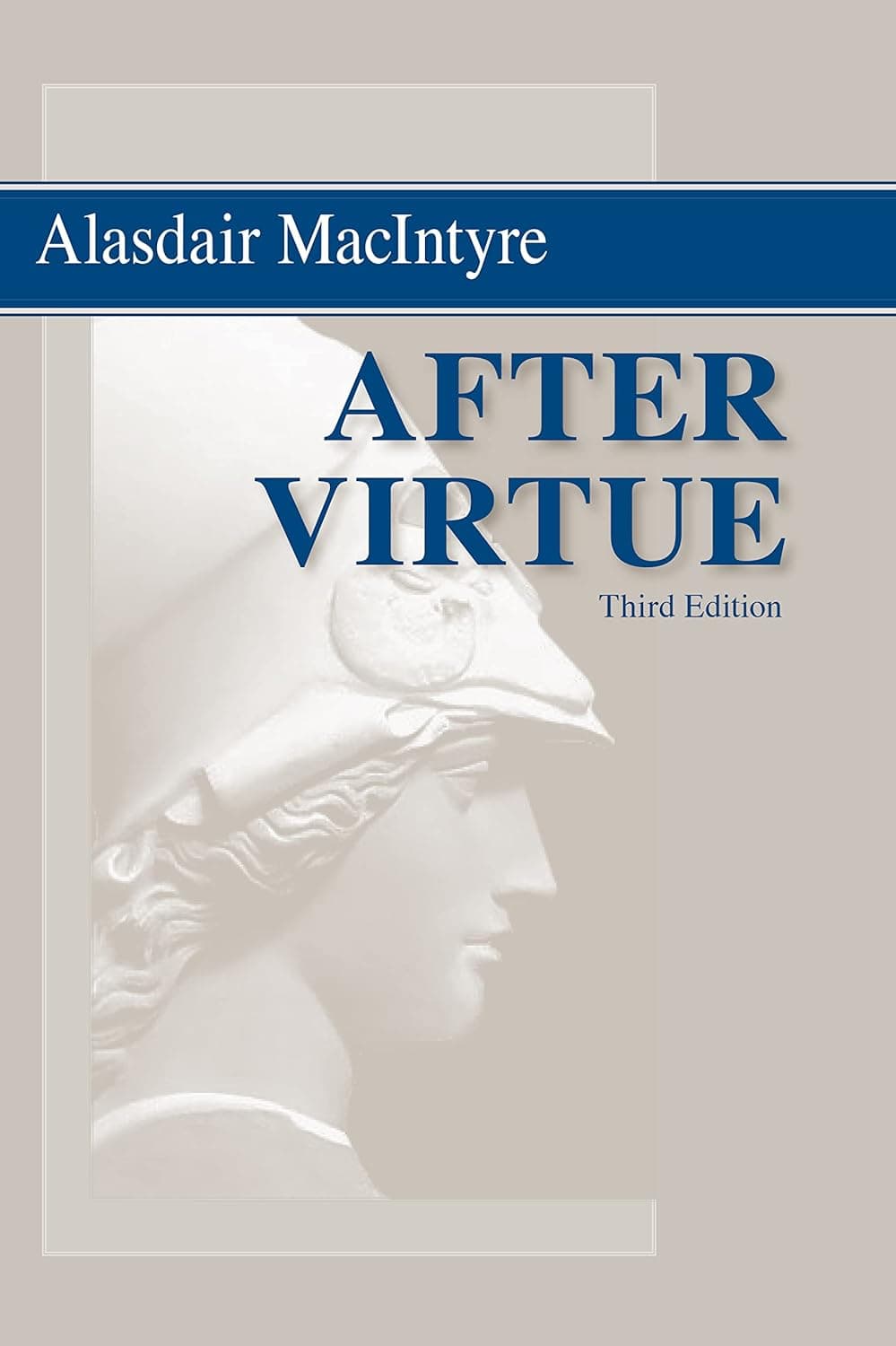
After Virtue

1981 · 286 pages

Modern moral argument never ends, MacIntyre says, because we speak in fragments of a tradition we have forgotten. He sent philosophy back to Aristotle's virtues and made ethics a fight about character again.

★ 6.2

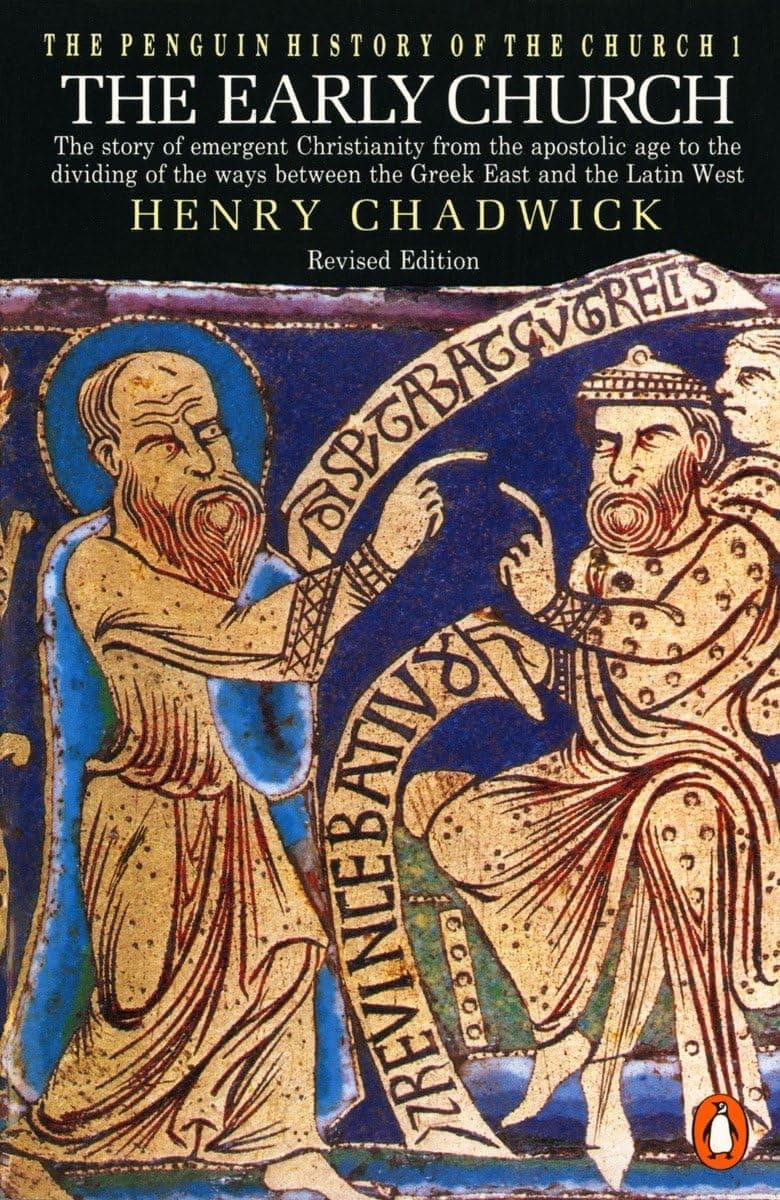
The Early Church

1967 · 320 pages

Six centuries in which a persecuted Jewish sect became the Roman state's religion. Chadwick tracks the arguments that decided what Christians believe, from Gnostic rivals through Nicaea to Gregory the Great.

★ 6.2

Goodbye, Darkness

A Memoir of the Pacific War
1980 · 416 pages

Returning decades later to the Pacific islands where he served as a Marine sergeant, Manchester sets the quiet beaches against what happened there. He was badly wounded on Okinawa and kept dreaming it.

★ 6.3

Cartesian Meditations

1931 · 157 pages

Phenomenology's mature statement: Husserl brackets the world's existence to study consciousness on its own terms, then asks how one mind recognizes another as a mind rather than an object among objects.

★ 6.3

The Affluent Society

1958 · 276 pages

Galbraith looked at postwar America and saw private opulence beside public squalor, with production manufacturing the wants it satisfies. Two generations of arguments over taxes and public spending have run in his channel.

★ 6.3

Imagined Communities

Reflections on the Origin and Spread of Nationalism
1983 · 256 pages

Nations are imagined communities, Anderson argues, assembled by print: strangers reading the same newspapers and novels came to feel like one people. He gave the study of nationalism its vocabulary.

★ 6.3

Debt

The First 5000 Years
2011 · 542 pages

Graeber demolishes the story every economics textbook opens with: barter did not become money. Credit came thousands of years before coins, and every debt is a moral claim that finally rests on violence.

★ 6.3

What Hath God Wrought

The Transformation of America 1815-1848
2007 · 928 pages

Morse tapped the title into the first telegraph line in 1844. Howe's Pulitzer-winning account of antebellum America argues that communications, markets, and revival religion remade the country while Jacksonian politics took the credit.

★ 6.3

Washington

A Life
2010 · 928 pages

The marble Washington was a performance: Chernow finds a man of hot temper, sharp ambition, and constant calculation underneath, and follows him from surveying to Mount Vernon's slave quarters to the presidency.

★ 6.3

The True Believer

1951 · 177 pages

Mass movements are interchangeable, Hoffer argues: converts join not from conviction but to be rid of themselves. Eisenhower handed the book around, and every new wave of fanaticism sends Americans back to it.

★ 6.3

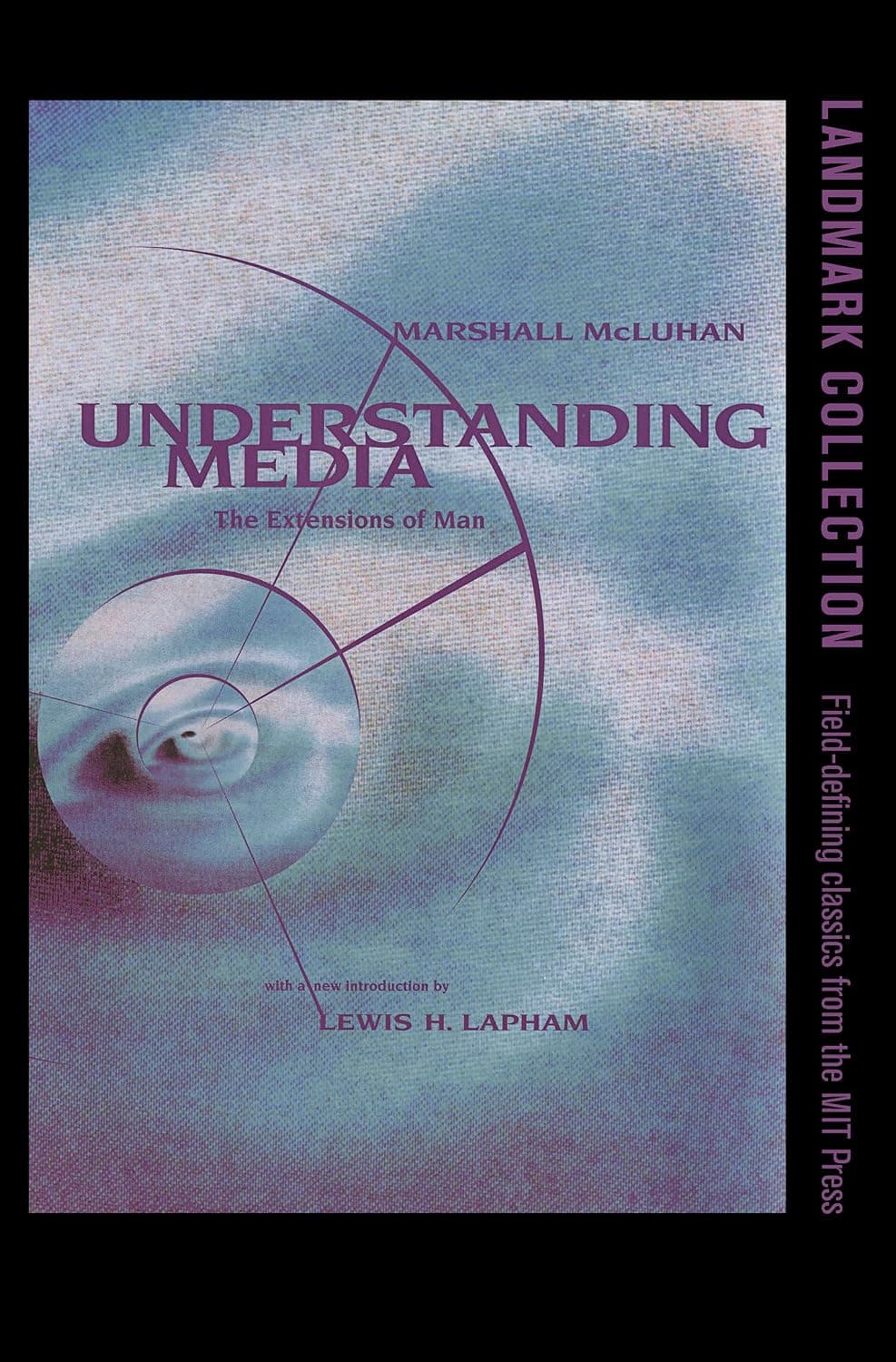
Understanding Media

The Extensions of Man
1964 · 365 pages

The medium is the message, McLuhan wrote in 1964: a technology reshapes perception regardless of what it carries. Everyone arguing about what screens do to us is working inside the frame he built.

★ 6.3

The Omnivore's Dilemma

2006 · 450 pages

Pollan traces four meals backward: a drive-through, Whole Foods, Joel Salatin's farm, and a pig he shoots himself. Carbon isotopes reveal Americans are built of corn. He made provenance a mass preoccupation.

★ 6.3

India After Gandhi

2007 · 960 pages

Guha carries India from independence in 1947 to the present and asks why it never broke apart, given partition, famine and insurgency. He calls it an unnatural nation and an unlikely democracy.

★ 6.4

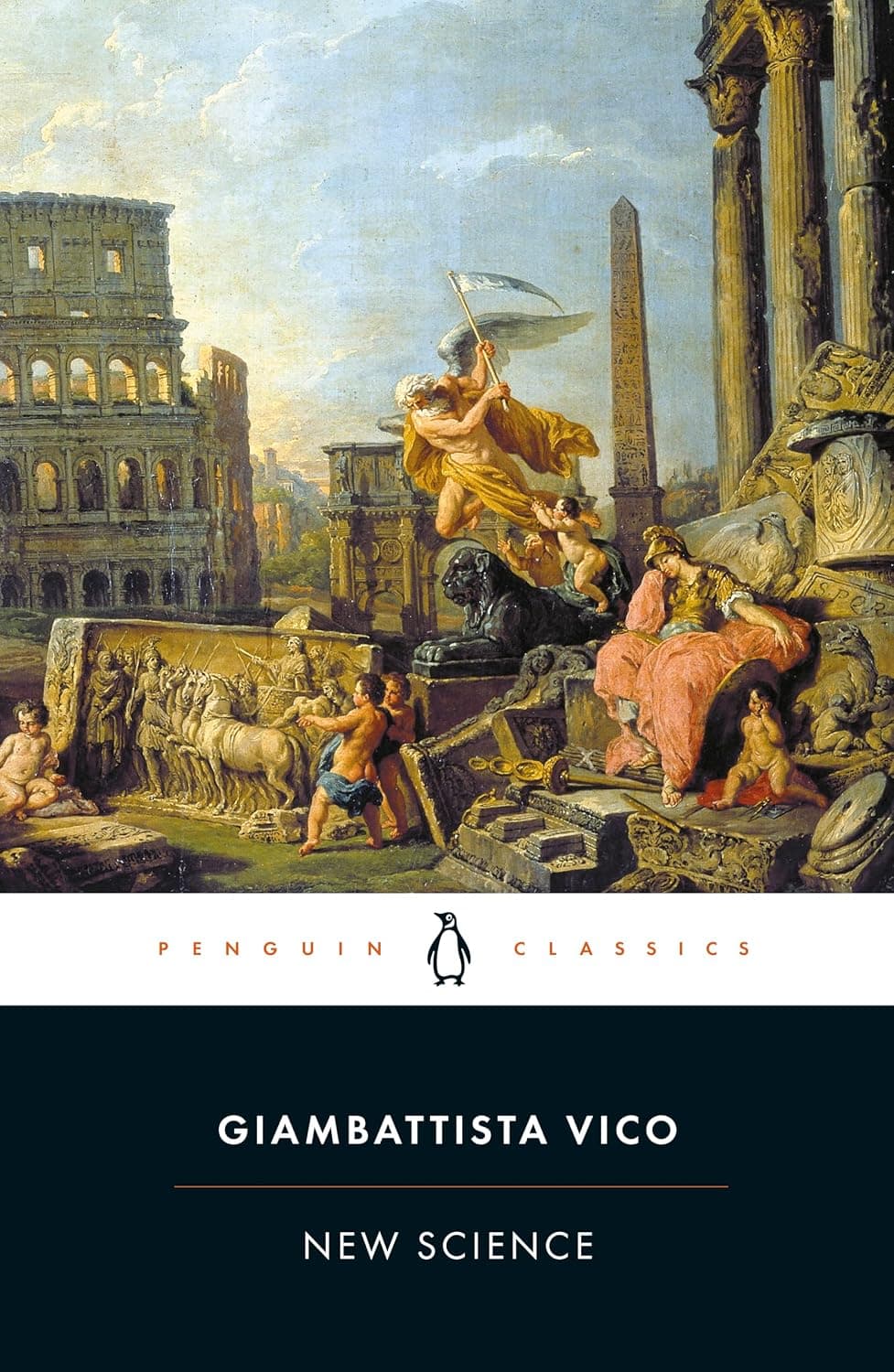
The New Science

1725 · 520 pages

History can be known, Vico argues, because men made it. He reads myth and law as the record of every nation passing through ages of gods, heroes, and men, then collapsing into barbarism.

★ 6.4

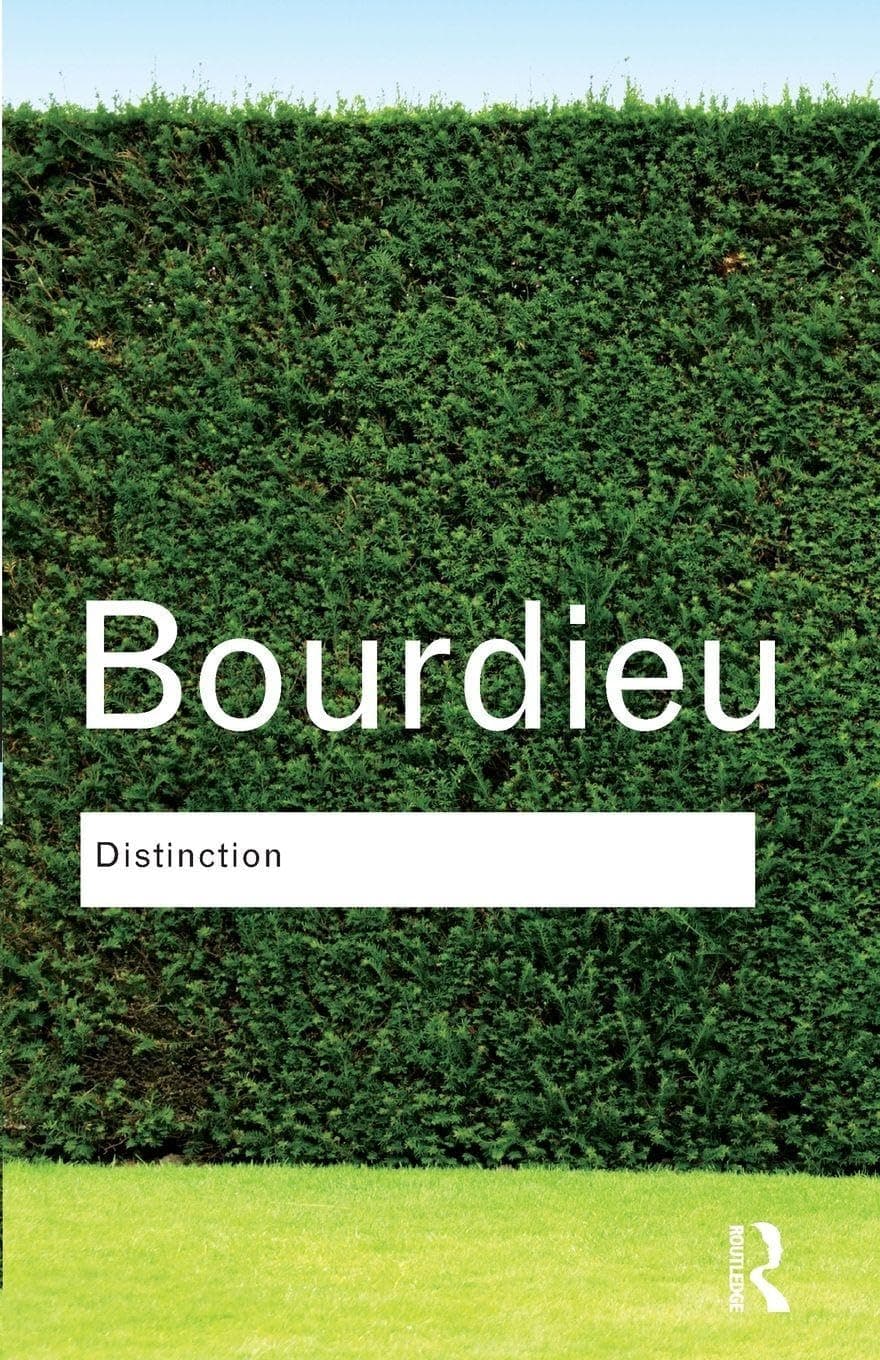
Distinction

1979 · 640 pages

Taste is class in disguise, Bourdieu argues, and his survey of French preferences in music, food, and interiors proves it. The pure aesthetic judgment Kant called universal is a privilege of the comfortable.

★ 6.4

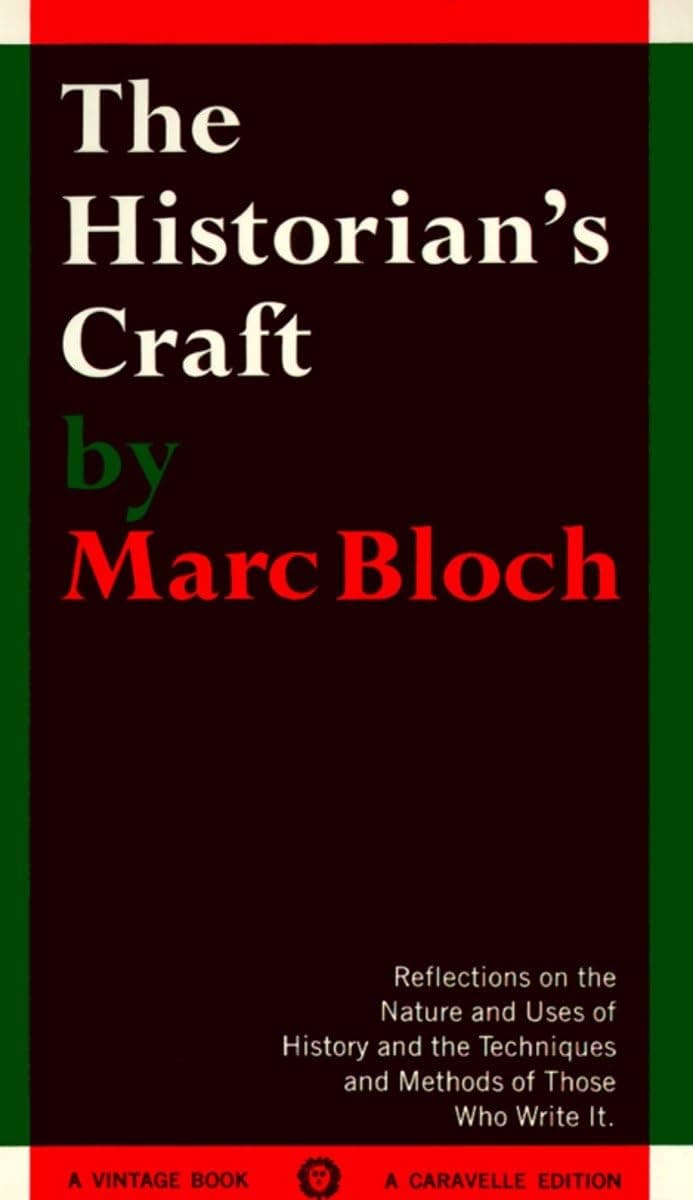
The Historian's Craft

1949 · 197 pages

Bloch's son asked what the use of history was. He answered from hiding: history is the science of men in time, and evidence speaks only when questioned. The Gestapo shot him in 1944.

★ 6.4