West End Blues
1928
Armstrong's twelve-second opening cadenza announced that jazz had a soloist, and everything since has been the answer.
★ 9.1
 skopia
Armstrong's twelve-second opening cadenza announced that jazz had a soloist, and everything since has been the answer.
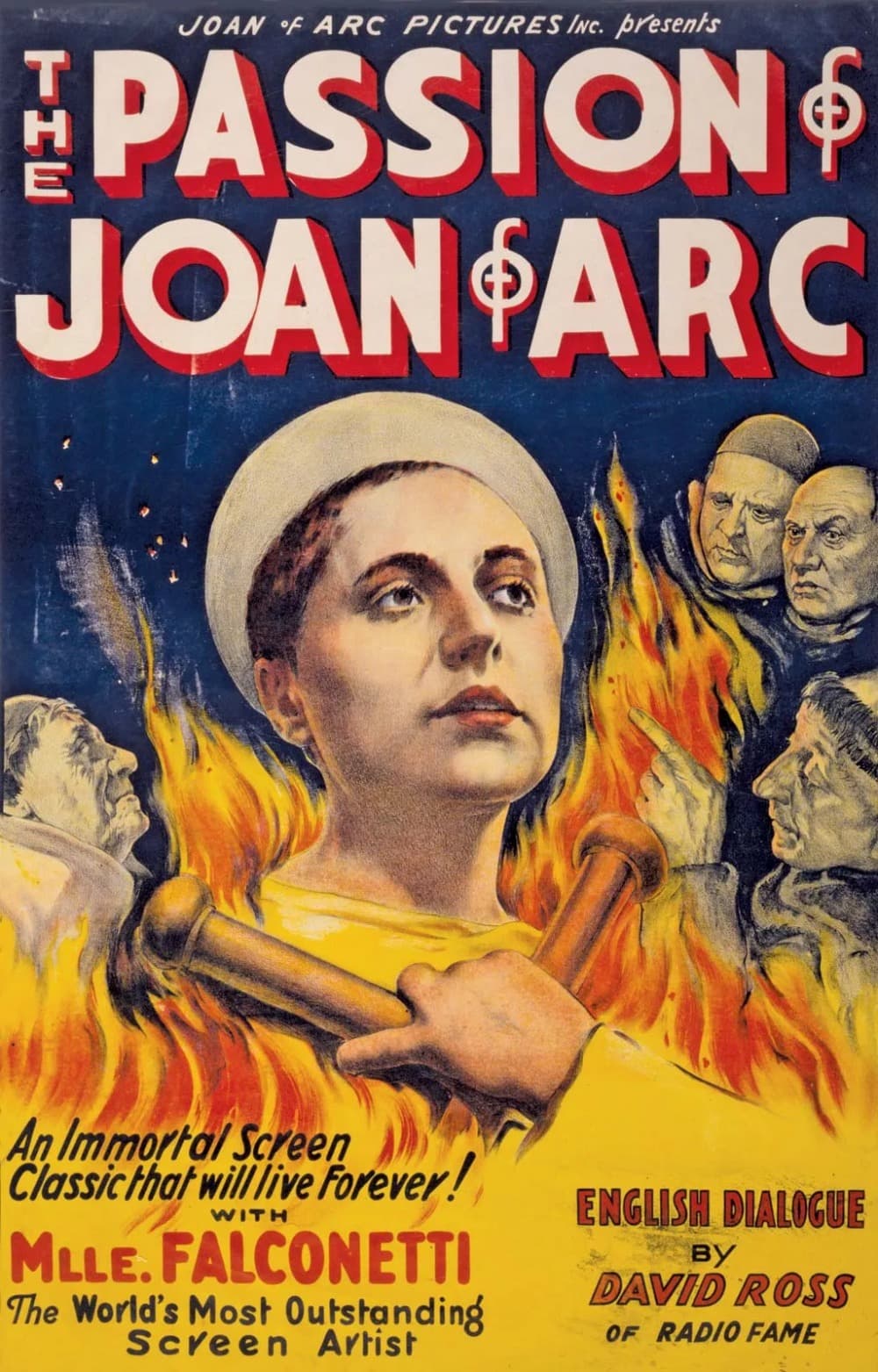
No screen performance has been called greater, and its actress never made another film: Dreyer shot Renee Falconetti's face in close-up, and his original cut went missing for fifty years.
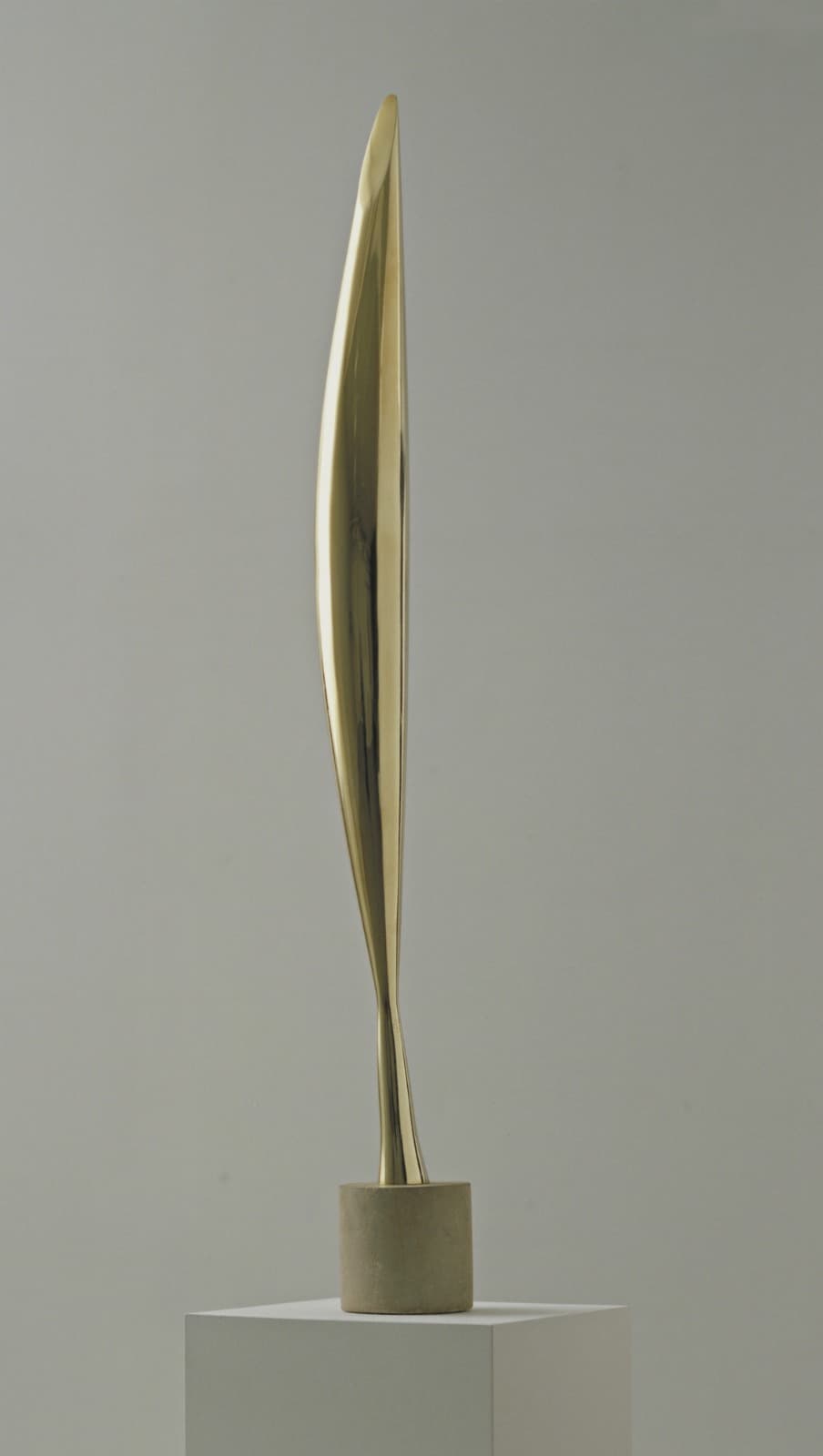
American customs taxed it as industrial metal until Brancusi v. United States in 1928 forced the law to recognize abstract sculpture as art.

German schoolboys enlist after a teacher's patriotic speech and find mud, lice, and men dying badly. Remarque was in those trenches, and no book has done more damage to the idea of glory.
Cut in a converted Camden church in 1927, two takes, and the yodel that made hillbilly records big business.
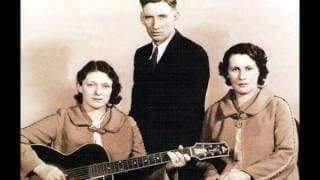
Maybelle Carter played melody and rhythm at once, and every country guitarist since has learned this 1860 parlor tune.
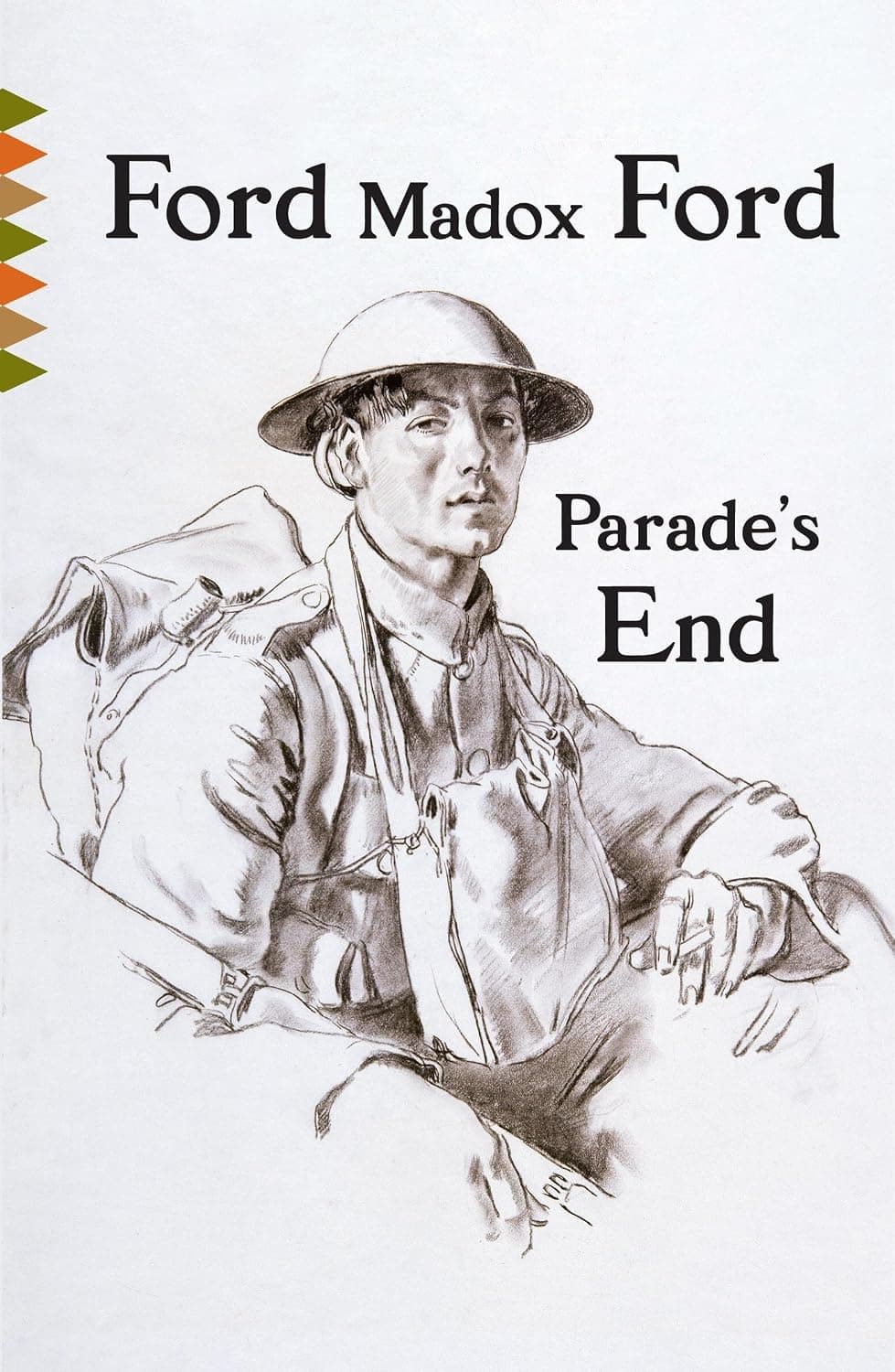
Christopher Tietjens, a government statistician called the last Tory, endures a wife bent on ruining him and a war in France that takes apart the England he was raised to defend.

Orlando starts as a boy at Queen Elizabeth's court and ends as a woman in 1928 London, changing sex without fuss. Woolf wrote it for her lover Vita Sackville-West, and the joy shows.
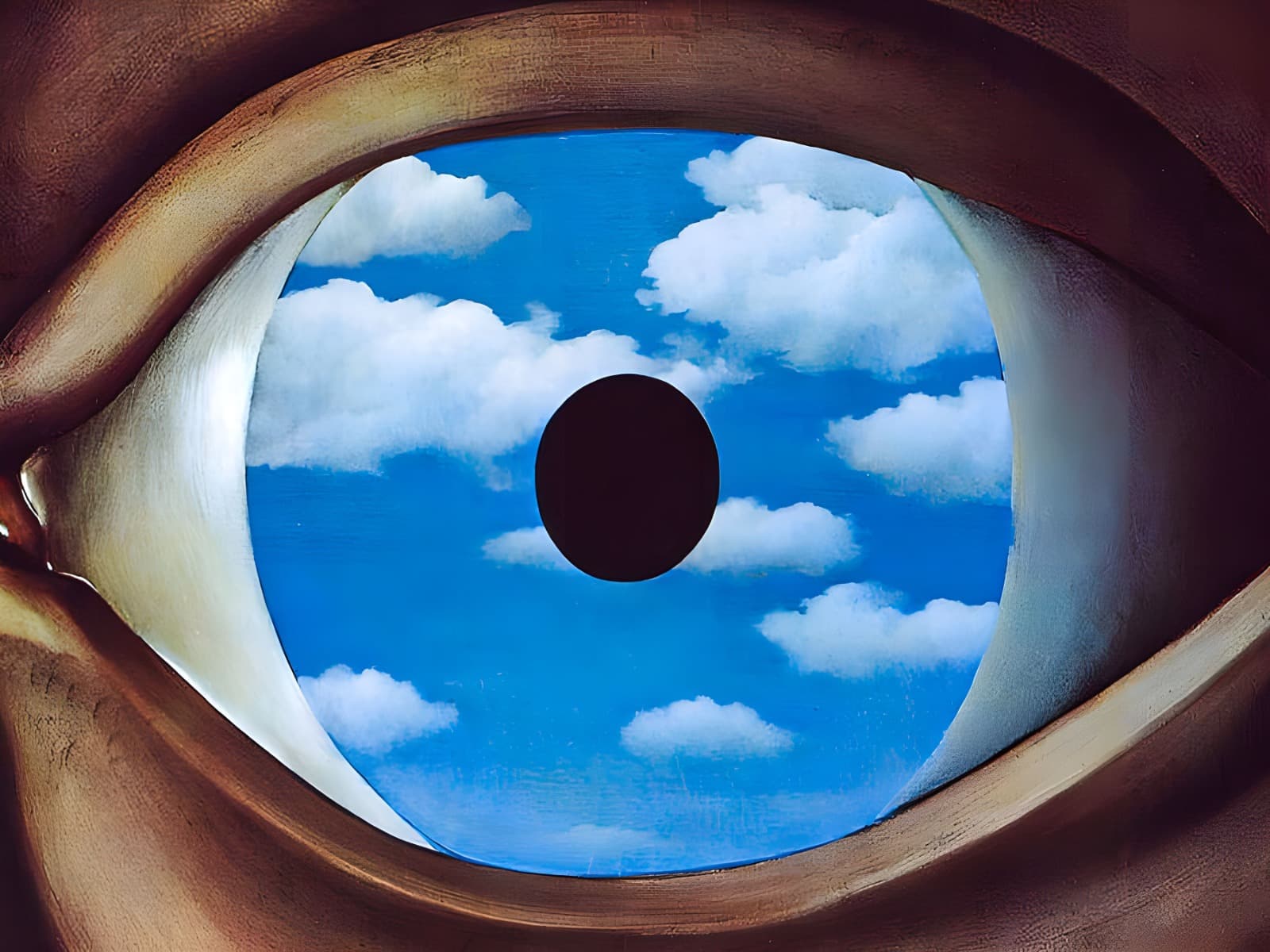
One enormous eye with a cloudy sky for an iris. Whether it is looking out or reflecting back is the question.

Paralyzed in the war, Clifford Chatterley loses his wife to the gamekeeper. Lawrence insists tenderness is physical or nothing, and the 1960 jury that cleared the book remade what British publishers could print.

Sixty-eight girls on the Samoan island of Ta'u convinced Mead that the turmoil of adolescence is made by culture, not biology. She turned anthropology into an argument ordinary Americans took sides in.
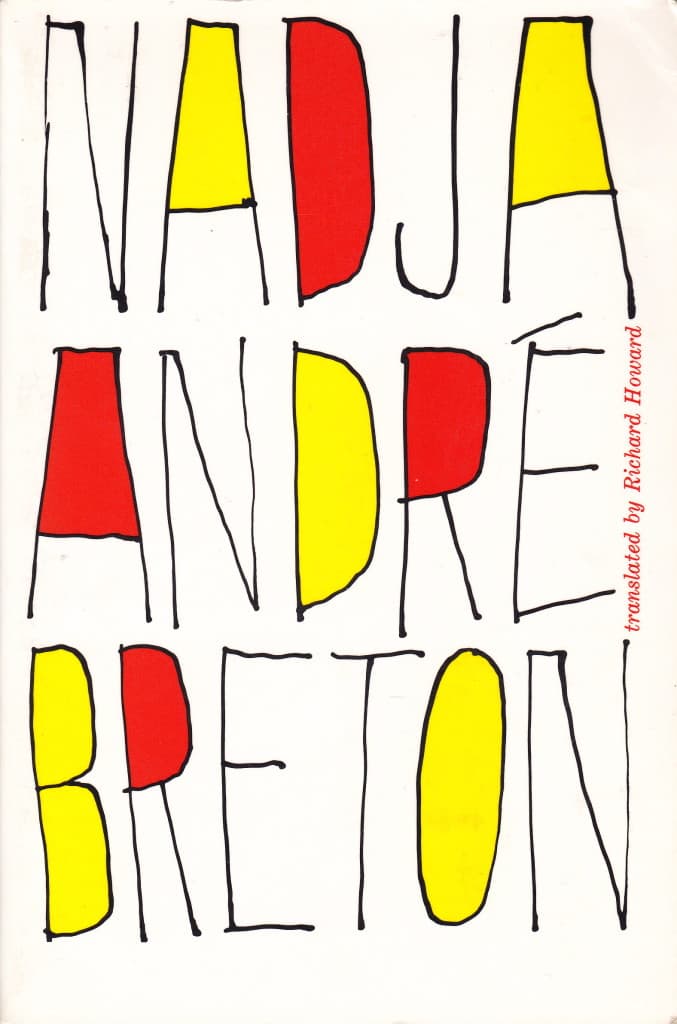
Walking Paris in 1926, Breton meets a woman who calls herself Nadja and lives entirely by chance. Photographs of the real streets interrupt the account, and surrealism never came closer to a novel.
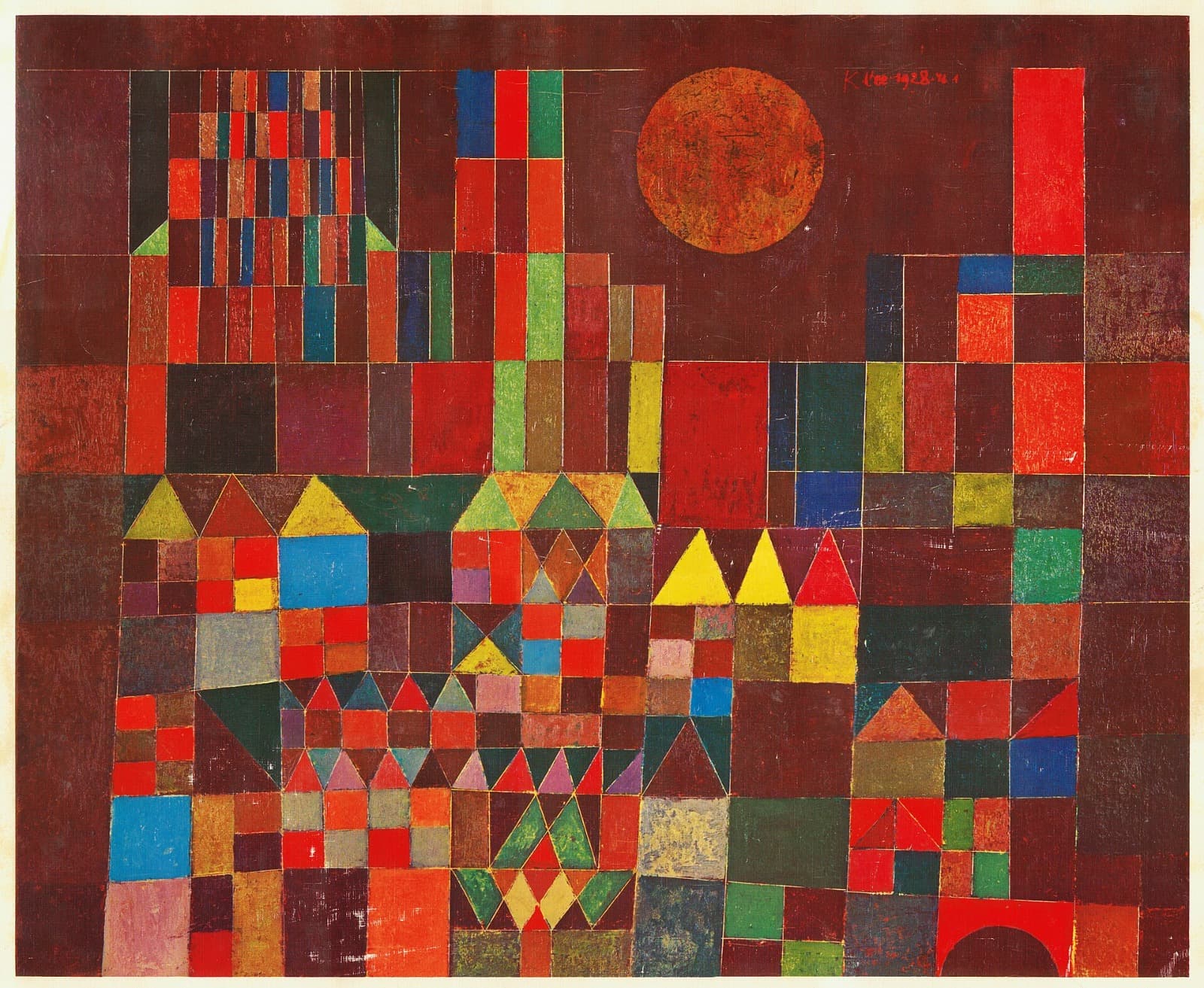
Small colored blocks stack up into a town like stained glass, with a red sun above. Klee taught at the Bauhaus and kept the whimsy.
Smith calls out the steps over a rolling left hand, on the first record to carry boogie woogie in its title.
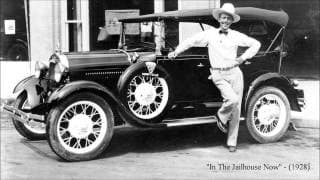
Recorded in Camden in February 1928, a vaudeville novelty from 1915 that Rodgers claimed forever with one yodel.

Lovecraft pitched horror at cosmic scale, where the terror is an indifferent universe rather than any monster. A sculptor's dreams and a Louisiana swamp cult lead to a sunken city.