My GenerationThe Who
My Generation
1965 · From My Generation
Entwistle's bass solo needed a Fender after his Danelectro strings snapped, and Daltrey stuttered his way into history.
★ 8.7
 skopia
Entwistle's bass solo needed a Fender after his Danelectro strings snapped, and Daltrey stuttered his way into history.
Written as "No Future," banned by the BBC, and stuck at number two amid loud suspicion of chart rigging.
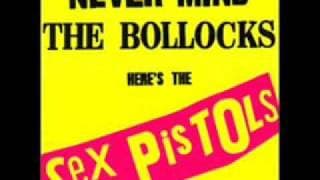
Lydon picked anarchist because it rhymed with antichrist; EMI dropped the band six weeks later and punk was loose.
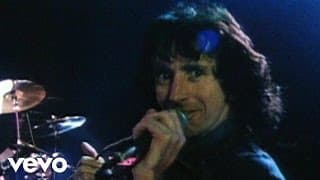
Mutt Lange took over production, the band cut it in London in 1979, and America finally caught on.
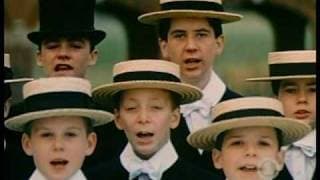
Ezrin sent Gilmour to the discos, and twenty-three Islington schoolchildren got forty minutes to sing themselves onto a number one.
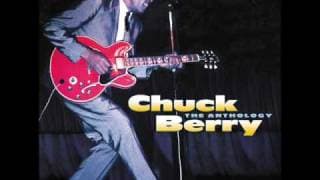
His sister Lucy monopolized the family piano for classical, so Berry wrote his rebuttal, with Johnnie Johnson answering back.
Pop lifted the title from a Time column on Vietnam, and Bowie's mix made Williamson's guitar a threat.
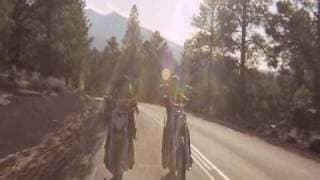
Mars Bonfire's used Ford Falcon inspired it, Steppenwolf sped it up, and Easy Rider made it biker culture's signature.
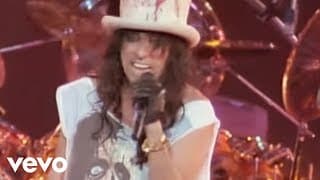
Buxton's riff, a children's chorus, a school bell fade; Cooper wanted the last three minutes of term on tape.
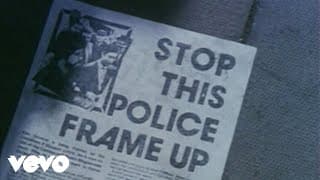
Strummer and Simonon were in the 1976 Notting Hill Carnival riot; the single ran under two minutes and reached thirty-eight.
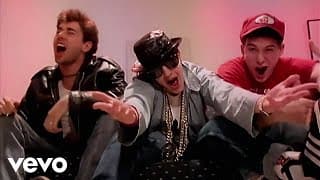
Conceived as a satire of party songs, it became the band's only top ten hit, the joke unnoticed.
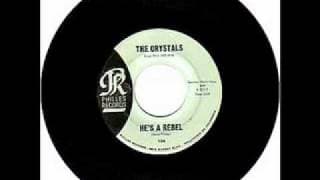
Darlene Love sang lead at Gold Star, Hal Blaine drummed, and the Crystals got the credit for a number one.
Joey Ramone spliced a jungle-comics heroine with punk's primal charge, and Britain sent it to number twenty-two.

Roger Moutenot produced the album, Zach Rogue wrote every word, and a Zune advert gave this one legs.

Dub reggae bass and Indian strings under a nod to Shampoo's 1994 hit "Trouble", produced by The Partysquad.