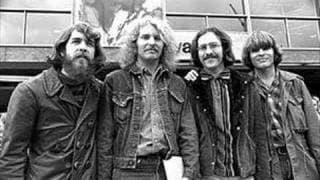
Fortunate Son
1969 · From Chronicle: The 20 Greatest Hits
Twenty minutes of writing, and Fogerty had the sound of every draft board sending someone else's son.
★ 8.6
 skopia
Twenty minutes of writing, and Fogerty had the sound of every draft board sending someone else's son.
An answer record to Neil Young's "Southern Man," riding Ed King's riff and a name-check for the Muscle Shoals Swampers.

Collins's chords sat unused for two years until Van Zant found the melody; the long outro was his onstage rest.

An Isaac Hayes loop from Tough Guys, three verses by Scarface, and a rap record about fear rather than swagger.
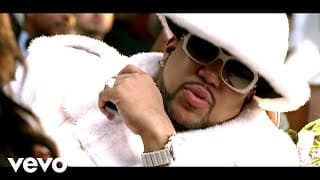
A Willie Hutch loop left alone at the top, and Andre 3000's verse reportedly returned with the drums stripped off.
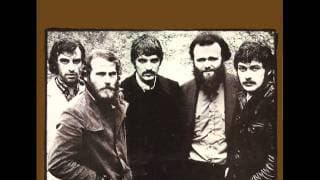
Eight months on one lyric, Helm doing the library research, and a drummer from Arkansas singing the defeat.
Mannie Fresh's violin line over a bounce beat, Lil Wayne's chant at the close, and New Orleans bounce gone national.
An ironing board cover, charcoal from spent matches, and Berry Oakley's bass counting the intro in eleven menacing beats.
Originally called Indiana Girl, until Petty decided he couldn't sing that line; Stan Lynch's last sessions with the Heartbreakers.
OutKast were booed at the 1995 Source Awards and answered with a title splicing Atlanta and aliens over echo-heavy dub.
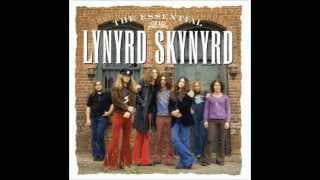
Van Zant and Rossington wrote it in an hour, putting his grandmother's and Rossington's mother's advice into song.
Betts wrote and sang it, borrowing Hank Williams' title; Oakley's bass line was among his last recordings.
Crunk's breakthrough, produced entirely by Lil Jon, stalled at number two and drove the album past two million copies.
A Django Reinhardt tribute written to be playable with two fingers, named for the infant daughter bouncing to it.
Pimp C built it on an Isley Brothers loop, Ronnie Spencer sings the hook, and Texas rap found its elegy.
Produced by the Runners in 2005, it drew bids from Bad Boy and Murder Inc. before Def Jam won.
Bangladesh built the beat around Harry Belafonte's Day-O, and Wayne released it six weeks after leaving jail.
Four Alabama day-jobbers paid for their own sessions at a Nashville home studio, and Rolling Stone named it 2012's best.
A Mellotron faking the strings, producer Al Kooper credited as Roosevelt Gook, and Van Zant's rambling farewell.
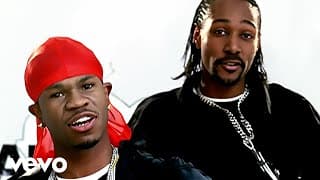
3.2 million ringtones sold, a Grammy won, and Play-N-Skillz's beat under a hook about racial profiling.

Duane heard Betts's song, told him to sing it himself, and traded solos on one of his last sessions.
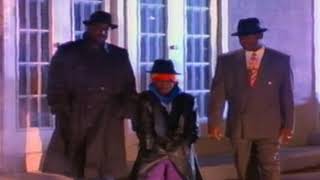
Drums lifted from a 1973 Ripple record, a closing verse in a president's voice, and Office Space did the rest.
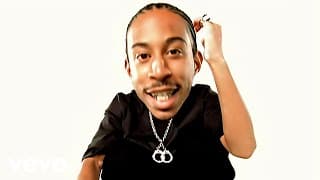
Timbaland built the beat at Manhattan Center Studios, and Ludacris turned deflecting nosy questions into pure comic swagger.
Mystikal barks the guest verse, Ludacris takes his first top ten, and 2003 antiwar marchers rewrote the chorus.
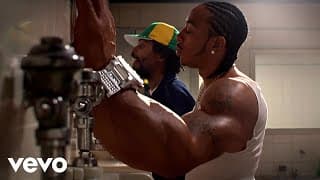
Cartoon-sized arms in a men's room, courtesy of Spike Jonze, and Tom Cruise dancing to it in Tropic Thunder.
DJ Montay's beat, T-Pain on the hook, and the first song to sell four million digital copies in America.
Jazze Pha's beat, Nate Dogg on the hook, and a Rush Hour 2 single that maps boasting by telephone prefix.
Eighty to number one in a single week, on a hook lifted from the Moldovan pop song behind Numa Numa.
Cut at Ardent Studios in Memphis, re-recorded in 1997 for the band's second album, and a number eleven hit.
Jim Peterik of Survivor co-wrote it with Barnes and Carlisi, and it gave the band their first top ten.
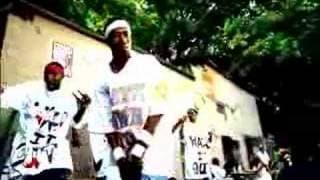
Atlanta radio had it in March 2006; by September the country did, and Outkast joined the remix.
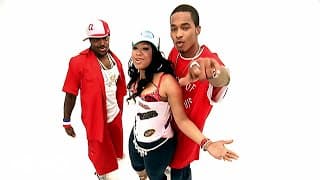
Trak Starz built the beat, Ludacris and Chaka Zulu signed him, and the Walnut Park kid stalled at number two.
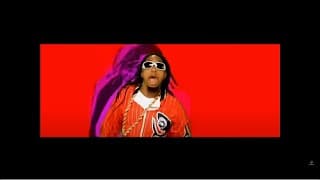
Finger snaps where the snare should be, E-40 riding shotgun, and Lil Jon proving crunk could whisper.
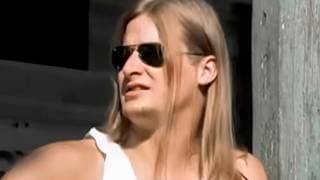
The first ballad Kid Rock ever cut, its opening lines written, by his account, in a jail cell.
A Shreveport club chant for DJ Hollywood Bay Bay, which Phunk Dawg's beat carried all the way to number seven.