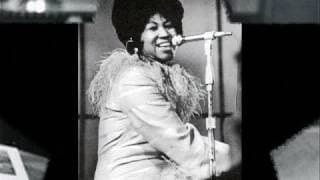
Respect
1967 · From I Never Loved a Man the Way I Loved You
Aretha takes Otis Redding's song away from him for good, spells out the demand, and never gives it back.
★ 9.9
 skopia
Aretha takes Otis Redding's song away from him for good, spells out the demand, and never gives it back.
Party chatter, a sax that sighs, and Gaye asking the question Motown begged him not to ask.
Cooke wrote it after a motel turned him away, and sang it like a hymn he already knew by heart.

That four-note bassline, a gospel hymn turned into a promise, and one of the warmest vocals ever recorded.
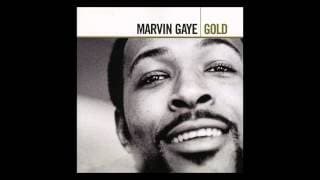
Motown shelved Gaye's version for over a year; it came out sounding like paranoia set to a Funk Brothers groove.
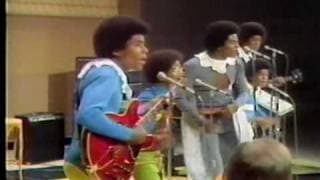
A child singing about regret over the springiest bassline Motown ever cut, and selling it completely.
Smokey Robinson wrote it for his wife Claudette, then handed David Ruffin his first Temptations lead vocal.
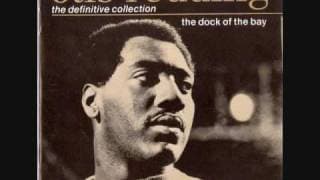
Redding cut the vocal three days before the plane crash, and Cropper finished it into the first posthumous American number one.
Spector printed 3:05 on the label of a 3:45 record, and it became the century's most-played song on American radio.
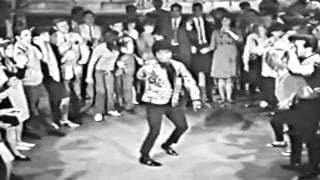
Brown recycled a flop he'd cut on Yvonne Fair, added Maceo Parker's alto, and landed his highest-charting single.
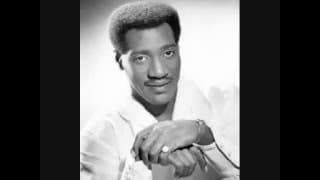
A 1932 Tin Pan Alley ballad, rearranged by Isaac Hayes, until Redding and Al Jackson tear the roof off.
Willie Mitchell and Al Jackson handed Green a track; he reportedly had the lyric in five minutes.
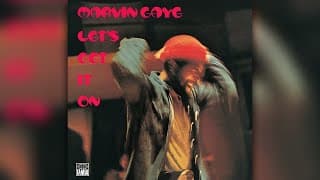
Ed Townsend conceived it as a spiritual; Gaye kept the backing track, rewrote the lyric, and Billboard number one followed.
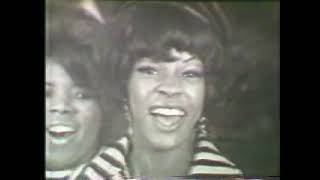
Gaye co-wrote it and cut an early version; Reeves heard block parties in it and needed two takes.
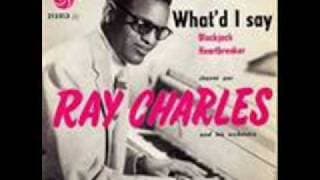
Charles took a gospel record he heard on tour, swapped the subject, and cut soul music's blueprint in Atlanta.
Withers bought a small piano, ran his fingers up the keys, and found the coal-town kinship he missed.
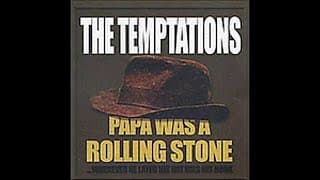
Nearly four minutes of bass, hi-hat and lone trumpet before anyone sings, and the groove never sags.
Mark James flopped with it first, in the same Memphis studio; Moman then handed Presley his last American number one.

Hoagy Carmichael's 1930 tune, remade as Charles's first Billboard number one and adopted as Georgia's state song in 1979.
Parton wrote it to leave Porter Wagoner; Houston opened a cappella and held the Hot 100 for fourteen weeks.
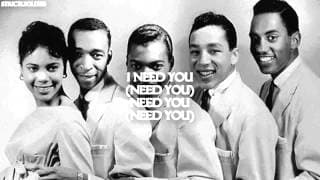
Tarplin brought the guitar figure first, Robinson and Moore wrote words to it, and Motown got its saddest smile.
Mayfield turned the gospel train of the spirituals into a civil rights hymn, and King used it to steady marchers.
Sledge gave the writing credits away to two bandmates, and Atlantic pressed the take with the out-of-tune horns.

Ronson cut it at Daptone with the Dap-Kings, sixties girl-group machinery rebuilt around a voice in ruins.
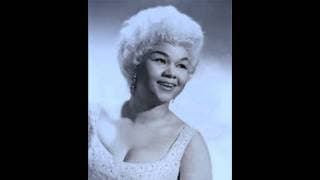
Riley Hampton's strings behind a 1941 film tune James took over, and the Library of Congress preserved it.
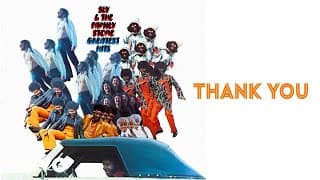
Larry Graham slapping and popping the bass line credited with inventing the technique, and a verse quoting their own hits.
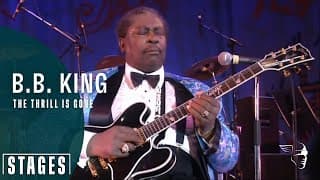
Bert de Coteaux's twelve-piece string section, overdubbed a week later, carried King's minor-key blues onto pop radio.
Skip Pitts on wah-wah, Willie Hall riding sixteenths on hi-hat, and the first Academy Award won by a Black composer.
Wonder played most of it himself, then broke it open with a spoken street scene running past seven minutes.

Cut live to tape at Daptone in Brooklyn with the Dap-Kings, and it took Record and Song of the Year.

Holland-Dozier-Holland pitched Stubbs at the very top of his range, and Paul Riser opened it with piccolo and flute.
Withers was building airplane toilets when he cut this, and he left the unfinished bridge as twenty-six repeats.

Flack heard Lori Lieberman's version on a plane's in-flight audio, rewrote the chords, and took Record of the Year.
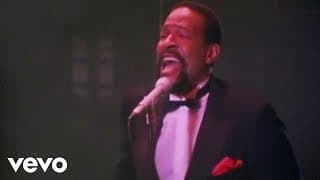
Gaye programmed the TR-808 himself in a Belgian studio, and it finally won him the first Grammys of his career.
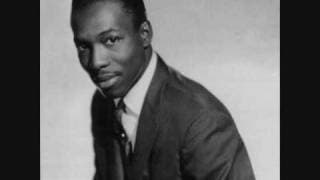
Jerry Wexler danced the Jerk across the Stax floor until the band pushed the backbeat onto beat two.
Cooke credited it to his brother L.C. to dodge his publisher, then carried it to number one on both charts.

Hill wrote and produced it herself, aimed one verse at women and one at men, and debuted at number one.

Seventeen years old, filling a Sunday when the booked singer's session collapsed, Jones cut the Hammond vamp that defined Stax.
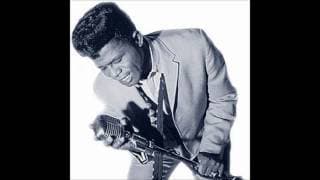
Betty Jean Newsome shares the credit and later claimed all of it; Sammy Lowe's strings carry Brown's most exposed vocal.
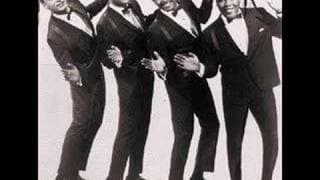
Dozier lifted the title from his grandfather flirting in a beauty shop, and Stubbs sings it like a plea.