(I Can't Get No) SatisfactionThe Rolling Stones
(I Can't Get No) Satisfaction
1965 · From Out of Our Heads
Keith dreamt the fuzz riff, taped it half-asleep, and woke up holding the sound of teenage frustration.
★ 9.8
 skopia
Keith dreamt the fuzz riff, taped it half-asleep, and woke up holding the sound of teenage frustration.
Chuck Berry's intro lick is rock's opening statement, a country boy's origin myth now drifting past the solar system.
Elvis's first RCA single, all cavernous echo and empty rooms, the loneliest number one ever cut.
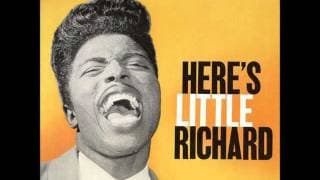
A nonsense holler cleaned up just enough to press, and the moment rock and roll stopped asking permission.
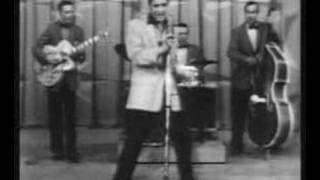
Leiber and Stoller wrote it for Big Mama Thornton; Elvis took it, sped it up, and set it on fire.
Twelve minutes left at a Pennsylvania dance, so Charles improvised it on his Wurlitzer and many stations banned it.
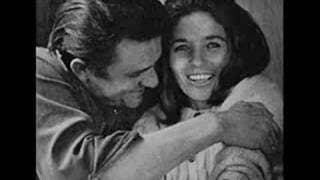
Cash slipped paper under his guitar strings for that snare tick, and hums to find each new key.
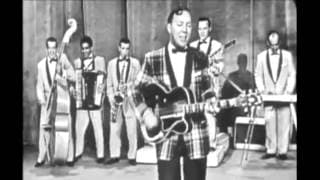
Cut in leftover studio minutes with Sammy Davis Jr. waiting outside, it flopped until Blackboard Jungle put it under the credits.
Lennon and McCartney started it on a tour bus after a Newcastle show; Martin thought the sixth-chord ending corny.
Presley started clowning through an Arthur Crudup blues on a break; Sam Phillips heard it and rolled tape.

Anita Carter cut it first, her sister June wrote it with Merle Kilgore, and Cash added the mariachi trumpets.
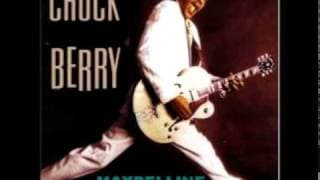
Ida Red, a 1938 Bob Wills fiddle tune, turned into a car chase, with Johnnie Johnson's piano running underneath.
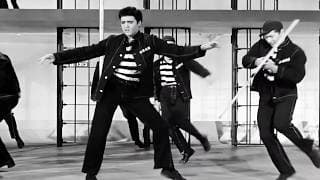
Leiber and Stoller wrote it as a goof; Scotty Moore's solo nearly derails the take and Presley never blinks.
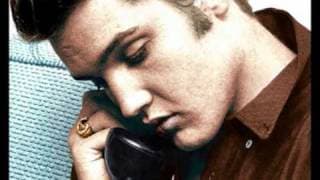
Blackwell gave Presley half the writing credit; the Jordanaires hum behind a vocal so relaxed it barely seems to try.
Holly took the title from a John Wayne line and recut it in Clovis after Decca shelved the first version.
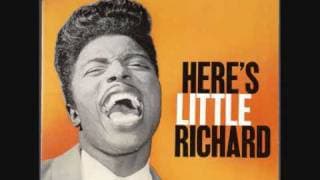
Blackwell built the lyric to run too fast for Pat Boone, and Richard shouted it out at Cosimo Matassa's J&M.
One microphone, Roland Janes muted behind the boogie piano, and a July 1957 television debut that turned it national.
Cut in Clovis as "Cindy Lou" until Allison's girlfriend got the title, and his paradiddles never let up.
His sister Lucy monopolized the family piano for classical, so Berry wrote his rebuttal, with Johnnie Johnson answering back.
Lewis argued theology with Sam Phillips between takes at Sun, decided the devil could wait, and cut it anyway.
Last song of a twelve-hour day, Lennon's throat gone, one usable take, and the Beatles' only million-selling cover.
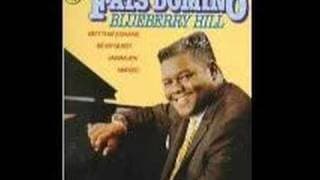
Nobody in the room had the lyrics, so Bunny Robyn spliced three broken takes into Domino's biggest hit.
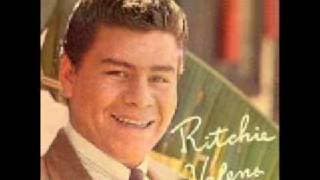
Cut as the B-side of Donna, a Veracruz son jarocho with Carol Kaye on rhythm and Earl Palmer driving.
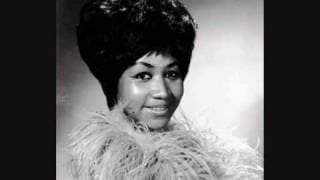
Joe South's tremolo guitar opens it, Don Covay wrote it young while singing gospel, and Franklin turns it merciless.
Ronald Isley improvised the call and response onstage extending Lonely Teardrops, and RCA packed the room with friends answering.
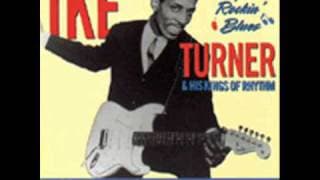
Kizart's amp fell off the car, Phillips stuffed the blown cone with paper, and distorted guitar entered the language.
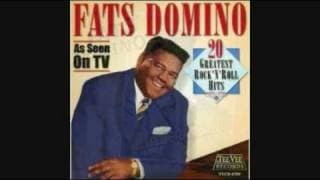
Bartholomew and Domino wrote it, Pat Boone's cover took the number one, and Domino's rolling piano triplets outlasted it.
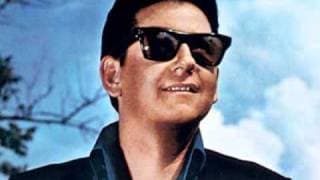
Orbison meant it for Elvis; the Everly Brothers told him to keep it, and Nashville's A-Team built the ache.
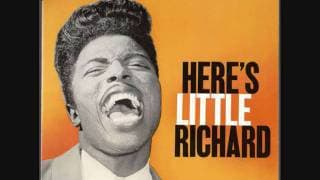
Little Richard lifted the piano intro straight off Rocket 88, and Earl Palmer's drums do the rest.
Felice and Boudleaux Bryant's plot is an alibi, Boston banned it as suggestive, and it still topped the pop chart.
Herman Santiago built it from a neighbor's love letters; Lymon, thirteen, took the lead and the credit fight ran decades.
A shaken Pepsi bottle gave Blackwell the title, and Presley's version held number one for two solid months.
One chord cut at Chess in March 1955, and Muddy Waters answered it with Mannish Boy by May.
Seven sections in under three minutes, no chorus repeated, and a melody Orbison said arrived while half asleep.
Some thirty acts turned the Bryants' song down; Don Everly's intro, written for something else, took it to number two.
Jerry Allison pounded the beat out on a cardboard box, and a B-side that never charted outlived nearly everything.
Eighteen takes in one November session, a Lennon ballad sped up, and Martin calling their first number one.
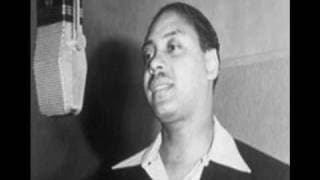
Jesse Stone wrote it under a pen name, Atlantic cut it in February 1954, and Turner topped the R&B chart.
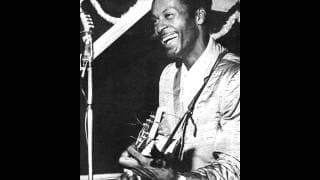
Lafayette Leake's piano, Willie Dixon's bass, and a melody Brian Wilson borrowed so closely he lost the copyright.
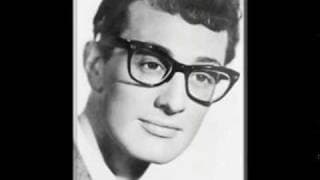
A celesta played by the producer's wife, Jerry Allison slapping his knees for drums, and two minutes of pure lift.