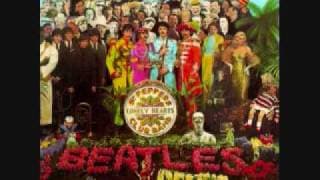
A Day in the Life
1967 · From Sgt. Pepper's Lonely Hearts Club Band
Two unfinished songs bolted together, an orchestra climbing to nothing, and the last piano chord in pop.
★ 9.9
 skopia
Two unfinished songs bolted together, an orchestra climbing to nothing, and the last piano chord in pop.
Two takes in different keys and tempos spliced into one, a Mellotron haze over Lennon's Liverpool childhood.
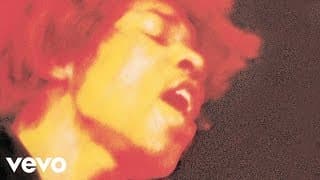
Hendrix took Dylan's parable and lit it, and Dylan has played it Hendrix's way ever since.
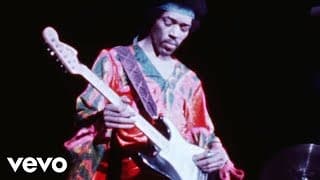
The intro is a tritone, medieval music's forbidden interval, and Roger Mayer's new Octavia pedal makes the solo scream.
Jones's sitar made it the first number one to feature the instrument, and Decca added the comma by mistake.
Krieger wrote most of it, Manzarek built a Bach-shaped organ intro, and Morrison sang the banned lyric on Sullivan anyway.
Cut May 3, 1968 with an ABC film crew rolling, and it became Hendrix's only British number one, posthumously.
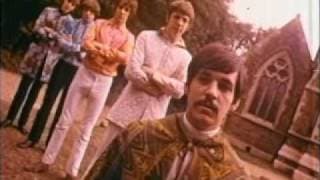
Fisher's Hammond nods at Bach for a bar before veering off, and Reid took the title from a party remark.
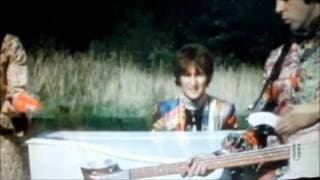
Lennon stitched three unfinished songs together, then let a live BBC King Lear broadcast wander into the mix.
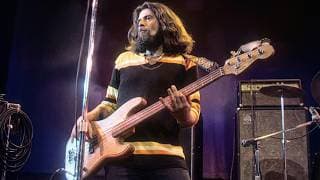
Columbia rejected the RCA session on a technicality, so McGuinn recut his Coltrane-inspired twelve-string and radio banned it anyway.
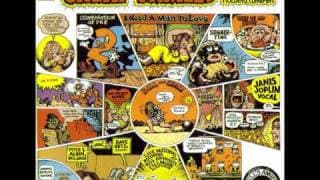
Erma Franklin had it first in 1967, then Joplin tore the same Ragovoy and Berns song wide open.
Slick borrowed the one long crescendo from Bolero and Lewis Carroll's cast, then rode both to number eight.
Bruce came home from a Hendrix show carrying the riff, and Baker answered it by drumming on one and three.
Mars Bonfire's used Ford Falcon inspired it, Steppenwolf sped it up, and Easy Rider made it biker culture's signature.
Krieger's raga-style tuning, Morrison at his most unnerving, and nearly twelve minutes Coppola later gave to Apocalypse Now.
An irregular heartbeat diagnosis sent Dharma writing about mortality and lasting love, and the cowbell did the rest.
Argent and Blunstone rowed over the vocal at Abbey Road, and the band had broken up before America noticed.
A 5/4 intro that worried the label, Pappalardi's violas, Baker's timpani, and Clapton's wah-wah doing the talking.
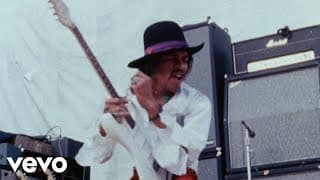
One note shaken into a wide vibrato, then feedback, then the sharp-ninth chord that carries his name.
Townshend called it his ace in the hole and never forgave Britain for stopping it at number ten.
Emerick taped the backing fast and slowed it on playback; Ringo called it the best record he ever made.
Erickson wrote this kiss-off at fifteen, and Tommy Hall's electric jug gave Texas garage rock its strangest sound.
Densmore's bossa nova drum feel, Krieger's riff borrowed from a Butterfield blues cover, and a refrain their producer censored.
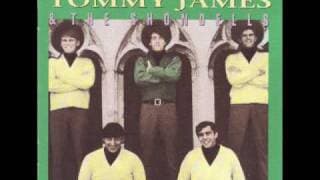
Five hours on brand-new sixteen-track, with a vocal fed through an Ampeg amp's tremolo for that shimmering close.
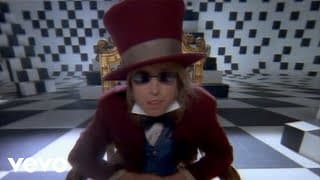
Stewart's electric sitar, a title Stevie Nicks said out loud one night, and Petty at his strangest.
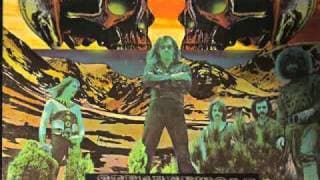
Moreve's riff, Monarch's feedback spliced onto the front by the engineer, and words Kay wrote about his new stereo.
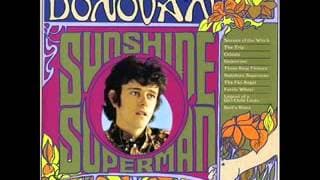
Two chords built for jamming, Mickie Most in the producer's chair, and folk-pop suddenly acquired a shiver of paranoia.
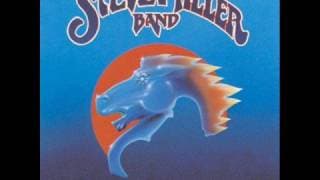
Miller ran a Stratocaster through an Echoplex for that staggered triplet echo, and the synthesizer drifts like weather.
Twenty minutes at the tail end of the Fire session, and Hendrix trading fire for something quiet and blue.
A Jewish songwriter watching Porter Wagoner sing gospel on television, a Telecaster with the fuzz built in, and heaven.
Hunter set his lyric in Grosvenor Square, and from 1977 the Dead ran it straight into Fire on the Mountain.
Verses at 123 beats a minute collapsing to 65 in the chorus, cut live with Auerbach's band in Nashville.

Stalled at sixty-two in 1967, then a brotherhood radio spot pushed the reissue to number five two years later.
Among Plant's first songwriting credits, a CBS contract having blocked him on the debut, over guitars panning across both channels.
Pappalardi and Gail Collins wrote new words over a shelved "Lawdy Mama" take, and Clapton borrows Albert King wholesale.