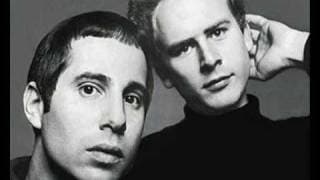
Bridge Over Troubled Water
1970
Garfunkel's voice climbing a gospel staircase, the last verse arriving like the cavalry.
★ 9.5
 skopia
Garfunkel's voice climbing a gospel staircase, the last verse arriving like the cavalry.
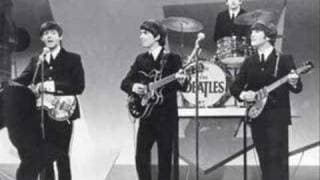
McCartney dreamed of his mother Mary telling him it would be all right; Harrison cut two different solos.
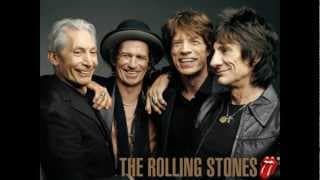
A choral intro from the London Bach Choir, Al Kooper on French horn, and producer Jimmy Miller on drums.
Mayfield turned the gospel train of the spirituals into a civil rights hymn, and King used it to steady marchers.
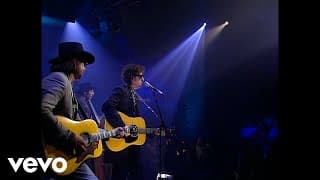
Two short verses written for a dying sheriff in Pat Garrett, with Roger McGuinn on guitar and Jim Keltner drumming.
Harrison started it backstage in Copenhagen, gave it to Billy Preston first, then took the first ex-Beatle number one.
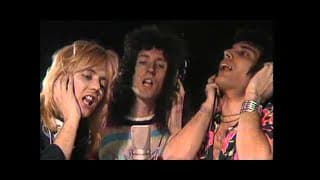
Mercury wrote it at the piano, then three voices were multitracked into something the size of a gospel choir.
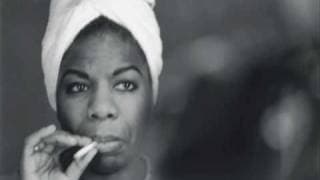
Simone learned it at her mother's revival meetings and stretched it past ten minutes of piano vamp and handclaps.
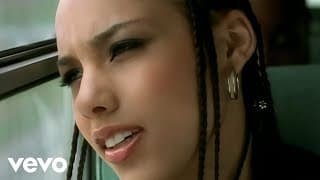
Two chords, one piano, and Keys writing and producing her own debut single straight to Song of the Year.
Fifteen minutes on foot to a New York studio was all the writing time, and Blackwell approved it instantly.
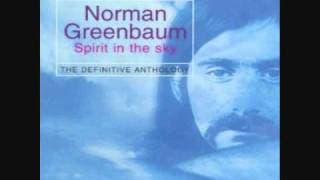
A Jewish songwriter watching Porter Wagoner sing gospel on television, a Telecaster with the fuzz built in, and heaven.
Printed as "The Good Old Way" in an 1867 collection of slave songs, and Krauss makes it sound weightless.
Written for Space Jam, Paul Riser's strings taped in Detroit, the Luv Club Choir massed behind the vocal.
A B-side cut in April 1964, with Jimmy Norman adding lyrics at the session; Jagger later copied her ad-libs.
Forty-odd stars filed past a sign reading "Check your ego at the door," and Quincy Jones got them singing together.