
The Reason
2004
Estrin mailed Robb an instrumental demo; the lyrics came from scraps in a journal, the strings from Capitol.
★ 1.7
 skopia
Estrin mailed Robb an instrumental demo; the lyrics came from scraps in a journal, the strings from Capitol.

Vocoder all over an R&B ballad in 2001, years before the effect took over pop radio; the Haileys wrote it.
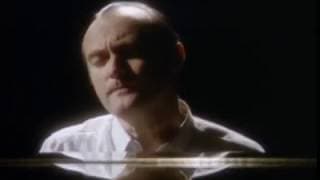
A slow burn, Hugh Padgham at the desk, Stephen Bishop harmonising behind, and Collins's fourteenth and final American top ten.
Sonefeld's idea, written by committee on acoustic guitars, and Rucker addressing time itself like it owed him something.

J.R. Rotem looped Imogen Heap's Hide and Seek under a debut single, and Derulo had a number one within months.

Rosenberg cut it in a Sydney studio with Australian session players, and a Dutch fan's email set it loose.

Rutherford and B.A. Robertson had both just lost their fathers; Carrack, who lost his young, sang it.
Scalzo sang lead from behind the bass, Hammond organ carrying it, and Machine Gun Kelly later borrowed the chorus.

Forty-five minutes to an hour, by Kroeger's account, then more US radio plays than any song of the decade.

Mark Wills cut it first in 2003; Dann Huff's production turned Steele and Robson's ballad into a country number one.

Written in 1996 for an acoustic side project and shelved, it returned to spend twenty weeks atop Mainstream Rock.

Doris Fisher's music, Allan Roberts's lyric, four voices in close harmony, and a B-side, "Till Then," that charted too.

Max Martin and Rami built it with Lisa Miskovsky, and the video sat atop TRL for sixty-five days.

Gill and John Barlow Jarvis turned an apology for neglect into a ballad, and Gill's first country number one.

Clapton plays the lead over Padgham's production, the closest Collins had then come to writing a blues song.
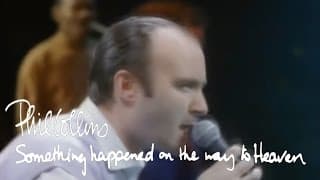
Phenix Horns brass over Nathan East's bass, on a song Collins first wrote for The War of the Roses.

Beckett and Crowley wrote it after two bandmates' breakups, and Lambert and Potter's production held number one for three weeks.

Seven minutes long, never a single, self-produced by the trio, and the longest slow burn on Writer's Block.

Tucker's maid pressed Shelton Brooks's song on her in 1910, and it stayed her signature for the rest of her career.

Patrick's blackouts and a father's disappointment sit behind it, six minutes of guitar haze on Title of Record.