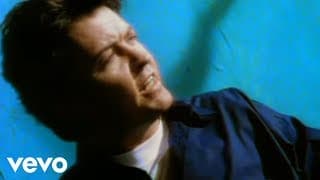
Oh Girl (Paul Young)
1990
Eugene Record's Chi-Lites ballad, harmonica and all, remade by Young in 1990 for a number eight American hit.
★ 1.2
 skopia
Eugene Record's Chi-Lites ballad, harmonica and all, remade by Young in 1990 for a number eight American hit.
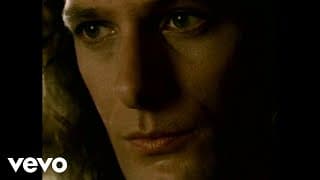
Written in 1982, handed to Branigan after Bolton refused Clive Davis's rewrite, and reclaimed for a number one.
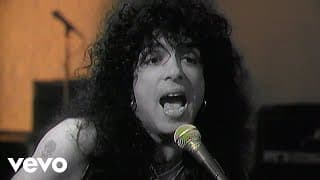
Paul Stanley and Michael Bolton co-wrote the ballad that returned Kiss to the Top 40 after eleven years away.
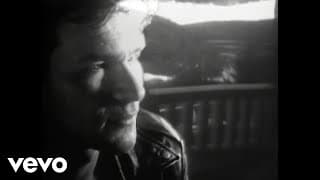
Swayze and Stacy Widelitz wrote it in 1984; rejected for Youngblood, it found Dirty Dancing and Wendy Fraser's backing vocals.
Paco de Lucía's flamenco guitar runs through it, cut for Don Juan DeMarco, and it held number one five weeks.
Cetera sketched the chords in three hours for Kenny Rogers, who declined; Chicago kept it and hit number three.
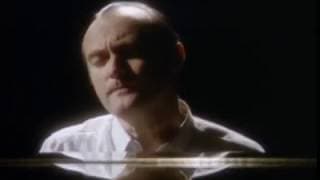
A slow burn, Hugh Padgham at the desk, Stephen Bishop harmonising behind, and Collins's fourteenth and final American top ten.
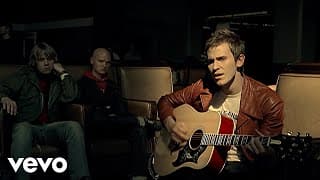
Cut at John Alagia's home studio in Maryland, it topped Adult Pop Songs for nine weeks and became a wedding standard.
Rutherford and B.A. Robertson had both just lost their fathers; Carrack, who lost his young, sang it.
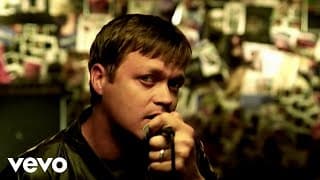
Rick Parashar cut it across three studios, and Arnold's ballad about missing someone became an unofficial anthem in Iraq.
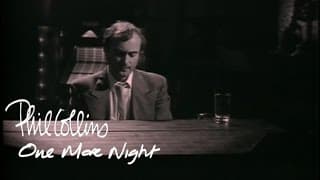
A DX7 electric piano, a drum machine, and Don Myrick's saxophone taking a number one out quietly.
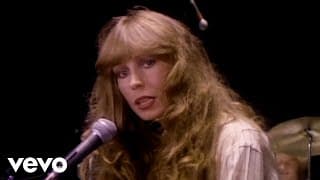
Chip Taylor wrote it after hearing Ruby Tuesday, Connie Francis passed on it, and Newton reached number four.

Twain got the idea at a soccer match in Italy; Bryan White sang the original duet version.
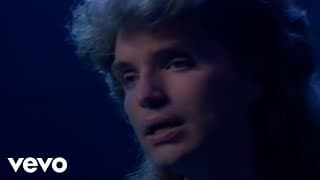
Written for Cynthia Rhodes while she filmed in South Africa, turned down by Streisand, then three weeks at number one.

Seamus Egan's instrumental came first; McLachlan added words, and the live Mirrorball version won her a Grammy.
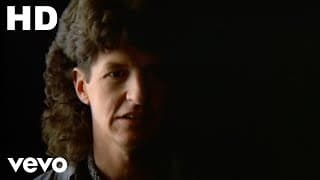
Cronin sat on the verses for years before finishing them in Hawaii, and three weeks at number one followed.
Clapton plays the lead over Padgham's production, the closest Collins had then come to writing a blues song.

Morrison wrote it as a prayer for Avalon Sunset; Stewart's reading turned it into a wedding standard.
A Korg M1 supplied most of the sounds, NPR called it the year's most divisive song, Vernon his favorite.
Beckett and Crowley wrote it after two bandmates' breakups, and Lambert and Potter's production held number one for three weeks.