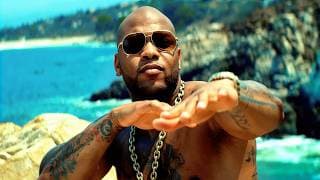
She Ain't You
2011
Built on SWV's Right Here and Michael Jackson's Human Nature, Brown sighing over an ex from inside a new relationship.
★ 0.8
 skopia
Built on SWV's Right Here and Michael Jackson's Human Nature, Brown sighing over an ex from inside a new relationship.
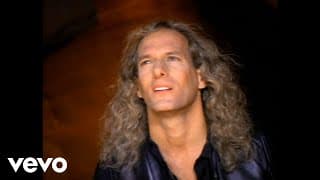
Mutt Lange co-wrote the twist, twelve weeks atop adult contemporary, and Bolton insisting the word love undersells it.
Romero improvised the chorus for a flamenco dancer in Venezuela; the Bayside Boys remix ran fourteen weeks at number one.
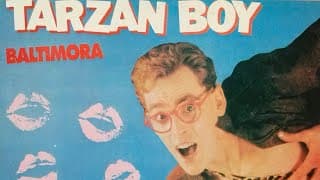
Bassi and Hackett wrote it, McShane mimed it in the video, and the Tarzan yell became the hook.
A gym joke about mirror preening, built on a riff lifted from Hendrix's Third Stone from the Sun.

William Orbit co-wrote and produced it, a Madonna collaborator turning Brown's fourth Fortune single into gleaming EDM.

Cut at the Record Plant with The Underdogs, 130 BPM of house that gave Brown his first UK number one.

Two singers who never planned a duet took Bobby Caldwell's song to number one, David Foster producing.

Produced by The Messengers with Nasri co-writing, the fifth single from Fortune asks a lover to ignore rumor.

Troy Taylor cut it at D2 in Atlanta, and Songz's birthday toast climbed to number nine, then double platinum.
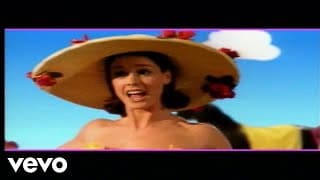
Rasted got the idea at a Danish kitsch exhibition, and Mattel's trademark suit lost to the parody defense.

Written in 2007 about a girl who moved away for college, and every synth in it aches accordingly.
Berlin wrote it in 1927; Taco's synth version made him, at ninety-five, the oldest living songwriter in the top ten.
Eugene Record's Chi-Lites ballad, harmonica and all, remade by Young in 1990 for a number eight American hit.
RedOne produced it with Bilal Hajji, a dance-floor emergency that peaked at number five and opened Miss Universe.

Number one in Australia, top ten in Britain, and Neon Hitch trading verses with McCoy over Benny Blanco's beat.
Wayne Kirkpatrick co-wrote it, Dann Huff played the guitar, and Christian radio's searching ballad reached number six pop.
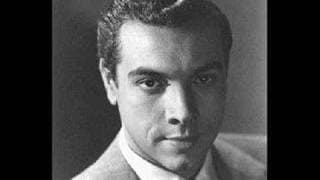
A Juventino Rosas waltz from 1888, fitted with English words for The Great Caruso and sung to number three.
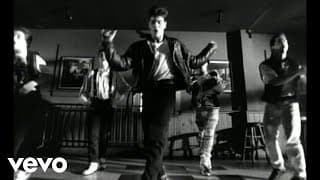
Maurice Starr wrote and produced it, Jordan Knight and Donnie Wahlberg took the leads, and Britain crowned it a year later.